

Honestly, there’s nothing that can fully prepare us for the moment we realize our beloved four-legged companion is nearing the end of their journey. The thought itself brings a heaviness to our hearts that feels almost unbearable. Yet recognizing the signs your dog is showing can be the greatest act of love we can offer them in their final days. Understanding these subtle messages they send allows us to make informed decisions about their care, ensuring their transition is as peaceful and pain-free as possible.
These signs don’t always appear overnight. Sometimes they develop gradually over weeks or months, making them easy to overlook or dismiss as normal aging. I’ve learned that trusting our instincts as pet parents often proves invaluable during these difficult times. When something feels different about our dog’s behavior or health, it usually is.
Loss of Appetite and Interest in Food

A loss of appetite is a major red flag in senior or terminally ill dogs. If your dog refuses food, even their favorite treats, it could mean their digestive system is shutting down. This change often strikes pet owners as particularly heartbreaking since mealtime has always been such a source of joy for their furry friend.
For many dogs, meals are the best parts of their day. If your dog no longer eats with vigor or enjoys special treats, it could be a sign that their quality of life is failing. Sometimes dogs will still show mild interest in water but completely turn away from food, even the most tempting offerings like chicken or their absolute favorite snacks.
Extreme Lethargy and Increased Sleeping

Dogs nearing the end of their lives often sleep more than usual. You may find your pet resting in quiet areas of the house and showing little desire to move. Even when awake, they may seem disoriented or too exhausted to respond to commands.
Dogs sleep a lot as it is, so when they become lethargic at the end of their life it can be quite noticeable. If your dog no longer wakes at normal intervals or snoozes through meal times, it could be a sign that their health is failing. This excessive fatigue goes beyond normal aging and represents their body’s way of conserving whatever energy remains.
Difficulty Breathing or Labored Respiration
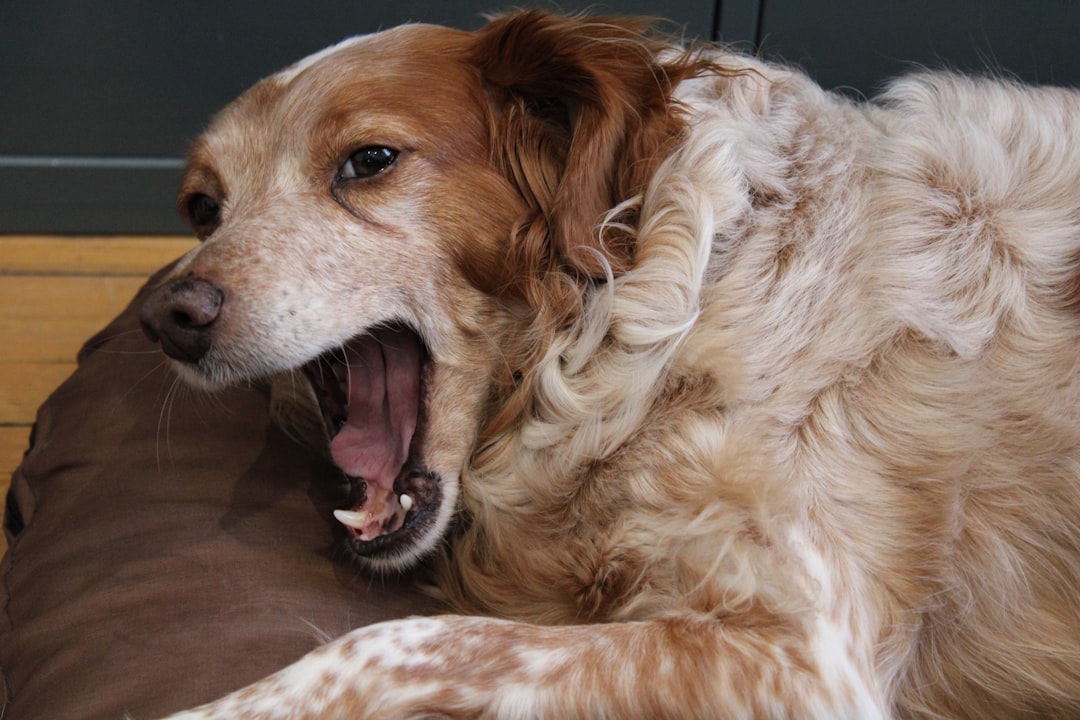
Changes in your dog’s breathing pattern or difficulty breathing can signal distress. Dogs nearing the end of life may exhibit labored breathing which can be a symptom of heart disease, fluid buildup in the lungs, or other serious conditions. If your dog struggles to breathe comfortably, speak with your vet about options to ease their discomfort.
You might notice your dog panting heavily even when resting or breathing in an irregular pattern that seems forced or uncomfortable. Dogs in heart failure may develop a cough due to changes in the size of their heart and/or fluid accumulation in the lungs, along with weakness caused by anemia and poor circulation of oxygenated blood. These respiratory changes often become more pronounced during the final weeks of life.
Significant Weight Loss and Muscle Atrophy
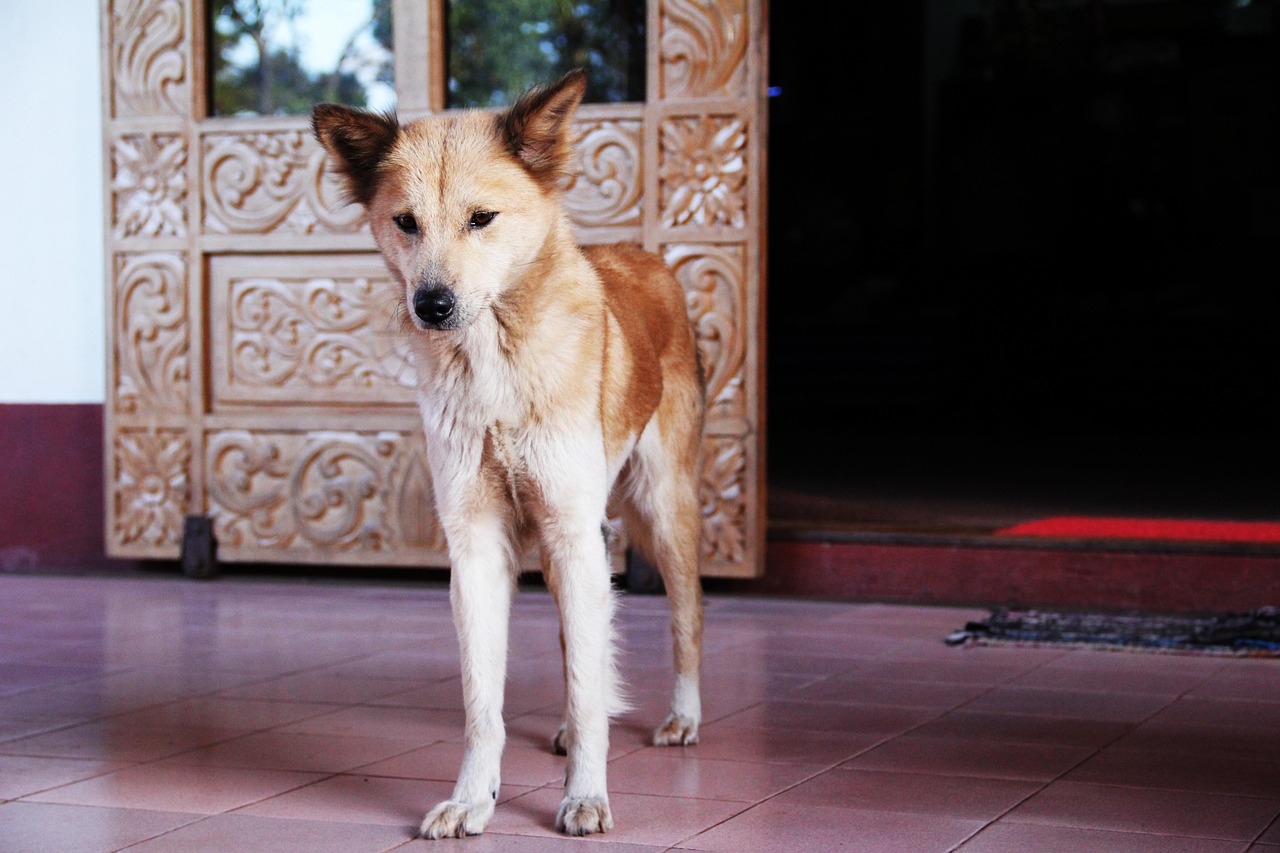
You may notice that your dog seems to be losing weight rapidly. While weight loss is common in older dogs, extreme or rapid weight loss can be a sign that a dog is nearing the end of life. Extreme weight loss can occur from not eating or changes in their metabolism due to certain conditions.
Significant weight loss in older or sick dogs can occur due to decreased appetite, metabolic changes, or chronic illness. Muscle atrophy, where the body loses muscle mass, is also common, especially in the hind legs. If your dog is visibly thinner and weaker, their body may be struggling to process nutrients or sustain itself. This physical decline often happens gradually, then suddenly becomes quite apparent.
Loss of Bladder and Bowel Control

Urine incontinence and fecal incontinence are both common dog dying symptoms. Dogs may be physically unable to rise from their beds to go outside, or they may have musculoskeletal and neurological deterioration that affects their urethral and anal sphincters.
Loss of bladder and bowel control could be signs of disease or an indication that your dog is having cognitive or mobility issues. While incontinence is not uncommon in senior dogs, it can seriously impact their quality of life. This symptom particularly distresses many dogs who have been housetrained their entire lives, as they may seem confused or upset by these accidents.
Withdrawal from Social Interaction and Activities

Dogs nearing the end of their life may become dispirited and retreat from activities, treats, or toys that once brought them joy. If you notice your dog becoming more lethargic and disinterested in their favorite things, it’s time for a trip to the vet. This emotional withdrawal often proves one of the most painful signs for pet owners to witness.
Many dogs will distance themselves from their owners when they are in the process of dying. If your dog seeks solitude or isolation when they normally don’t, that could be a sign. They might move to quiet corners of the house or avoid their usual spots on the couch or bed where they previously loved spending time with their family.
Changes in Mobility and Coordination

Sometimes, decreased mobility is just a normal symptom of aging. But if movements suddenly become more difficult, or your dog seems wobbly and uncoordinated, you may want to consult your veterinarian. These changes often manifest as stumbling, difficulty standing up, or an inability to navigate stairs they once climbed easily.
It can be very distressing for a dog when their joints begin to fail and it becomes difficult for them to get around. You might notice your dog hesitating before jumping onto furniture or struggling to maintain their balance while walking. Their usual graceful movements become labored and uncertain.
Cognitive Decline and Disorientation

Just like people, dogs’ brains often show the cruel signs of aging. This may result in symptoms similar to Alzheimer’s Disease, such as anxiety, confusion, and irritability. They may whine, pace, bark, or seem to get “lost” in their own home.
Mental confusion can be particularly heartbreaking to observe as your once-sharp companion may no longer recognize familiar places or routines. Cognitive decline is common in elderly dogs. They might stare blankly into space, forget where their food bowl is located, or appear startled by family members they’ve known for years. These episodes of disorientation often increase in frequency as the end approaches.
Conclusion

Recognizing these signs doesn’t mean you should lose hope immediately, as some may also indicate a treatable medical condition. If your dog is showing several of the following signs, make an appointment with your veterinarian to discuss quality of life and create an end-of-life plan. The most important thing we can do is remain observant and compassionate during this challenging time.
The reality, however, is that natural death is not usually peaceful, and dogs with terminal illnesses could suffer for days from pain, nausea, and anxiety as their bodies begin to shut down. This is why the standard is for veterinarians to offer painless, humane euthanasia to end a pet’s suffering. Sometimes the greatest act of love involves making the difficult decision to let them go peacefully.
What matters most is that we pay attention to what our dogs are telling us and respond with the love and care they’ve given us throughout their lives. What would you want for your beloved companion in their final moments?
