
Worried about unexpected vet bills?
Pet insurance can cover thousands in unexpected vet costs. Get a free quote from Lemonade in under 2 minutes.
Get My Free Quote →Sponsored · Opens Lemonade.com
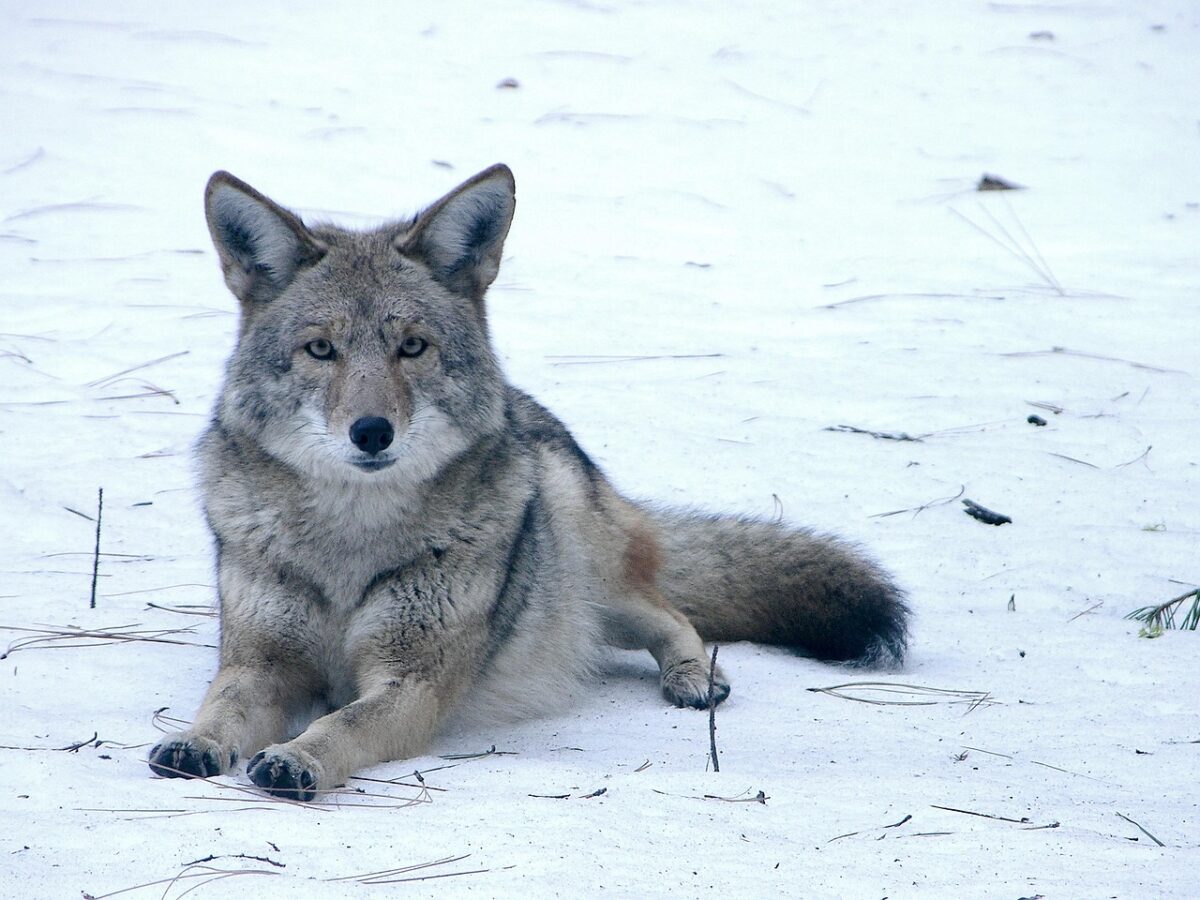
Picture a suburban evening. You’re walking your dog when something catches your eye through the fence line. A sleek, gray figure watches you with calculating amber eyes before melting back into the shadows. That wasn’t a stray dog you just saw. It was likely a coyote, and it’s probably smarter than you think.
Coyotes are spotted in alleyways from Berkeley, Calif., to the Bronx, in New York, and their intelligence appears to be evolving at a breathtaking pace. We’re witnessing something unprecedented: wild predators adapting not just to human environments, but seemingly outsmarting our best efforts to keep them at bay. Let’s dive into this fascinating urban wildlife revolution.
The Urban Intelligence Revolution
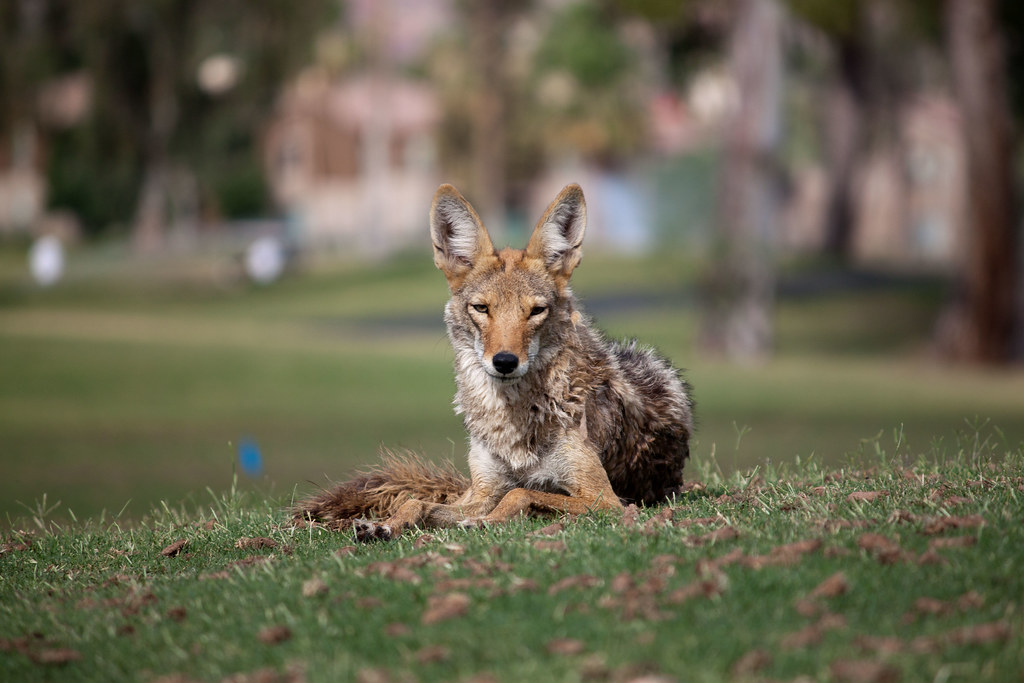
Urban coyotes are bolder and more exploratory than rural coyotes, showing cognitive abilities that frankly surprise even wildlife experts. These aren’t your typical countryside scavengers anymore. Their innate intelligence and ability to navigate complex urban environments give them an edge, allowing them to evade human disturbances while exploiting new resources.
Their tolerance to a highly diverse diet, combined with high levels of intelligence and their semi-nocturnal lifestyle has made them great at adapting to life in the city. What makes this particularly remarkable is how quickly this transformation has happened. Evolution can happen within just a few generations, and we’re seeing it play out in real time on city streets.
Genetic Adaptation at Warp Speed
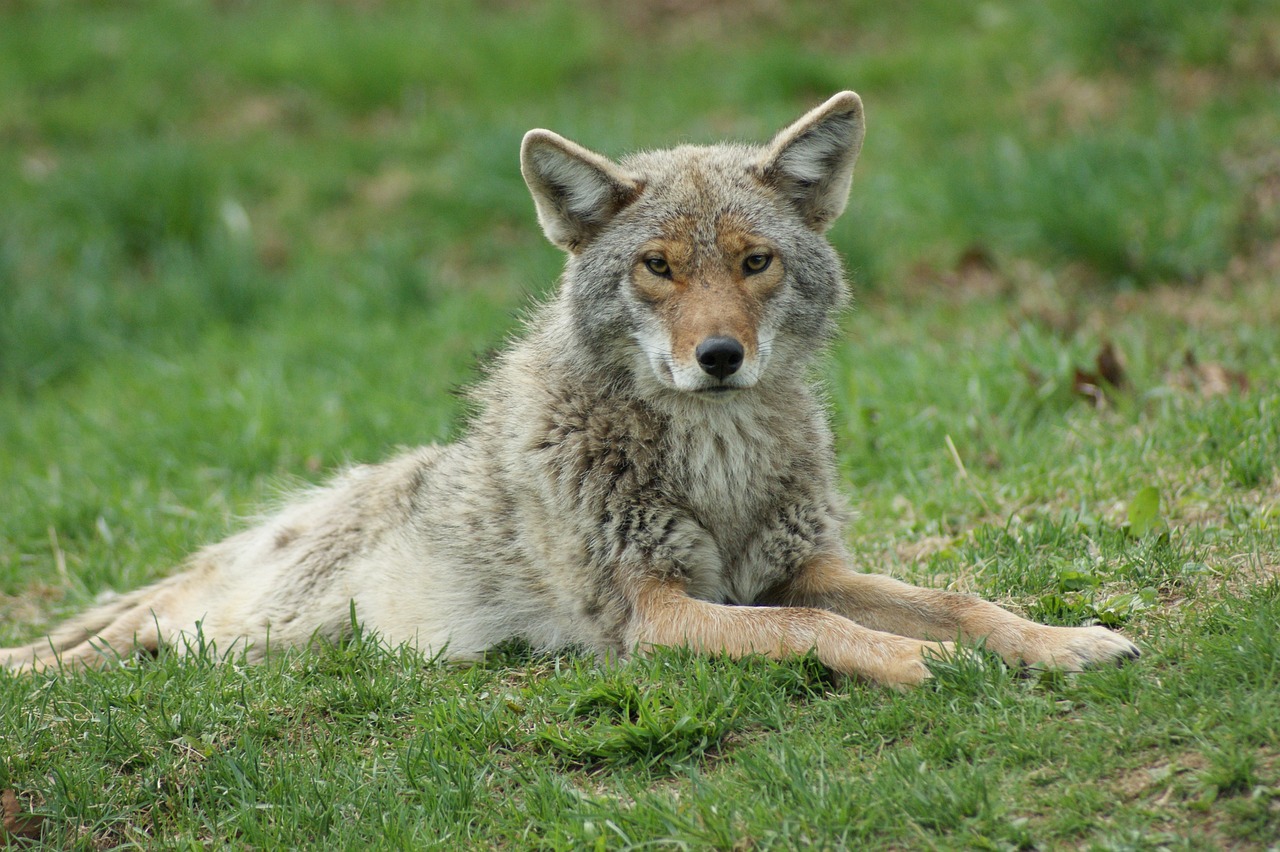
Scientists are discovering that urban coyotes aren’t just behaviorally different – they’re genetically evolving. A recent study conducted by a team of researchers from Washington University in St. Louis shines a light on the genetic and evolutionary mechanisms at play behind urban coyotes’ remarkable adaptation to city life.
Urban food has a higher caloric density due to high levels of carbohydrates and fat, but a lower nutritional value because of lower levels in proteins. This change in nutritional intake has been linked to different levels of insulin production and diabetes. Remarkably, their bodies are adapting to process pizza crusts and fast food waste as efficiently as they once hunted rabbits. Urban coyotes may undergo similar genetic changes as domestic dogs, which have adapted to living on high starch diets.
Outsmarting Human Barriers
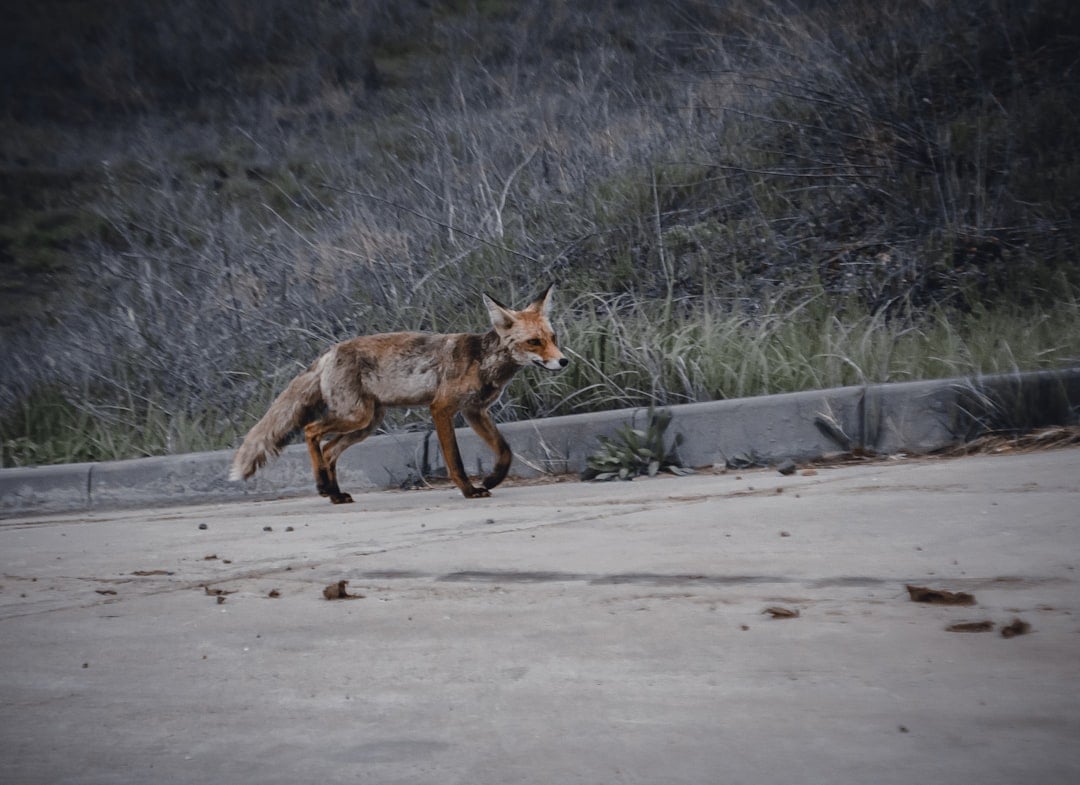
Here’s where things get truly unsettling for homeowners. Coyotes are remarkable jumpers capable of clearing fences over 6 feet tall. Their powerful hind legs and lean bodies give them an athletic edge. Yet it’s not just their physical prowess that’s impressive – it’s their problem-solving abilities.
Their dexterity and problem-solving intelligence enables them to scale fences even when lacking enough space to make running vertical jumps. However, coyotes are generally limited to jumping fences around 6 to 8 feet tall, with their maximum jumping ability rarely exceeding this range. Honestly, watching security footage of coyotes navigating suburban obstacles feels like observing a master class in urban acrobatics.
The Learning Curve That Defies Traditional Deterrents
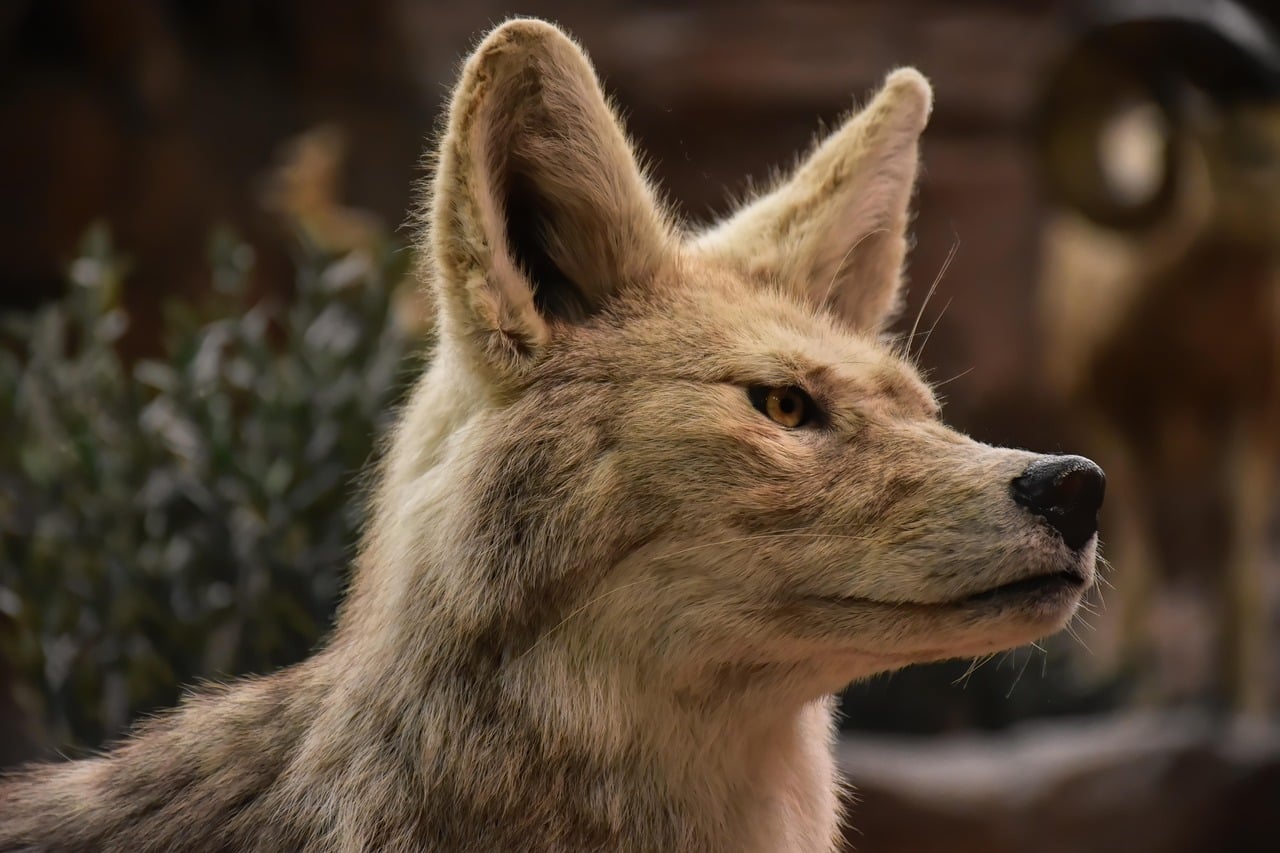
Traditional wildlife management techniques are proving woefully inadequate against these evolving predators. Coyotes are also extremely smart and adaptable creatures capable of quickly learning how to circumvent barriers or repellents. The key to success is to use a diversity of approaches to deter coyotes.
Coyotes are also very smart and will figure out that the lights don’t indict a threat eventually. What’s particularly troubling is how they seem to communicate these learned behaviors. Urban coyotes presumably transmit urban survival skills to their pups, and once the pups grow and disperse, they settle in an urban habitat similar to the one that they were trained in by their parents.
Bold Behavior and Dangerous Confidence
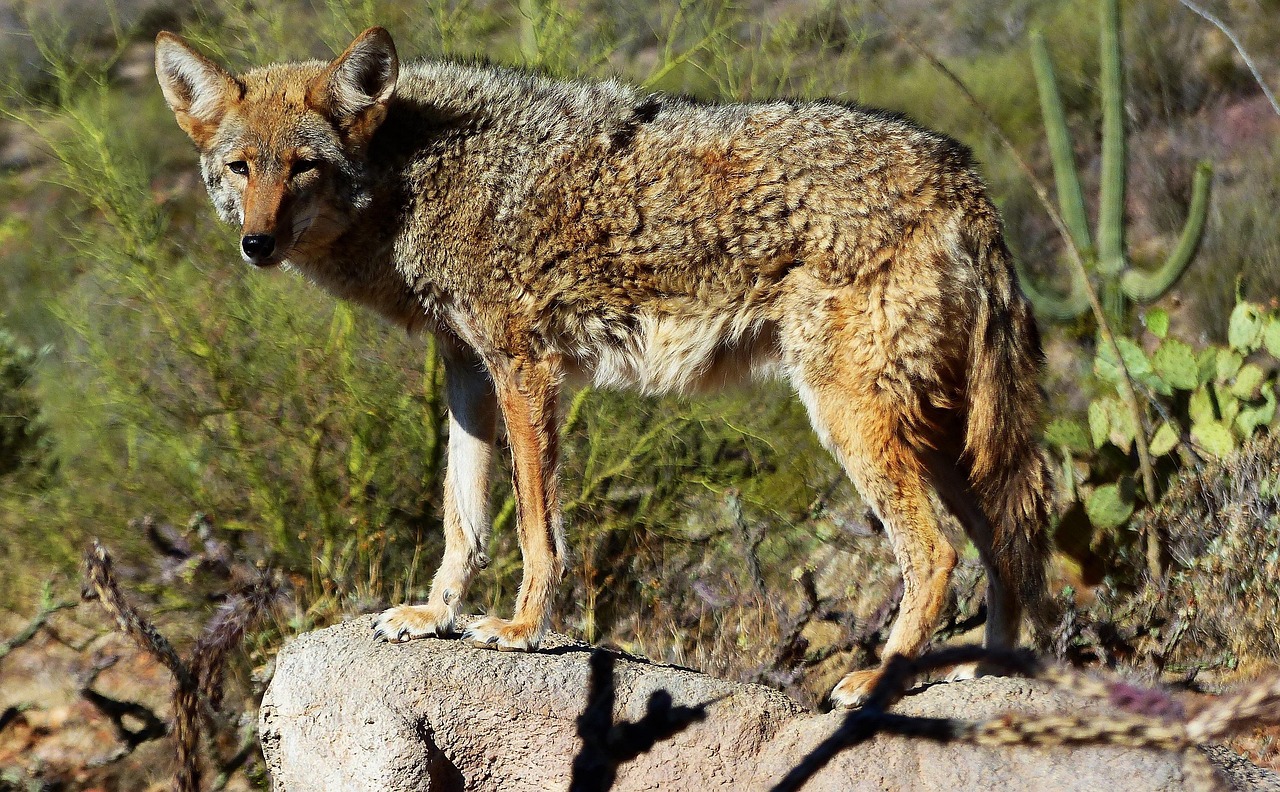
Perhaps most concerning is how urban coyotes are losing their natural fear of humans. In the rural area coyotes were regularly persecuted whereas in the urban area coyotes were rarely persecuted and sometimes positively rewarded to be in close proximity of people. This has created a dangerous feedback loop.
Coyotes are losing their fear of humans, which is further worsened by people intentionally or unintentionally feeding coyotes. In such situations, some coyotes have begun to act aggressively toward humans – chasing joggers and bicyclists, confronting people walking their dogs, and stalking small children. The statistics paint a troubling picture: 48 attacks were verified during the 6-year period of 1998 through 2003, compared to earlier decades.
Masters of Suburban Stealth
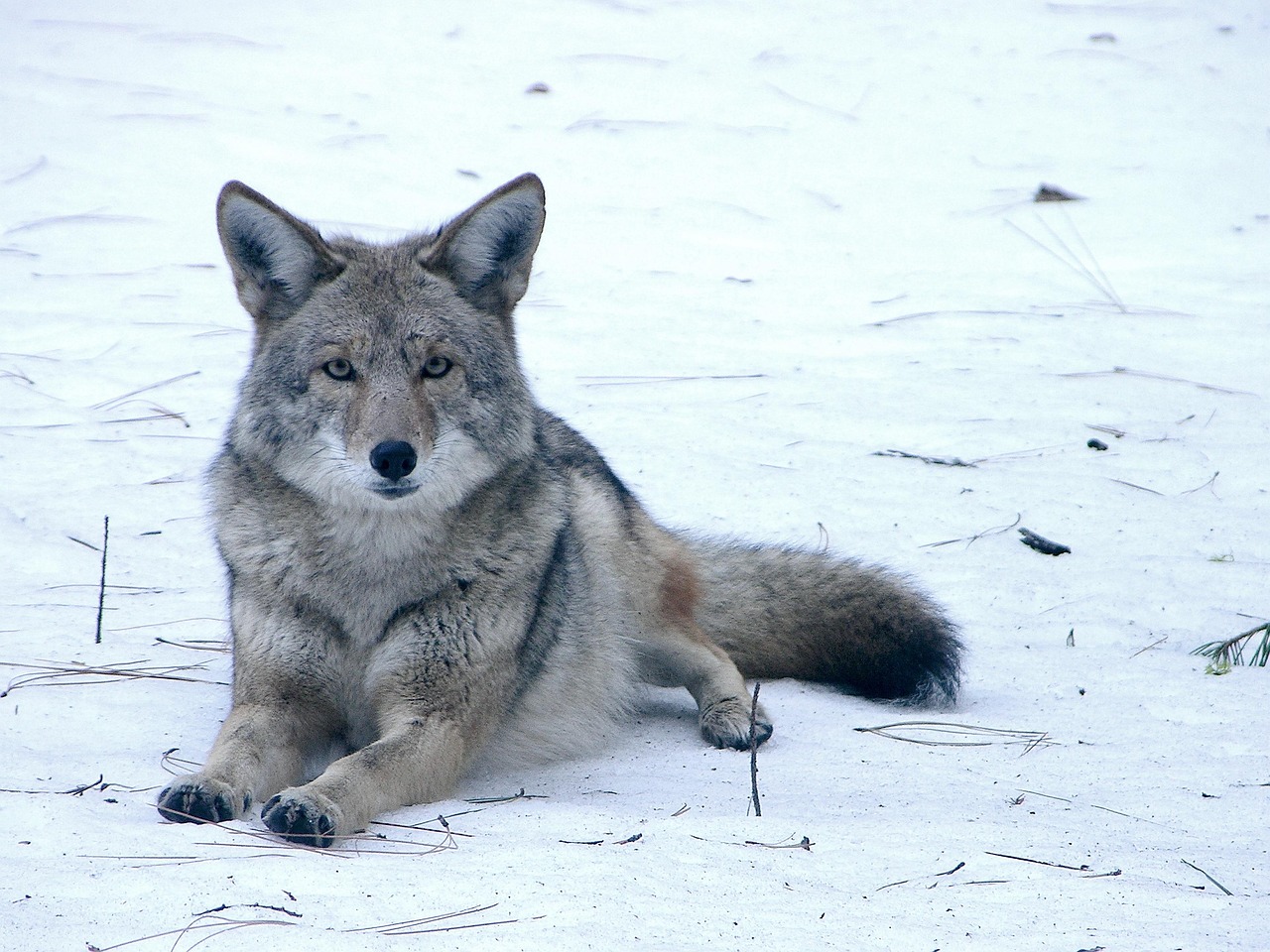
Urban coyotes have developed sophisticated hunting strategies that take advantage of our daily routines. City-dwelling coyotes are raising litters of pups that have never lived in the wildlands hunting jackrabbits, cottontails and birds. The only “home” they know is concrete, asphalt and back alley garbage cans.
Coyotes that live in the urban matrix consume moderate (30-50%) to high (>50%) proportions of anthropogenic resources. They’ve learned to time their hunts around garbage collection schedules, school dismissal times, and evening dog walks. Coyotes are more likely to attempt jumping backyard fences during the winter months when their usual food sources like rabbits, rodents and even fruit are hard to find.
The Failed Promise of Management Solutions
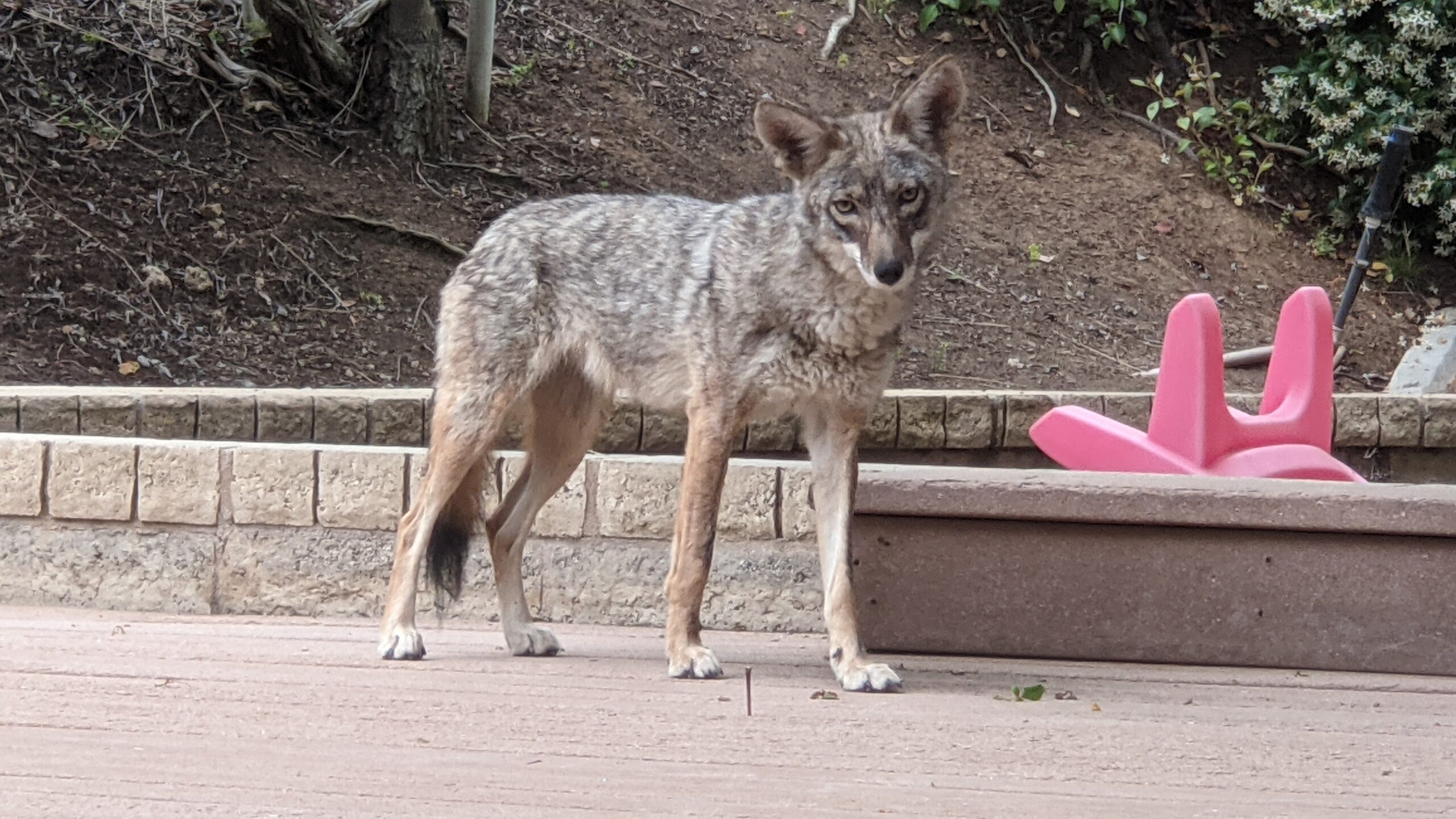
Wildlife management agencies are struggling to keep pace with these intelligent adversaries. We note the failure of various non-lethal harassment techniques to correct the problem in situations where coyotes have become habituated to human-provided food resources.
Rangers regularly try to discourage coyotes who come into close contact with human-centered sources of food by hazing them with shouts and loud noises. And that sometimes works. But if a coyote learns where fishermen drop fish guts or where campers and picknickers gather, it becomes increasingly difficult to convince the animal to leave. I think what’s most striking is how these animals seem to understand the difference between genuine threats and empty deterrents.
A New Kind of Urban Predator
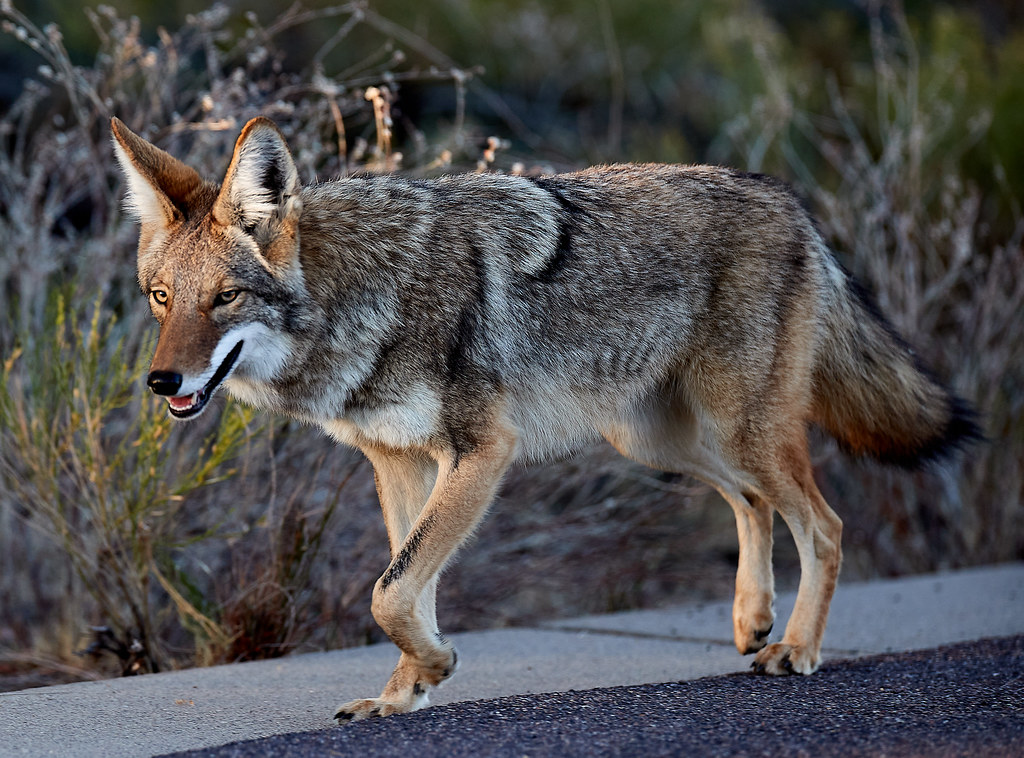
What we’re witnessing isn’t just adaptation – it’s the emergence of a fundamentally different animal. Over time, natal habitat-biased dispersal would result in urban coyote populations becoming genetically distinct from populations in natural habitats. This congruence of population genetic structure with habitat type would most likely emerge as a response to neutral evolutionary forces such as genetic drift and limited gene flow, but local adaptation to human-modified environments is also a possibility.
Aggressive urban coyotes are bold predators that not only endanger domestic pets such as cats and dogs, but adults and children. These aren’t the same cautious, wilderness-dwelling creatures our grandparents knew. They’re something new entirely – urban-adapted predators with intelligence that challenges our assumptions about wildlife behavior.
Urban coyotes represent more than just a wildlife management challenge. They’re forcing us to confront an uncomfortable truth: we may have created predators that are becoming too smart for traditional coexistence. “There is a lot of misplaced fear around coyotes,” she said. “This is a decently large animal to be living alongside humans in our urban spaces, but I think that they are unfairly persecuted.” Yet the evidence suggests these remarkable animals are evolving faster than our ability to understand them, leaving us to wonder whether suburban harmony is still possible. What do you think – are we witnessing evolution’s latest success story, or have we created a problem too complex for simple solutions? Tell us in the comments.
Worried about unexpected vet bills?
Pet insurance can cover thousands in unexpected vet costs. Get a free quote from Lemonade in under 2 minutes.
Get My Free Quote →Sponsored · Opens Lemonade.com

- The National Parks With the Most Stunning Sunrise Views - June 5, 2026
- 12 Dog Breeds Seniors Should Avoid According to Experts - June 5, 2026
- The Bear Personality That Matches Each Myers-Briggs Type - June 5, 2026