

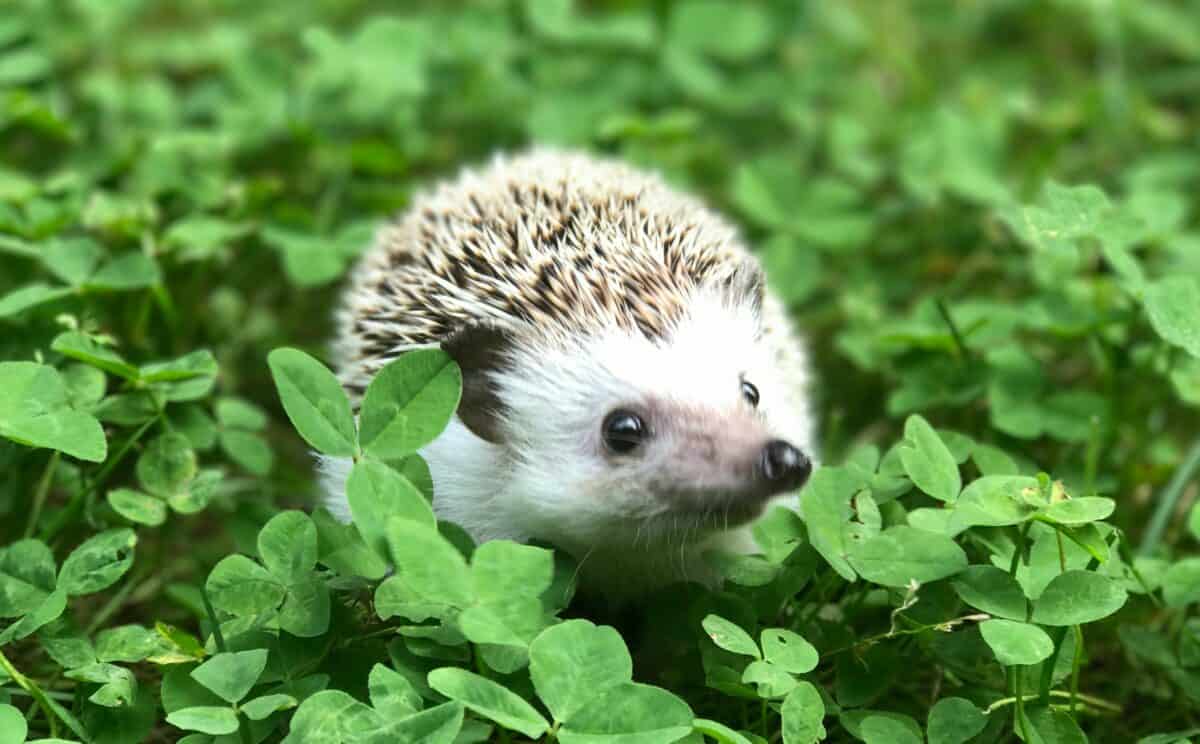
Creating a small garden maze for hedgehogs is a fun and rewarding project that provides these spiny creatures with a safe environment to explore. Hedgehogs are curious by nature, and a garden maze can stimulate their senses and provide much-needed exercise. This guide will walk you through the steps of building a hedgehog-friendly maze that is both engaging and environmentally conscious.
The Charm of Hedgehog Mazes

There is something inherently delightful about watching a hedgehog traverse a mini-maze. These creatures are not only fascinating due to their unique appearance, but they are also wonderful subjects for garden projects due to their naturally inquisitive nature. Building a hedge maze offers them an interesting environment to explore while accommodating their behavioral instincts.
Benefits of a Garden Maze for Hedgehogs
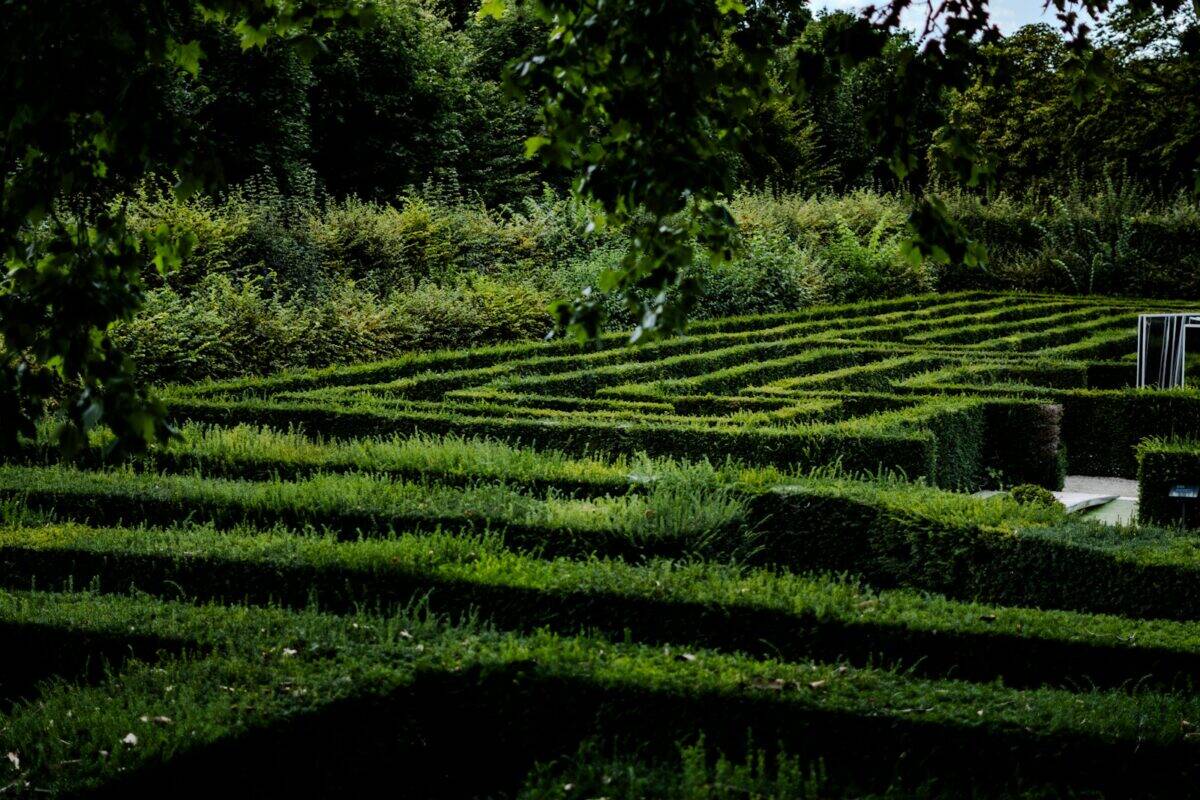
Garden mazes provide multiple benefits, promoting physical activity and mental stimulation for hedgehogs. They help in muscle development and ensure that these small mammals can indulge in their love for foraging. Mazes also offer a safe outdoor space away from potential predators, supporting their wellbeing.
Understanding Hedgehog Behavior

Hedgehogs are nocturnal and have excellent olfactory and auditory senses. They rely on their keen sense of smell and hearing to navigate their environment. Understanding these behaviors is crucial when designing a maze, as sensory cues can guide them through the labyrinth. Incorporating hidden treats or fragrant plants can enhance their maze exploration.
Materials Needed for the Maze

To construct a small garden maze, you’ll need natural, non-toxic materials such as logs, bricks, or thick hedges to create barriers. Use natural stones or recycled materials for path outlines, ensuring they are smooth to prevent injury. Avoid harmful materials like pressure-treated wood that could leach chemicals.
Choosing the Right Location

Select a shaded area in your garden that is safe from predators and hazards. The location should be free from pesticides and other harmful substances. Ensure the ground is even and check for water drainage since standing water can harm hedgehogs. A location sheltered from extreme weather is ideal.
Designing the Maze Layout

A well-designed maze should be intricate enough to be stimulating but not too complex as to frustrate the hedgehogs. Incorporate multiple paths and dead ends to mimic their natural environment. Avoid sharp turns that could confuse or injure them. Observe your hedgehog’s behavior over time to refine the layout for improved engagement.
Incorporating Natural Elements

Incorporate plenty of natural elements to encourage natural foraging behaviors. Use a combination of small plants, leaves, and twigs to create an environment akin to a hedgehog’s natural habitat. This not only enriches their exploration but also supports their instinctual behaviors.
Adding Sensory Features

Hedgehogs rely heavily on their senses. Enhance this experience by adding sensory features such as tunnels lined with different textures, or sections with fragrant herbs like lavender or mint that can stimulate their noses. Hidden treats can be used to encourage them to explore the maze more thoroughly.
Maintaining the Maze
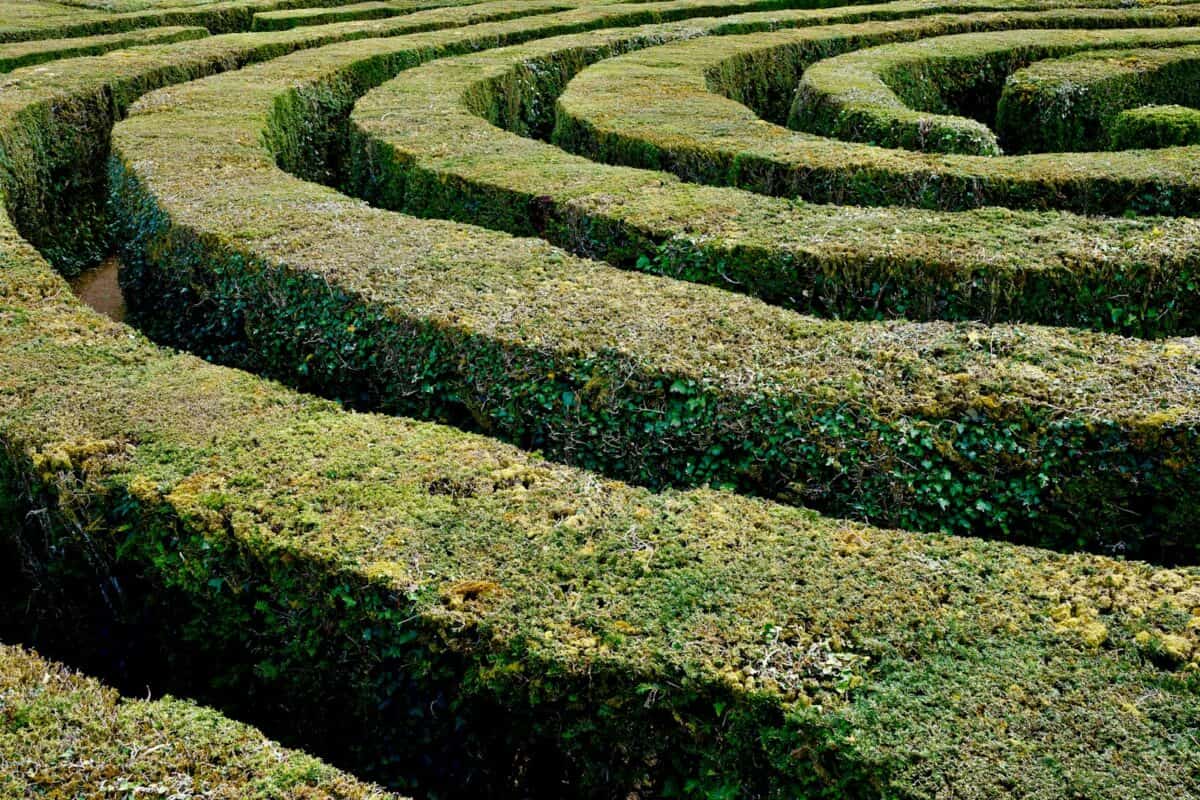
Regular maintenance of the maze ensures it remains a safe environment. Check the stability of pathways and barriers and look for potential hazards like sharp edges or loose materials. Regularly clean the maze area to prevent buildup of waste and ensure that the plants within the maze are healthy and non-toxic.
Introducing Hedgehogs to the Maze
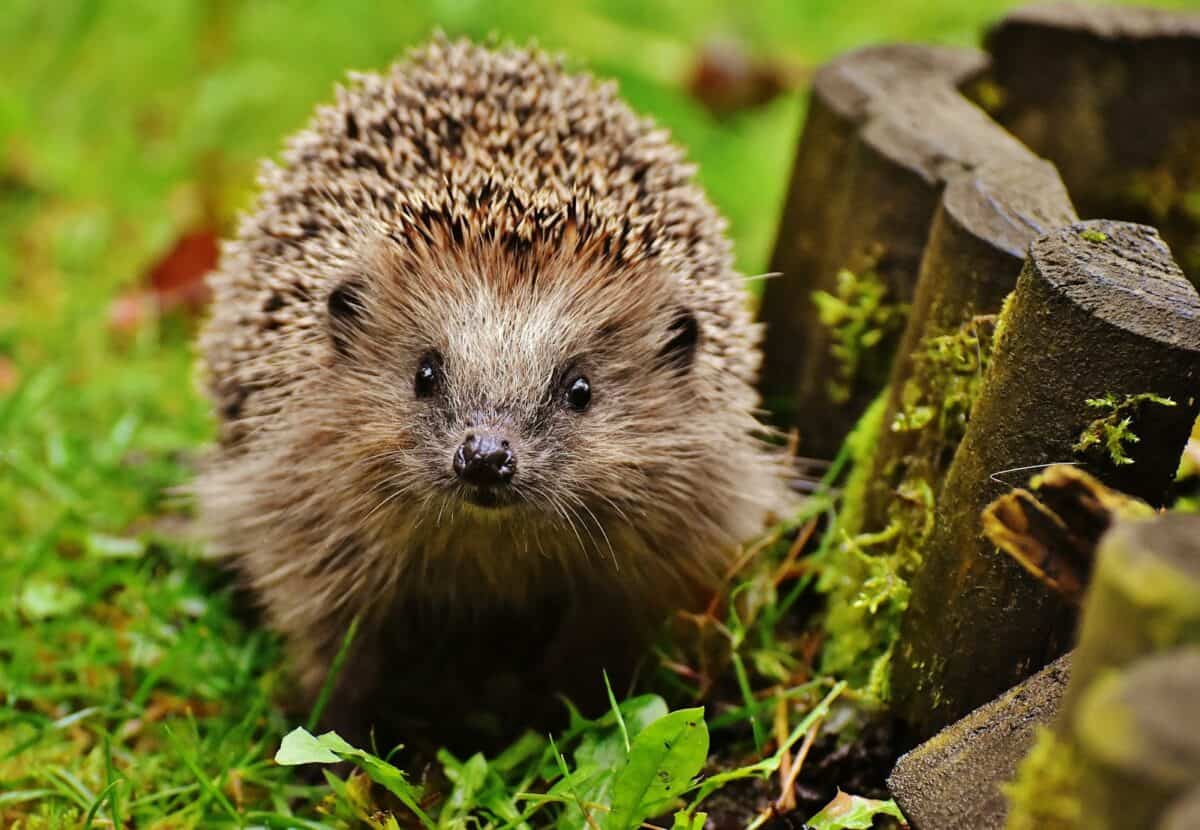
Introduce hedgehogs to the maze slowly to reduce stress. Allow them to enter at their own pace and avoid lifting them directly into the maze as this can cause distress. Observe their interactions carefully and adjust elements as needed to enhance safety and enjoyment.
Safety Considerations
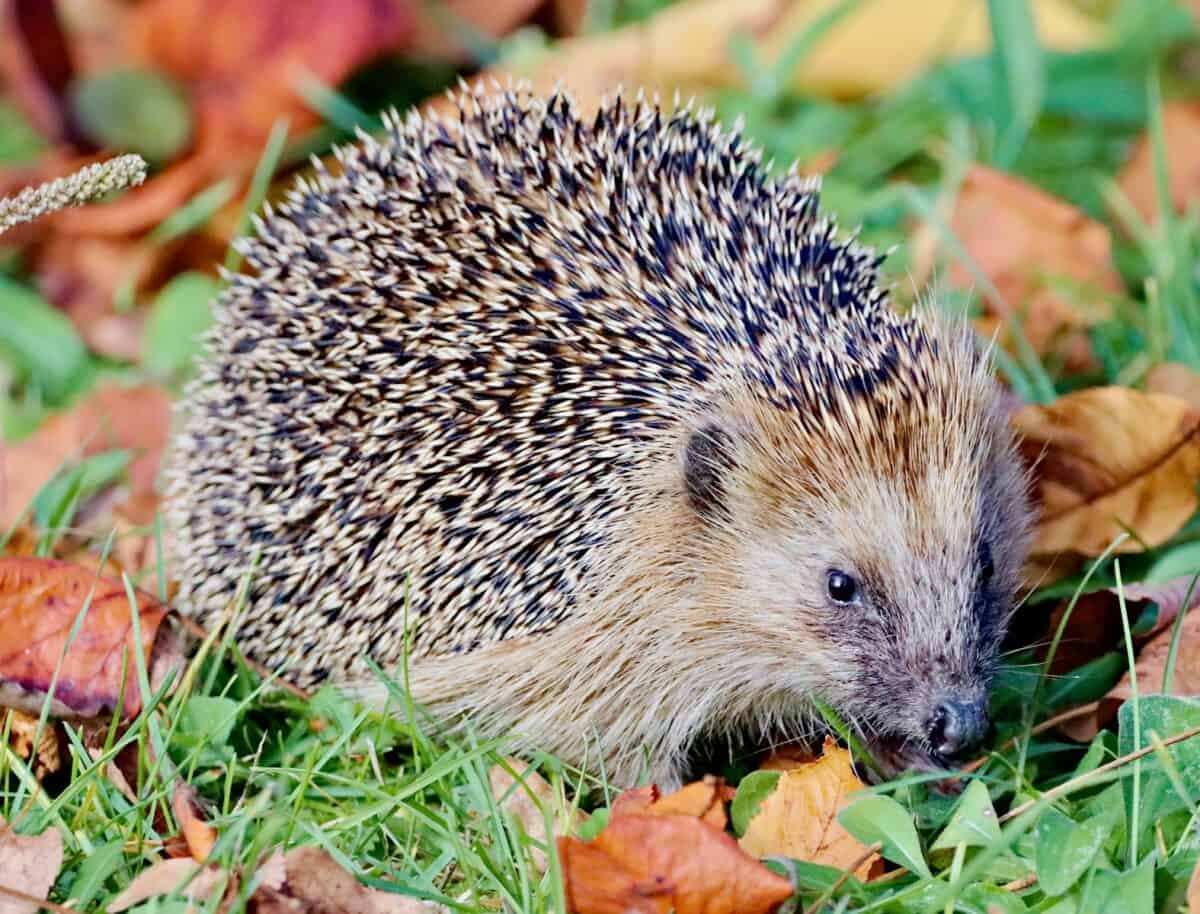
Ensure that the maze is predator-proof by using barriers to protect hedgehogs from potential threats. Avoid plants that are toxic to hedgehogs, and ensure that there is an easy exit for them to retreat if needed. Regularly inspect the area for any toxic substances that may have been inadvertently introduced.
Tracking Hedgehog Health and Happiness

After introducing your hedgehog to the maze, monitor their health and happiness closely. Ensure that the physical activity is beneficial, not overwhelming. Note any behavioral changes that indicate stress or discomfort, and make necessary adjustments to improve their experience. A consistently curious and active hedgehog is a good indication that your maze is a success.
Creating a small garden maze for hedgehogs is a creative endeavor that offers your prickly friends a safer space to indulge their natural curiosity. Through mindful construction and ongoing maintenance, this engaging setup can provide mental stimuli and physical benefits, making hedgehogs happier and healthier. Remember, the key is to balance complexity with the comfort and safety your hedgehogs seek in their mini-adventures.

- Chocolate and Wildlife: How Cocoa Farming Affects Rainforest Animals - July 21, 2026
- How Koalas Survive on a Diet of Toxic (To Humans) Eucalyptus Leaves - July 21, 2026
- Where to Catch a Glimpse of River Otters in the Wild - July 21, 2026