
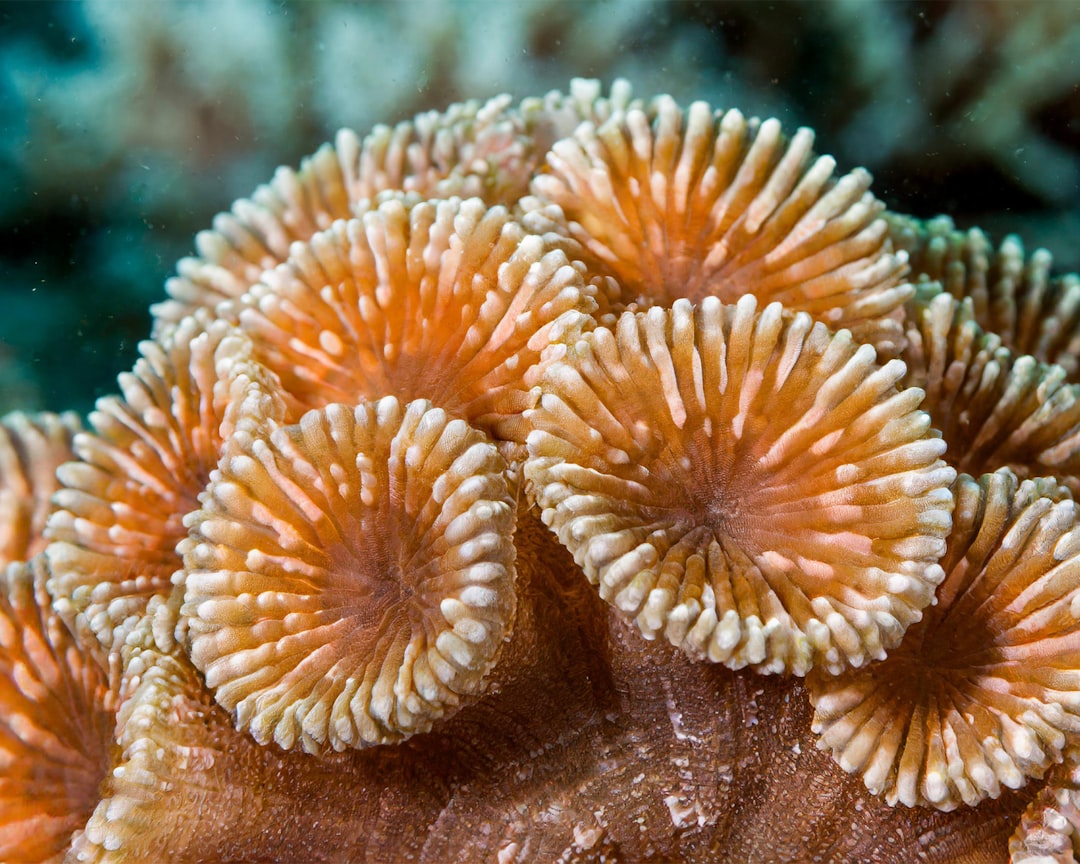
The story unfolding beneath Florida’s turquoise waters reads like a gripping tale of survival, innovation, and hope. Where once vibrant coral cities thrived, the catastrophic marine heatwaves of recent years left behind underwater graveyards that shocked even seasoned marine biologists. Yet from this apparent devastation, an unprecedented scientific revolution has emerged, one that might just rewrite the future of coral reef restoration.
Picture this: scientists are now creating hybrid corals by breeding Florida elkhorn with their Honduran cousins, producing what researchers playfully call “Flonduran” babies. It’s a level of international collaboration that would have been unthinkable just a few years ago. The stakes couldn’t be higher, with coral reefs generating over six billion dollars annually for Florida’s economy and protecting millions of coastal residents from storm surge. Let’s dive into the remarkable science behind this comeback story.
The Revolutionary Crossbreeding Programs
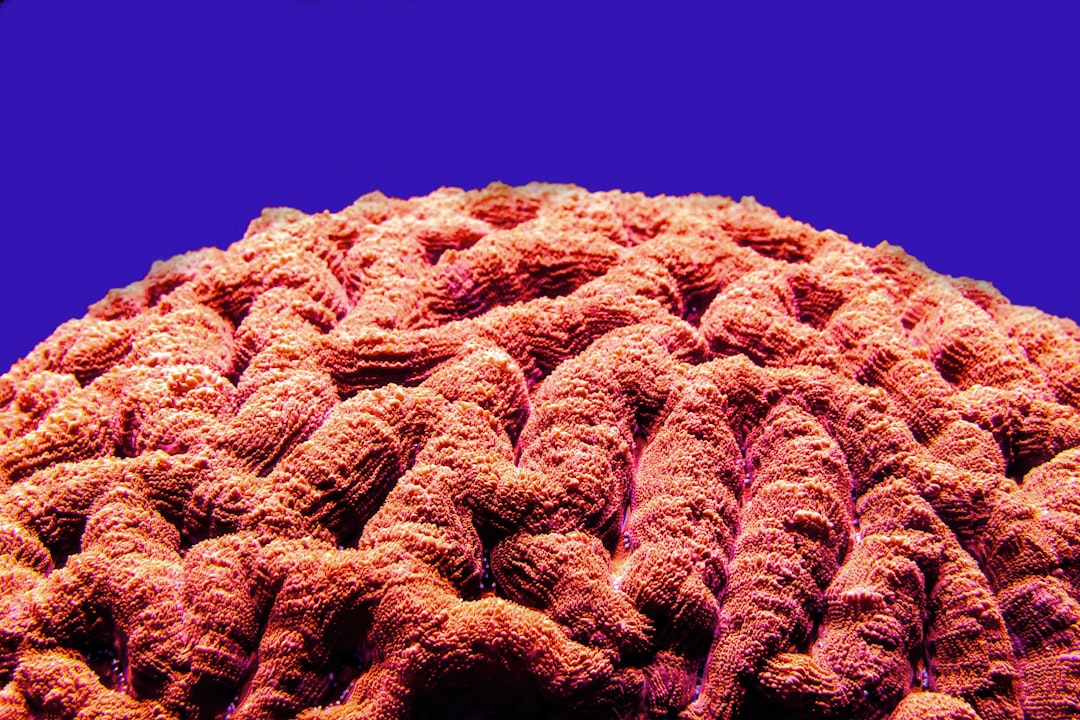
Scientists are crossbreeding Florida and Honduran elkhorn corals to boost genetic diversity, creating “Flonduran” elkhorn corals that could hold genetic keys to enhance heat tolerance and resilience. Elkhorn coral populations have declined by more than 95 percent since the 1980s due to disease, warming oceans, and other stressors.
In June 2024, researchers collaborated with Tela Marine in Honduras to collect spawning-sized fragments from unusually resilient corals. Tela Bay’s reefs thrive despite unusually warm water temperatures, low visibility, and agricultural fertilizer runoff – conditions that typically devastate coral ecosystems elsewhere. The breakthrough came when these international coral parents spawned simultaneously in laboratories, allowing scientists to create over 200 hybrid offspring.
Mission Iconic Reefs: The Massive Scale Restoration
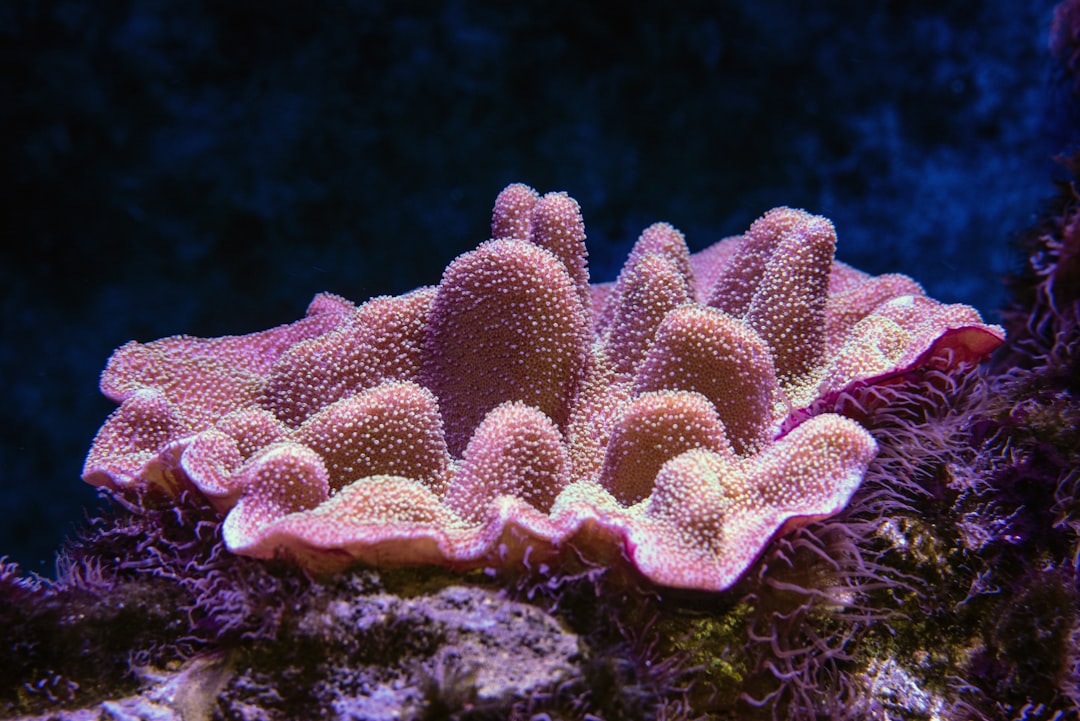
NOAA and partners developed a first-of-its-kind approach to restore corals at seven ecologically and culturally significant reef sites in Florida Keys, using a phased approach working toward a goal of 25 percent average coral cover by the end of Phase 2.
The Mission Iconic Reefs program aims to restore coral cover from just 2% to 25% on seven reefs off the Florida Keys. In the first five years, about 40,000 corals were planted, but to reach its goal, NOAA estimates it will need 5 million corals. The sheer magnitude of this effort represents one of the world’s most ambitious coral restoration projects, requiring unprecedented coordination between government agencies, universities, and marine organizations.
Genetic Diversity as the Ultimate Survival Strategy
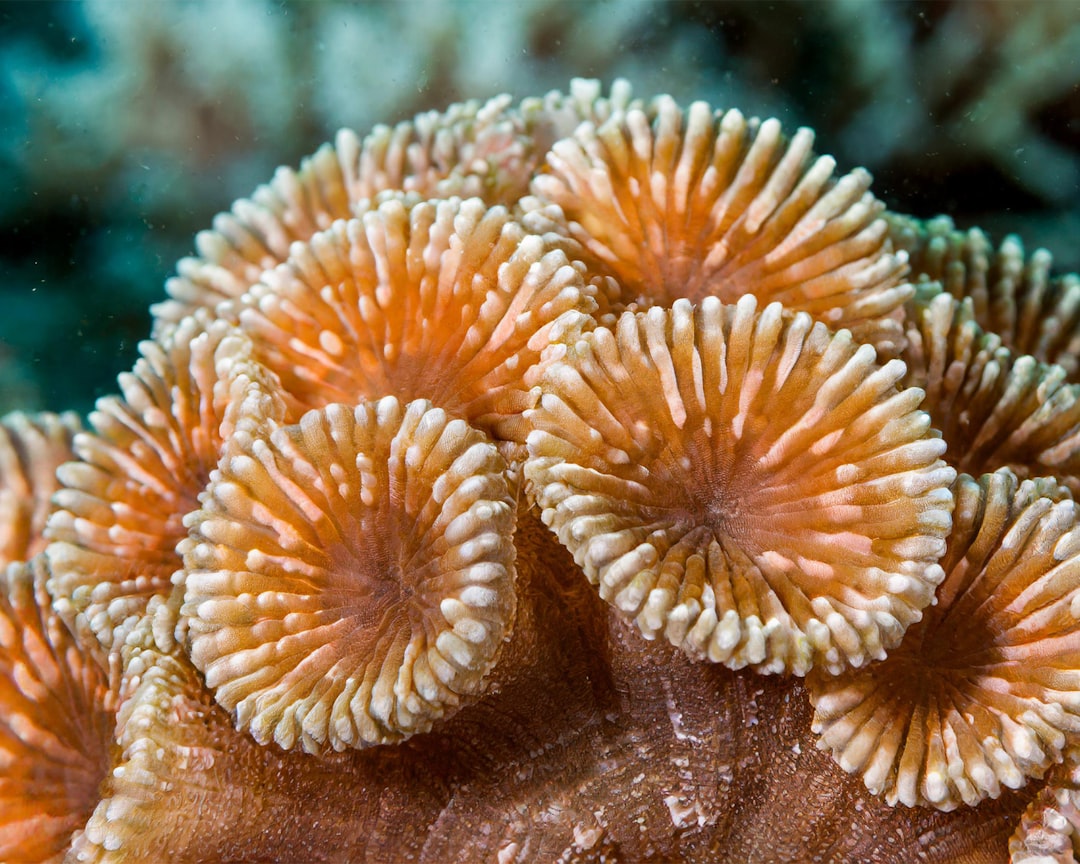
At least 160 elkhorn coral genotypes were documented alive at their native reefs before the 2023 heatwave, but only 37 remained after the heat event – a loss of 77 percent of genotypic diversity.
By restoring genetically diverse coral populations, scientists ensure that some individuals will survive and reproduce after disturbances. Allelic diversity means individuals within a population will likely have more diverse ways of responding to environmental fluctuations, making reef communities more resilient. This genetic approach recognizes that biodiversity, not just individual coral toughness, holds the key to long-term reef survival.
Land-Based Coral Nurseries and Rescue Operations
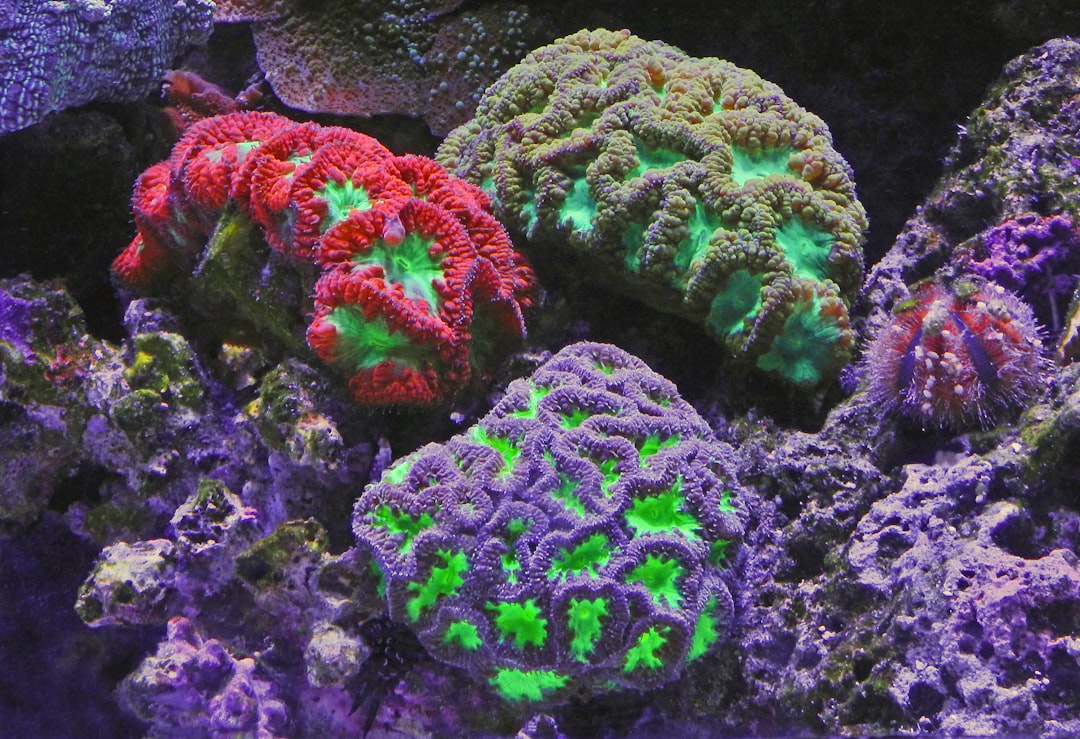
In 2023 during a record-breaking bleaching event, Keys Marine Laboratory housed more than 5,000 rescued corals for three months until temperatures returned to normal. The facility has one of the largest temperature-controlled seawater systems in the Florida Keys with 60 tanks ranging from 40 to 1,000 gallons.
Nearly 1,050 coral babies spawned and raised at The Florida Aquarium were delivered to Keys Marine Laboratory in May 2024. The coral juveniles are made up of many new mother and father combinations that researchers hope will be more resilient to future stressors. These land-based facilities serve as modern-day arks, protecting genetic treasures while scientists work to develop climate-resilient strains.
Advanced Breeding Techniques and Heat Tolerance
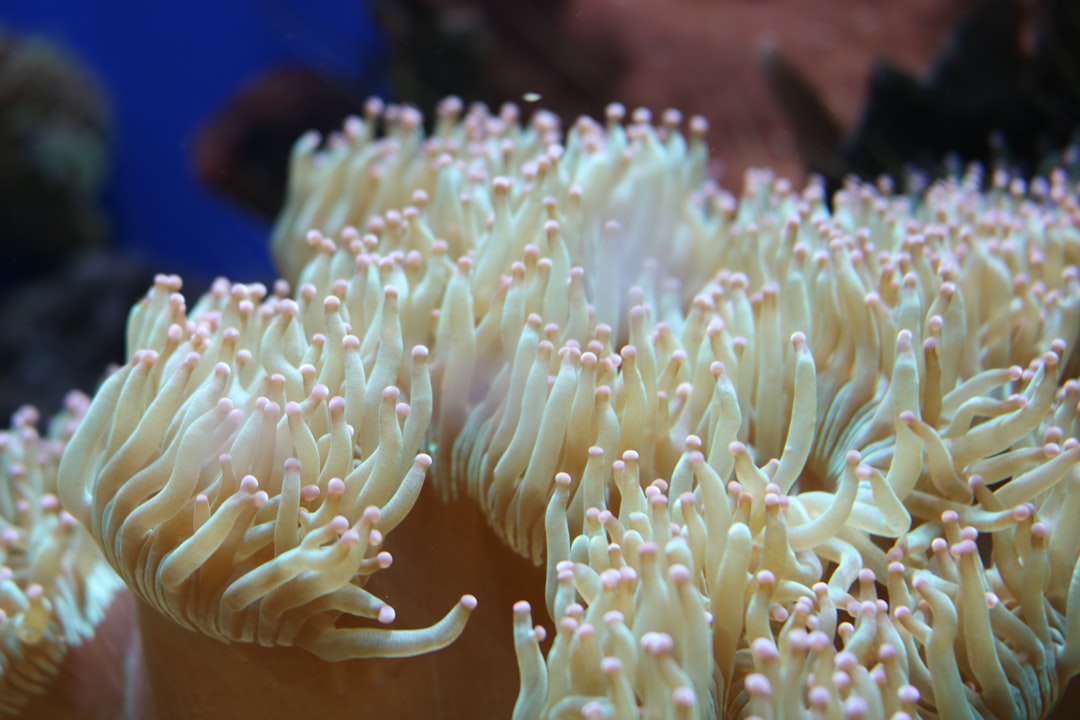
Scientists showed that selecting parent colonies for high rather than low heat tolerance increased the tolerance of adult offspring. Narrow-sense heritability estimates are between 0.2 and 0.3, and the phenotypic variability could theoretically be leveraged to enhance heat tolerance by up to 1 °C-week within one generation.
The project integrates novel interventions including selective breeding of corals that survived the 2023 bleaching event, cross breeding of Florida’s endangered elkhorn corals with resilient elkhorns from outside Florida, conditioning of baby corals to warmer temperatures, and provisioning with heat-adapted algae. These techniques essentially accelerate evolution, giving corals generations of adaptation in just a few years.
Cutting-Edge Technology and Monitoring Systems
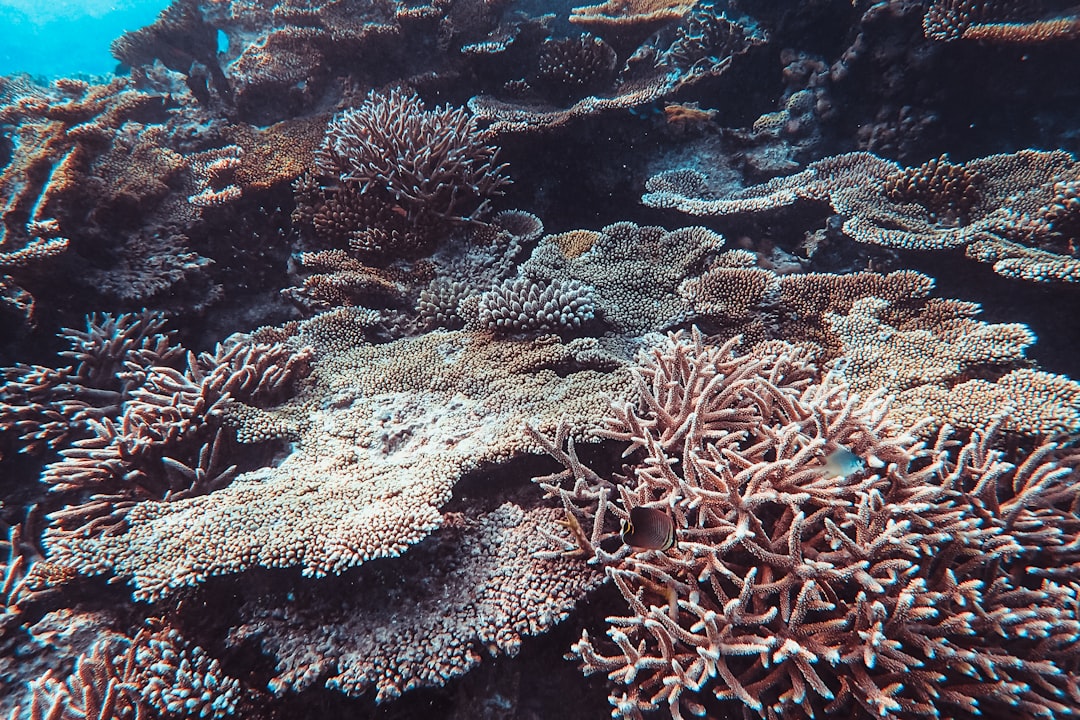
Cutting-edge artificial intelligence and remote sensing equipment play critical roles in monitoring coral reefs and determining their recovery needs. Experts use underwater technology to capture high-resolution images and real-time insights about coral cover, water quality and biodiversity, enabling better decision-making and prioritization of restoration initiatives.
Scientists are using high-resolution images and machine-learning techniques to train software packages to map coral reefs in greater detail and in near-real time using satellite imagery. In 2024, 13 international field campaigns were conducted, with plans to collect coral reef imagery in five new countries in 2025. This technological revolution allows scientists to track restoration progress with unprecedented precision.
The Financial Investment in Reef Recovery
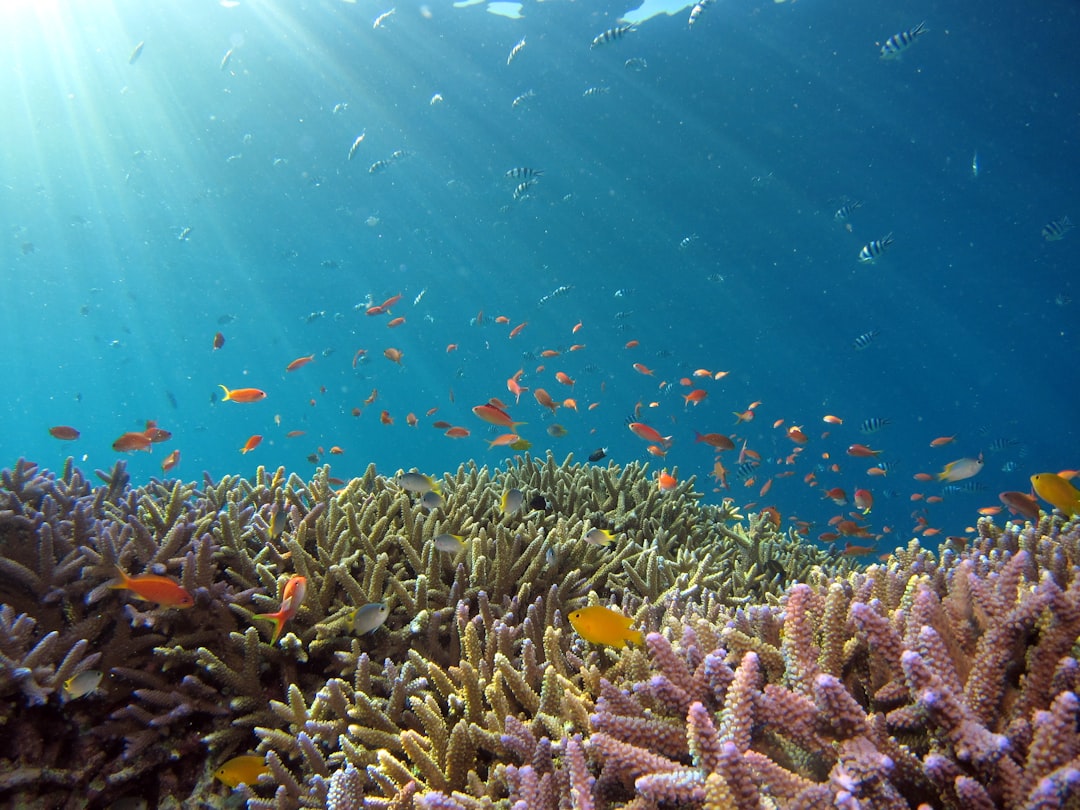
In March 2024, Florida Governor Ron DeSantis announced awarding $9.5 million to Florida’s Coral Reef Restoration and Recovery Initiative, established in 2019. The award includes expansion of land-based propagation infrastructure impacting stony coral tissue loss disease.
Scientists at the University of Miami and partners were awarded a four-year, $16 million grant from NOAA to lead an ambitious program to implement and scale-up new approaches to increase the climate resilience of Florida’s restored coral reefs. These substantial investments reflect the growing recognition that coral reef restoration requires resources matching the scale of the crisis.
Conclusion: A New Dawn for Florida’s Underwater Forests
The science behind Florida’s coral comeback represents nothing short of a paradigm shift in marine conservation. What began as emergency rescue missions has evolved into sophisticated breeding programs that blend international cooperation, genetic engineering, and cutting-edge technology. Scientists are no longer just trying to save existing corals – they’re actively creating stronger, more resilient coral communities designed to thrive in our changing oceans.
The path ahead remains challenging, with rising ocean temperatures continuing to test even the most heat-tolerant coral strains. Yet the collaborative spirit driving this restoration movement, combined with breakthrough scientific techniques, offers genuine hope for these underwater ecosystems that support millions of marine species and coastal communities.
What strikes me most about this story is how crisis has sparked innovation. The devastating bleaching events that seemed to spell doom for Florida’s reefs instead catalyzed the most ambitious coral restoration effort in human history. It’s a powerful reminder that sometimes our greatest challenges can become the catalyst for our most remarkable breakthroughs. What do you think about these incredible scientific advances? Tell us in the comments.
