
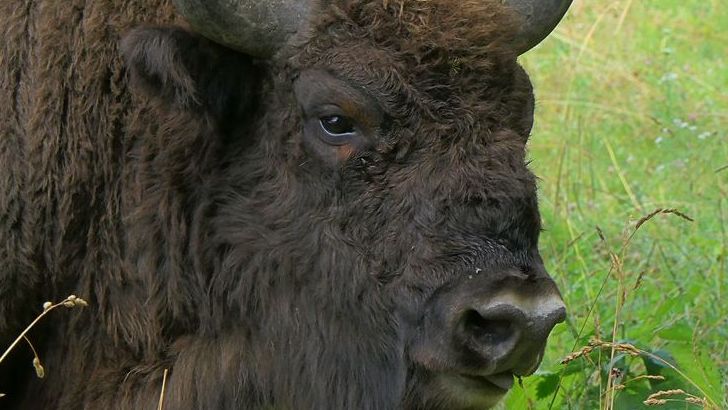
Imagine a landscape where millions of massive creatures once thundered across the plains, their hooves creating a natural symphony with the earth below. Today, those same creatures are making a comeback that’s revolutionizing how we think about conservation and ecosystem restoration. The American bison, once on the brink of extinction with only a few hundred remaining, is now quietly reshaping America’s grasslands in ways that surprise even the scientists studying them.
What started as a desperate conservation effort has evolved into something far more profound. We’re witnessing the healing of an entire ecosystem, one hoof print at a time.
The Return of America’s Original Ecosystem Engineers
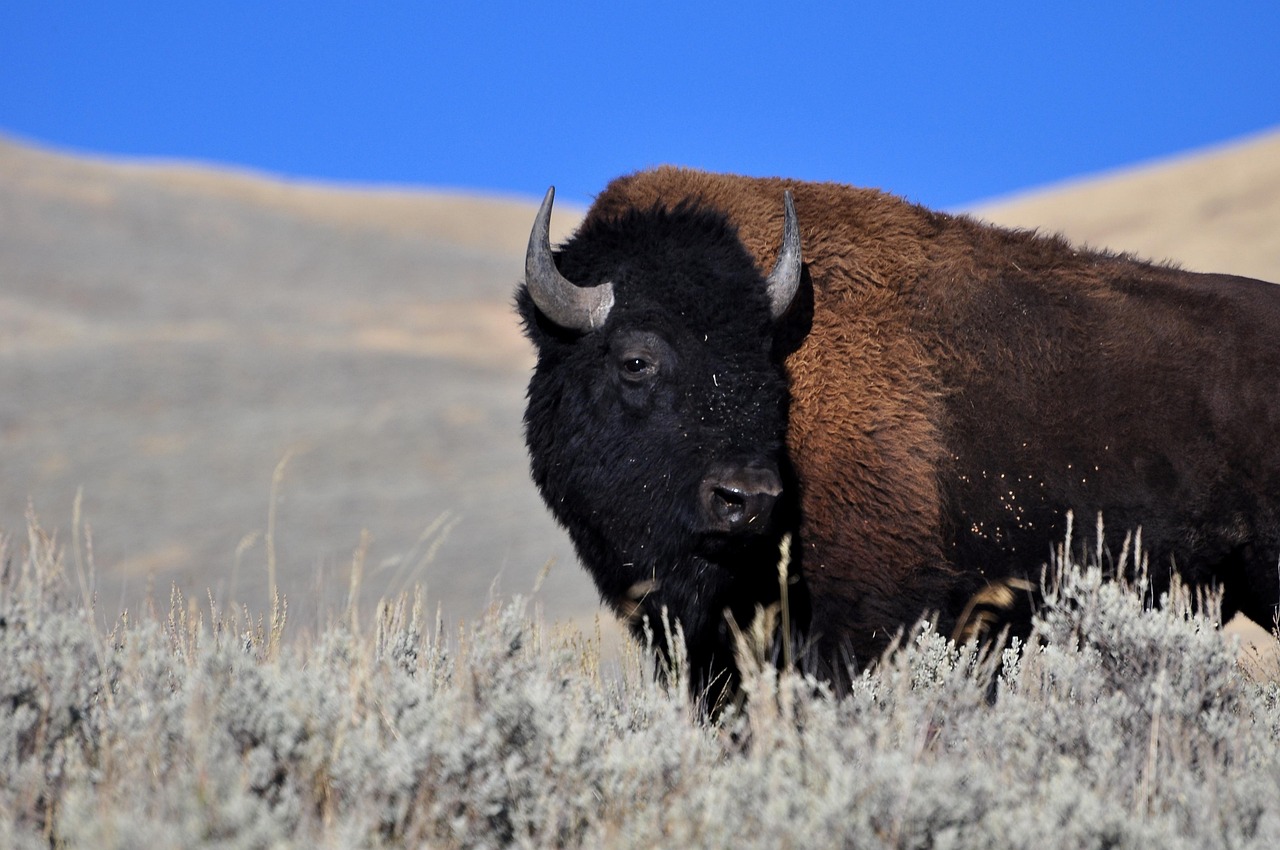
American bison once numbered 60 million in North America, with the population anchored in what is now the central United States. These weren’t just grazing animals wandering aimlessly across the landscape. “Bison are maybe the most important species in this ecosystem in terms of being an ecosystem engineer,” said Dr. Daniel Kinka, director of rewilding at the American Prairie Foundation.
As bison move across landscapes, their hooves aerate the soil, promoting water infiltration and nutrient cycling. This process enhances soil health and increases its capacity to support diverse plant life. Think of them as nature’s groundskeeping crew, constantly working to maintain the perfect conditions for grassland health.
Wallows are depressions created by bison rolling on the ground. These natural disturbances create patchy landscapes, increasing habitat heterogeneity. In these spaces, plant species that require more light or less competition can flourish, further enhancing ecosystem biodiversity. These wallows become temporary pools during rain, creating microhabitats that support entirely different communities of plants and animals.
The Carbon Sequestration Powerhouse Hidden in Plain Sight
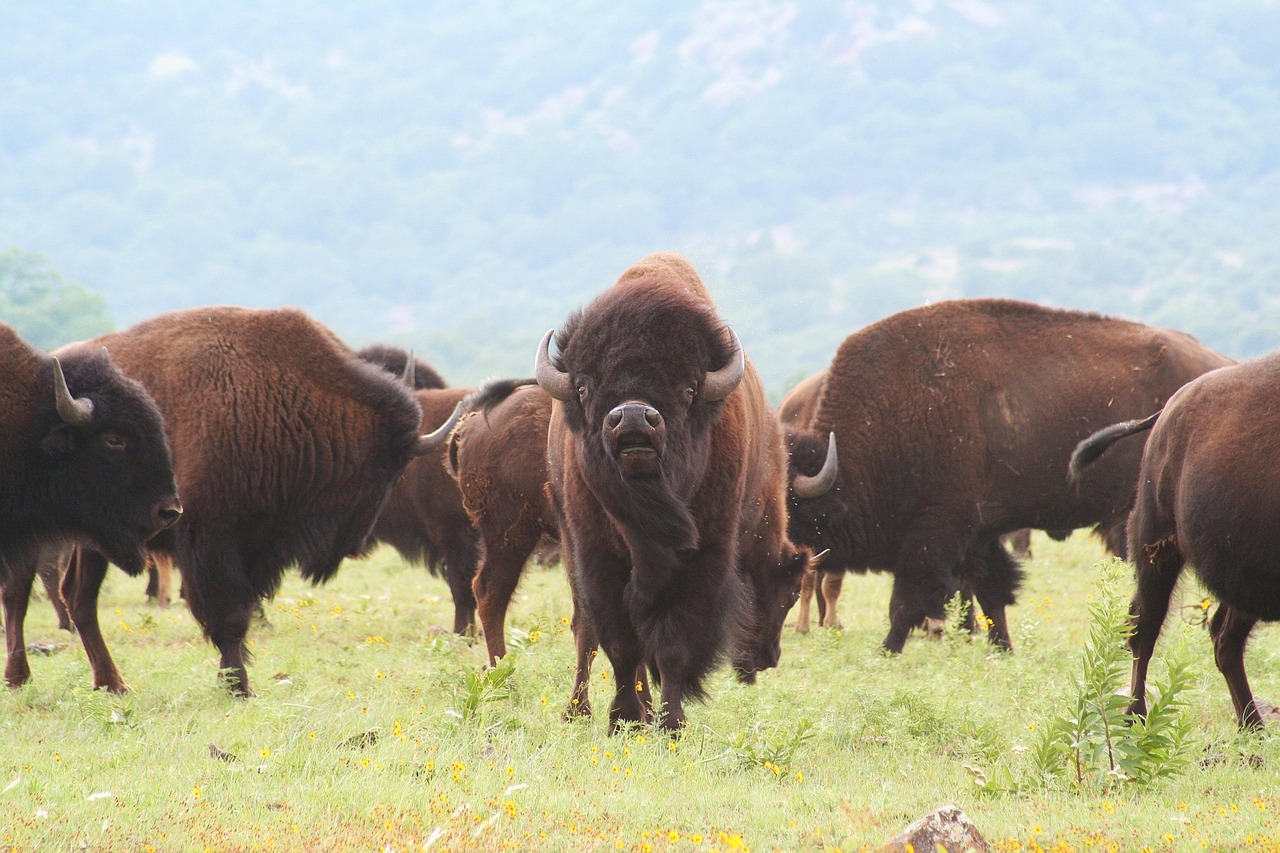
Here’s where the story gets truly remarkable. As bison graze, their vigorous munching spurs the growth of new, nutritious plant shoots, sending roots deeper into the soil, which promotes carbon sequestration. This all leads to a landscape that not only supports rich biodiversity but also has the potential for carbon storage capabilities. Scientists are discovering that bison might be one of nature’s most effective weapons against climate change.
These roots are the engine that powers the plants to suck CO2 from the air, breaking the carbon atoms from the oxygen atoms and sending the oxygen back into the atmosphere for us to breathe. The carbon remains sequestered in the ground, unable to get back into the atmosphere as a greenhouse gas. Carbon sequestration plays a key role in environmental health.
“These grazing, trampling and recovery patterns were key in building soil, maintaining biological diversity and deepening plant roots, which are a key element in permanent carbon sequestration,” Ibarra-Howell said. The beauty lies in the simplicity: bison do what they’ve always done, and the earth responds by pulling carbon out of the atmosphere.
Federal Investment Fueling a Conservation Revolution
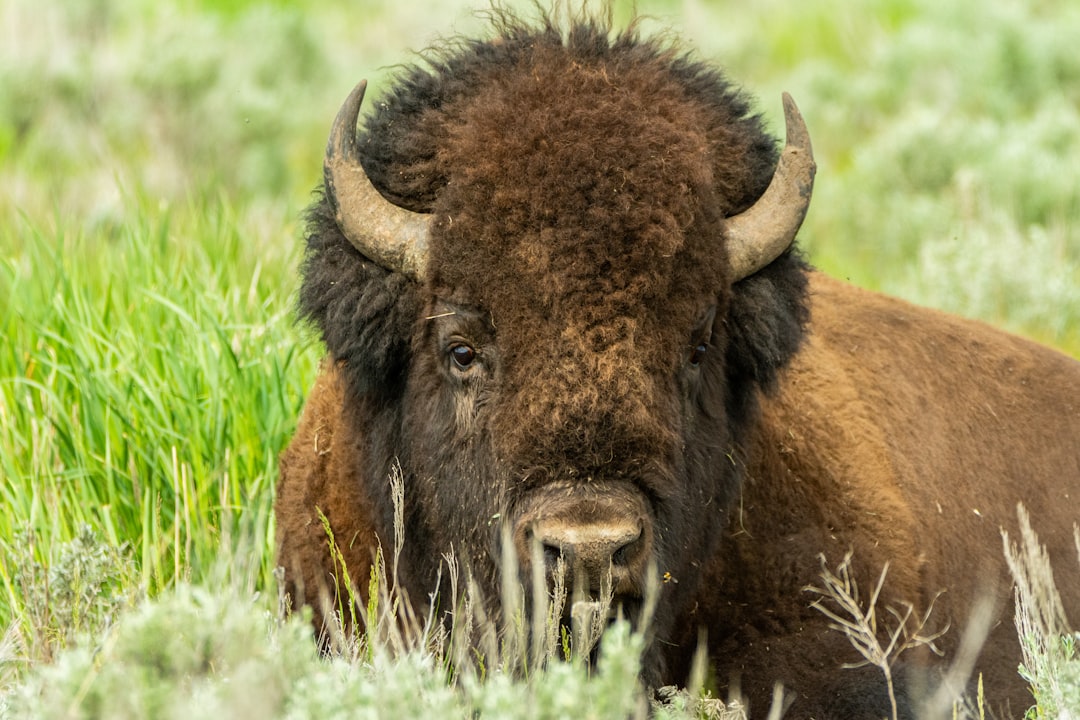
The federal government has recognized this potential and is putting serious money behind it. Through a new Secretary’s Order and over $25 million from the Inflation Reduction Act, the Department will empower its bureaus and partners to use the best available science and Indigenous Knowledge to help restore bison across the country. This isn’t just token funding, it represents one of the largest investments in grassland restoration in American history.
Since then, careful conservation and restoration efforts have increased the number of wild bison in the United States from fewer than 500 to more than 15,000. The Interior Department currently manages 11,000 bison in herds across 4.6 million acres of U.S. public lands spanning twelve states.
Secretary’s Order 3410 will enhance the Interior Department’s work to restore wild and healthy populations of American bison and the prairie grassland ecosystem through collaboration among Department bureaus and partners such as other federal agencies, states, Tribes and landowners using the best available science and Indigenous Knowledge. This collaborative approach represents a fundamental shift from traditional top-down conservation to inclusive, knowledge-sharing partnerships.
Tribal Leadership in Bison Restoration
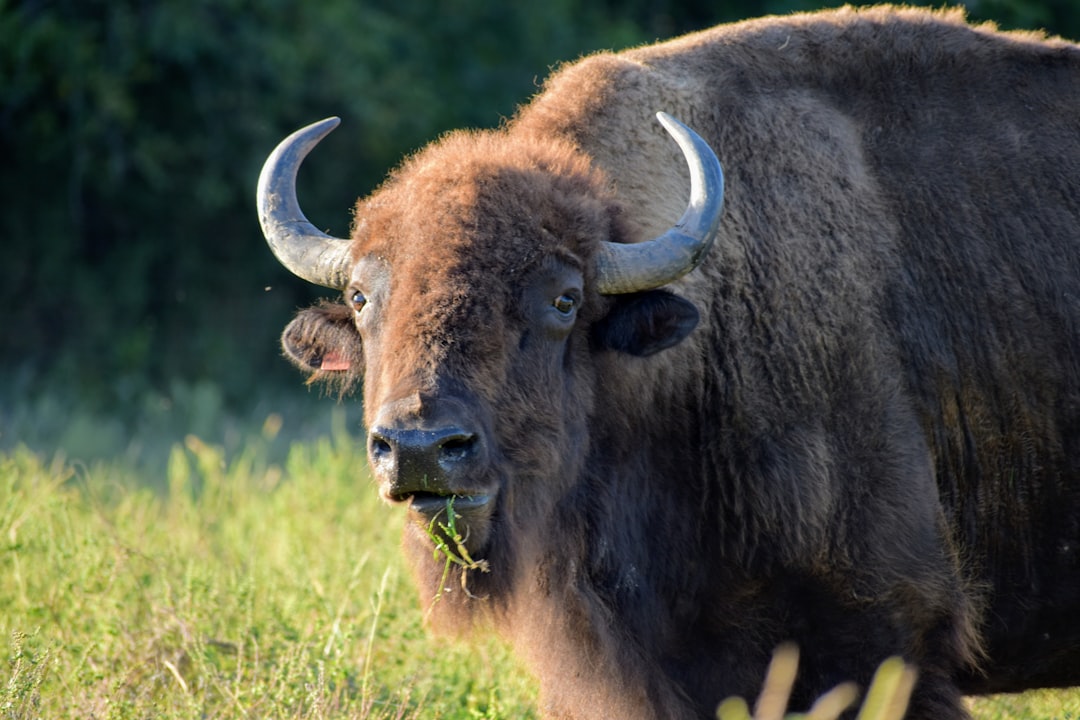
The Council is a collection of 82 Tribes in 20 states that facilitates the management of more than 20,000 buffalo. Indigenous communities aren’t just participants in bison restoration, they’re leading the charge. Their ancestral knowledge is proving invaluable in understanding how these ecosystems function.
More than a dozen Indigenous communities welcomed more than 540 buffalo, also known as American bison, back to ancestral grazing lands across the nation in 2024 as part of a multi-state, Indigenous-led initiative by the InterTribal Buffalo Council (ITBC), Tanka Fund and partner The Nature Conservancy (TNC). The initiative’s goal is to restore this keystone species, which plays a crucial role in spiritual and cultural revitalization, ecological restoration and conservation, food sovereignty, health and economic development for Indigenous Peoples.
Since 2020, partnerships with organizations such as ITBC and Tanka Fund have facilitated the return of more than 2,300 buffalo from TNC preserves in Colorado, Illinois, Indiana, Iowa, Kansas, Missouri, Nebraska, North Dakota, South Dakota and Oklahoma to Indigenous communities. This movement represents healing not just for the land, but for the cultures that were torn apart when bison were nearly driven to extinction.
Scientific Breakthroughs Revealing Bison’s True Impact
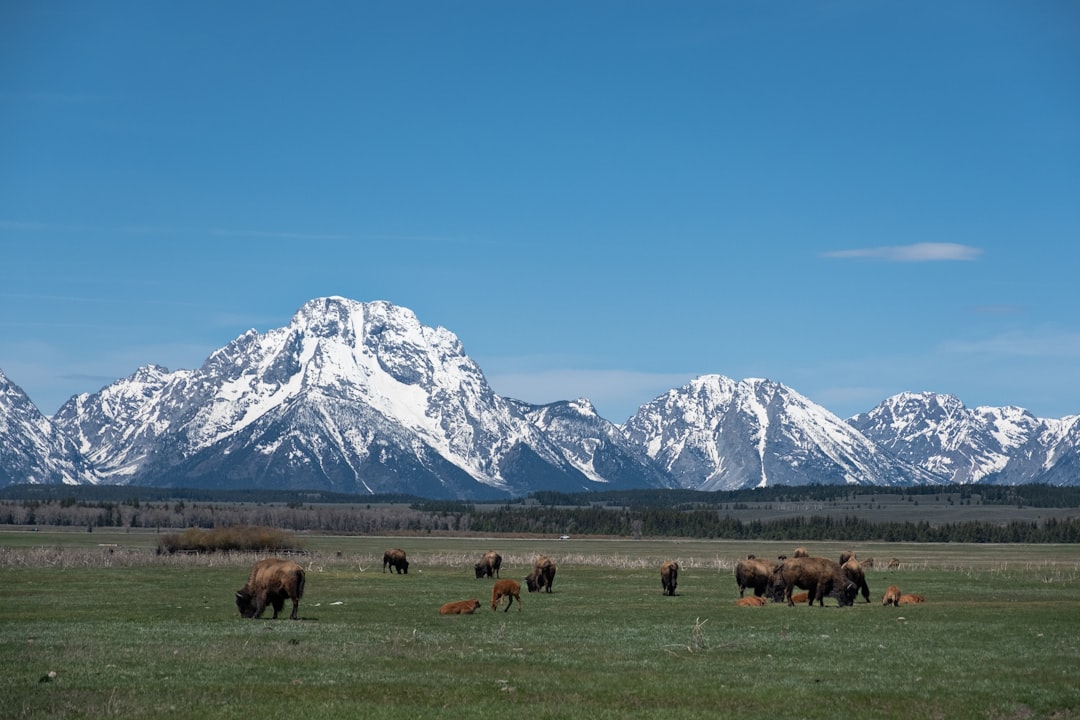
In some areas, the researchers found that the presence of the migratory grazers enriched the plant matter with crude protein by 119%, but in other areas that number was as high as 156%. That’s nearly double what the amounts that were found in control areas, where the researchers fenced off small parcels to study the difference bison make to grassland nutrition.
When bison are restored to the landscape, it has been shown that plant species diversity increases, more pollinators are present, and grassland bird numbers increase (conversely, all of these experienced declines with the decimation of the bison). The ripple effects extend far beyond what anyone initially expected.
What we’re seeing so far is the species richness within our bison pastures going up. And we’re also starting to see more woody vegetation along the creeks,” said Scott Heidebrink, American Prairie director of landscape stewardship. These changes are happening in real-time, giving scientists unprecedented opportunities to study ecosystem restoration as it unfolds.
Large-Scale Conservation Projects Changing the Game
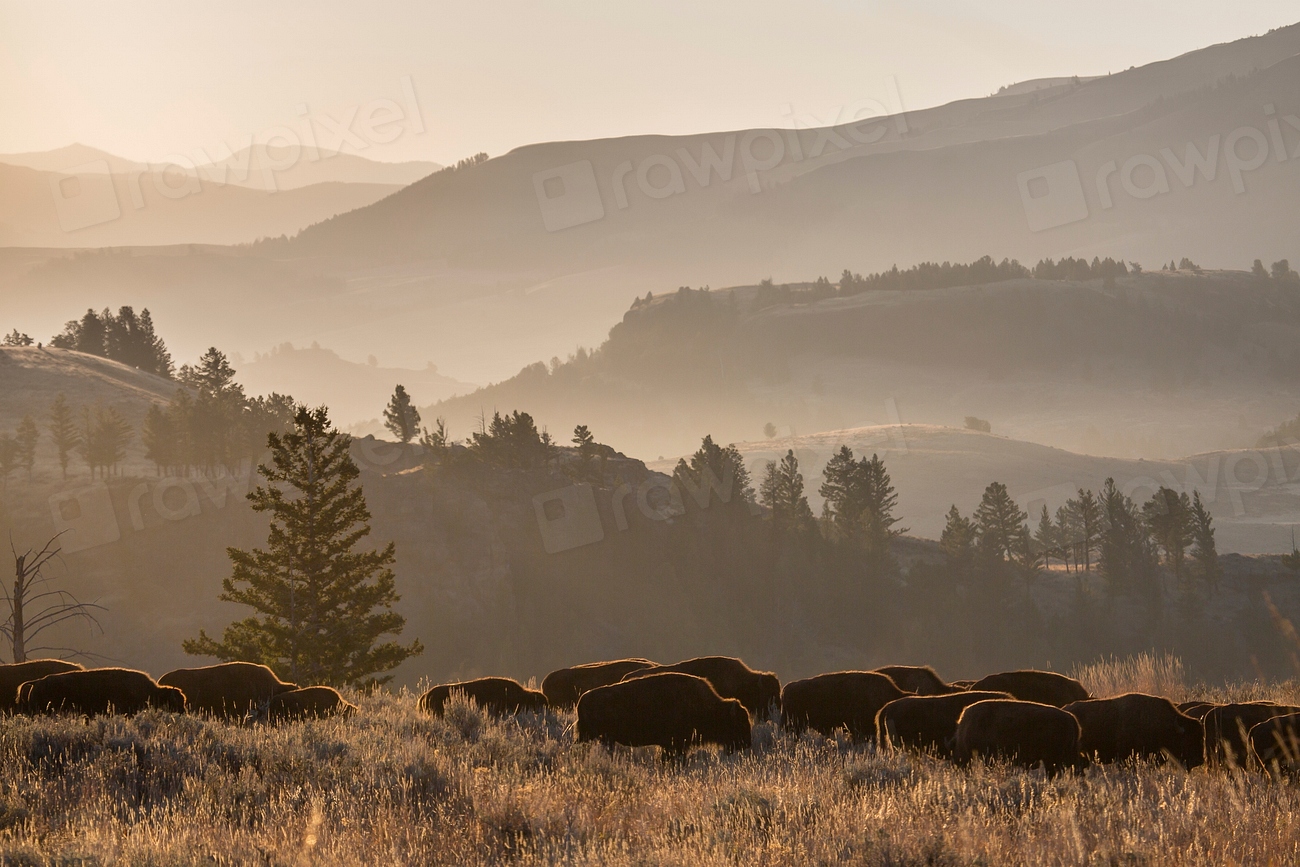
For nearly 20 years, the conservation organization has been buying up private ranching land in Montana from willing sellers and connecting it to existing public lands. The group’s goal is to establish a 3-million-acre nature reserve with thousands of bison. American Prairie’s vision represents one of the most ambitious conservation projects in North American history.
Preliminary estimates indicate that the 3.2-million-acre (5,000 square miles) American Prairie vision could support tens of thousands of bison. But that number is likely decades away from being possible. So we look to current research, the Vermejo Statement, which estimates that a herd of 5,000 or more will provide an exceptional contribution to bison conservation and ecological recovery. We believe a herd of 5,000 is realistic and possible.
Ten years ago, the Nachusa Grasslands brought 20 head of wild American Bison to a landscape they had not seen in 125 years. They now have 100 buffalo in the herd, including 20 new calves. In the early part of the 20th century, there were only a few hundred buffalo left across the North American plains, but now, anyone can pull up along a fence line at the Nachusa Grasslands and watch the majestic, 2,000-pound animals on native land.
International Recognition of Bison as Climate Solutions
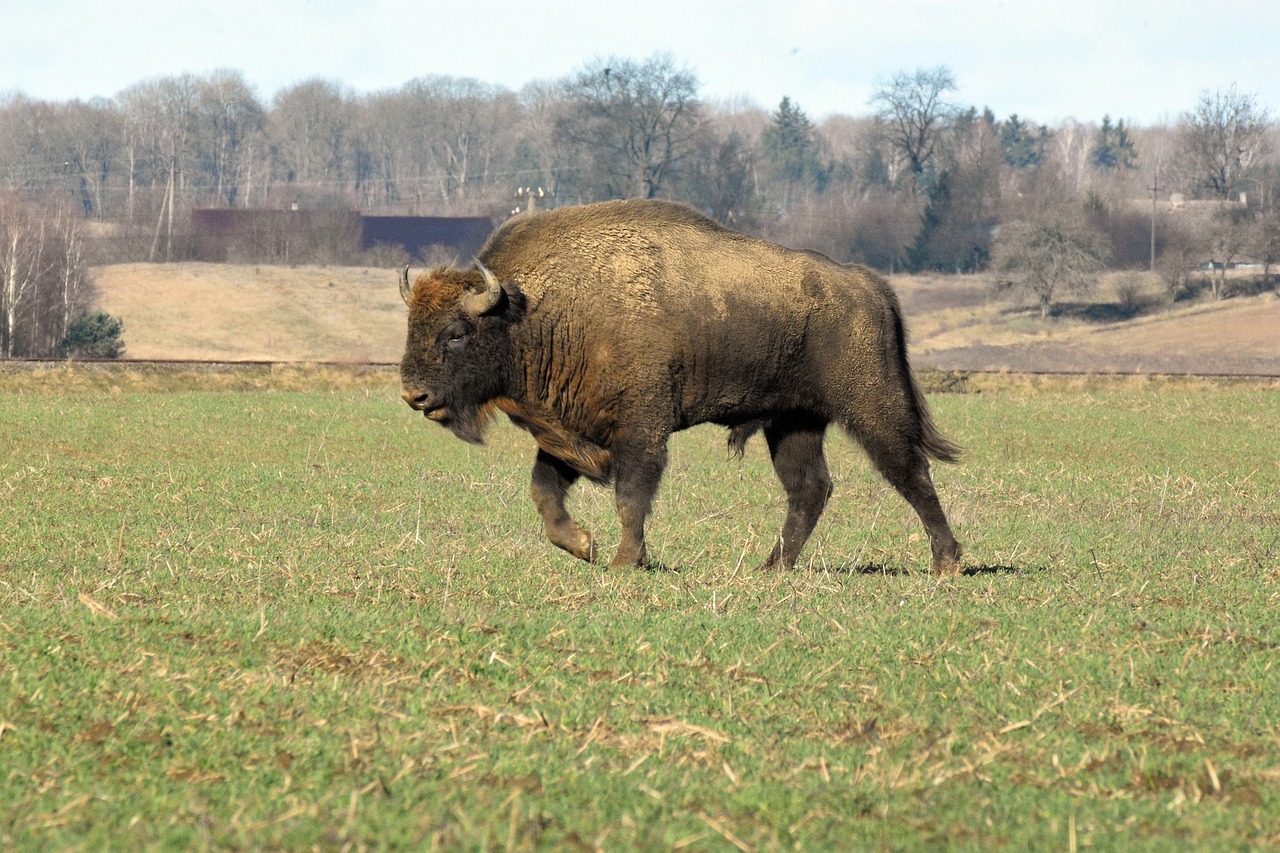
The research team found that the bison could potentially capture another 59,525 tons of carbon annually. The team said the number corresponds with the amount of annual carbon dioxide released by an average of at least 43,000 gas-powered cars in the U.S., or 123,000 in Europe, due to their increased energy efficiency. This research from Romania’s Carpathian Mountains demonstrates that bison restoration could have global applications.
Bison influence grassland and forest ecosystems by grazing grasslands evenly, recycling nutrients to fertilise the soil and all of its life, dispersing seeds to enrich the ecosystem, and compacting the soil to prevent stored carbon from being released,” said professor Oswald Schmitz, lead author of the study and a professor of population and community ecology at Yale University.
Fish and Wildlife Service, Parks Canada, Environment and Climate Change Canada and Mexico’s Secretariat of Environment and Natural Resources recently signed a new agreement to strengthen cooperation and coordination for the conservation of the American bison across its range in North America. This international collaboration signals growing recognition of bison’s importance beyond U.S. borders.
The Remarkable Recovery Still Faces Major Challenges
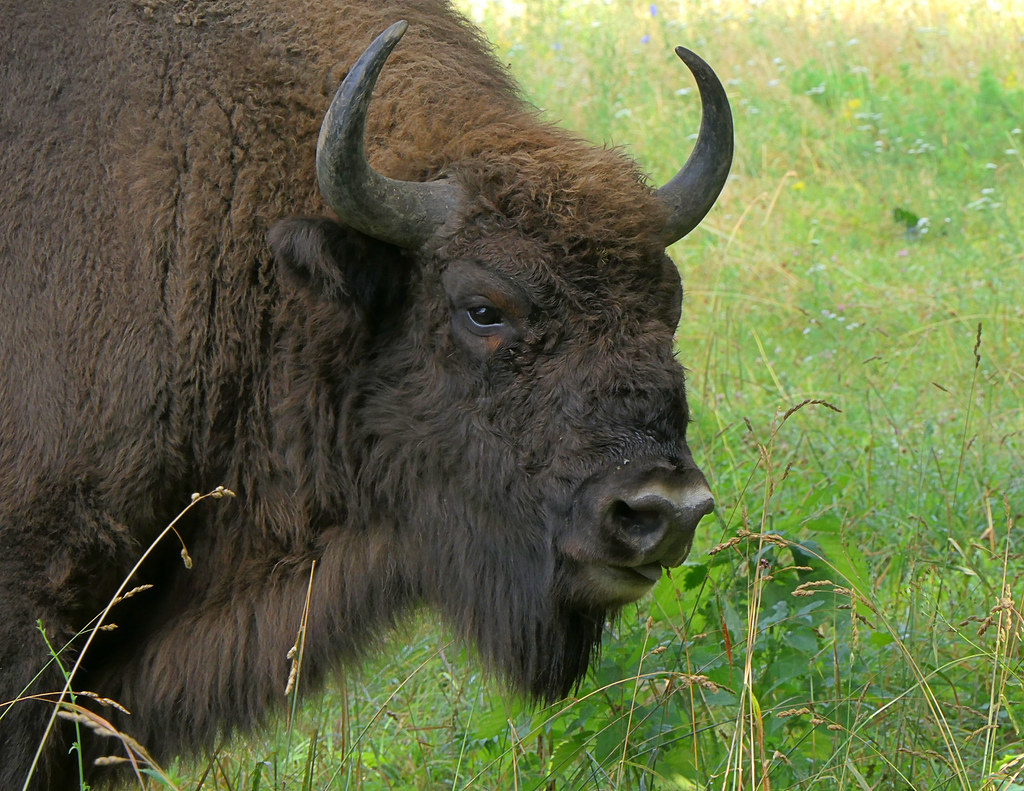
Today, bison remain absent from nearly 99 percent of their historic range. Most of the bison in North America are in herds that are constrained by fences, isolated from each other, and have fewer than 1,000 individuals, raising concerns about their genetic integrity, wildness and long-term viability of the species. The numbers tell a sobering story about how much work remains ahead.
Growing the scale and range of migratory herds of bison is unlikely. In addition to issues inherent from private land ownership and grazing conflicts with ranchers and states, there are already efforts in place to limit their range as it is. For example, late last year, the state of Montana sued Yellowstone to limit the number of bison that are allowed to leave the park.
In all, only 4% of what once was original prairie remains today. “The ecosystem is one of the most endangered in the entire world. There is very little left of it,” said Dr. Elizabeth Bach, a scientist with the Nature Conservancy at Nachusa Grasslands. These statistics underscore just how critical current restoration efforts have become.
Conclusion
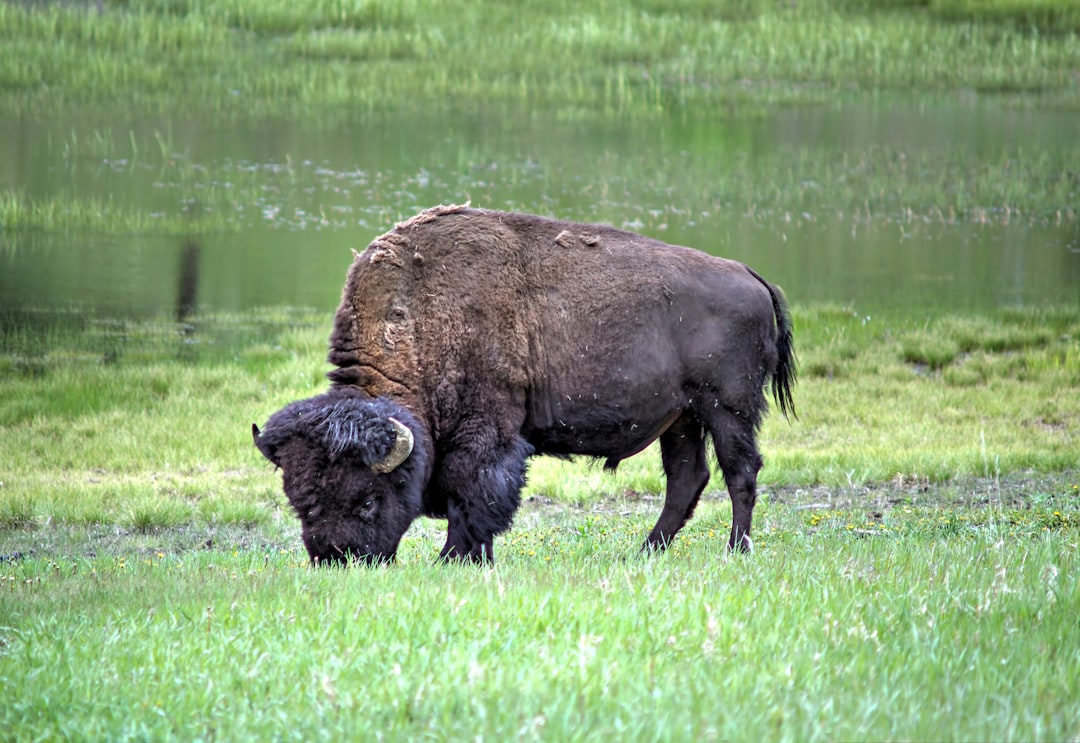
The story of bison restoration reveals something profound about our relationship with the natural world. What began as an emergency rescue of a species has become a masterclass in ecosystem healing. Since introducing bison back into the ecosystem, the Nachusa Grasslands have seen a noticeable uptick in the diversity of flora, fauna and small animals across the prairie, including rare species of butterflies and ornate box turtles. “It’s exciting to watch that progress happen and to understand the importance of doing this work in the 30, 60 to 100-year time frame,” Bach said.
The bison’s return isn’t just about conservation anymore, it’s about reimagining how we can work with nature to address climate change, restore biodiversity, and honor the wisdom of Indigenous communities. Every herd that returns to ancestral lands represents hope that even our most damaged ecosystems can heal when given the right conditions and enough time.
What do you think about the potential for bison to help solve some of our biggest environmental challenges? Tell us in the comments.

- 14 Quiet Signs Your Dog Knows Its Time Is Near and Wants You Close - July 22, 2026
- Why Do Coyotes and Badgers Hunt Together - July 22, 2026
- Has Your Rescue Dog Finally Chosen You? 14 Signs It Sees You as Home. - July 22, 2026