
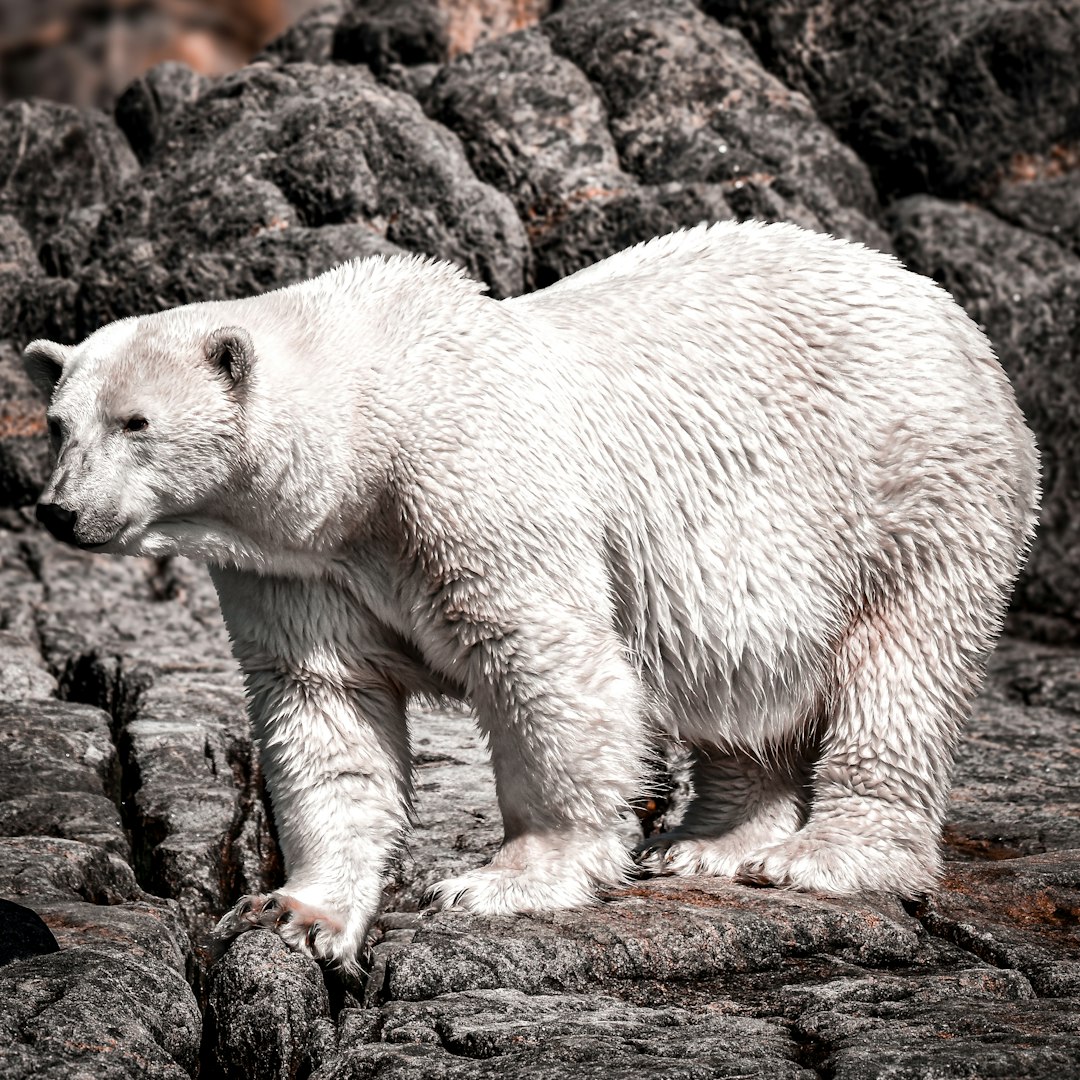
Picture this: a polar bear stranded on shrinking ice, searching desperately for food. While this image has become symbolic of climate change’s impact on wildlife, the reality is far more complex and widespread than most people realize.
Across America, from the Arctic tundra to desert Southwest, rising temperatures and shifting weather patterns are rewriting the behavioral playbook for countless species. Animals that have followed the same seasonal rhythms for millennia are now making split-second adaptations to survive in our rapidly changing world.
Birds Are Missing Nature’s Schedule
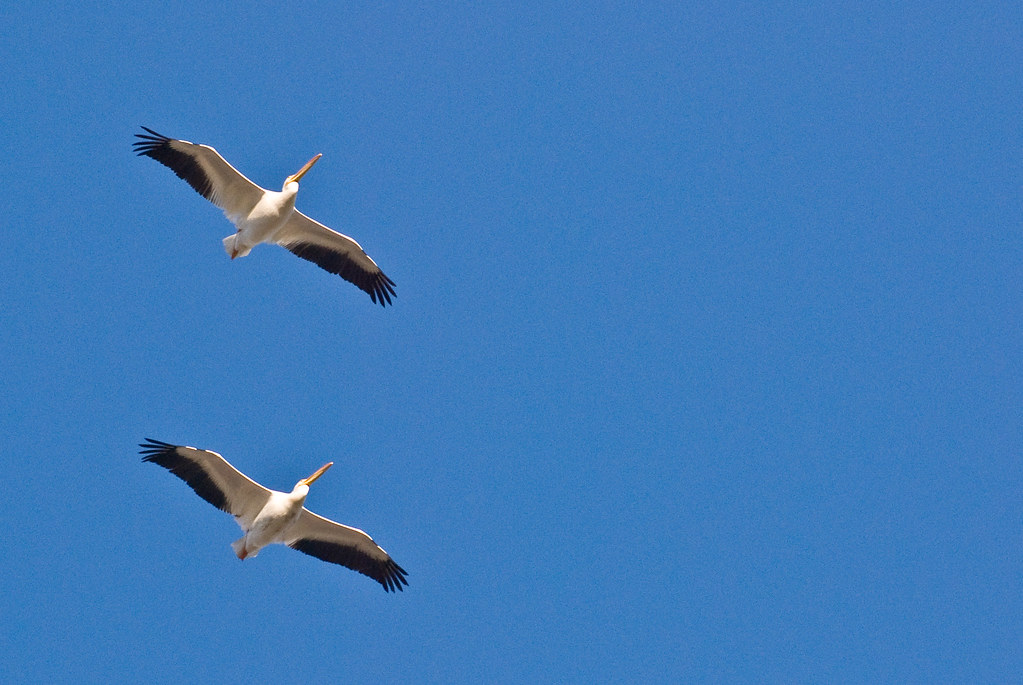
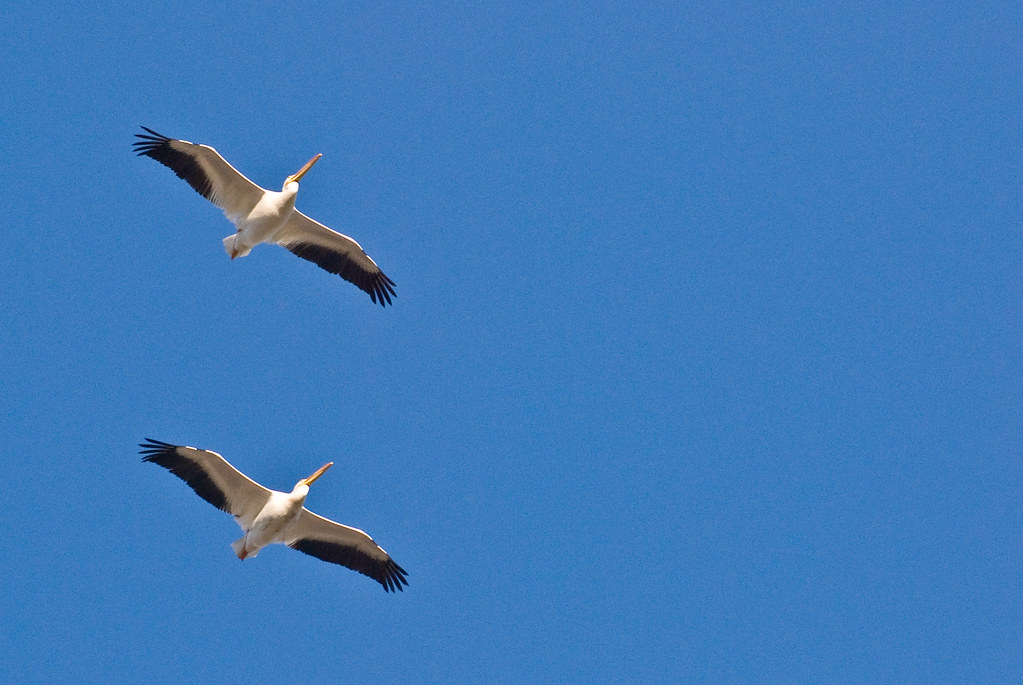
Spring arrives earlier each year, yet roughly 110 of 150 bird species failed to keep up by migrating in time. This timing mismatch creates a cascade of problems that threatens entire populations.
Research on Hudsonian Godwits shows changing migration timing patterns. These delays occurred despite the fact that godwits continued to complete their spring migrations in around three and a half weeks throughout the study period. Godwits were thus departing southern South America 6 days later in 2023 as well, suggesting changes in their southern habitats are disrupting their entire journey.
The consequences are severe. Arriving to Alaska on time in spring is key to the ability of young godwits to grow during the short sub-Arctic summer. If adult godwits arrive too late, it is impossible for them to lay their nests quickly enough to ensure that their chicks have sufficient food.
The Great Migration Timing Disruption
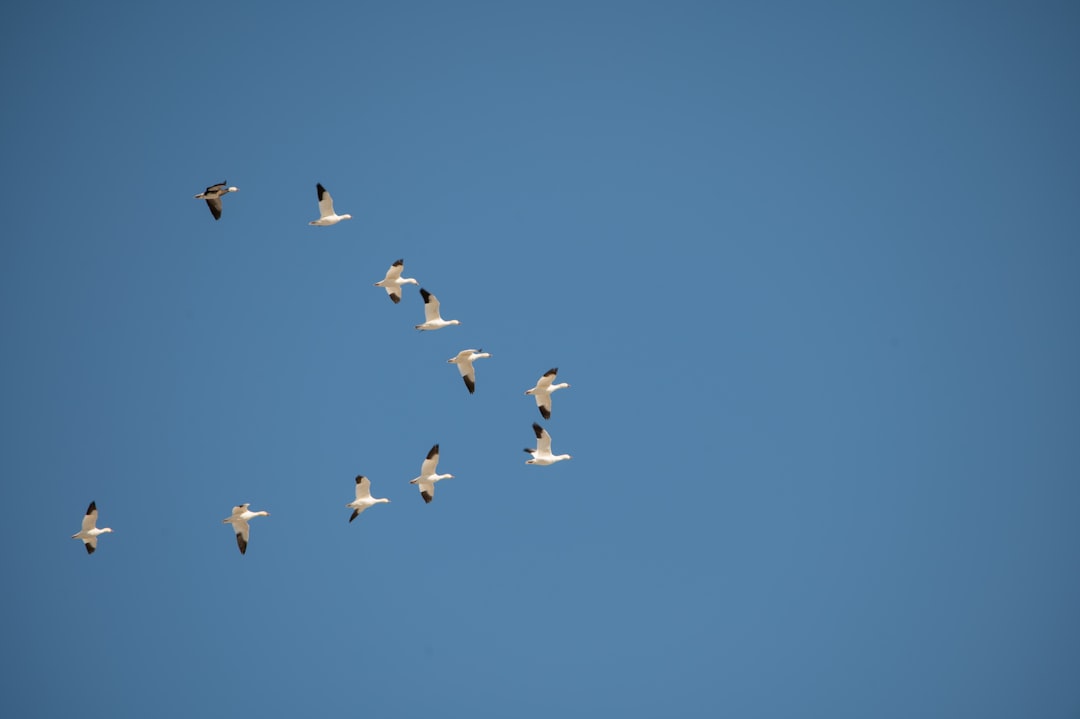
Rising temperatures are causing birds to migrate a little earlier each spring. The journey home is shifting forward by a little less than two days each decade. Though this might sound minor, it represents a fundamental shift affecting hundreds of species across the continent.
Of the temperature tracking we’ve observed in birds, 64% is due to phenology tracking alone. On average, birds are advancing their breeding dates by 0.08 days. To make up for a change of one degree Celsius, they start breeding a day sooner, instead of moving 1,000 kilometers to the north or rising a few hundred meters in elevation.
The problem is that behavioral adjustments aren’t enough. They’re not adapting far or fast enough to keep pace with climate change. Adjustments made by birds only accounted for one-third of what would be needed to stay on track with the rate of warming.
Hibernating Mammals Face a Double-Edged Sword
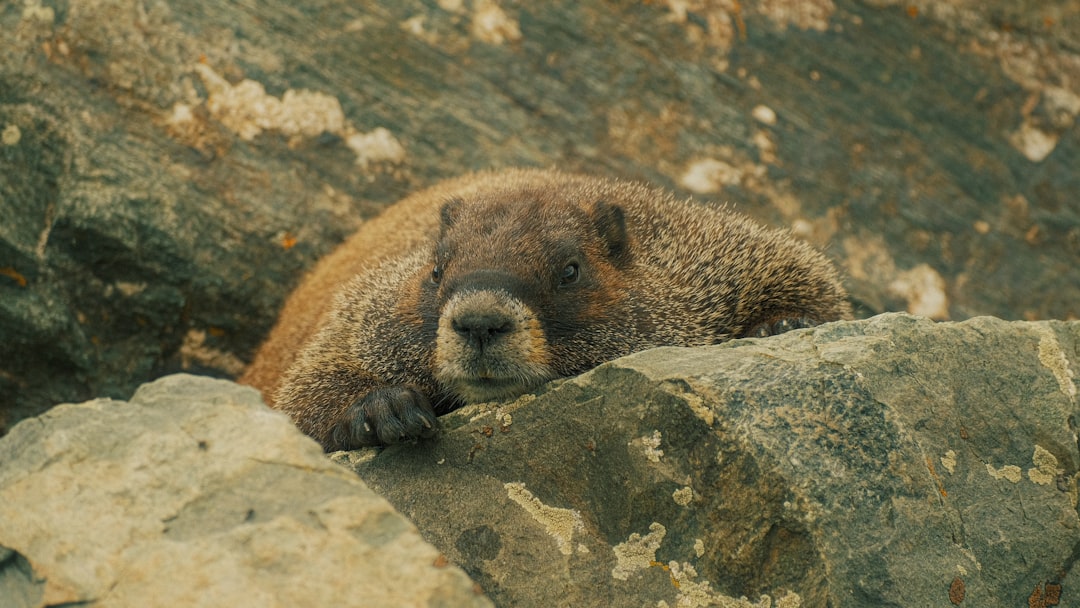
Climate change creates paradoxical effects for hibernating species. Climate change is causing seasonally divergent demographic responses in a hibernating mammal. Continued climate change will likely have a positive effect on summer survival but a negative effect on winter survival.
Yellow-bellied marmots exemplify this complex relationship. Marmots are too small to store sufficient fat to remain active during winter, and therefore hibernate for about 8 mo during this long period of food scarcity relying solely on fat reserves for energy. Warmer summers give them more time to fatten up, but changing winter conditions disrupt their carefully evolved hibernation strategy.
Older age classes experienced lower survival when winters or the following springs were warm, while juveniles benefited from warmer winter temperatures. Although metabolic costs decrease with decreasing temperature in the hibernacula, arousal costs increase with decreasing temperature. This trade-off is experienced differently by immature and mature individuals.
Pollinating Insects Struggle with Extreme Heat
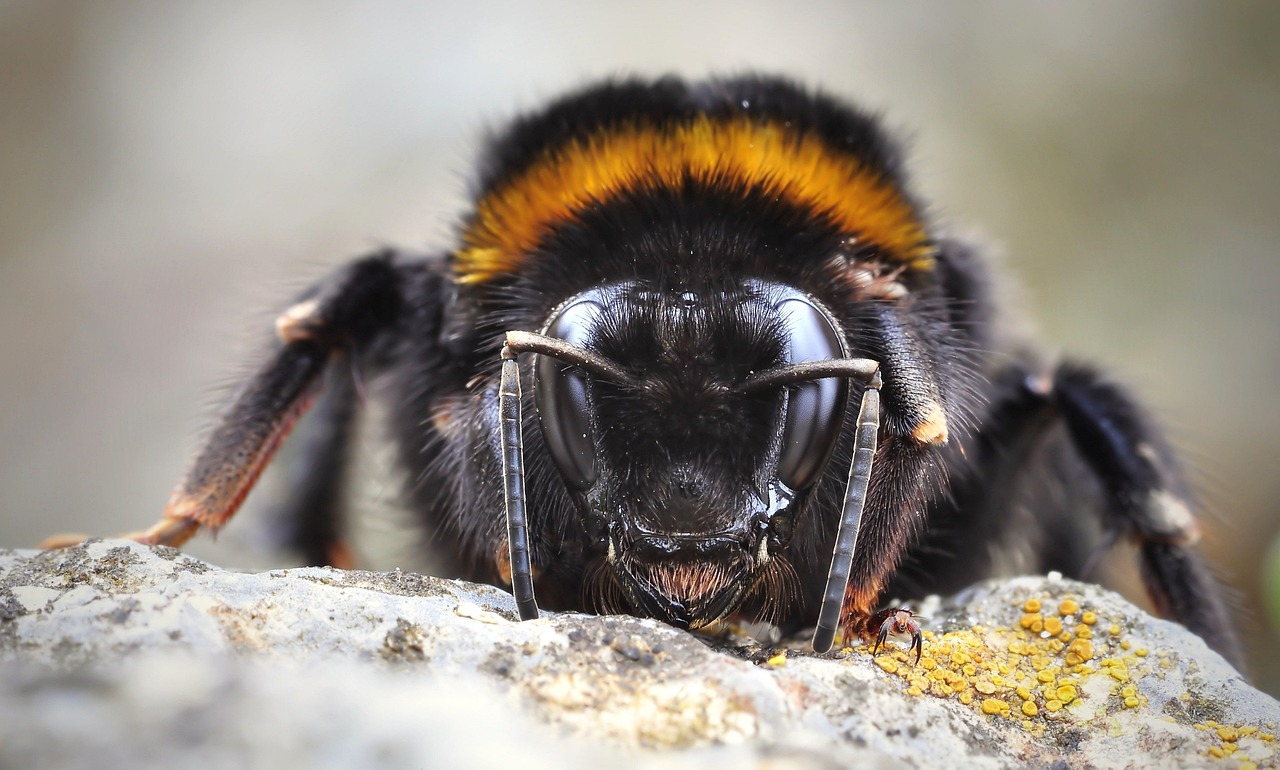
Rising temperatures are forcing bumblebee populations further north to cooler climates. These temperature changes are also causing spring flowers to bloom earlier than normal, leaving less time for the bees to pollinate them. The timing disruption creates a domino effect throughout ecosystems.
Data from North America and Europe indicate that the rise in unusually hot days contributed to heightened local extinction rates, diminished colonization, reduced site occupancy, and decreased bumble bee species richness. As of 2024, 26 bumblebee species have threatened or endangered status.
Weather extremes compound the problem. Extreme rainfall and droughts can disrupt their foraging patterns, while disasters like floods and wildfires can destroy their habitats. These tiny but crucial pollinators face an uphill battle against increasingly unpredictable conditions.
Marine Life Suffers Massive Die-offs
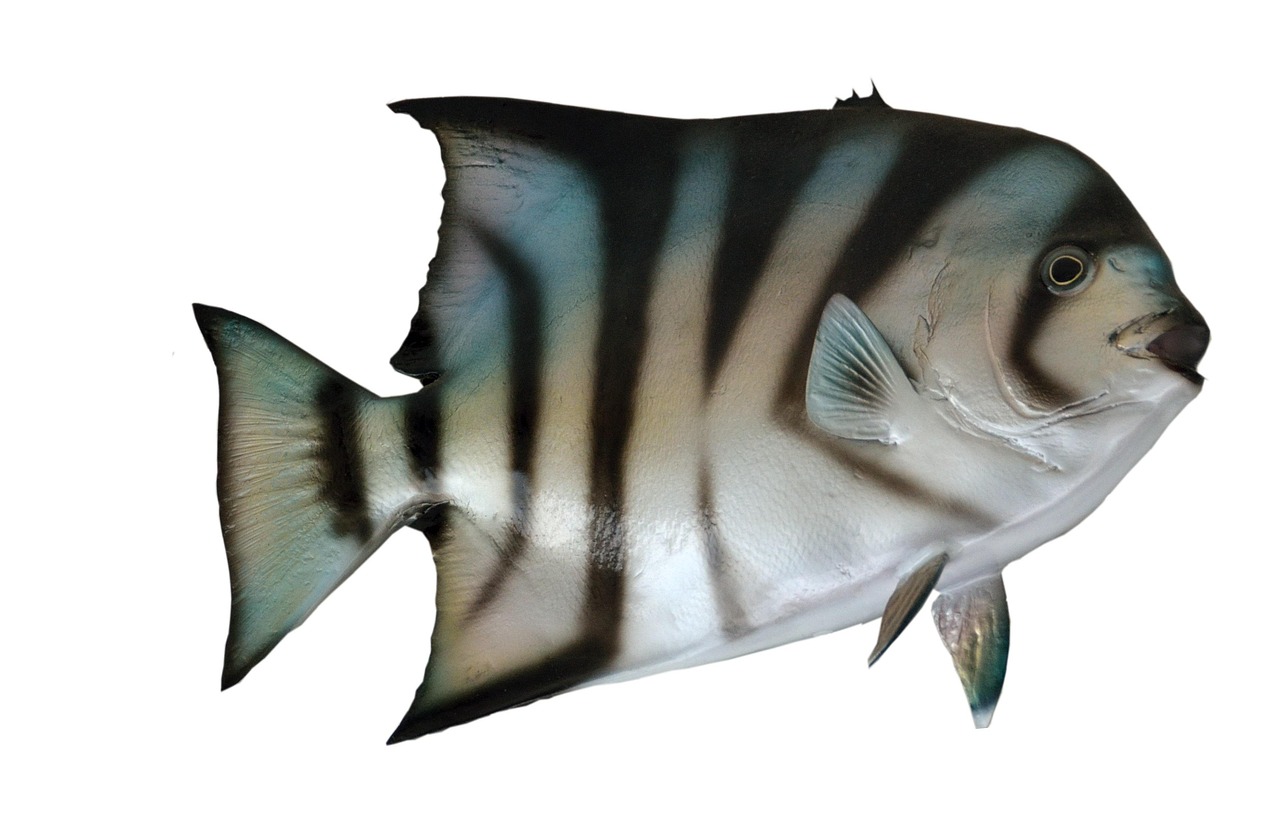
Ocean warming creates devastating cascades through marine food webs. In 2015 and 2016, approximately 1 million common murres died off of the west coast of North America due to starvation and an altered food web from an extreme marine heat wave. This represents one of the largest seabird die-offs ever recorded.
Fish populations face similar catastrophic declines. The same marine heat wave caused significant declines in Pacific cod populations because of an increase in metabolic demand and a reduced prey base. The ripple effects extend throughout the marine ecosystem as predators lose their primary food sources.
More than 10 billion snow crabs have disappeared due to starvation in the Bering Sea between 2018 and 2021; and numerous humpback whales have died during marine heat wave events in the northern Pacific Ocean. These numbers represent ecological catastrophes that reshape entire ocean communities.
Arctic Animals Lose Their White Camouflage
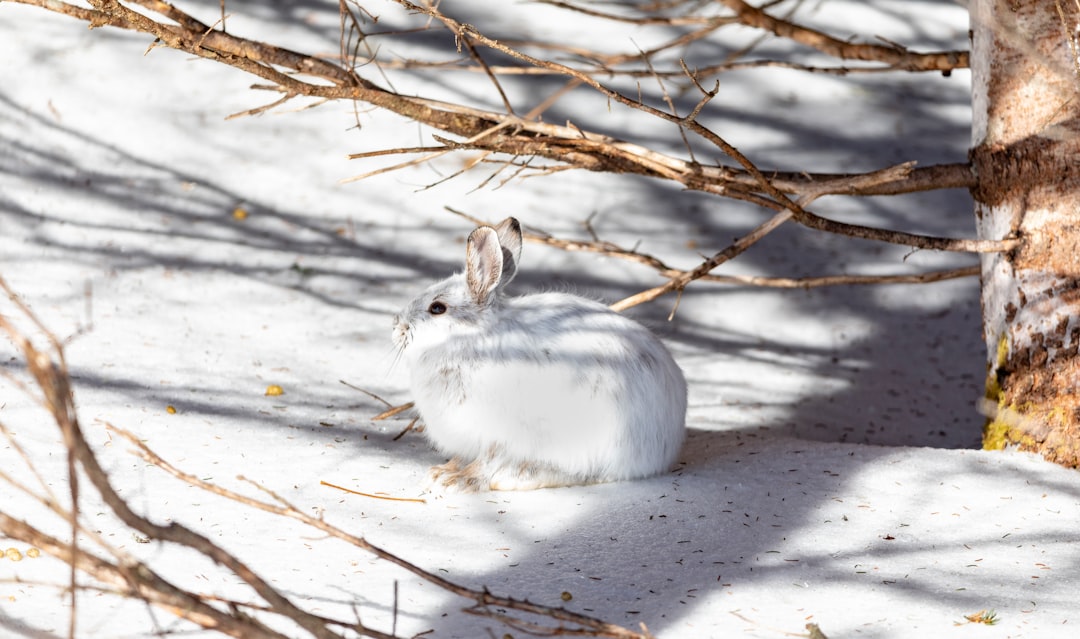
Snowshoe hares face a particularly visible climate challenge. Hares may be particularly vulnerable when their coloration does not match the background – a white hare on a brown background is more visible to predators. The period when the landscape is predictably snow covered is extremely sensitive to climate.
With climate change, spring snowmelt is predicted to occur earlier and snow cover lost sooner in areas inhabited by the snowshoe hare. Hare pelage change has limited plasticity in the rate of the spring white-to-brown molt, but both initiation dates of color change and the rate of the fall brown-to-white molt are fixed; unless the timing of coat color change can be modified by natural selection, the reduced snowpack will increase periods of mismatch by 3 – 8 times.
This camouflage mismatch turns a survival advantage into a death sentence, making these animals sitting targets for predators during extended periods when their coat color doesn’t match their surroundings.
Species Push Their Limits to Adapt
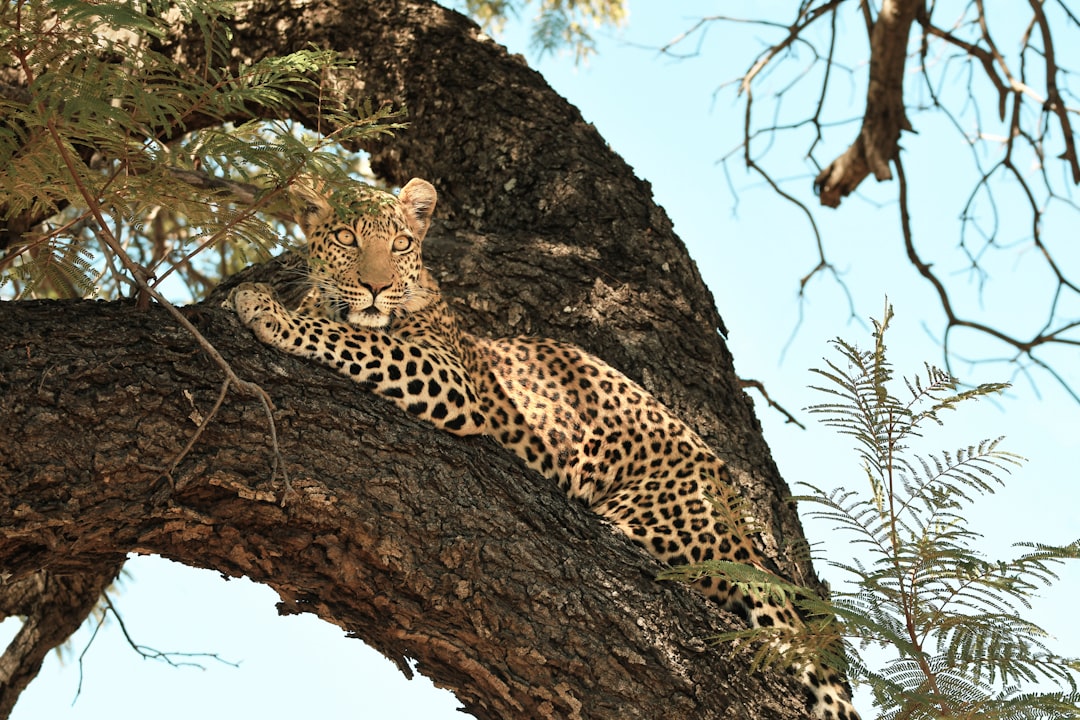
Some animals show remarkable behavioral flexibility. Behavioral responses to climate change were most commonly reported in species with a lifespan of at least three years and usually involved changes in the timing of life-cycle events such as reproduction or migration. Ecological generalists, such as raccoons and coyotes, were more likely to change their behavior than were specialists.
However, these adaptations come at a cost. These survival behaviors have consequences. We recognize there are limits to this. Behaviors require tradeoffs. Animals have these critical functions like obtaining food, obtaining water, and reproducing. Every time they’re dedicating energy to some different behavior, they can’t be doing these things.
The biggest change was seen in the animals’ activity in exploring their environment. Animals have a strong response to all forms of environmental change, but climate change engendered the greatest change in animal behaviour.
The Accelerating Pace of Change
Temperature changes due to climate change have a doubly detrimental impact: Not only do they destabilize animal populations, but the impacts accelerate as temperatures change more rapidly. Changing temperatures – either warming or cooling – drive changes in the composition of species in an ecosystem. The results also suggest that behavioral adaptation and changing species interactions are not enough to preserve species composition in the face of higher rates of temperature fluctuations.
It’s like shuffling a deck of cards, and temperature change now is shuffling that deck faster and faster, explains researcher Malin Pinsky. The metaphor captures how rapidly ecosystems are being reorganized by climate pressures.
A study published in the journal Global Change Biology in 2024 estimated that an additional 17% of Earth’s species will be lost as a direct result of climate change. This figure represents millions of species facing unprecedented environmental pressures.
Climate change isn’t just warming the planet – it’s fundamentally rewiring how animals live, eat, reproduce, and survive. From birds missing their migration windows to hibernating mammals facing seasonal chaos, American wildlife is adapting as fast as possible to keep pace with our rapidly changing world. The question isn’t whether animals will continue to change their behavior, but whether they can change fast enough to survive what’s coming next.
What strikes you most about these dramatic behavioral shifts happening right now across America? The scale of these changes might surprise you more than you’d expect.
