
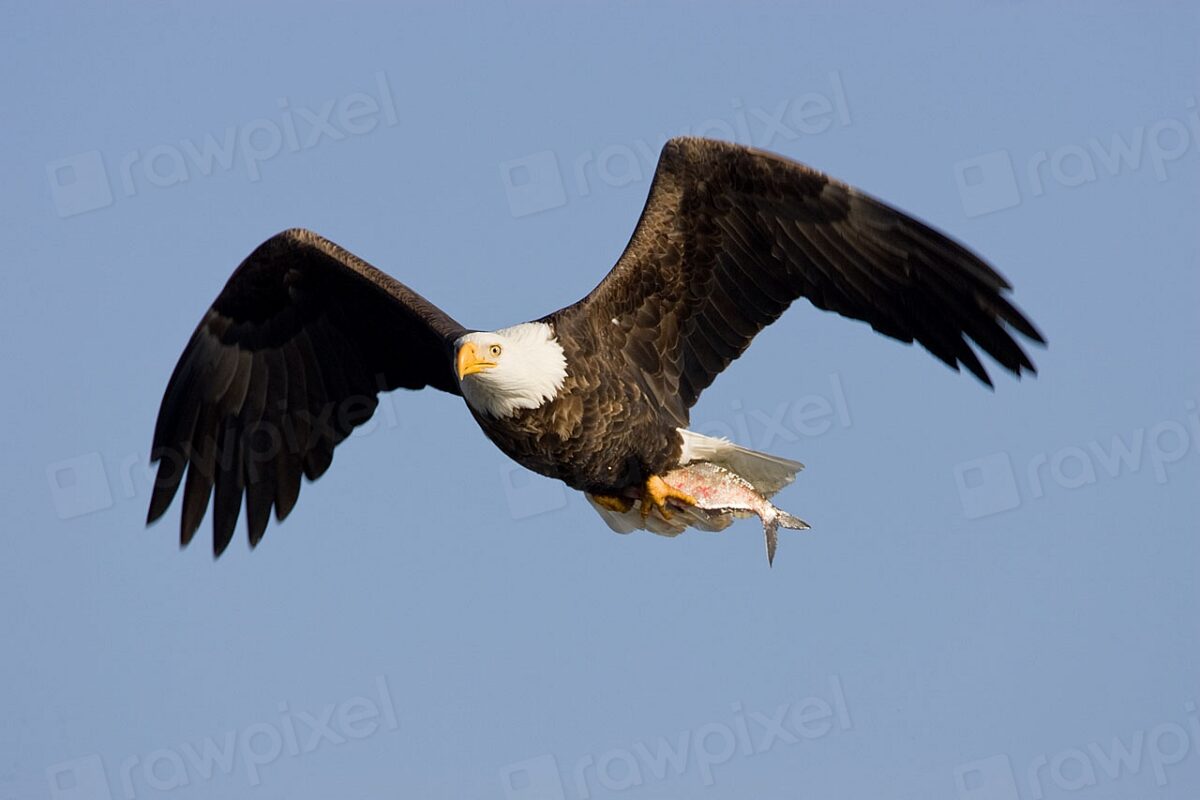
Picture this: it’s the early 1970s, and America’s national bird is teetering on the edge of complete disappearance. In the 1950s, there were fewer than 1,000 birds left in the country, and by 1963, only 487 nesting pairs of Bald Eagles remained. The symbol of American freedom was ironically facing its own extinction crisis.
Yet today, as you drive through the farmlands of Iowa or scan the shores of Lake Michigan, you might spot these magnificent raptors soaring overhead with surprising frequency. Today, their numbers are thriving once again, with more than 70,000 breeding pairs of eagles observed in the lower 48 states. This transformation represents one of conservation’s greatest triumphs, and nowhere is this success story more evident than across America’s heartland.
The Pesticide Crisis That Nearly Ended It All
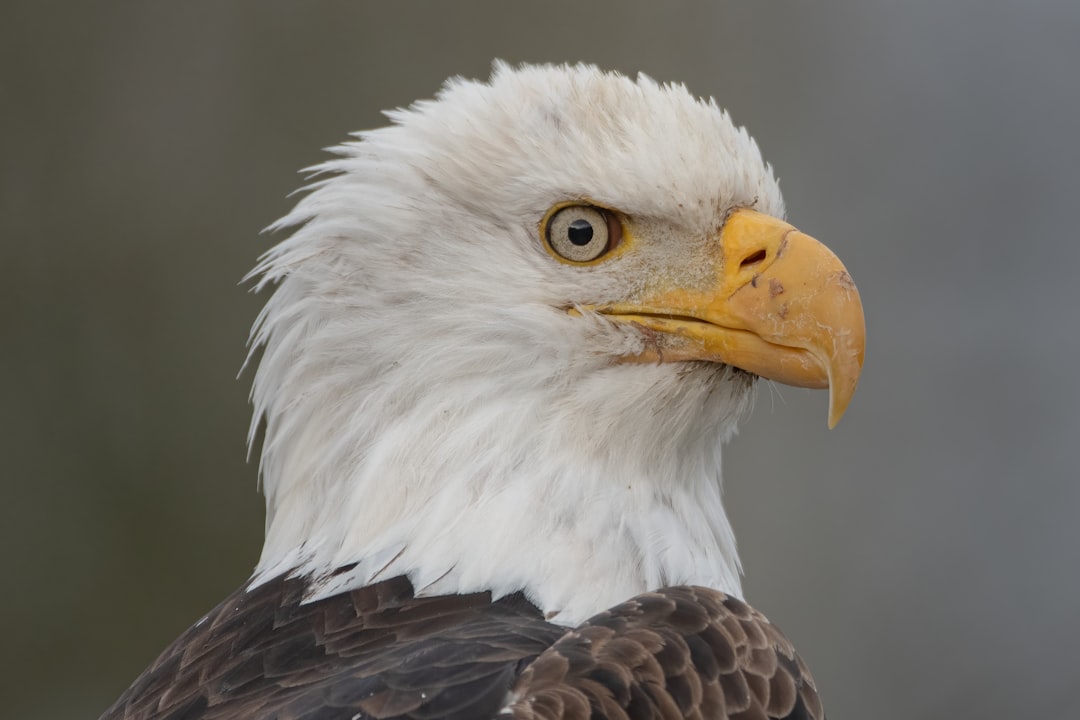
Scientists have attributed the large part of the recovery of bald eagles to the banning of DDT, a common pesticide that built up in the bodies of many birds and resulted in reproductive failure and the thinning of eggshells. This chemical villain of the environmental movement didn’t kill eagles outright. Instead, it staged a more insidious attack.
DDT and residues washed into adjacent water sources where aquatic plants and fish absorbed it, resulting in poisoning Bald Eagles when they ate the contaminated fish. The poisoning affected the species’ ability to produce strong eggshells which often broke during incubation or failed to hatch. The problem was that adult eagle pairs were not fledging young… year after year after year. DDT, a synthetic insecticide first used widely in the 1940s, was accumulating in breeding eagles and causing them to lay thin-shelled eggs that failed to hatch.
The Historic Turning Point of 1972
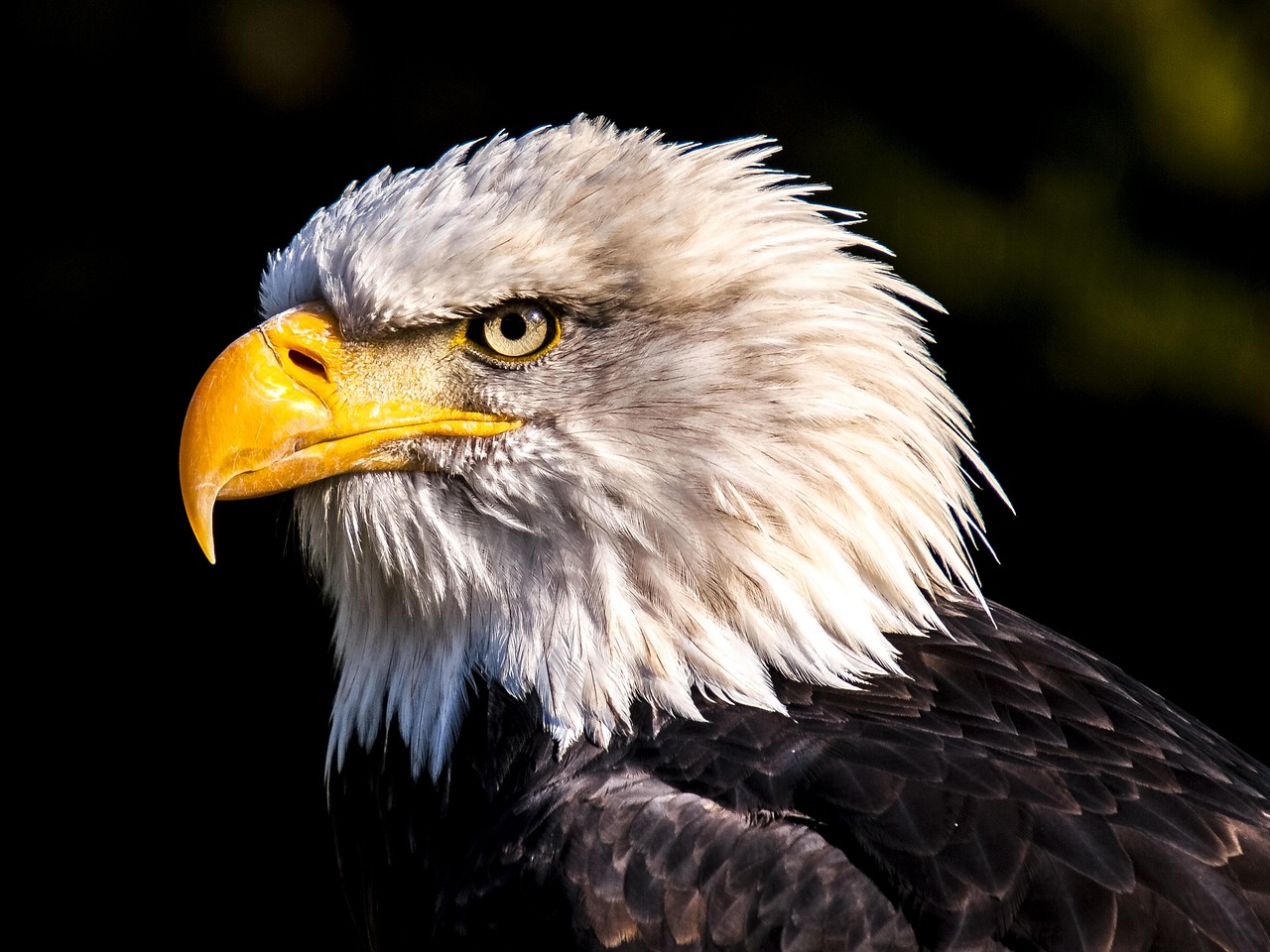
When Rachel Carson’s “Silent Spring” awakened America’s environmental consciousness, it set the stage for a monumental decision. In 1972, after decades of advocacy and debate, the Environmental Protection Agency banned DDT from most uses, and the populations of bald eagles, ospreys, and other birds slowly began to bounce back.
This wasn’t just a chemical ban. It was the beginning of a conservation revolution. Once DDT was banned and the species was fully protected under the fledgling Endangered Species Act, however, eagle numbers began to rebound, gradually at first and then with increasing vigor. The federal government had essentially declared war on extinction itself.
Midwest States Lead the Recovery Charge
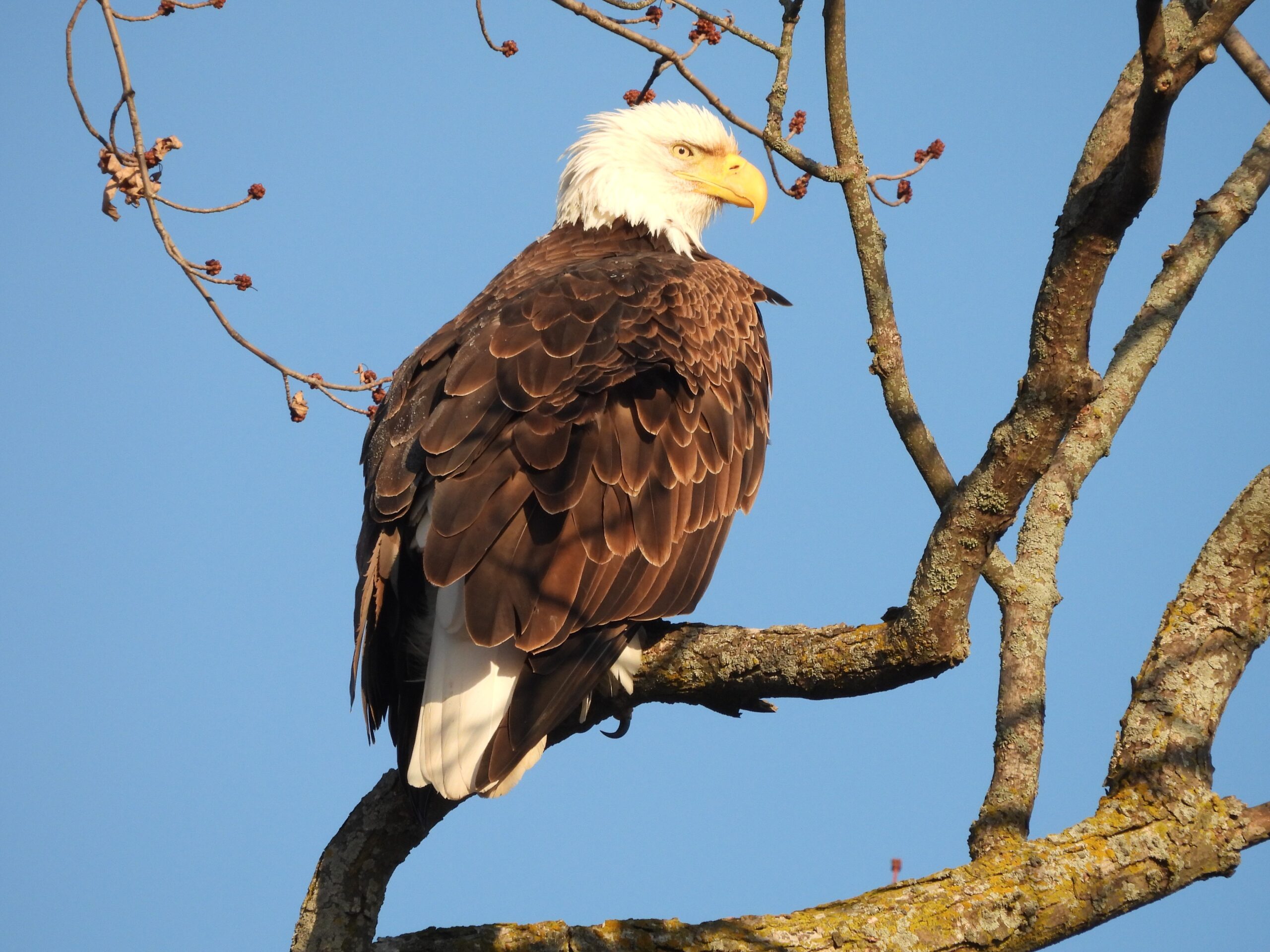
The Great Lakes region and surrounding Midwest states became ground zero for eagle restoration efforts. There are approximately 30 – 40 nesting pairs of bald eagles in Illinois, according to the University of Illinois natural history survey. However, when migration time comes, the population booms. Illinois boasts the largest wintering population of bald eagles outside of Alaska, with approximately 3,100 bald eagles settling in for the cold weather months.
Michigan’s transformation has been particularly stunning. After being driven to near extinction in Michigan, the bald eagle has made an impressive recovery in this state. Eagles nest along Lake Michigan, rivers, and inland lakes. There are 800 pairs of eagles in Michigan, a number that would have seemed impossible just decades ago.
Wisconsin tells an equally inspiring story. Bald eagles have made an amazing recovery in our state thanks to a combination of the national ban on the pesticide DDT, added state and federal protections, like the Bald and Golden Eagle Protection Act, river cleanups under the Clean Water Act and Wisconsin DNR nest monitoring and protection with support from the Endangered Resources Fund.
Iowa’s Surprising Eagle Explosion
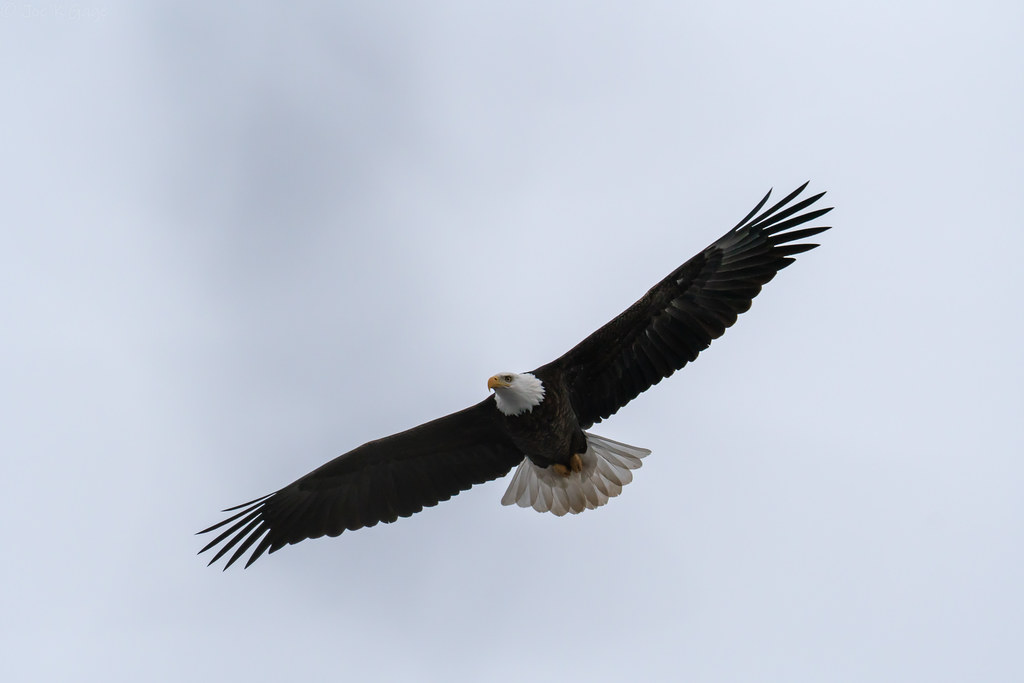
Perhaps no Midwest state showcases the eagle comeback more dramatically than Iowa. Iowa has developed a substantial bald eagle population, though specific population estimates vary. This agricultural heartland state has become an unexpected eagle paradise.
In recent years counts of wintering bald eagles have been around 3,000 – 4,000. Theses numbers can vary quite a bit depending on how mild or severe the winter is. The state DNR says that many eagles likely come from Wisconsin and Minnesota, who have larger populations, looking for winter food. Iowa has essentially become the southern vacation destination for northern eagles seeking milder conditions.
Minnesota’s Breeding Powerhouse
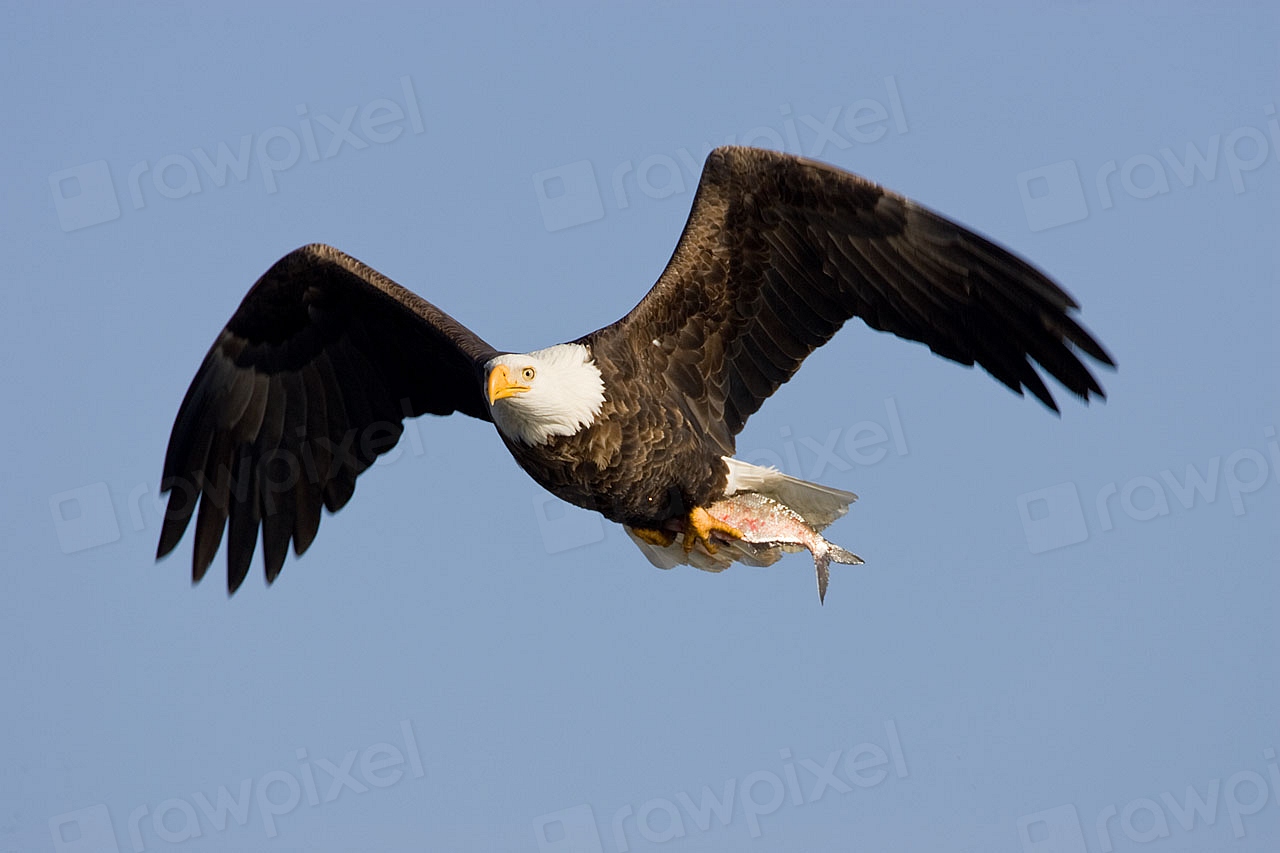
Minnesota stands as the crown jewel of Midwest eagle recovery. Minnesota follows closely behind with approximately 9,800 bald eagles, showcasing the species’ thriving presence in the region. The state’s extensive network of lakes and rivers provides ideal habitat for these fish-eating raptors.
Minnesota has a large, healthy bald eagle population. According to the state’s Department of Natural Resources, this includes 30 nesting pairs in the Twin Cities metropolitan area. Think about that for a moment – eagles are now successfully nesting in one of the region’s most urban areas, a testament to their adaptability and the effectiveness of conservation measures.
Ohio’s Great Lakes Comeback Story
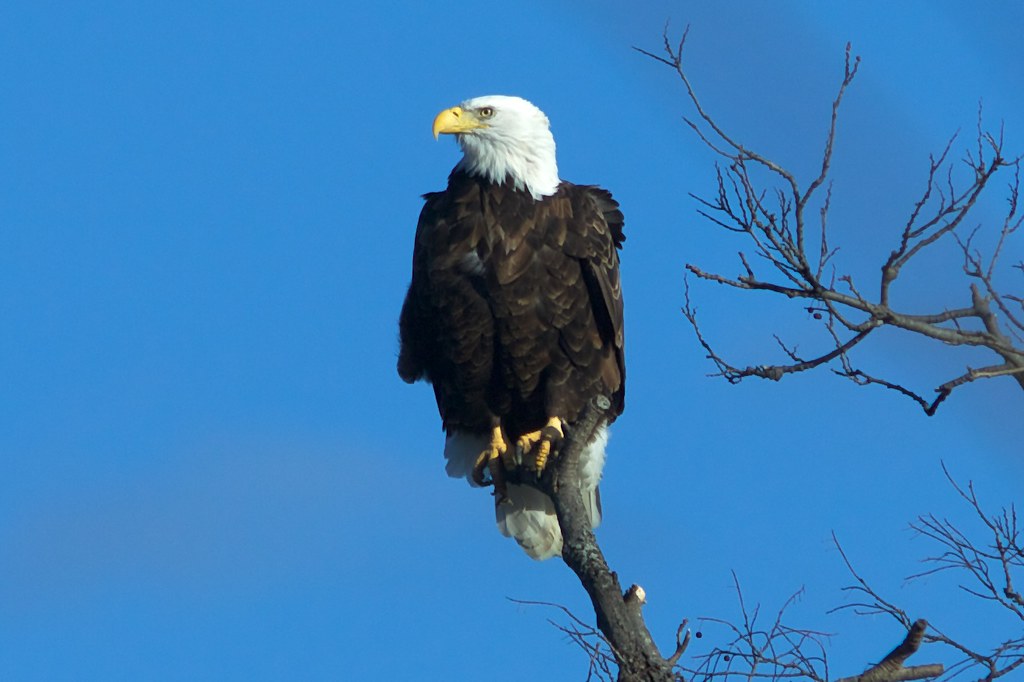
Ohio’s eagle recovery mirrors the broader Great Lakes success story. Ohio has a growing bald eagle population. Most of the eagles live near Lake Erie, and there are 707 pairs of eagles in Ohio. The state’s position along major migratory routes has made it a crucial corridor for eagle recovery throughout the region.
Indiana’s journey has been particularly remarkable given the state started from complete extirpation. Bald eagles, which had been extirpated from the state, were reintroduced to Indiana in the mid to late 1980s when 73 eaglets were brought into the state. They were raised at Monroe Lake and then released. Soon after in 1991 Indiana had its first successful bald eagle nesting, and the species was on the rebound.
Modern Success and Continuing Challenges
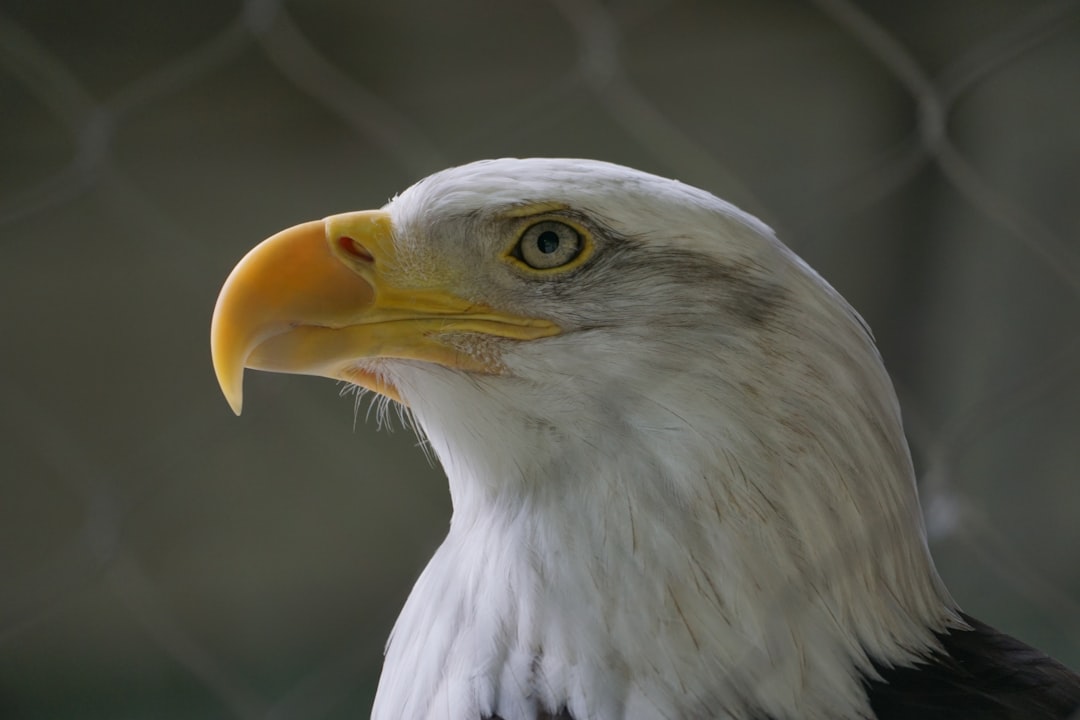
Today’s eagle numbers tell a story of conservation triumph. But thanks to decades of dedicated conservation efforts, Bald Eagles have rebounded, with an estimated 316,000 birds now soaring across the United States – and in 2024, they were officially designated our National Bird! Yet challenges remain for these recovered populations.
Although they hunt fish and other prey, Bald Eagles are also frequent scavengers, and a gut pile left behind by a game hunter represents a tempting meal. These carcasses often contain fragments of lead ammunition, which eagles and other scavengers gulp down along with the meat. Even very small amounts of lead contamination in scavenged meat can be enough to kill an eagle.
The bald eagle’s comeback across the Midwest represents more than just species recovery. It demonstrates that when Americans commit to conservation, remarkable things happen. The bald eagle is seen as one of the most iconic Endangered Species Act success stories, proving that environmental protection and human progress can coexist.
What started as a near-extinction crisis has transformed into one of conservation biology’s greatest achievements. Today, spotting a bald eagle in Midwest skies isn’t a rare miracle – it’s becoming beautifully ordinary. What do you think about this incredible conservation success story? Tell us in the comments.

- 10 Amazing Facts About Penguins - July 24, 2026
- 8 Ways to Create a Wildlife-Friendly Backyard Oasis for Local Critters - July 24, 2026
- How to Keep Your Pet Safe from Household Hazards - July 24, 2026