

When nature decides to put on a show, the results are nothing short of spectacular. Across our planet, millions of creatures embark on journeys that defy logic, distance, and often our understanding. These aren’t just simple trips from point A to point B. These are epic odysseys that span continents, cross oceans, and traverse some of the most inhospitable environments on Earth.
Think about it for a moment. What drives a tiny Arctic tern to fly roughly the equivalent of three round trips to the moon over its lifetime? What compels a humpback whale to swim thousands of miles without eating a single meal? The answers lie in ancient programming that predates human civilization by millions of years. Let’s dive into these remarkable stories of endurance, instinct, and survival.
Arctic Terns – The Ultimate World Travelers
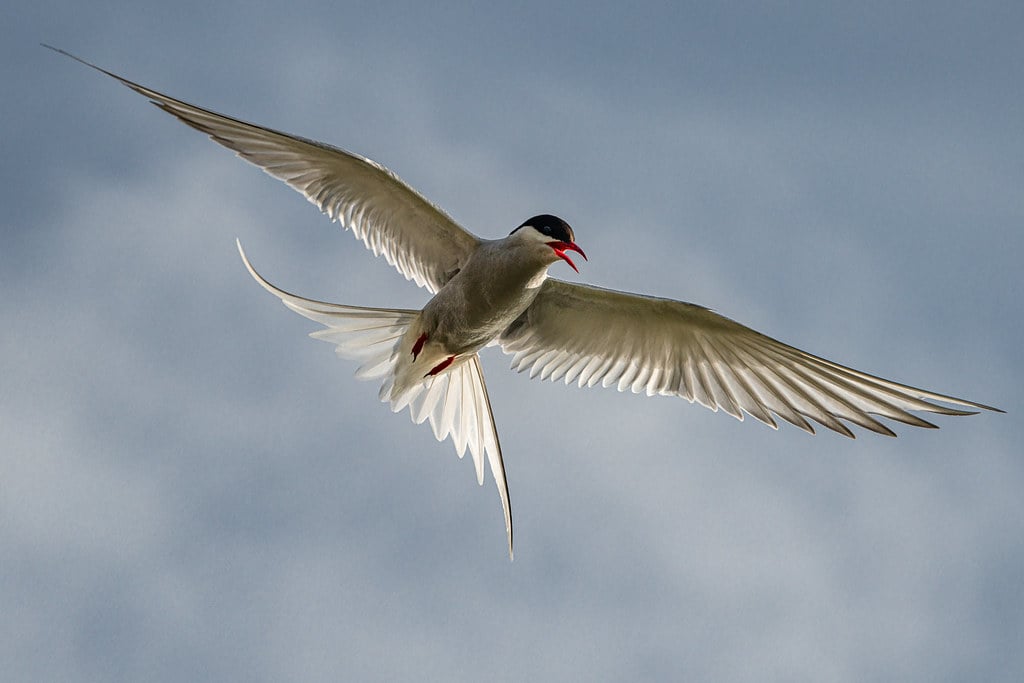
Picture this: a bird barely heavier than a smartphone embarking on a journey that puts every frequent flyer to shame. Arctic terns fly “from the Arctic to the Antarctic and back” and log about 44,000 miles (71,000 kilometers) of travel time on their circuitous route. That’s roughly equivalent to flying around the Earth’s equator twice every single year.
What makes this even more remarkable is their strategy for survival. Arctic terns spend most of their year at sea chasing a perpetual summer as seasons are reversed in the Northern and Southern hemispheres. They’re essentially living in endless daylight, following the sun from one pole to the other. Recent scientific studies suggest that they might fly double the previously estimated 40,000 kilometers annually.
Humpback Whales – Ocean Marathoners Without Food
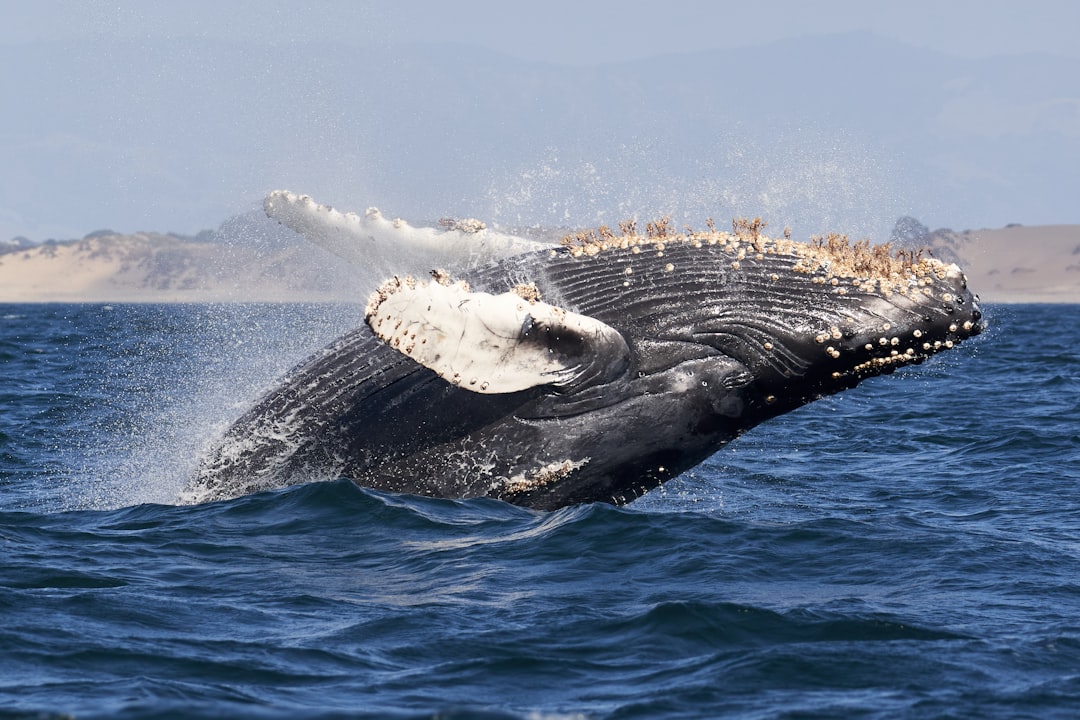
Imagine swimming for thousands of miles while fasting completely. That’s exactly what humpback whales do during their incredible migrations. Their journey can take over 12,500 kilometers (7,770 miles) each way, making it the longest migration of any mammal on Earth. Some humpback whales can complete a journey between Alaska and Hawaii – stretching more than 4,800 kilometers – in just 28 days.
The most mind-bending aspect? They do not feed along their migration route and instead survive on fat reserves built up during the summer months. These gentle giants essentially run on empty for months, relying entirely on their blubber stores while making one of the most demanding physical journeys in the animal kingdom.
Caribou – Arctic Ground Champions
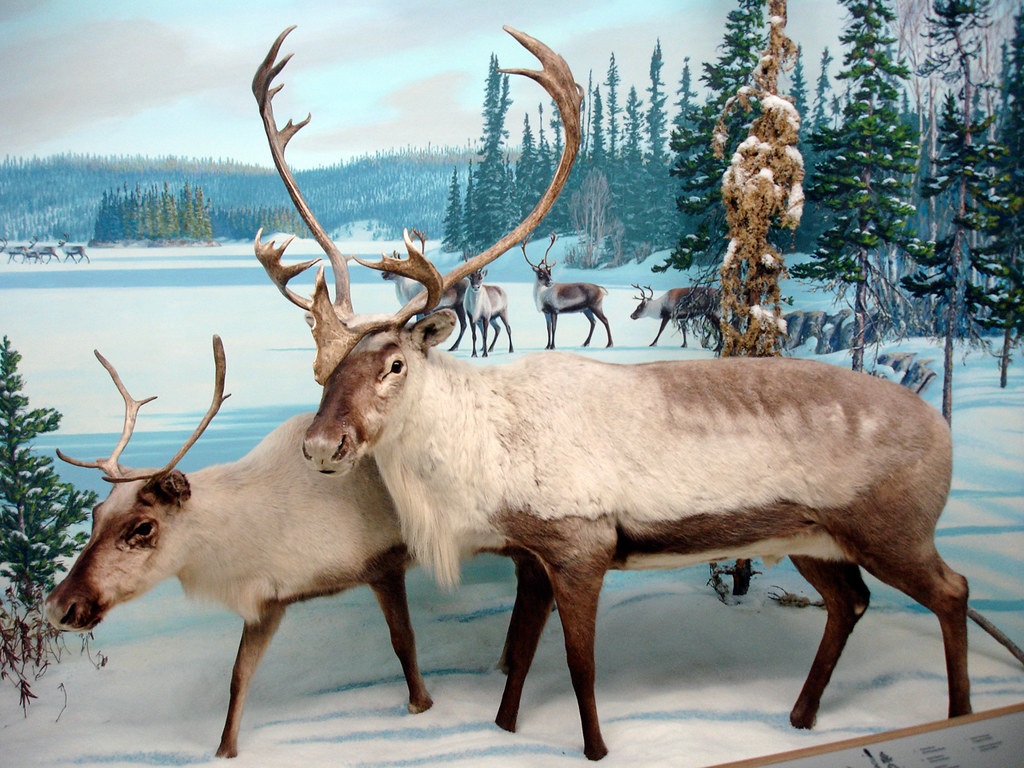
Caribou have the longest existing terrestrial migrations in the world, with round-trip distances exceeding 745 miles (1,200 km), equivalent to walking between Washington DC and Los Angeles. What sets them apart from other long-distance travelers is the sheer difficulty of their journey. Unlike birds that can glide on air currents or marine animals that can drift with ocean streams, caribou must pound the frozen ground with every step.
Once migration begins, caribou can travel up to 80 kilometres per day. The Porcupine Herd in Alaska, with over 200,000 members, has the longest migration route worldwide, covering nearly 1,500 miles (2,415 kilometers). Honestly, watching these massive herds move across the tundra is like witnessing a living river flowing across the landscape.
Northern Elephant Seals – The Double Migration Masters
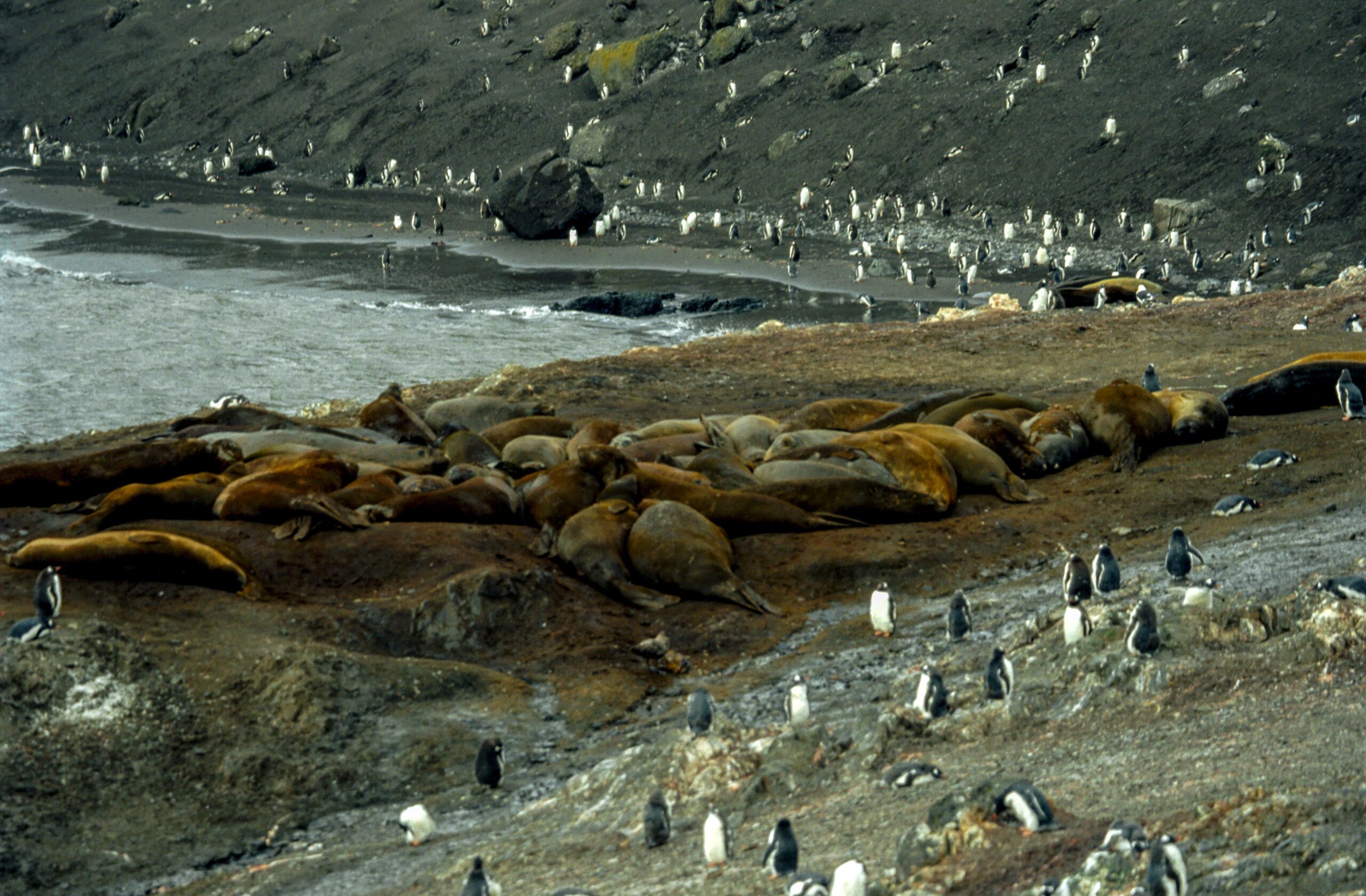
Here’s where things get truly wild. Northern elephant seals embark on a biannual journey into the North Pacific, known as a double migration, allowing them to forage and build up energy reserves necessary for fasting during land-based activities that last two to four months. They have one of the longest migrations of any mammal; some have been recorded traveling over 13,000 miles roundtrip.
During the two migrations, males cover at least 13,000 miles (21,000 kilometers) and females just over 11,100 miles (18,000 kilometers), spending 250 (males) and 300 (females) days at sea. What’s fascinating is how they spend almost their entire journey underwater, surfacing only briefly to breathe before diving back into the depths.
Monarch Butterflies – Generational Relay Racers
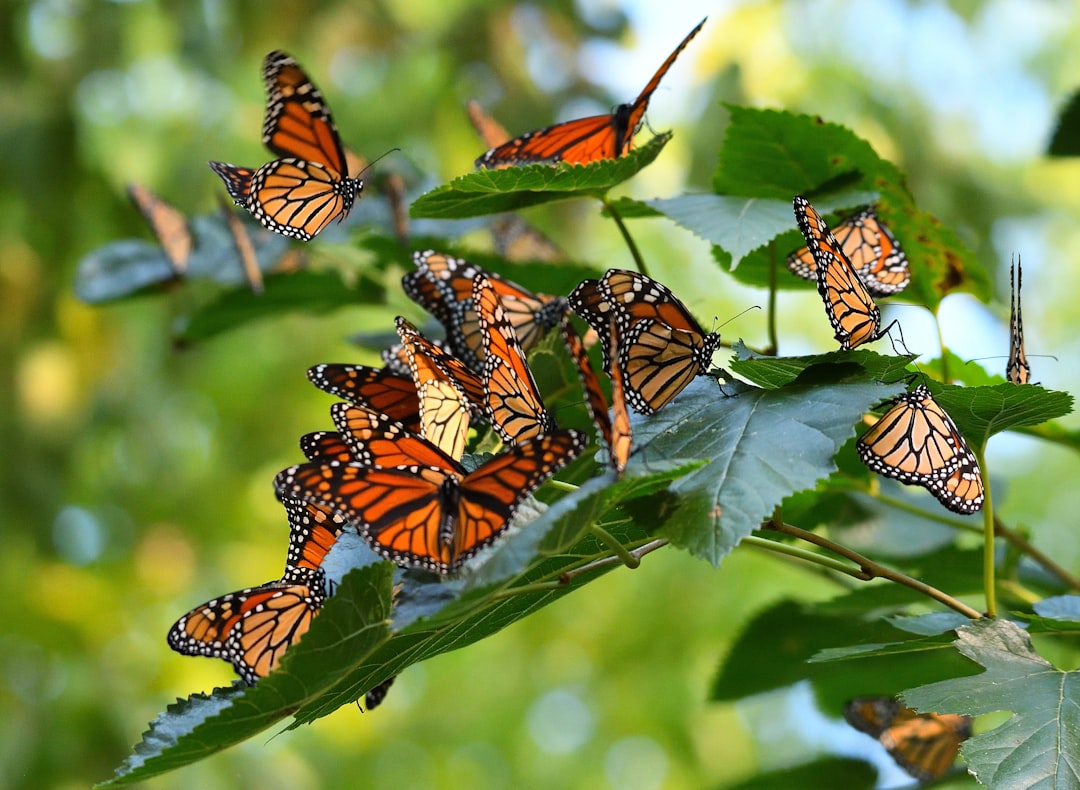
Each autumn, millions of monarch butterflies migrate distances as great as 4,800 kilometres from North America to Mexico for winter, where they head to forests and a specific type of tree: the Oyamel fir. Yet here’s the twist that makes this migration truly extraordinary: it’s a multi-generational journey where individual butterflies never complete the entire round trip.
Monarchs can cover 50-100 miles (80-160 kilometers) a day, with the longest recorded journey being 265 miles (426 kilometers) in one day, and remarkably, these butterflies instinctively navigate to their wintering sites despite never having been there before. They are currently the only butterfly known to make this two-way migration.
Leatherback Sea Turtles – Ocean Nomads
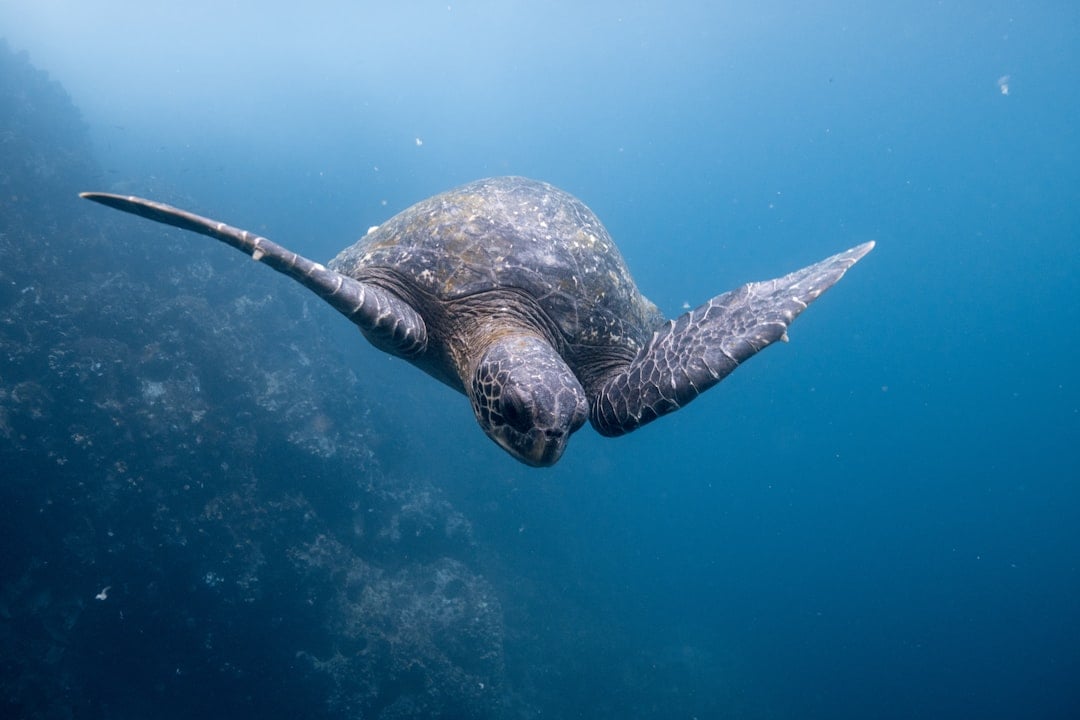
Leatherback turtles take the lead for having the longest migration between breeding and feeding areas out of any sea turtle species, with some covering distances of 5,900 kilometres each way. Known for the longest migrations of any sea turtle species, leatherbacks can travel from the cold waters of Canada’s Atlantic coast to the warm Caribbean Sea to nest, covering distances of over 12,000 miles round trip.
What blows my mind is their navigational system. One reason to explain how leatherbacks know when to migrate is a pink spot on the top of their heads, above their brain, which some scientists think allows light to reach a part of the brain known as the pineal gland. It’s like having a built-in GPS and calendar system combined into one biological marvel.
Globe Skimmer Dragonflies – Tiny Ocean Crossers
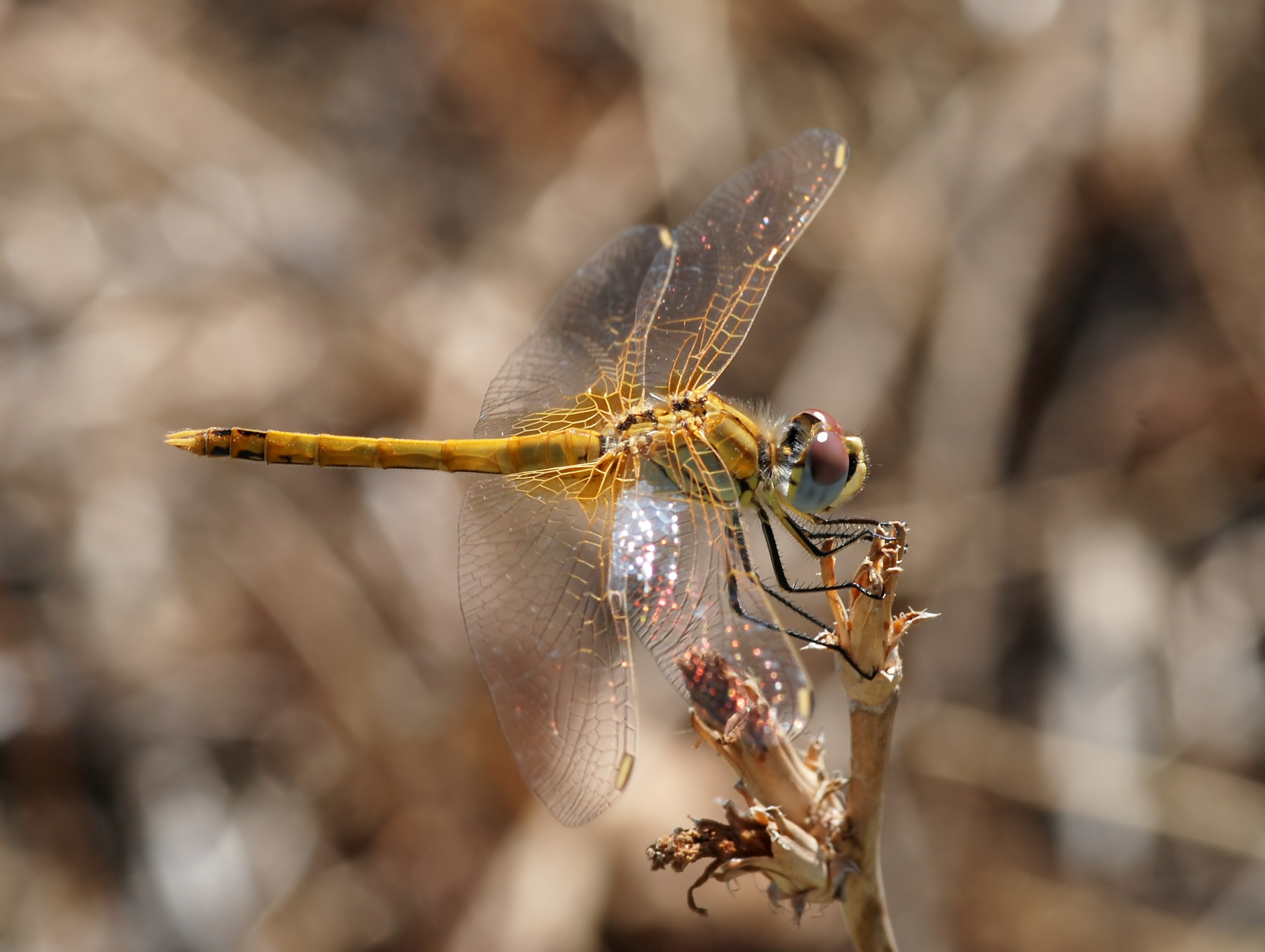
Prepare to have your assumptions shattered. The globe skimmer dragonfly embarks on an extraordinary annual migration from India to Africa, covering an impressive nonstop distance of 1,553 miles (2,500 kilometers) across the Indian Ocean to Somalia – a journey astounding for an insect barely two inches (5 cm) long.
Research indicates that a globe skimmer can sustain 90 hours of steady flight at a speed of 15 feet per second (4.5 meters per second), though for the migration to be successful, more than sheer endurance is needed. The fact that something so small can cross an entire ocean is testament to the incredible engineering of nature.
Gray Wolves – The Unexpected Champions
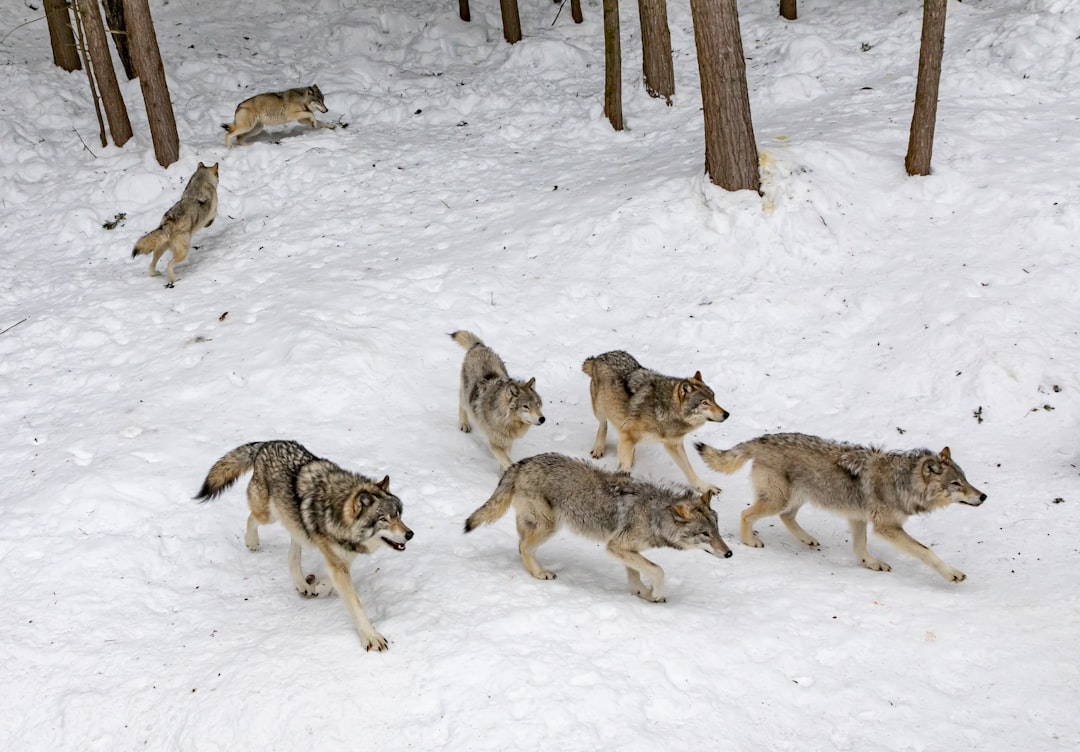
Scientists found that caribou likely do exhibit the longest terrestrial migrations on the planet, but over the course of a year, gray wolves move the most. A gray wolf from Mongolia captured the title of top terrestrial mover, having traveled 4,503 miles (7,247 km) in a year, the equivalent of a walk from Washington, D.C., to Los Angeles and back.
This discovery completely changed how scientists think about predator movement. Not only can predators keep up with their prey, they are often required to move much more in the course of their search for a meal, with gray wolves in Mongolia moving more than their prey and in Alaska moving more than caribou or moose. It’s a reminder that the hunters often work harder than the hunted.
Bar-tailed Godwits – Non-Stop Flight Champions
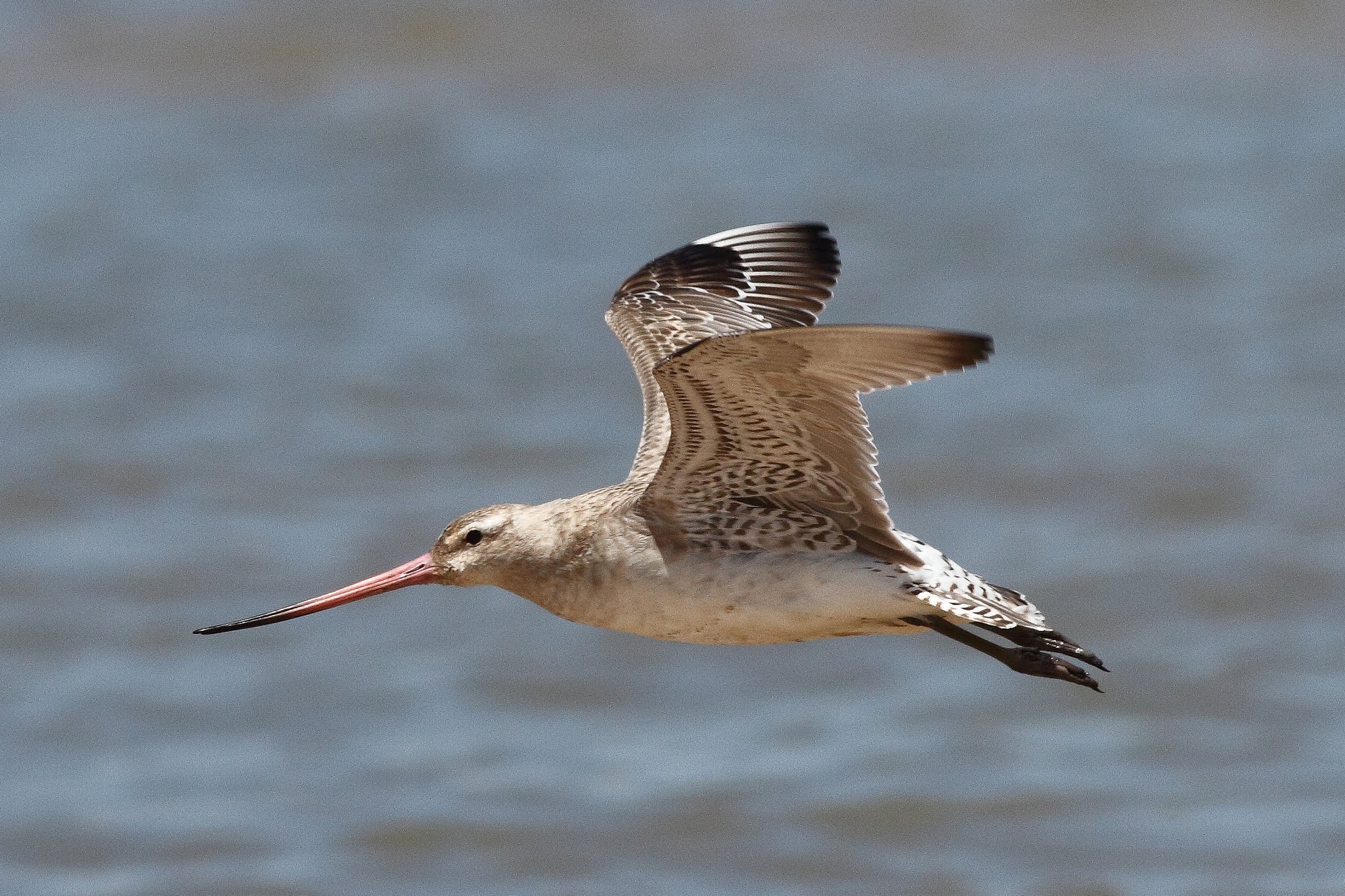
One tagged bar-tailed godwit racked up over 8,400 miles (13,500 kilometers) on a non-stop trip from Alaska to New Zealand. Think about that for a moment: no stopping for food, water, or rest during a flight that can last over a week. These birds essentially become living fuel tanks, storing enough energy to power what may be the longest non-stop flight in the animal kingdom.
Before their journey, these remarkable shorebirds undergo dramatic physical changes. Shorebirds and passerine birds reduce their digestive organs before and during migrations to lighten their load, regrowing them once they’re through. They literally reshape their bodies for the journey, prioritizing flight muscles over digestive systems until they reach their destination.
Wildebeest – The Greatest Show on Earth
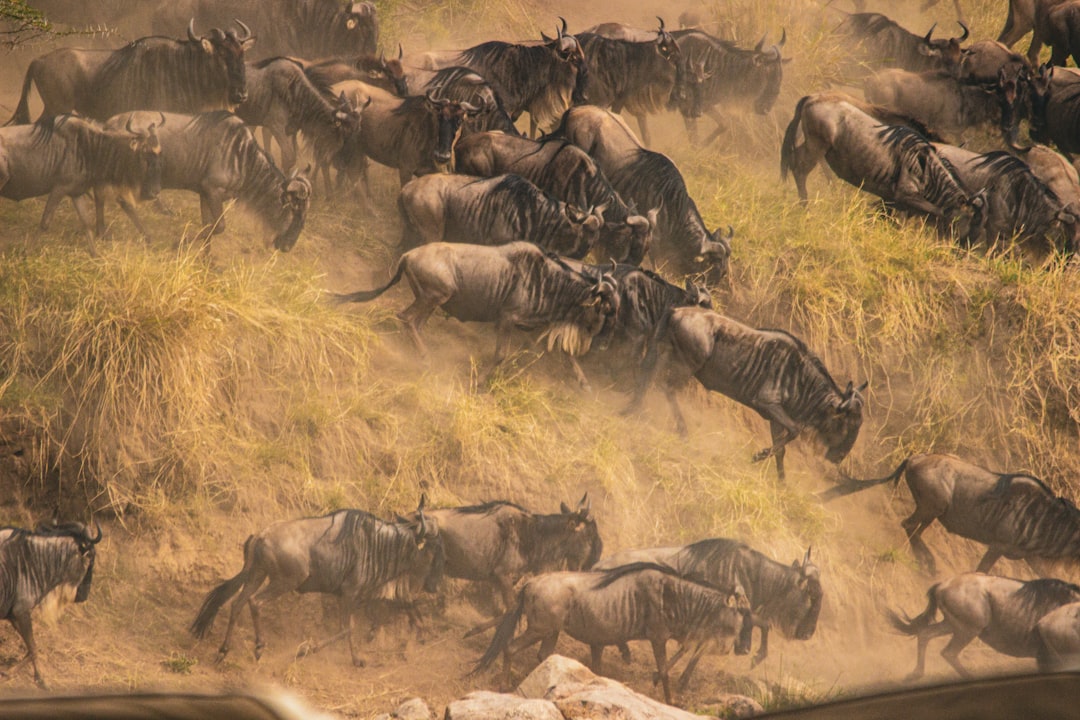
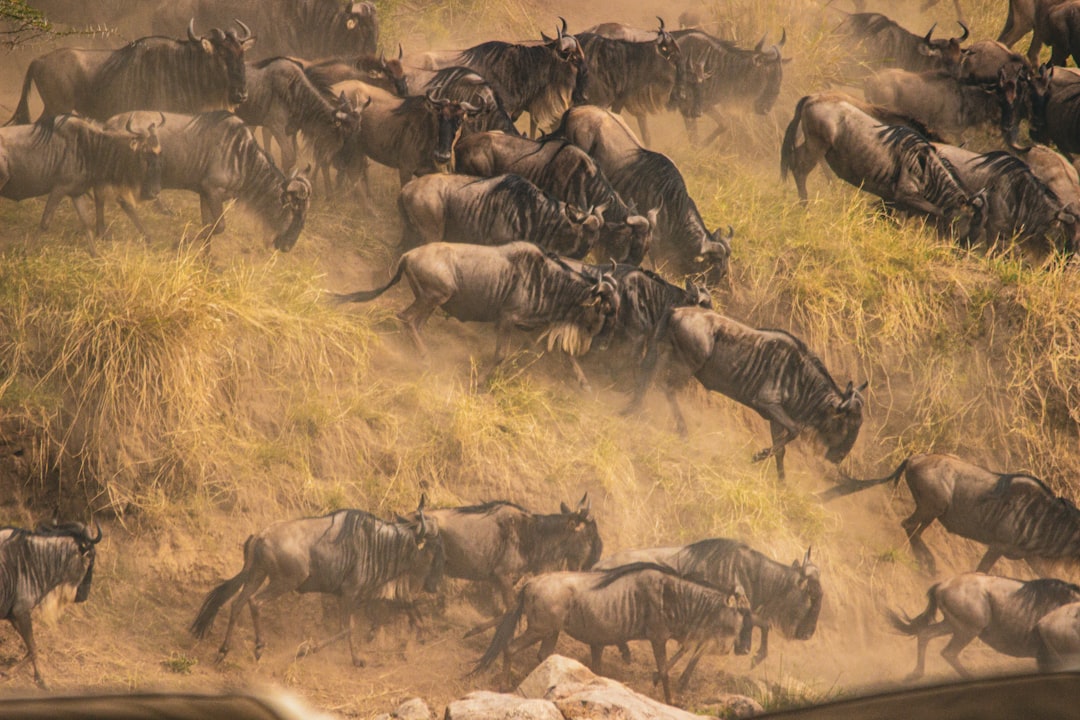
Wildebeest take the crown for the most dramatic migration, as this giant herd roams the Serengeti-Mara ecosystem of Tanzania and Kenya in search of fresh grass and water in a round-trip that spans hundreds of miles and two countries. They live in huge groups of over one million individuals, along with thousands of zebras and gazelles.
The herd moves as a great swarm, and individuals must keep up or risk being picked off by the lions, hyenas, and crocodiles that gather to hunt. This isn’t just a migration; it’s a moving ecosystem where life and death decisions happen with every step. The thundering hooves of a million wildebeest crossing the African plains remains one of nature’s most spectacular sights.
Conclusion
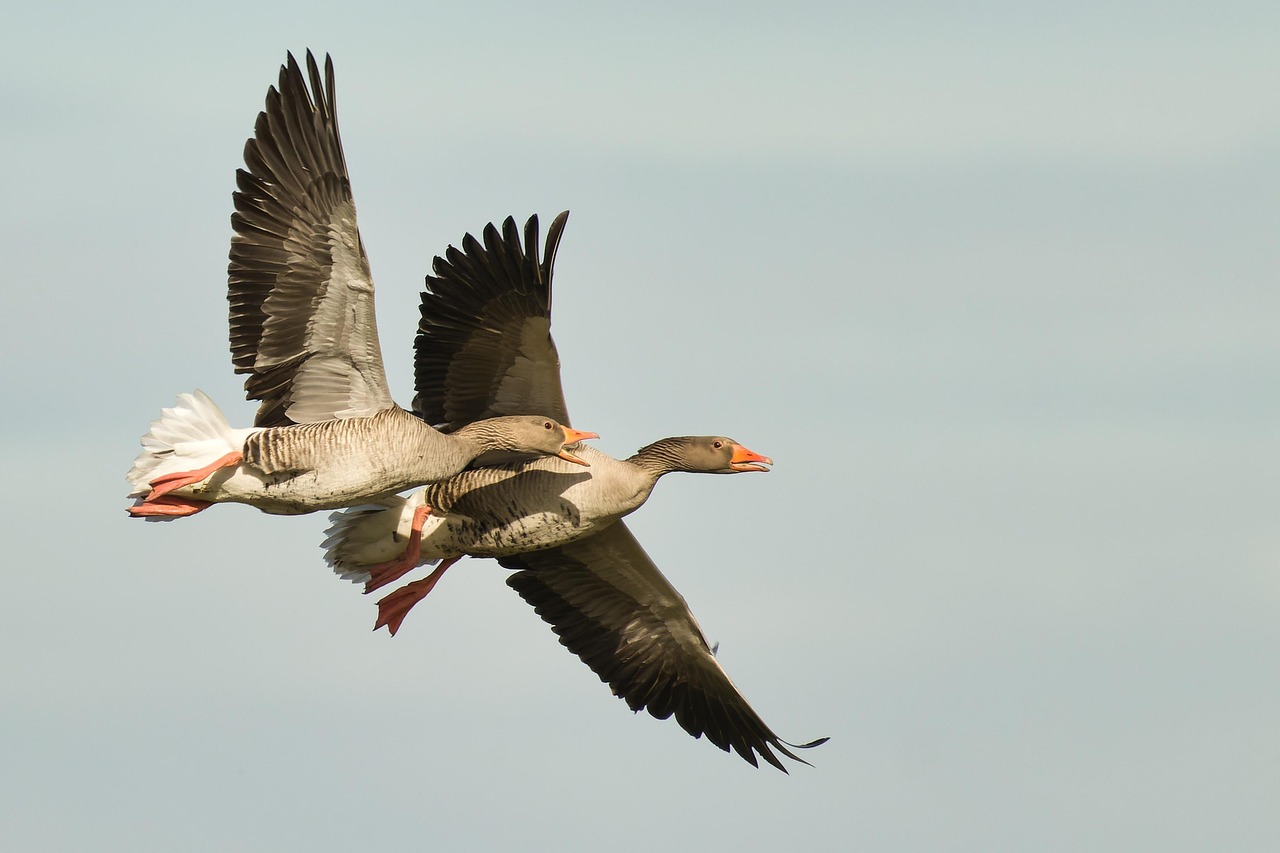
These incredible journeys remind us that our planet is far more connected than we might imagine. Every migration represents millions of years of evolutionary fine-tuning, where species have developed extraordinary abilities to navigate vast distances using tools we’re only beginning to understand.
From Arctic terns chasing eternal summer to tiny dragonflies crossing oceans, these animals push the boundaries of what seems physically possible. Their migrations aren’t just impressive feats of endurance; they’re essential threads in the fabric of global ecosystems, distributing nutrients, genes, and energy across continents.
What do you think about these incredible journeys? Tell us in the comments which migration surprised you the most!

- 8 Mysterious Spirit Animals Associated with the Zodiac Sign Scorpio - July 29, 2026
- 23 Dog Breeds Trainers Say First-Time Owners Regret - July 29, 2026
- 18 Horse Breeds Farriers Say Are Hard on Hooves - July 29, 2026