

The great outdoors beckons us with its untamed beauty and magnificent creatures roaming free. Yet behind every breathtaking wildlife encounter lies a critical truth that could mean the difference between a memorable moment and a tragic headline.
While we marvel at nature’s grandeur through documentaries and social media posts, the reality of facing these animals in their natural habitat presents dangers most people never consider. The number one rule to remember when interacting with wild animals is: never presume to know what they’re going to do next. Even the most seemingly docile animal could behave unpredictably at any time. Let’s dive into the ten wild animals that demand our respect from a very safe distance.
Grizzly Bears
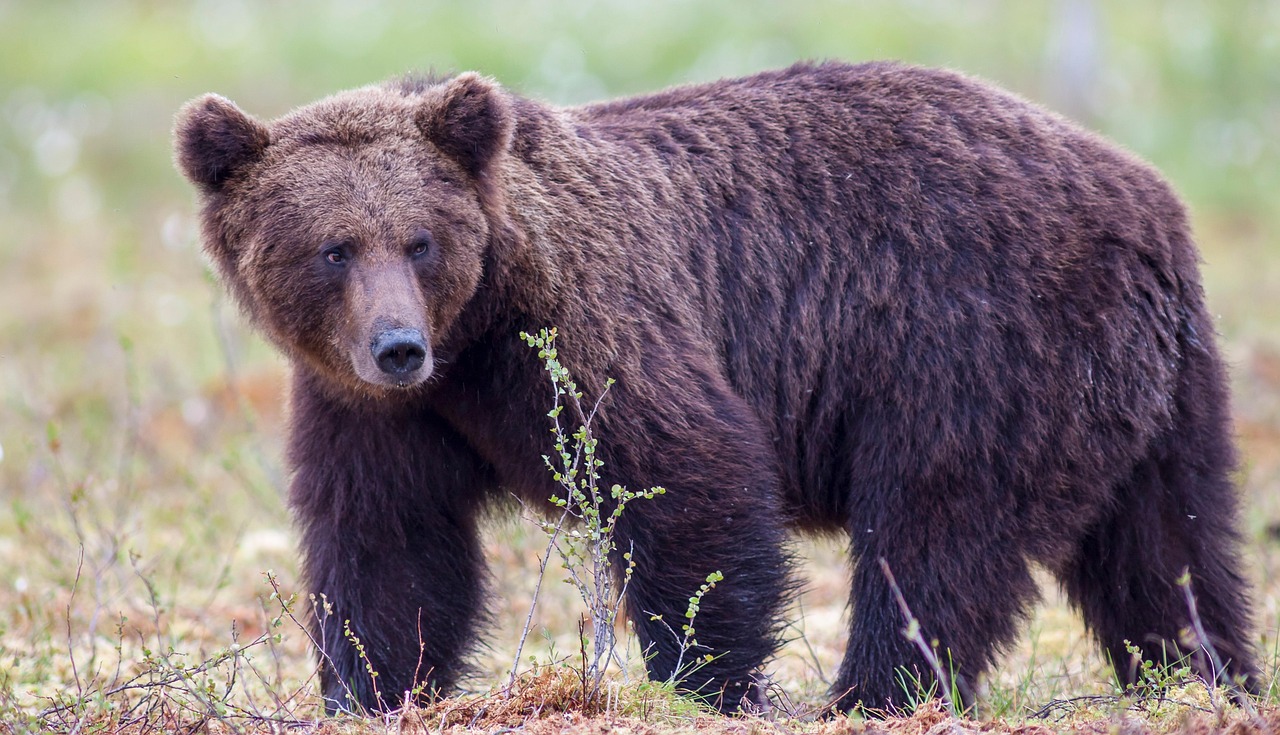
Picture yourself hiking through pristine wilderness when suddenly a massive shadow emerges from the treeline. Montana’s Grizzly Bears are enormous, fast, and have sharp claws and pointed teeth. Rattlesnakes are small, but they’re lightning-fast, and their bite can be fatal. These apex predators can weigh up to 800 pounds and sprint at speeds reaching 35 miles per hour.
Male Kodiak Bears can weigh as much as 2,000 pounds and can stand as tall as 13 feet. Fatal grizzly bear attacks are extremely rare, with odds of approximately 1 in 2.1 million. Most encounters happen when bears are startled or protecting their cubs, transforming a peaceful forest walk into a life-threatening situation. Their unpredictable nature makes them particularly dangerous to approach.
American Bison
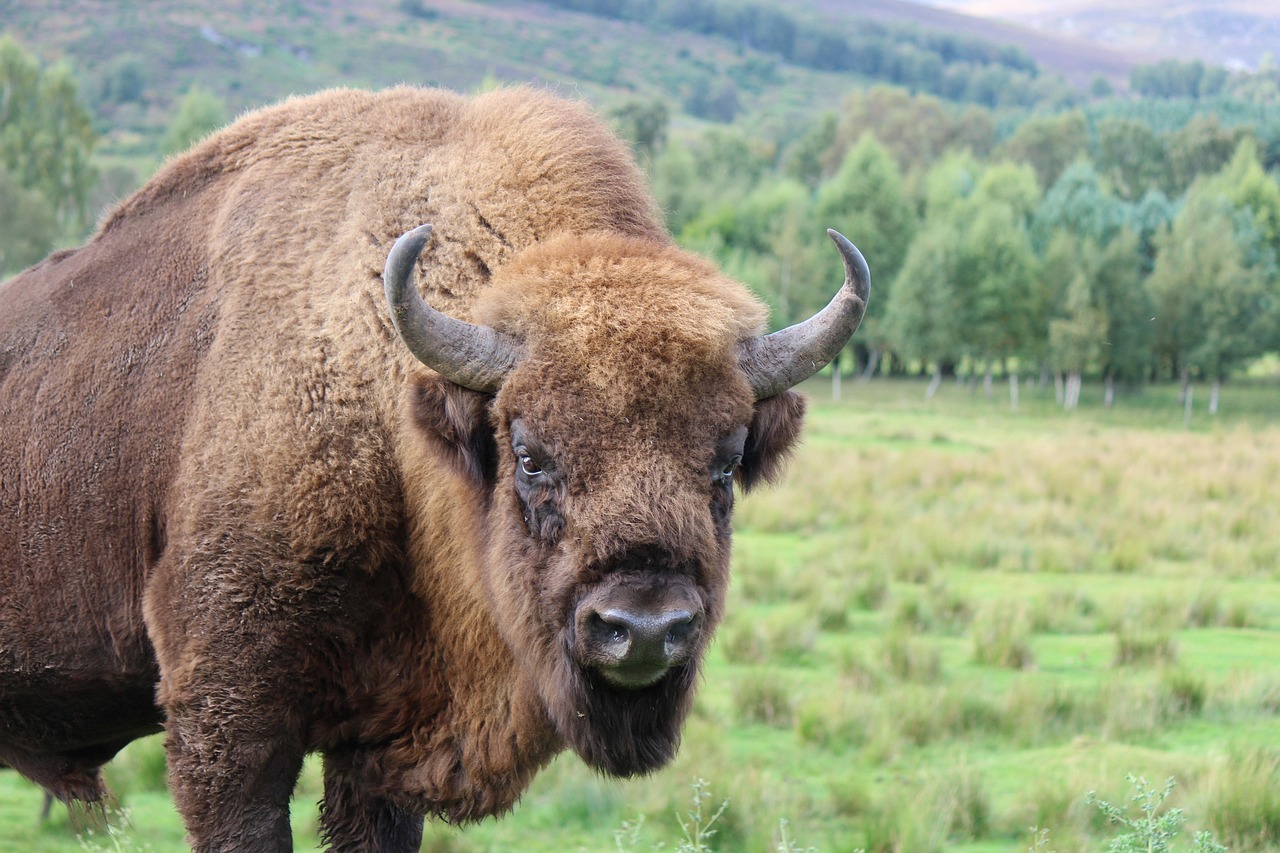
Those Instagram photos of tourists posing near bison in Yellowstone might look harmless, but they tell a terrifying story of human ignorance. A Yellowstone National Park spokesperson told Newsweek that bison have injured more people in the park than any other animal. Figures from a 2019 report published in the journal Human–Wildlife Interactions showed that 25 people were injured by bison in Yellowstone between 2000 and 2015.
American elk, moose, deer, bison, goats and cattle can attack people and as big as they are, bison can sprint three times faster than humans can run. They are unpredictable and dangerous and it is best to keep a fair distance between yourself and the animals – if it changes its behavior due to your presence, you are too close. These deceptively calm-looking giants can charge without warning, turning a peaceful moment into pure chaos.
Moose
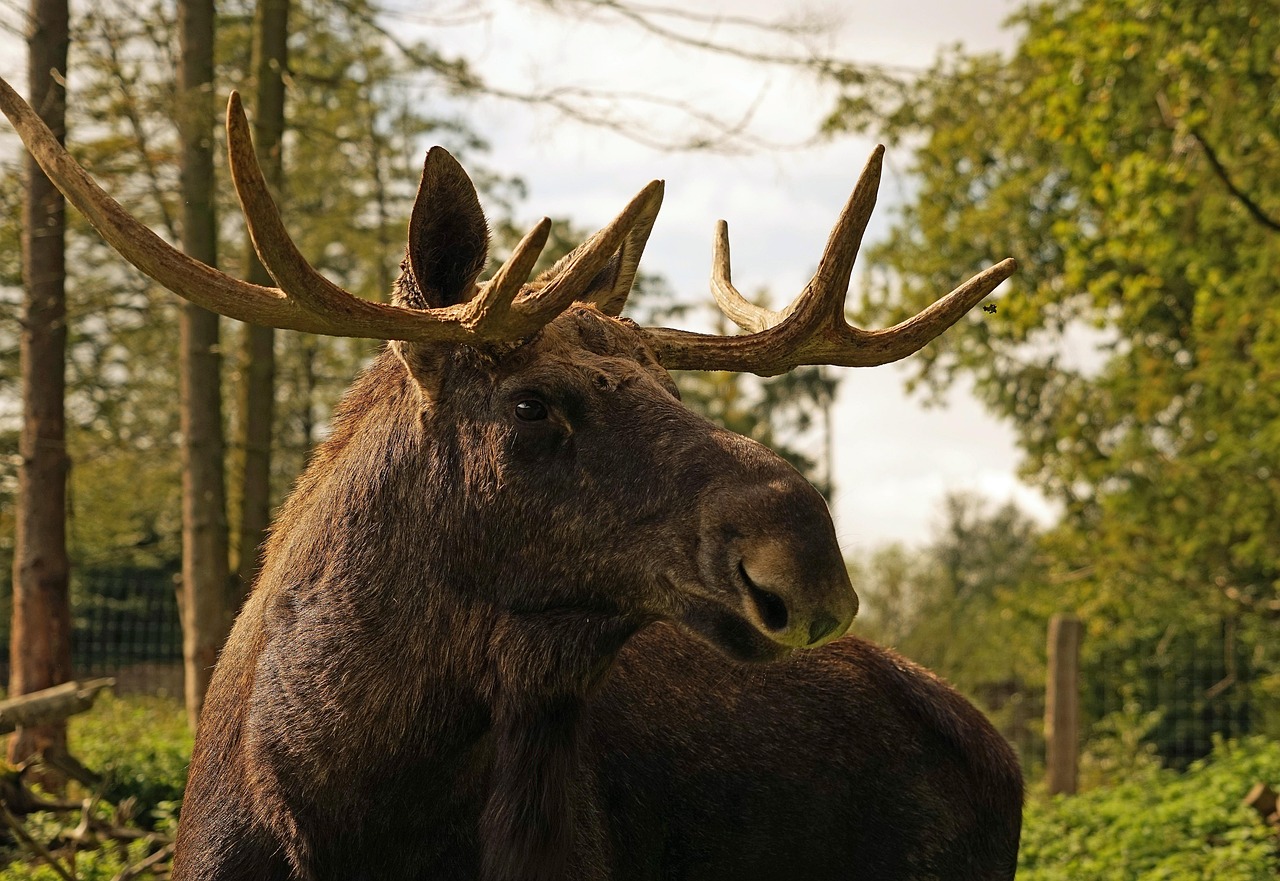
Don’t let their herbivorous nature fool you into thinking moose are gentle forest giants. In North America, moose attack more people than bears and mountain lions combined. Worldwide, hippos injure more people than any other animal, and moose rank second. These towering creatures can weigh nearly half a ton and possess antlers that span six feet across.
Although moose aren’t more dangerous than bears in terms of behavior, they pose a greater threat of injuring you simply because of their population size. Moose outnumber bears in Alaska, wounding around five to 10 people in the state annually. Their long legs give them incredible mobility through deep snow, making escape nearly impossible once they decide to charge.
Mountain Lions
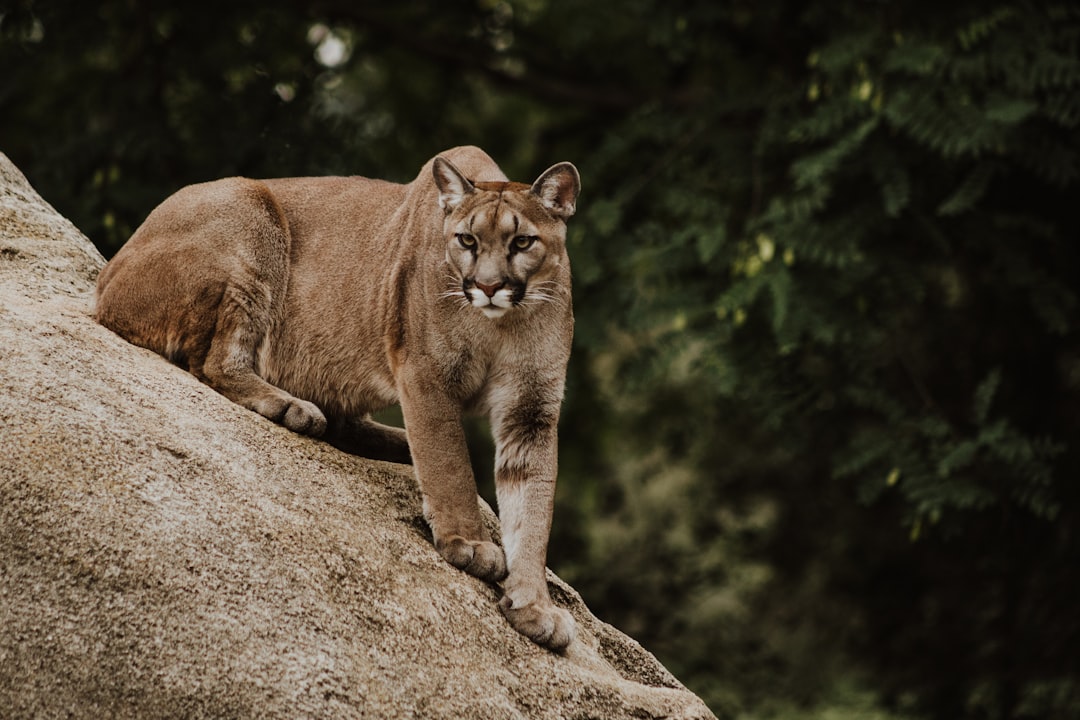
Silent, calculating, and utterly lethal, mountain lions embody the perfect predator. The cougar, also commonly known as mountain lion, puma, mountain cat, catamount, or panther, is a large cat native to the Americas. Over 130 cougar attacks have been documented in North America in the past 100 years, with 27 cougar attacks resulting in fatalities in the US.
These solitary hunters can leap vertically up to 18 feet and horizontally up to 45 feet. The cats commonly kill farm animals and pets in remote communities, although their coyote and wolf counterparts often get the blame, since mountain lions are sleek and stealthy, and rarely seen by the human eye. The cats will stalk their prey for miles before finding an opportune moment to attack or giving up the pursuit entirely. Their stealth makes them particularly dangerous since you’ll never see them coming.
American Alligators
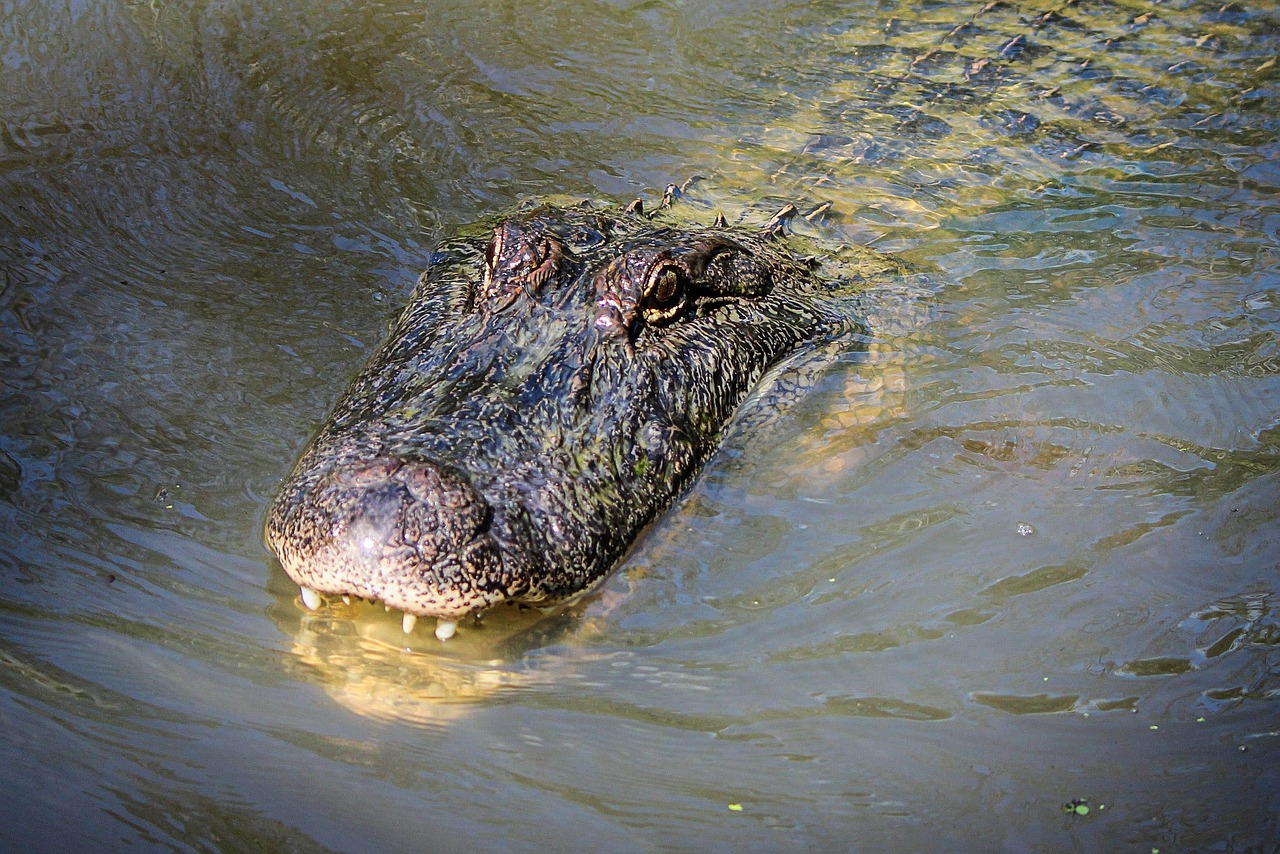
Lurking beneath the murky waters of the American South lies one of nature’s most efficient killing machines. Alligator attacks in the US have always occurred in the South, where alligators are endemic to wetlands and tidal marshes. The state of Florida, where most attacks and deaths occur, has been keeping records of alligator attacks since 1948. Between 1948 and November 2021, there were 442 alligator attacks, of which 26 resulted in human fatalities.
Considering that the American alligator is among the animals with the strongest bite force at 2,125 pounds per square inch, they aren’t to be taken lightly. Mostly found in marshes and swamps in the southern US, Florida, Louisiana, and the Carolinas are thriving locations for this reptile. What makes alligators particularly terrifying is their ability to remain motionless for hours before exploding into action with lightning speed.
Venomous Snakes
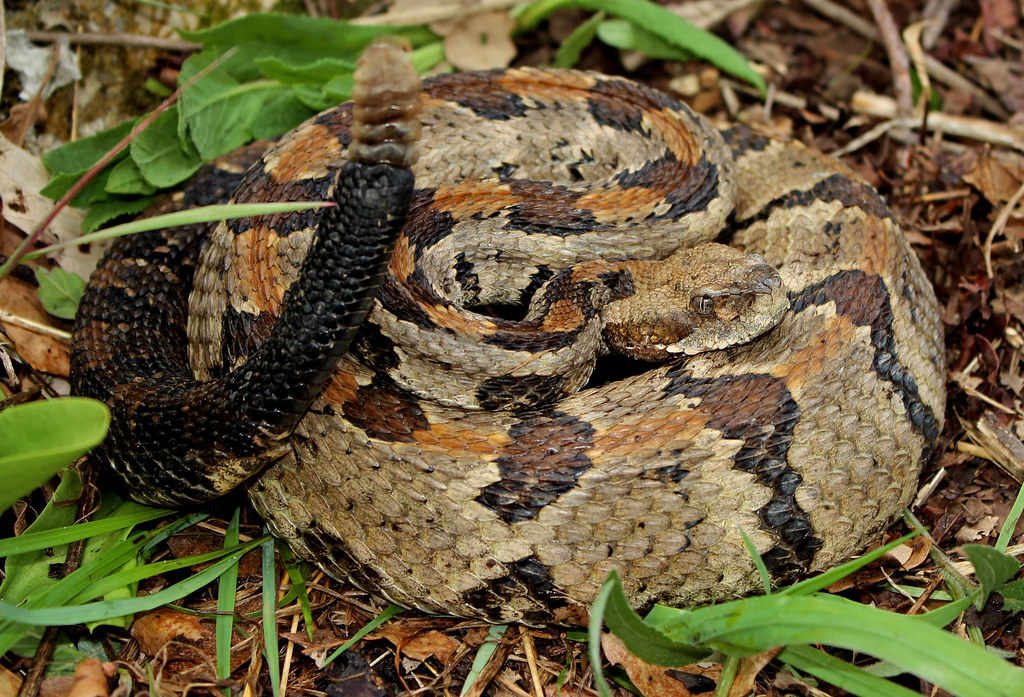
Slithering silently through America’s wilderness are some of the most feared creatures on the continent. There are about 30 species of venomous snakes in the US, with at least one species found in every state except Hawaii, Maine, Rhode Island, and Alaska. Most snake bites in the US occur in warm-weather states like Florida and Texas, though venomous snakes are distributed unevenly throughout the United States.
In the U.S., we have several types of venomous snakes, namely rattlesnakes (perhaps the most recognizable, thanks to their warning rattle), copperheads (which are found on the east coast), and cottonmouths/water moccasins and coral snakes (found in the southeast). Between 7,000 and 8,000 people are bitten by venomous snakes in the U.S. every year, but only about five die. Their camouflage abilities make them nearly invisible until it’s too late.
Black Bears
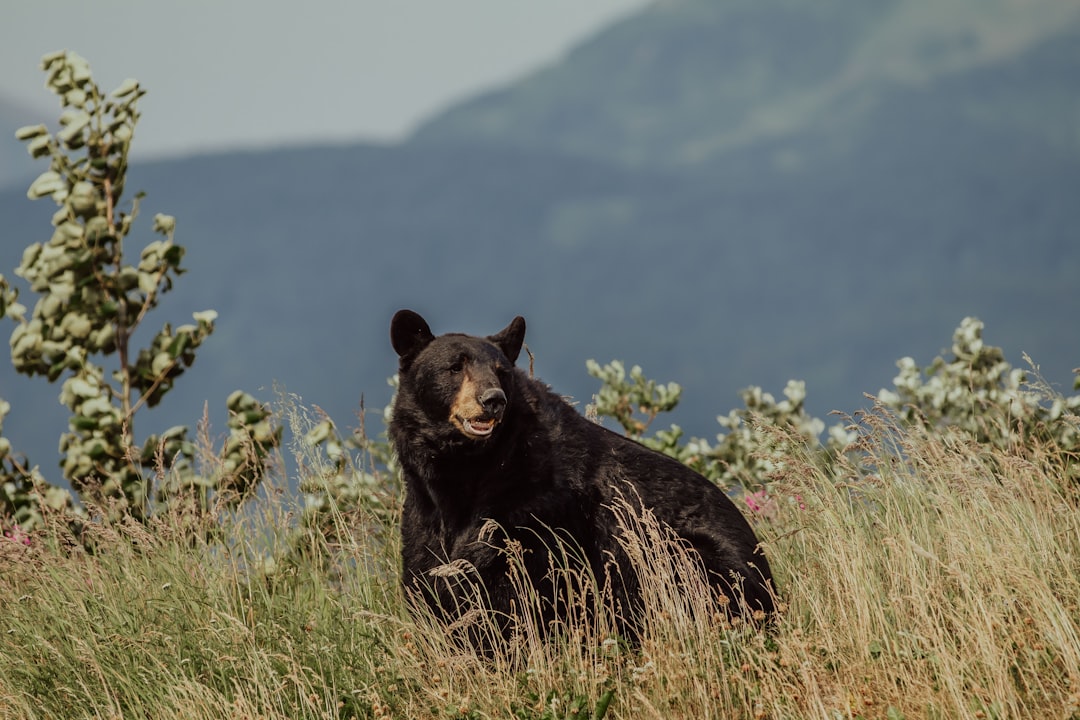
Often dismissed as the “harmless” bear species, black bears pack surprising power beneath their seemingly docile exterior. Black bears are often labeled the “least aggressive” bears, but they are aggressive when they feel threatened or surprised by an unfamiliar visitor. Mothers with cubs are especially sensitive to threats. Weighing up to 600 pounds, these opportunistic omnivores possess incredible strength and speed.
Speed: Up to 35 miles per hour. Size: Can weigh between 600 and 800 pounds, and stand 6 feet tall. Fatal black bear attacks are extremely rare, with typically less than one per year in North America. Their unpredictable nature becomes especially dangerous during feeding seasons when food sources are scarce and they venture closer to human settlements.
Wolves
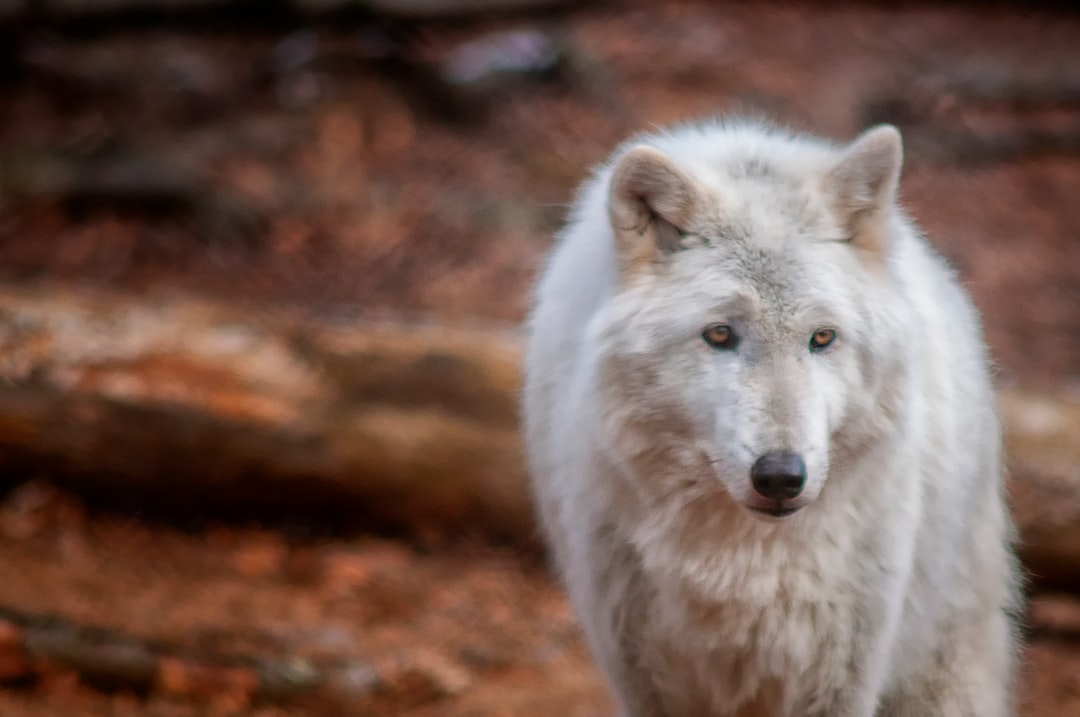
These apex pack hunters have made a remarkable comeback in America’s wilderness, bringing both ecological balance and potential danger. Gray wolves used to be more common in the U.S., but they are slowly making a return. Although they are most common in northern states from Michigan to Washington to Alaska, wolves have even been seen multiple times near Lake Tahoe.
Winter is mating season for wolves, making them more aggressive during this time. Wolves live in packs but they are very elusive. There are very few to no annual incidents involving wolves and humans, but they are on our list due to their potential for being dangerous. Their pack mentality and coordinated hunting strategies make them formidable opponents when cornered or protecting territory.
Wild Boars
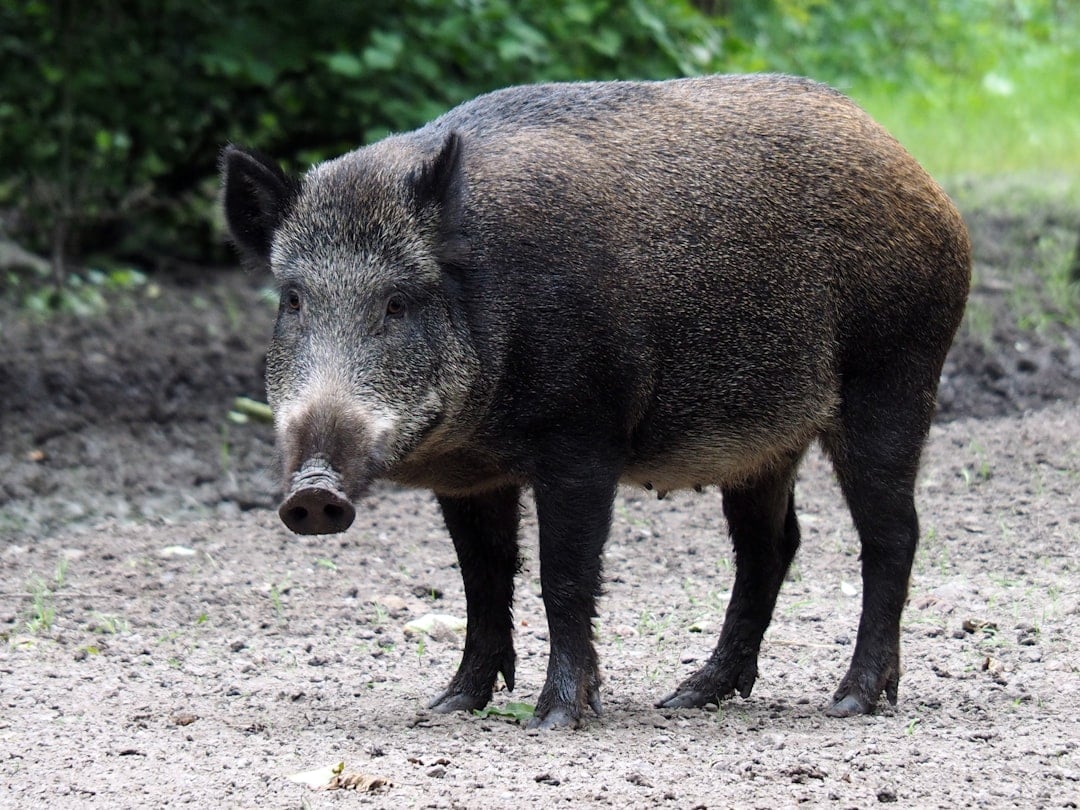
Don’t underestimate these tusked terrors roaming through America’s forests and farmlands. Boars are widespread in Europe and most of Asia. They are mainly a risk for animal collisions and food scavenging. In rare cases they are aggressive, especially if they are provoked by dogs. These intelligent, adaptable creatures can weigh up to 400 pounds and charge at speeds exceeding 25 miles per hour.
Their razor-sharp tusks and unpredictable temperament make them particularly dangerous to encounter. In some locations, feral pigs become a nuisance similar to natural boars. Wild boar attacks on humans are not common but do occur occasionally. When threatened or protecting their young, wild boars can inflict devastating wounds with their powerful snouts and sharp tusks.
Elk
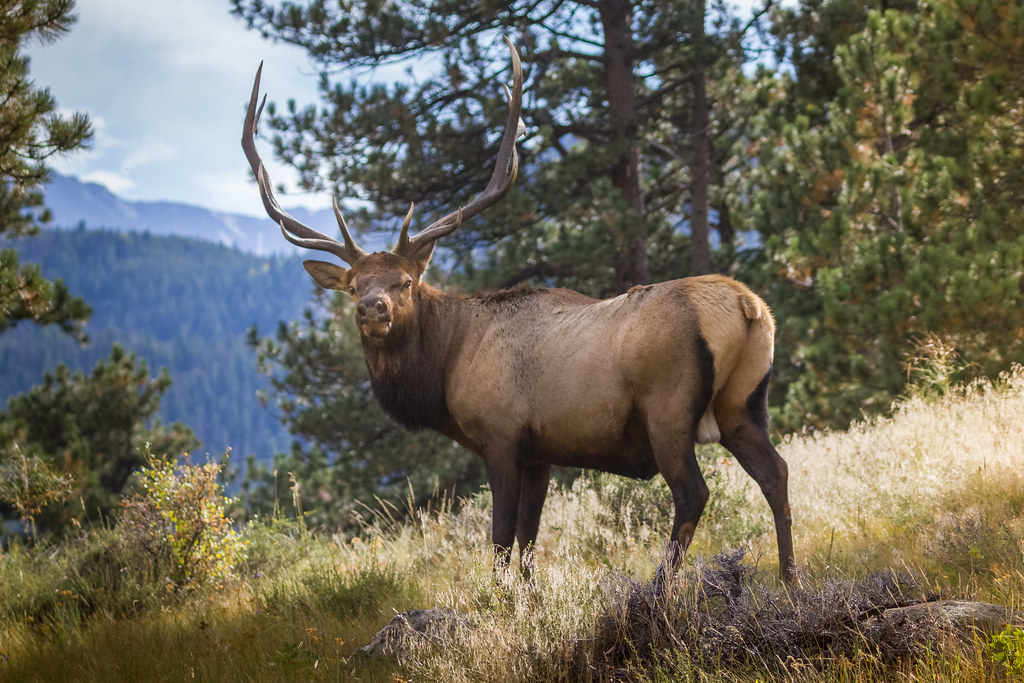
Standing majestically in mountain meadows, elk might appear peaceful until you witness their explosive power firsthand. Elk can also be more dangerous because, while they are smaller than moose, they do tend to be much more aggressive and their antlers are sharper than those of a moose. Elk are definitely animals that you want to watch from a safe distance.
Elk are wild animals which must be observed from a safe distance to avoid injury or death. If an animal is carefully watching you and appears “jumpy” when you move, you are too close. During rutting season, bull elk become incredibly aggressive, using their massive antlers as weapons. Their territorial nature combined with surprising speed makes them one of the most dangerous animals to encounter during autumn months.
Conclusion
The wild remains one of our planet’s most extraordinary theaters, where every creature plays a vital role in nature’s grand performance. Yet this same wilderness demands our utmost respect and caution. Most people who sustain animal-related injuries approached the attacking animal with good intentions. Remember: no matter how evident their behavior may seem, you do not know what a wild animal is thinking.
These ten animals remind us that nature’s beauty comes with inherent risks that cannot be tamed or predicted. The key to safe wildlife encounters lies not in avoiding the outdoors entirely, but in understanding proper distances, recognizing warning signs, and respecting the power of creatures that have survived millions of years of evolution. What surprised you most about these dangerous encounters? Tell us in the comments.
