

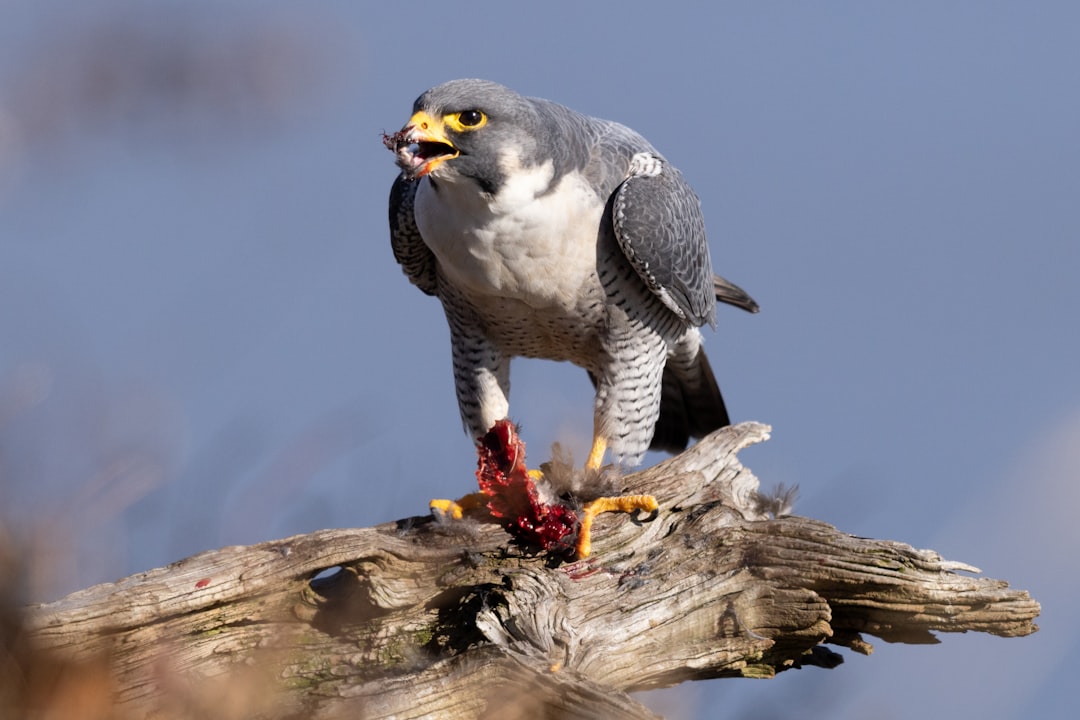
Picture walking through your local park and spotting a magnificent bird you haven’t seen in decades. Half a century after many species vanished from familiar places, some long-missing birds are starting to reappear across rural America. While the 2025 State of the Birds report reveals continued widespread declines in American bird populations, there’s an incredible silver lining to this story.
Private lands programs and conservation partnerships such as conservation ranching, coastal restoration, forest renewal, and seabird translocation show how concerted efforts and strategic investments can recover bird populations. These conservation success stories prove that when we commit resources and expertise, we can genuinely turn the tide for endangered species. So let’s dive into these remarkable recoveries and discover which feathered friends are defying the odds in 2025.
American Oystercatcher: The Coastal Comeback Champion
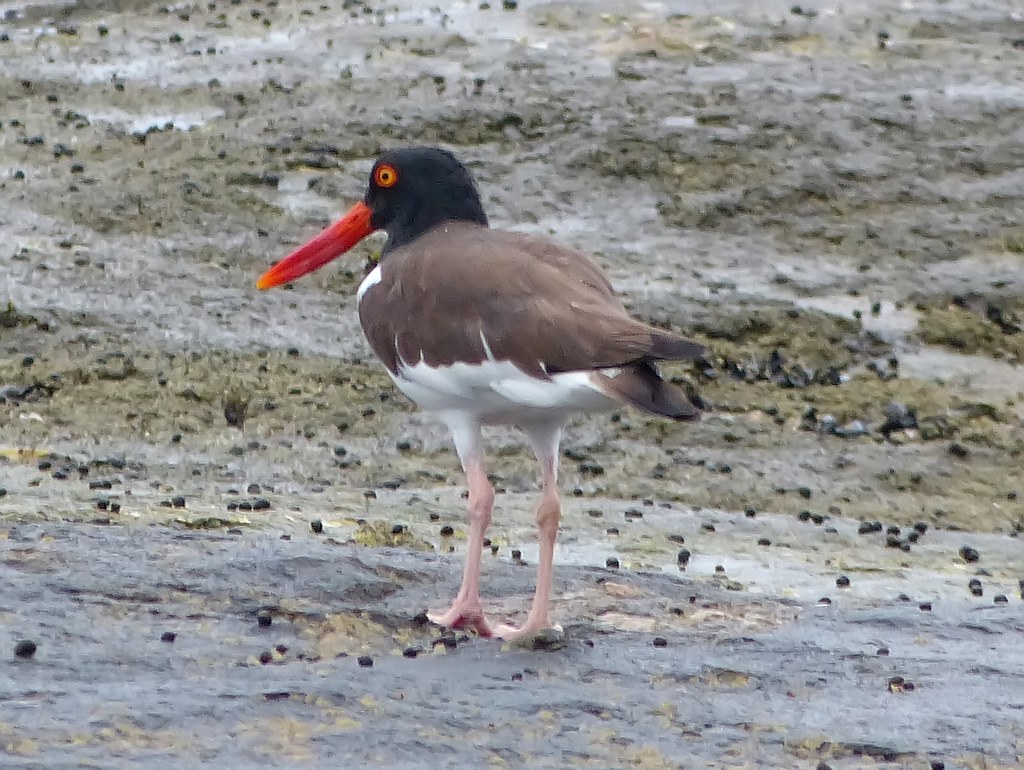
In 2008, scientists observed a troubling 10 percent decline in American Oystercatcher populations, with numbers dropping to just 10,000 birds across the Americas. Through the American Oystercatcher Recovery Initiative, conservationists have reversed that trend, and today, the population has climbed back to over 14,000 birds.
By changing the dynamic from isolated projects to a coordinated multi-state effort, the recovery initiative stopped declines and ignited a 43 percent increase in the regional breeding population from 2008 to 2023. The success came through unprecedented cooperation across 16 coastal states along the Atlantic and Gulf coasts. This success proves that when we commit to conservation, we can restore declining species.
Pileated Woodpecker: The Forest Giant’s Return
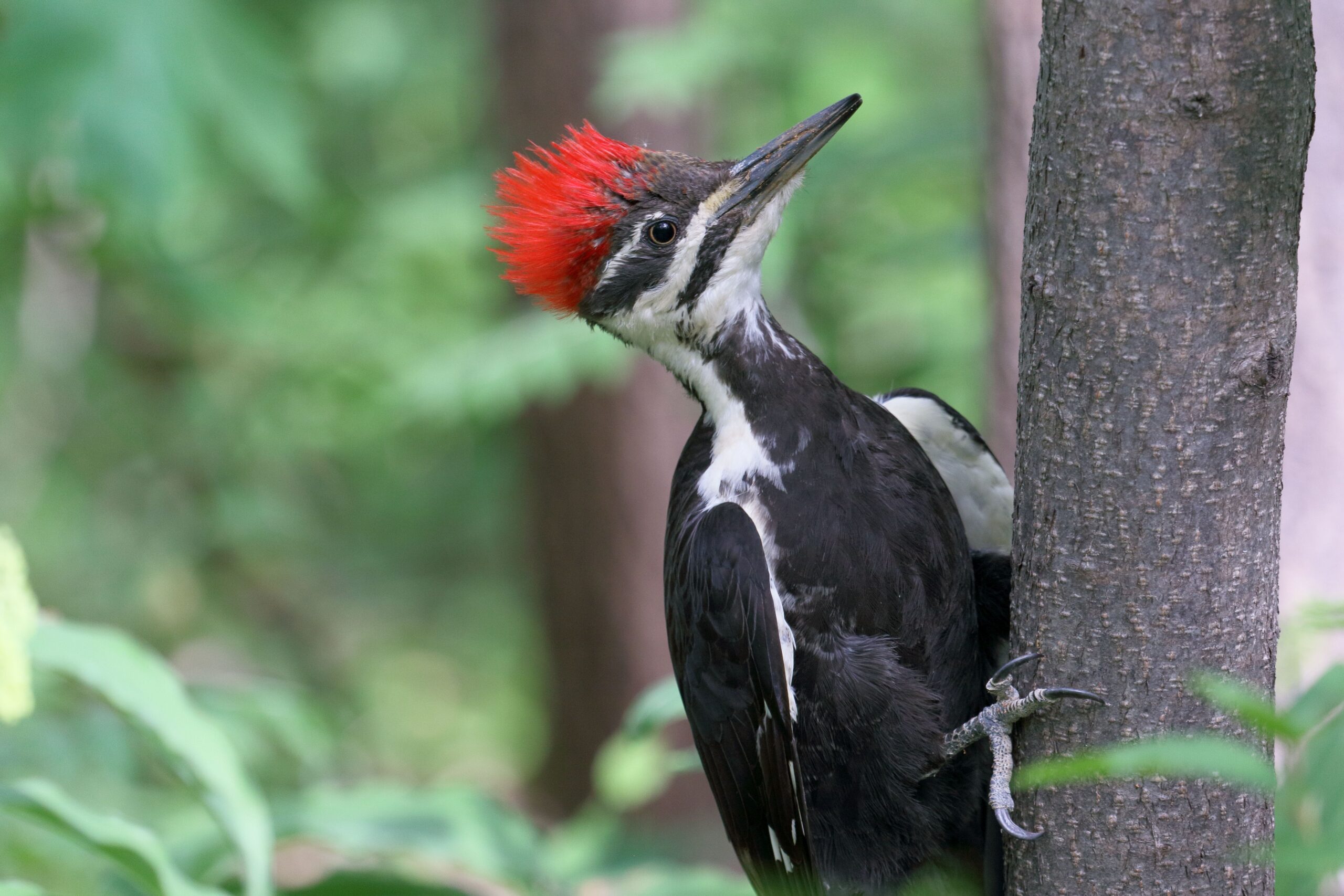
The pileated woodpecker, a large black-and-white bird recognizable for its bright red crest and crow-sized stature, has dramatically increased in population and range. In the early 20th century, the pileated woodpecker appeared to be on the same trajectory toward extinction as forest clearing took away their habitat.
The regrowth of forest in eastern North America boosted their population, as did protection from shooting. They now forage in large trees in suburban yards, visit bird feeders, nest in parks with substantial tree cover, and are not shy around people. The pileated woodpecker is a keystone species, with several birds and mammals benefiting from the large tree cavities that the woodpeckers excavate.
Sandhill Crane: From Three Dozen to Thousands
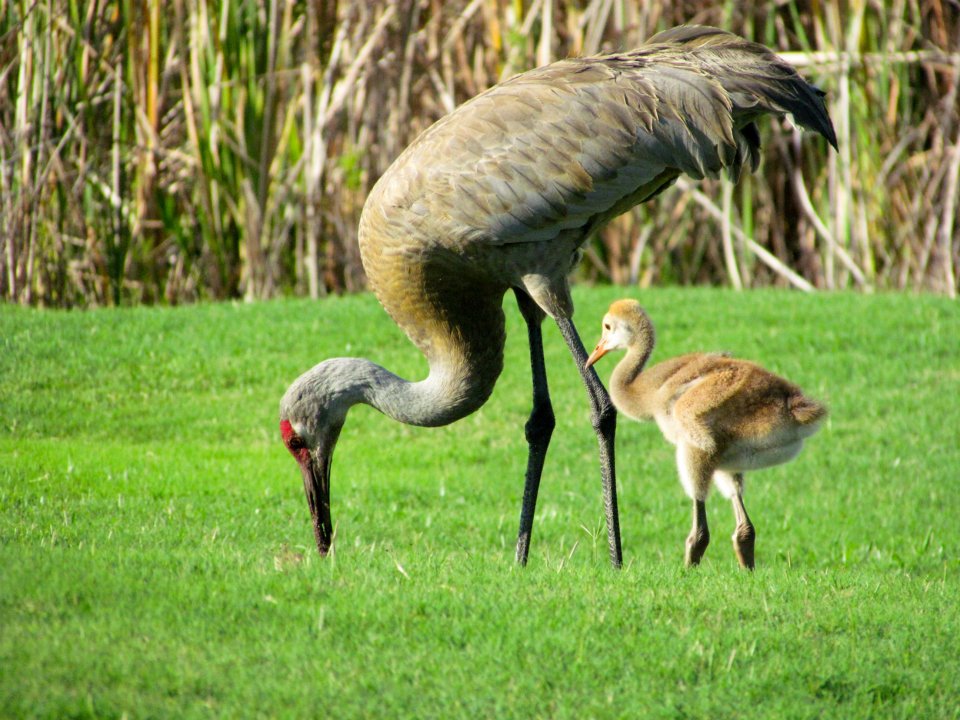
Sandhill cranes were once almost extinct in the eastern United States but are now making a remarkable comeback. By the 1930s, there were only about three dozen pairs in the eastern half of the United States, mainly in remote marshes of northern Wisconsin.
These large waterbirds disappeared across much of their breeding range in the early 20th century as wetlands were drained for agriculture. They were also shot to prevent crop damage and heavily hunted for meat and were referred to as “ribeye of the sky.” Laws such as the Clean Water Act, and programs that protect and restore wetlands and grasslands, such as the USDA Agricultural Conservation Easement Program, have played an important part in this species’ recovery. Hunting regulations and migratory bird treaties have also been key.
Merlin: The Urban Falcon Success Story
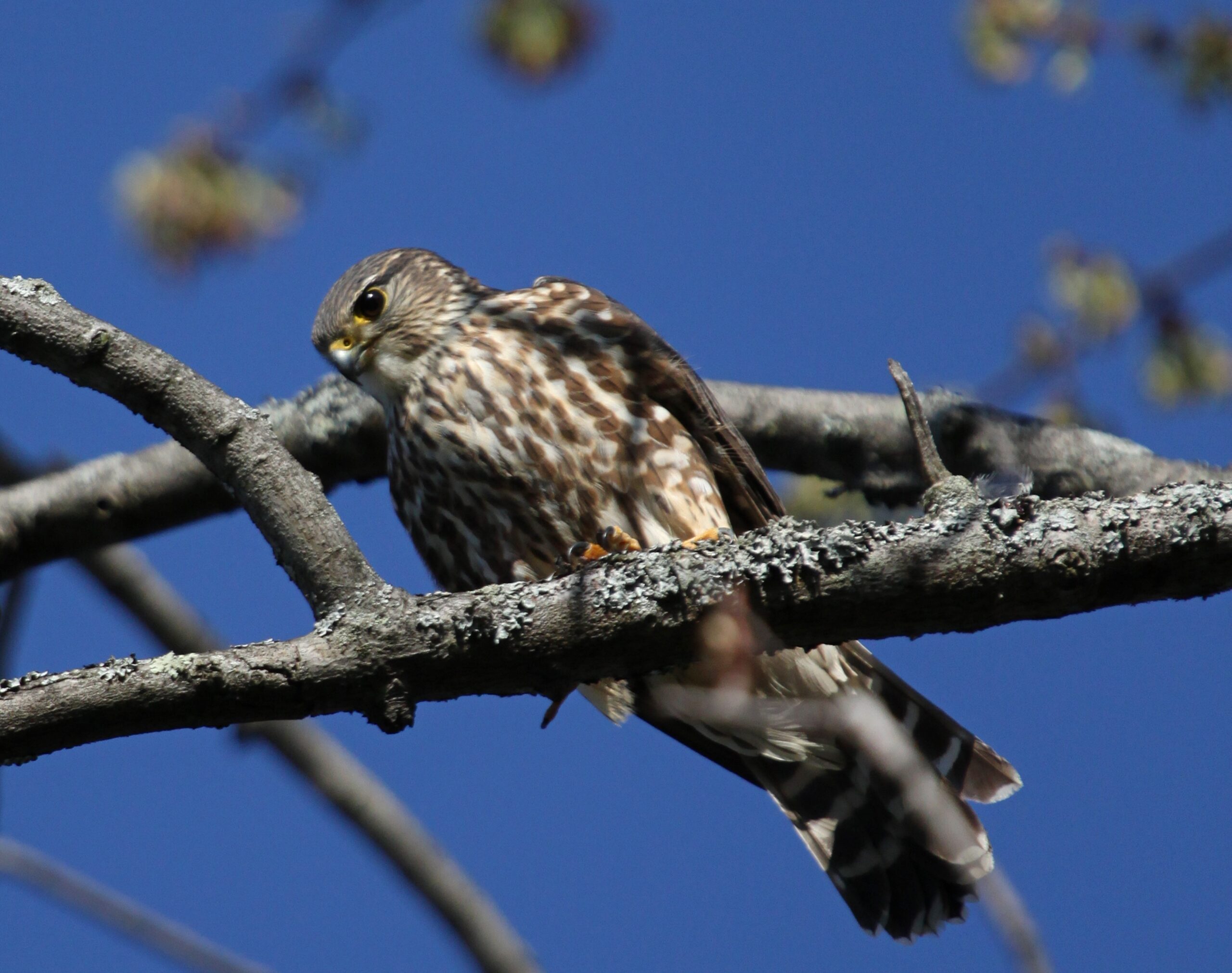
In Ontario, merlin populations have increased 3.5 percent per year over the past half-century, an explosive rate of increase. Until the 1970s, merlins primarily bred in the vast coniferous forests of the far north. They began nesting in Saskatoon, Saskatchewan, Canada in the early 1970s, then spread east into the cities and towns of eastern Canada and the northeastern United States.
Exposure to the pesticide DDT in the 1960s weakened the shells of eggs laid by merlins and other raptors, and fewer of their chicks survived. Their numbers plummeted as a result. When the United States and Canada began restricting DDT in the early 1970s, it became possible for merlins to successfully breed once again in areas with extensive agriculture. Ending bounty programs and enforcing laws prohibiting shooting helped stop the indiscriminate killing of birds of prey.
Bald Eagle: America’s Conservation Icon
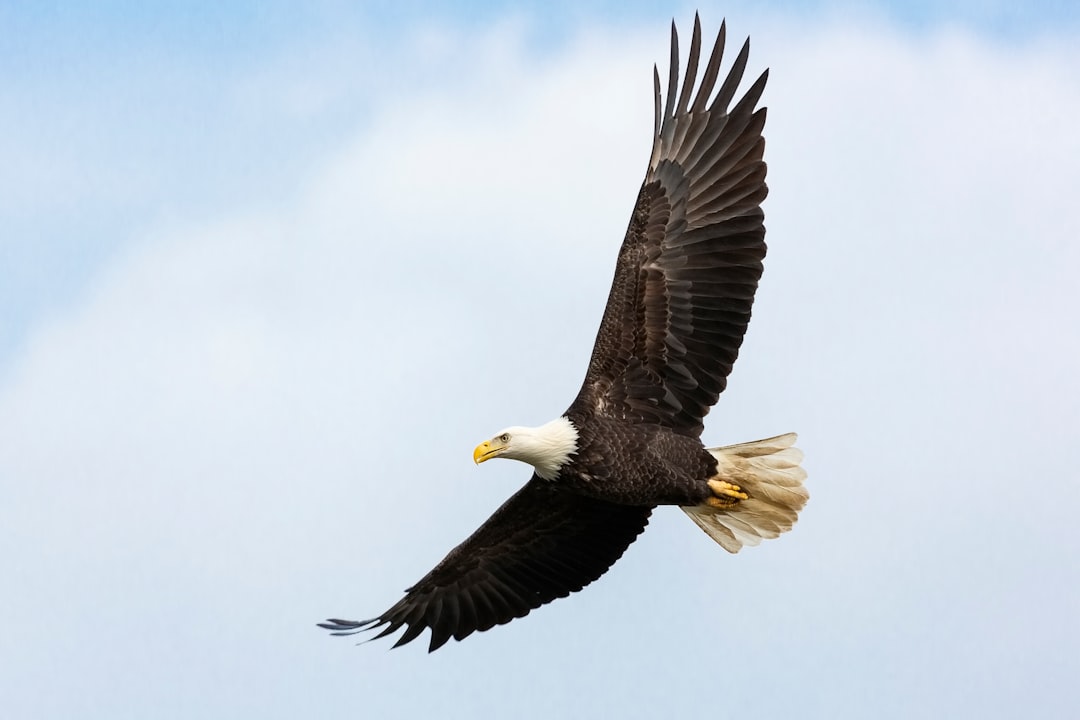
Long a symbol of our nation’s pride, the bald eagle came to the brink of extinction throughout much of its range in the 1960s. Following a long-term decline coinciding with a reduction in its prey species, introduction of the egg-thinning pesticide DDT nearly wiped out bald eagles from the lower 48 states.
The ban on DDT, protections from the Endangered Species Act, and captive breeding and reintroduction efforts all helped reverse the bald eagle’s decline. In 2007, the Interior Department officially declared the bald eagle fully recovered and removed it from the endangered species list. As of 2019, the bald eagle population climbed to an estimated 316,700 individuals.
California Condor: Back from the Brink
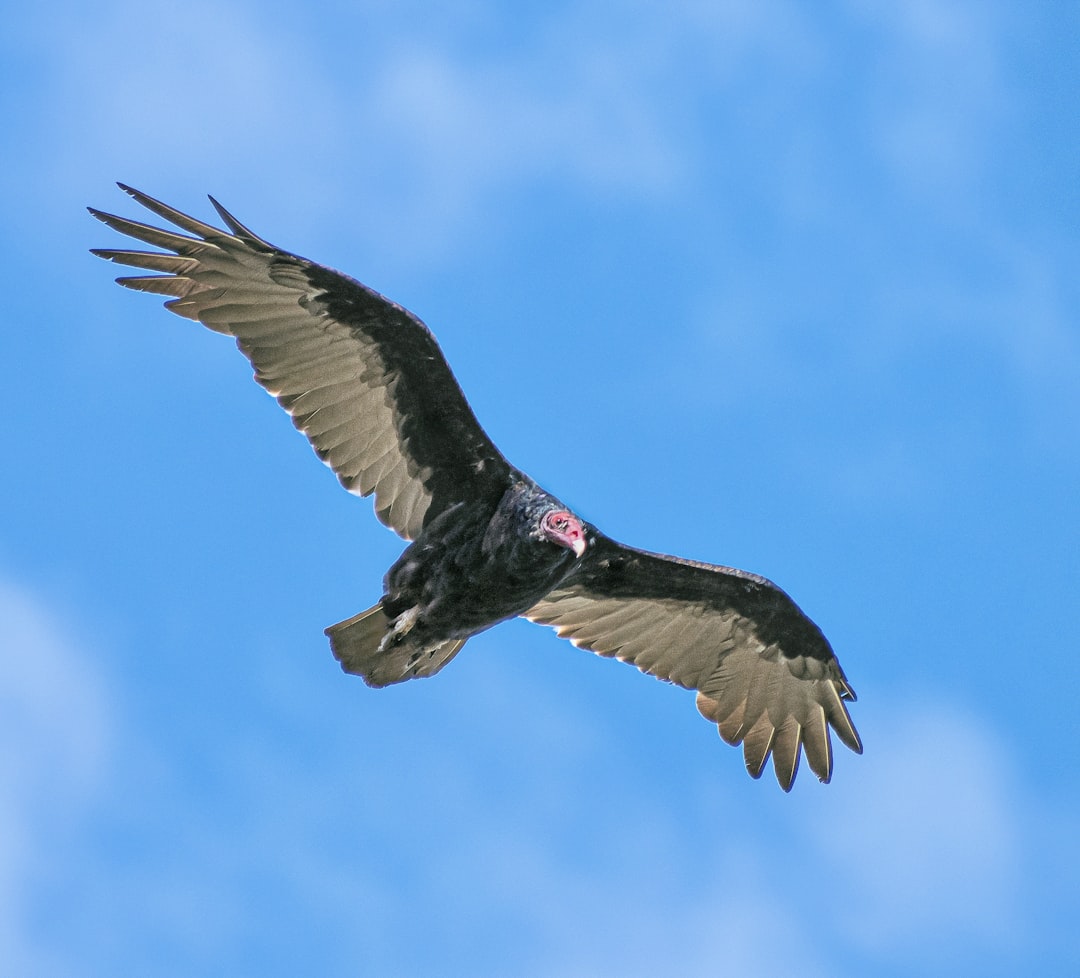
In the 1980s, California condors faced imminent extinction, their numbers dwindling to a mere 27 individuals. Through captive breeding and tireless conservation work, their population has been revived to over 400 birds.
In 1987, the U.S. Fish and Wildlife Service made the bold, but risky decision to capture all remaining California condors in the wild, which by that time numbered only 27. With every existing California condor now in captivity, efforts focused on breeding the birds at the San Diego Wild Animal Park and the Los Angeles Zoo. This desperate last-ditch effort has proven to be one of conservation’s most dramatic success stories.
Kirtland’s Warbler: The Jack Pine Specialist’s Revival
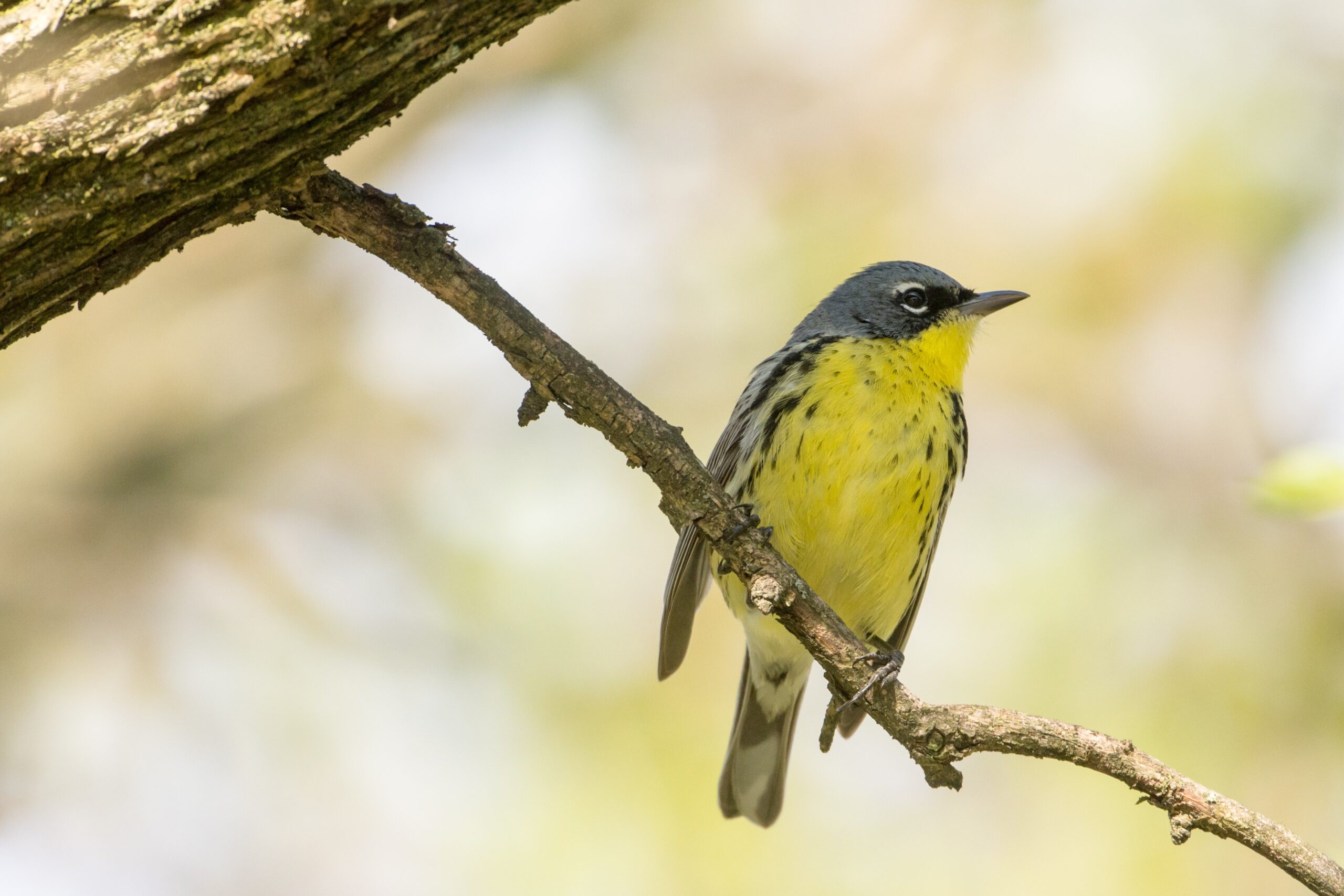
The Kirtland’s Warbler, once listed as an endangered species, has seen a substantial increase in numbers. This success is attributed to effective habitat management and conservation practices. Efforts focused on maintaining and expanding their breeding habitats, primarily through controlled burning and replanting of jack pine forests, which are essential for their nesting.
As a result, the U.S. Fish and Wildlife Service is considering removing the Kirtland’s Warbler from the endangered species list, reflecting their impressive recovery. Historic fire suppression had limited the growth of new jack pine forest, leading to a dearth of habitat for the warbler. Another threat came from the parasitic brown-headed cowbird, which lays its eggs in the nests of other birds.
Wood Duck: The Wetland Beauty’s Restoration
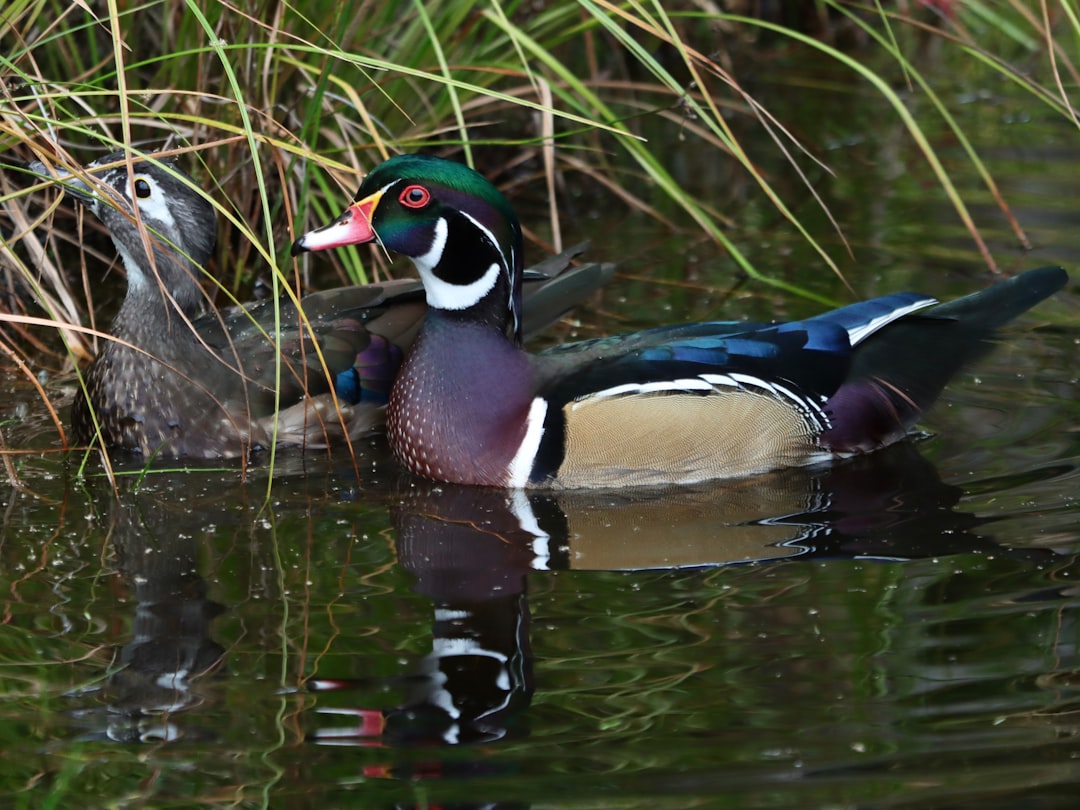
Decades of strategic and aggressive wetland habitat conservation from hunters, landowners, state and federal agencies, and corporations have boosted numerous waterfowl and waterbird species when weather conditions are favorable. The wood duck stands as a prime example of what targeted conservation can accomplish for waterfowl species.
Once nearly extinct due to overhunting and habitat loss in the early 1900s, wood ducks have made a stunning recovery through nest box programs and wetland restoration efforts. Their population rebound demonstrates how hunters and conservationists working together can bring a species back from the edge of extinction. Today, wood ducks are considered one of North America’s most abundant waterfowl species.
Trumpeter Swan: The Giant’s Graceful Recovery
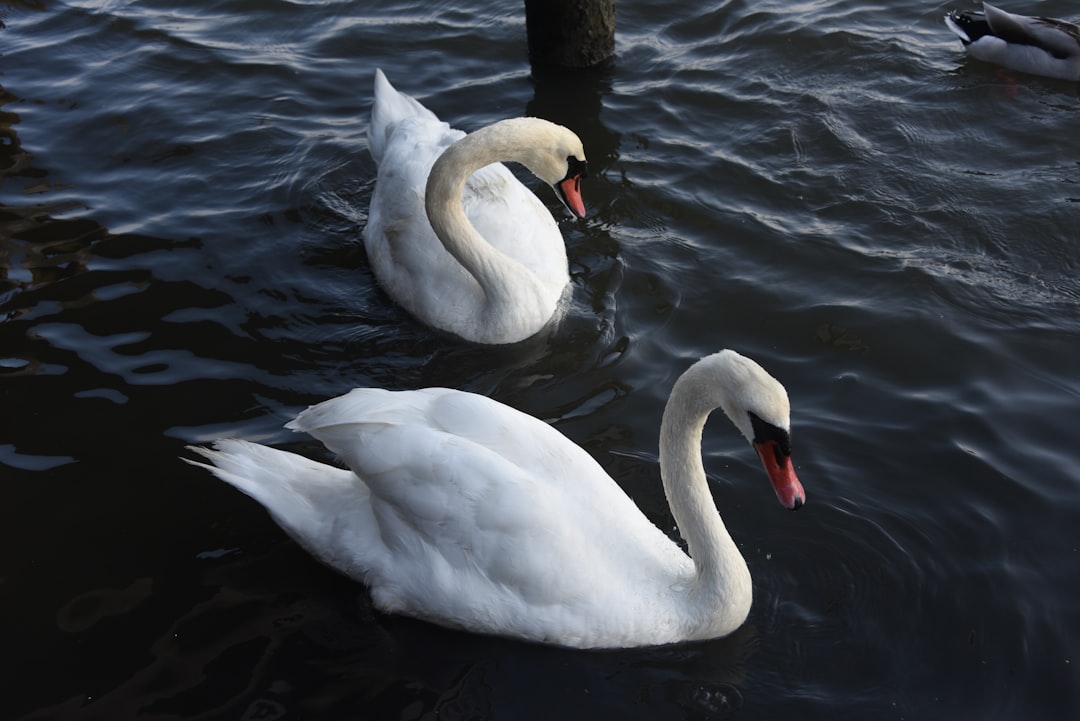
The trumpeter swan, North America’s largest waterfowl, faced near-extinction in the lower 48 states by the early 1900s due to hunting and habitat loss. Through dedicated reintroduction programs and habitat protection, these magnificent birds have slowly returned to their historical range.
Successful breeding programs in Alaska and Canada provided the foundation for reestablishing populations in places like Minnesota, Wisconsin, and Montana. The recovery has been gradual but steady, with each breeding pair representing a victory for conservation efforts. Their haunting calls now echo across wetlands where they hadn’t been heard for generations.
Peregrine Falcon: The Speed Demon’s Spectacular Return
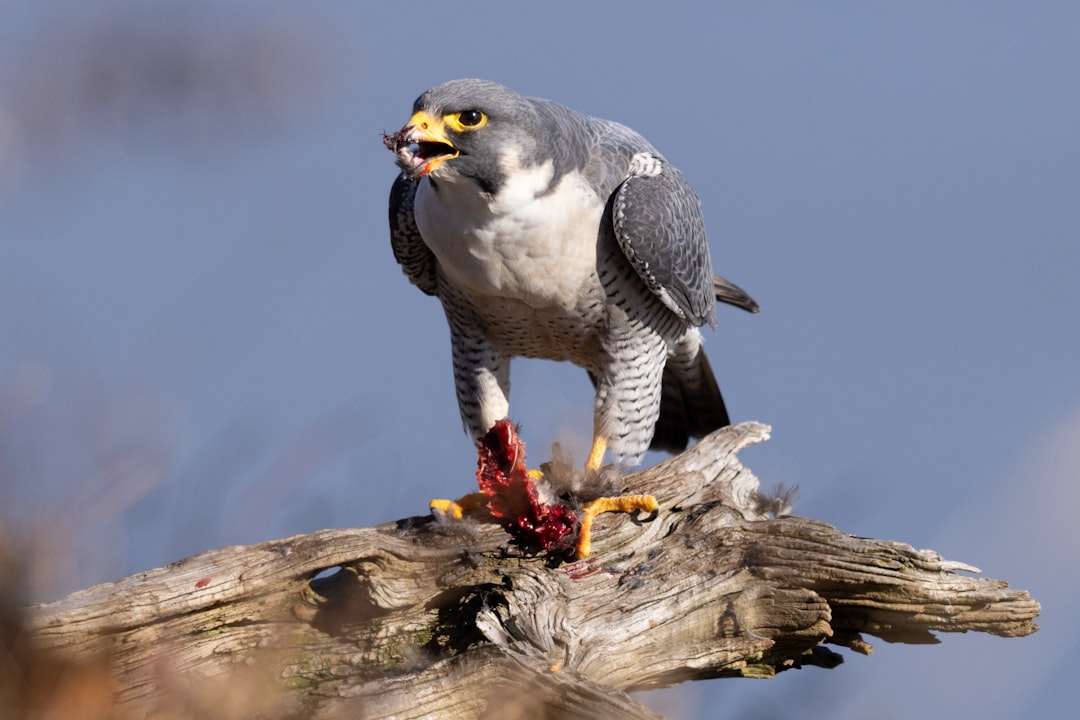
Peregrine falcons nearly vanished from North America due to DDT poisoning, which caused eggshell thinning and reproductive failure. The elimination of certain pesticides and a shift away from shooting raptors made the region less threatening for them. These incredible hunters have staged one of the most remarkable recoveries in conservation history.
Urban environments have become unexpected havens for peregrines, who nest on skyscrapers and bridges while hunting pigeons and other city birds. Their adaptation to urban life has been so successful that many cities now host thriving peregrine populations. The sight of these magnificent raptors diving at speeds exceeding 200 mph through city canyons represents a conservation triumph that continues to inspire.
Osprey: The Fish Eagle’s Resurgence
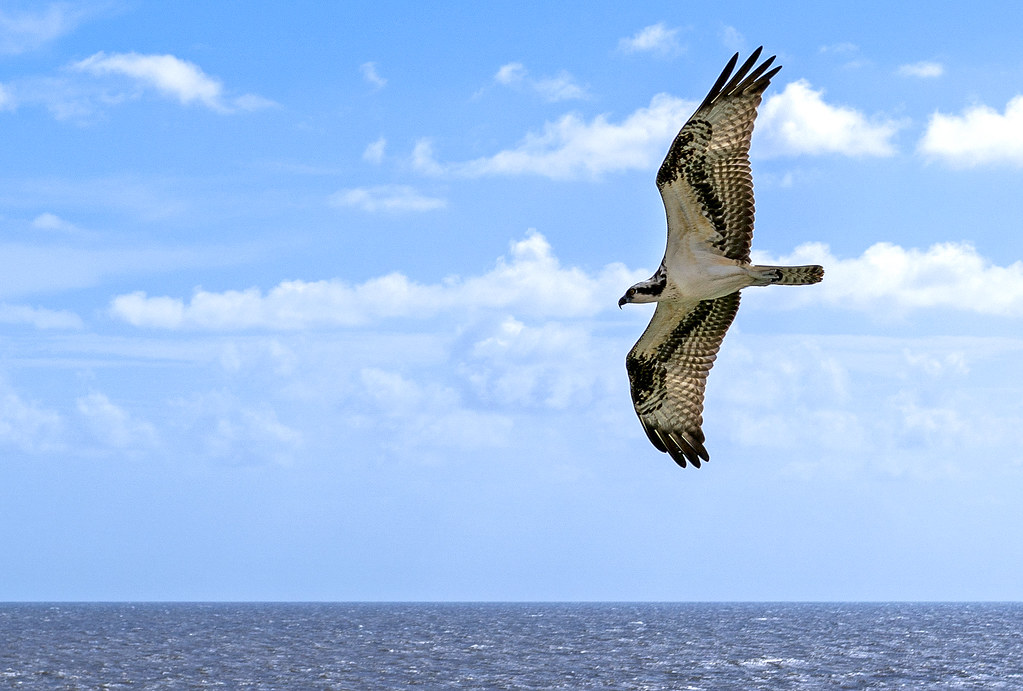
Ospreys, often called fish eagles, suffered devastating population crashes due to DDT contamination in the 1960s and 1970s. Their exclusive fish diet made them particularly vulnerable to the bioaccumulation of pesticides in aquatic ecosystems. Like many raptors, their recovery began with the DDT ban and subsequent clean-up efforts.
Today, ospreys have not only recovered their historical numbers but have expanded into new territories. Their distinctive platform nests on cell towers, channel markers, and purpose-built platforms have become familiar sights across waterways. The species’ resilience and adaptability to human-modified landscapes showcase nature’s ability to bounce back when given the chance.
Wild Turkey: From Dinner Table to Conservation Success
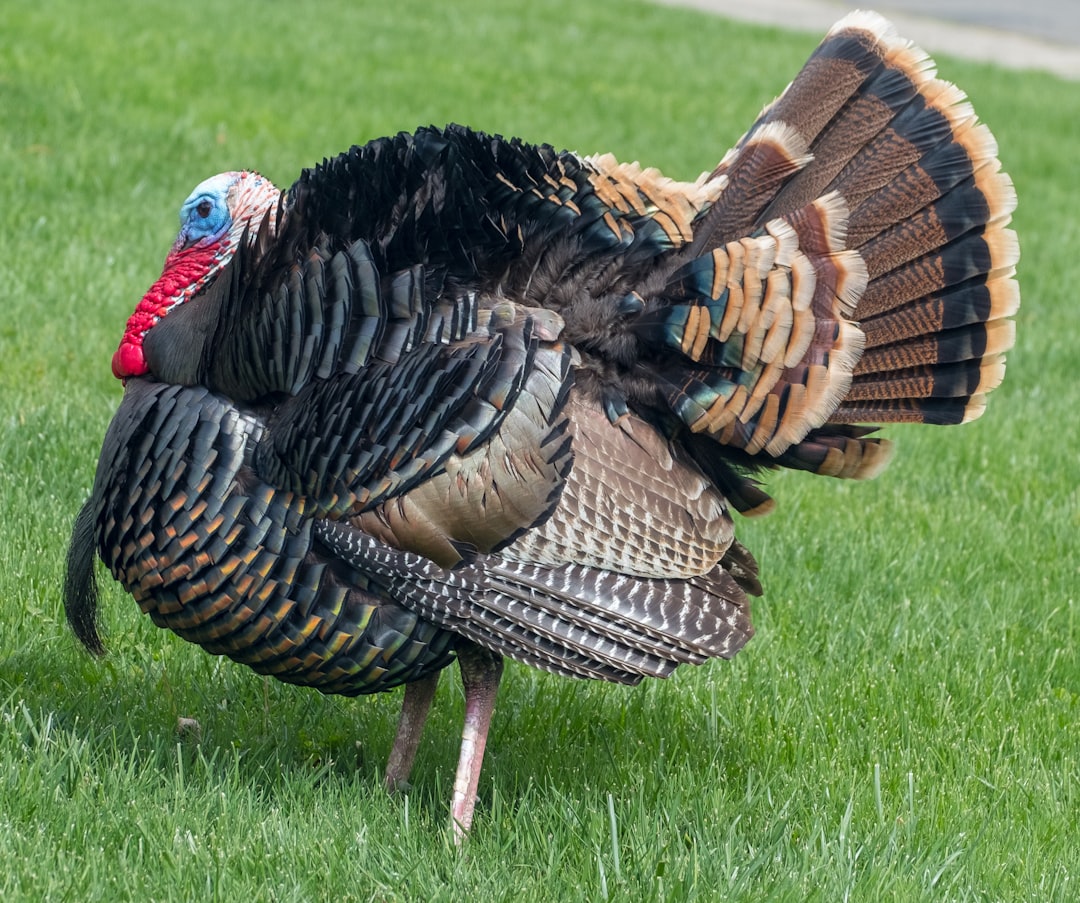
Once numbering in millions across North America, wild turkeys faced near-extinction by the early 1900s due to unregulated hunting and habitat destruction. By the 1930s, only about 30,000 birds remained in scattered pockets across their former range. This dramatic decline seemed to spell doom for one of America’s most iconic birds.
Through innovative trap-and-transplant programs beginning in the 1940s, wildlife agencies moved turkeys from stable populations to restore them across suitable habitats. Combined with hunting regulations and forest management practices, these efforts have resulted in current populations exceeding six million birds. Wild turkeys now thrive in environments from forests to suburban areas, proving that strategic conservation can bring remarkable results.
These dozen comeback stories illuminate a powerful truth about conservation: when we commit resources, expertise, and genuine care to protecting our avian neighbors, remarkable recoveries are possible. We have clear evidence that conservation works in halting declines, and these species prove that point beautifully. When habitat is restored and protected, when people remove harmful substances from the environment and address harms caused by human infrastructure, some species that are currently rare may return to the places we live. What other birds might surprise us with their resilience if we give them the same chance? Tell us in the comments which recovery story impressed you most.
