

Most visitors to the Rocky Mountains come expecting to glimpse elk, bears, or maybe a mountain goat silhouetted against an alpine meadow. Yet tucked away in this sprawling wilderness lives an extraordinary cast of creatures that rarely make it onto postcards or wildlife documentaries. From the tiniest shrews navigating subalpine forests to elusive carnivores prowling snowy peaks, the Rockies harbor wildlife that has adapted to some of North America’s harshest environments in the most remarkable ways.
What makes these lesser-known species so fascinating isn’t just their rarity, though many teeter on the edge of regional extinction. It’s how they’ve evolved extraordinary survival strategies to thrive in conditions that would challenge even the hardiest mountain explorer. These aren’t just evolutionary curiosities hiding in plain sight. They’re indicators of ecosystem health, climate change harbingers, and living proof that nature’s creativity knows no bounds.
American Pika: The Alpine Haymaker
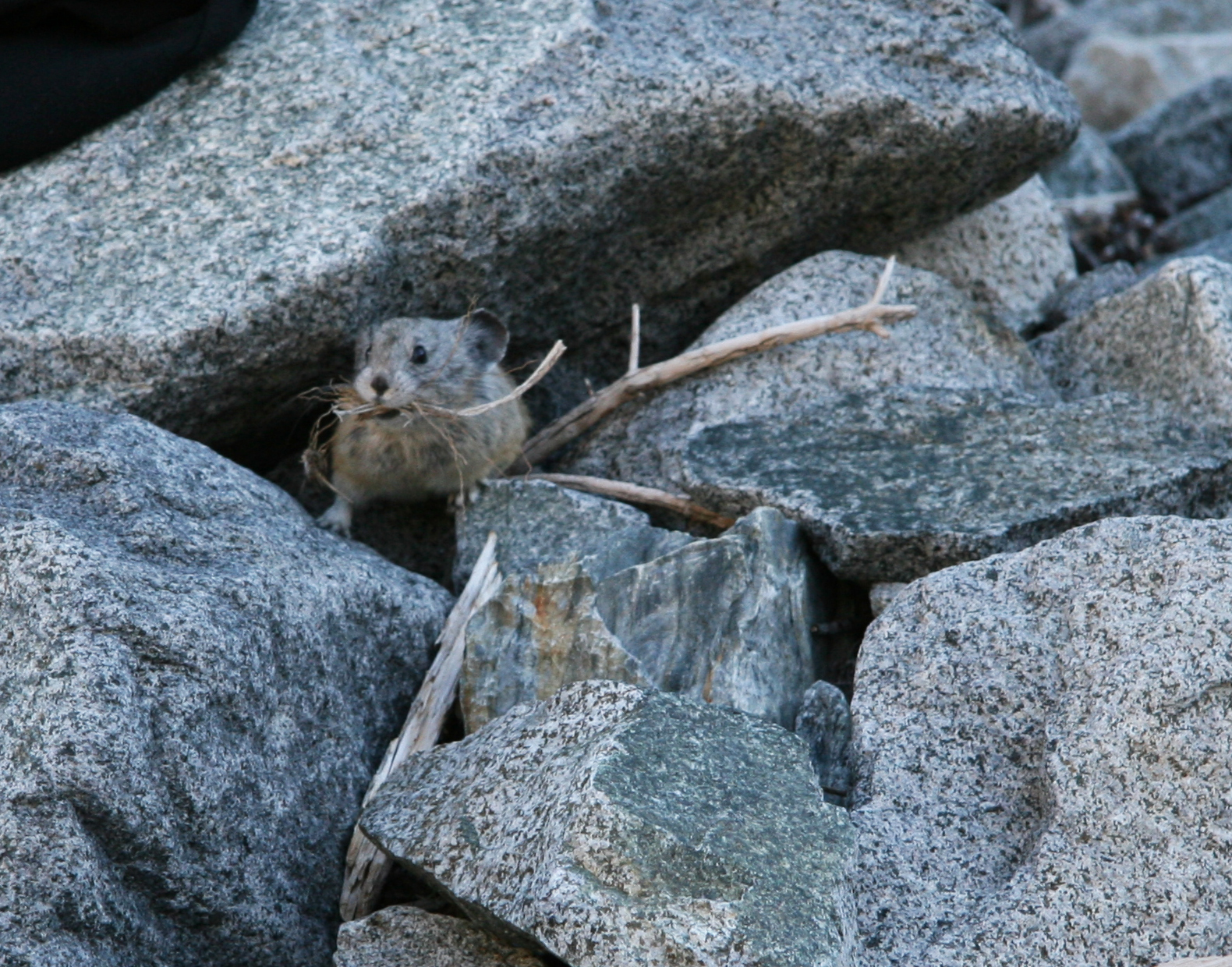
The American pika (Ochotona princeps) is a small, herbivorous mammal closely related to rabbits and hares, typically inhabiting rocky slopes and talus fields at or above the tree line. These grayish-brown creatures are true denizens of the alpine, living in high-altitude, mostly treeless tundra frequently exposed to temperatures well below zero, winds exceeding fifty to one hundred miles per hour, and snow cover for nine months of the year.
What truly sets pikas apart is their ingenious winter survival strategy: spending most of the summer collecting grasses and forbs from nearby alpine meadows, then laying them out to dry in organized collections tucked amongst the talus. These industrious creatures make numerous foraging trips throughout the summer to collect enough food for the winter. Unfortunately, pikas are highly sensitive to heat and require cool refuges during warm weather, making them particularly vulnerable to climate change.
Canada Lynx: The Snowshoe Master
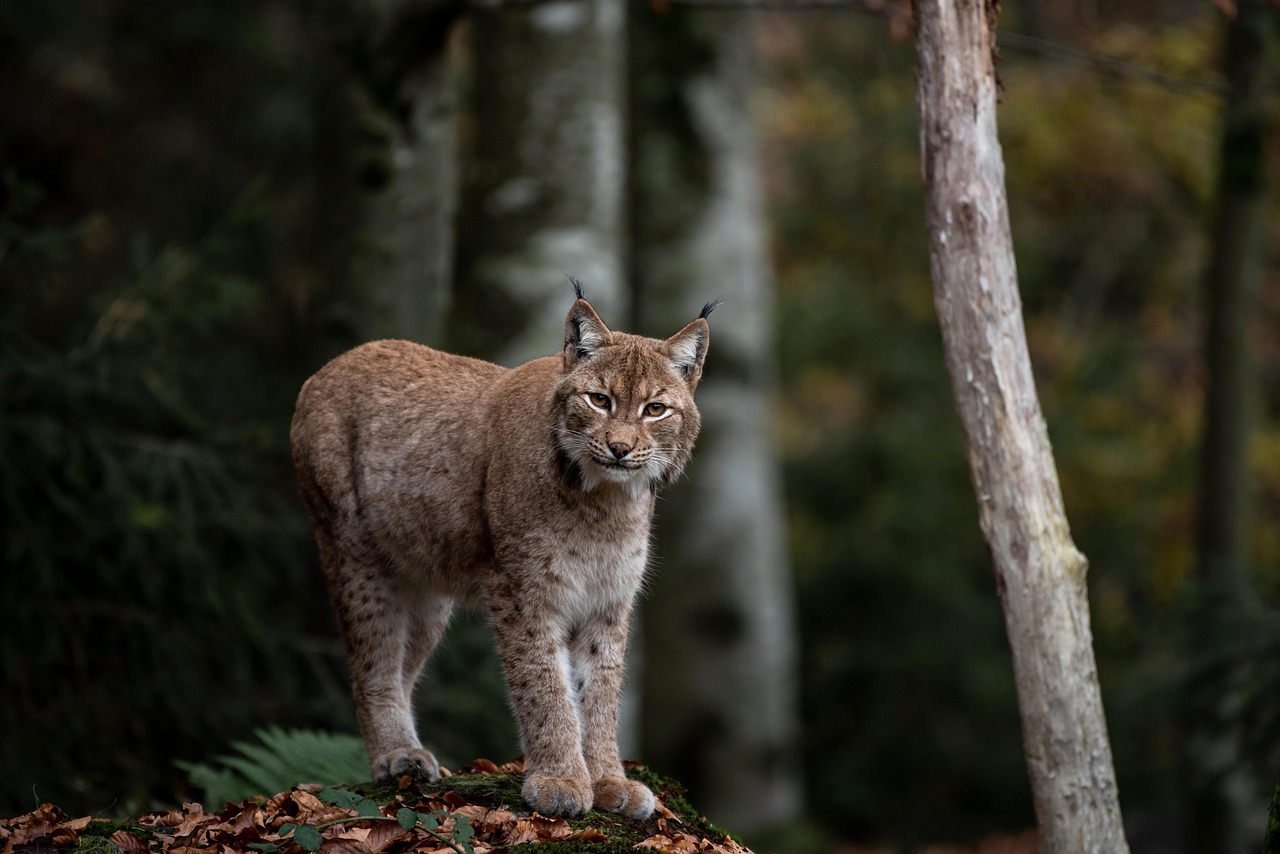
The Canada lynx inhabits montane and subalpine forests, riparian areas, and meadows throughout the Rocky Mountain region. These large cats weigh in the fifteen to thirty pound range and tend to subsist on rabbits and other small prey, though they may take the occasional deer when food is scarce.
Lynx have limited or low-density distribution in areas like Idaho and occur at the southern extent of their current ranges in the Rocky Mountains. Their massive, snowshoe-like paws allow them to hunt effectively in deep powder where their primary prey, snowshoe hares, struggle to maneuver. Wildlife organizations continue fighting for Endangered Species Act listings for the Canada lynx, which relies on Rocky Mountain habitat to survive.
Wolverine: The Mountain Ghost
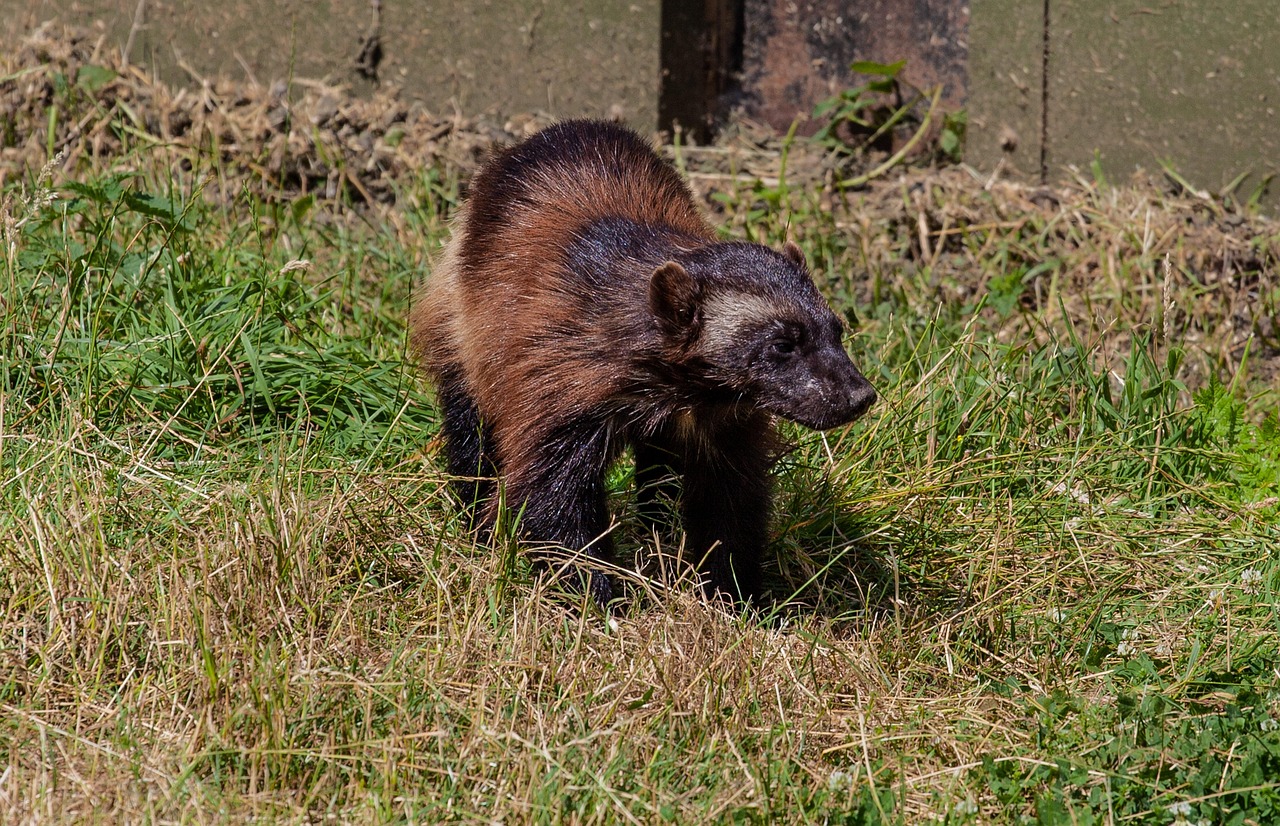
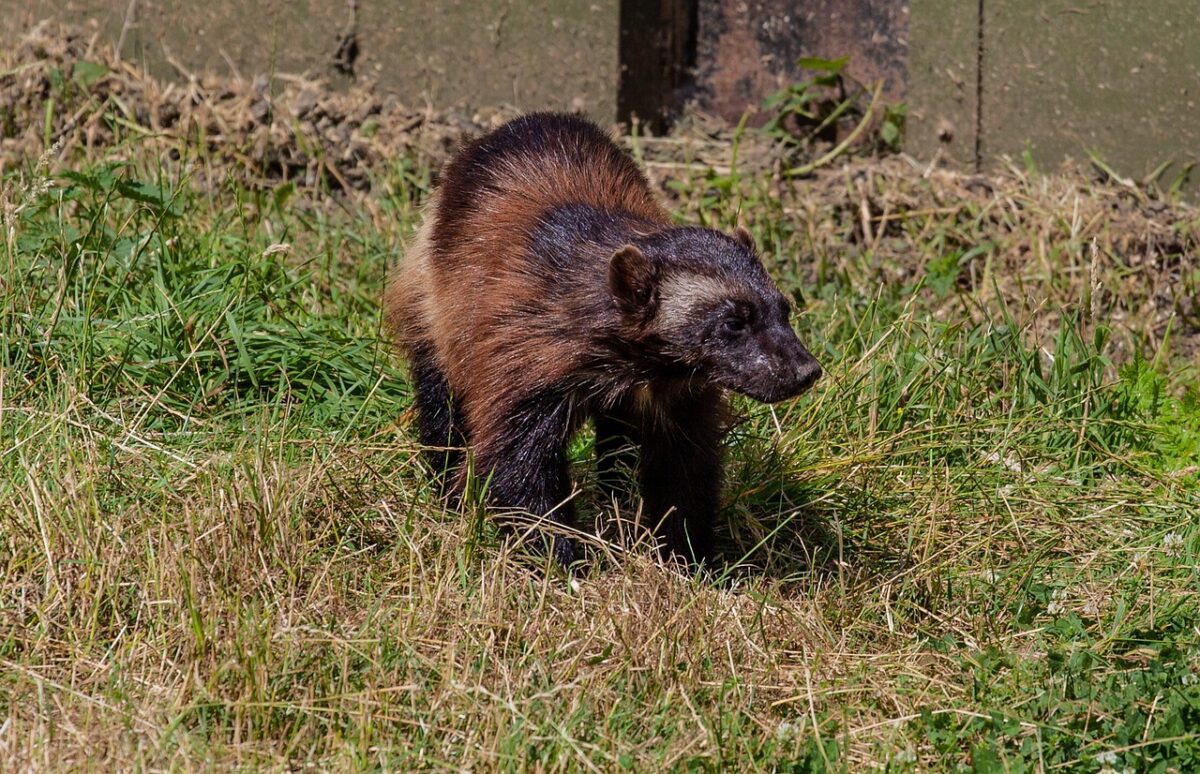
The wolverine is the largest terrestrial member of the weasel family, with relatives including weasels, mink, marten, fisher, badger and otters, found across northern North America, Scandinavia and Russia. Often mistaken for a small bear, males can weigh up to eighteen kilograms while females reach twelve kilograms, sporting a rich, chocolate brown coat with blonde stripes down the sides.
Recent studies indicate wolverine populations in the Canadian Rockies have been declining, with density within protected areas being higher than outside protected zones. Research across multiple North American studies shows that all trapped wolverine populations are declining, with new research suggesting there may be fewer than one thousand wolverines left in the entire province of Alberta.
American Marten: The Forest Acrobat
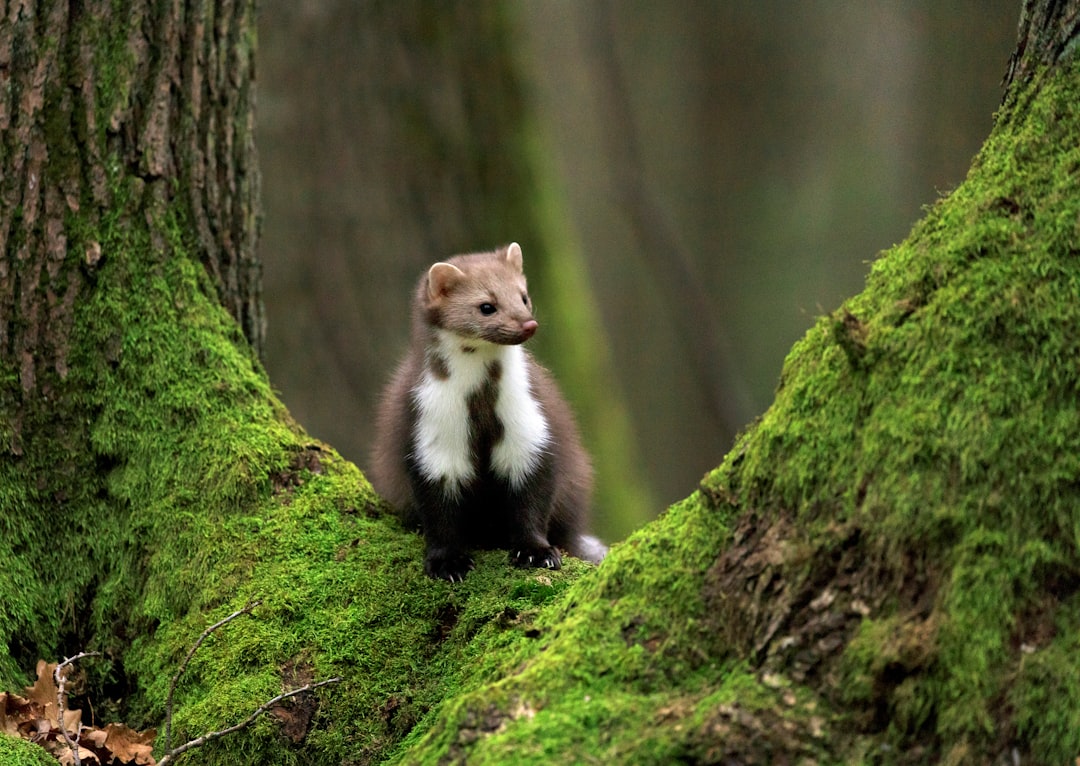
Pine martens are among the species rarely seen in Rocky Mountain National Park because they are nocturnal and avoid human activity, making encounters truly unique experiences for the few guests lucky enough to spot them. These cat-sized carnivores are supreme forest athletes, capable of chasing squirrels through treetops with incredible agility.
Their semi-retractable claws and flexible ankle joints allow them to descend trees headfirst, while their bushy tails provide balance during death-defying leaps between branches. The status of the American marten is of increasing concern to managers and conservationists in much of the western United States, as these species are protected throughout much of their range in the west, making population information unavailable from trapping records. Their presence often indicates healthy old-growth forest ecosystems.
Fisher: The Porcupine Specialist
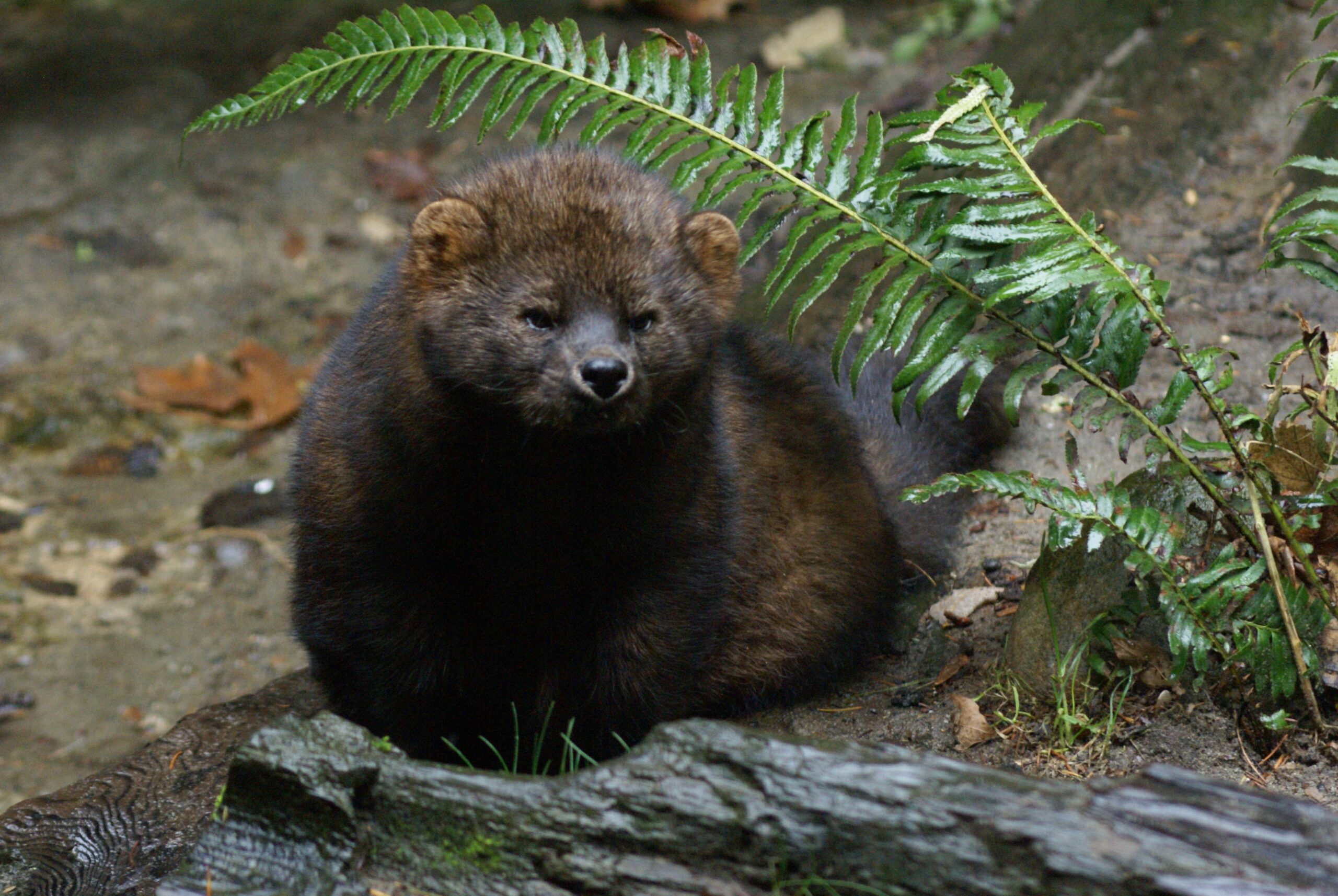
Fishers have limited or low-density distribution in Idaho and occur at the southern extent of their current ranges in the Rocky Mountains. Despite their name, these members of the weasel family rarely eat fish, instead specializing in hunting porcupines using a remarkable technique that few other predators have mastered.
Fishers attack porcupines by repeatedly biting their faces and then flipping them over to access the unprotected belly, a hunting strategy that requires both patience and precision. Conservation organizations continue fighting for Endangered Species Act listings for fishers that rely on Rocky Mountain habitat to survive. Their populations have been severely impacted by habitat fragmentation and historic trapping pressure.
White-tailed Jackrabbit: The High-altitude Hopper
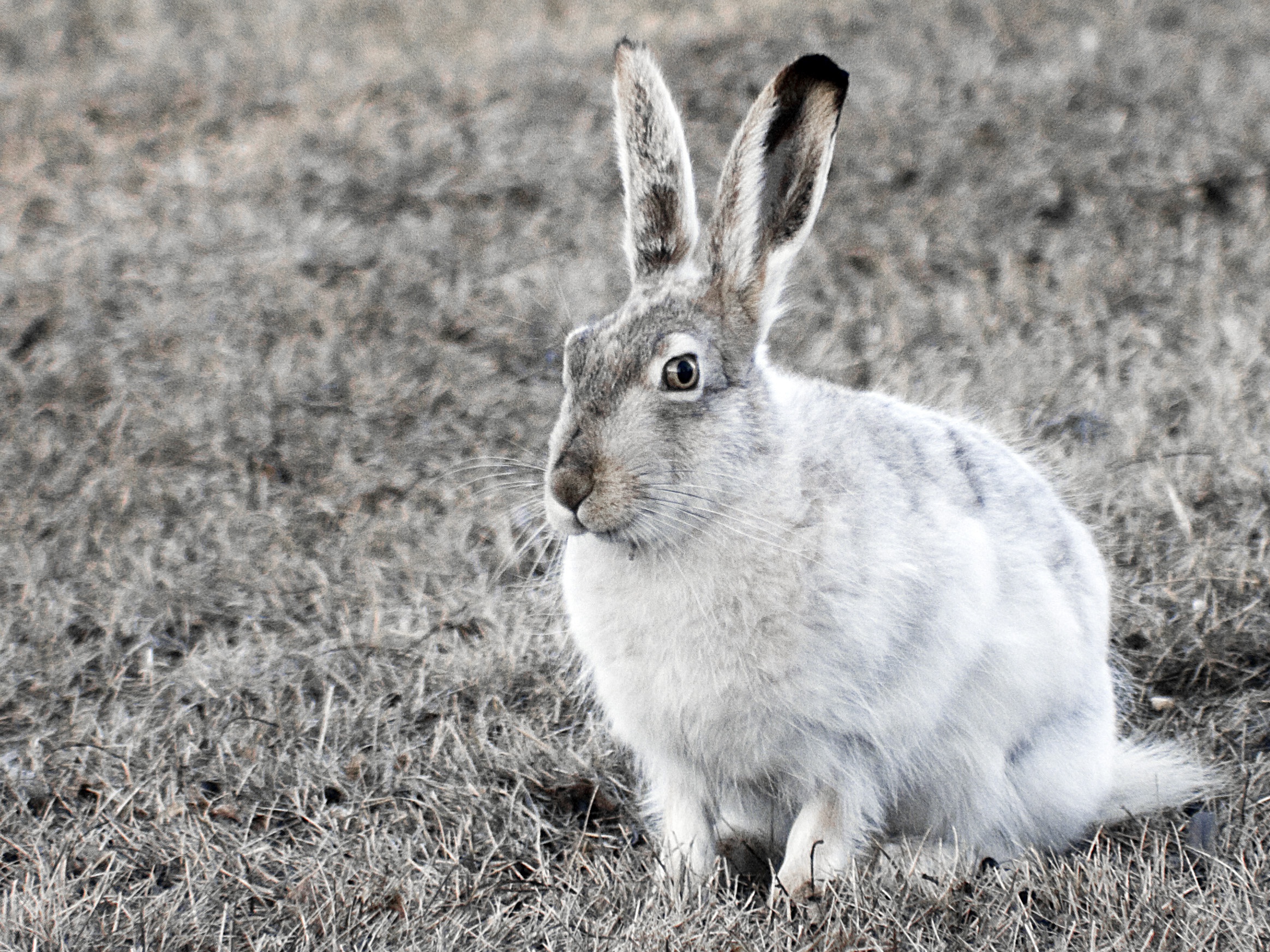
The white-tailed jackrabbit inhabits montane and subalpine forests, meadows, and alpine tundra, though it’s considered rare in areas like Rocky Mountain National Park. These large hares undergo a dramatic seasonal transformation, changing from brown summer coats to pure white winter pelage that provides perfect camouflage against snow.
Their oversized hind feet work like natural snowshoes, allowing them to bound across deep snow at speeds reaching forty miles per hour. White-tailed jackrabbits can leap fifteen feet in a single bound when fleeing predators. During harsh winters, they survive by eating bark and twigs, sometimes standing on their hind legs to reach branches several feet above ground.
American Pygmy Shrew: The Tiny Powerhouse
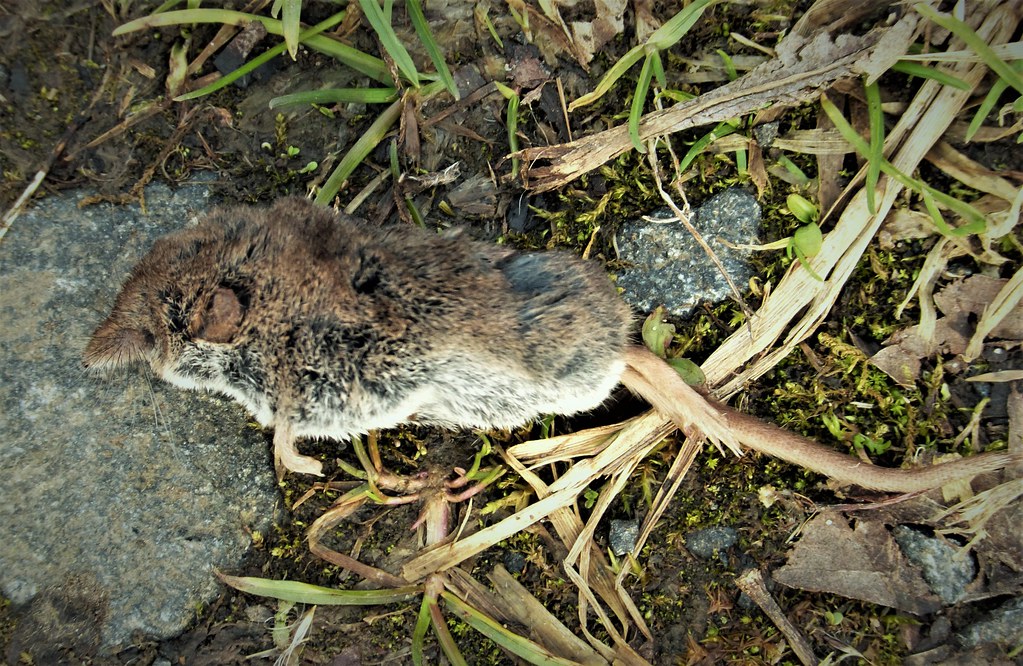
The American pygmy shrew inhabits montane and subalpine forests, riparian areas, and meadows, though it’s considered uncommon throughout its Rocky Mountain range. Weighing less than a penny and measuring just three inches long, this is one of the smallest mammals in North America, yet it possesses a metabolism so intense it must eat its own body weight in food every single day.
Their hearts beat extremely rapidly, several hundred times per minute, and they can die of starvation within hours if they don’t find food. These miniature predators hunt insects, spiders, and even small mice despite being smaller than their prey. Their poisonous saliva helps them subdue animals much larger than themselves, making them pound-for-pound one of the most formidable predators in the mountains.
Northern Flying Squirrel: The Gliding Specialist
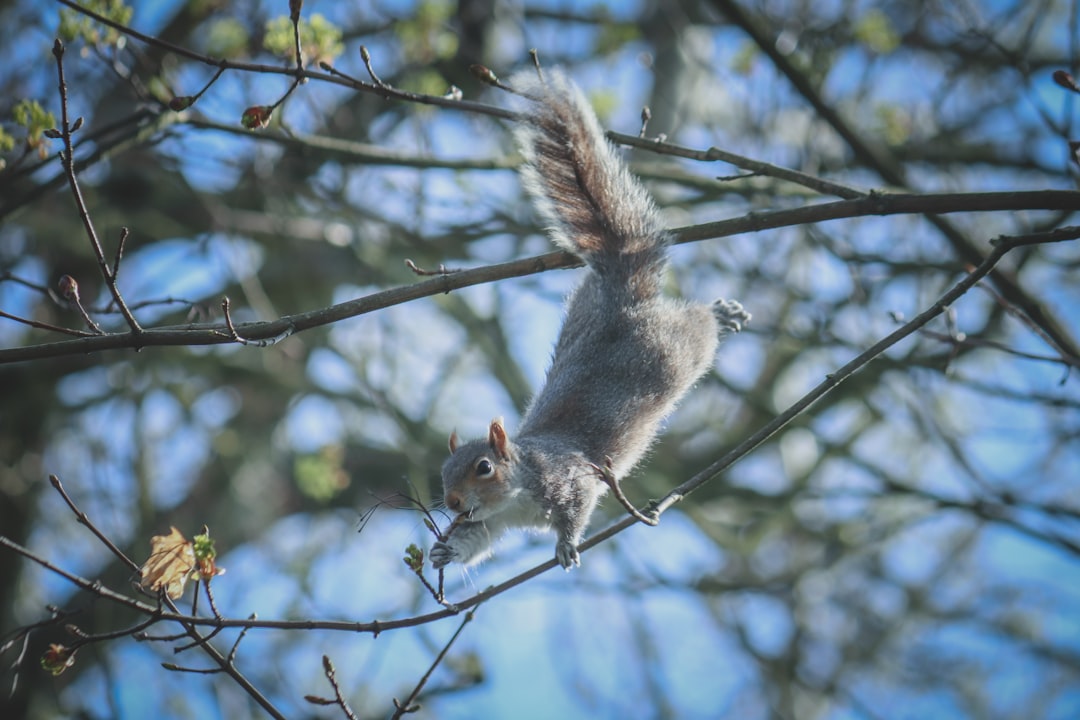
While not technically capable of powered flight, northern flying squirrels possess a furry membrane called a patagium that stretches between their front and back legs, allowing them to glide up to 100 feet between trees. These nocturnal acrobats live in high-elevation coniferous forests, rarely venturing to ground level where they become vulnerable to predators.
Their large eyes help them navigate through the forest canopy in complete darkness, while specialized wrist bones allow them to adjust their gliding membrane for precision landings. Flying squirrels play crucial ecological roles by dispersing fungal spores that help trees absorb nutrients from soil. They’re so secretive that most people living in squirrel habitat have never seen one.
Mountain Goat: The Cliff Master
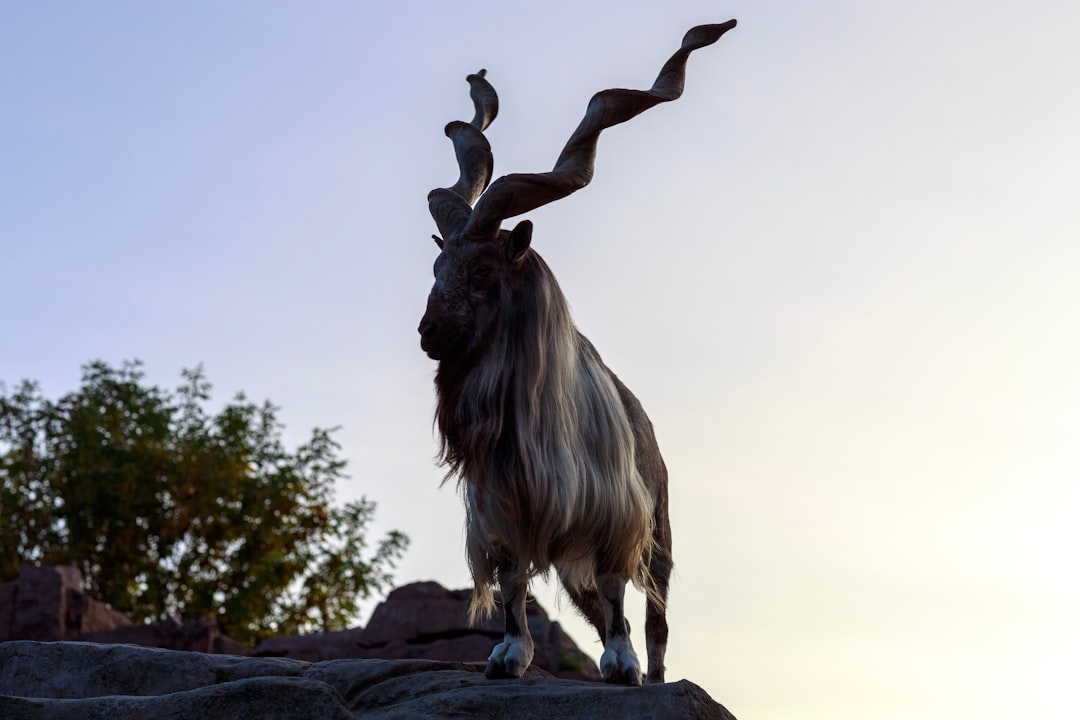
Mountain goats are important wildlife inhabitants of the Rocky Mountains, living alongside elk, moose, deer, and other large mammals. These sure-footed climbers possess hooves with hard outer shells and soft, grippy pads that work like climbing shoes on the most precarious rock faces.
Their incredible balance comes from a low center of gravity and muscular shoulders that comprise nearly forty percent of their body weight. Mountain goats can walk across ledges narrower than their own bodies and leap between cliff faces that appear impossible to navigate. Their climbing talent comes from rubber-like hooves, which allow them to scale canyon walls and steep mountainsides. During winter storms, they seek shelter in caves and crevices that would be inaccessible to any other large mammal.
Boreal Owl: The Silent Hunter
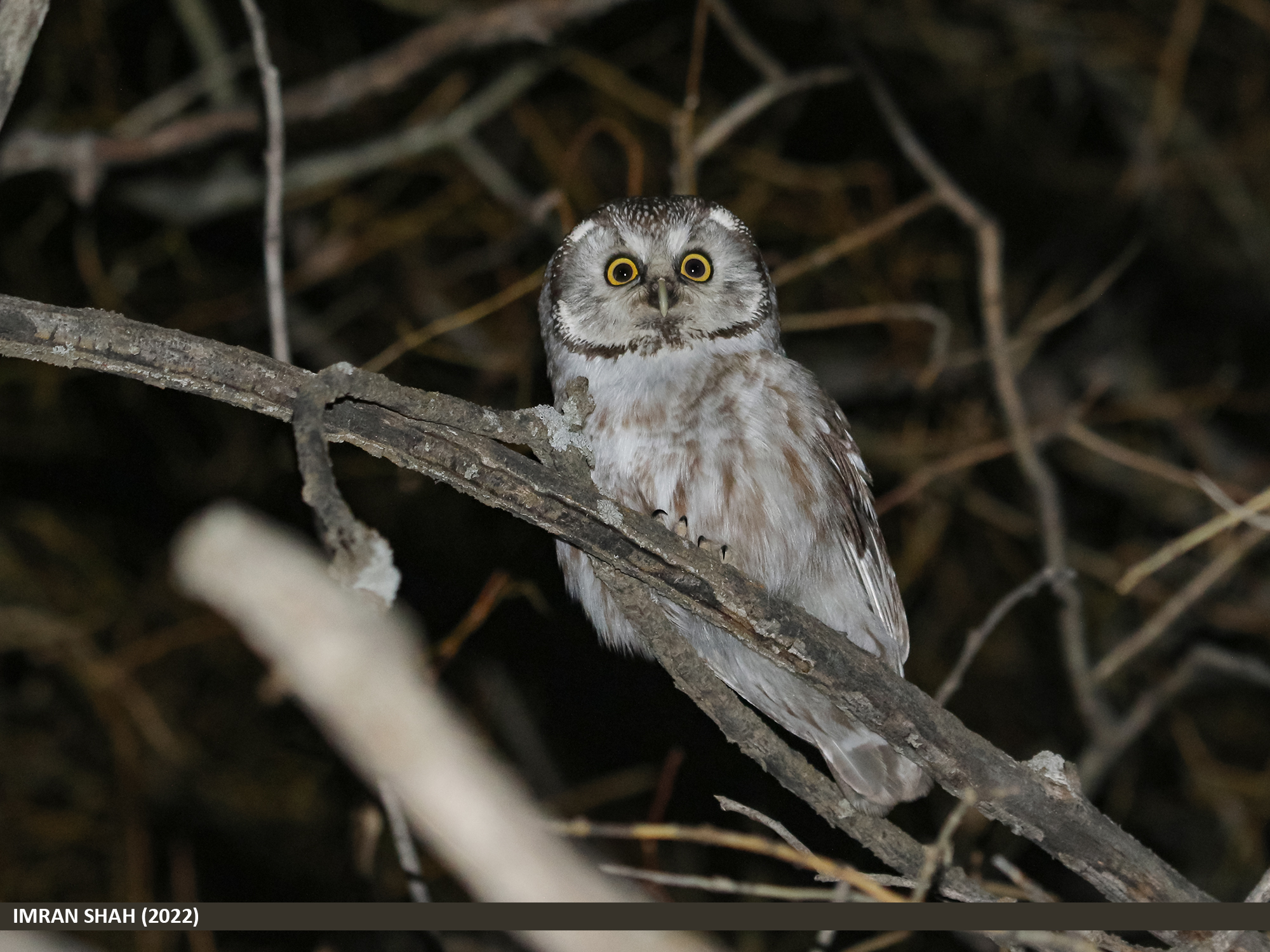
The boreal owl is a mysterious nocturnal predator perfectly adapted to hunting in complete darkness through dense coniferous forests. Their asymmetrically positioned ears create a three-dimensional sound map that allows them to pinpoint prey moving beneath snow from remarkable distances.
These medium-sized owls have facial discs that work like satellite dishes, collecting and focusing even the faintest sounds. Their feathered legs and feet provide insulation in sub-zero temperatures while muffling sound during hunting flights. Boreal owls can detect and capture voles tunneling through snow eighteen inches deep. Their populations fluctuate dramatically with prey cycles, making them one of the most enigmatic residents of high-elevation forests.
The Rocky Mountains harbor countless species that most visitors never encounter, each perfectly adapted to survive in one of North America’s most challenging environments. From pikas collecting wildflower haypiles to wolverines traversing vast territories across alpine peaks, these creatures represent millions of years of evolutionary refinement. Climate change, habitat fragmentation, and human disturbance now threaten many of these remarkable animals faster than they can adapt. Protecting these hidden gems requires understanding not just their beauty, but their critical roles in mountain ecosystems that have taken millennia to develop. What stories might these mountains tell if their most secretive residents could speak?

- 8 Mysterious Spirit Animals Associated with the Zodiac Sign Scorpio - July 29, 2026
- 23 Dog Breeds Trainers Say First-Time Owners Regret - July 29, 2026
- 18 Horse Breeds Farriers Say Are Hard on Hooves - July 29, 2026