
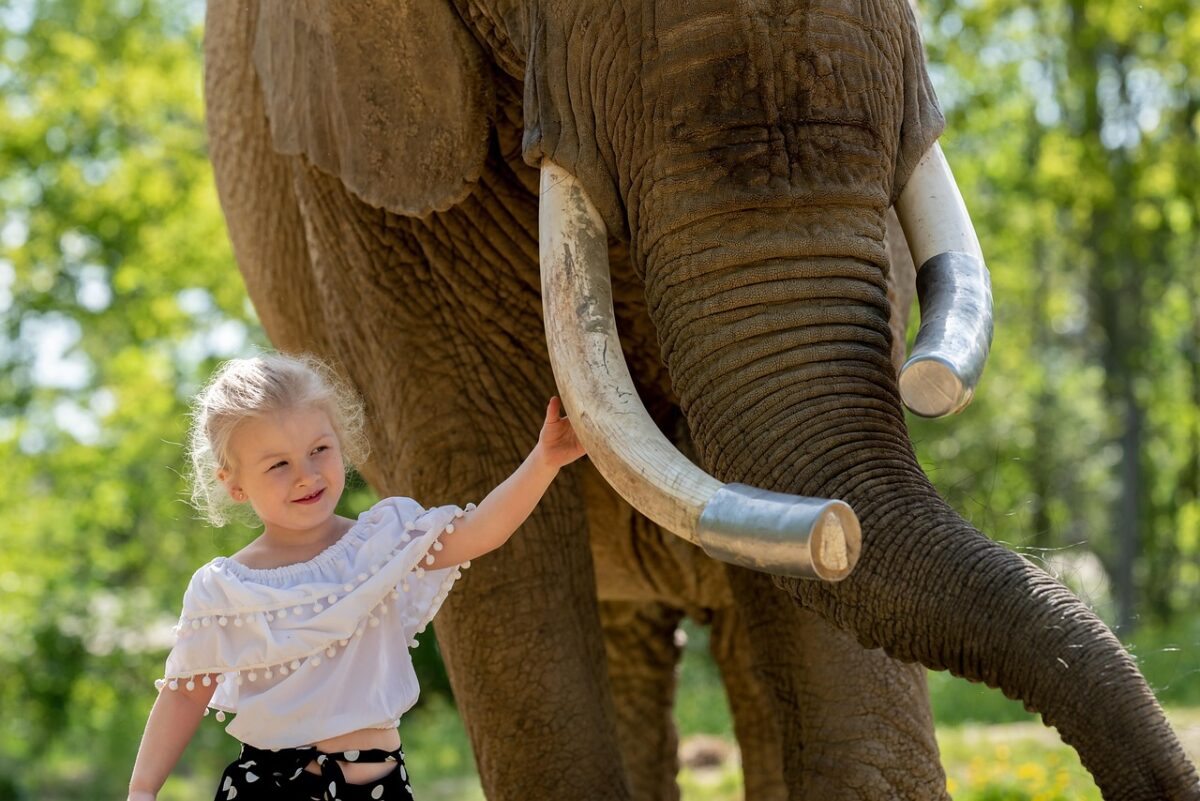
Most people know elephants are intelligent creatures, but what they do with their dead is something extraordinary. It challenges our understanding of which animals can feel grief and forces us to examine what truly makes us compassionate beings. These gentle giants display behaviors around death that mirror our own most profound moments of loss, yet their response to mortality offers lessons we’re still learning to appreciate.
Recent discoveries have revealed that elephants engage in complex mourning rituals that seem almost human in their emotional depth. Scientists have documented these massive creatures gathering around their deceased, touching them tenderly with their trunks, and returning to visit the remains days or even years later. It’s a behavior that speaks to something deeper than instinct, suggesting a level of emotional intelligence that may be more similar to ours than we ever imagined.
The Science Behind Elephant Grief
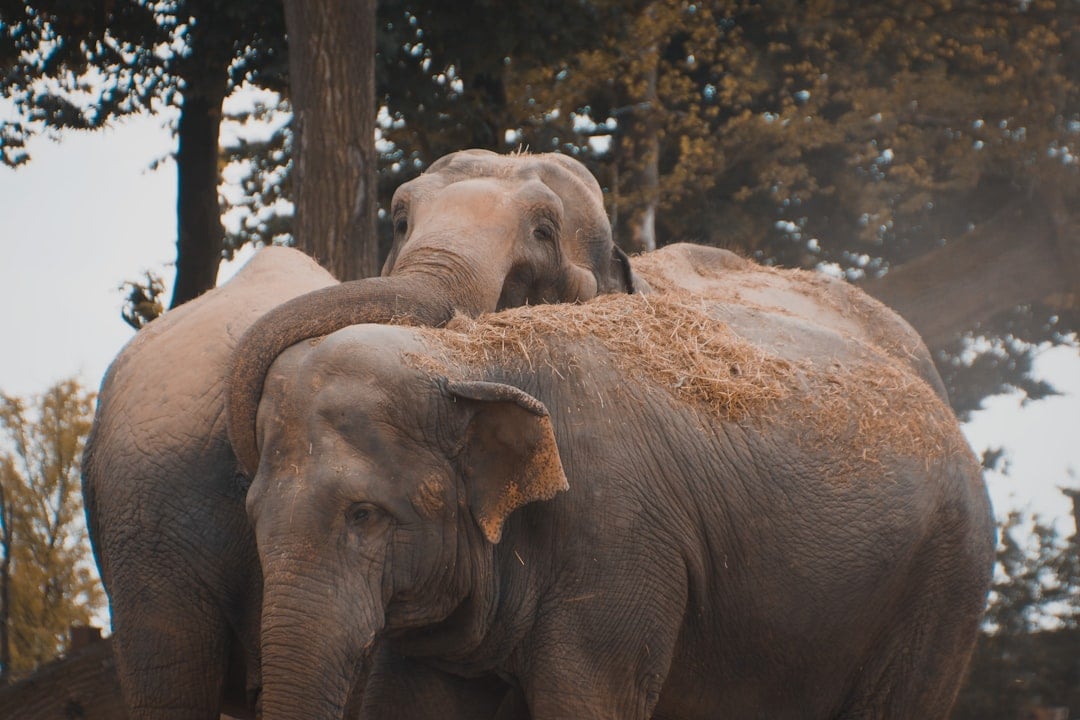
Elephants show broad interest in their dead regardless of the strength of former relationships with the dead individual. This remarkable finding comes from years of careful observation by researchers who have documented elephant behavior in the wild.
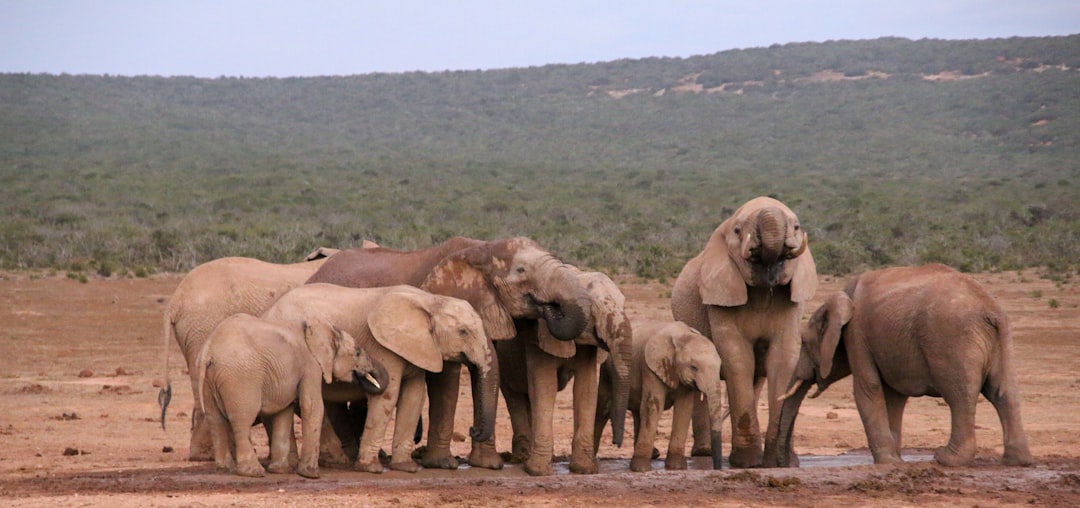
The most common behaviors observed were approaching the dead, touching and examining the carcass. Elephants also appeared to use their advanced sense of smell to identify dead individuals, and they were observed vocalizing and attempting to lift or pull fallen elephants that had just died.
What makes this behavior even more fascinating is that it happens regardless of family relationships. Even elephants who weren’t closely related to the deceased will spend time investigating and interacting with the remains, suggesting something universal about their response to death.
Mourning Behaviors That Mirror Human Grief
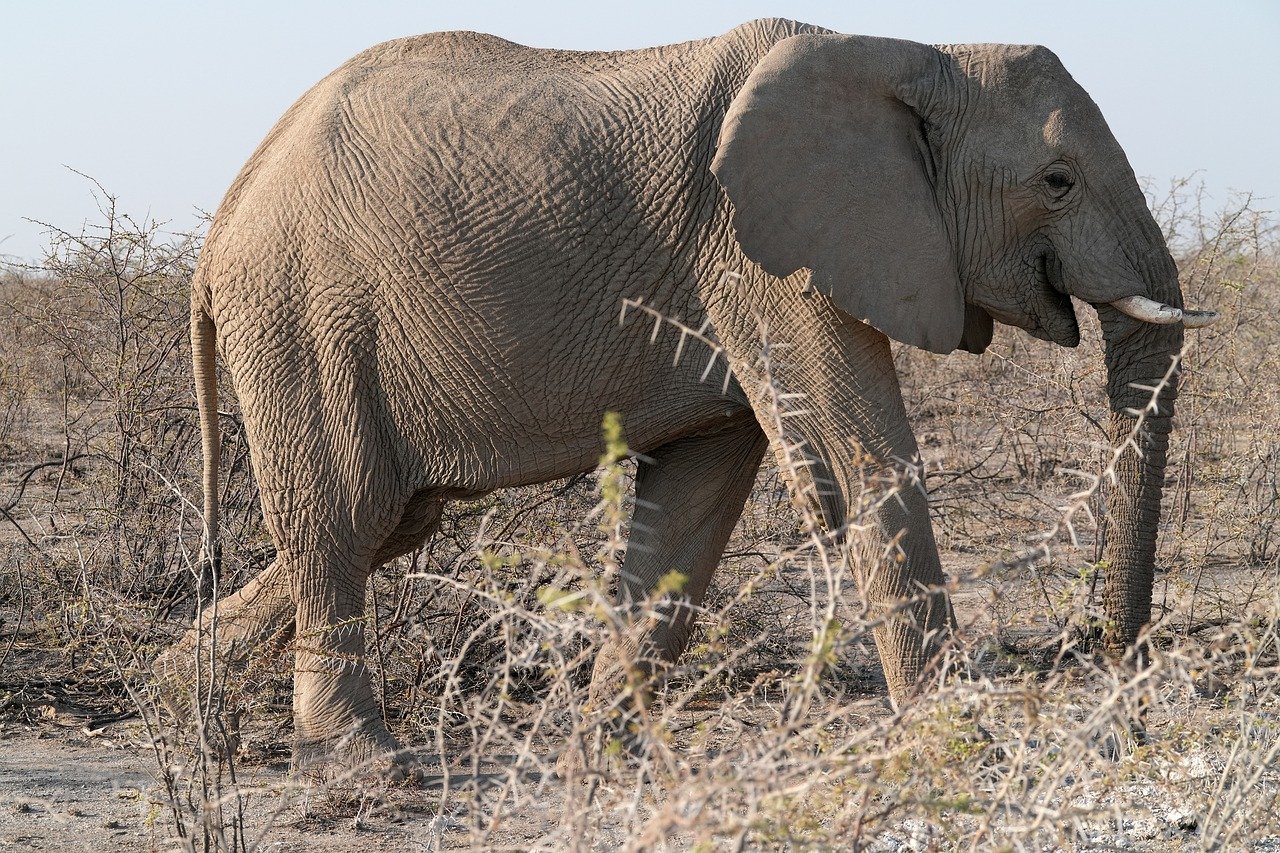
Asian elephants loudly mourn and bury their dead calves, according to a study by Indian scientists that details animal behavior reminiscent of human funeral rites. They found that herds typically carried the deceased calf by the trunk and legs before burying it in the earth, though the specific positioning varied between cases.
They have been documented stroking the bones of the deceased, guarding carcasses, burying dead calves, and even crying. Though ignoring the remains or bones of other species, elephants almost always react to those of their own.
This selective attention to their own species shows a level of recognition and understanding that goes beyond simple curiosity. It’s as if they understand the significance of what they’re encountering in ways other animals simply don’t.
Victoria’s Story: A Documented Case of Elephant Mourning
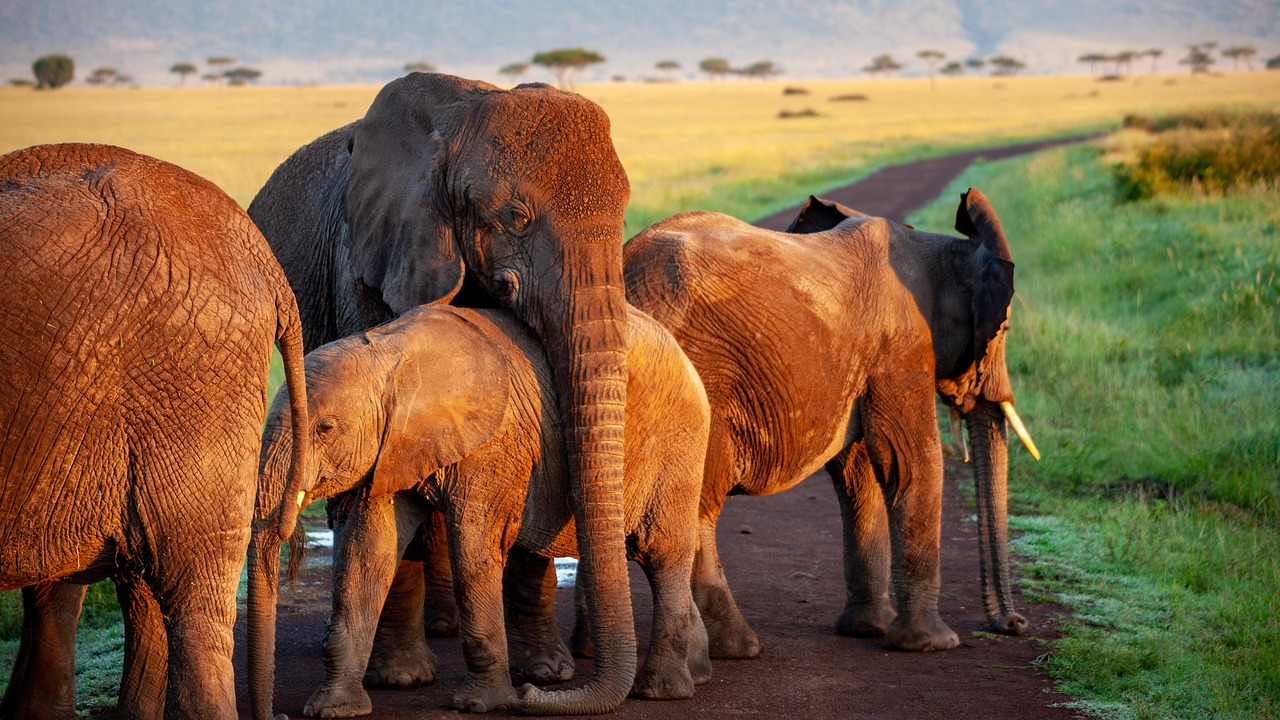
Victoria headed an elephant group known on the Samburu Reserve as the Royal family, a group of about 20 elephants all named after kings, queens, and other royalty around the world. When she died on June 12, 2013, at age 55, the reserve had been under siege for several years from poachers targeting older matriarchs, and enduring a severe drought that killed an additional number of older elephants, leaving a much younger elephant population today.
The video not only captures an important ritual of elephant behavior, but reveals new insights about the strength of social bonds. Although the three families were not related to Victoria, they knew her, Goldenberg says, and clearly showed a connection to her by lingering over her carcass.
Researchers captured fifteen minutes of footage showing elephants investigating Victoria’s body, with even young calves approaching to smell the remains. The behavior demonstrated both the curiosity and reverence these animals show toward death.
The Empathy Connection
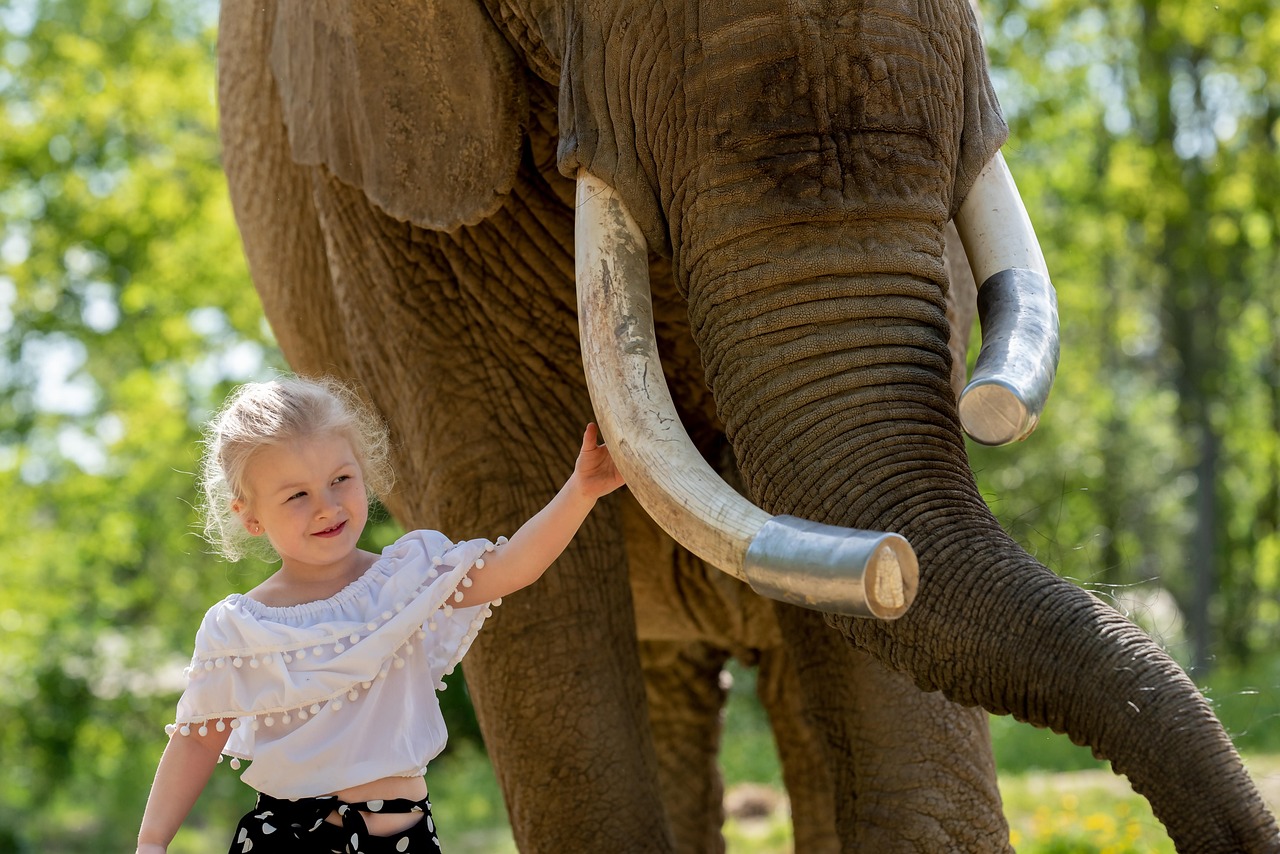
Both in the wild and in this captive study, researchers have watched other, nearby elephants react to the other elephant’s distress by acting in exactly the same way. The elephants also ran to stand beside their friend, touched her with their trunks to soothe her, and made soft chirping sounds. Sometimes one would even put her trunk inside the other’s mouth, a behavior elephants find particularly comforting, the researchers say.
Elephants are considered to be one of the world’s most empathic species as this is displayed throughour their interactions. This empathy extends beyond life into death, as elephants demonstrate care and concern for deceased members of their community.
Their ability to recognize distress in others and respond with comforting behaviors shows a level of emotional sophistication that suggests their mourning behaviors stem from genuine feelings of loss rather than mere instinct.
Debating Whether Animals Can Truly Grieve
Barbara King, emeritus professor of anthropology at William & Mary in Virginia and author of How Animals Grieve, disagrees. “I have no doubt that elephants grieve,” she says. “We know these are smart and emotional creatures.”
However, not all scientists are ready to make that definitive claim. George Wittemyer notes that “Elephants have respect for their dead, but their interaction with their dead is not something we fully understand. Every time it happens, it’s not the same, but it is striking behavior – not based on survival or necessity, but based on some sort of emotion,” he says.
The scientific debate continues because we can never truly know what elephants are thinking or feeling. Yet the behaviors themselves are undeniably compelling and suggest emotional complexity that demands our respect and consideration.
YouTube Videos Reveal Hidden Behaviors
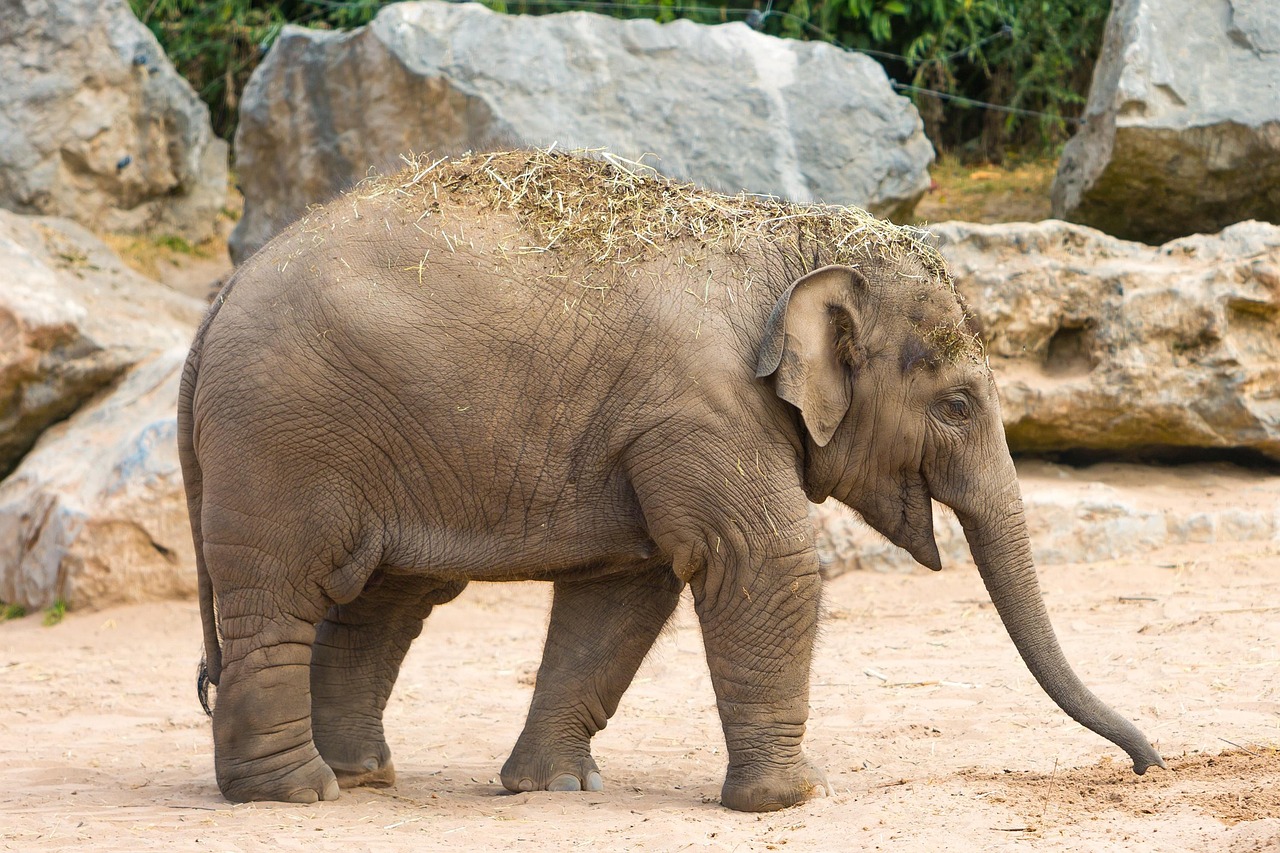
The researchers punched in search terms like “Asian elephant death” and “elephant response to death.” Ultimately, they collected 39 videos capturing 24 cases of thanatological behavior in Asian elephants between 2010 and 2021.
Such seeming displays of mourning are extremely difficult to spot – much less study – in the dense jungles of southern Asia. But now, thanks to a few dozen YouTube videos, scientists finally have the data they need to analyze grieflike displays in these elusive pachyderms.
This innovative research approach has opened new windows into elephant behavior that would otherwise remain hidden from scientific observation. It shows how technology is helping us understand animal emotions in ways previously impossible.
What Elephant Grief Teaches Us About Compassion
Whether it is the heartwarming behavior of elephants mourning their dead or the possible caretaker role of an older dinosaur, these examples remind us the capacity for empathy and care is not limited by species or time. This discovery serves as a poignant reminder that compassion and care are timeless traits, transcending both time and species.
The evidence for empathy in elephants seems overwhelming, so can we now draw on our own empathetic nature to end their slaughter? Watching elephants mourn their dead reminds us that compassion isn’t uniquely human. It’s a capacity that exists across species, connecting us to other living beings in profound ways.
Their mourning behaviors challenge us to expand our understanding of what it means to be compassionate. If elephants can feel loss, show care for the dying, and remember their dead with what appears to be reverence, perhaps our own capacity for compassion should extend more broadly to all sentient beings.
Conclusion
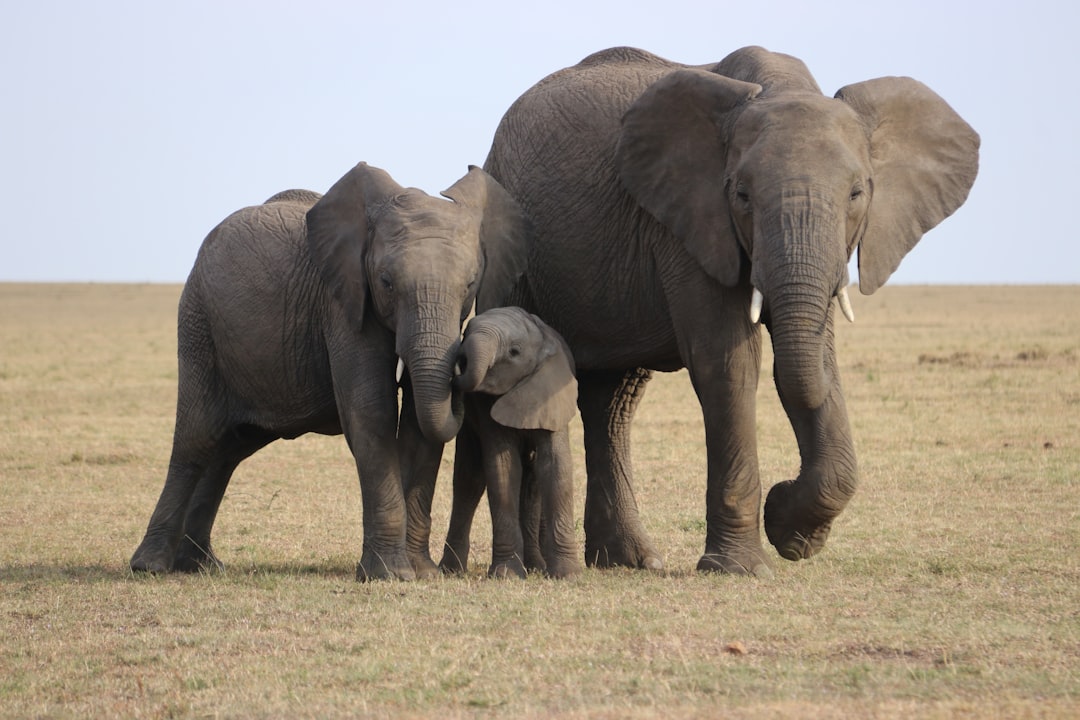
The sight of elephants tenderly touching the bones of their deceased, gathering in silent vigil around a fallen companion, or carrying their dead calves to burial sites reveals something profound about the nature of compassion itself. These behaviors suggest that the capacity to feel loss, to care for others in distress, and to honor the dead may be far more universal than we once believed.
Perhaps most importantly, elephant mourning teaches us that compassion doesn’t require language or complex reasoning to be real and meaningful. It can exist in a gentle touch, a protective stance, or simply the act of staying present with those who suffer. In a world where we often feel disconnected from nature and each other, elephants remind us that empathy is one of the most fundamental forces that binds all living creatures together.
What do you think we can learn from these gentle giants about how to better care for one another? Share your thoughts in the comments below.

- 10 Remarkable Facts About the African Cheetah: The Lightning of the Grasslands - July 29, 2026
- 10 Most Heroic Horses in History - July 29, 2026
- Why You Should Never Play Dead When Attacked by a Black Bear - July 29, 2026