
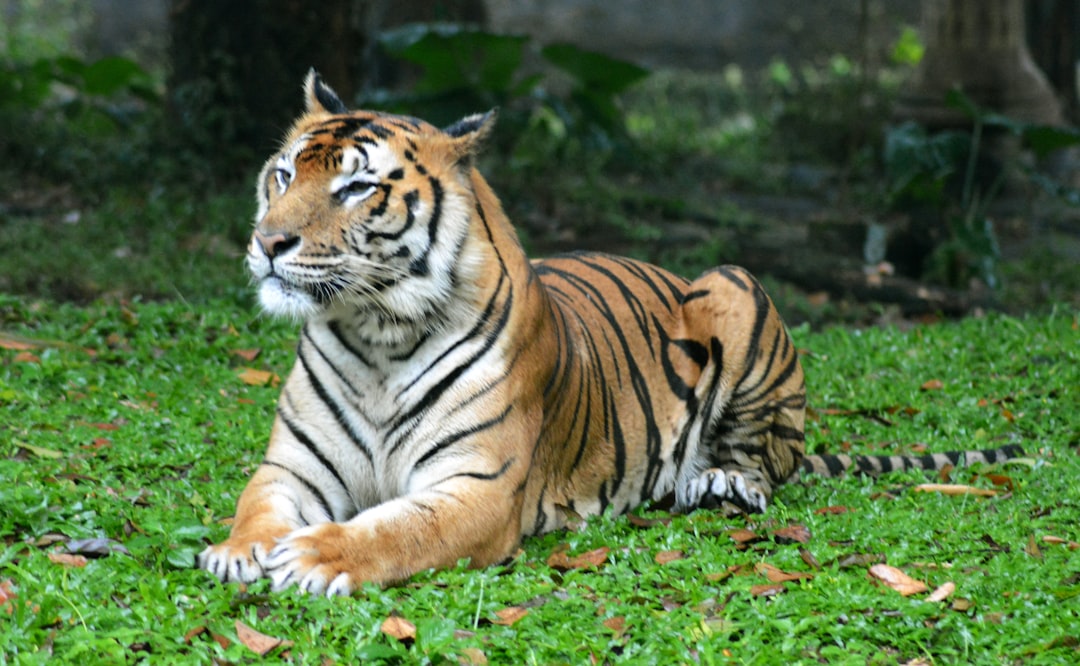
Have you ever watched a bird land on a branch, completely trusting that it will hold its weight? Or observed a deer gracefully bounding through the forest, navigating obstacles with natural ease? There’s something profoundly calming about witnessing animals move through their world without the constant need to micromanage every moment.
They are reminders that we are not in control, and that the best way to cope with life is to let go of our pre-conceived ideas of how things should be and join in with the dance of how things really are. While we humans spend countless hours planning, worrying, and trying to force outcomes, our animal companions offer us a different approach altogether. Let’s dive into the remarkable lessons they have for us about embracing the art of surrender.
Living Fully in the Present Moment
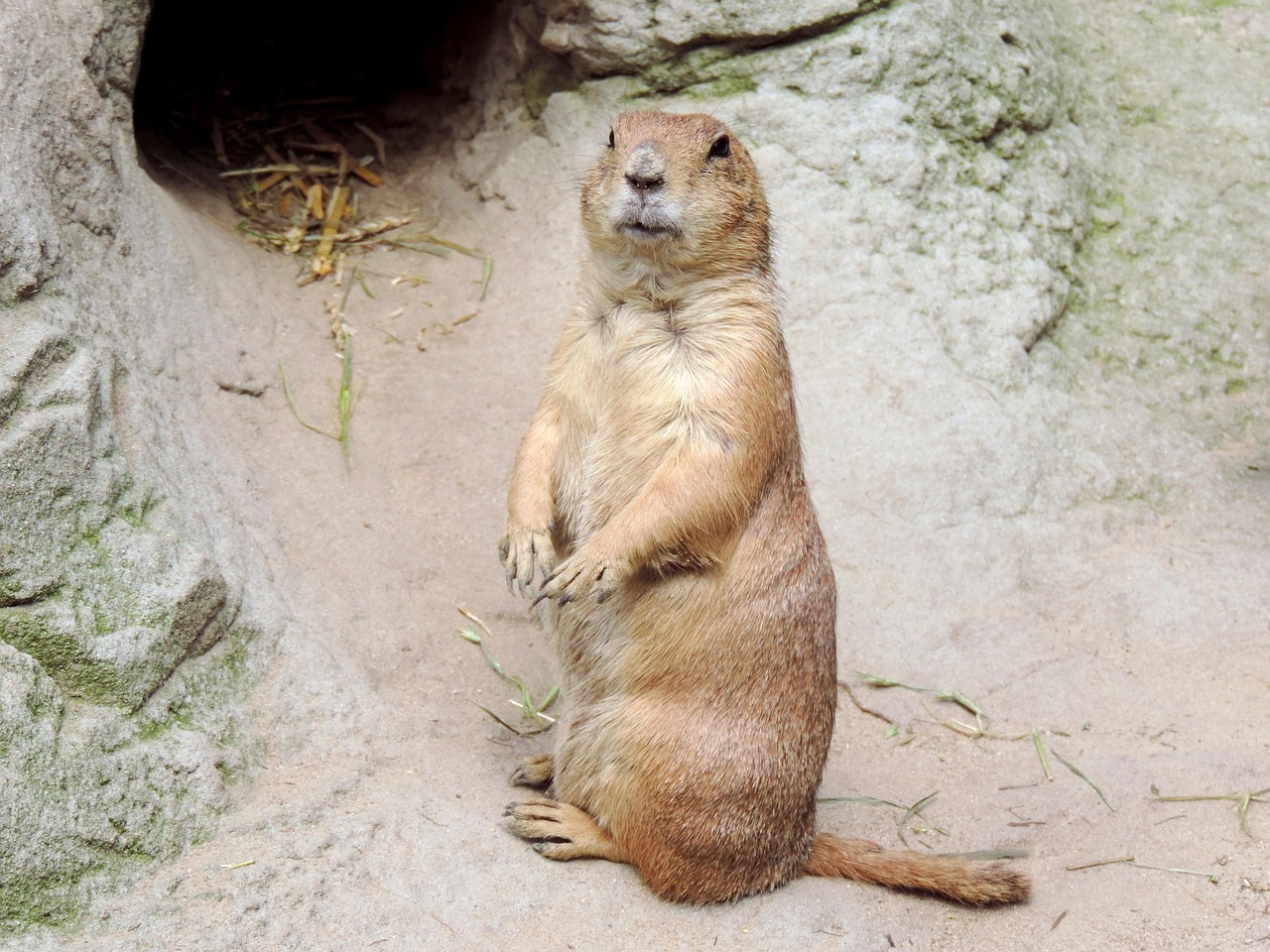
Watch any animal in their natural habitat, and you’ll witness something extraordinary. They embody mindfulness; they are non-judgementally present in the moment. When an animal is sitting with us, they aren’t busy thinking about yesterday or tomorrow. They are simply there. This presence isn’t something they’ve learned through meditation apps or mindfulness courses.
Just as a seasoned meditator finds peace in the present, animals instinctively dwell in the here and now. They are free from past regrets and future anxieties, a mindfulness attribute that humans often find challenging to cultivate. As animal communicators often observe, these creatures don’t just exist in the present; they embrace it, immersing themselves fully in each moment. Their natural state demonstrates what we struggle so hard to achieve.
Surrendering Control Over External Circumstances
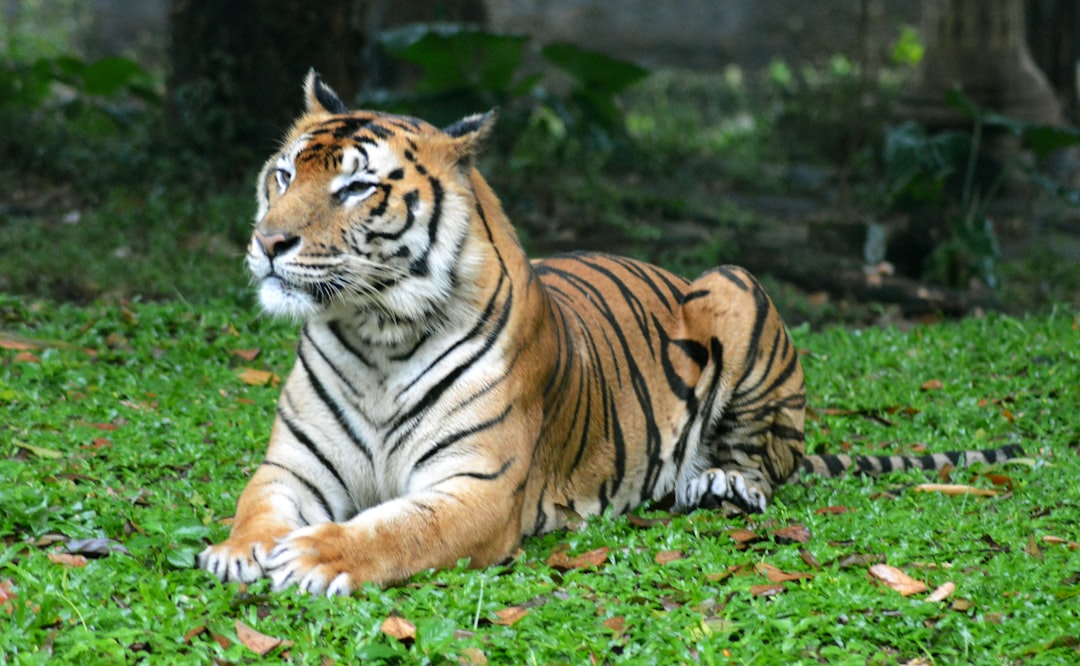
Though the wild environment typically provides more space and opportunity for free choice, there are more restrictions than the traditional picture acknowledges. Romantic assumptions about ‘natural living’ misrepresent the realities of life in the wild. Animals understand this instinctively. They don’t waste energy fighting circumstances they cannot change.
Instead of dwelling on limitations, animals focus their energy where it matters most. They focus on the opportunities around them rather than problems of the past or worries of the future. This groundedness is easy to replicate. Simply focus on your senses and nothing else. This wisdom shows us that letting go of control doesn’t mean giving up, but rather channeling our efforts more effectively.
Trusting Natural Instincts and Flow
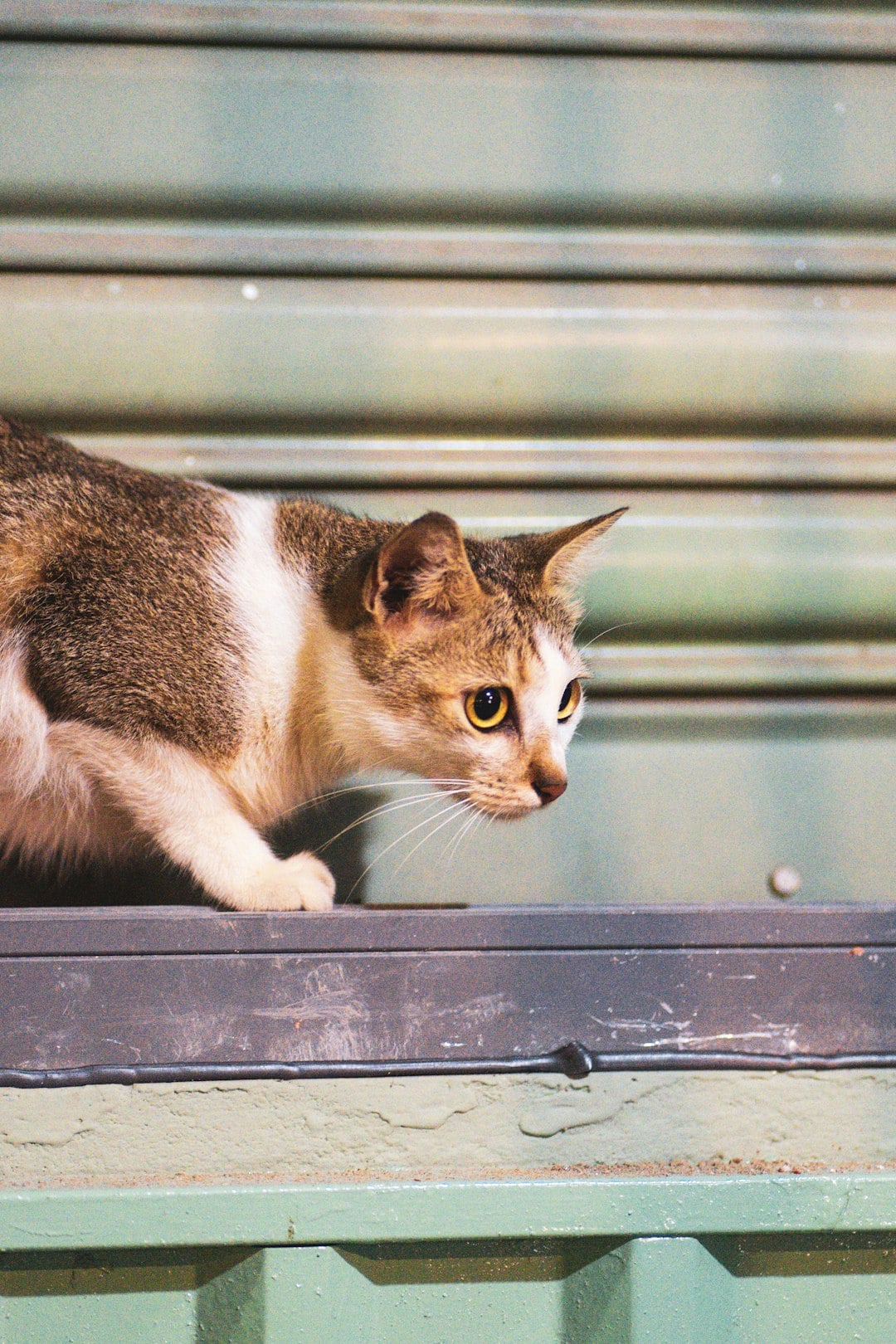
Alert and attentive to each of their senses, animals respond to cues about the world around them by trusting their instincts and acting on them. When we rationalize in our human minds what our instincts may tell us to take notice of – or ignore what our senses are conveying to us – we risk dismissing important signals about events, circumstances, and the people around us. As we attend to our senses and acknowledge our instincts, we open ourselves to new choices and opportunities.
They use instinct like we would use intuition. While humans often second-guess their gut feelings, animals trust that inner guidance system completely. This trust creates a natural flow in their lives that we can learn to cultivate. When we stop trying to control every outcome and start trusting our deeper wisdom, we often find ourselves moving through challenges with surprising grace.
Accepting Change as Natural and Inevitable
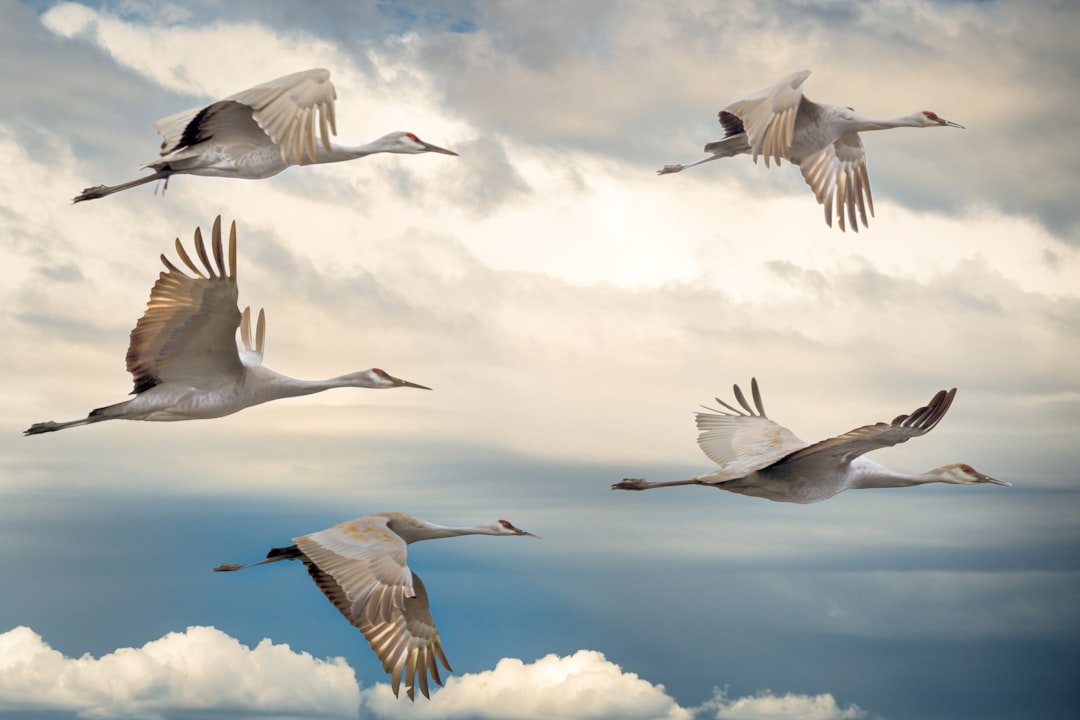
Nature is a living testament to change. Trees bend with the wind, rivers carve new paths, and animals adapt to survive. These examples encourage us to embrace change, stay flexible, and find strength even in adversity. Animals don’t resist seasonal shifts or fight against the natural cycles of life.
Leaves fall, flowers wilt, and rivers flow onward. Nature’s cycles remind us that letting go is a natural part of life. By releasing what no longer serves us, we make space for new growth and opportunities. Every migration, every molt, every adaptation shows us that clinging to the familiar can prevent us from experiencing something even better.
Responding Rather Than Reacting to Stress
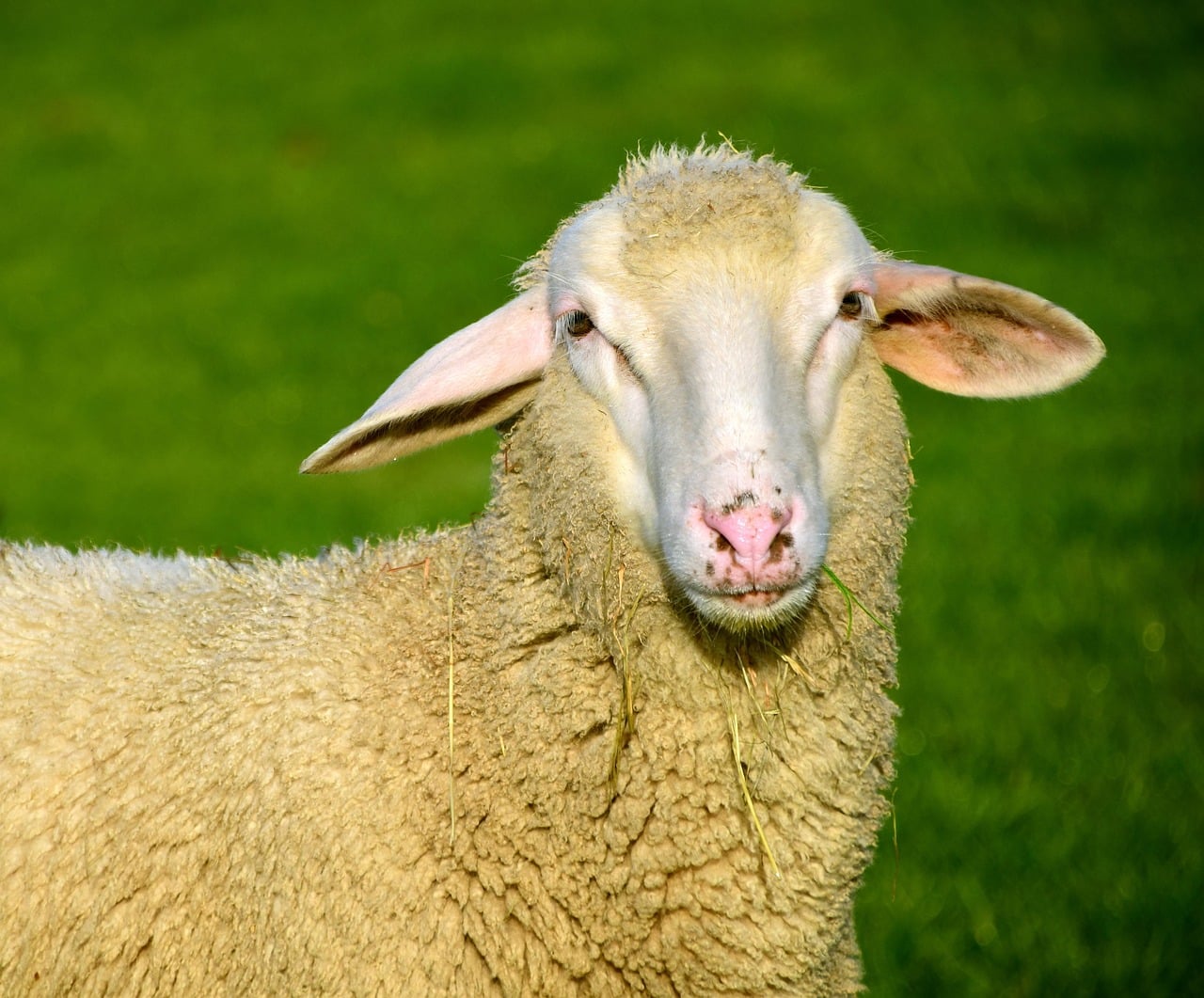
While animals, certainly, suffer grief, misfortune, and misery, they move past them with greater poise than we humans often do. This remarkable ability stems from their natural response to stress rather than their reaction to it. Animals process difficult experiences and then return to their baseline state of being.
By nature, sheep are non-judgmental and show full awareness in presence. This mirrors the attitude prompted in mindfulness of being present, non-judgmental, accepting, and compassionate which can be especially beneficial for patients with a trauma history. Their non-judgmental presence teaches us that we don’t have to analyze or assign blame to every challenging situation we encounter.
Embodying Non-Judgmental Acceptance
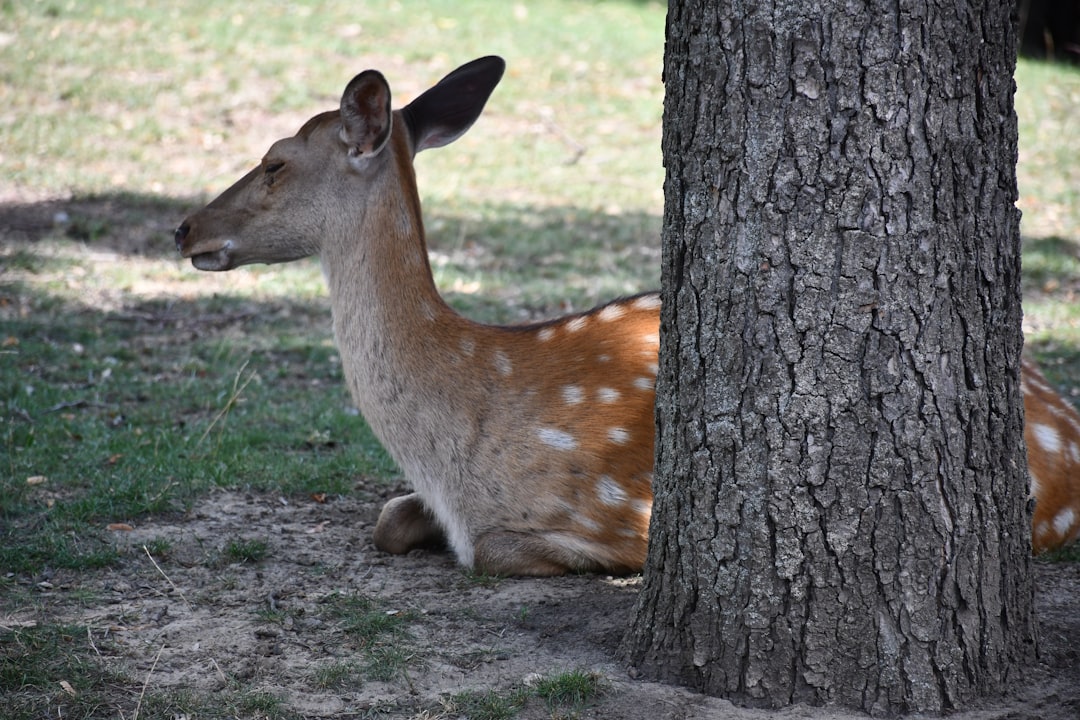
The most skittish animal can learn to forgive and love again, even if it’s a journey to get there. They never judge us for who we are or what we do. They know right away if we have good intentions or not. This profound acceptance extends not just to humans but to their entire environment and circumstances.
Their acceptance of things is how they become mindful. Unlike humans who often get caught up in should-have-beens and what-ifs, animals accept what is and work from there. This doesn’t mean passive resignation, but rather an active engagement with reality as it actually exists rather than as we wish it would be.
Finding Peace in Simplicity
The wave is simply a wave and it is happy about this. It enjoys its short life on this earth and it does not try to live forever or think that it exists separately from other waves and from the ocean. The wave does not become attached to things such as money, career, reputation, and possessions. The wave knows that due to impermanence, becoming attached in this manner would be futile and would only lead to suffering. If we look deeply, there is wisdom in how the wave lives its life and the wave can help us to become better mindfulness practitioners by accepting and living in harmony with the laws of nature.
Animals demonstrate this same contentment with their essential nature. A cat doesn’t wish to be a dog, and a sparrow doesn’t envy an eagle. This acceptance of their authentic selves frees them from the exhausting pursuit of being something they’re not. Other species don’t overwork themselves; they enjoy every moment of downtime they get to re-energize and relish in life’s beauty. Look at pigs – they engage in natural behaviors like mud wallowing for thermoregulation and rest according to their circadian rhythms. While this might appear leisurely to us, we could actually learn from their ability to balance activity with necessary rest and recovery.
Conclusion

The animals around us are living masters of letting go. They show us daily what it looks like to trust life’s flow rather than fighting against it. From the bird that doesn’t worry whether tomorrow’s branch will hold its weight to the cat that accepts each moment exactly as it comes, our animal teachers demonstrate that surrender isn’t about giving up power, it’s about finding a different kind of strength.
Letting go of our attachment to being right or wrong frees us to align ourselves with what we value most. Perhaps the greatest lesson animals offer us is that control is largely an illusion anyway. True peace comes not from managing every detail of our lives, but from developing the trust and flexibility to dance with whatever comes our way. What do you think about embracing this animal wisdom? Tell us in the comments.

- 12 Surprising Facts About Reindeer - July 30, 2026
- 10 Common Bird Feeder Mistakes That Could Harm Your Backyard Visitors - July 30, 2026
- How Beavers Are Naturally Restoring Wetlands and Preventing Flooding - July 30, 2026