

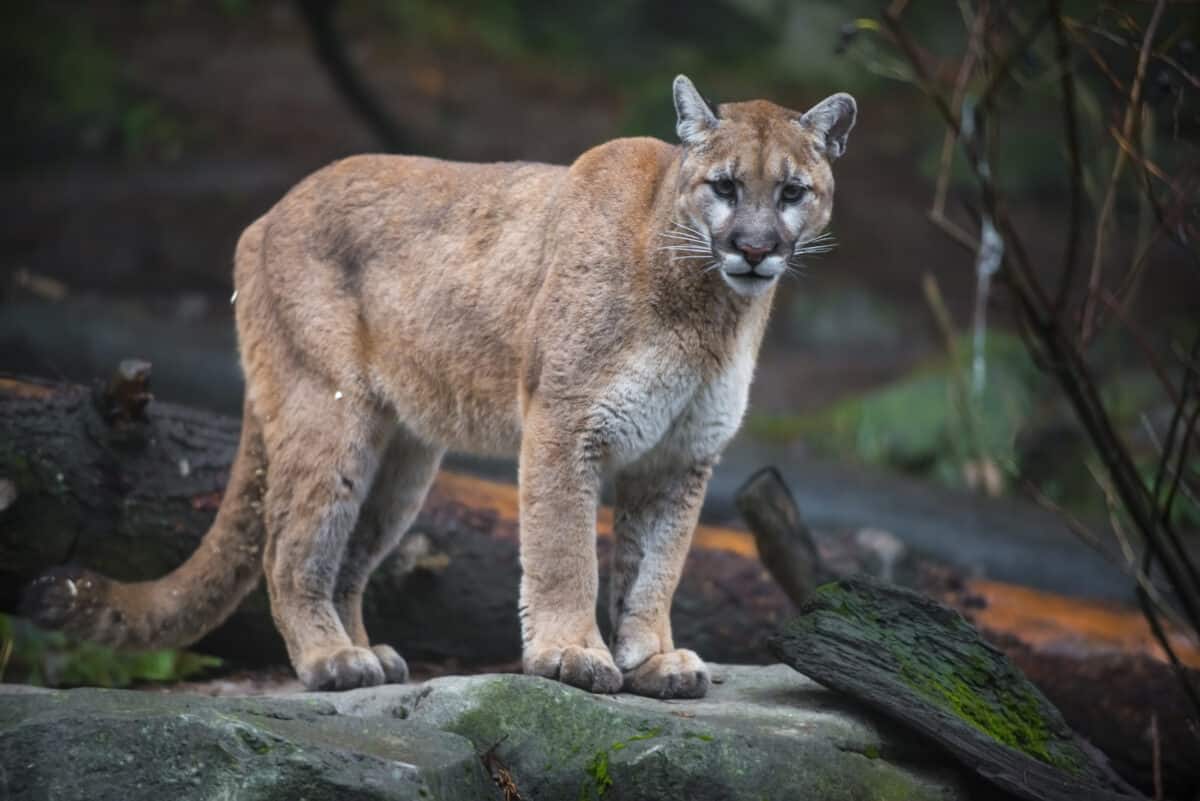
Imagine hiking through a pine forest at dusk when a flash of tawny fur catches your eye. A mountain lion — silent, powerful, and unblinking — is watching you. Your instincts scream don’t move. But another part of you wonders: could you hold your ground and stare back? Would that make it back off — or trigger something far more dangerous? Wildlife experts say the answer lies deep in the psychology of predators, body language, and evolution itself.
1. The Predator’s Gaze: A Language Older Than Words
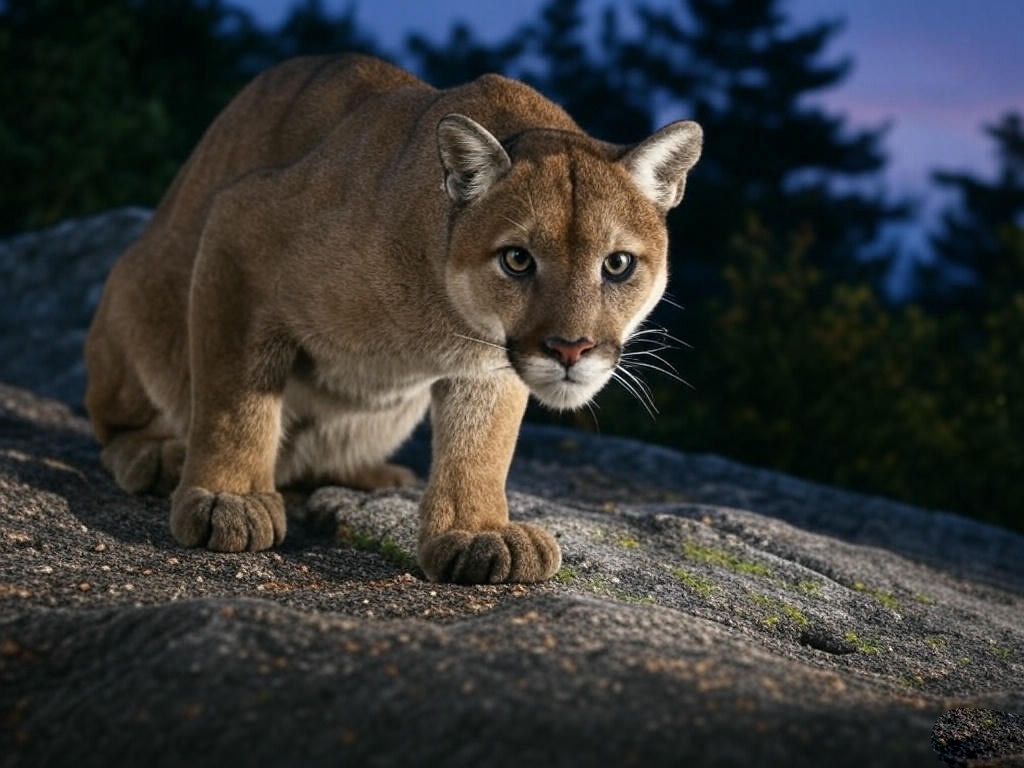
In the animal kingdom, eye contact is far from casual. For predators like mountain lions, direct staring often signals dominance or threat. Unlike humans, who see eye contact as connection, wild cats interpret it as a challenge.
According to wildlife biologist Mark Elbroch, who has spent decades studying pumas, “Locking eyes with a mountain lion tells it you’re aware — and you’re not prey.” But holding that gaze too long can also escalate tension. The big cat must then decide: retreat or engage.
2. Why Mountain Lions Stare First
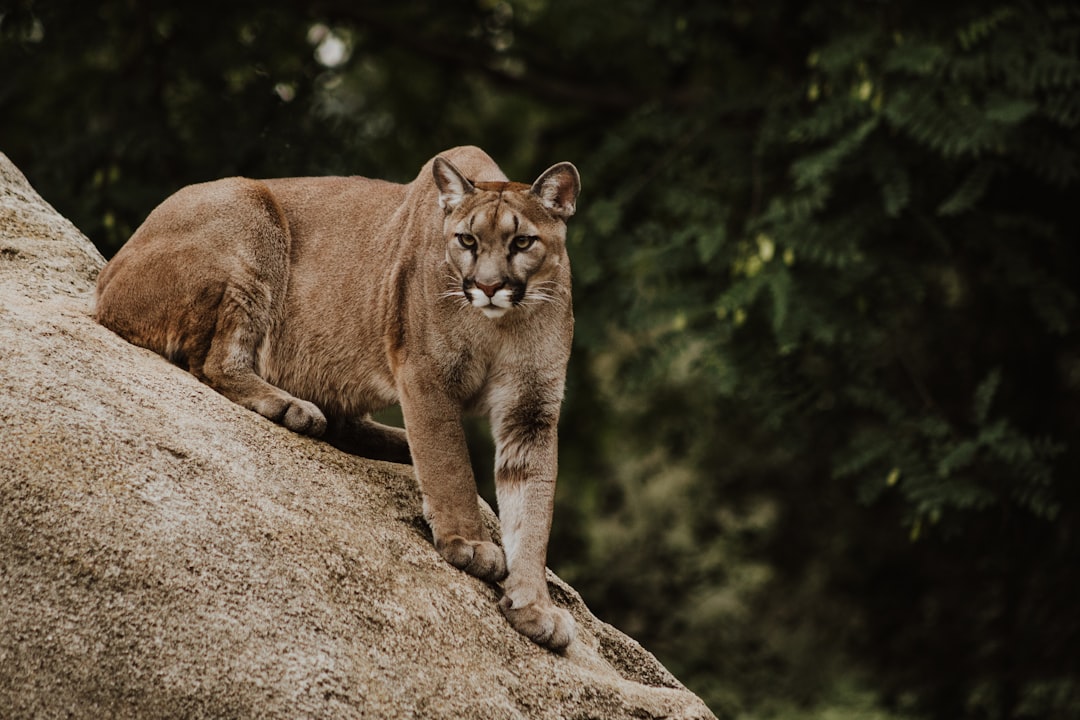
Mountain lions are ambush predators. They rely on stealth, not speed, and prefer surprise over confrontation. When a lion is spotted, it loses its greatest advantage — invisibility. That’s when the stare begins.
By watching you intently, the lion assesses your behavior: are you running, freezing, or showing confidence? It’s a test. Any sign of panic could mark you as weak — prey-like. Calm, alert stillness, however, signals that you’re aware and potentially dangerous.
3. Can Humans Actually “Win” a Staring Contest?

Experts agree that you can’t truly outstare a mountain lion — but you can project dominance through confidence and posture. Eye contact helps show you’re alert, but it’s not about winning the stare — it’s about not looking afraid.
“If you avert your eyes and crouch, you look like prey,” says wildlife ranger Laura Connelly. “But if you stand tall, maintain eye contact briefly, and make yourself look bigger, most lions will back off.” The key is calm assertiveness, not aggression.
4. The Science of Fear and the Freeze Response
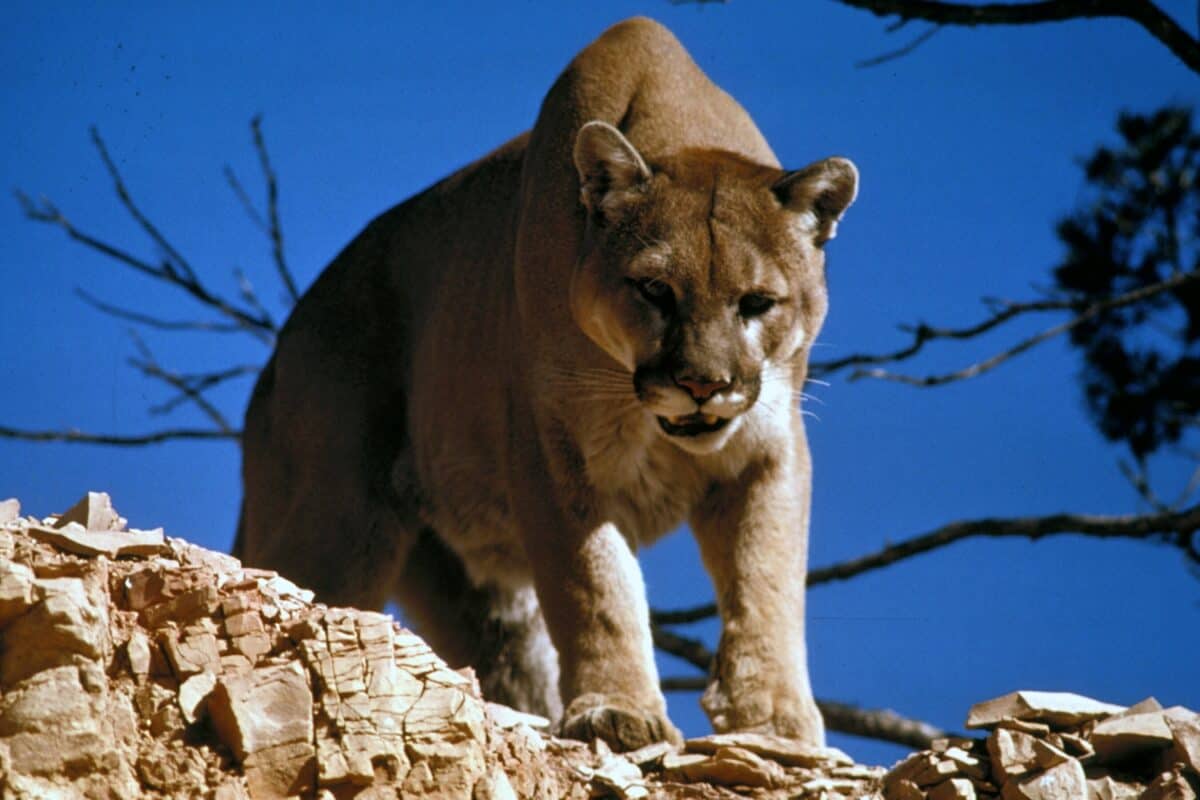
When faced with a predator, humans experience the fight, flight, or freeze response — a surge of adrenaline designed to save our lives. But mountain lions, attuned to movement, may see sudden flight as an invitation to chase.
That’s why experts insist: never run. Your best chance lies in slowing your breathing, keeping your gaze fixed without glaring, and slowly retreating while facing the animal. This confuses its hunting instinct and signals that you’re not easy prey.
5. How the Mountain Lion Interprets Your Behavior
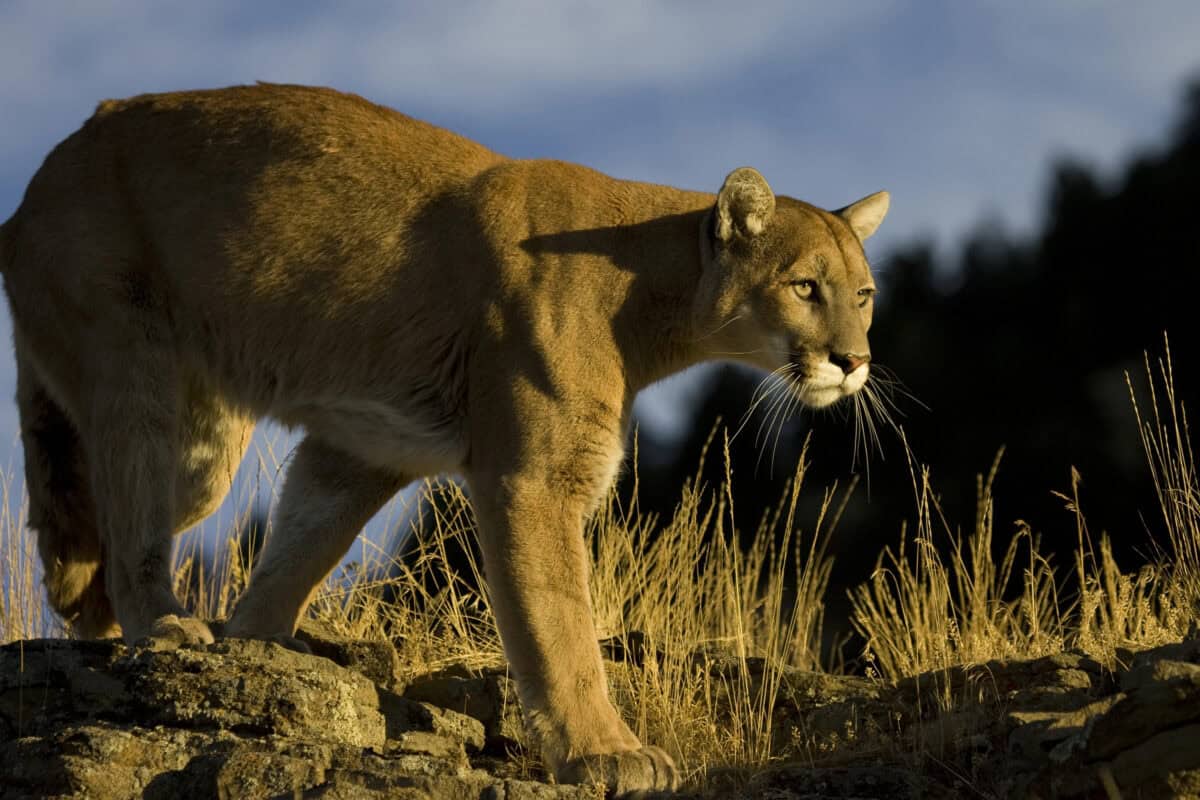
Mountain lions rely on body language more than anything else. A confident stance and direct gaze signal danger, while turning your back or crouching signals submission. “To a mountain lion, size and confidence equal survival,” says predator ecologist Dr. Chris Wilmers of UC Santa Cruz.
Even subtle cues — your posture, breathing rate, or shaking hands — can affect how a lion perceives you. It’s not about aggression but presence. You must convince the cat that engaging you isn’t worth the risk.
6. Historical Encounters: When Eye Contact Saved Lives
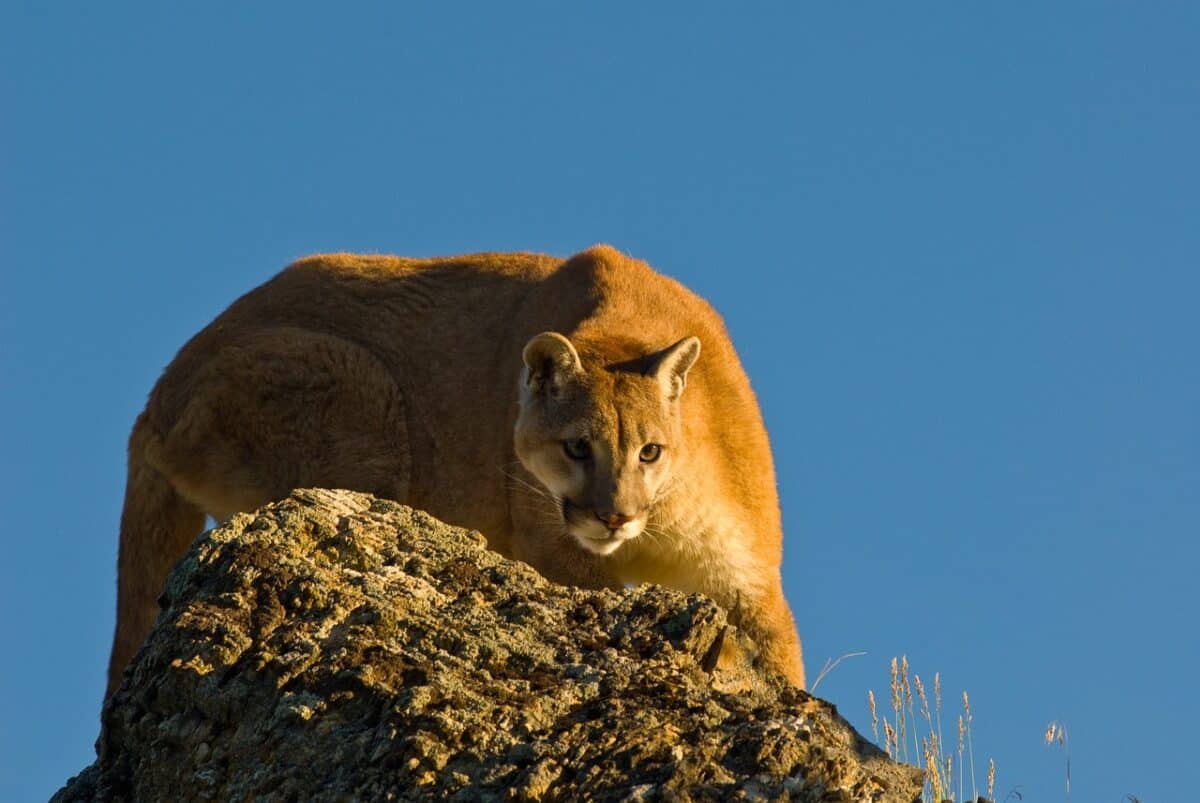
There are numerous reports of people surviving lion encounters through eye contact and assertive posture. In Colorado, 2019, hiker Travis Kauffman fought off a young mountain lion after it ambushed him — but not before locking eyes for several seconds. “It was sizing me up,” he said later. “Once I made noise and stood tall, it hesitated.”
In many recorded cases, people who kept visual contact and made themselves appear larger survived without attack. Those who panicked or turned away triggered pursuit — with tragic outcomes.
7. Why the Stare Reflects Evolution Itself
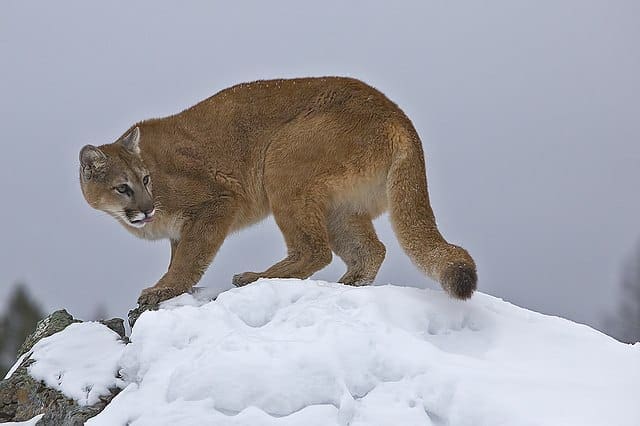
Humans and big cats share a long evolutionary dance. Our ancestors survived by learning to read predators — and mimic their confidence. Standing tall, using our eyes, and facing danger head-on were survival strategies long before weapons or fire.
That instinct remains buried in us. When you meet a predator’s stare, you’re engaging in an ancient negotiation between hunter and hunted — a moment that connects you to the primal laws of nature itself.
8. What Experts Recommend If You Ever Encounter One

Wildlife authorities, including the California Department of Fish and Wildlife, offer clear steps:
- Do not run. Running can trigger a chase.
- Face the animal and maintain eye contact. Show you’ve seen it.
- Make yourself appear larger. Raise your arms, open your jacket, or hold your backpack high.
- Speak firmly and calmly. Your voice reinforces dominance.
- Back away slowly. Never turn your back or crouch down.
- If it attacks, fight back. Use sticks, rocks, or even your fists — mountain lions respect resistance.
The goal isn’t to outstare — it’s to outsmart. Show strength, not fear.
Could you outstare a mountain lion? Not in the literal sense — their eyes evolved for the hunt, not conversation. But you can meet their gaze with something equally powerful: human awareness. By standing tall, staying calm, and showing intelligence, you remind the wild that you are not easy prey.
In the end, survival in such a moment isn’t about strength or courage — it’s about understanding. The mountain lion’s stare is nature’s question. How you respond determines the answer

- 8 Mysterious Spirit Animals Associated with the Zodiac Sign Scorpio - July 29, 2026
- 23 Dog Breeds Trainers Say First-Time Owners Regret - July 29, 2026
- 18 Horse Breeds Farriers Say Are Hard on Hooves - July 29, 2026