
In the wild expanses of North America, Europe, and Asia, few creatures embody loyalty as powerfully as the gray wolf. These magnificent predators have captivated humans for millennia, not just through their haunting howls echoing across wilderness landscapes, but through their extraordinary devotion to family. While popular culture often portrays wolves as ruthless, alpha-dominated hierarchies, scientific research reveals a far more fascinating truth about their social bonds.
Recent studies have shattered many myths about wolf behavior, uncovering a complex world where family comes first and individual sacrifice for the greater good defines survival. What makes these creatures so intensely loyal to their pack members? The answer lies in a sophisticated blend of evolutionary strategy, emotional intelligence, and social cooperation that rivals some of the most advanced species on Earth. Let’s dive into the remarkable world of wolf loyalty and discover why these bonds remain virtually unbreakable.
The True Nature of Wolf Pack Structure
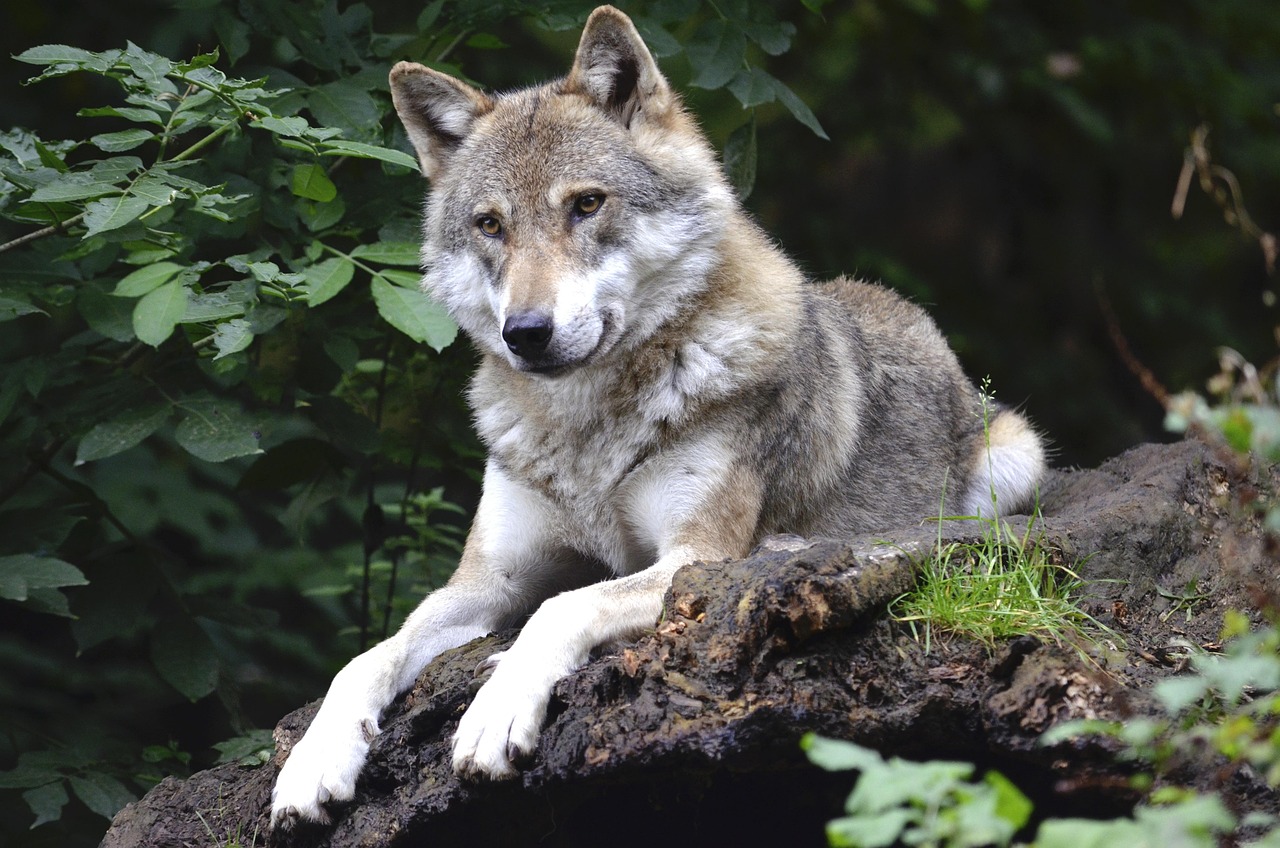
Contrary to popular belief, wolf packs don’t operate under an “alpha” system where leaders fight their way to dominance through aggression and competition. Modern research has completely overturned this misconception, revealing that wolf packs function more like howling nuclear families than military-style hierarchies.
The typical wild wolf social structure is based around a bonded male–female pair that raises pups communally. These breeding pairs naturally assume leadership roles not through violence, but simply by becoming parents. Think of it like a human family where mom and dad make the rules because they’re the adults, not because they defeated other family members in combat.
A pack often consists of 5–10 (rarely exceeding 15 even in areas of high prey abundance) mostly related individuals, specifically consisting of a typically unrelated breeding pair, their offspring, and occasionally a handful of other wolves. The offspring of a bonded pair may forego dispersal and remain with their native pack and help raise later litters, creating multi-generational family units bound by blood and shared responsibility.
Communication Systems That Strengthen Bonds
Wolves communicate, collaborate and share knowledge across generations, with pack structure enabling communication, the education of the young and the transfer of knowledge across generations. Their sophisticated communication network goes far beyond the iconic howl, encompassing a rich tapestry of vocalizations, body language, and chemical signals.
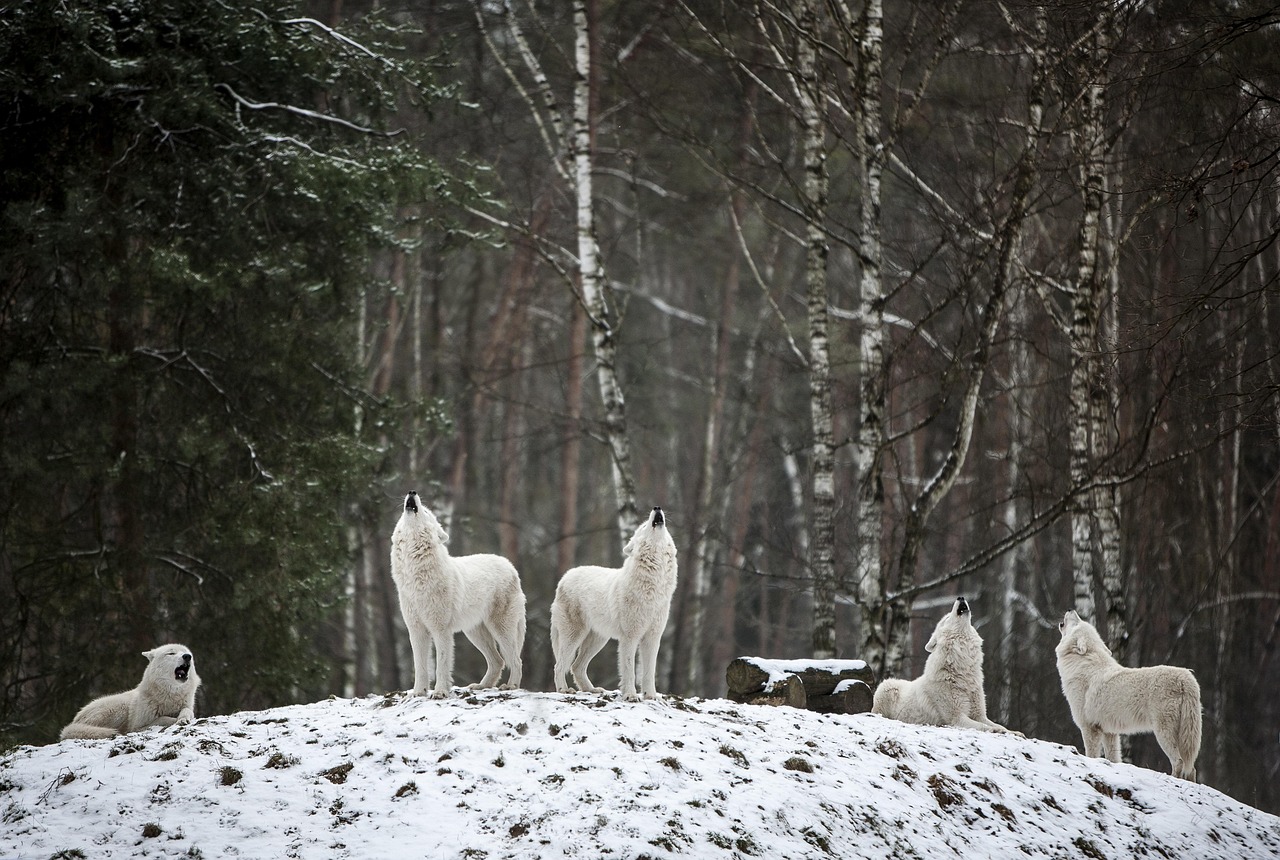
Wolf howls can travel up to six miles in ideal conditions, serving multiple functions including inter-pack territorial behavior, rallying separated pack members after a hunt, maintaining strong family bonds, and attracting mates. What’s truly remarkable is that wolves seldom howl on the same note continuously; individual wolves howling in chorus will change the frequency and pitch of their howls to make it sound as if their pack contains more members than it actually does.
Howling allows wolves to maintain contact with their pack and other wild wolves even when separated by long distances, with wolves able to hear howls from as far as 16 kilometres away, each wolf having a distinct howl used to defend territory, locate pack members, and convey messages. This intricate communication system ensures pack cohesion even across vast territories.
Emotional Intelligence and Individual Relationships
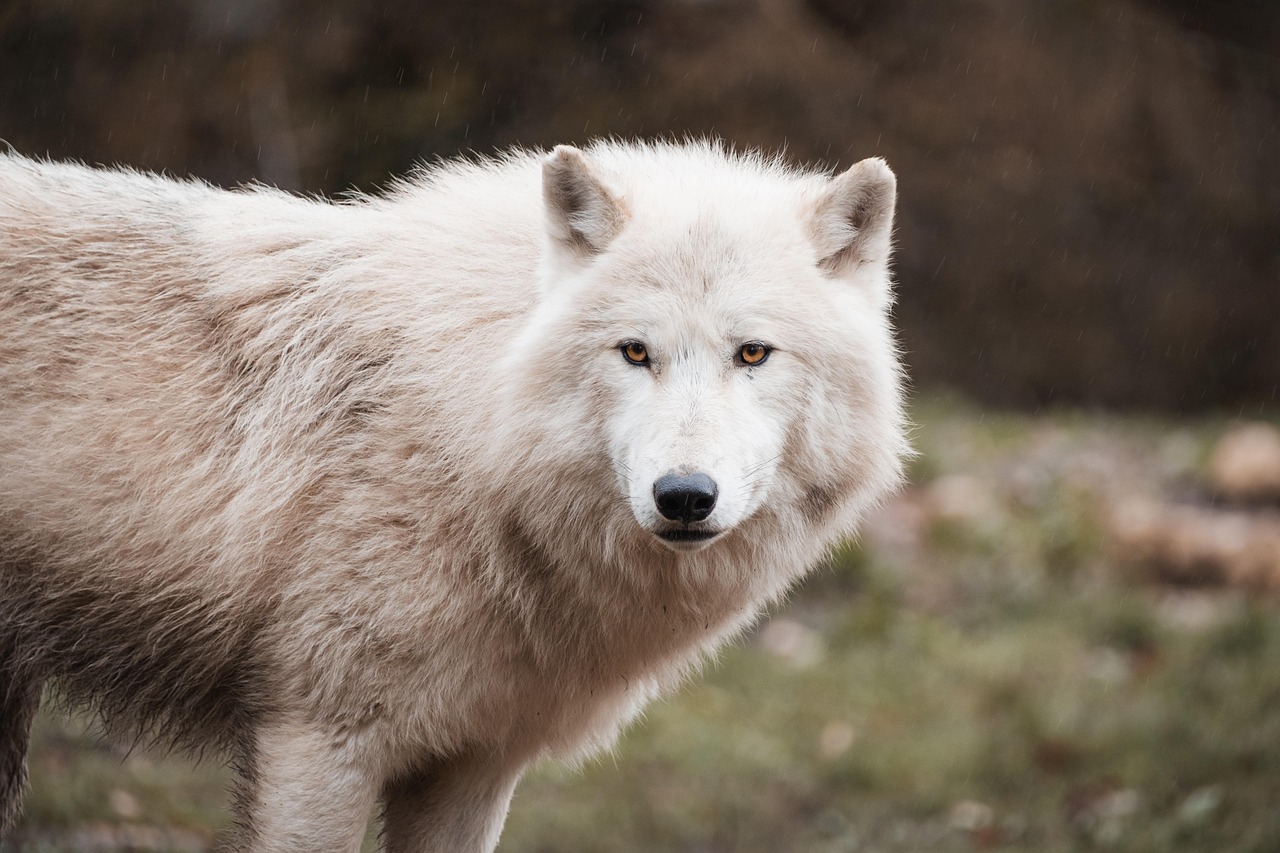
Wolves care for each other as individuals, forming friendships and nurturing their own sick and injured. This level of individual recognition and emotional investment sets wolves apart from many other social species and forms the foundation of their legendary loyalty.
Wolves can make peace after aggression, console victims of a conflict, and calm down the aggressors, with this set of behaviors requiring social attentiveness towards others’ emotional state and the ability to coordinate appropriate reactions. These sophisticated post-conflict behaviors demonstrate emotional intelligence that rivals primates and dolphins.
When they lose a pack mate, there is evidence that they suffer and mourn that loss. They are loyal and they mourn, re-affirming and celebrating their social and emotional bonds when they reunite after time apart or howl across their domain. This capacity for grief and celebration reveals the depth of emotional connections within wolf families.
Cooperative Survival Strategies
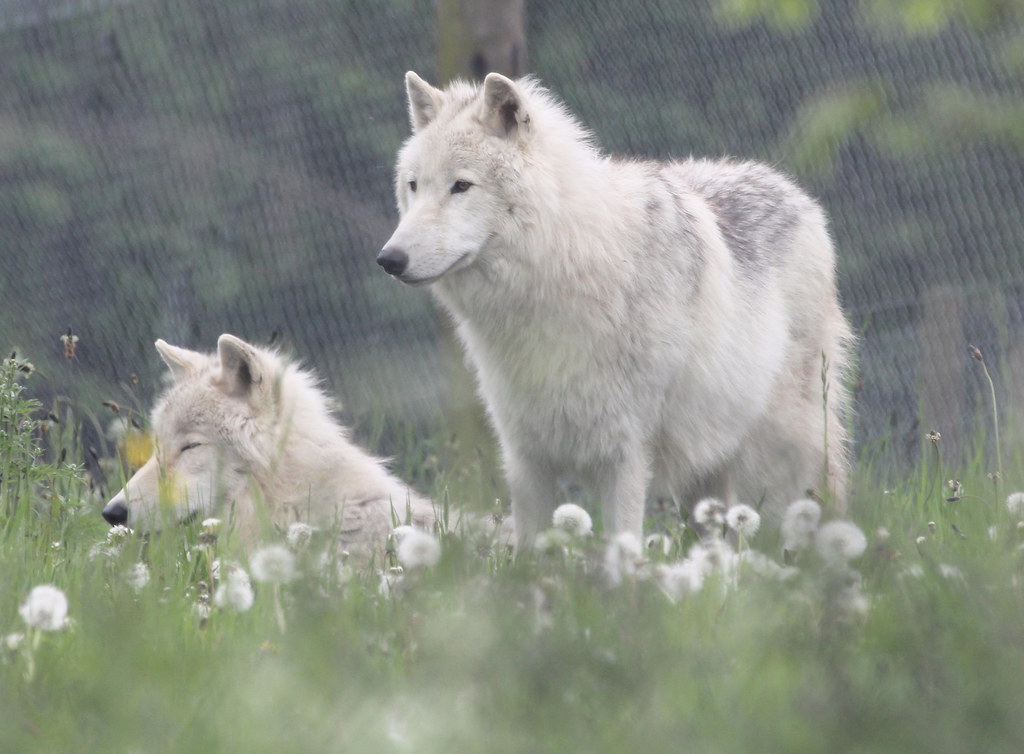
The pack functions as a unit in which each individual collaborates in territory defense, hunting, and rearing of offspring, with subordinates able to provide help to dominants to obtain social tolerance in a sort of commodity exchange. This mutual dependency creates unbreakable bonds because every pack member’s survival depends on the group’s success.
Packs are highly dependent upon their leaders, and when an alpha is killed, the pack often breaks up into groups of one, two or three, which wander off in search of forming their own packs. This demonstrates how central family bonds are to wolf survival – without their core family structure, even adult wolves struggle to maintain pack cohesion.
In studies comparing wolves and dogs, wolves behaved more prosocially toward their fellow pack members than pack dogs, supporting hypotheses that prosocial behaviors seen in pet dogs can be traced to ancestral traits. This research confirms that loyalty and cooperation are hardwired into wolf genetics, making their pack bonds genuinely unbreakable at a biological level.
Cultural Knowledge Transfer
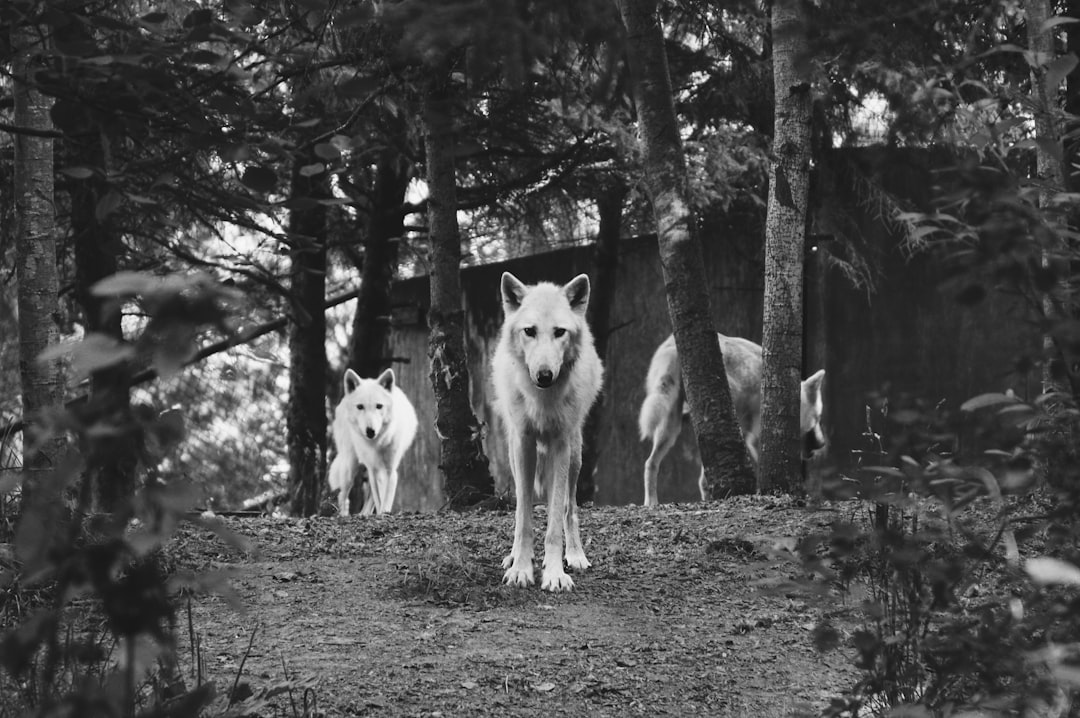
Wolves and other highly social animals have and pass on what can be best described as culture, with family groups persevering for several generations, even decades, carrying knowledge and information through the years, from generation to generation. This cultural inheritance creates loyalty that extends beyond immediate family to ancestral traditions and territorial knowledge.
The older wolves, as more experienced hunters, share hunting strategies and techniques with younger wolves, passing down knowledge from one generation to the next, maintaining a culture unique to that pack. There exists a culture within wolf packs that is passed on to offspring by the elders, with pups learning from each member and attaining vital social skills required to create powerful bonds upon which the wolf’s societal structure relies.
Territory for wolves extends beyond mere physical space; it represents a “cultural inheritance” where young wolves acquire environmental knowledge from older pack members, including crucial information about water sources, migration routes, and prey patterns, preserved like a repository of competitive intelligence. This shared knowledge base makes abandoning the pack equivalent to losing generations of survival wisdom.
The Ultimate Test of Loyalty
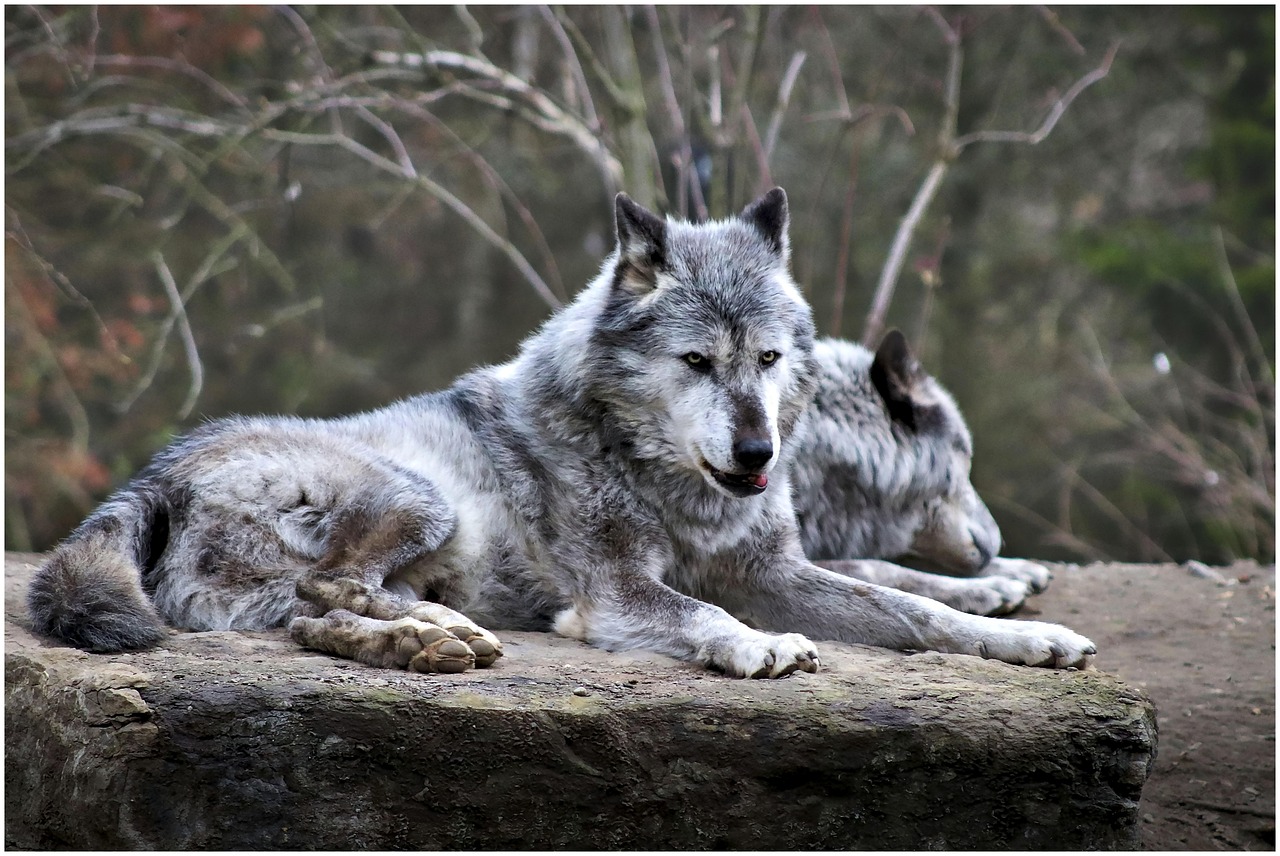
Wolf packs are highly territorial and will jealously guard their turf with gang-like intensity. There are sometimes fatal wolf-on-wolf battles, with packs being every bit as territorial, sometimes resulting in entire packs being eliminated by rivals, as recently happened when a breeding pair and one offspring were killed on separate occasions.
A wolf that finds itself alone isn’t likely to be accepted if it wanders into another pack’s territory, with exceptions to accepting outsiders being few and far between. This harsh reality makes pack loyalty a matter of life and death – wolves literally cannot survive without their family bonds.
A lone wolf is a wolf that is searching, and what it seeks is another wolf, with everything in a wolf’s nature telling it to belong to something greater than itself: a pack. Like us, wolves form friendships and maintain lifelong bonds, succeeding by cooperating and struggling when alone, needing one another just as humans do.
reveals itself as no mystery at all, but rather an elegant solution perfected by evolution over thousands of years. Their loyalty stems not from blind obedience or alpha dominance, but from sophisticated emotional intelligence, cultural knowledge sharing, and mutual dependency that makes each pack member irreplaceable. In a world where survival depends on cooperation, wolves have discovered that the strongest bond isn’t forged through conquest, but through genuine care for family.
What do you think about this remarkable display of loyalty in the natural world? Does it remind you of bonds in your own life that seem equally unbreakable?

- 10 Most Famous Ghost Towns in The USA - July 28, 2026
- Why Gardening Is an Ideal Hobby for Zodiac Earth Signs - July 28, 2026
- The 12 Deadliest Animals in Minnesota - July 28, 2026