

Throughout history, we’ve told stories about animals that reveal more about us than about the creatures themselves. These ancient tales weren’t simply entertainment or primitive explanations for natural phenomena. They served as mirrors, reflecting our deepest fears, desires, and behavioral patterns back at us in ways we could understand and remember.
Think about it for a moment. When an ancient storyteller described a fox as cunning or portrayed a wolf as fierce, they weren’t conducting wildlife research. Psychology and ethology have emphasized the irrational (or brutish) elements of human beings and suggested close analogies between animal and human behavior. These myths functioned as psychological roadmaps, helping communities make sense of their own complex nature through familiar animal behaviors.
The Psychological Mirror of Animal Symbolism
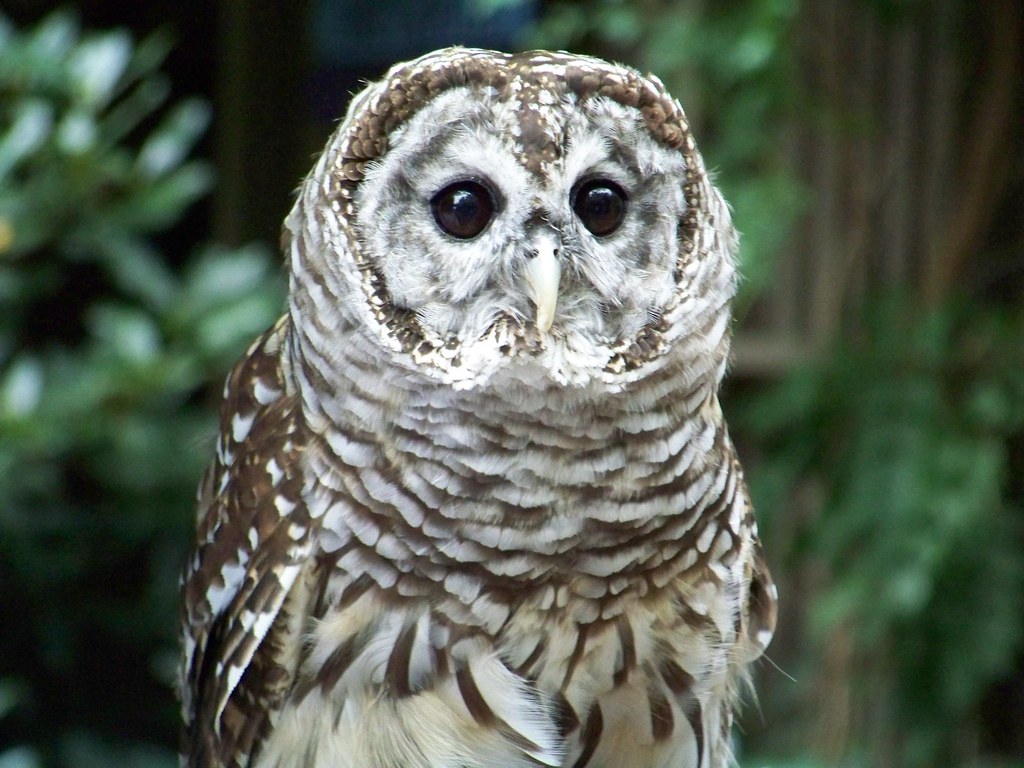
Ancient cultures understood something profound about human psychology that we’re only now rediscovering through modern neuroscience. We tie animals with strong feelings that we have for specific ideals. The stag is associated with virility and honor, the wolf with power and fury, the dog with loyalty, and bear with strength, the bull with endurance These associations weren’t random choices but reflected deep-seated psychological patterns.
What’s fascinating is how these animal archetypes tap into what Carl Jung called the collective unconscious. When animals appear in our unconscious, they typically symbolise our instincts. Though it is more complicated than that, as each animal has a different instinctual impulse, which is based on biological survival, but also on instinctual images or archetypes. It is the latter that provide us with the symbolic patterns of the collective unconscious The ancient Greeks didn’t need psychology textbooks to understand that humans struggled with primal instincts alongside rational thought.
Transformation Stories and Human Identity
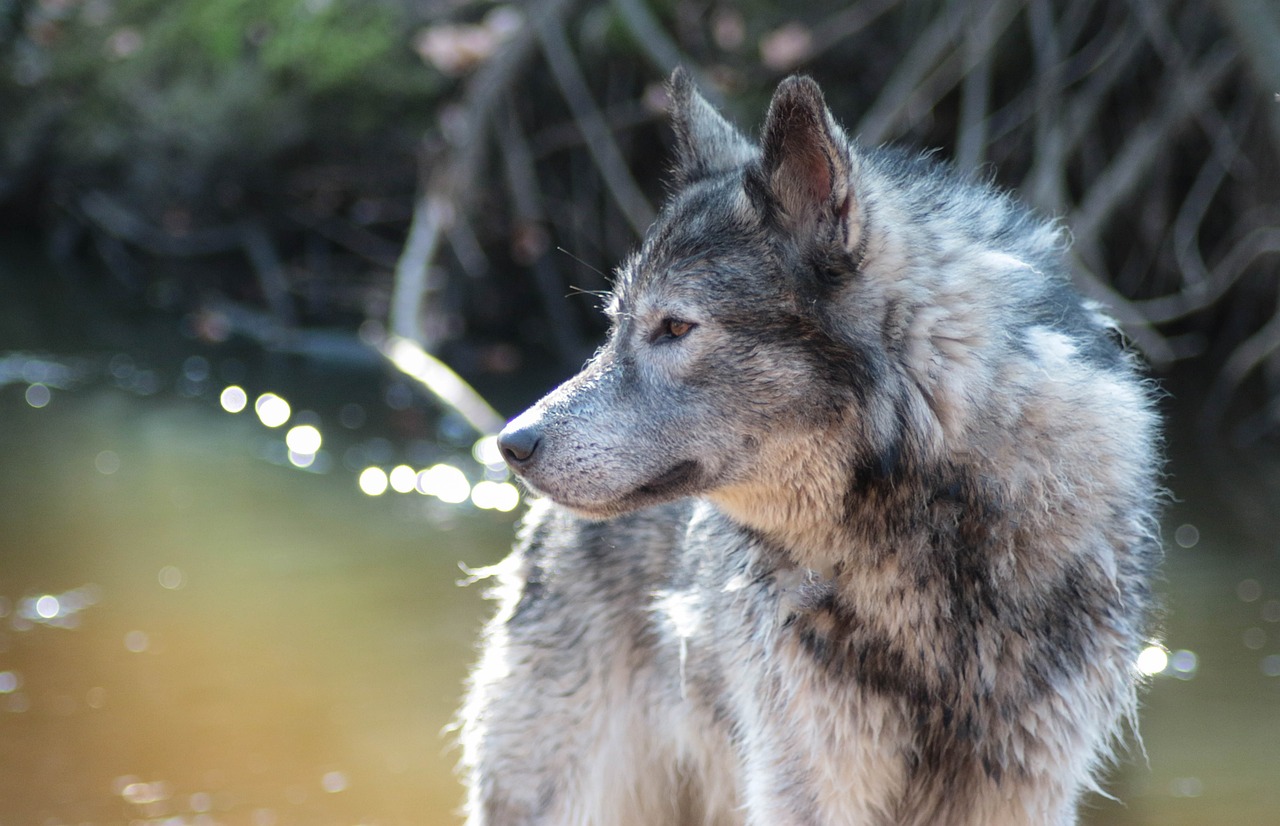
Perhaps nowhere is this psychological insight more evident than in transformation myths. From werewolf legends to Native American shape-shifting stories, Native American mythologies describe a time in the past when the boundaries between people and animals were less sharply drawn and beings freely changed form. This is known as shape shifting. These tales explored fundamental questions about human nature and identity.
The Greeks gave us Ovid’s Metamorphoses, filled with humans transformed into animals as punishment or blessing. Even though the body may turn animal, the mind remains human. As the seat of logos it contains our humanity while the body adds little, if anything, of substance. As such, rather than imagining what the world looks like from the point of view of a non-human creature, tales of metamorphosis ultimately come to reaffirm the view that the human stands apart from all other animals. These stories wrestled with the eternal question: what makes us truly human?
Pack Mentality and Social Hierarchies
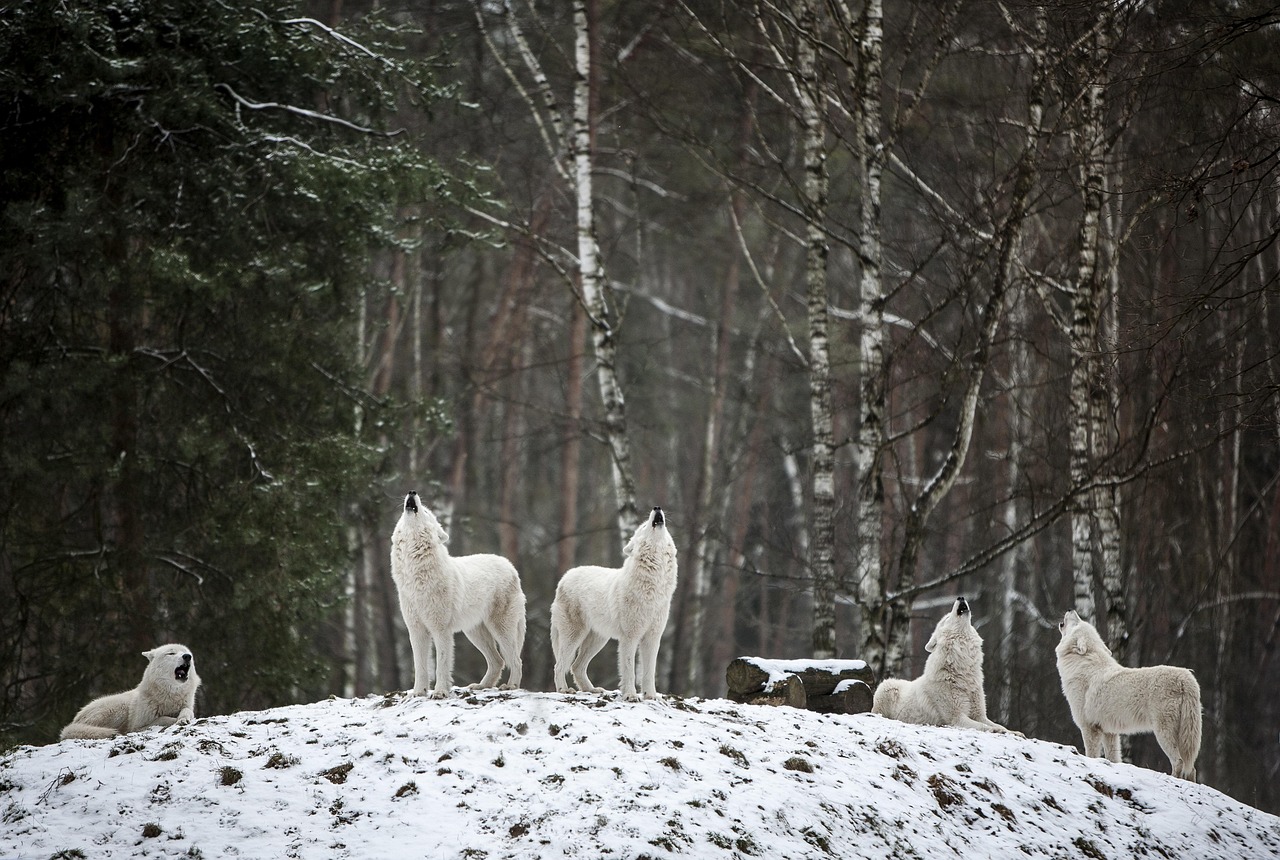
Modern behavioral science confirms what ancient myths always suggested about our social nature. The negative aspect of this archetype is an influence to slip back into archaic patterns of behaviour; to lose the ability to reflect upon and learn from what we do and feel. Then we might become the member of a pack, attacking or killing whatever is not of our group or type. We might slip back into the simple process of reproducing without bringing in the further levels of learning, culture and creativity open to us as humans. Wolf myths in particular captured this duality perfectly.
These stories recognized that humans possess both the capacity for sophisticated reasoning and the tendency toward tribal behavior. Ancient cultures understood that we could be noble leaders or follow destructive pack mentalities. The wolf served as both a symbol of fierce loyalty and dangerous mob behavior, reflecting the dual nature of human social organization.
The Trickster Archetype in Modern Psychology
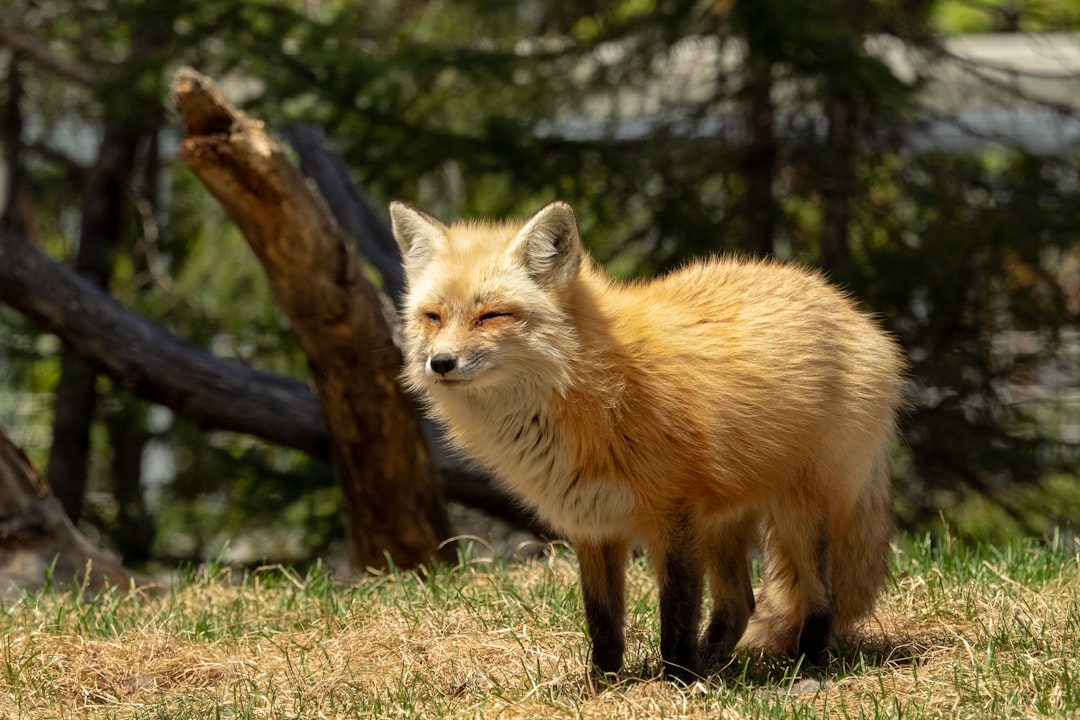
Trickster animals like foxes, ravens, and coyotes appear in myths worldwide, representing a particular aspect of human psychology that remains incredibly relevant today. Foxes in mythology have traditionally served as trickster figures, which may explain their psychological resonance with certain personality patterns – those who outsmart the hunter with charm, cunning behavior and stealth. As a trickster, foxes are often self-promoting, ambitious and expedient when it comes to getting their needs met. Sound familiar?
In our modern corporate world, we see trickster behavior everywhere. The charming salesperson who bends the truth, the ambitious colleague who takes credit for others’ work, the politician who changes positions based on polls rather than principles. Ancient storytellers understood that intelligence could be used for both creative problem-solving and manipulative gain. The trickster myths served as both warning and acknowledgment of this fundamental aspect of human nature.
Protective Instincts and Maternal Archetypes
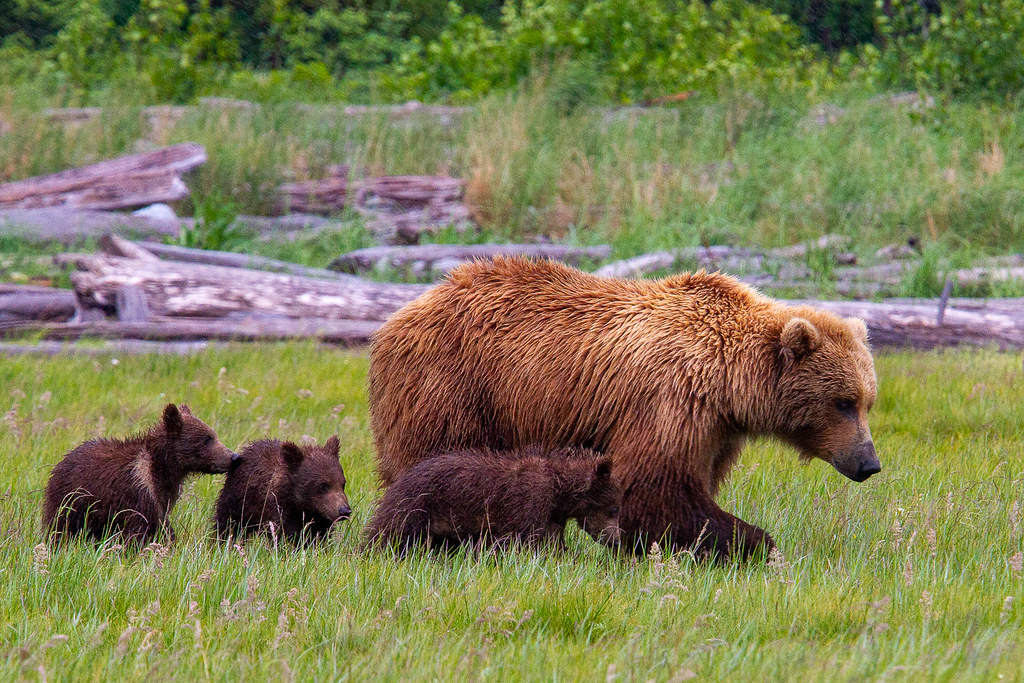
Bear myths across cultures consistently portray these animals as fierce protectors, particularly mothers defending their cubs. This symbolism taps into profound truths about human protective instincts. The mother archetype, then, is experienced and expressed by the mother bear nurturing and protecting her cubs. We are better able to understand and empathize with her because we share a deep intuitive understanding with the archetypal pattern of motherhood. These stories validated the intensity of parental love and the lengths humans will go to protect their children.
Modern neuroscience has identified specific brain circuits that activate when we perceive threats to our loved ones. The ancient bear myths weren’t primitive superstition but sophisticated psychological observations about mammalian protective behavior that applies directly to human experience.
The Wisdom Tradition and Animal Teachers
In some legends, animals perform heroic deeds or act as mediators or go-betweens for gods and humans. They may also be the source of the wisdom and power of a shaman, a person who has contact with the spiritual realm and uses magic to heal the members of his tribe. This reflects a sophisticated understanding of learning and mentorship that modern psychology confirms.
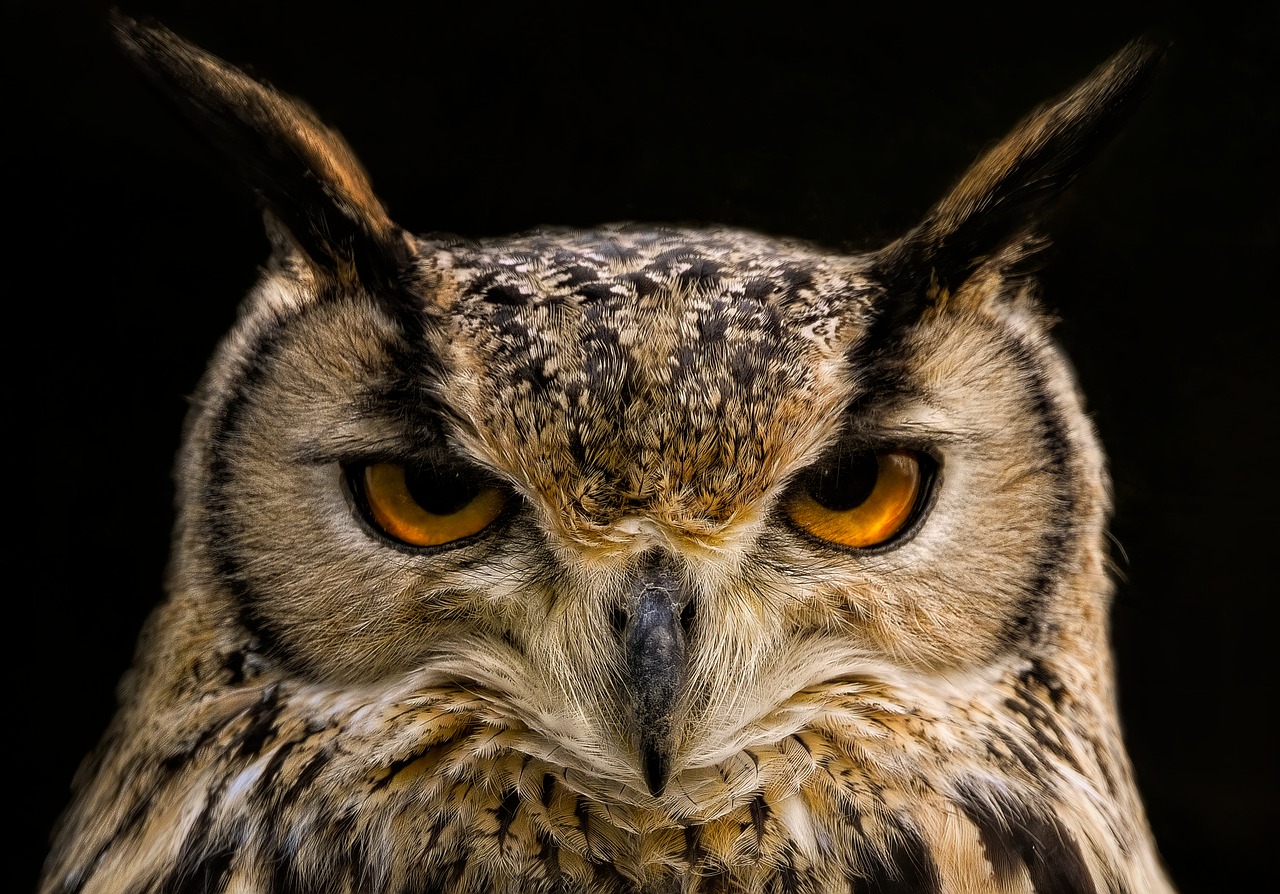
Owls representing wisdom, elephants symbolizing memory, and dolphins embodying playful intelligence weren’t random associations. Ancient peoples observed these animals carefully and recognized qualities they wished to cultivate in themselves. According to Jung, the animal is sublime and, in fact, represents the “divine” side of the human psyche. He believed that animals live much more in contact with a “secret” order in nature itself andfar more than human beingslive in close contact with “absolute knowledge” of the unconscious. These myths functioned as educational tools, teaching communities about different aspects of intelligence and behavior.
Fear and the Shadow Self
Not all animal myths were positive. Many cultures developed stories about dangerous creatures that embodied human fears and destructive impulses. In the form of the animal is exhibited all human feelings and failings. The savagery, the gentleness, the strength and vulnerability are all there in this archetype. In it we find the wisdom relevant to the profound patterns of behaviour and hierarchy that we as humans also live and struggle with. These dark animal spirits represented what Jung would later call the shadow self.
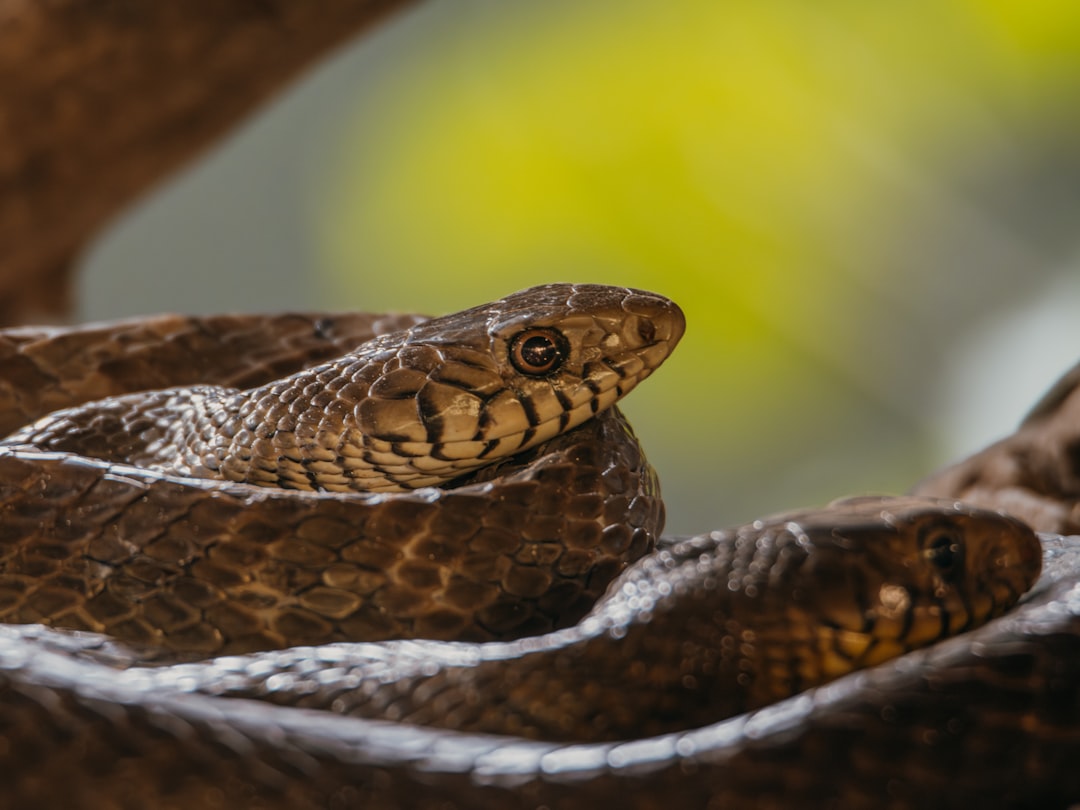
Dragons hoarding treasure, serpents representing temptation, and various monsters embodying chaos all served psychological functions. They gave communities a way to acknowledge and discuss the darker aspects of human nature without directly confronting them. These myths helped people understand that everyone possesses capacity for both creation and destruction.
Modern Implications and Continuing Relevance
Today’s behavioral research continues to validate insights from ancient animal myths. Research in primatology and behavioral science suggests that human nature represents not a break from the animal world but its most intricate expression. Every social interaction reflects our evolutionary lineage, with complex neural systems guiding our behavior as we navigate our social environment. We are indeed animals, but animals with unprecedented capacity for self-reflection and choice.
Understanding these ancient patterns helps us recognize our own behavioral tendencies. When we feel aggressive, we might recognize the wolf within us and choose how to channel that energy. When we’re being overly cunning, we can acknowledge the fox and decide whether that serves our higher purposes. The myths provide a vocabulary for self-understanding that remains remarkably relevant.
These ancient stories weren’t primitive attempts to explain the natural world. They were sophisticated psychological tools that helped our ancestors understand the complex, contradictory nature of human behavior. By projecting human qualities onto animals, they created safe spaces to explore difficult truths about aggression, cooperation, intelligence, and moral choice.
The next time you encounter an animal myth or find yourself drawn to a particular animal symbol, consider what aspect of your own psychology might be calling for attention. These ancient mirrors still reflect truths about who we are and who we might become. What animal archetype speaks most strongly to you, and what might that reveal about your own inner landscape?

- These 7 Historic US Battlefields Are Sacred Grounds Of Remembrance - August 2, 2026
- The JWST Found A Jekyll-and-Hyde Galaxy In The Early Universe - August 2, 2026
- 10 Heartwarming Ways A Chihuahua Shows They’ve Bonded With You - August 2, 2026