

Most people walk past them every single day without a second thought. They’re the birds you shoo away from your lunch, the ones bobbing their heads along city sidewalks, seemingly oblivious. Honestly, “flying rats” is probably the kindest nickname they’ve been given. Yet beneath those iridescent feathers lives one of the most cognitively remarkable creatures sharing our urban world.
Science has been quietly rewriting the story of pigeon intelligence for decades, and in 2026 that story has gotten genuinely jaw-dropping. These birds have outsmarted lab experiments, outperformed trained professionals, and even nudged the development of modern artificial intelligence. So before you wave one off your park bench again, you might want to keep reading.
The Brain in a Bird: What Science Actually Says
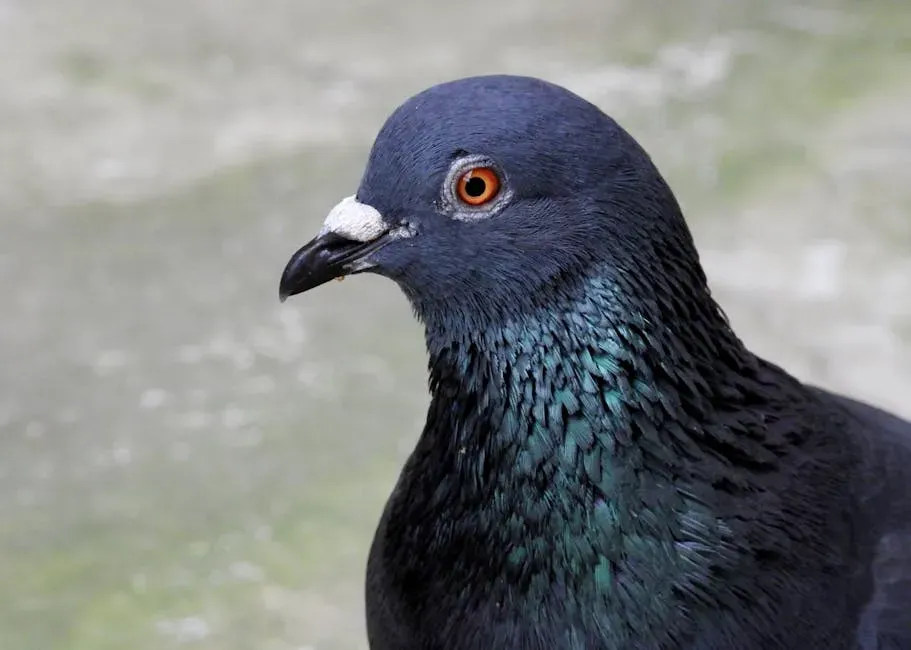
Let’s be real. When most of us picture animal intelligence, we picture dolphins, chimpanzees, maybe a Border Collie with an impressive trick repertoire. Pigeons? Not exactly on the shortlist. That assumption, it turns out, is embarrassingly wrong.
Pigeons have featured in numerous experiments in comparative psychology, including experiments concerned with animal cognition, and as a result we have considerable knowledge of pigeon intelligence. The sheer volume of research dedicated to these birds is staggering, and what keeps emerging from those studies consistently defies expectations.
Research shows that pigeons have amazing visual, numerical and memory abilities on par with some of the smartest species. Think about that for a moment. Not “pretty good for a bird.” On par with some of the smartest species, full stop.
When mice and some avian species are assessed with cognitive test batteries, performance positively correlates, and the first component extracted has similar properties to what scientists call the “g factor” for general intelligence. The pigeon is an ideal subject to overcome limitations in these studies since pigeons, humans, and other primates are frequently given similar tasks. In other words, researchers are essentially giving pigeons the same IQ-style tests used on primates. The results keep surprising everyone.
The Navigation Marvel: A GPS That Predates Technology
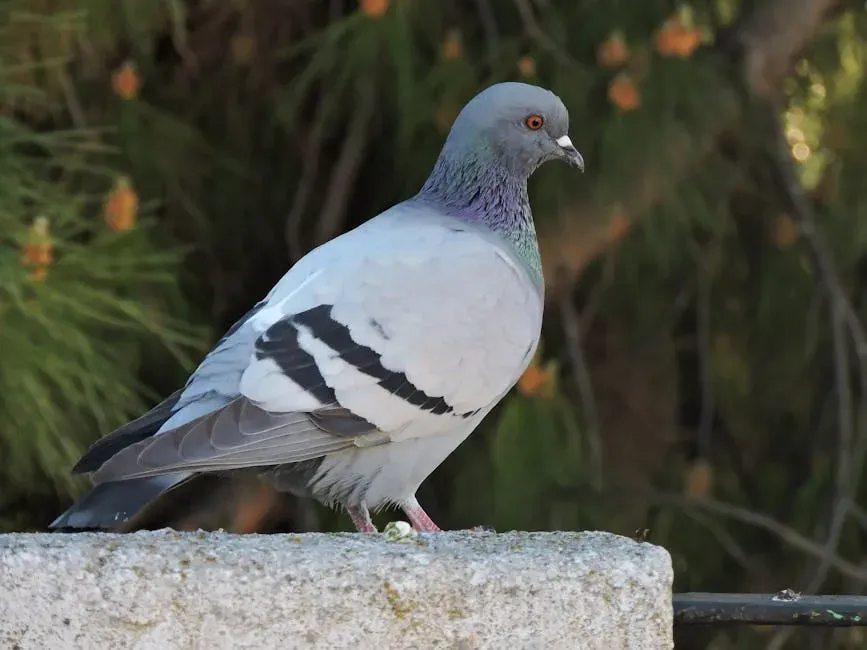
Here’s the thing that genuinely blows my mind about pigeons. Long before smartphones, satellites, or Google Maps, these birds were solving one of the hardest problems in navigation: finding their way home across enormous distances with almost no margin for error.
One of the strongest arguments for pigeon intelligence lies in their legendary homing ability. Domesticated pigeons can return to their lofts from distances exceeding 1,000 miles. This isn’t just instinct – it involves cognitive mapping, memory of visual cues, and possibly sensing the Earth’s magnetic field.
Scientists believe pigeons use a combination of navigational tools: visual landmarks like roads, rivers, and buildings; sun compass orientation using the position of the sun and internal clock; magnetic sense to detect subtle variations in Earth’s magnetic field; and even olfactory cues in some populations. That is a multi-sensory, constantly updating system. It’s less “animal instinct” and more like running a complex algorithm in real time.
Pigeons have unusual, perhaps unique, abilities to learn routes back to their home from long distances. This homing behaviour is different from that of birds that learn migration routes, which usually occurs over a fixed route at fixed times of the year – homing is more flexible, which makes it even more impressive.
Pigeons have better eyesight than humans and have been trained by the US Coast Guard to spot orange life jackets of people lost at sea. They also carried messages for the US Army during both World Wars, saving lives and providing vital strategic information. That’s not a party trick. That’s operational military intelligence delivered on wings.
The Art Critic, the Doctor, and the Mirror: Visual Powers That Stun Researchers
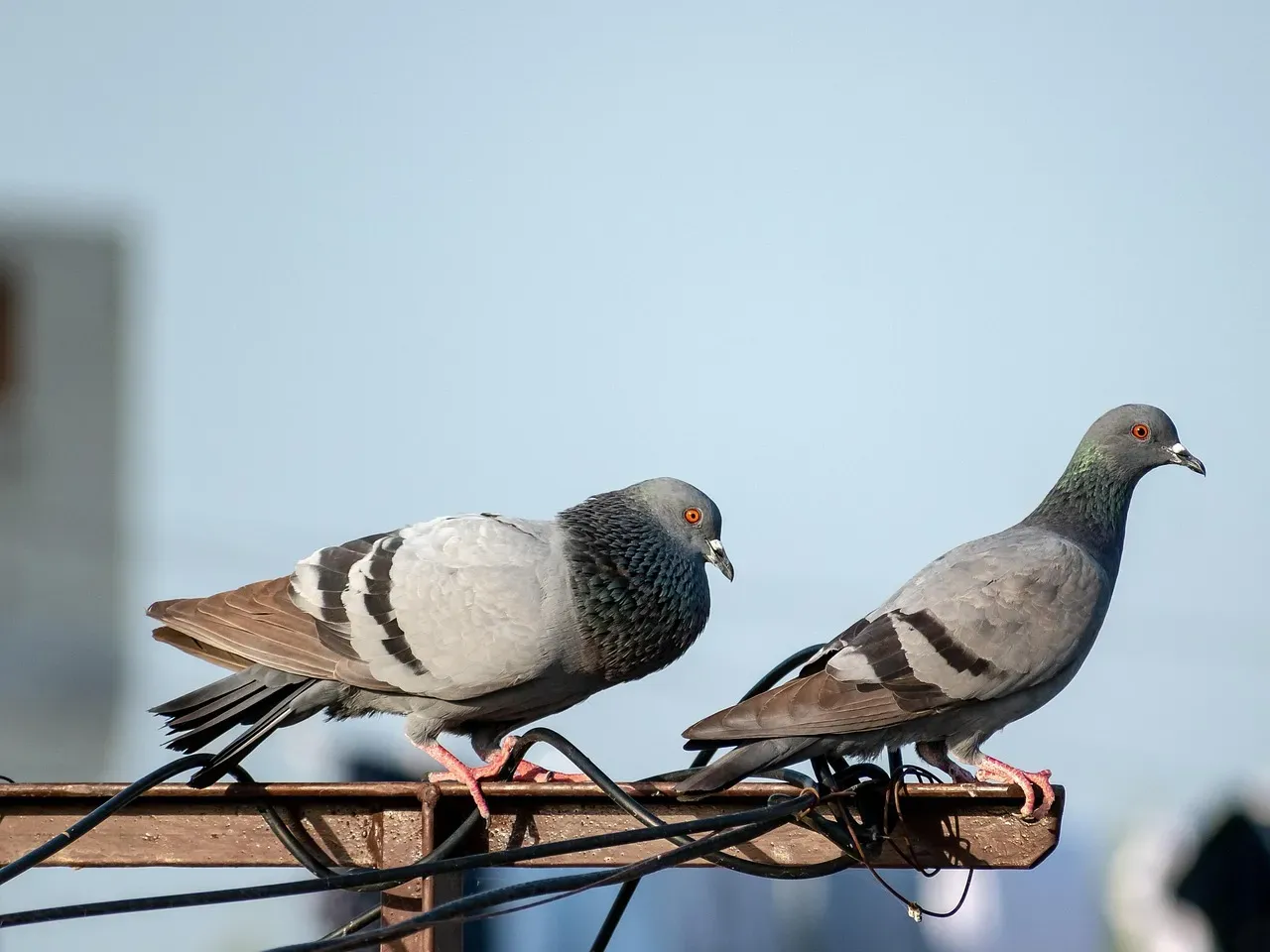
I know it sounds crazy, but pigeons may be more visually sophisticated than any of us ever gave them credit for. The experiments here read less like bird studies and more like something out of a science fiction novel.
In 1995, researchers described an experiment which showed that pigeons can be trained to discriminate between paintings by Picasso and by Monet. The birds were first trained on a limited set of paintings. A pigeon was able to obtain food by pecking when shown a Picasso, but not a Monet. After a while, pigeons would only peck at Picasso paintings – and they could then generalize and correctly discriminate between paintings by the two artists they had never seen before, including between cubist and impressionist styles.
In a later study, Watanabe showed that if pigeons and human college students undergo the same training, their performance in distinguishing between Van Gogh and Chagall paintings is comparable. A pigeon. Matching a college student. In art recognition. Let that sit for a second.
Pigeons can even detect cancer in radiology images. A 2015 experiment tested whether pigeons were able to discriminate benign from malignant human breast tumors in medical images. Human medical professionals go through years of highly specialized training before they can reliably detect cancer. Using food rewards, the birds were trained to discriminate between pictures of malignant and benign tissue samples, and when shown novel images they were still able to discriminate correctly – showing a remarkable ability to make the correct diagnosis.
Pigeons have also passed the mirror test, an assessment of self-recognition that few species can achieve. They can recognize all letters of the human alphabet, distinguish between photographs, and even differentiate between individual humans within images. That’s a cognitive resume most animals simply cannot match.
Thinking Like a Machine: The Surprising AI Connection
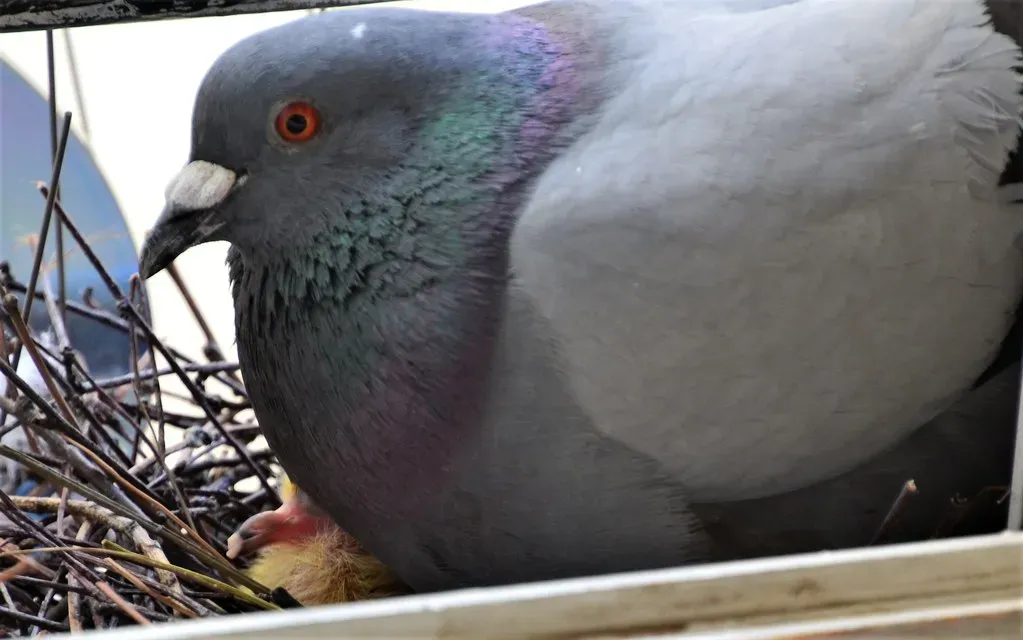
This is where the pigeon story takes its most unexpected and genuinely fascinating turn. It turns out the bird you dismissed as dim may have more in common with cutting-edge artificial intelligence than with the “simple” creature you imagined.
A study provides evidence that pigeons tackle some problems just as artificial intelligence would, allowing them to solve difficult tasks that would vex humans. Previous research had shown pigeons learned how to solve complex categorization tasks that human ways of thinking, like selective attention and explicit rule use, would not be useful in solving.
Researchers theorized that pigeons used a “brute force” method of solving problems similar to what is used in AI models. A professor of psychology at Ohio State University tested a simple AI model to see if it could solve the problems in the way they thought pigeons did, and it worked. The pigeon brain and the machine learning model, running the same cognitive playbook. It’s remarkable.
Skinner believed that association, learning through trial and error to link an action with a punishment or reward, was the building block of every behavior. His behaviorist theories fell out of favor with psychologists in the 1960s but were taken up by computer scientists who provided the foundation for many AI tools from leading firms like Google and OpenAI. The concept of reinforcement learning, whose core architects won the 2024 Turing Award, is taken directly from that school of psychology.
The bird has never gotten much credit for being intelligent. Yet the reinforcement learning powering the world’s most advanced AI systems is far more pigeon than human. Honestly, that line deserves to be on a poster somewhere.
Reading the City: Social Smarts and Urban Adaptation
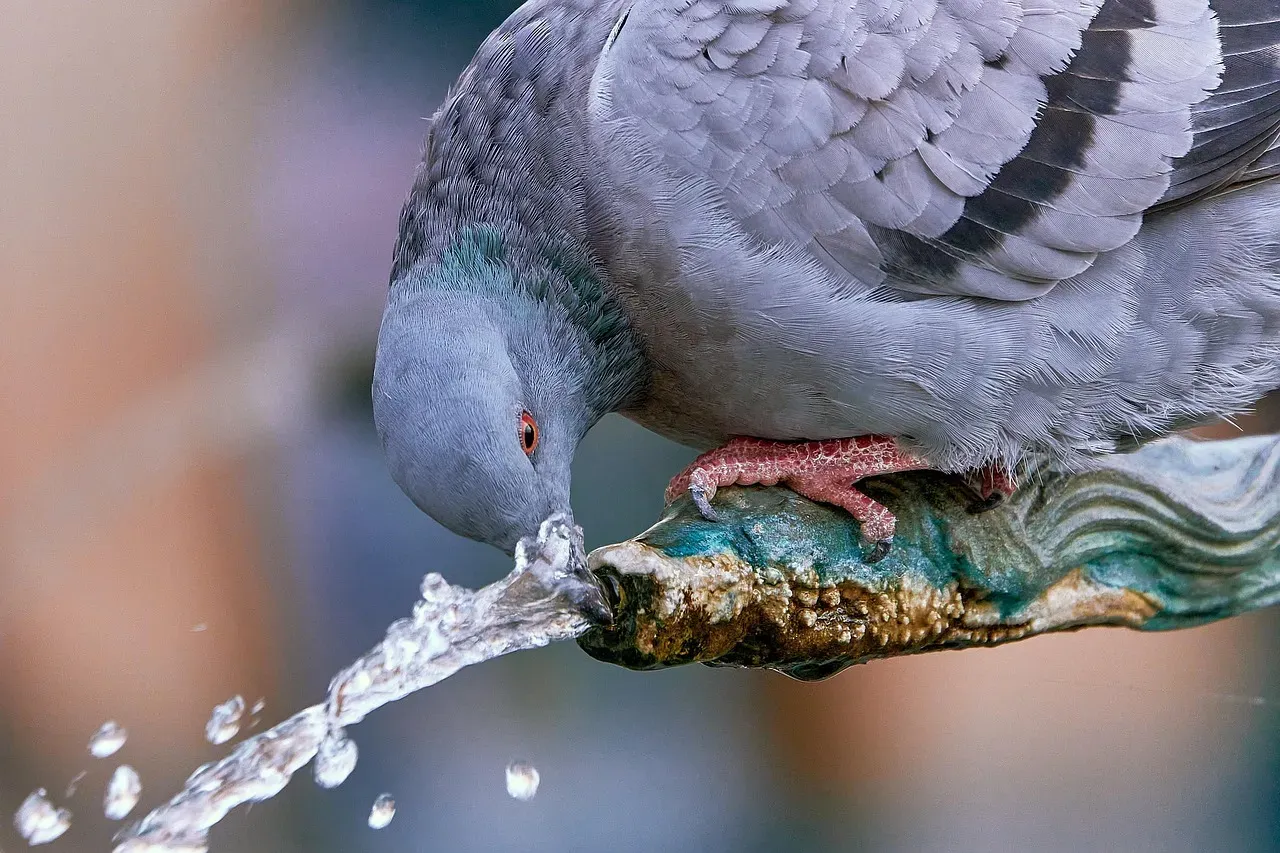
Beyond laboratories, pigeons are performing incredible cognitive feats right in front of us on city streets every single day. We’re just too used to ignoring them to notice.
One of the most surprising discoveries about pigeons is their ability to recognize and remember individual human faces. In urban studies, pigeons have been shown to distinguish between people who feed them and those who shoo them away, even if the person changes clothes or returns after a long absence. This ability demonstrates not only keen observation but also the capacity to store and recall detailed visual information, allowing pigeons to adapt their behavior for safer, more successful interactions.
Pigeons live in flocks and display complex social behaviors, including mate selection, territorial defense, and cooperative flock movement. They communicate through a variety of coos, postures, and displays, adjusting behavior based on social context. Studies suggest that pigeons can recognize individual members of their flock and remember past interactions, indicating a form of social memory.
The emotional intelligence of pigeons is also a key factor in their interactions with humans. They possess the ability to sense kindness and respond to it, which is why people who feed pigeons often find themselves surrounded by these birds. This mutual understanding underscores the depth of their social cognition.
Research has even demonstrated that homing pigeon flocks progressively improve the efficiency of their routes by culturally accumulating knowledge across generations. That is not individual learning. That is cultural transmission, the passing of knowledge from one generation to the next, a trait we once thought was uniquely human.
A Final Thought Worth Carrying Home
There’s something quietly humbling about the pigeon story. We have spent centuries building cities, and these birds have spent that same time learning to read us, navigate by the stars, recognize our faces, outperform our radiologists in visual tasks, and essentially invent a form of learning that now drives billion-dollar AI systems. All while we called them pests.
When we ask whether pigeons are smart, we must reconsider what “smart” even means. Intelligence isn’t a single trait – it’s a suite of adaptations shaped by evolution. Pigeons may not craft tools or speak human languages, but their abilities in navigation, memory, pattern recognition, and social coordination reveal a deep, specialized intelligence.
The evidence for pigeon intelligence suggests “that we should accord pigeons and other birds far greater respect than they customarily receive.” That’s not a sentimental plea. It’s a scientific conclusion.
Next time one lands near you on a bench, don’t shoo it away too fast. You might be looking at an animal that thinks in ways closer to both artificial intelligence and your own mind than you ever imagined. So here’s the question worth sitting with: what else have we been getting wrong about the creatures we share this world with?

- 7 Unique Facts About Arizona - August 2, 2026
- 13 Remarkable Dog Breeds With Surprising Intelligence Beyond Their Playful Demeanor - August 2, 2026
- 8 US States With the Most White-Tailed Deer - August 2, 2026