
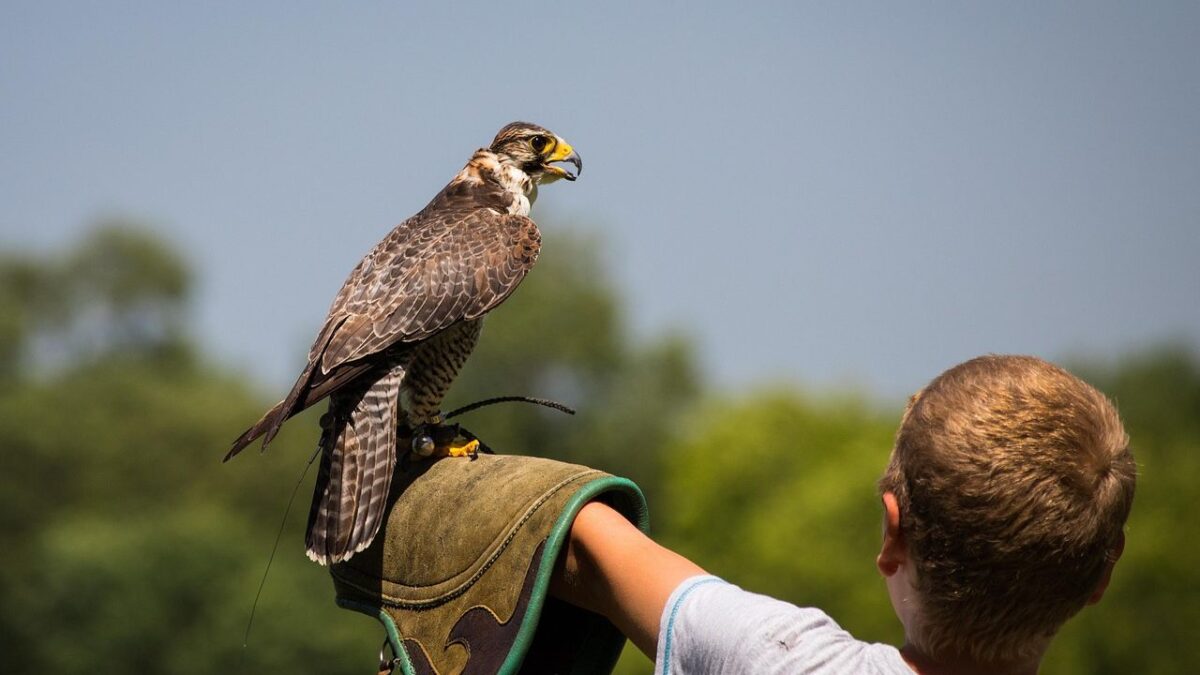
Have you ever watched a hawk circle high above a field and wondered what it sees from up there? These magnificent sky hunters possess secrets that go far beyond their deadly talons and razor-sharp beaks. Through millions of years of evolution, birds of prey have mastered something we desperately need in our daily lives: the art of perspective.
Their world operates on principles that could revolutionize how we approach problems, make decisions, and navigate challenges. From the soaring eagle scanning vast territories to the diving peregrine falcon locked onto its target, these aerial predators offer profound lessons about focus, patience, and the power of seeing from above. Let’s dive in and discover what these masters of the sky can teach us about gaining better perspective in our own lives.
The High Ground Advantage
Red-tailed hawks possess vision that is eight times more powerful than that of humans. This incredible eyesight allows them to spot prey from great distances, even while soaring high above the ground. Think about the last time you climbed a tall building or hiked to a mountaintop. Suddenly, problems that seemed overwhelming from ground level appeared manageable when viewed from above.
Soaring hunters like buzzards and eagles circle high above open terrain, using thermal currents to conserve energy while scanning for ground prey. These birds can maintain flight for hours without flapping their wings. This behavior teaches us something remarkable about strategic positioning. When we’re caught up in the details of our daily struggles, we lose sight of the bigger picture. The hawks remind us to step back, gain altitude in our thinking, and survey the entire landscape before making our next move.
Patience as a Hunting Strategy
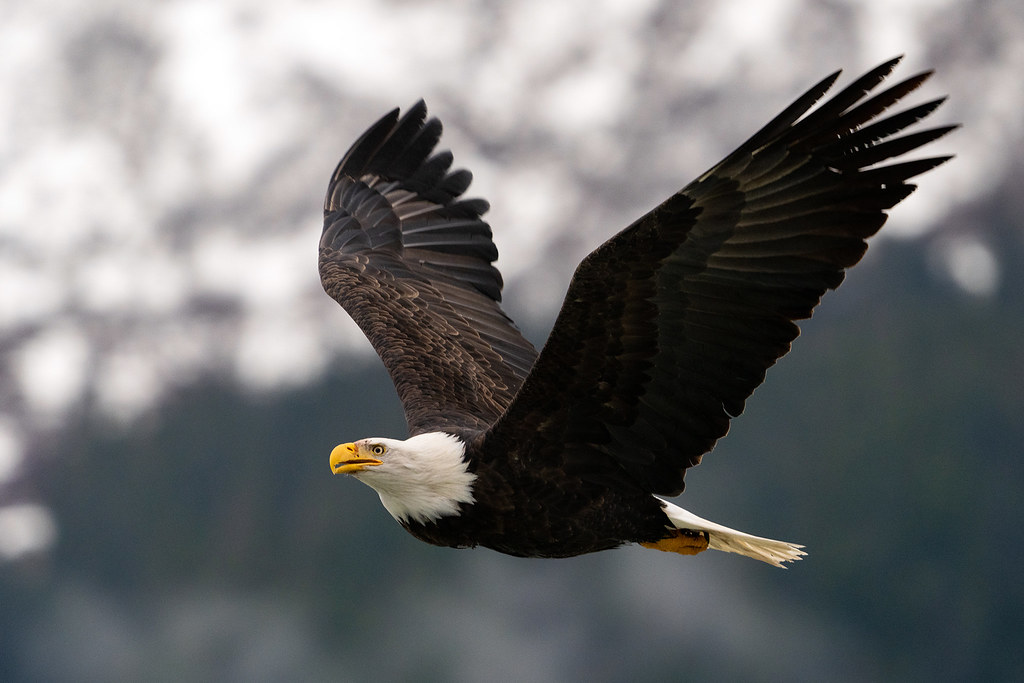
Thermals are rising columns of sun-heated air that rise from the ground. One of many nice things about these fliers is that they hunt by day and are easily seen. As a general rule birds of prey are more active in the early morning and early evening. Soaring eagles and hawks need the rising warm air currents (thermals) to soar and will be more active after the sun is up a few hours and the sun has warmed the ground. These predators don’t rush their hunt.
Instead, they wait for the right conditions, the perfect moment when success is most likely. Many people can watch soaring birds for hours on end and marvel at the beauty and elegance of their abilities without ever worrying about exactly what type of raptor they have been admiring. This patience isn’t laziness; it’s strategic wisdom that we desperately need in our instant gratification world. The best opportunities often require us to wait for the right thermal currents in our own lives.
Ultra-Sharp Focus in the Moment
Humans can process about 60 frames per second; birds of prey can process well over 100. This means that time, from their perspective, seems to slow down. A fleeing rabbit doesn’t blur past; instead, its movements are dissected into fine increments, each one trackable and interpretable in real time. Imagine having this level of focus during important meetings or challenging conversations.
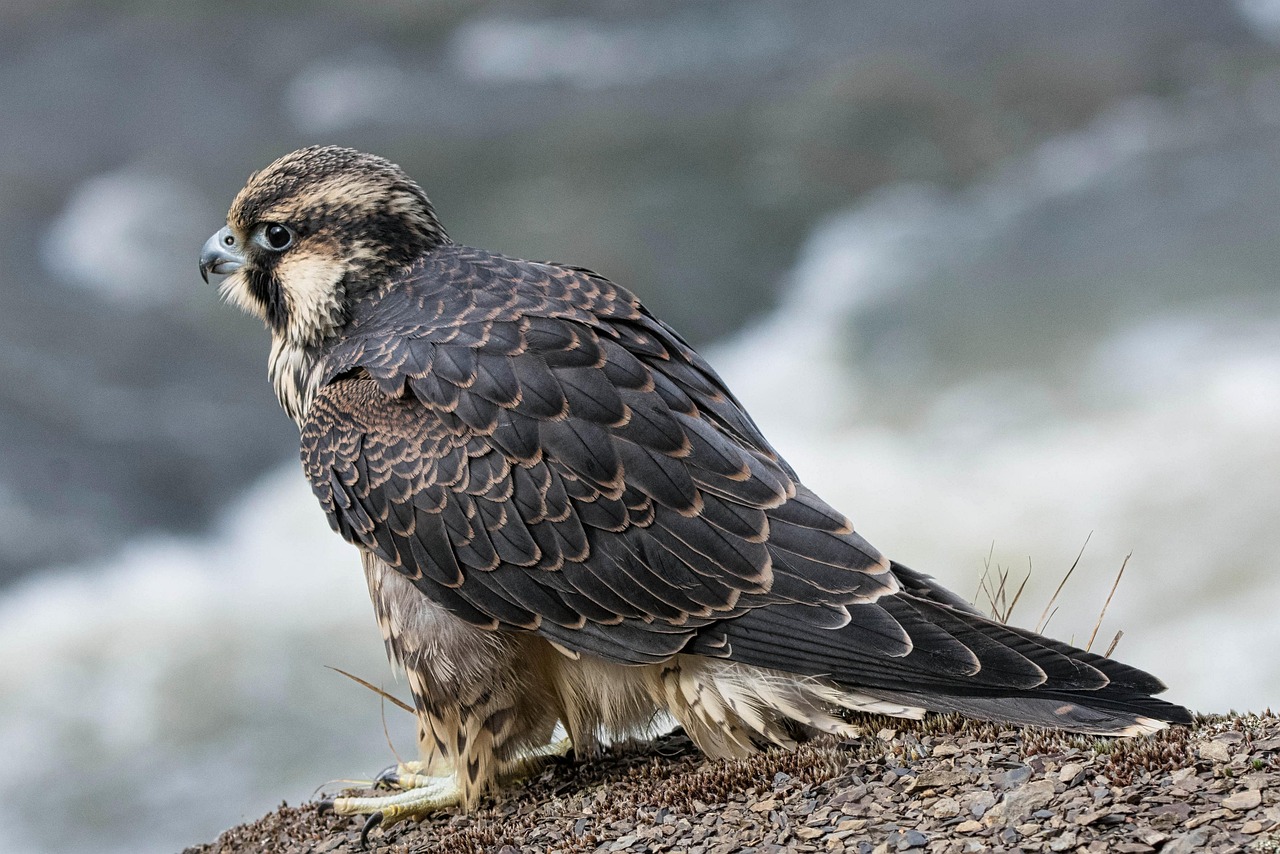
A hunting Peregrine Falcon uses many strategies for catching a good meal but they typically catch their prey in the air with fast pursuits, rapid dives, and other impressive aerial maneuvers for which these falcons are known and admired. Perhaps its most famous hunting technique is the dive. To pull this off, a Peregrine Falcon flies high into the sky, using its keen eyesight to locate birds flying below. When it finds its target, the falcon folds its wings and falls into a nose dive, or stoop, gaining speeds over 200 mph. When the moment demands action, these birds commit completely, eliminating all distractions.
Reading the Invisible Signs
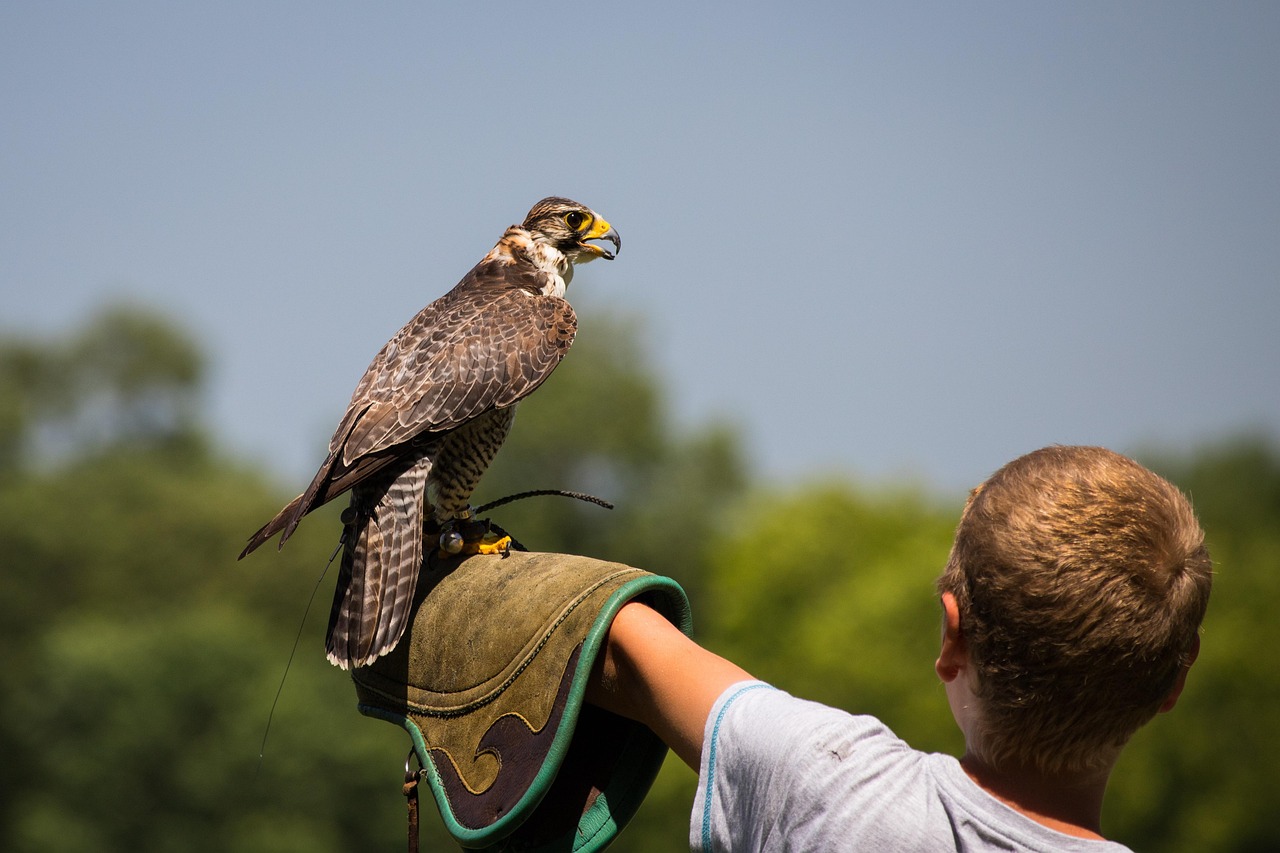
Many small mammals, such as voles and mice, leave behind urine trails and droppings that reflect UV light. These markings might be invisible in normal daylight, but to a falcon scanning from above, they shine like bright signals on the landscape. By following these UV-reflecting trails, falcons can track prey even when the animal is hidden, giving them a serious advantage in both open fields and dense terrain.
This ultraviolet vision represents something profound about perception. What if we could train ourselves to see the invisible patterns in our environment? The subtle cues in body language, the hidden opportunities in market trends, or the underlying currents in relationships that others miss completely. Perhaps most impressive is how each raptor species has fine-tuned its visual system for its specific ecological niche, developing specialized capabilities that provide advantages in their particular hunting strategy. We too can develop specialized perception skills for our unique challenges.
Head Stabilization and Mental Clarity
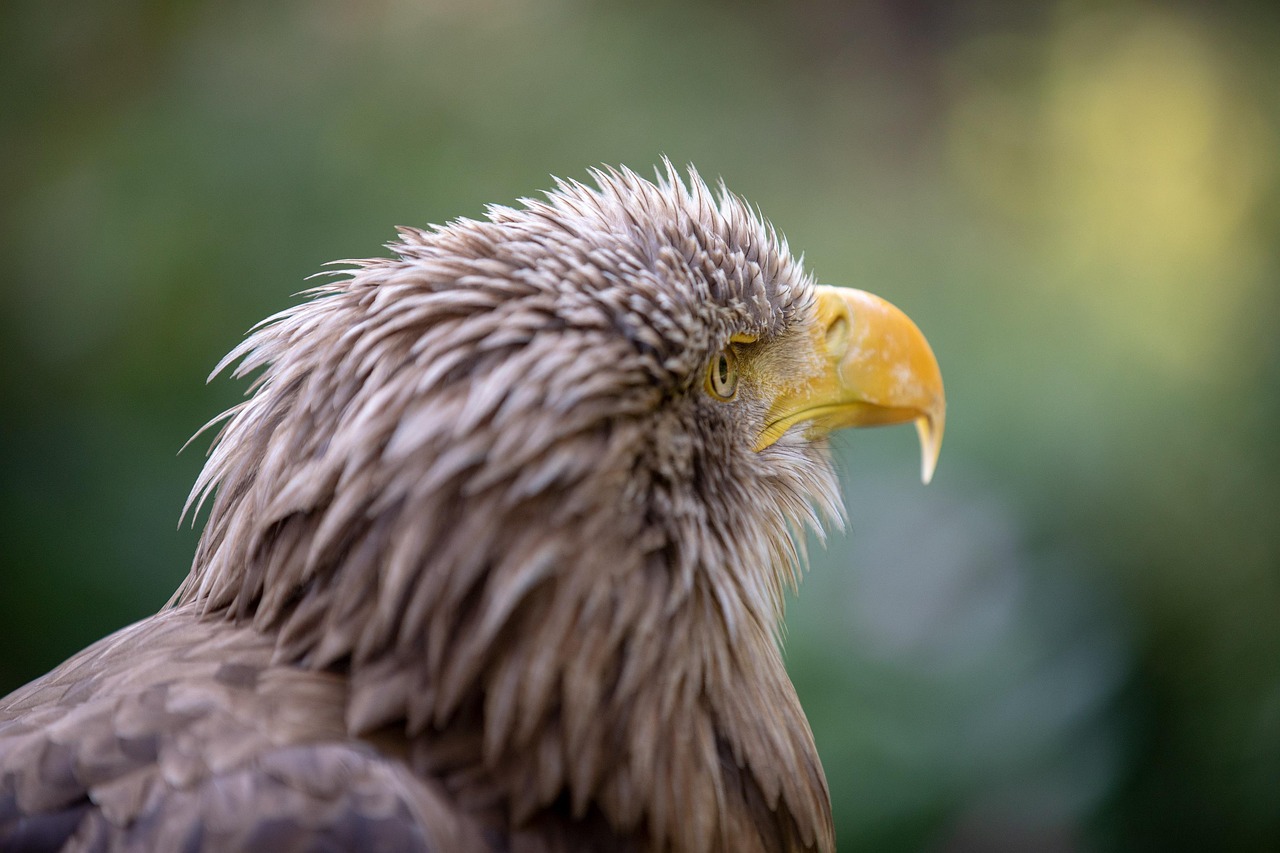
Another remarkable adaptation in birds of prey is their head stabilization mechanism. When raptors fly or perch, their heads remain astonishingly still, even when their bodies are moving. This is achieved through a combination of neurological control and specialized neck muscles that counteract motion. This stabilization is crucial for hunting.
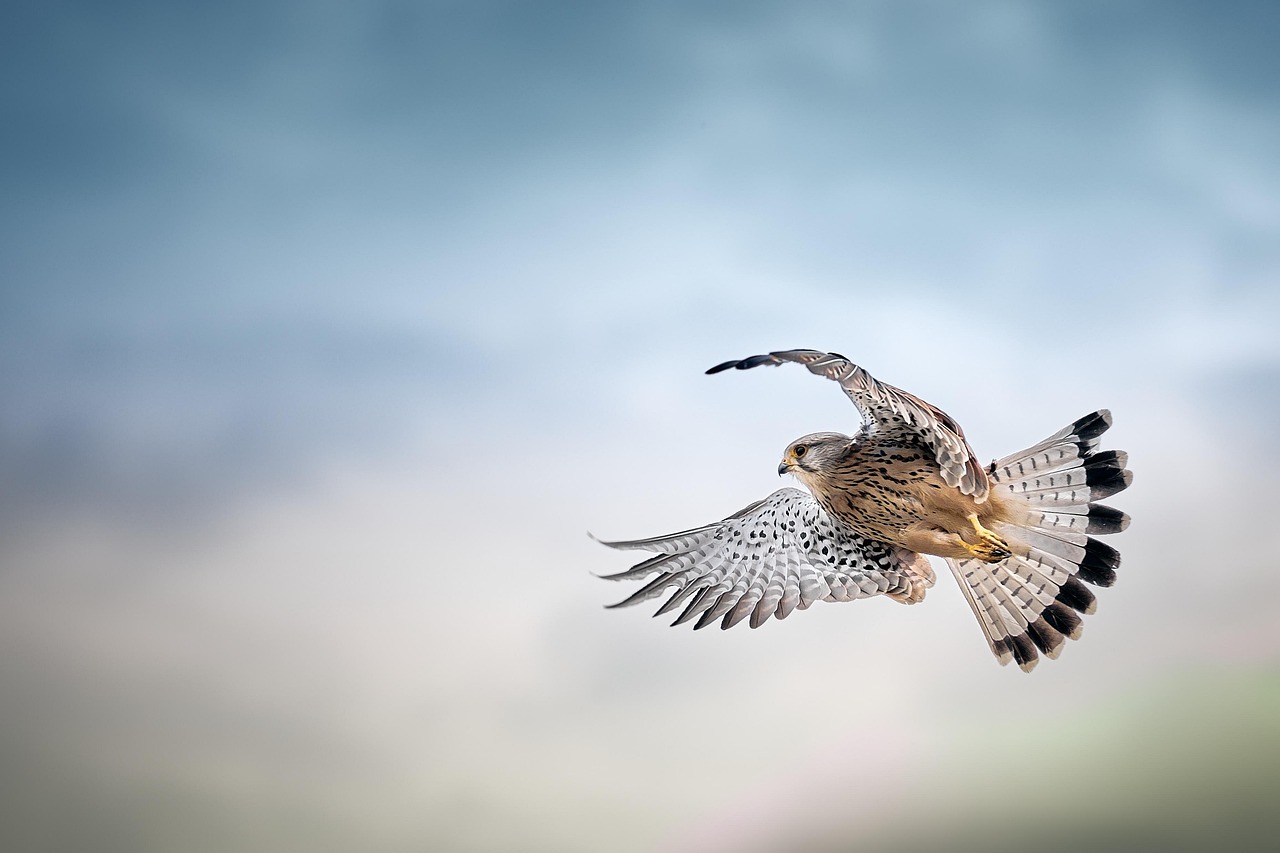
The effect is almost eerie: a kestrel floating in midair with its head perfectly still, its eyes scanning the grasslands below as if mounted on a tripod. How often do we let external turbulence shake our mental clarity? These sky predators teach us that maintaining a steady mind while navigating life’s updrafts and downdrafts is essential for spotting opportunities and making accurate decisions. Physical chaos doesn’t have to mean mental chaos.
Strategic Spiral Approaches
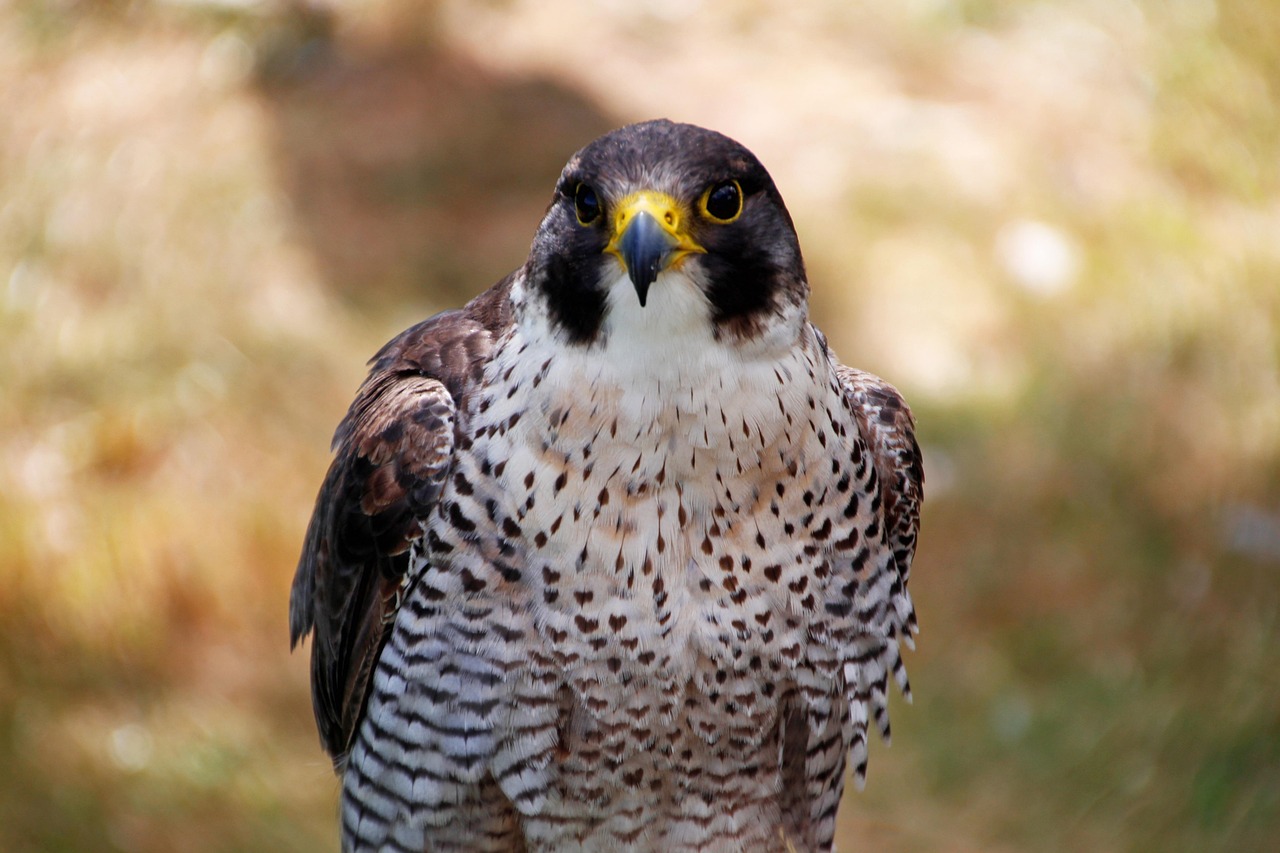
So based on this, he suggested that to get the best view of their prey from a distance, raptors could dive in a logarithmic spiral formation (like a snail shell) with their heads straight and one of their eyes always looking sideways to keep their prey at the optimal 45 degree angle for the deep foveae. This would make more sense than flying straight towards their prey with their heads on the side, which would create unnecessary drag.
“Although the spiral path is longer than the straight path, a mathematical model for an ‘ideal falcon’ shows that the falcon could reach the prey more quickly along the spiral path because the speed advantage of a straight head more than compensates for the longer path,” Tucker reported in the Journal of Experimental Biology. Sometimes the indirect approach is the most efficient. Rather than charging straight at our goals, we might achieve them faster by taking a strategic spiral path that maintains our optimal angle of approach.
The Power of Selective Attention
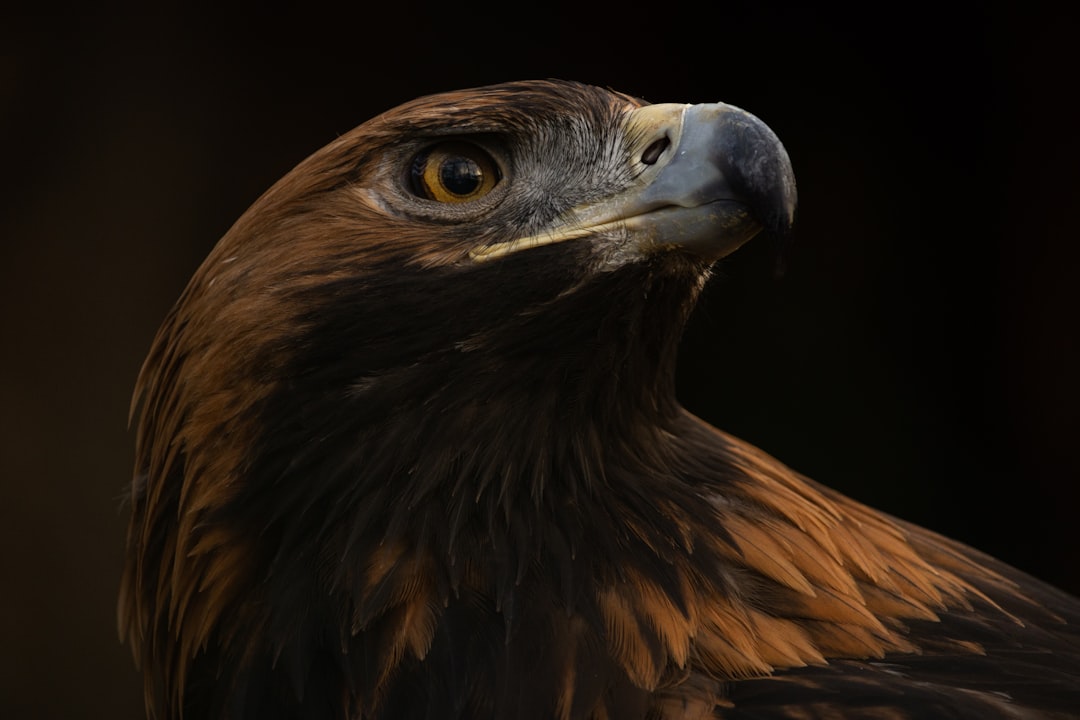
When you are using your field guide remember this important quote from Roger Tory Peterson: “Birds have wings and like to use them”. This means you should watch the bird for as long as possible, taking note of different features before you consult your field guide. If you instantly start looking through your guide when your first see a bird, you may narrow your choices down to three or five birds, and then when you look back through your binoculars to check specific features, the bird is gone. So, when you are looking at an unknown bird start at the head and work your way to the tail, making note of specific features that you see. Once the bird is gone then consult your field guide.
This observation technique reveals something crucial about attention management. Many people will miss many birds simply because they are not looking for them. A motionless Red-tailed Hawk sitting on the cross arm of a power pole is easy to miss. We often miss opportunities because we’re consulting our mental “field guides” instead of actually observing what’s right in front of us. The raptors teach us to see first, categorize later.
Adapting Perspective to the Mission
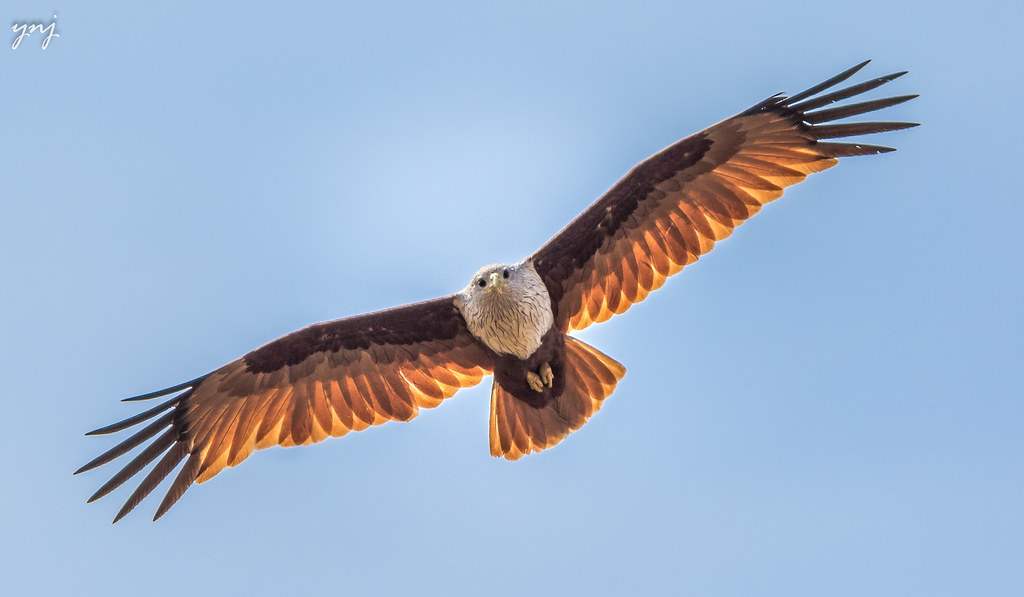
Ambush predators such as accipiter hawks use dense vegetation as cover, launching surprise attacks on unsuspecting songbirds and small mammals. Their short rounded wings provide exceptional maneuverability through forest environments. Different hunting situations require different perspectives. The forest hawk operates with completely different visual strategies than the open-field soarer.
Specifically, birds of prey can help us gain focus and clarity, see all the opportunities and operate from a less emotional perspective. If an owl flew over an army, it suggested a victory, because the owl could see from a higher perspective. What’s more, the owl was the companion to the Goddess of Athena, linking this incredible noctural bird to wisdom and strategy. The key isn’t having one fixed perspective, but rather the flexibility to adjust our viewpoint based on what the situation demands. Sometimes we need the eagle’s broad sweep, sometimes the hawk’s focused dive.
Conclusion: Soaring Beyond Our Limitations
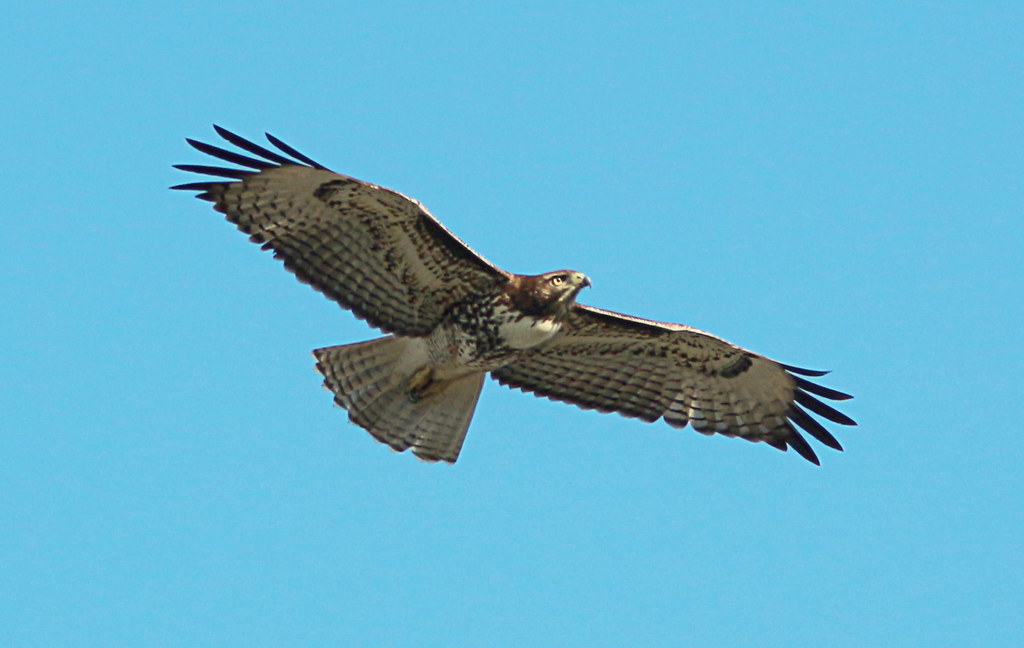
The sky’s predators have mastered what many of us struggle with daily: the ability to see clearly, act decisively, and maintain focus while navigating a complex world. Their lessons transcend simple hunting strategies and offer us a blueprint for better living. From the patience of waiting for the right thermal currents to the precision of a perfectly timed dive, these aerial masters show us that perspective isn’t just about height – it’s about clarity, timing, and the wisdom to know when to soar and when to strike.
The next time you see a hawk circling overhead, remember that you’re witnessing millions of years of evolutionary wisdom in action. These birds have solved problems of perception, focus, and strategic action that we’re still learning to understand. Their ability to switch between broad surveillance and laser focus, to read invisible signs and maintain mental stability in turbulent conditions, offers us a masterclass in navigating life’s challenges. What perspective will you choose to adopt today?
