
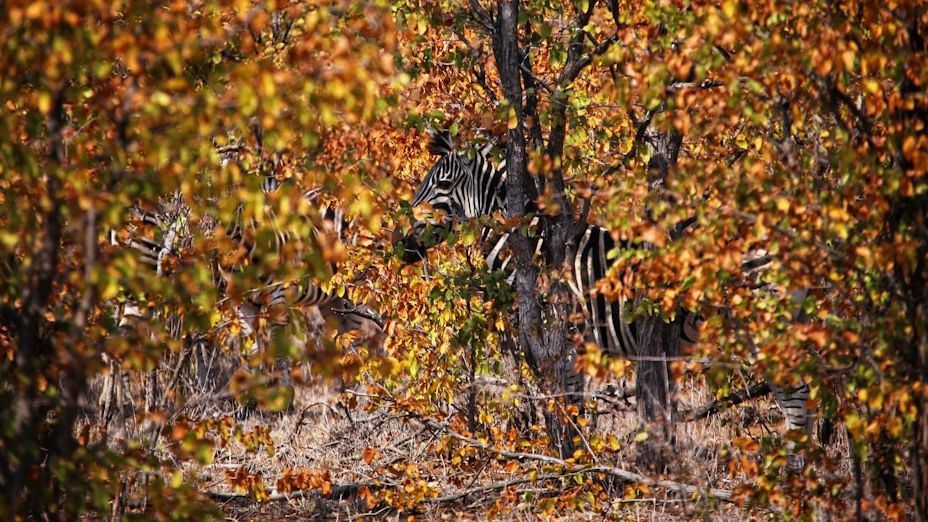
The animal kingdom operates on principles of survival that have been refined over millions of years through natural selection. What many people don’t realize is how these ancient survival strategies could potentially help humans in crisis situations. Animals have mastered the art of staying alive using instincts that trigger automatically when danger strikes.
These survival techniques aren’t just fascinating to observe. They offer practical wisdom that could make the difference between life and death in emergency situations. From recognizing early warning signals to knowing when to freeze versus when to flee, animal instincts provide a masterclass in survival that deserves our attention.
Listen to Nature’s Alarm System
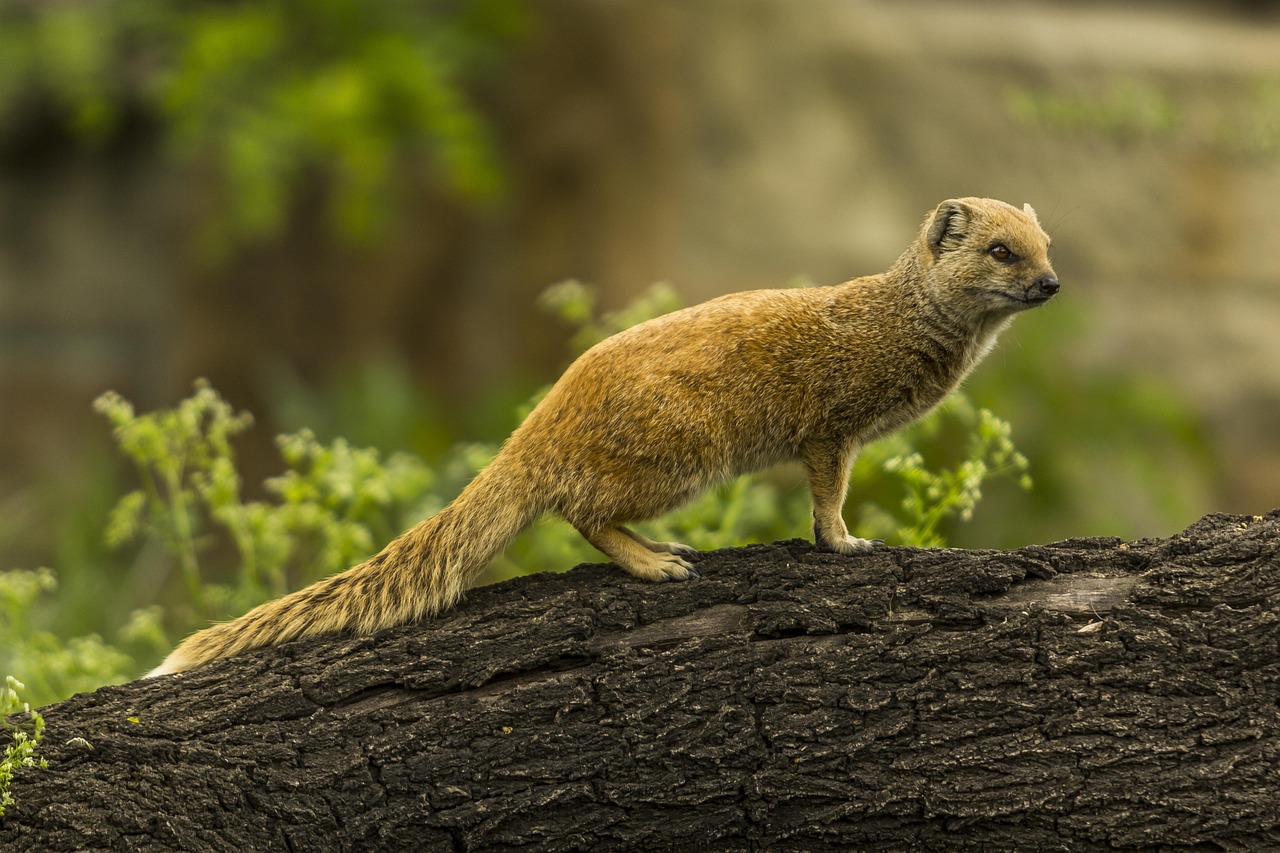
Animals across the globe use sophisticated warning networks to alert each other about approaching danger. Alarm calls serve as nature’s early warning system, alerting animals to the presence of predators like tigers, leopards, snakes, or eagles. These calls help animals take timely action to evade danger.
Scientists have found that birds and mammals broadcast warnings about nearby predators, for example, and understand each other’s messages. They can even share information on what kind and size of predator is around, and what it’s doing. In survival situations, paying attention to sudden changes in bird calls or when animals fall silent can alert you to potential dangers like approaching storms, predators, or other humans.
Master the Art of Stillness

Freezing allows an animal to gather evidence of possible danger while avoiding detection in case it needs to safely escape. Many animals freeze when they sense danger, reducing the likelihood that motion-sensitive predators will detect them.
Freezing is an innate response, meaning that every member of a species is born with an ability to freeze at the sight, sound or smell of a potential predator. The response is a ‘fixed reaction pattern’ that, like a reflex, often leads to automatic muscular activity. For humans, this translates to remaining perfectly still when you suspect danger nearby, allowing you to assess the situation without revealing your location.
Trust Your Peripheral Vision

Peripheral vision increases and pupils dilate to improve vision and increase awareness of one’s surroundings. Overall, the subjects were faster and more accurate at detecting changes involving all animals compared with inanimate objects. They correctly detected nearly 90 percent of the changes to “living” targets compared with 66 percent for inanimate objects.
This heightened awareness exists because survival once depended on spotting movement at the edges of our vision. In dangerous situations, consciously expand your visual scanning beyond what’s directly in front of you. Movement in your peripheral vision often signals danger before it becomes obvious through direct sight.
Follow Your Gut About People

Self-preservation in people generally is when they have the instinct to survive. Fight-or-flight response in human beings has been said to be a particular response to the arising harmful event, attack or threat to survival. Animals rely heavily on their instincts to assess whether another creature poses a threat.
Humans retain these same assessment abilities, though we often ignore them in social situations. Wild animals encounter humans on a regular basis, but humans vary widely in their behaviour: whereas many people ignore wild animals, some people present a threat, while others encourage animals’ presence through feeding. Humans thus send mixed messages to which animals must respond appropriately to be successful. Trust your initial instinctive reactions about people, especially in unfamiliar or isolated situations.
Use Environmental Camouflage
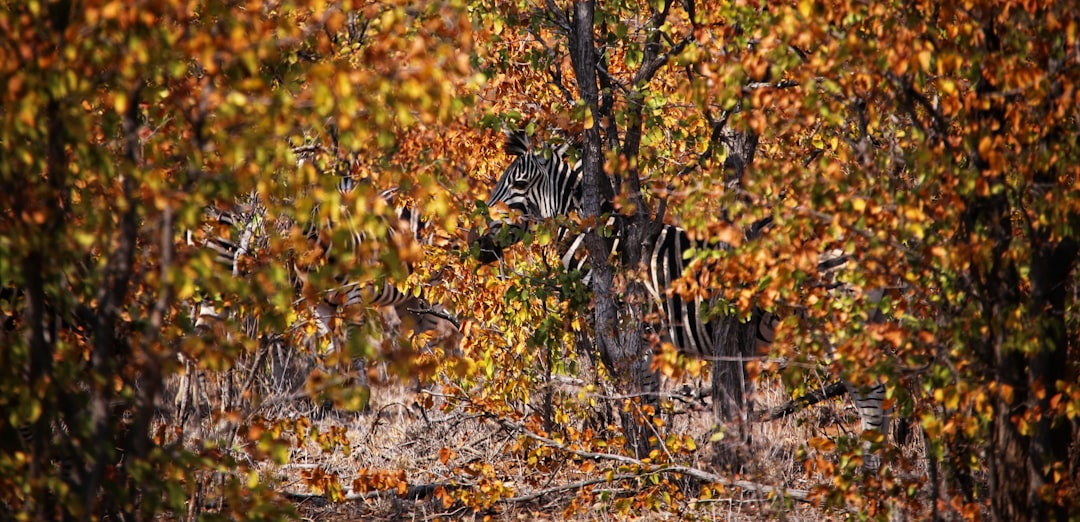
Animals that are better able to avoid detection by predators are more likely to survive long enough to reproduce and pass on their genes. Over successive generations, the ability to blend into the environment becomes more refined, more elaborate, and more sophisticated.
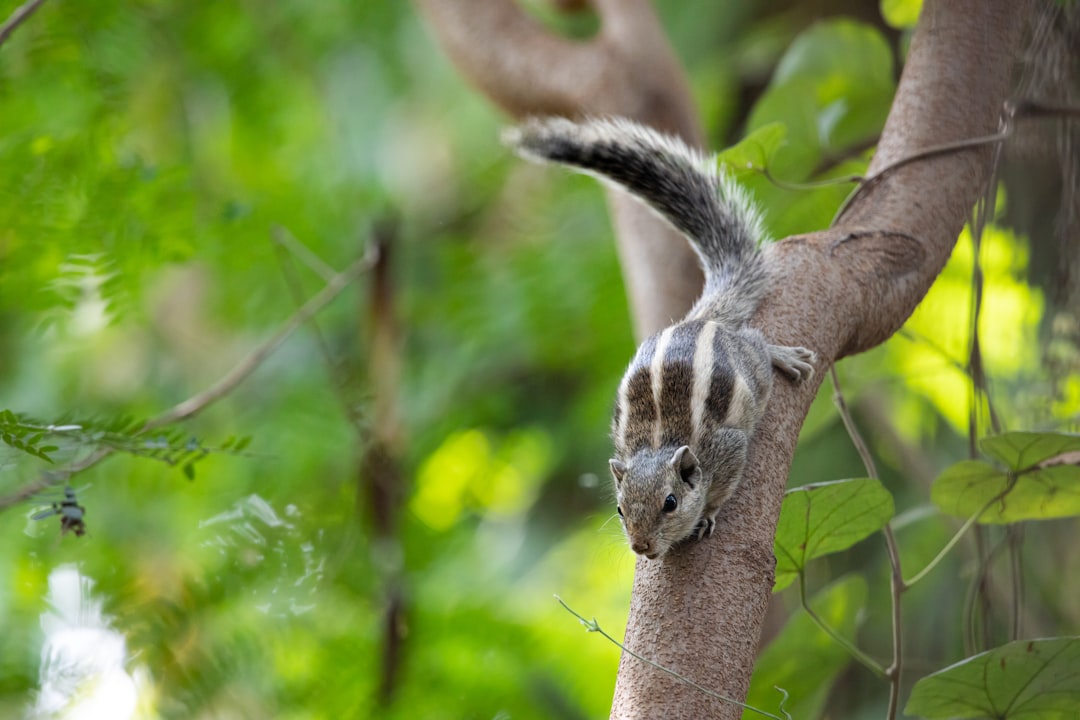
Squirrels do this by chewing up shed rattlesnake skin and spread it on their fur, thereby masking their scent and identity as potential prey. In survival situations, using natural materials to break up your human outline and scent can help you avoid detection. Mud, leaves, and natural debris serve the same purpose they do for animals in the wild.
Recognize Predatory Behavior
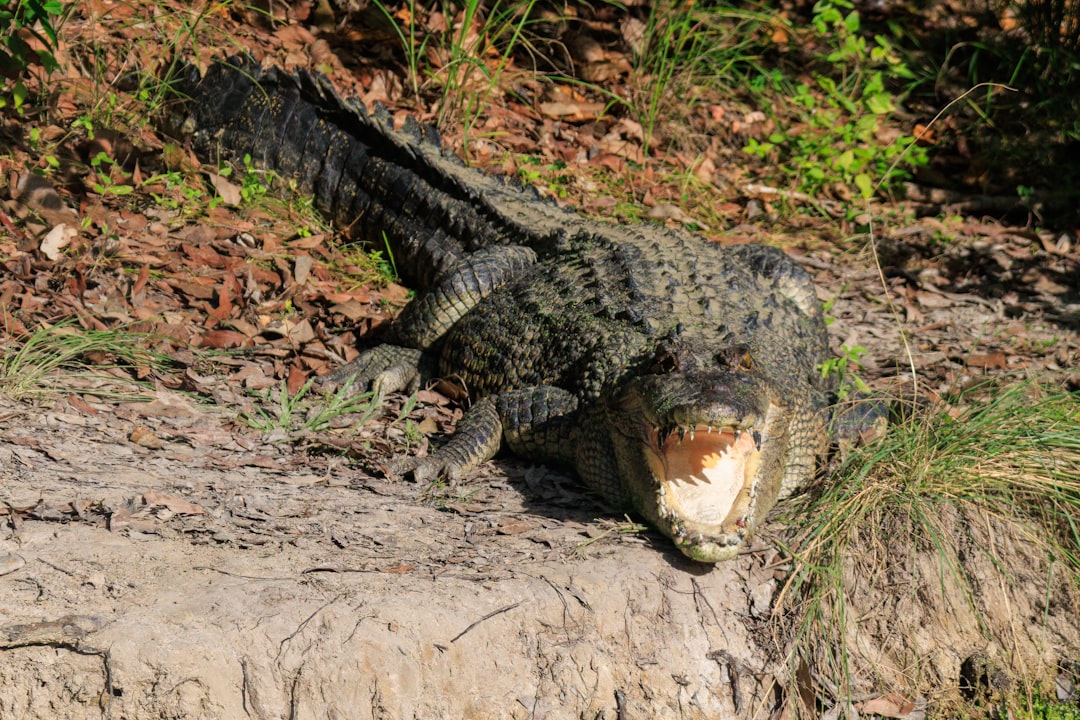
The ability to recognize predator cues is essential for the initiation of antipredator behavior. This can be innate, for example, animals can identify predators as a threat even if they have never encountered them before, or learned only after exposure to a predatory threat.
“People develop phobias for spiders and snakes and things that were ancestral threats. It’s very infrequent to have somebody afraid of cars or electrical outlets,” New told LiveScience. “Those statistically pose much more of a threat to us than a tiger. That makes it an interesting test case as to why do tigers still capture attention.” Our brains are wired to recognize certain threatening behaviors and postures, even from people we don’t know.
Signal Your Awareness
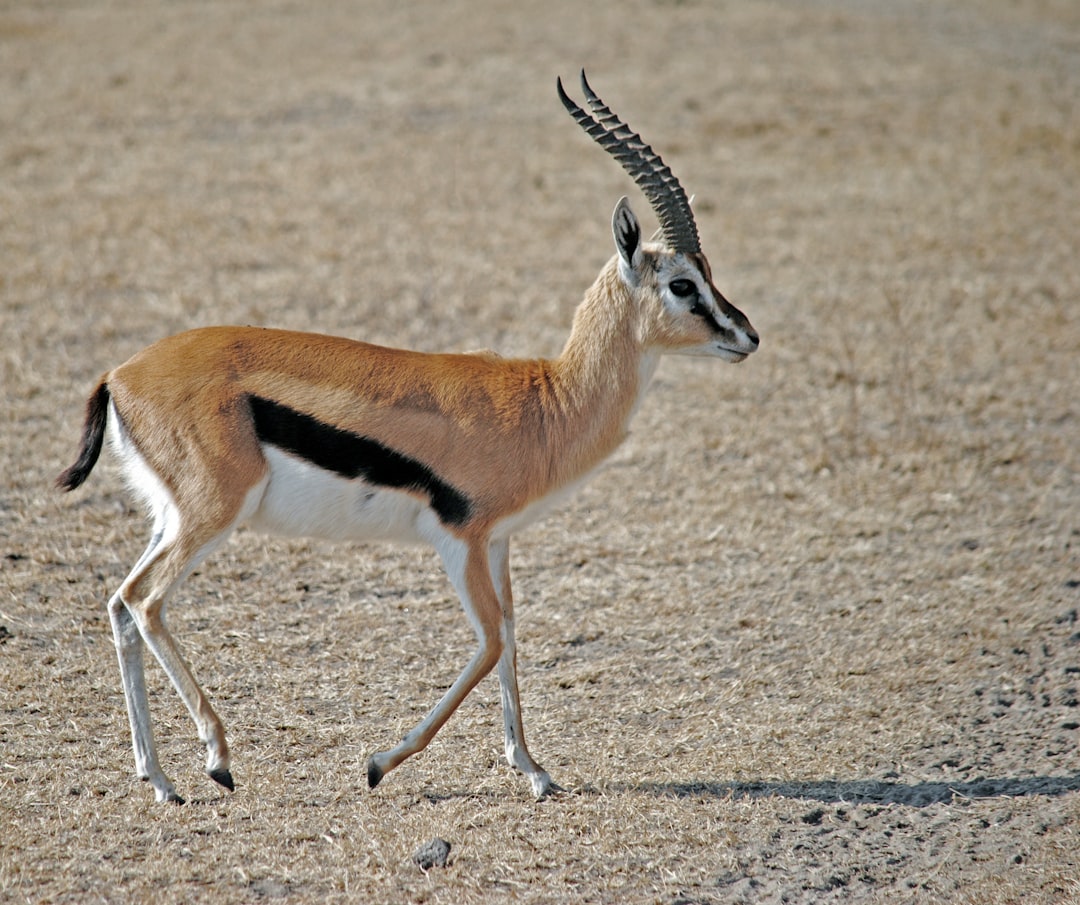
This phenomenon is called signaling theory and these displays usually involve a prey animal engaging in feats of strength to show predators that they are strong, fast, and/or alerted to their presence. One of the most famous examples of signaling theory is a behavior in gazelles called stotting or pronking.
When gazelles spot a predator, they sometimes perform high jumps to signal that they’ve seen the threat and are prepared to run. However, some prey animals have evolved means to tell their would-be killers, “I see you. I’m faster than you.” Similarly, making deliberate eye contact or positioning yourself visibly can deter potential human predators who prefer unsuspecting victims.
Learn from Group Reactions

The jungle often responds in unison to these calls. For instance, when a langur gives an alarm for a tiger, spotted and sambar deer immediately freeze, ears twitching, scanning for movement, or retreating to a safer distance. Birds may join the warning chorus, amplifying the alert across the forest. These interspecies responses highlight the complex communication network within the wild, where survival hinges on collective awareness.
Similarly, young prairie dogs learn from adult prairie dogs how to watch out for predators and recognize warning calls. In crowds or group settings, watch how others react to situations. Mass behavioral changes often indicate dangers that individual senses might miss.
Stay Alert During Weather Changes
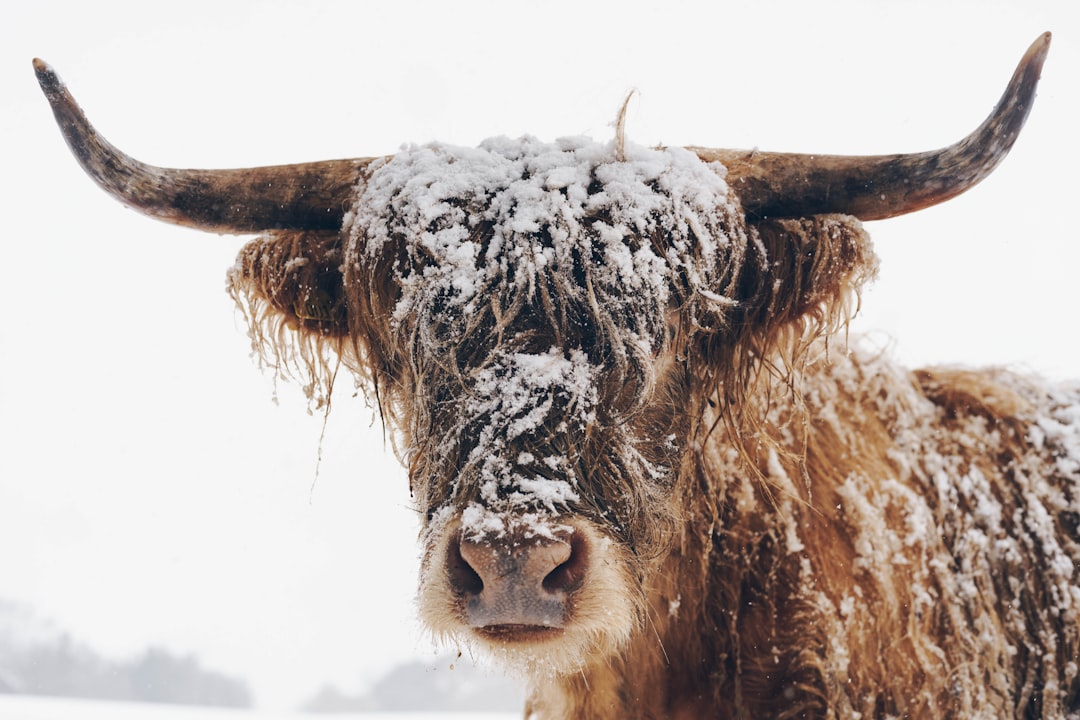
Whether it’s an earthquake, a monsoon, or even a wildfire, animals seem to have an uncanny ability to sense changes in their environment – often before humans even realize what’s happening. When it comes to earthquakes, this is especially true. Animals seem to feel them long before the ground starts to shake, whether it’s neighborhood dogs barking or flocks of birds suddenly taking flight.
Animals can detect subtle environmental changes through senses that remain sharp in humans but are often ignored. Sudden shifts in air pressure, unusual wind patterns, or changes in animal behavior around you can signal approaching severe weather or natural disasters before they become obvious.
Control Your Breathing Under Stress

In the fight-or-flight response, the ANS causes the body to instantly release adrenaline and the stress hormone cortisol and divert resources to the most important functions. The rapid chemical release immediately increases heart rate and respiration to deliver oxygen to major muscles that might be needed to fight or flee.
While this automatic response helps in genuine emergencies, learning to control your breathing like many animals do during stalking can help you think more clearly under pressure. Slow, controlled breathing reduces adrenaline and allows for better decision making when every choice matters.
Use Deception as Protection
Adding to the list, some animals faint or feign death to trick predators that prefer a fresh kill. Snails have an interesting survival instinct that some of us humans can probably relate to. When they feel the need to self-preserve, they take very long naps – sometimes entering dormancy for several months at a time.
While extreme, these strategies highlight how appearing non threatening or uninteresting can be a powerful survival tool. In dangerous situations with humans, sometimes appearing helpless, confused, or unimportant can make you less of a target than appearing strong or valuable.
Heighten Your Senses in Darkness
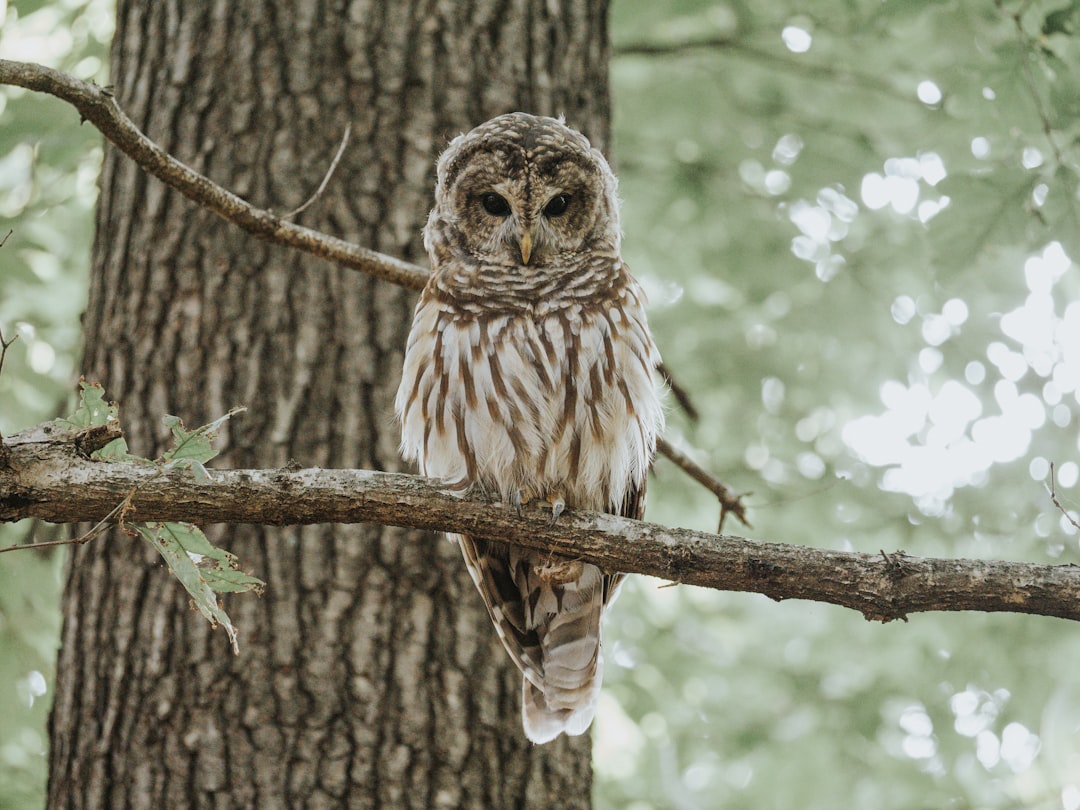
Hearing becomes more acute. Peripheral vision increases and pupils dilate to improve vision and increase awareness of one’s surroundings. Elephants, whales, hippopotamuses, giraffes, and alligators use low-frequency sounds to communicate over long distances, often miles. And bats, dolphins, whales, frogs, and various rodents use high-frequency sounds to find food, communicate with others, and navigate.
Many animals become hyperaware in low light conditions, relying more heavily on hearing and other senses. When visibility drops, consciously shift your focus to sounds, vibrations, and changes in air movement that might indicate approaching threats or changing conditions.
Conserve Energy for Critical Moments

In order to survive in deserts, camels know instinctually to drink a large amount of water when they have the chance. They will drink up to 114 litres (30 gallons) in less than 15 minutes. However, vigilance can carry costs including energetic expenses and time unavailable for searching for food or mates. As a result, an animal’s antipredator behavior is designed to minimize its costs and maximize its effectiveness for surviving predation.
Animals instinctively know when to conserve energy and when to expend it. In survival situations, avoid unnecessary movement and activity that drain your energy reserves. Save your strength for when quick action becomes essential for your safety.
Read Environmental Warning Signs
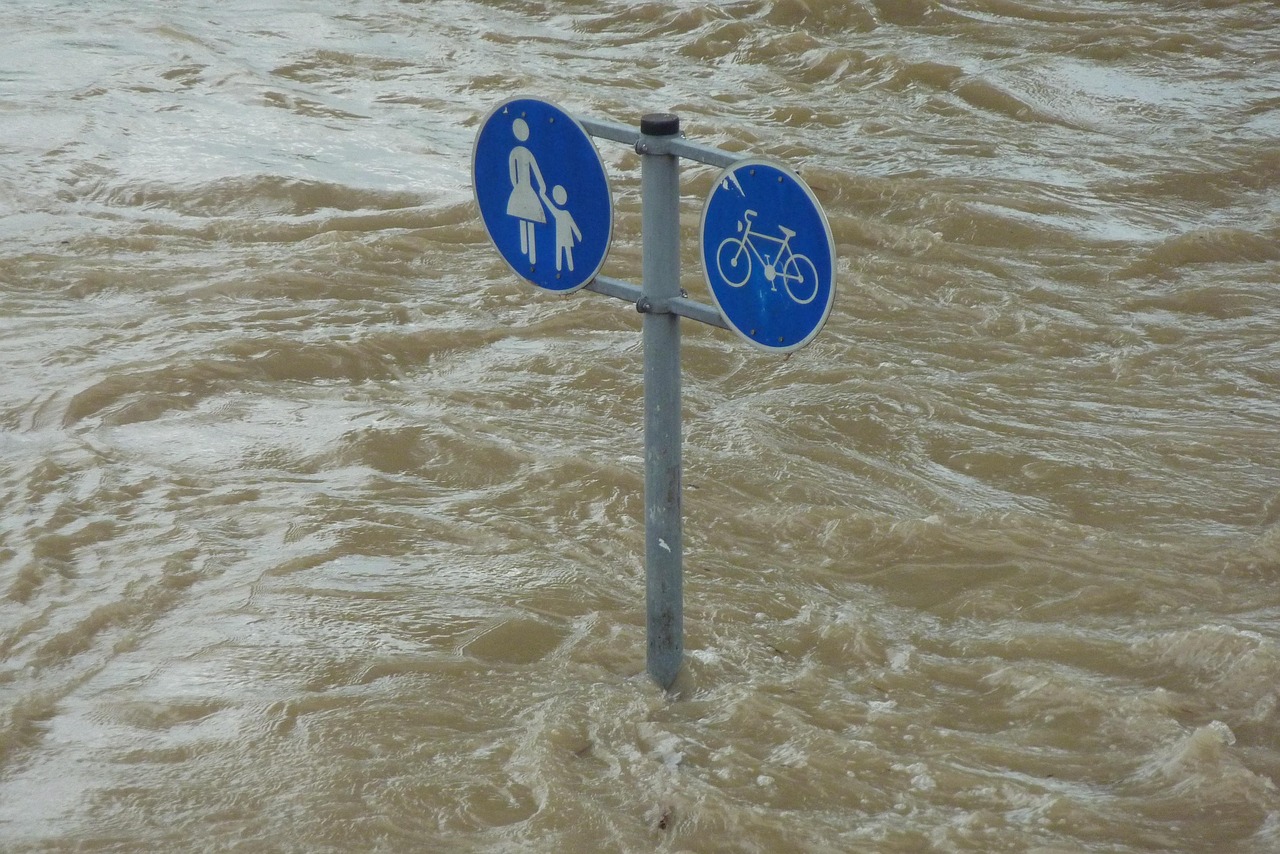
These conditions trigger their mating season, during which they emerge and attempt to start new colonies with thousands of new offspring. With the softer soil, it’s easier for termites to build and extend those colonies underground. Additionally, the increased humidity helps these tiny wood-eaters maintain their delicate exoskeletons, which are prone to desiccation in drier climates. The longer they’re able to safely spend outside, the more time they can spend searching for suitable nest sites.
Animals respond to environmental cues that humans often miss. Unusual insect activity, changes in plant behavior, or animals moving in specific directions often indicate environmental changes that could affect your safety, from incoming storms to ground instability.
Know When to Abandon Territory
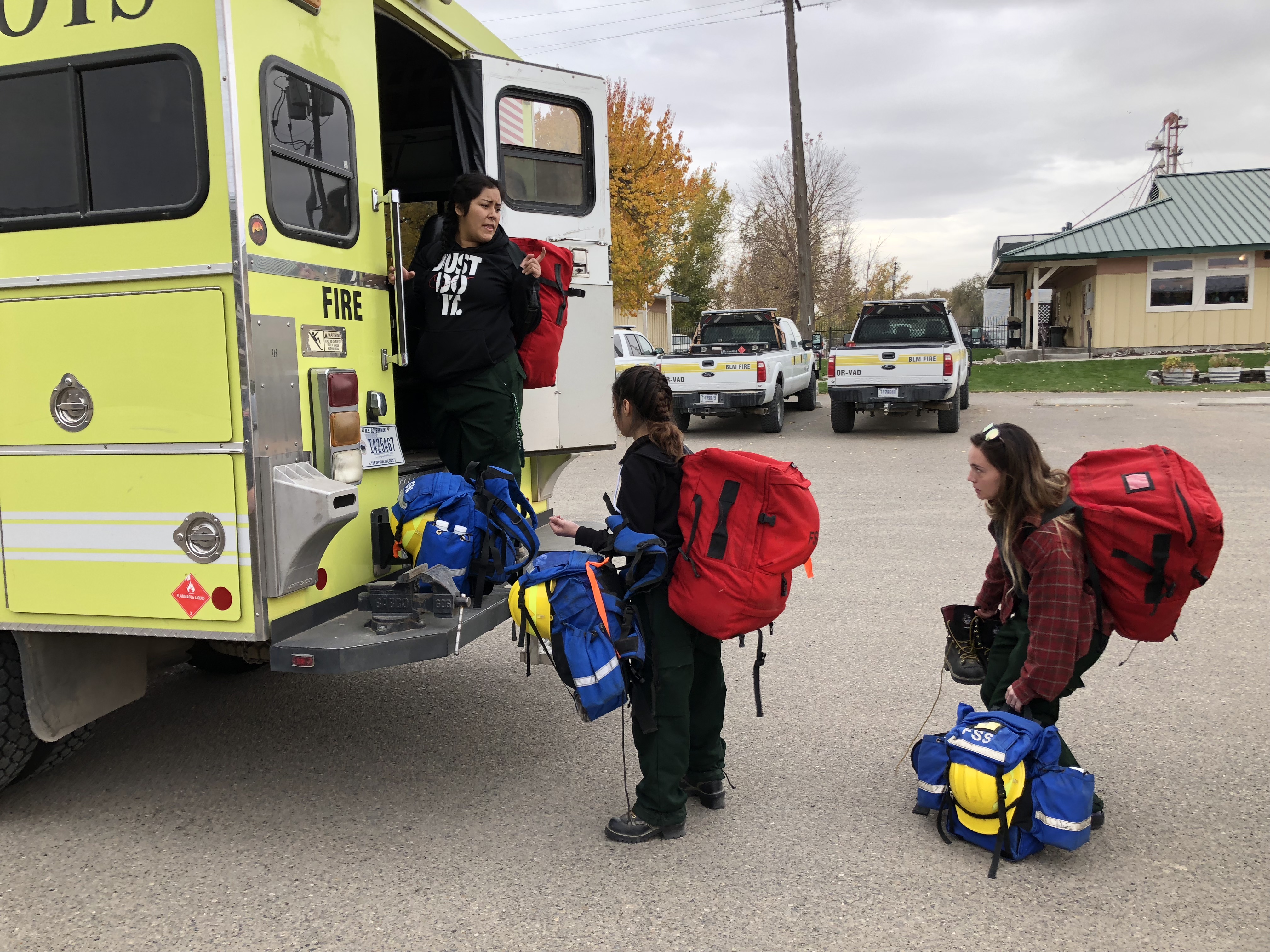
When wildfires come roaring in, most animals instinctively flee from approaching flames, with larger species like deer, bears, and coyotes often running to escape and sometimes seeking shelter in residential areas. Smaller animals, like squirrels and rodents, tend to burrow underground or seek other shelter until the danger has passed.
Animals don’t have emotional attachments to locations that override their survival instincts. The prediction of threat results in precautionary behaviors, such as increasing alertness, environmental surveillance and what we call pre-encounter avoidance (i.e., avoiding threat before it is encountered). Sometimes survival means leaving behind familiar places, possessions, or plans without hesitation when conditions become dangerous.
Maintain Situational Awareness Through Groups

Prairie dog behavior can provide us with a great example of alerting when a predator is detected. In fact, this species is known for their wide range of vocalizations and communicating whether the predator is in the air or on the ground. The early warning system goes beyond directly saving birds and mammals from predators. This cooperation allows them to spend less time watching for predators and more time getting the food they need to survive.
Animals in groups share the burden of staying alert to danger. When traveling or living with others in potentially dangerous situations, establish simple communication systems and share responsibility for monitoring different directions or types of threats. This collective awareness often catches dangers that individuals miss.
Conclusion
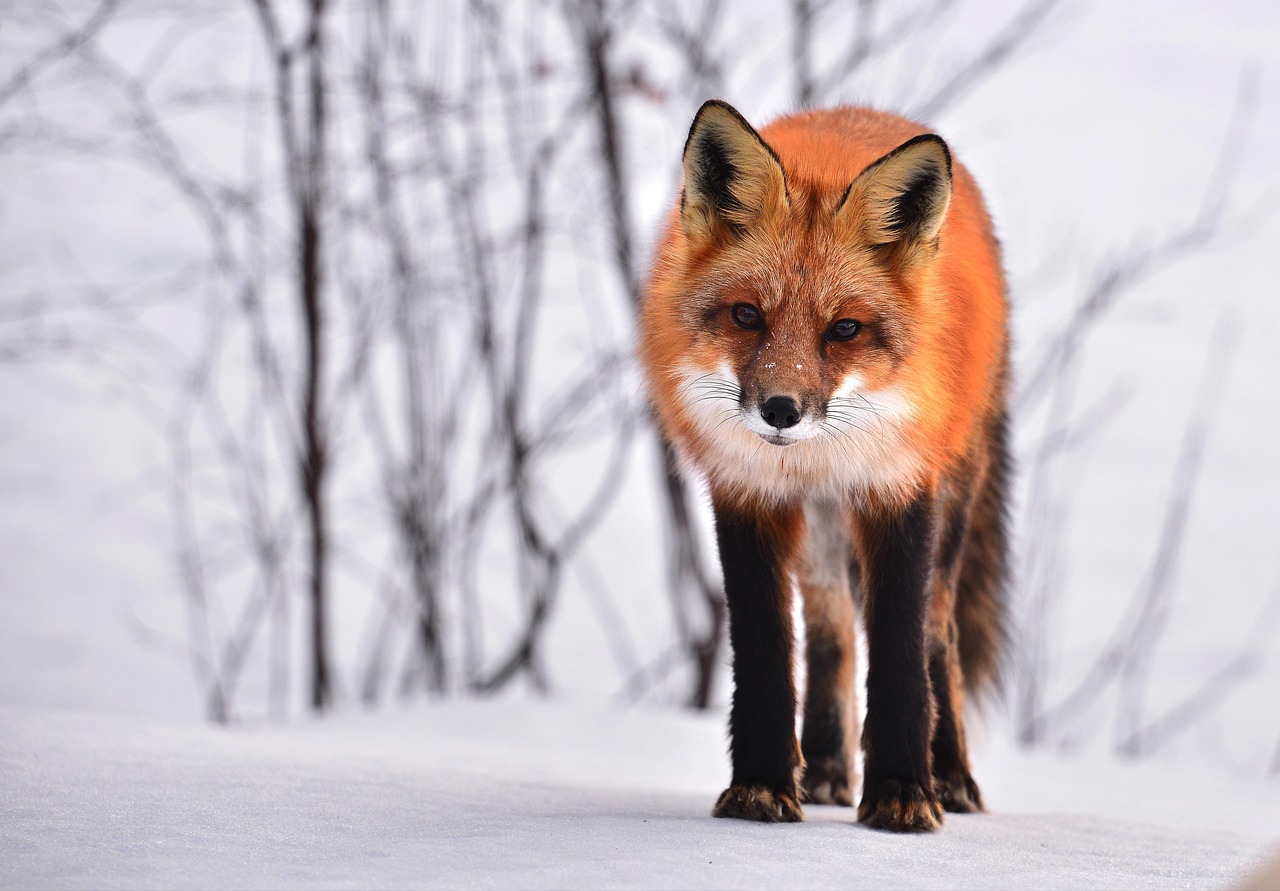
These animal survival instincts represent millions of years of evolutionary refinement in the art of staying alive. While modern life has distanced us from many survival situations, these instincts remain relevant for emergencies, travel to remote areas, and unfortunately, situations involving human threats.
The remarkable thing about these survival strategies is that they’re already programmed into our biology. We just need to recognize and trust them when our safety depends on it. What fascinates you most about these ancient survival techniques that still work today?

- Which American Wild Cat Matches Your Element: Fire, Earth, Air, or Water? - August 2, 2026
- 14 Things Hummingbirds Do the Week Before They Disappear for Winter – Most Gardeners Never Catch It - August 2, 2026
- 7 Unique Facts About Arizona - August 2, 2026