

For those familiar with the American Southwest, the lethal Mojave rattlesnake or Mojave Green needs no introduction. The deadliest snake in North America, the Mojave Rattler is a creature of both fascination and fear. Found in the arid landscapes of the southwestern United States and Mexico, this highly venomous reptile is a master of its harsh environment and one of the very few aggressive to humans. If you happen to be visiting the southwest, touring a desert in Arizona or the Parashant National Monument, beware of the Mojave rattlesnake, a bite can be fatal without medical attention. Here are 12 facts about the Mojave rattlesnake including what makes it one of the most lethal snakes in the world.
1. One of the Most Venomous Snakes in the world

🔥 Would you like to save this?
We'll email this post to you, so you can come back to it later!
The Mojave Rattlesnake (Crotalus scutulatus) is not just the world’s deadliest pit viper, it is the most lethal snake in North America and one of the most venomous snakes in the world. Unlike many other rattlesnakes whose venom is primarily hemotoxic (damaging to blood and tissues), the Mojave’s venom is neurotoxic too, meaning it can damage nerve function, potentially leading to paralysis, respiratory failure and even death. Some populations also have a strong hemotoxic component, making their venom a dangerous combination. This dual action makes a bite from a Mojave Rattlesnake particularly serious, requiring prompt medical attention.
2. Not All Mojave Rattlesnakes are Green

🔥 Would you like to save this?
We'll email this post to you, so you can come back to it later!
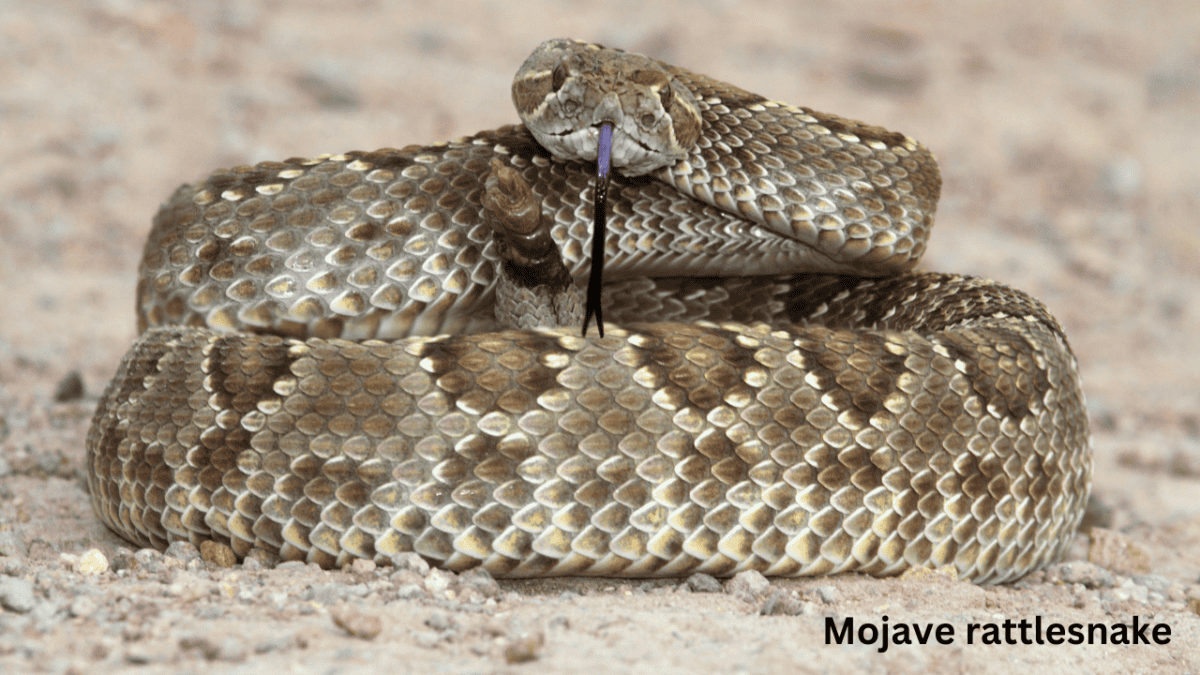
Mojave Rattlers are often referred to as the Mojave Green, but not all of them are vibrant green. Their coloration varies depending on their habitat and can include shades of brown, gray, olive, and even yellowish or pinkish. They typically have dark blotches or diamond-shaped patterns along their backs, providing excellent camouflage against the desert terrain of rocks, sand, and sparse vegetation. This camouflage is crucial for both hunting and avoiding predators.
3. The Rattle’s Tale

🔥 Would you like to save this?
We'll email this post to you, so you can come back to it later!
The iconic rattle at the end of the Mojave Rattlesnake’s tail is a warning device. It’s made of interlocking segments of keratin (the same material as human fingernails). Each time the snake sheds its skin; a new segment is added. When threatened, the snake vibrates its tail rapidly, creating a buzzing sound that serves as a clear “back off” message. However, it’s important to note that not all rattlesnakes rattle before striking. Young snakes may not have developed a full rattle, and some adults may choose to strike without warning.
4. Masters of the Arid Landscape

🔥 Would you like to save this?
We'll email this post to you, so you can come back to it later!
Mojave Rattlesnakes are perfectly adapted to the harsh desert environment. They thrive in arid and semi-arid regions, including deserts, grasslands, and scrublands. They prefer areas with rocky outcrops, canyons, and washes, which provide shelter and hunting grounds. They are found in parts of California, Nevada, Arizona, Utah, New Mexico, and Texas, as well as in northern Mexico.
5. Nocturnal Hunters

🔥 Would you like to save this?
We'll email this post to you, so you can come back to it later!
To avoid the extreme daytime heat of the desert, Mojave Rattlesnakes are primarily nocturnal, meaning they are most active at night. They emerge in the cooler evening hours to hunt for prey. During the day, they seek shelter in burrows, rock crevices, or under vegetation to escape the sun’s intense rays.
6. Ambush Predators and Very Aggressive to Humans

🔥 Would you like to save this?
We'll email this post to you, so you can come back to it later!
Mojave Rattlesnakes are ambush predators, meaning they lie in wait for their prey to come within striking distance. They primarily feed on small mammals like rodents, rabbits, and ground squirrels, but they may also consume lizards and other small reptiles. They use their keen sense of smell and heat-sensing pits (located between their eyes and nostrils) to detect prey. Moreover, unlike several venomous snakes in North America which aren’t aggressive to humans, the Mojave is so. The only other snakes that display a similar aggression are the copperhead and the cottonmouth.
7. They Give Live Birth in the Desert

🔥 Would you like to save this?
We'll email this post to you, so you can come back to it later!
Mojave Rattlesnakes are ovoviviparous, meaning they give birth to live young. The females incubate the eggs internally, and the young are born fully developed. A typical litter can range from a few to over a dozen baby snakes. These newborns are immediately venomous and capable of hunting.
8. They Survive Winter by Becoming Dormant
🔥 Would you like to save this?
We'll email this post to you, so you can come back to it later!
During the colder winter months, Mojave Rattlesnakes enter a state of dormancy called brumation. Like hibernation in mammals, brumation allows the snakes to conserve energy when food is scarce and temperatures are low. They seek out protected locations like burrows or rock crevices to spend the winter.
9. They are Medium Sized Snakes

🔥 Would you like to save this?
We'll email this post to you, so you can come back to it later!
Surprisingly, Mojave rattlesnakes are not the largest venomous snake in North America. The average length of a Mojave Rattler is 2-4 feet. The largest rattlesnake in the United States is the eastern diamondback rattlesnake which may be the largest in the world.
10. They are Important for the Ecosystem

🔥 Would you like to save this?
We'll email this post to you, so you can come back to it later!
Mojave Rattlesnakes play an important role in the desert ecosystem by helping to control populations of rodents and other small animals. They are also a food source for larger predators like hawks, eagles, and coyotes. The Mojave Rattlesnake is not currently listed as endangered or threatened. However, habitat loss due to human development and other factors can pose a threat to their populations. Conservation efforts are important to ensure the continued survival of these fascinating reptiles.
11. You Need to Respect Them by Keeping Your Distance

🔥 Would you like to save this?
We'll email this post to you, so you can come back to it later!
While their venom is potent, Mojave Rattlesnake bites are relatively rare. Most bites occur when people accidentally disturb or try to handle the snakes. It’s crucial to respect their space and avoid approaching or handling them. If you encounter a Mojave Rattlesnake in the wild, the best course of action is to give it plenty of room and allow it to move on.
12. There are Two Sub Species of the Mojave Rattlesnake
🔥 Would you like to save this?
We'll email this post to you, so you can come back to it later!
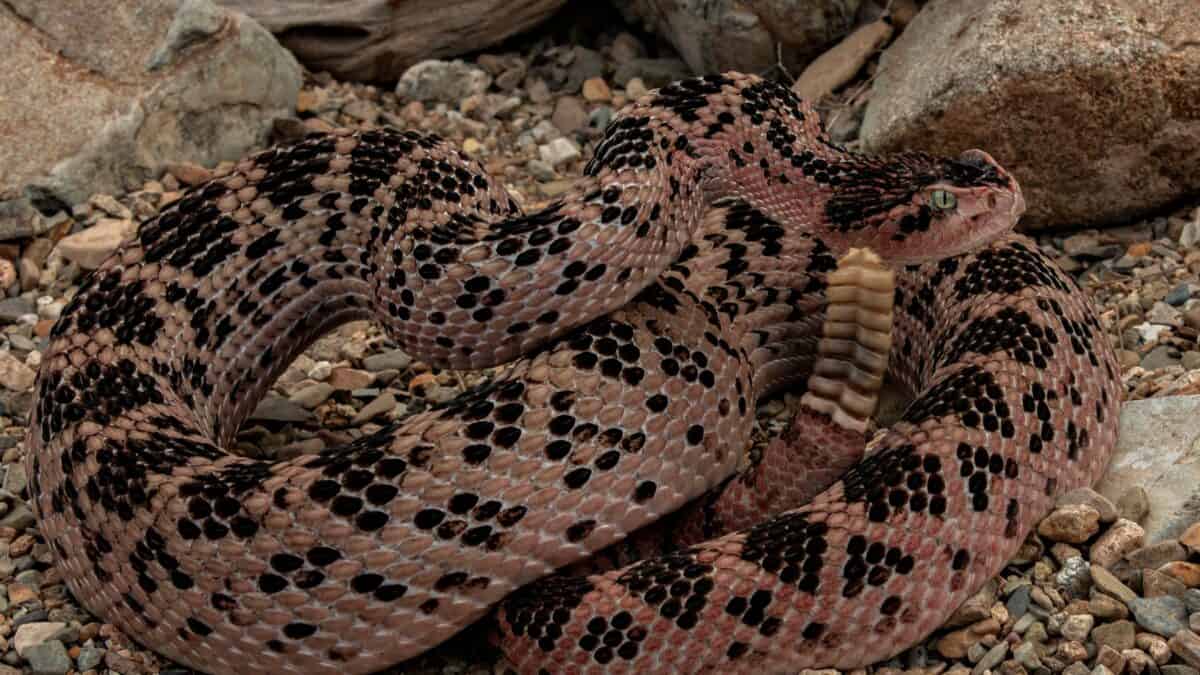
There are two recognized subspecies of the Mojave Rattlesnake: Crotalus scutulatus and Crotalus scutulatus salvini. These subspecies are differentiated by slight variations in their physical characteristics and geographic distribution.
Conclusion

🔥 Would you like to save this?
We'll email this post to you, so you can come back to it later!
the Mojave Rattlesnake is a remarkable creature, perfectly adapted to the harsh desert environment. Its potent venom, cryptic coloration, and nocturnal habits are all crucial for survival. While its venom demands respect and caution, it’s essential to recognize its vital role in the ecosystem. By understanding and respecting this fascinating reptile, we can ensure its continued presence in the wild and appreciate its important place in the delicate balance of nature.
We hope you found this article informative. For more interesting content on snakes, please follow animals around the globe or read the article Why the Garter Snake is a North American Garden’s Best Friend

- 14 Wildlife Permits Waived for Americans the Year They Turn 62 - November 5, 2026
- Machu Picchu’s Engineering Feats Were Far Ahead of Its Time - November 5, 2026
- 12 Most Beautiful American Cities To See Before You Die - November 4, 2026