

Picture this: you’re sitting in your living room, when suddenly your dog starts pacing frantically, your cat disappears under the bed, and the birds outside fall mysteriously silent. Minutes later, the ground beneath you begins to shake. What if these animals somehow sensed what was coming long before your sophisticated seismometers even registered a tremor?
For thousands of years, humans have documented strange animal behavior preceding earthquakes. From ancient Greek historians who recorded snakes and mice fleeing cities days before catastrophic events, to modern pet owners reporting their dogs howling inexplicably hours before tremors strike. Yet science has struggled to separate fact from folklore in this age-old mystery. Recent groundbreaking research, however, is finally revealing which animals possess this seemingly supernatural ability and how they manage to detect disasters before they unfold. The answers might surprise you.
The Ancient Mystery That Scientists Finally Cracked
The earliest reference we have to unusual animal behavior prior to a significant earthquake is from Greece in 373 BC. Rats, weasels, snakes, and centipedes reportedly left their homes and headed for safety several days before a destructive earthquake. This wasn’t just a one-time observation either.
There are reports of animal disturbance during the eruption of Vesuvius in 79 CE, though Pliny the Younger’s detailed accounts focus primarily on the volcanic activity itself and are remembered as some of the earliest documented cases of unusual animal behavior before a catastrophe.
In ancient Chinese chronicles, texts describe how, before “earth shakes,” animals began to behave strangely: snakes crawled out of their burrows even in winter, dogs barked all night long, and birds suddenly changed their flight paths. For the Chinese, such phenomena served as warnings of impending earthquakes. The consistency of these reports across different cultures and centuries suggests something real was happening.
Dogs: Nature’s Earthquake Detectors
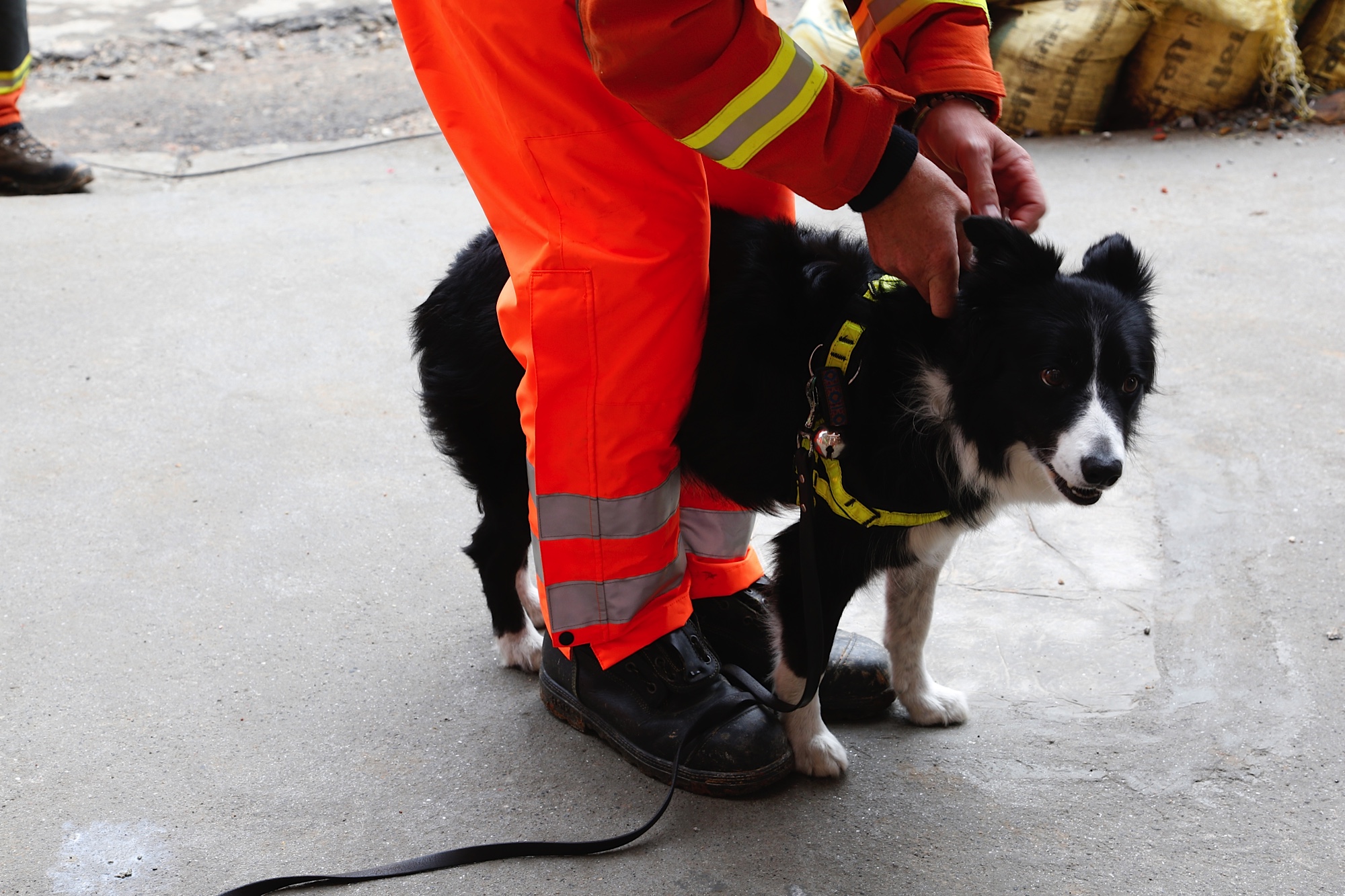
Countless pet owners claimed to have witnessed their cats and dogs acting strangely before the ground shook – barking or whining for no apparent reason, or showing signs of nervousness and restlessness. This isn’t just pet owner imagination running wild.
Dogs perceive low-frequency vibrations with their ultrasensitive hearing. Elephants detect them through pads in their feet, while dogs perceive them with their ultrasensitive hearing. Researchers recently proposed that crowdsourcing and social media might help us to predict earthquakes. They developed a prototype that would use social media posts about abnormal animal behavior, such as dog barking, to help warn of oncoming earthquakes. Some scientists think they could be sensing foreshocks (smaller earthquakes that occur before the larger earthquake) or acoustic waves generated by the movement of underground rocks.
Think of dogs as living seismometers with incredible sensitivity. Their hearing range extends far beyond ours, allowing them to pick up subtle sounds that accompany the early stages of seismic activity. When tectonic plates begin their deadly dance deep underground, dogs might be the first to hear the Earth’s whispered warning.
The Incredible Sensing Powers of Elephants
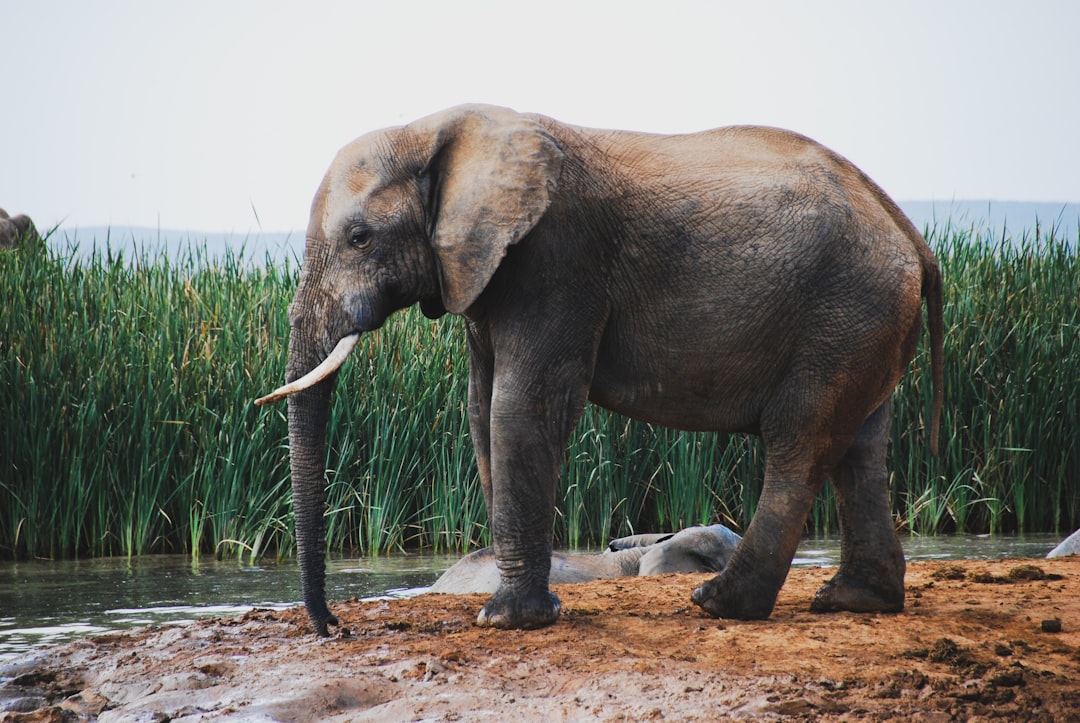
Elephants can detect seismic signals through specialized receptors in their feet and trunks from up to 20 miles away, allowing them to communicate over long distances and potentially sense P-waves (primary waves) that precede more destructive earthquake waves. These gentle giants are essentially walking earthquake detection systems.
Before the devastating tsunami in the Indian Ocean in 2004, people noticed herds of elephants and antelopes retreating inland well in advance. Reports from various locations in Thailand described elephants breaking their chains and running to higher ground before tsunami waves arrived, while usually docile animals became highly agitated.
Large mammals like elephants combine multiple sensing abilities – seismic sensitivity through their feet, infrasound detection through specialized ear structures, and acute smell – creating comprehensive disaster detection systems. It’s like having a multi-tool for disaster detection built right into their bodies.
Snakes and the Underground Warning System
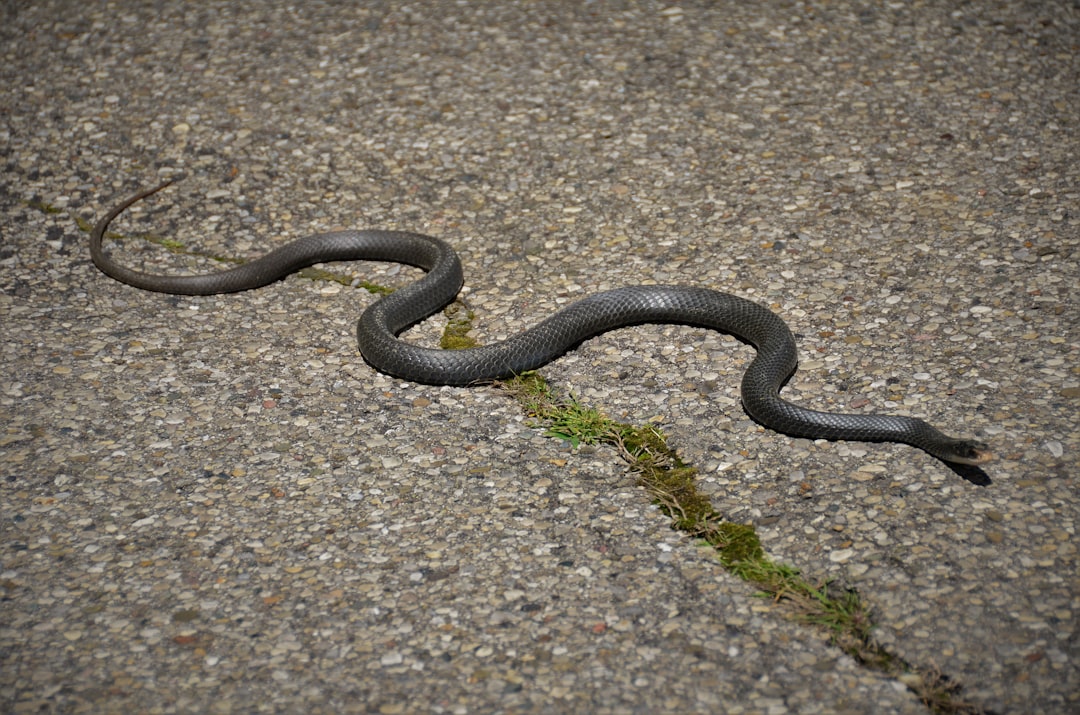
Despite freezing temperatures, scores of snakes slithered out of their hibernation dens in the weeks before a magnitude 7.3 earthquake struck the Chinese city of Haicheng on February 4, 1975. This dramatic behavior helped save thousands of lives when authorities heeded the warning.
Burrowing animals like snakes, rodents, and worms demonstrate strong sensitivity to ground vibrations and gas emissions, making them particularly responsive before earthquakes and volcanic activity. Snakes possess jaw structures that make contact with the ground, effectively turning them into seismic sensors.
Imagine living your entire life with your face pressed to the ground, feeling every subtle tremor and vibration. That’s essentially how snakes experience the world, making them exquisitely sensitive to the early warning signs that precede major seismic events.
Birds: The Sky’s Early Warning Network

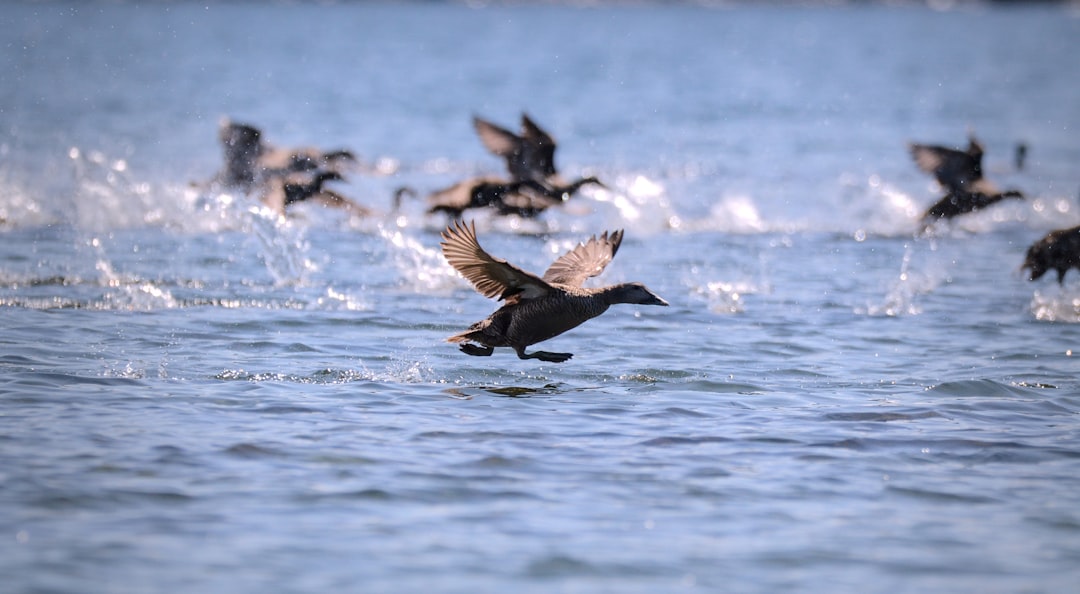
Birds appear particularly sensitive to atmospheric pressure changes and infrasound, making them effective predictors of storms, tsunamis, and volcanic eruptions; their ability to take flight gives them a unique evacuation advantage. When birds suddenly abandon an area en masse, pay attention.
In all cases, there were reports of peculiar behavior beforehand, including dogs howling in the night mysteriously, caged birds becoming restless, and nervous cats hiding. Similar reports have surfaced globally, with accounts of dogs barking incessantly, birds flying erratically, and cats hiding suddenly without apparent cause.
Birds have another advantage: mobility. When they sense danger, they can simply fly away, often becoming the first visible sign that something is terribly wrong. Their sudden departure from an area has historically served as nature’s evacuation alarm.
The Groundbreaking Italian Farm Study
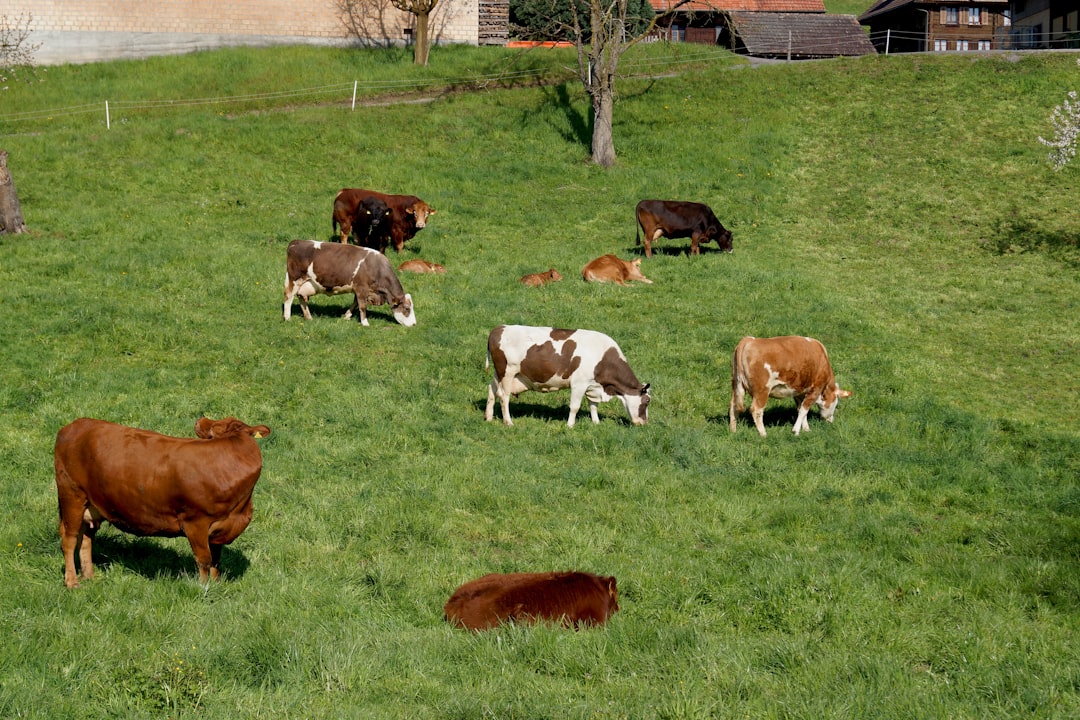
During separate periods totaling about four months in 2016 and 2017, researchers attached biologgers and GPS sensors to six cows, five sheep and two dogs living on a farm in an earthquake-prone area of northern Italy. A total of more than 18,000 tremors occurred during the study periods, with more seismic activity during the first one – when a magnitude 6.6 quake and its aftershocks struck the region.
The researchers say the farm animals appeared to anticipate tremors anywhere from one to 20 hours ahead, reacting earlier when they were closer to the origin and later when they were farther away. This finding, the authors contend, is consistent with a hypothesis that animals somehow sense a signal that diffuses outward.
“However, this effect was clear only when the researchers looked at all animals together. Collectively, the animals seem to show abilities that are not so easily recognized on an individual level,” says Wikelski. It’s like nature’s own earthquake prediction network, with each species contributing unique sensory data.
The Science Behind the Sixth Sense

Scientists believe that animals can sense changes in the environment that occur before an earthquake, such as changes in the magnetic field, ground vibrations, or the release of gases from the Earth’s crust. Animals may be able to sense changes in the Earth’s magnetic field that occur before an earthquake.
Animals may sense the ionization of the air caused by the large rock pressures in earthquake zones with their fur. It is also conceivable that animals can smell gases released from quartz crystals before an earthquake. Using the results of our research, we describe a logical but complex sequence of geophysical events triggered by precursor earthquake crustal movements that ultimately result in a sound signal detectable by animals. The sound heard by animals occurs only when metal or other surfaces (glass) respond to vibrations produced by electric currents induced by distortions of the earth’s electric fields caused by the crustal movements.
The mechanisms are incredibly complex, involving everything from electromagnetic field changes to chemical emissions. Animals aren’t psychic, they’re just incredibly well-equipped biological sensors that evolution has fine-tuned over millions of years.
Why Scientists Remain Cautiously Optimistic

Even though there have been documented cases of strange animal behavior prior to earthquakes, the United States Geological Survey, a government agency that provides scientific information about the Earth, says a reproducible connection between a specific behavior and the occurrence of a quake has never been made.
“My cat could act crazy before an earthquake,” she says. “But my cat also acts crazy if somebody uses the can opener.” In order to use the animals as prognosticators, it would be imperative to establish that they exhibited unusual behavior only in reaction to upcoming seismic events.
It is important to note that animal behavior alone is not a reliable predictor of earthquakes, and more research is needed to fully understand how animals can sense seismic activity. Unfortunately, there’s no conclusive scientific evidence yet that dogs can predict tremors. Yet the mounting evidence suggests we’re on the verge of a breakthrough in our understanding of nature’s warning systems.
Conclusion: Nature’s Living Earthquake Detectors

The idea that animals can sense earthquakes before they strike is no longer just ancient folklore or pet owner wishful thinking. Scientific research is revealing a complex network of biological sensors that have evolved over millions of years to detect environmental changes we can barely comprehend. From dogs with their extraordinary hearing to elephants with their seismic-sensitive feet, from snakes that feel every ground vibration to birds that sense atmospheric changes, nature has created an intricate early warning system.
While we can’t yet rely on animal behavior alone to predict earthquakes, the combination of traditional scientific instruments with biological monitoring could revolutionize disaster preparedness. The next time your pet starts acting strangely, maybe it’s worth paying attention. After all, they might just be telling you something your most sophisticated equipment hasn’t detected yet.
What do you think about it? Have you ever noticed unusual animal behavior before a natural disaster? Tell us in the comments.
