
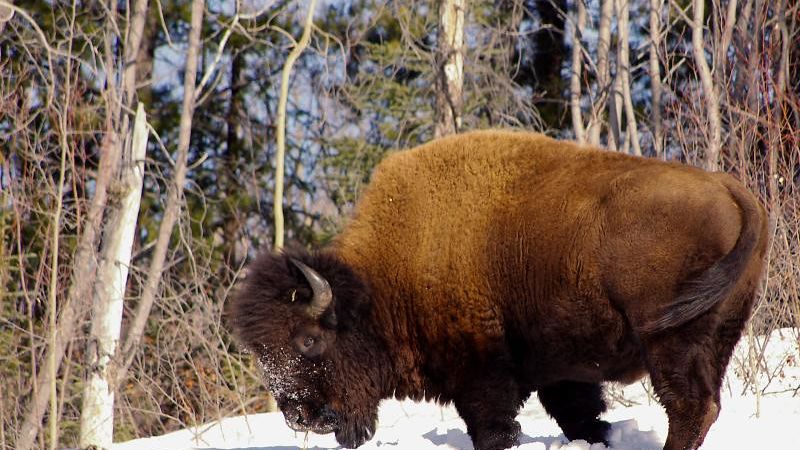
Picture this: massive herds stretching to the horizon, thundering across grasslands while dust clouds rise behind them like nature’s own cavalry charge. Once, this was the heartbeat of America’s Great Plains. Millions upon millions of bison roamed freely from Canada to Mexico, their thunderous migrations shaping entire ecosystems.
Today, roughly 21,000 wild bison remain scattered across America’s national parks and preserves, a mere fraction of their former glory. Still, these magnificent creatures continue to rule select pockets of wilderness where their ancient rhythms endure. The sight of a thousand-pound bull standing against a prairie sunset remains one of the most powerful wildlife encounters you can experience. So let’s dive into the remarkable places where these icons of the American West still call home.
Yellowstone National Park: America’s Last Continuous Herd
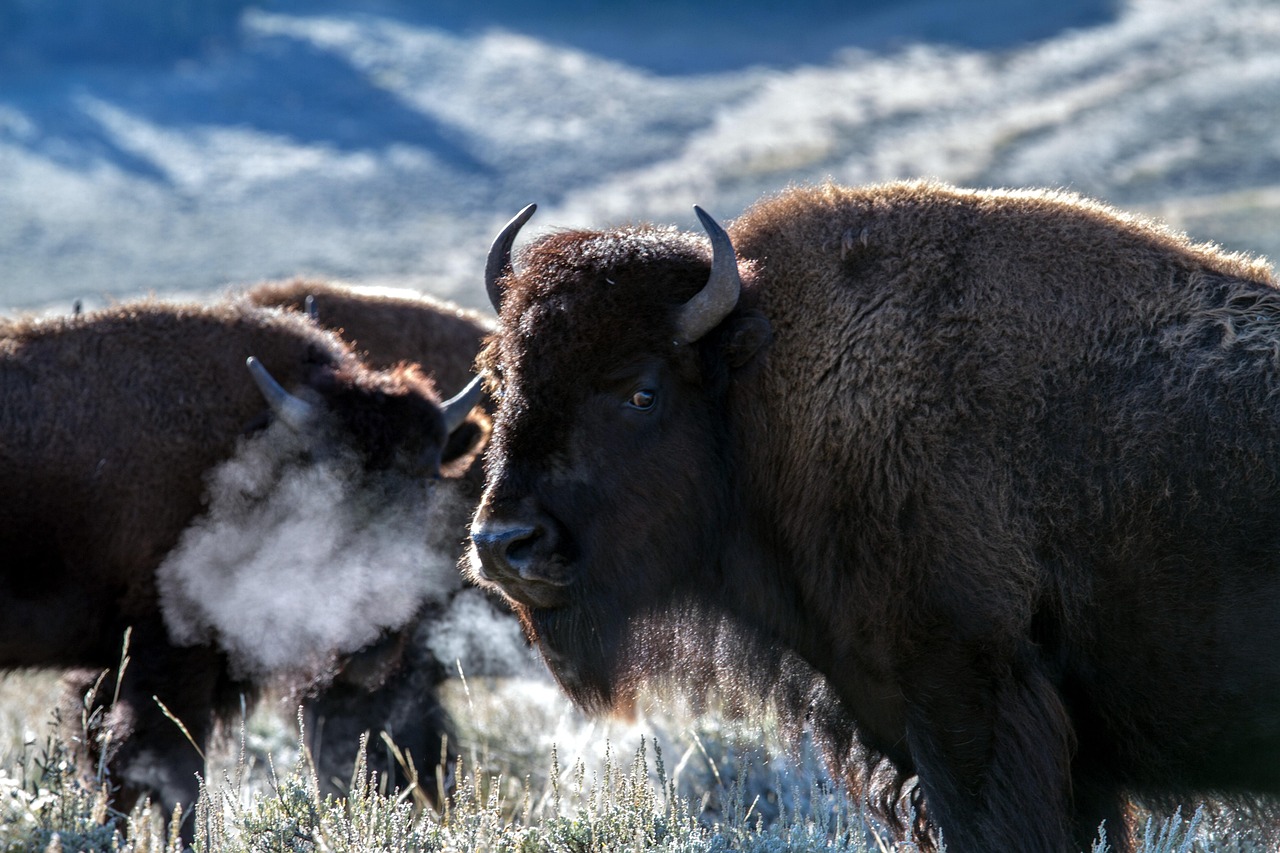
Yellowstone stands as the crown jewel of bison conservation, hosting between 3,500 and 6,000 bison across its vast wilderness. This park holds a distinction no other place can claim: it’s the only place in the U.S. where bison have lived continuously since prehistoric times. These aren’t reintroduced animals – they’re the direct descendants of the original Great Plains herds.
The Lamar and Hayden Valleys offer your best chances for spectacular bison encounters year-round. Recent genetic studies reveal that what were once considered two separate herds now function as a single interbreeding population, a testament to over a century of successful conservation efforts. During winter months, you’ll find massive herds congregating around thermal features and along the Madison River, creating scenes that transport you back to primordial America.
Grand Teton National Park: The Escapees Who Made It Home
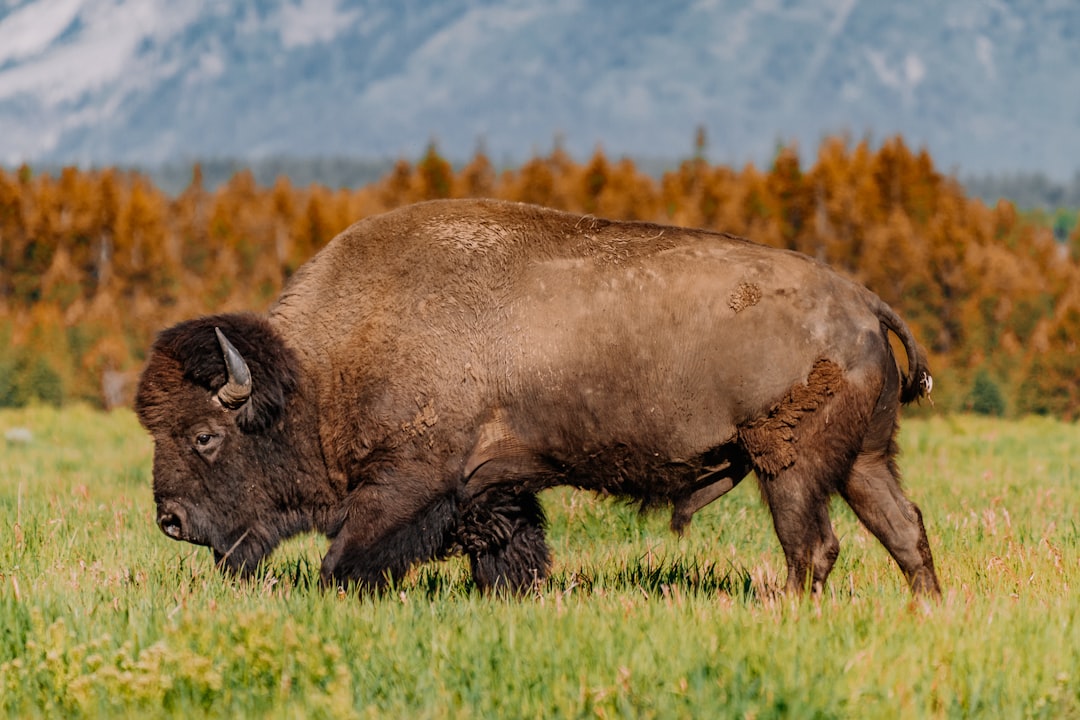
Grand Teton’s bison population tells one of conservation’s most charming stories. In 1968, the entire captive herd escaped from the Jackson Hole Wildlife Park, and after unsuccessful recapture attempts, managers decided to let them roam free. Today, approximately 600 bison call this dramatic landscape home.
The best viewing spots include Mormon Row at sunrise and the grasslands along the Snake River. These animals showcase remarkable agility despite their massive size – they can run at speeds up to 35mph and jump up to 6 feet high. Unlike their Yellowstone cousins, Grand Teton’s bison exhibit localized seasonal movements, heading to lower elevations like the National Elk Refuge during winter.
Theodore Roosevelt National Park: Badlands Survivors
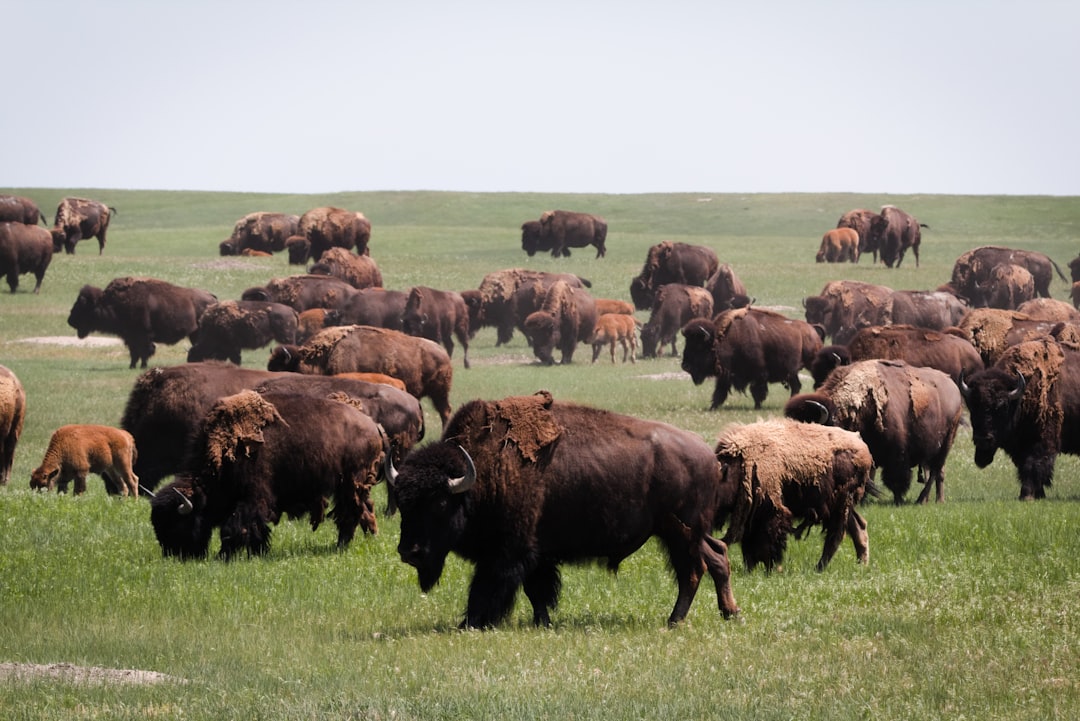
North Dakota’s badlands showcase two distinct bison herds totaling around 400 animals. The first bison arrived in 1956 when 29 animals from Fort Niobrara National Wildlife Refuge were transferred to the South Unit. Six years later, twenty bison established the North Unit herd.
The South Unit accommodates 200-400 bison, while the smaller North Unit houses 100-300 head. These hardy animals exemplify wilderness resilience, thriving in one of America’s most challenging climates. The park regularly transfers excess bison to Native American tribes through conservation programs, maintaining the delicate balance between ecosystem health and population sustainability.
Wind Cave National Park: The Genetic Goldmine
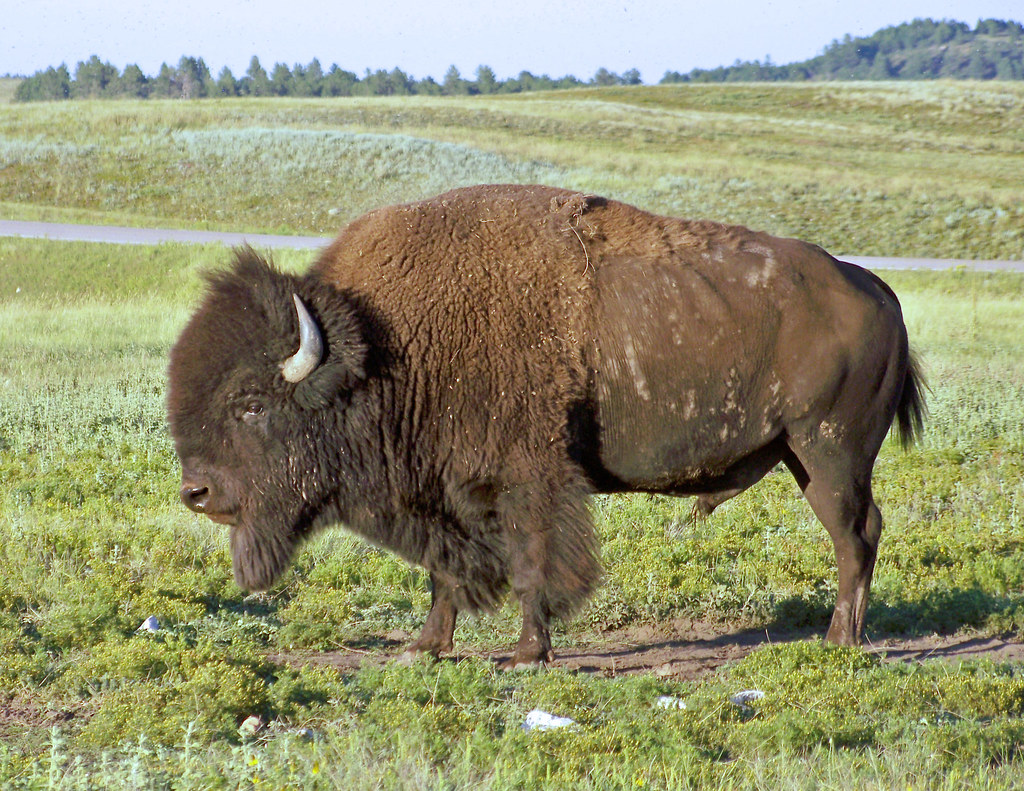
Though one of the smaller bison populations, Wind Cave’s herd carries outsized importance in conservation genetics. The history traces back to 1913 when 14 bison arrived from New York Zoological Park, followed by six more from Yellowstone in 1914 – those original 20 animals are the only ones brought into Wind Cave in the last 100+ years.
Several hundred bison call Wind Cave home, roaming the mixed-grass prairie ecosystem. From Wind Cave, this pure genetic strain has flowed to 30 Native American Tribes and other conservation sites. Bison Flats offers excellent viewing opportunities, where you might encounter the famous “bison jams” as herds cross Highway 385.
Badlands National Park: Prairie Fortress Expansion
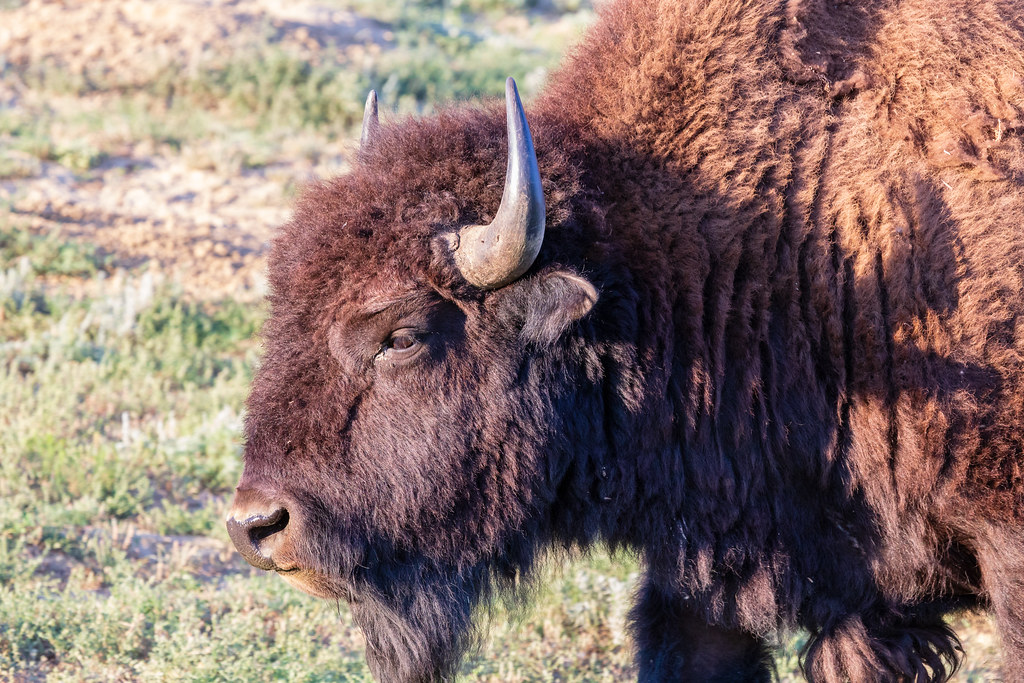
Bison in Badlands National Park now have an additional 22,553 acres to roam thanks to conservation efforts, extending their habitat from 57,640 acres to 80,193 acres. Almost 1,200 of these extraordinary animals live in this space. This expansion makes it potentially the second-largest herd in the National Park system.
The dramatic landscape of eroded buttes and mixed-grass prairie creates a prehistoric atmosphere where bison still rule as they did millennia ago. Recent habitat expansion means more opportunities for visitors to witness these magnificent creatures against the striking backdrop of the South Dakota badlands. The park’s conservation success demonstrates how modern efforts can restore historical ecosystems.
Tallgrass Prairie National Preserve: Kansas Grassland Guardians
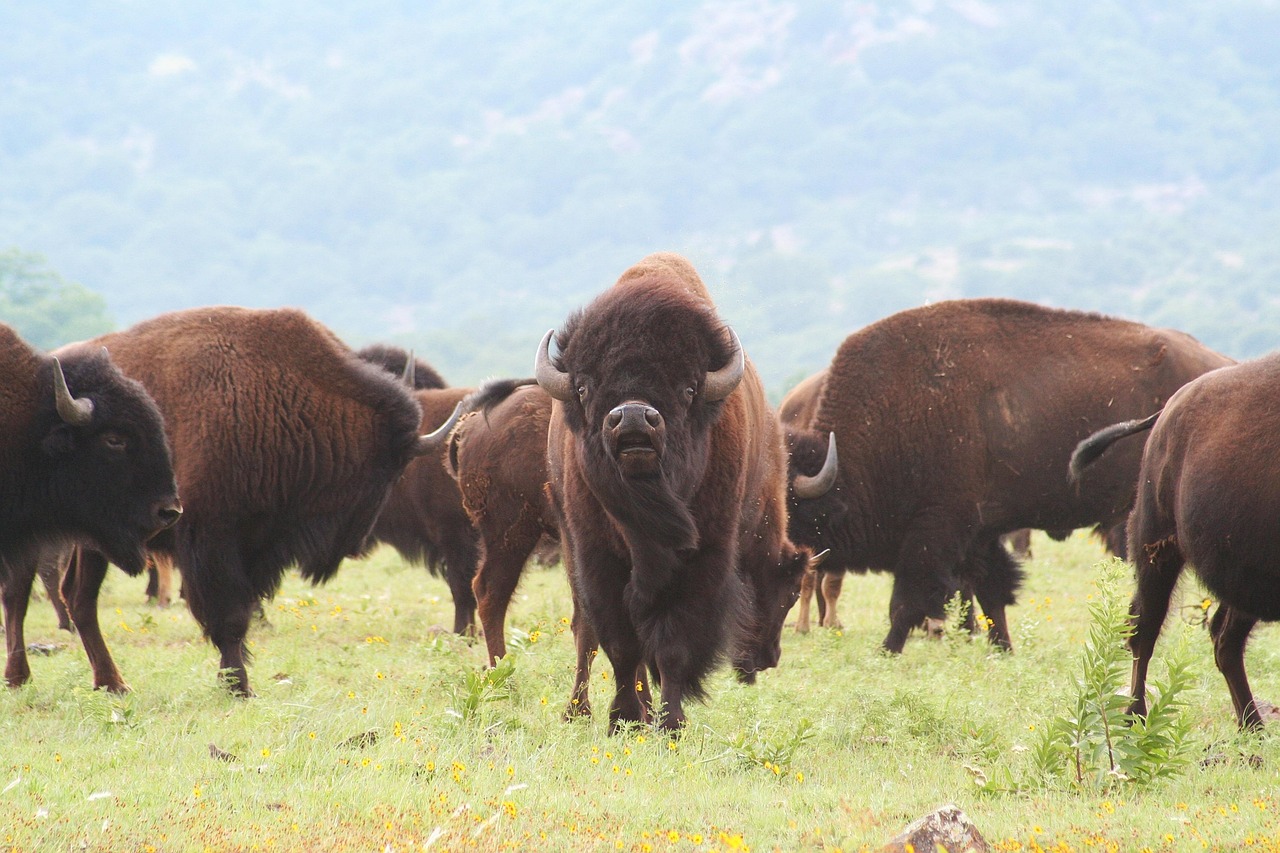
Kansas might seem like an unlikely bison stronghold, yet Tallgrass Prairie National Preserve maintains a bison herd of roughly 90 animals. The preserve chose Wind Cave National Park as their source for bison based on the herd’s high genetic diversity, apparent absence of cattle genes, and disease-free status.
This partnership exemplifies modern conservation strategy, where smaller satellite herds contribute to larger conservation efforts. Wind Cave represents a source herd that helps establish new bison populations in other states, with Tallgrass Prairie serving as one of these satellite herds. The tallgrass prairie ecosystem provides crucial habitat for maintaining genetic diversity across the species’ range.
Grand Canyon National Park: The Controversial North Rim Herd
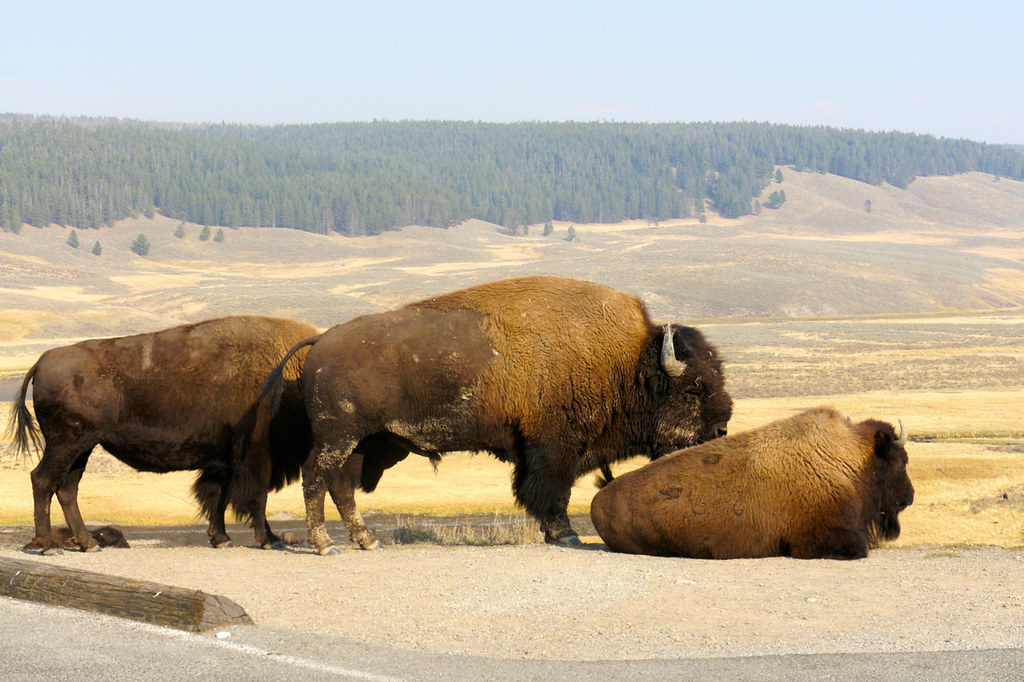
The Grand Canyon’s North Rim hosts perhaps the most debated bison population in the park system. The Kaibab Plateau Bison herd roams the North Rim of the Grand Canyon and adjacent North Kaibab National Forest. This controversial herd goes back to efforts to cross bison and cattle, creating ongoing management challenges.
These “forest ninja bison” inhabit high-elevation ponderosa pine forests, creating unique viewing opportunities against one of America’s most iconic backdrops. The herd’s presence demonstrates both the adaptability of bison and the complex management decisions facing modern conservation. Spotting these animals requires patience, as they blend surprisingly well into the forested landscape.
Wrangell-St. Elias National Park and Preserve: Alaska’s Prairie Pioneers
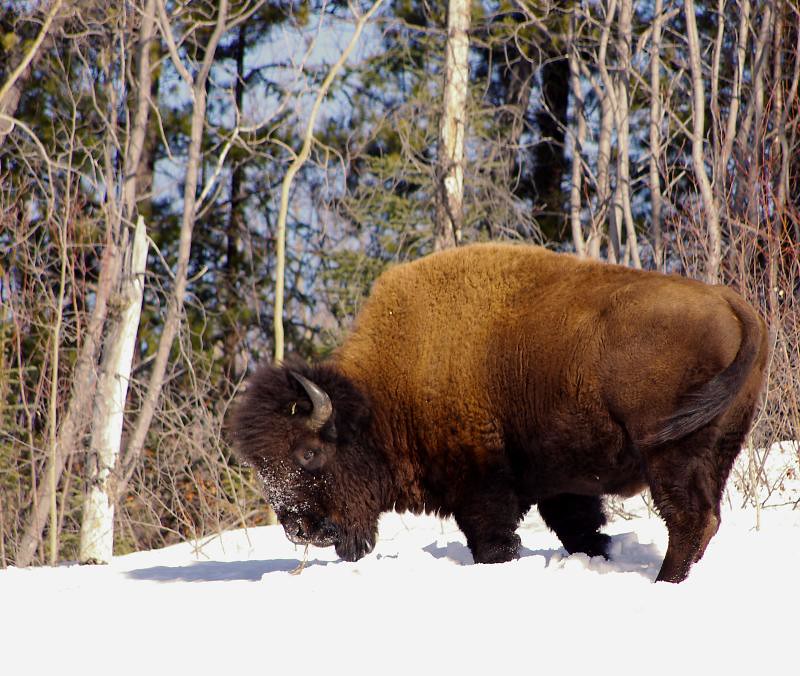
America’s largest national park harbors an unexpected treasure: two of the most free-ranging plains bison herds in the United States, the Copper River herd and Chitina River herd. This relatively small, 200-head population of Plains bison was transplanted from the National Bison Range in Montana in 1928.
These northern-dwelling bison represent one of conservation’s boldest experiments – transplanting Great Plains animals to sub-Arctic Alaska. The vast wilderness of Wrangell-St. Elias, larger than Switzerland, provides these herds with unprecedented freedom to roam. Their survival in this harsh environment demonstrates the remarkable adaptability that allowed bison to dominate North America’s diverse landscapes.
Banff National Park: The Reintroduction Success Story
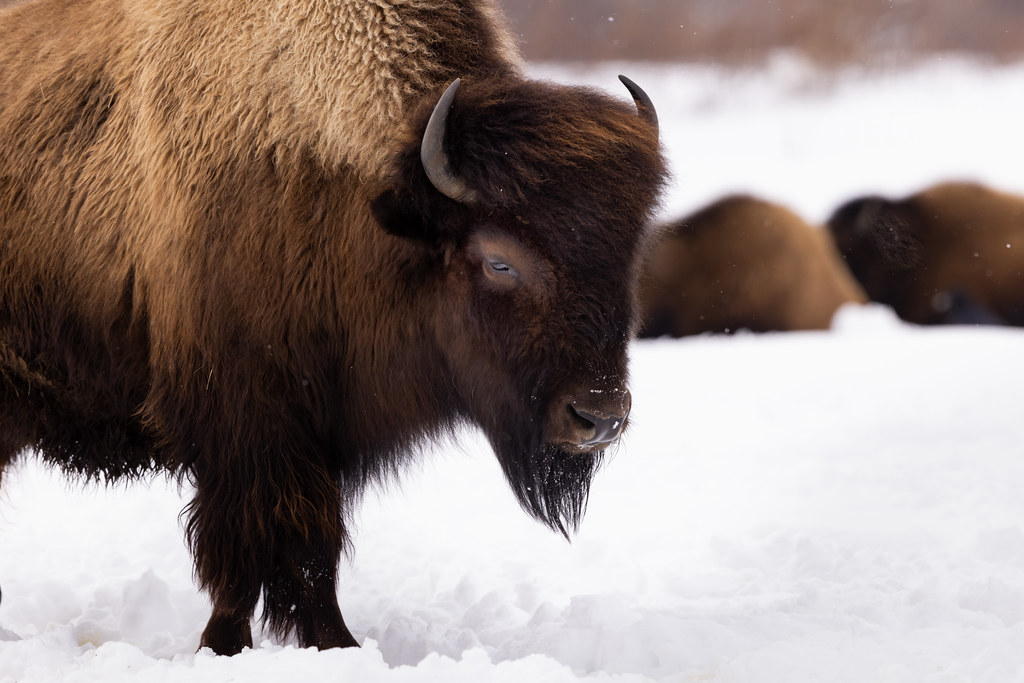
The last wild bison in Banff were recorded in the late 1870s. In 1898, Rocky Mountains Park created a bison paddock with three bison from Texas and later members from a Manitoba herd. After decades of captivity, a bold reintroduction program has returned wild bison to their ancestral lands.
This marks the first bison hunt on Banff lands in nearly 145 years, with the herd growing from 16 to over 130 animals since 2017. The recent ceremonial bison harvest represents a substantial step in revitalizing important ceremonial and cultural hunting practices, marking significant cultural reconnection between Indigenous peoples and these sacred animals.
Fort Niobrara National Wildlife Refuge: The Seed Population
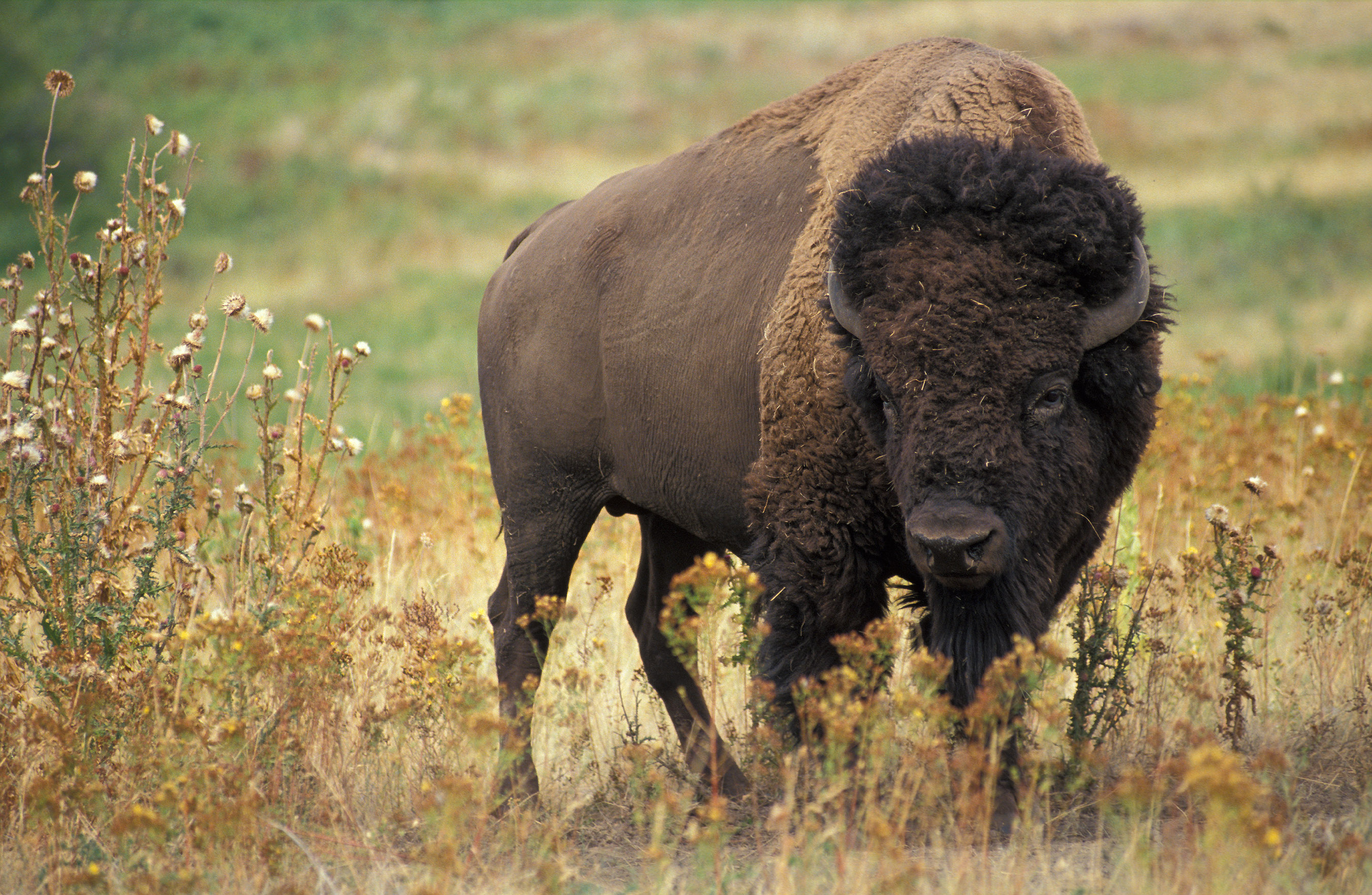
Though technically a wildlife refuge rather than a national park, Fort Niobrara deserves recognition as the source population for many park herds. This Nebraska preserve maintained crucial breeding stock that populated Theodore Roosevelt National Park and other conservation sites across the Great Plains.
The refuge’s mixed-grass prairie provides ideal habitat for maintaining genetic diversity within smaller populations. Its role in bison conservation demonstrates how interconnected modern wildlife management has become, with various sites contributing to species-wide conservation goals. The refuge continues serving as a genetic reservoir for future restoration efforts.
National Elk Refuge: Winter Haven for Grand Teton Herds
While primarily known for its massive elk concentrations, the National Elk Refuge near Jackson, Wyoming, serves as crucial winter habitat for Grand Teton’s bison population. Once these bison discovered the refuge in 1975, the population started reproducing at high levels, transforming from dozens to hundreds and then over a thousand animals.
The refuge’s supplemental feeding programs and protected winter range allow bison to survive harsh Wyoming winters that might otherwise limit population growth. This cooperative management between different agencies showcases how modern conservation requires coordination across jurisdictional boundaries. Winter visitors can witness spectacular gatherings of both elk and bison sharing this critical habitat.
Capitol Reef National Park: The Henry Mountains Connection
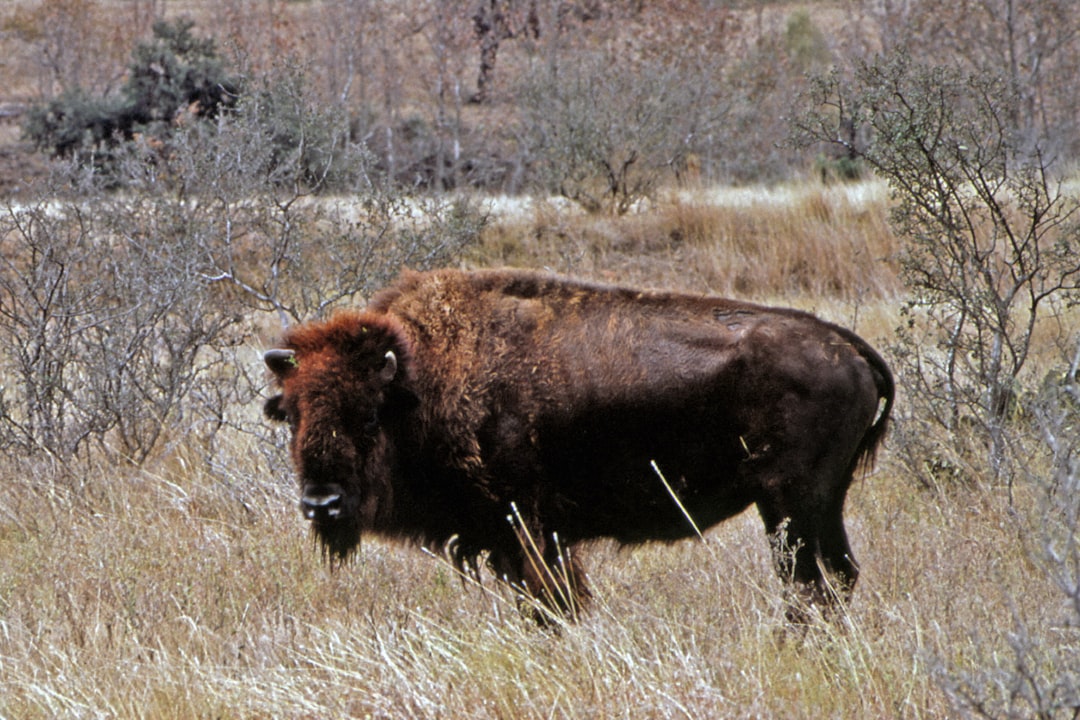
Bison are native to the area in and around Capitol Reef, with the Henry Mountain herd managed by the state of Utah. Though not residing within the park boundaries, these animals represent the southern extension of bison range restoration efforts across the Intermountain West.
The Henry Mountains herd demonstrates how bison conservation extends beyond park boundaries, requiring collaboration between federal parks, state agencies, and private landowners. These animals roam some of the most remote and rugged terrain in the lower 48 states, showcasing the species’ ability to thrive in diverse environments from prairie grasslands to high desert canyonlands.
Conclusion
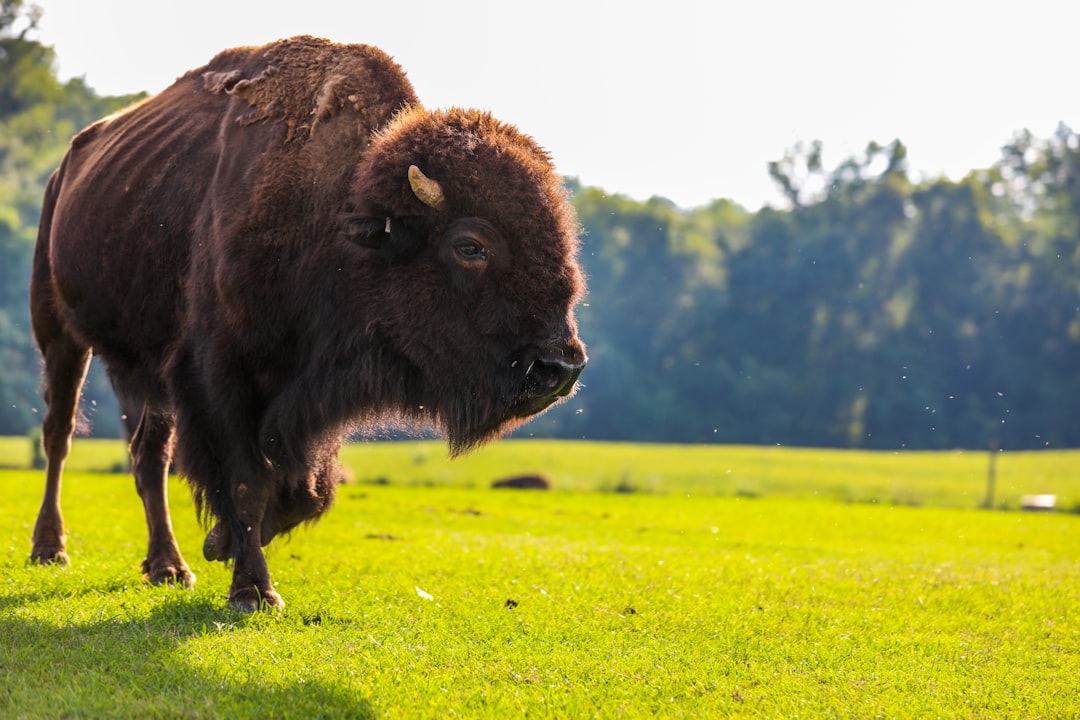
From Yellowstone’s ancient herds to Banff’s newly reintroduced populations, these twelve locations represent hope for America’s national mammal. Only 500,000-600,000 bison remain in America with 95% raised for consumption, making these last remaining migrating herds critically important. Each park tells a unique conservation story, from dramatic escapes to careful genetic management.
These magnificent creatures continue shaping ecosystems just as they did for millennia, their presence transforming grasslands and inspiring countless visitors. The thunder of hooves may be quieter now, but in these protected places, bison still rule with the same wild dignity that once defined the Great Plains. Have you witnessed the raw power of a bison herd in their natural domain? Tell us about your encounter in the comments.

- These 7 Historic US Battlefields Are Sacred Grounds Of Remembrance - August 2, 2026
- The JWST Found A Jekyll-and-Hyde Galaxy In The Early Universe - August 2, 2026
- 10 Heartwarming Ways A Chihuahua Shows They’ve Bonded With You - August 2, 2026