
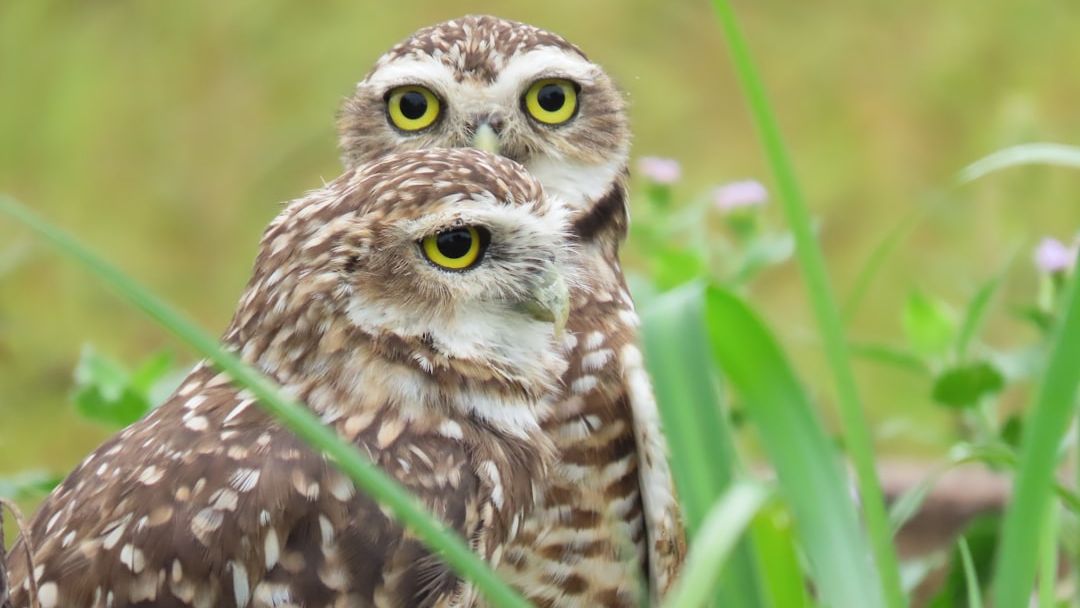
There’s something mesmerizing about catching an owl’s gaze in the wild. Those large, unblinking eyes seem to hold secrets, as if they’ve spent lifetimes observing the world in profound silence. The connection between owls and wisdom stretches back centuries, but what if the real magic lies not in their supposed intelligence, but in how perfectly they mirror the traits of people who think deeply?
While scientists have questioned whether owls truly deserve their reputation as symbols of wisdom, there’s something deeper at play here. When we look at the characteristics that define both owls and deep thinkers, the parallels become striking. Let’s explore why these nocturnal birds serve as the perfect reflection of contemplative minds.
The Sacred Art of Solitude
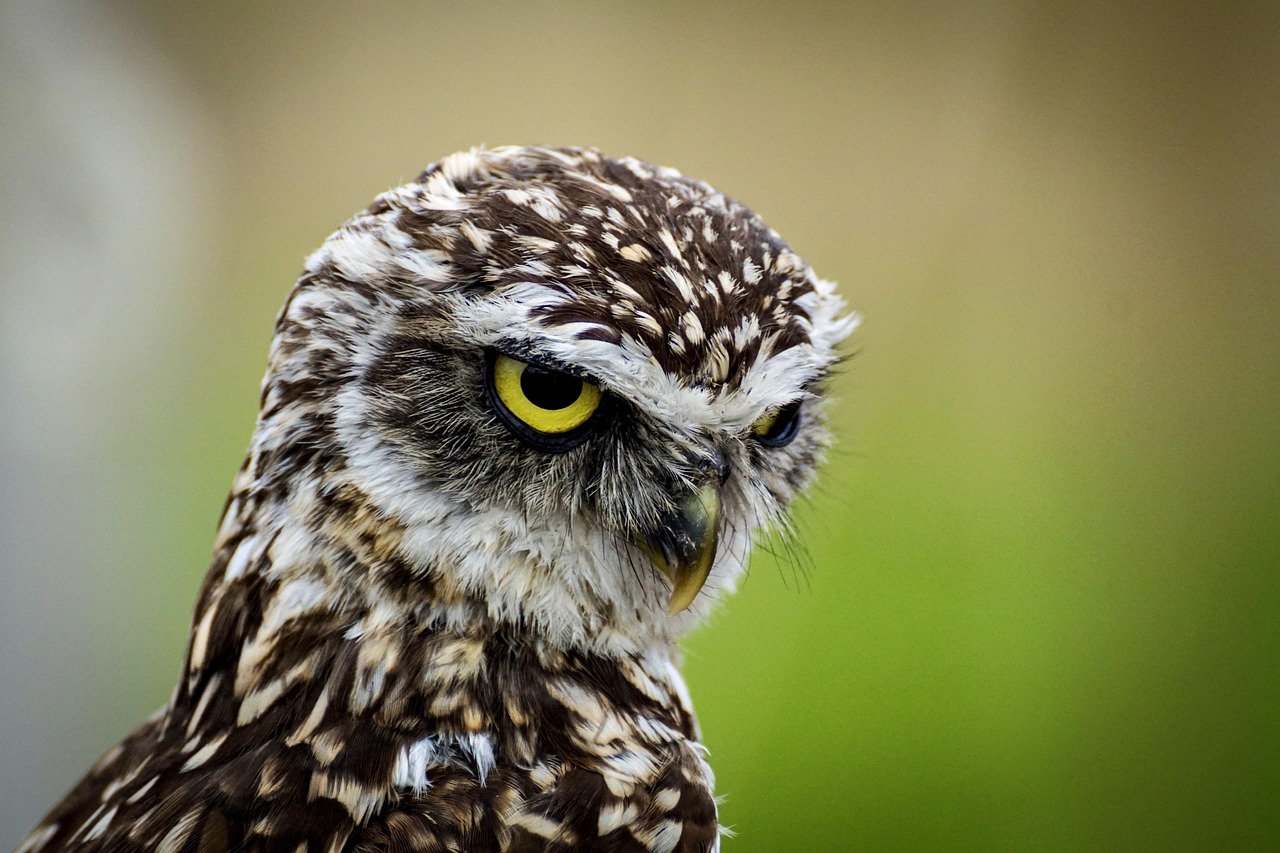
Owls spend much of their time in solitary pursuits, preferring to hole up in quiet working environments. This mirrors one of the most fundamental traits of deep thinkers. If you seldom spend time alone, you won’t have the ability to really think deeply, which requires time and quiet.
Solitude is essential for deep thinkers, providing a space for uninterrupted contemplation and focus on complex ideas. Just as owls retreat to hollow trees and hidden perches, contemplative minds seek quiet spaces where they can process the world’s complexity. Deep thinkers use their rest periods to marinate and solidify those deep thoughts, making the deep thinking they do possible and productive.
The Power of Patient Observation
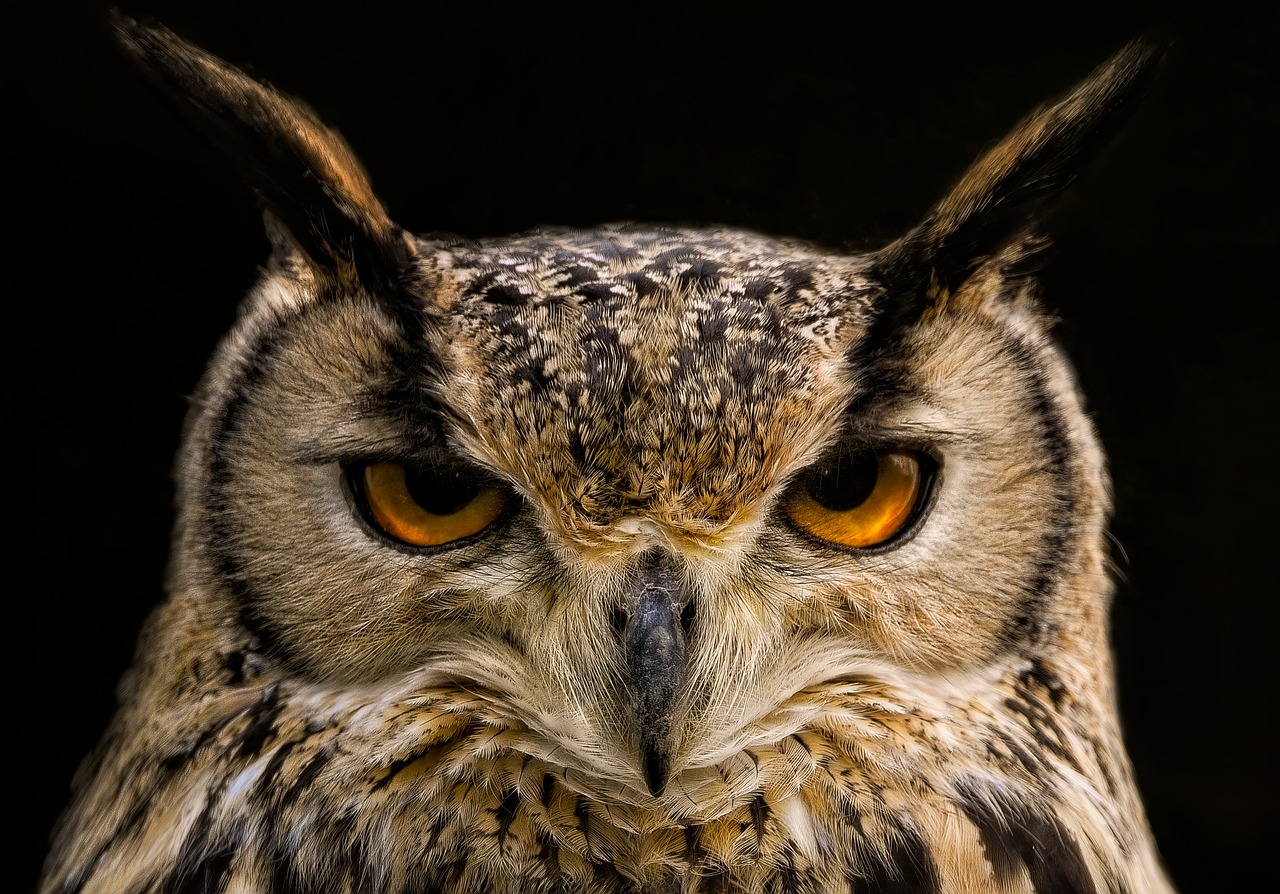
Watching an owl hunt reveals something profound about observation itself. Owls are often solitary creatures, preferring to keep to themselves, which contributes to their perception as aloof and wise. This patient, watchful nature perfectly reflects how deep thinkers approach the world around them.
When deep thinkers seem distracted or constantly lost in thought, it’s not a sign of disconnect from the world but of profound engagement with it, as their minds journey through intricate landscapes of ideas. Deep thinkers tend to say less and observe more, fully engaging in their interests and analyzing topics thoroughly before forming an opinion.
Masters of Specialized Intelligence

Here’s where the comparison gets fascinating. Owls’ intelligence seems focused on specific tasks required for their nocturnal hunting lifestyle, having cognitive abilities needed to find and catch prey efficiently. They’re not generalists like crows or parrots, but specialists in their domain.
Deep thinkers often display this same quality of specialized intelligence. Deep thinkers engage a lot in slow, rational, and analytical thinking that breaks problems down into components and allows understanding of underlying principles. A deep thinker is typically a highly intelligent, insightful, and observant person who has an abstract and analytical mind, constantly wondering, questioning, and searching for meaning.
The Mysterious Nature That Others Misunderstand
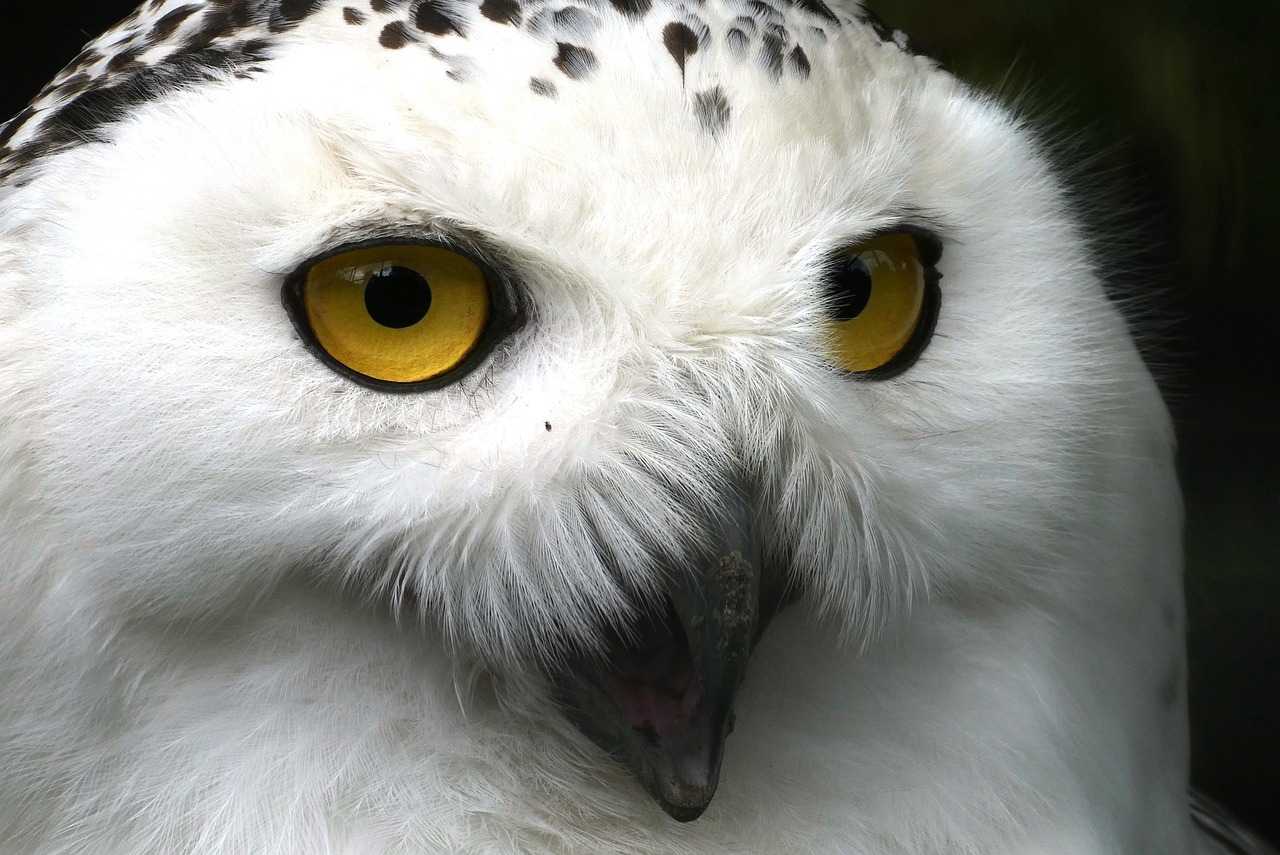
Watching an owl’s piercing stare, it’s easy to imagine that there’s a lot of thinking going on behind those huge eyes. This mysterious quality creates a sense of depth that others find compelling yet hard to understand. Deep thinkers experience this same phenomenon.
Deep thinkers often feel like they don’t belong anywhere and don’t fit in with other human beings, not because they feel superior but because they simply don’t share the views, values, and interests of the majority. Because deep thinkers tend to be introverted and loners, they are often misunderstood and learn early on to rely on themselves.
Nocturnal Minds in a Daylight World
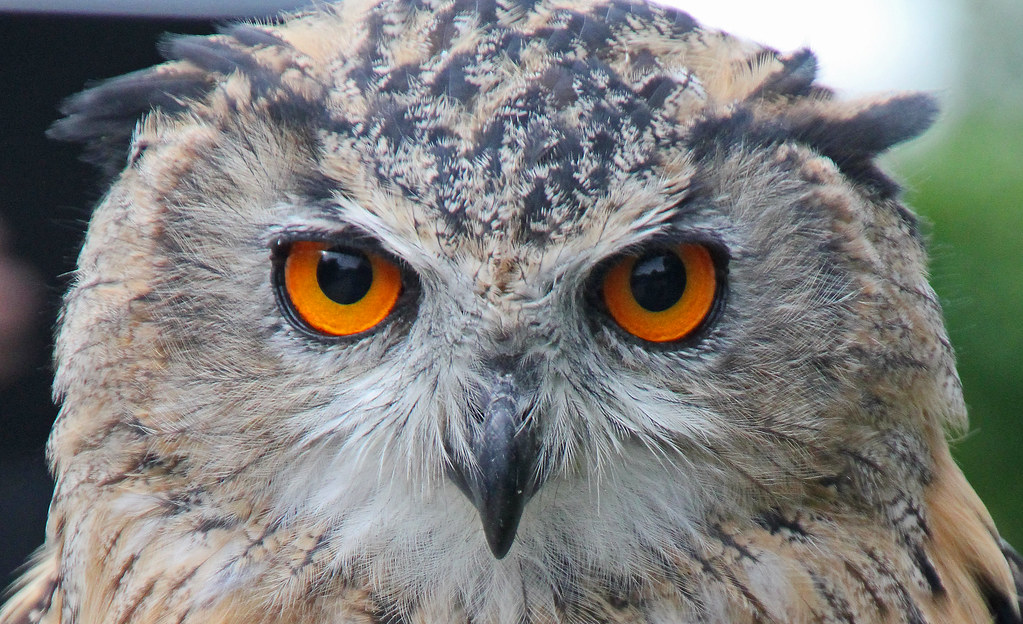
Owls are primarily nocturnal birds, and in many societies, wisdom and intelligence are associated with the ability to navigate and thrive in the darkness or the unknown. This nocturnal nature speaks to something deeper about how contemplative minds operate.
In a recent study by psychologist Satoshi Kanazawa, night owls are more likely to be intelligent than early birds, which is how the idea of owl’s smartness continues in modern days. Deep thinkers often feel most alive and productive during quiet hours when the world slows down, allowing their minds to explore without interruption.
The Preference for Meaningful Connections
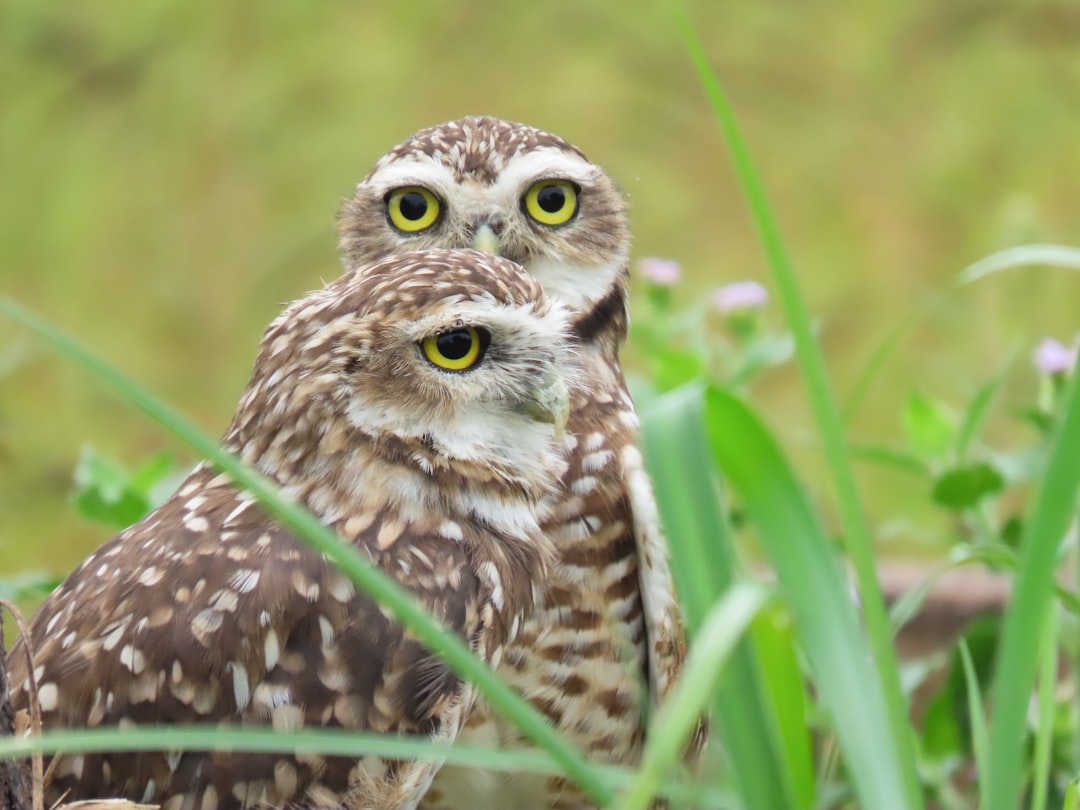
While owls may not be social butterflies, they form intense, meaningful bonds with their mates. There’s evidence to suggest that owls are capable of experiencing and expressing a range of emotions, showing clear preferences for certain individuals and exhibiting behaviors that could be interpreted as affection.
This mirrors how deep thinkers approach relationships. Meaningful, in-depth conversations appeal more to deep thinkers than small talk or surface-level discussions. Deep thinkers prefer one-on-one conversations where they can focus their time and energy on that person and have deeper conversations with a deeper connection.
The Weight of Overthinking
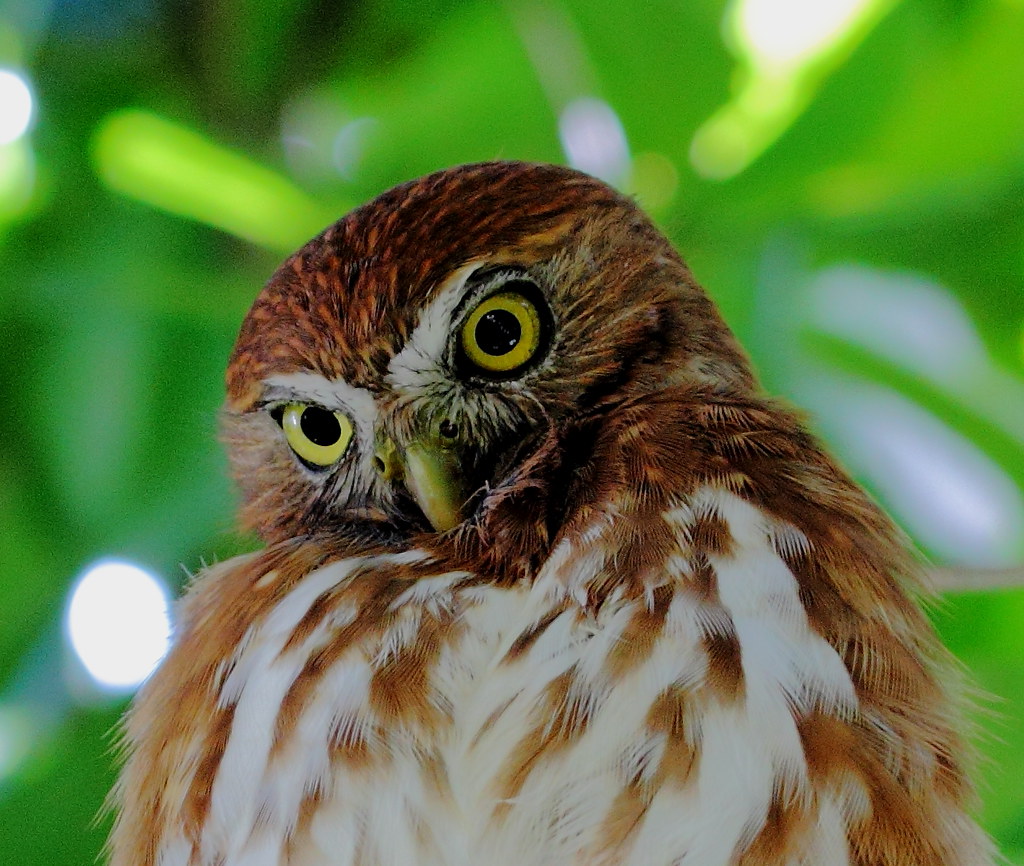
Owls face criticism from researchers for their apparent inability to perform certain cognitive tests. Great Gray Owls presented with string-pulling tests failed to comprehend the physics underlying the relationship between objects, leading some to question their intelligence. Yet this might reflect something deeper about specialized versus generalized thinking.
Deep thinkers face similar challenges. Being a deep thinker often equals being an overthinker, tending to overanalyze things in both personal and professional life, which can lead to self-criticism and a constant state of being busy with observation, analysis, and contemplation. Deep thinkers may require more time to process information and recover from mental exertion due to the thoroughness of their cognitive processing.
Ancient Wisdom in Modern Times
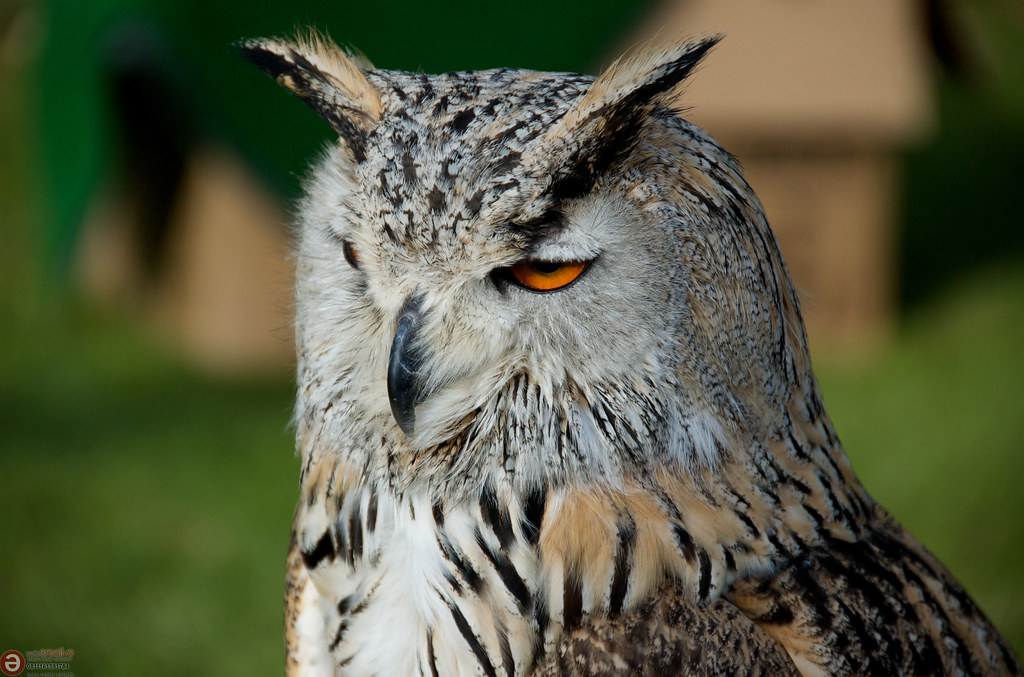
The myth of the wise old owl has ancient roots, drawing from various cultural traditions, including ancient Greece where the owl was associated with Athena, the goddess of wisdom. This connection endures not because owls are necessarily the smartest birds, but because they embody qualities we associate with deep contemplation.
Their nocturnal behavior, combined with their cryptic plumage, large eyes, and keen hunting talents, create the image of an intelligent bird, which is partly why the association likely stemmed from the owl’s exceptional night vision, which seemed almost supernatural to ancient observers. In our fast-paced world, both owls and deep thinkers represent something we’ve lost: the willingness to sit quietly and truly see.
The truth about owls and deep thinkers isn’t found in traditional measures of intelligence. It’s found in their shared commitment to patience, observation, and solitude. They both understand that the most profound insights come not from quick reactions or social validation, but from the quiet courage to sit with complexity until understanding emerges.
In a world that rewards speed and extroversion, owls remind us that there’s another way to engage with reality. They show us that wisdom isn’t about having all the answers immediately, but about having the patience to ask the right questions in the first place. What deeper truths might you discover if you embraced your inner owl?

- The Ancient Secrets of Yellowstone’s Wild Animals Revealed - August 6, 2026
- Are Some Common Pet Behaviors Actually Signs of Undiagnosed Stress? - August 6, 2026
- 8 US States With the Most Horseshoe Crab Spawning Beaches - August 6, 2026