
Imagine coming face to face with a three-ton animal that can run faster than an Olympic sprinter. You’re standing just fifty feet away from one of Africa’s most dangerous creatures, and your first instinct might be to yell or make noise to scare it away. Stop right there.
This scenario plays out more often than you’d think in Africa’s waterways and national parks. Park rangers and wildlife experts have witnessed countless encounters between humans and hippos, and they’re telling us one thing loud and clear: shouting at these massive creatures is not just ineffective, it’s potentially deadly. Let’s explore why making noise around hippos could be the last mistake you ever make.
The Dangerous Myth of Noise Deterrence
Shouting or making loud noises is unlikely to deter a charging hippo. This stark reality challenges what many people believe about wild animal encounters. Unlike bears, which might occasionally be startled by loud sounds, hippos respond very differently to human-generated noise.
Trying to distract them by swinging arms, clapping, or making noise doesn’t work with hippos. Rangers have observed this phenomenon countless times during rescue operations and wildlife encounters. They don’t see well. Trying to distract them by swinging arms, clapping, or making noise doesn’t work with hippos.
The confusion often stems from advice given for other dangerous animals. Making loud noises such as shouting or clapping hands can potentially deter a charging hippo, as they may be startled or confused. Banging pots or pans together or using air horns can also serve the same purpose. However, this conflicting information has led to dangerous misconceptions.
Why Hippos Don’t React Like Other Animals
Surprisingly, hippos can be provoked by loud noises or sudden movements. If you’re near their habitat, it’s important to remain quiet and move slowly. Hippos also become agitated when they feel cornered or if their escape route to water is blocked.
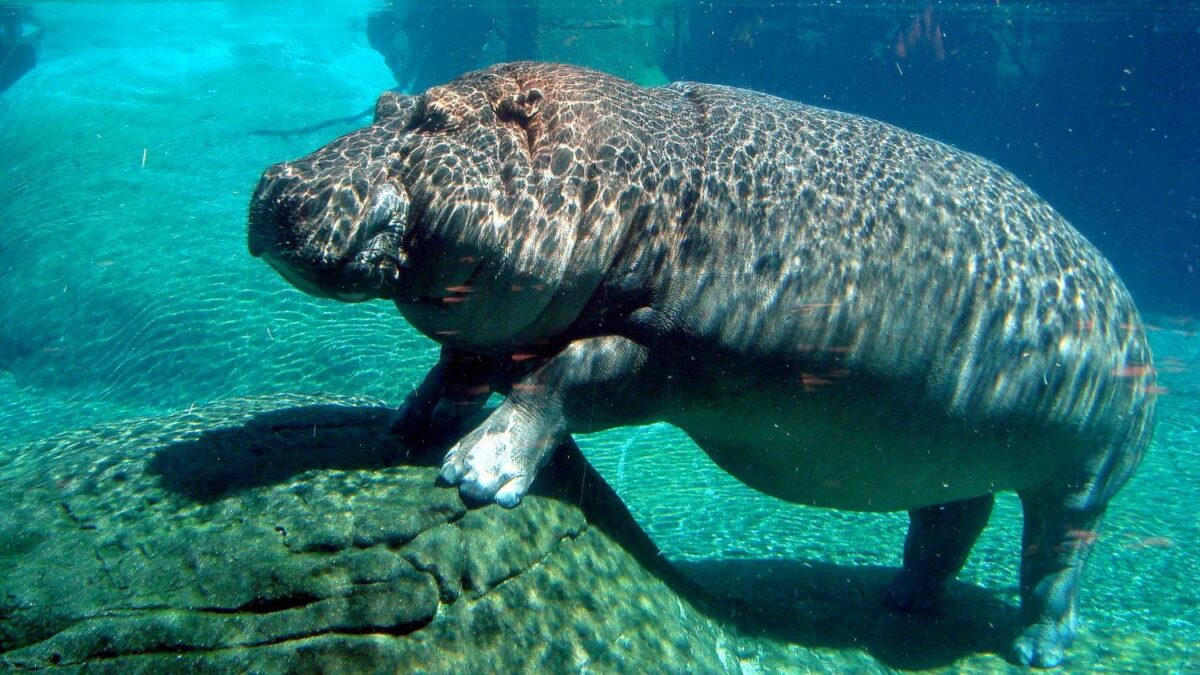
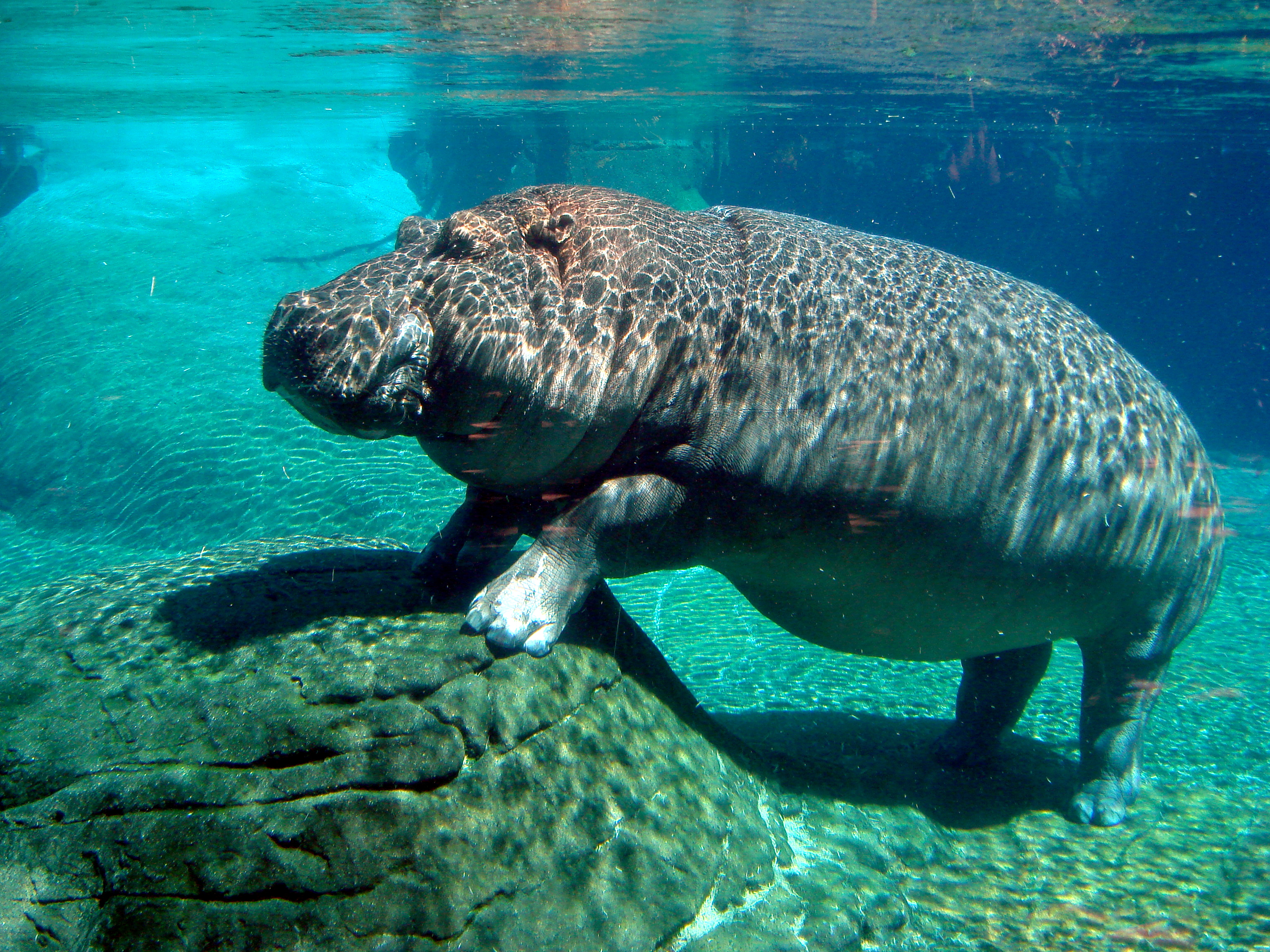
Their unique sensory system makes them fundamentally different from other large mammals. Their eyes, ears, and nostrils sit high on their heads. This lets them stay mostly underwater while still seeing, hearing, and breathing. This positioning means they’re constantly alert to sounds from above water, but they interpret these sounds as potential threats rather than warnings to retreat.
Hippo calls can be very loud, their sounds have been measured at 115 decibels and can be heard from several kilometres away. When you consider that hippos themselves communicate at such high volumes, your shouting simply becomes another sound in their acoustic environment, not a deterrent.
Understanding the Hippo’s Territorial Mindset
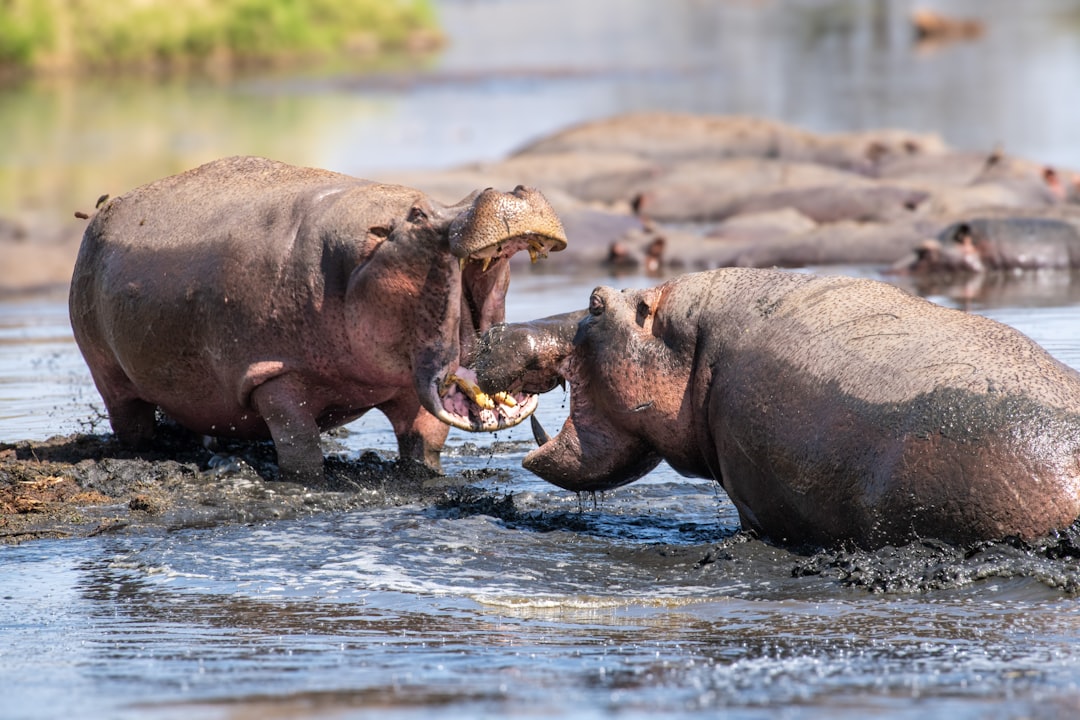
Hippos are very territorial, especially in water. Males will fiercely defend their stretch of river or lake. They use their large mouths and teeth to intimidate rivals and potential threats. This territorial nature is hardwired into their survival instinct.
Hippos’ aggressive behavior stems largely from their highly territorial nature. You’ll find that these massive creatures are fiercely protective of their aquatic domains, which serve as their primary habitat and breeding grounds. They’ll aggressively defend these areas from perceived threats, including other hippos and even boats or humans who accidentally enter their territory.
When you shout at a hippo, you’re essentially announcing your presence as an intruder in their domain. Rather than encouraging them to leave, you’re confirming their suspicion that you pose a threat that needs to be eliminated. This explains why vocal deterrence fails so spectacularly with these animals.
The Warning Signs You Should Actually Watch For
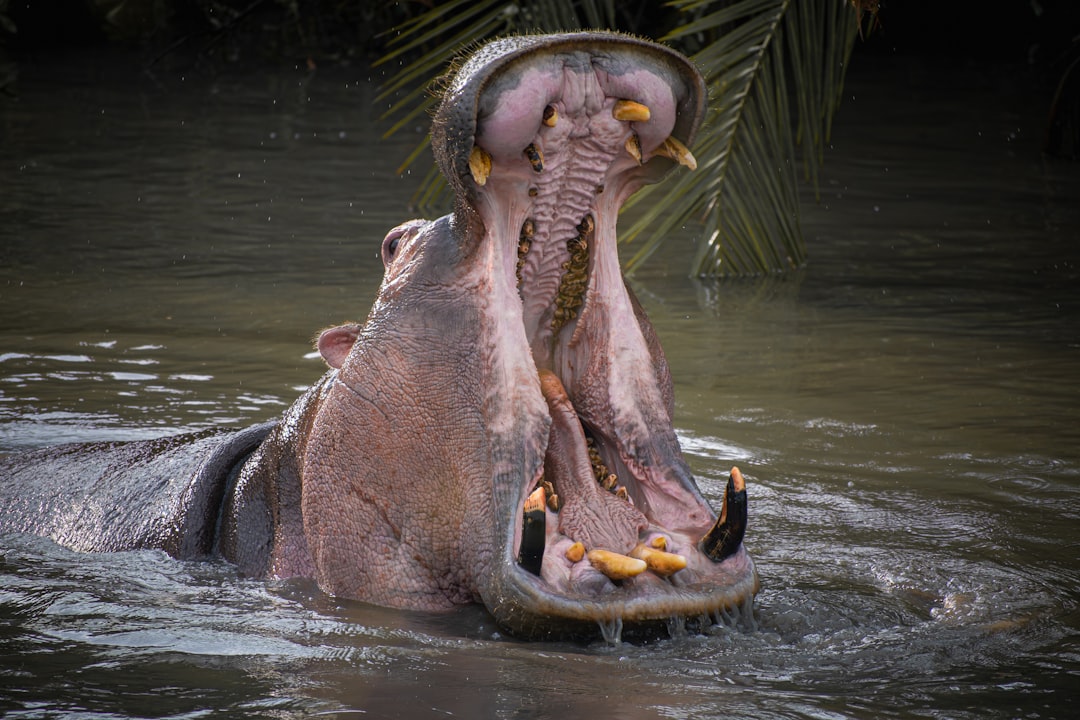
If it feels threatened, or angry, it then lets out a very loud grunt, which is followed quickly by the attack. If you already hear that grunt, you’re getting too close, and should immediately retreat. This is the hippo’s final warning before launching an attack.
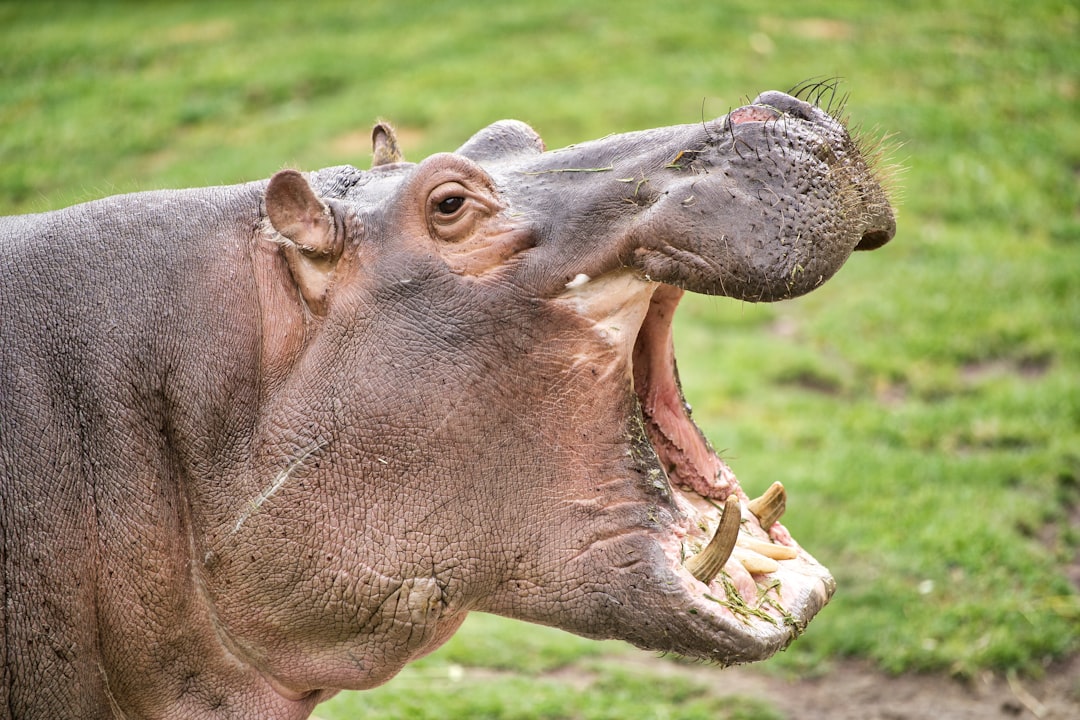
An agitated one will open its mouth wide and yawn as aggressive display. Also watch for a head thrown back, shaking of the head, grunting and snorting. These visual and auditory cues are far more reliable indicators of imminent danger than any deterrent strategy.
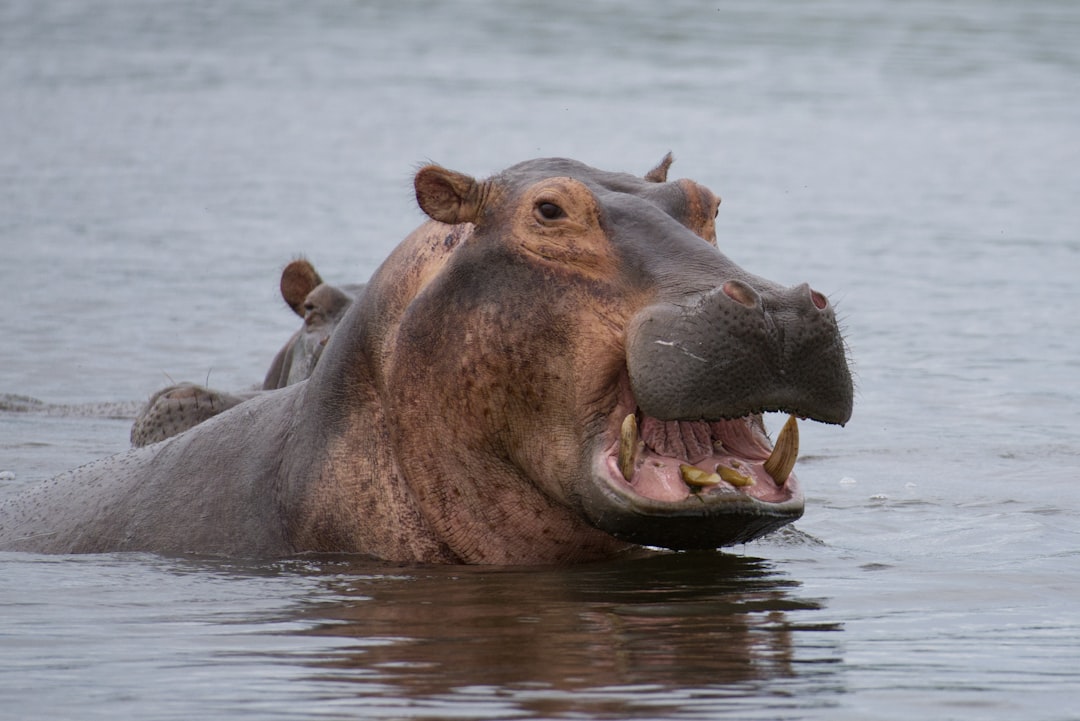
Warning Signals: Hippos usually display several warning signs before launching an attack. These signals include vocalizations such as grunting, snorting, and growling, as well as body language like yawning, flaring their nostrils, and displaying their large teeth. Ignoring these warning signs or encroaching on their space can trigger an attack.
What Actually Happens When You Shout
The reality is far more grim than most people realize. Clapping your hands, waving your arms or shouting is likely to have no effect on a charging hippo. Your only hope is to seek immediate refuge behind or up a tree or behind a termite mound.
Make noise (but don’t provoke): Yelling and making loud noises might startle the hippo, but do so cautiously. The goal isn’t to enrage the animal further. Make noise (but don’t provoke): Yelling and making loud noises might startle the hippo, but do so cautiously. The goal isn’t to enrage the animal further. Use a loud, firm voice to assert yourself, but avoid aggressive actions like throwing objects.
In many documented cases, shouting has actually accelerated the hippo’s aggressive response. Loud noises, the presence of unfamiliar animals or people, or being prevented from accessing food, water or shade can all trigger aggressive behavior. Your voice becomes just another stressor in an already tense situation.
The Speed Factor: Why Escape Is Nearly Impossible
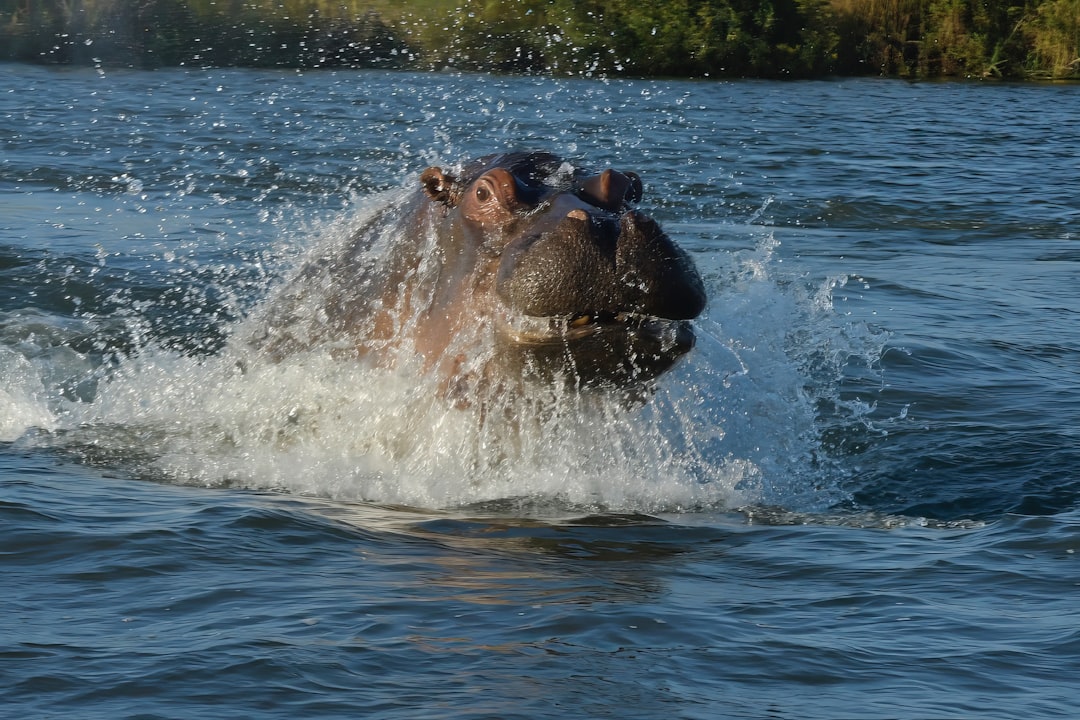
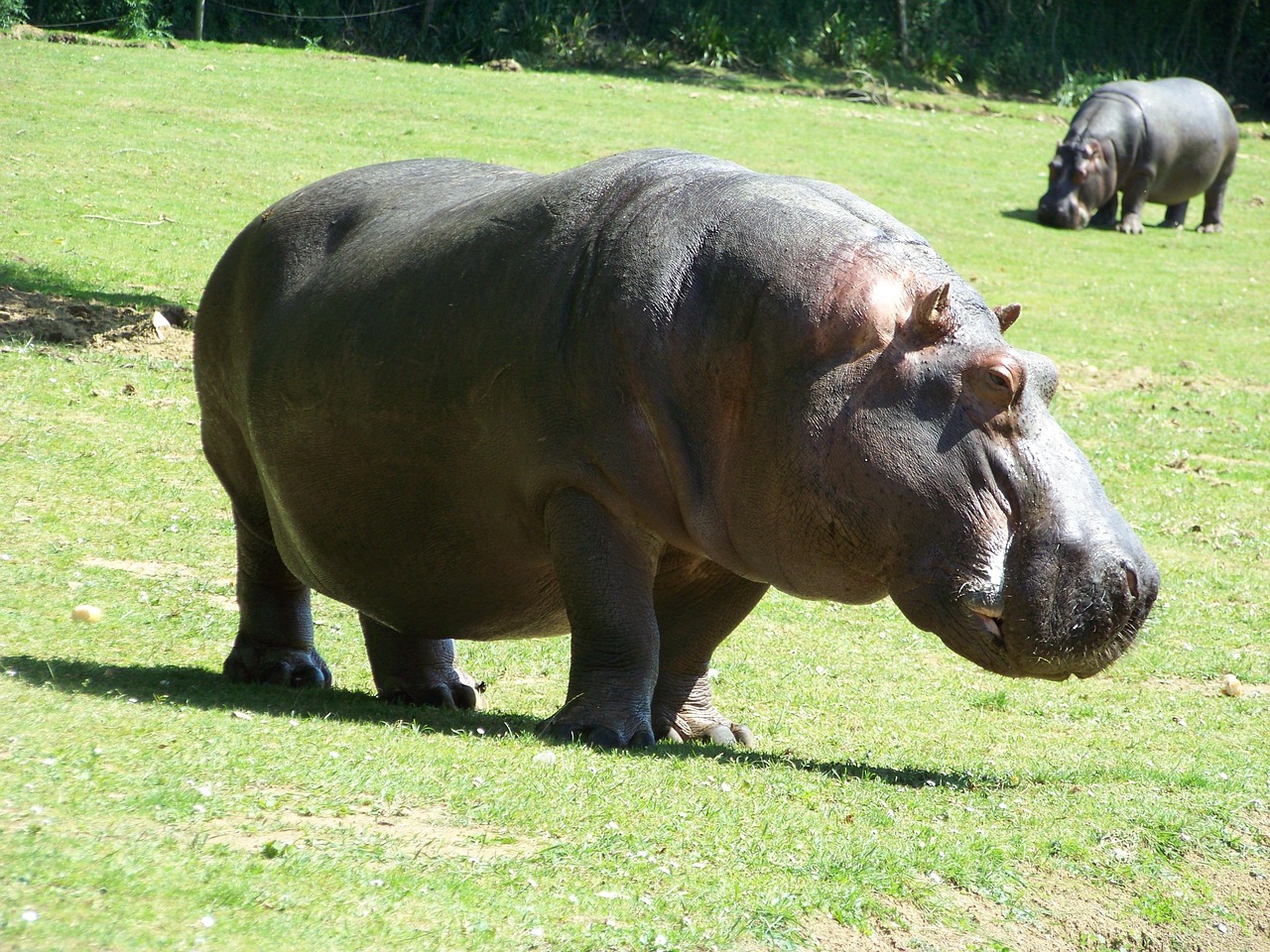
In reality, they can run up to 30 mph for short distances. This speed makes them quite dangerous when they charge. To put this in perspective, the average human can sprint at about 12-15 mph, and that’s only for very short bursts.
Although they may seem slow and lumbering, hippos can reach speeds of up to 30 miles per hour, leaving no chance for escape. This incredible speed advantage means that once a hippo decides to charge, your window for escape has essentially closed.
Don’t run in a straight line: Hippos, despite their bulky appearance, can reach speeds of up to 30 mph (48 km/h) over short distances. Running in a zigzag pattern is your best bet. They aren’t particularly agile and struggle with sharp turns. Even then, your chances remain slim.
What Rangers Actually Recommend
In a car, stay inside and don’t honk or make loud noises. This advice comes directly from wildlife management protocols developed over decades of hippo encounters. Rangers emphasize that silence and distance are your only reliable allies.
Hippos don’t like vibration. When boating in hippo territory the advice is to bang on your boat with an oar or paddle, or anything that will vibrate the boat. It can prevent hippos from coming up underneath you and capsizing the boat. Note that this is about gentle vibration to alert them of your presence from a safe distance, not aggressive noise-making once you’re already in a confrontation.
Professional guides follow strict protocols: maintain at least 100 meters distance, never position yourself between a hippo and water, and retreat immediately upon seeing warning signs. Your best bet is to seek refuge behind or up a tree.
The Fatal Statistics Behind the Warning
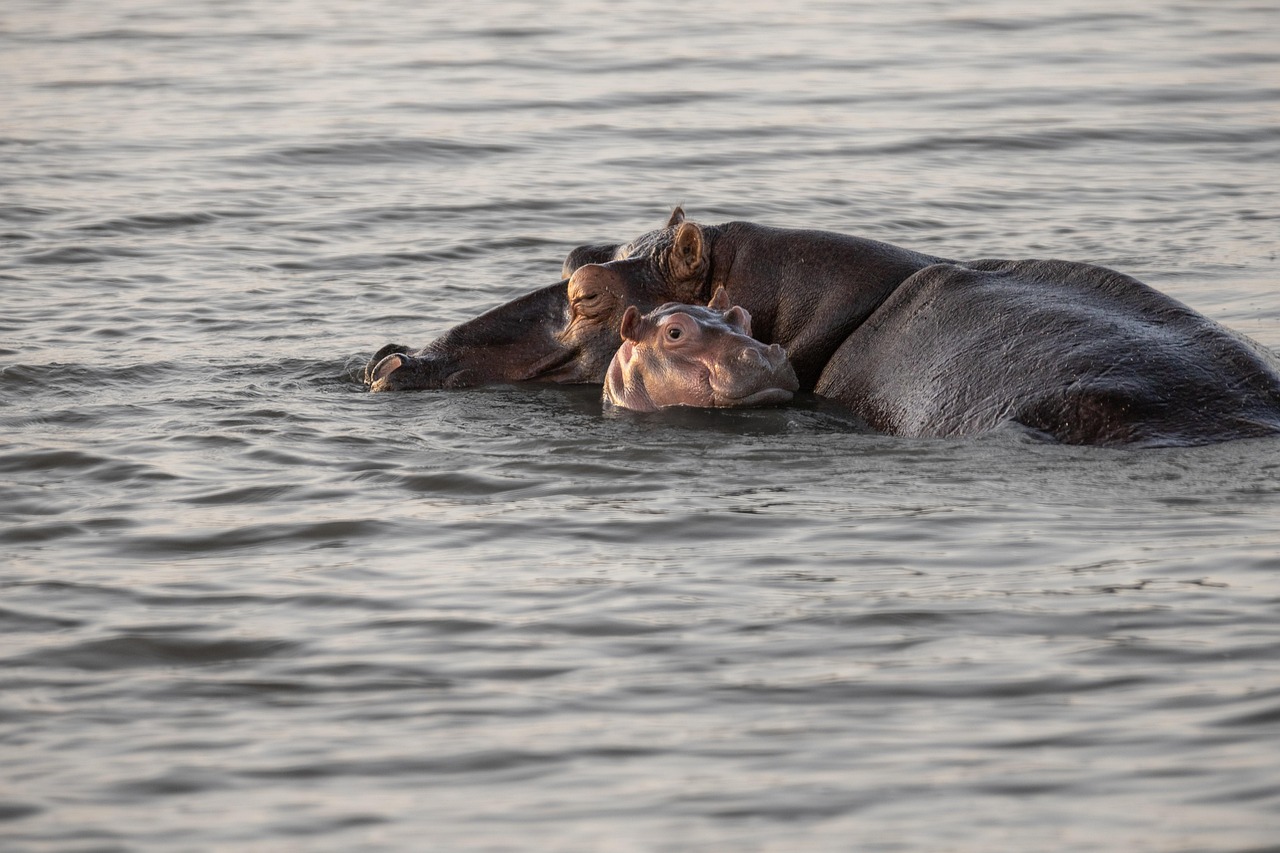
Hippos kill about 500 people every year. That’s more than lions, tigers, or bears! These aren’t just random attacks either. Hippos are known for their aggressive and dangerous behavior. In an encounter with a hippo, a human faces significant danger with fatality rates around 25-30%.
It is estimated that hippos kill an average of 500 people each year, making them one of the deadliest large animals in Africa. According to statistics, the fatality rate for hippo attacks is approximately 25-30%. That means 3 out of 10 people attacked by a hippo do not survive. These numbers represent real people who made the mistake of underestimating these seemingly docile creatures.
Most of these attacks occur when people attempt to use traditional animal deterrence methods that simply don’t work on hippos. The statistics serve as a sobering reminder that wishful thinking and outdated advice can prove fatal when dealing with Africa’s most dangerous mammal.
Conclusion
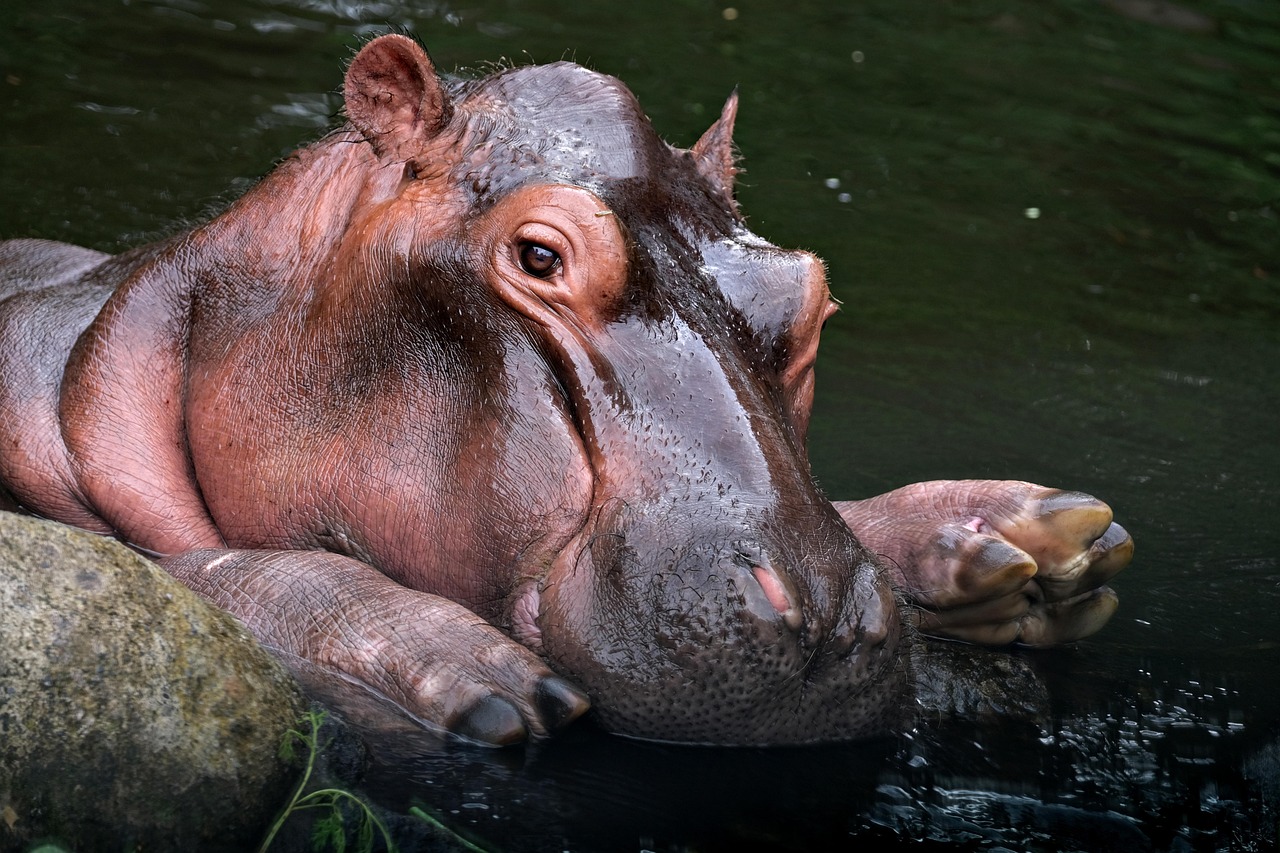
The next time you hear someone suggest shouting at a hippo, remember this: rangers who spend their lives around these animals know better. It’s vital to recognize that a hippo’s aggression isn’t personal; it’s a survival mechanism honed over millions of years. By respecting their space and understanding their territorial nature, you can better appreciate these complex creatures and avoid dangerous encounters.
Your voice isn’t a weapon against a three-ton killing machine. It’s a dinner bell announcing your location to one of nature’s most efficient predators. The only sound a hippo wants to hear from you is silence, preferably from at least 100 meters away.
What would you do if you encountered a hippo in the wild? Share your thoughts in the comments, but remember – when it comes to these magnificent yet deadly creatures, discretion truly is the better part of valor.
