
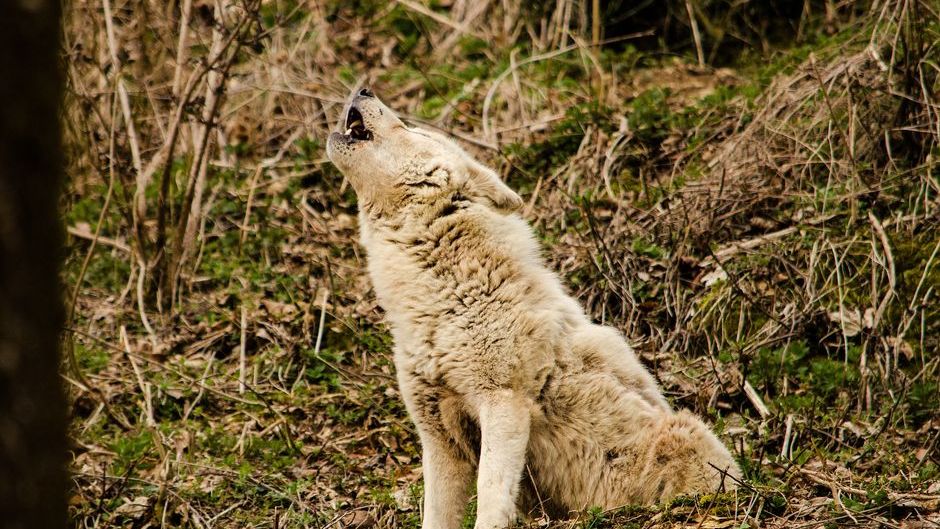
Picture this. You step outside on a clear night, the sky bright with that unmistakable full moon glow, and suddenly the air fills with a chorus of high pitched yips and long drawn out howls. It can send a shiver down your spine, especially if you live near open fields or the edge of town where these animals still roam.
The scene feels almost ritualistic, yet there is usually a straightforward explanation rooted in everyday coyote life rather than anything mystical. Still, the combination of the gathering and the timing often leaves people wondering what exactly is going on out there.
Decoding the Howl
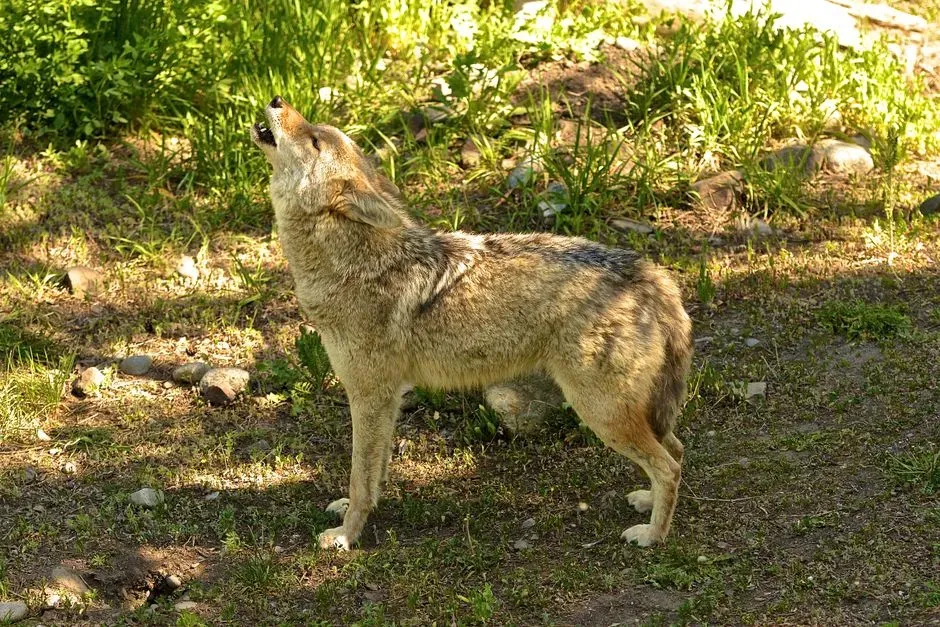
Coyotes use a wide range of vocalizations to stay in touch with one another across distances. The long howls serve as a kind of locator signal that helps scattered family members know where the rest of the group is at any given moment. Short yips and barks often follow as they exchange more specific information about food sources or potential threats nearby.
These sounds travel well at night when the air is cooler and quieter. A full moon simply makes the landscape brighter, which can encourage more movement and therefore more calling back and forth. The result is a chorus that carries farther than it might on a darker night.
Coyote Communication Basics
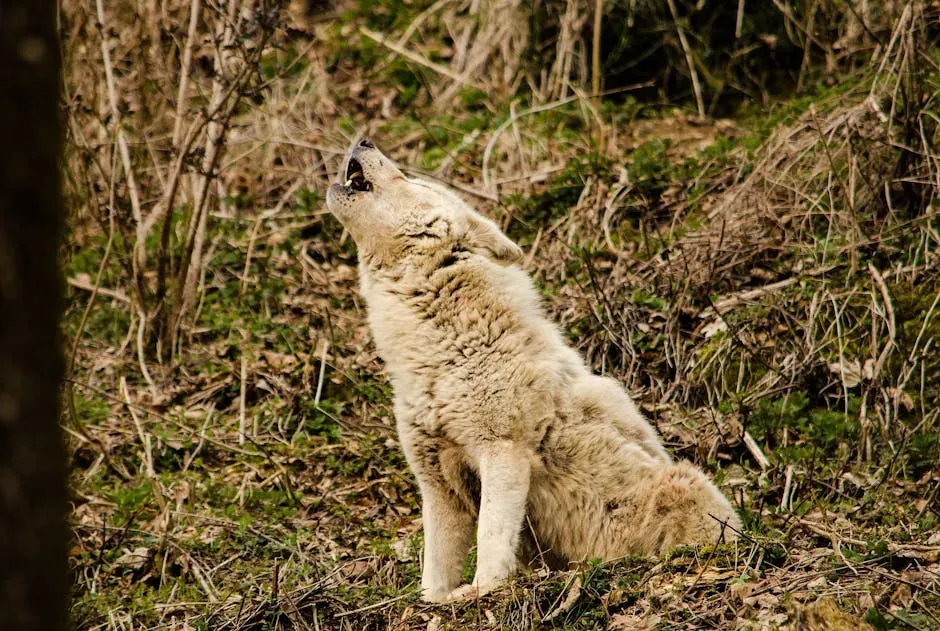
Most of the time a single coyote starts the call and others join in to reinforce the message. This back and forth helps maintain contact within a family group that may be spread over several square miles. It also serves as a warning to neighboring coyotes that a particular area is already claimed.
Researchers have noted that the pitch and duration of the howls can vary depending on whether the animals are defending territory or simply checking in with one another. The full moon itself does not trigger any special behavior, but the extra light can make it easier for the coyotes to hunt or travel, which in turn increases the chance of hearing them.
Moonlight and Visibility
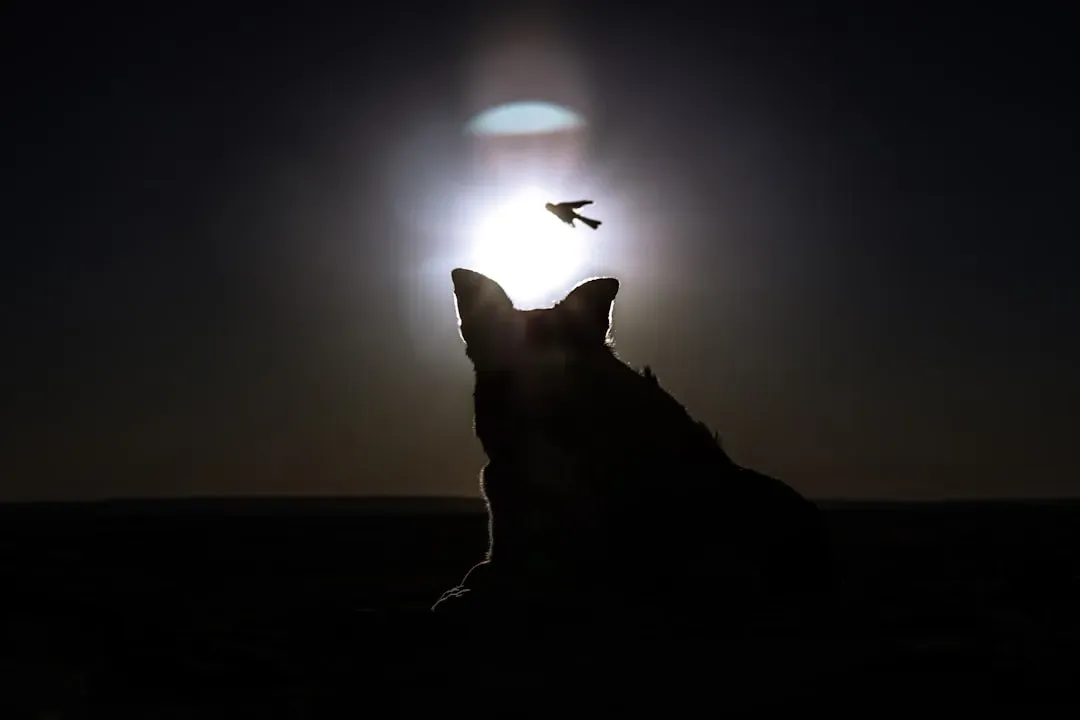
Contrary to popular belief, coyotes do not howl more frequently under a full moon than at other times. They are active throughout the year and call whenever they need to coordinate. The bright moonlight simply makes their movements more noticeable to human observers who happen to be awake.
Clear nights with good visibility also allow the animals to spot prey or rivals from farther away. That practical advantage can lead to more social interaction and therefore more vocal exchanges. The moon is really just a stage light rather than a cause.
Group Behavior Explained
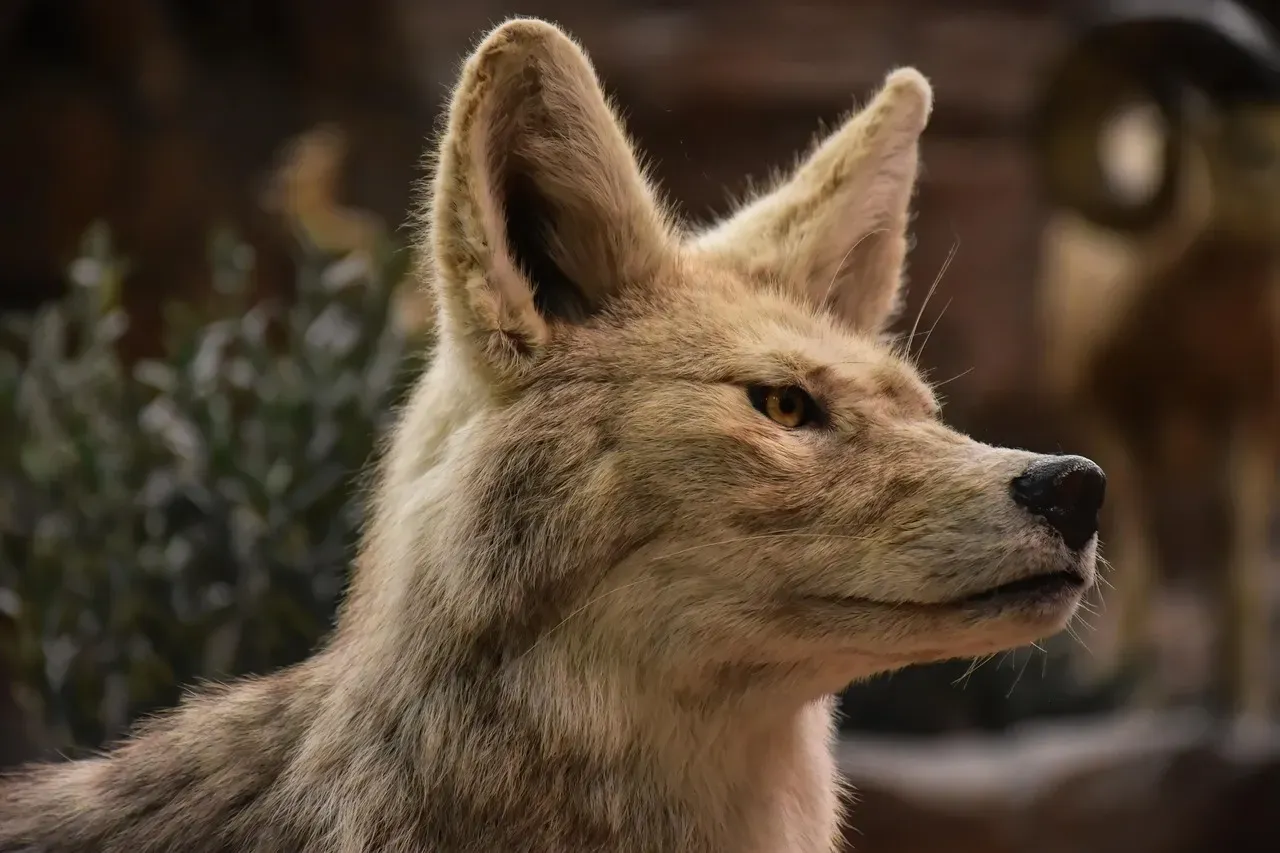
Coyotes often live in small family units that include a breeding pair and their offspring from the previous year. When they gather and call together it is usually to strengthen those bonds or to announce their presence to outsiders. The full moon night simply provides a convenient backdrop for these routine interactions.
Younger coyotes in particular tend to be more vocal as they learn the family signals. Their enthusiastic yips can make the whole chorus sound more dramatic than it actually is. In reality the gathering is about staying connected rather than any coordinated event tied to lunar cycles.
Seasonal Influences
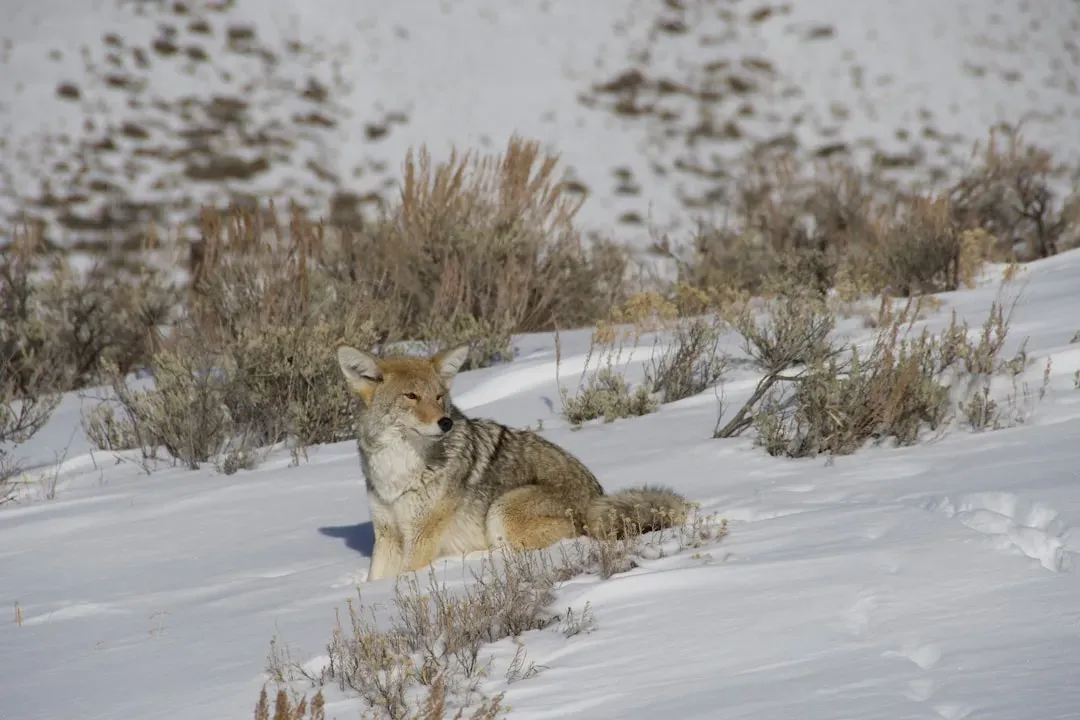
Calling activity tends to increase during late winter and early spring when coyotes are establishing territories and preparing to raise pups. Food availability and the presence of dispersing young adults can also prompt more vocal exchanges at any time of year. The full moon may coincide with these periods but does not drive them.
During summer months the family groups are often busy hunting small mammals and protecting dens, so the nighttime chorus can be less frequent. When you do hear them it is still the same basic communication at work. The moon merely makes the scene more visible to anyone listening from a porch or window.
Human Encounters and Safety
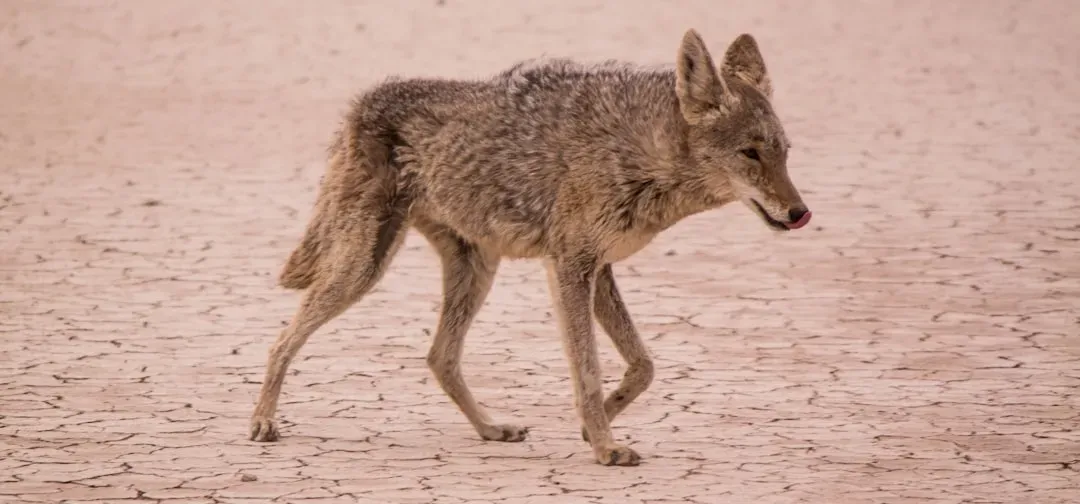
If you hear coyotes calling near your home it is usually a sign that they are passing through rather than settling in. They prefer natural areas with cover and tend to avoid well lit neighborhoods. Keeping trash secured and pets indoors at night reduces any chance of conflict.
Most encounters remain harmless because coyotes are naturally wary of people. The dramatic sound under the full moon can feel close, yet the animals are often hundreds of yards away. Simple awareness and respect for their space keep both sides safe.
Appreciating Wildlife in Our Backyards
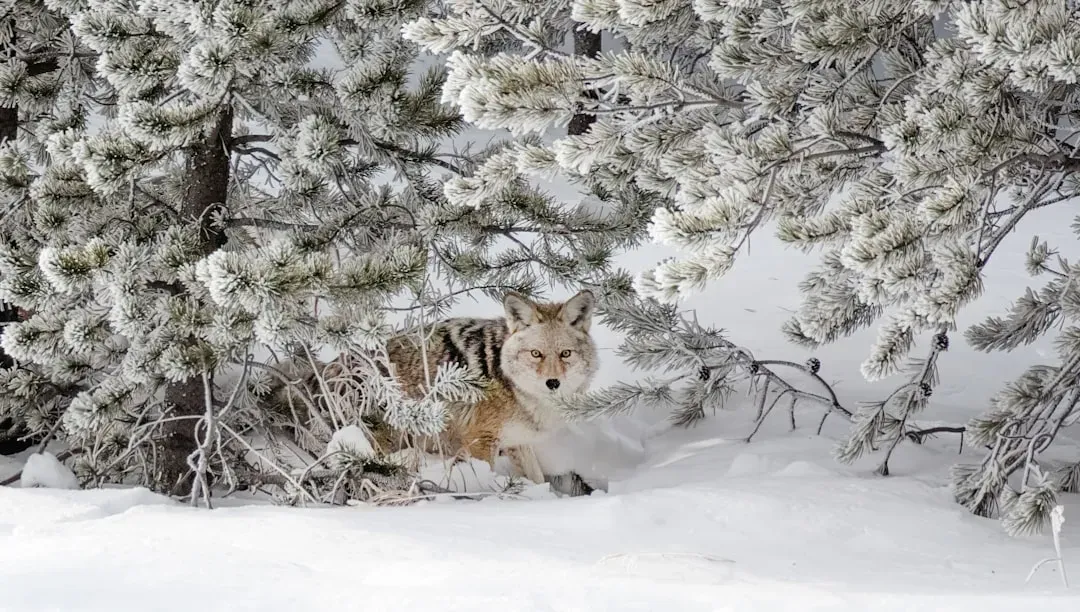
Hearing coyotes reminds us that wild animals still share the landscape even in developed areas. Their calls are a natural part of the ecosystem that helps control rodent populations and maintains balance. Rather than fearing the sound it helps to recognize it as ordinary animal conversation.
Respecting their presence means giving them room to move without interference. In return we gain the quiet satisfaction of knowing a piece of the original wild still exists nearby. That perspective turns an eerie chorus into something worth listening to with curiosity instead of alarm.
