

Nature’s most magnificent creatures can also be its most dangerous. While the wilderness offers breathtaking beauty and unforgettable experiences, it also harbors animals whose primal instincts demand our absolute respect. Survival in the wild often depends on understanding one crucial rule that experts emphasize repeatedly: never turn your back on certain predators.
The number one rule to remember when interacting with wild animals is: never presume to know what they’re going to do next. Even the most seemingly docile animal could behave unpredictably at any time. Any professional will tell you to handle all wild animal encounters with proper caution and respect. When you turn your back, you trigger ancient hunting instincts that can transform a tense encounter into a life-threatening attack. Let’s explore which animals pose the greatest threat when you show them your back.
Mountain Lions: The Silent Stalker
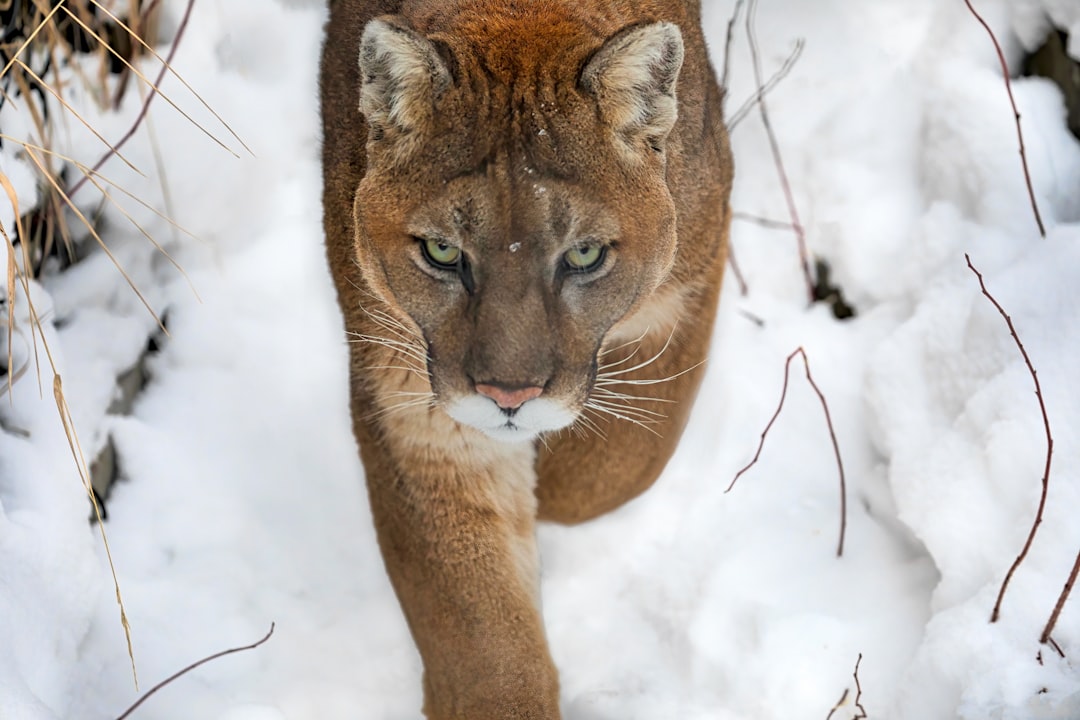
Never turn your back to a lion. Maintain constant eye contact. Mountain lions, also known as cougars or pumas, represent one of the most dangerous animals you can encounter precisely because turning your back triggers their chase instinct. If you’ve been lucky enough to spot a cougar before it tries to turn you into a Patagonia-clad serving of cat food, resist the urge to run. According to the California Department of Fish and Wildlife, running from a cougar could trigger a “chase, catch and kill response” from the big cat.
Biologists surmise mountain lions don’t recognize standing humans as prey. On the other hand, a person squatting or bending over looks a lot like a four-legged prey animal. Back away slowly to give the mountain lion a path to retreat, never turning your back. Give the lion the time and ability to get away. These apex predators are programmed to attack anything that shows weakness or triggers their hunting response.
Grizzly Bears: The Unpredictable Giant
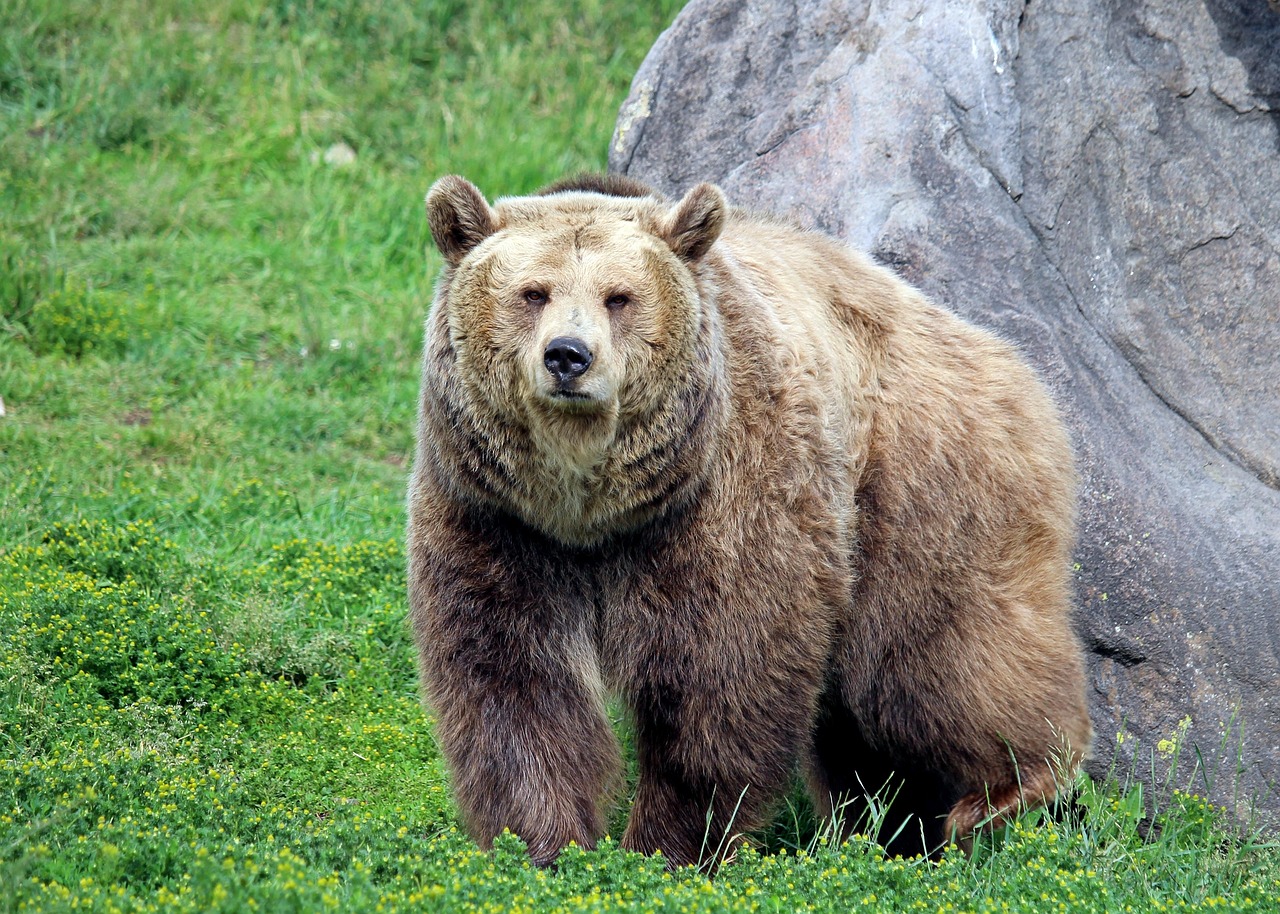
In these situations, retreat slowly without turning your back and remain calm so that you can present yourself as non-threatening. Grizzly bears present a complex challenge because their motivations can vary dramatically. Don’t turn your back. “Whether it’s a grizzly bear or a black bear, don’t turn your back. If the animal doesn’t see you, you’re very fortunate, and you can slowly back away, but always keep your eyes on the animal and stay really focused,” Bigney said.
First thing is: Stand your ground with bears. With either grizzlies (a subspecies of brown bears) or black bears, “please don’t run. Bears can outrun anybody,” Pratt said. These massive predators can reach speeds of up to 35 miles per hour, making escape impossible. Slowly back away without turning your back on the bear. Speak calmly and firmly to the bear, letting it know you are human.
Wolves: The Pack Hunter
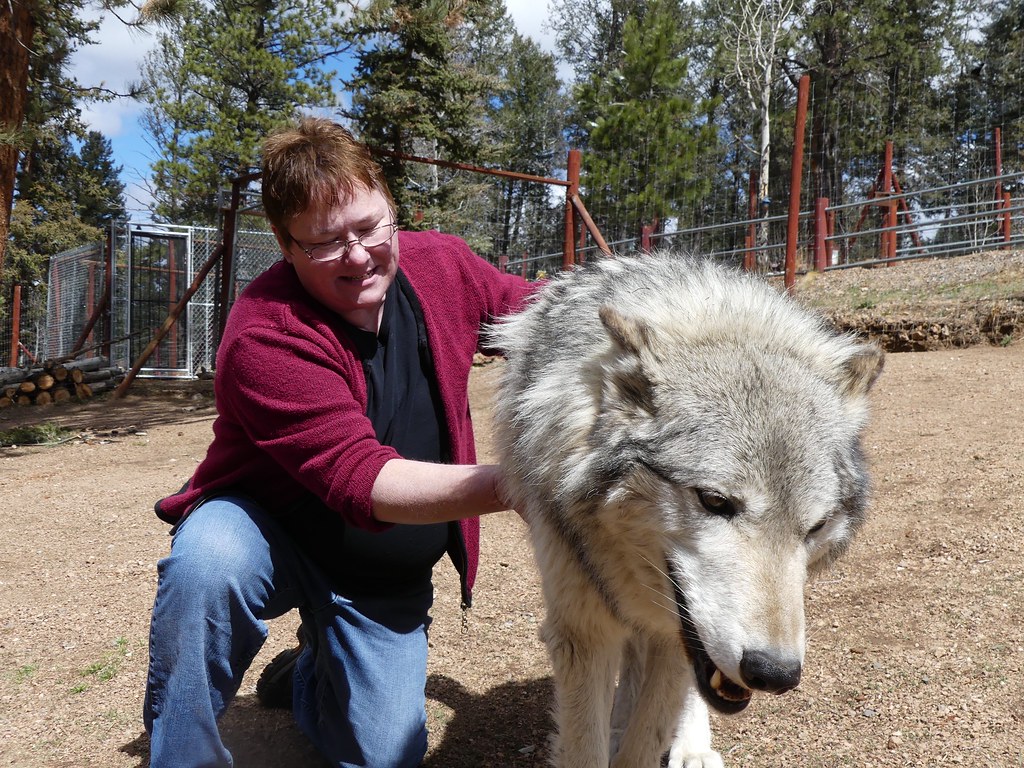
Back away very slowly while keeping the wolf in sight – never turn your back. Wolves possess an inherent understanding of vulnerability, and turning your back signals that you’ve given up any pretense of being a threat. These intelligent predators operate on pack mentality and can quickly shift from cautious observation to aggressive pursuit.
Their hunting instincts are finely tuned to detect weakness or fear in potential prey. If the wolf or coyote does not flee, start making noise, yelling, and throwing things at it while slowly backing away. The goal is to scare the animal away by convincing it that you are a potential threat. Maintaining eye contact while slowly retreating demonstrates that you’re aware and potentially dangerous rather than vulnerable prey.
Cape Buffalo: The Grudge Holder
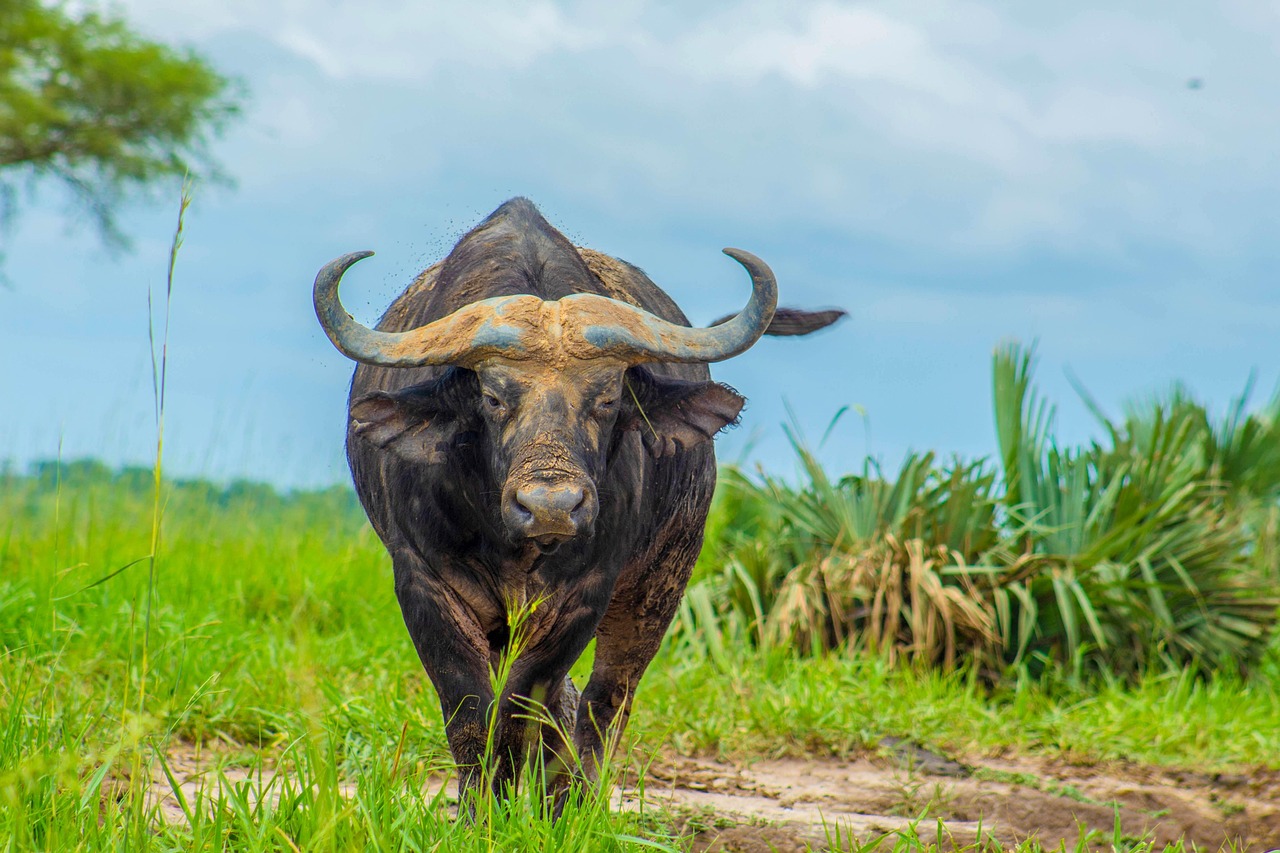
Even if the buffalo retreats, remain cautious, as these animals have been said to hold grudges and can circle back even after being injured. Cape buffalo earn their reputation as one of Africa’s “Big Five” dangerous animals through their unpredictable temperament and incredible strength. These massive herbivores can weigh over a ton and possess the unsettling ability to remember perceived threats.
They are particularly dangerous because of their temperamental nature and their ability to turn on a person without warning. Never block their path, especially near watering holes or grazing areas, as this can provoke them into charging. If a Cape buffalo charges, try to move in a zigzag pattern. This will make it harder for the animal to target you, as they typically rely on a direct line of attack.
Crocodiles: The Ambush Predator
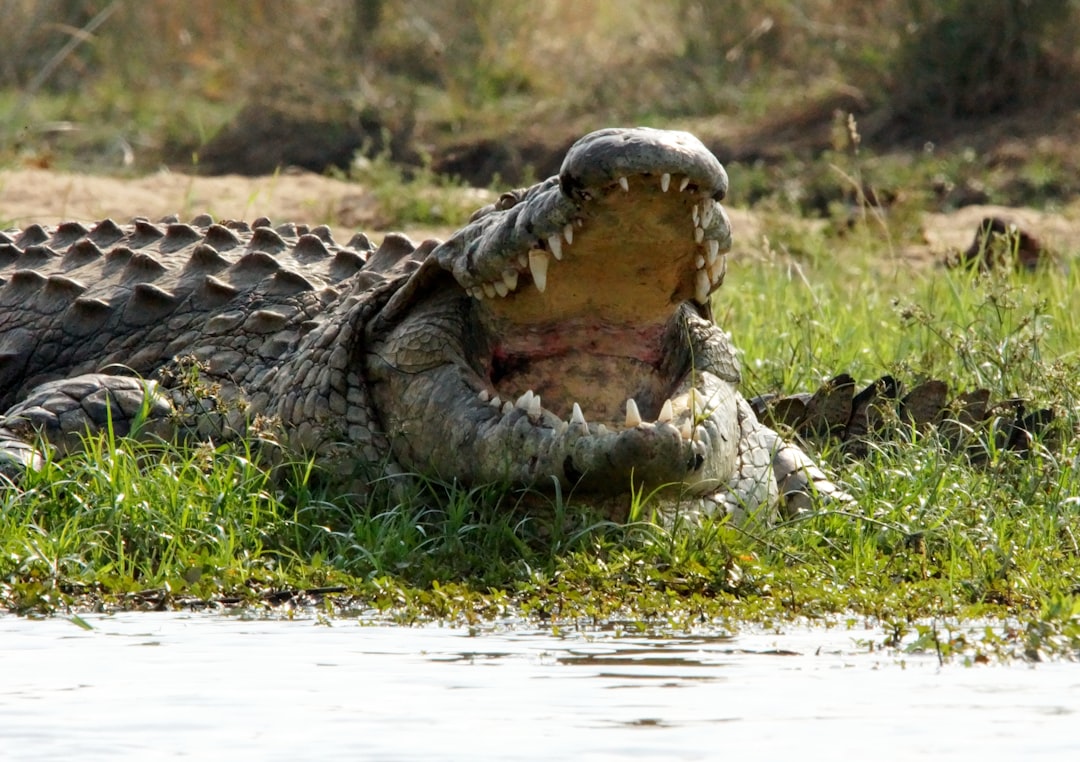
Crocodiles are among the most dangerous reptiles in the world. With a powerful bite force of over 3,000 pounds per square inch and their stealthy hunting tactics, they are responsible for roughly 1,000 fatalities annually. These predators are opportunistic and often attack with little warning, making them a significant threat in areas where humans and crocodiles cross paths.
Heed local warnings and avoid washing or fishing near these waters’ edges, as they are ambush predators that can strike with incredible speed. While not technically requiring you to avoid turning your back in the traditional sense, crocodiles represent the ultimate example of why maintaining awareness is crucial. If attacked, fighting back is crucial. Crocodiles tend to latch onto their prey with their strong jaws, which are designed to hold and crush. Once they bite down, they rarely let go. To force a release, aim for their eyes or nostrils. These are some of the few vulnerable points on their heavily armored bodies.
Wild Pigs: The Underestimated Aggressor
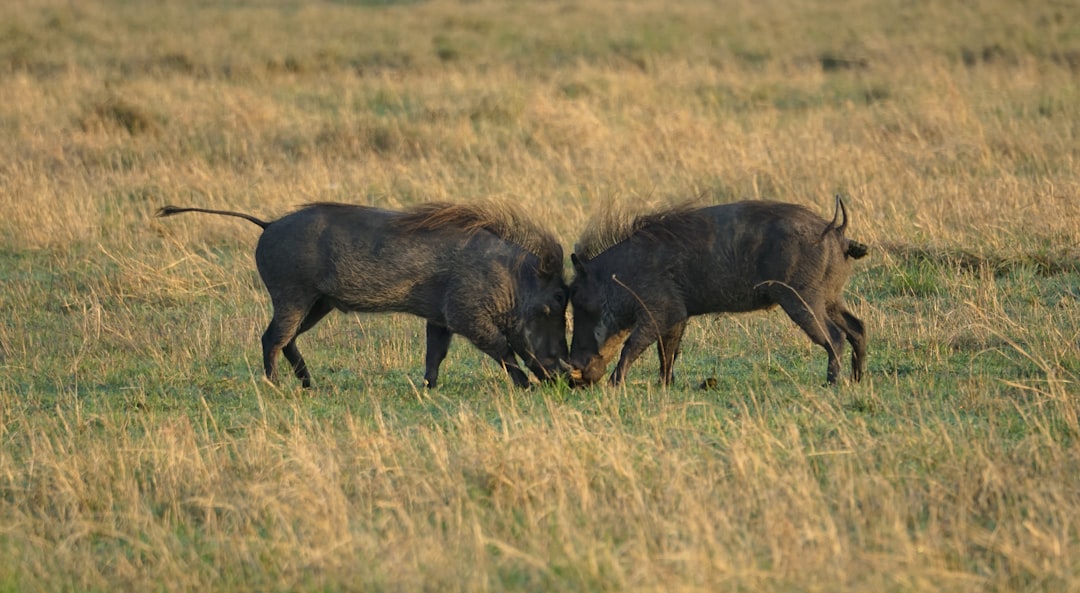
When wild pigs feel threatened, they can become aggressive in an instant. A global study in 2023 documented over 170 human deaths caused by wild pigs between 2000 and 2019, but it also revealed that most of those attacks were the result of unexpected, non-hunting encounters. Armed with razor-sharp tusks, feral swine have been known to inflict fatal injuries to legs and feet, where major arteries are vulnerable. With a top charge speed of 30 miles per hour and the damage a frenzied hog can inflict, this is an animal people understate at their peril.
Some experts consider them among the most dangerous animals to humans. These surprisingly aggressive animals can turn from seemingly docile foragers into charging machines within seconds. Their unpredictable nature makes them particularly dangerous because people often underestimate their speed and ferocity. Unlike larger predators, wild pigs don’t announce their intentions with warning behaviors.
Moose: The Deceptively Aggressive Giant
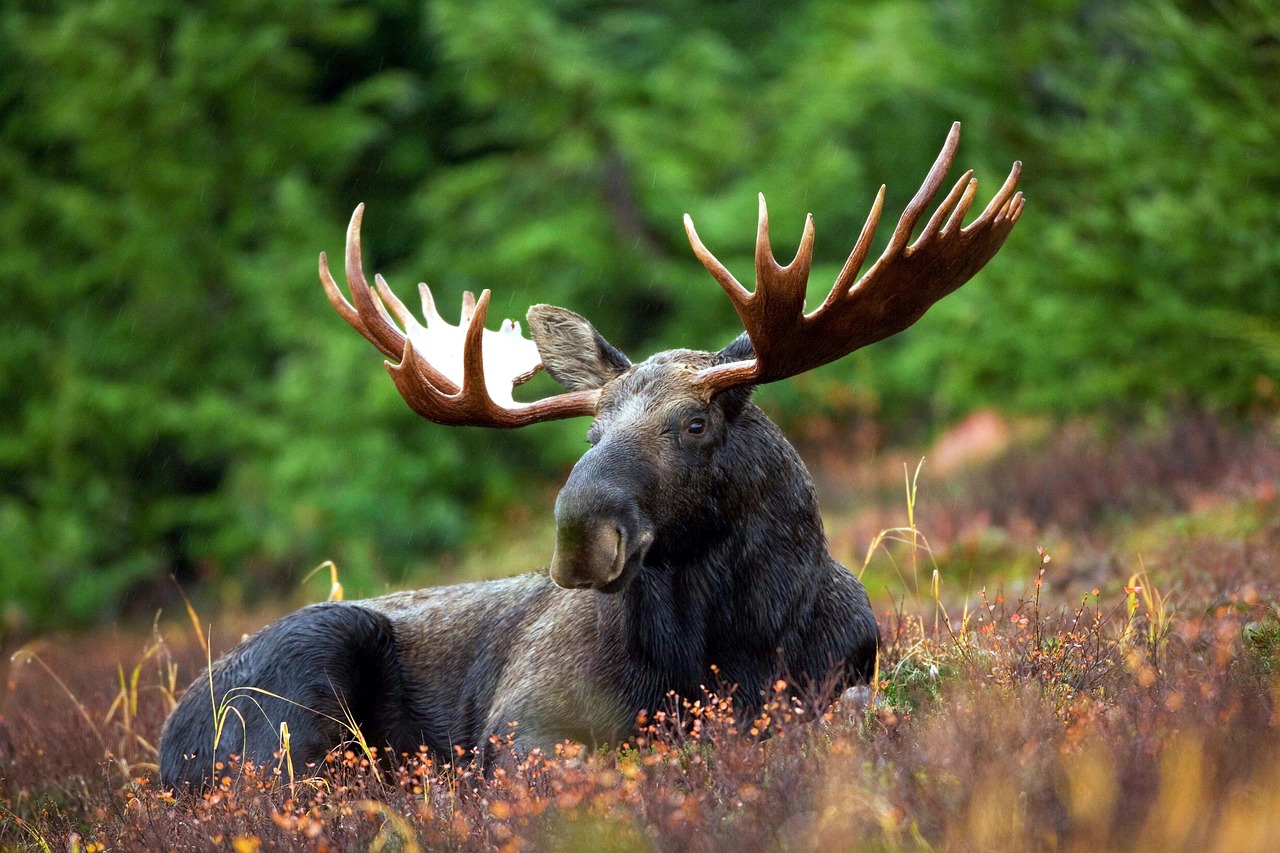
Unlike bears, moose aren’t typically aggressive by nature – but that changes fast if they’re startled, feel cornered, or are protecting their young. And they can charge without warning. In Colorado alone, 21 moose-related injuries were reported over a span of just six years. In one case, a cow moose knocked down and stomped a woman who got too close while walking her dog.
While moose may not have the same fearsome reputation as some of the other wild animals, they injure more people than bears and wolves combined. And if it approaches, back away slowly and put a tree, car, or other object between you and the animal. Their massive size and unpredictable temperament make them incredibly dangerous when they decide to charge. Standing nearly seven feet tall and weighing up to fifteen hundred pounds, an angry moose represents a force of nature that demands immediate respect.
Conclusion: Respect the Wild
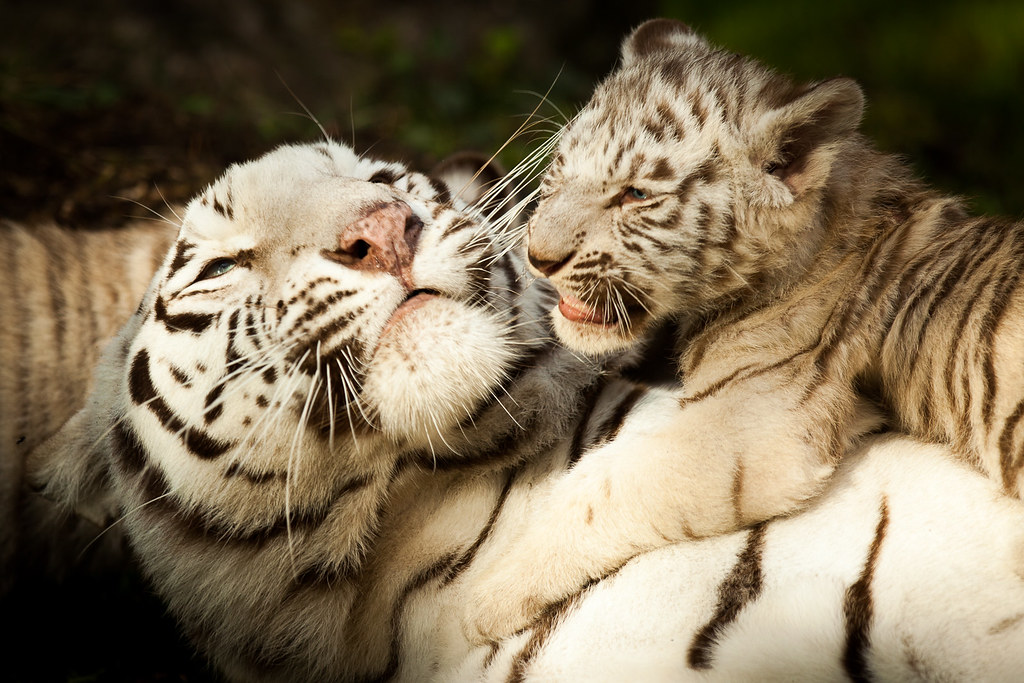
Understanding why you should never turn your back on these seven animals could mean the difference between an incredible wildlife encounter and a tragic outcome. The old adage is true: animals really are more afraid of you than you are of them. The best thing to do if you encounter an animal is to give it distance. Back away from the animal slowly and steadily. These creatures operate on instincts honed over millions of years of evolution, and turning your back triggers responses that can turn deadly in seconds.
The wilderness belongs to these magnificent animals first and foremost. When we venture into their domain, we accept the responsibility of respecting their power and understanding their behavior. What do you think about these encounters? Have you ever faced one of these animals in the wild? Share your thoughts in the comments.

- The Ancient Secrets of Yellowstone’s Wild Animals Revealed - August 6, 2026
- Are Some Common Pet Behaviors Actually Signs of Undiagnosed Stress? - August 6, 2026
- 8 US States With the Most Horseshoe Crab Spawning Beaches - August 6, 2026