

The ocean’s most fascinating rivalry isn’t necessarily what you think. While popular culture has painted dolphins and sharks as natural enemies, the truth about how these marine creatures protect their groups reveals surprising complexities. Both species have evolved sophisticated strategies for keeping their communities safe, yet their approaches couldn’t be more different.
Scientists have only recently begun to understand the intricate social dynamics that make these protection strategies work. The question of which species does it better might surprise you with its answer.
The Dolphin’s Power of Numbers
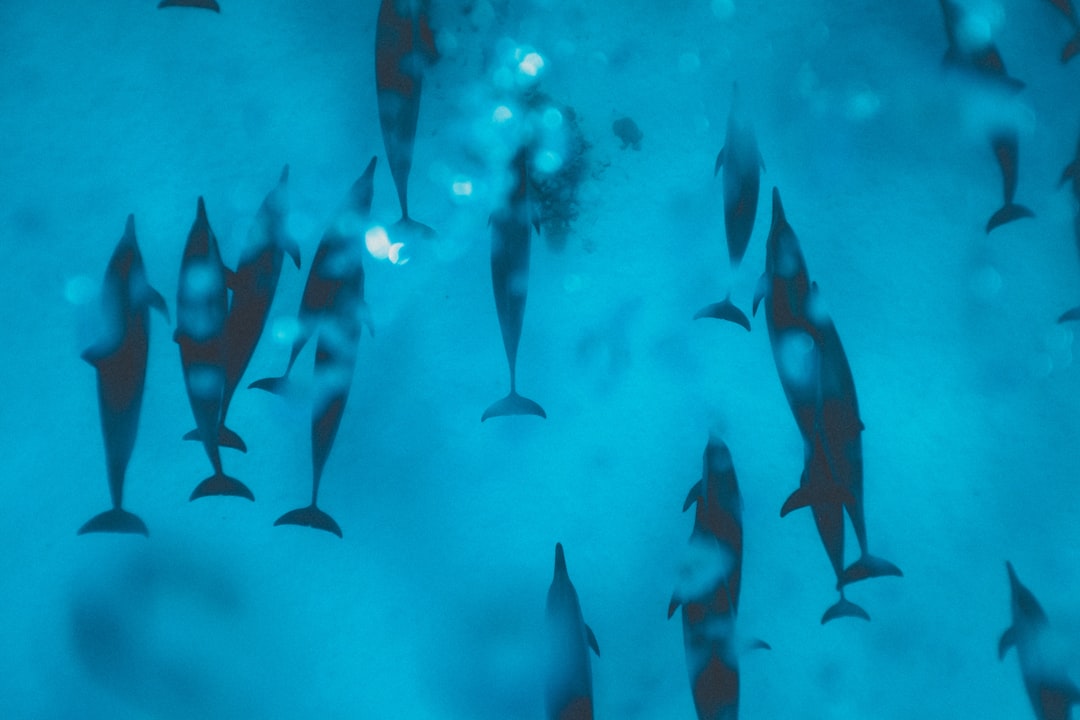
Protection from predators is a key survival strategy for dolphins, as a dolphin superpod helps protect individuals from predators such as sharks and orcas. By staying in a massive group, dolphins reduce their chances of being singled out by predators and can use their collective speed and agility to evade threats. This safety-in-numbers approach forms the backbone of dolphin pod defense strategies.
Travelling in pods provides increased protection from predators like sharks, and dolphins cooperate to herd fish, take turns feeding, and protect each other from predators. Dolphins in a pod can also work together to defend themselves against sharks, showcasing their ability to collaborate for mutual benefit. The coordination displayed in these group defenses often leaves marine biologists amazed at their tactical precision.
Shark Social Networks: The Hidden Truth
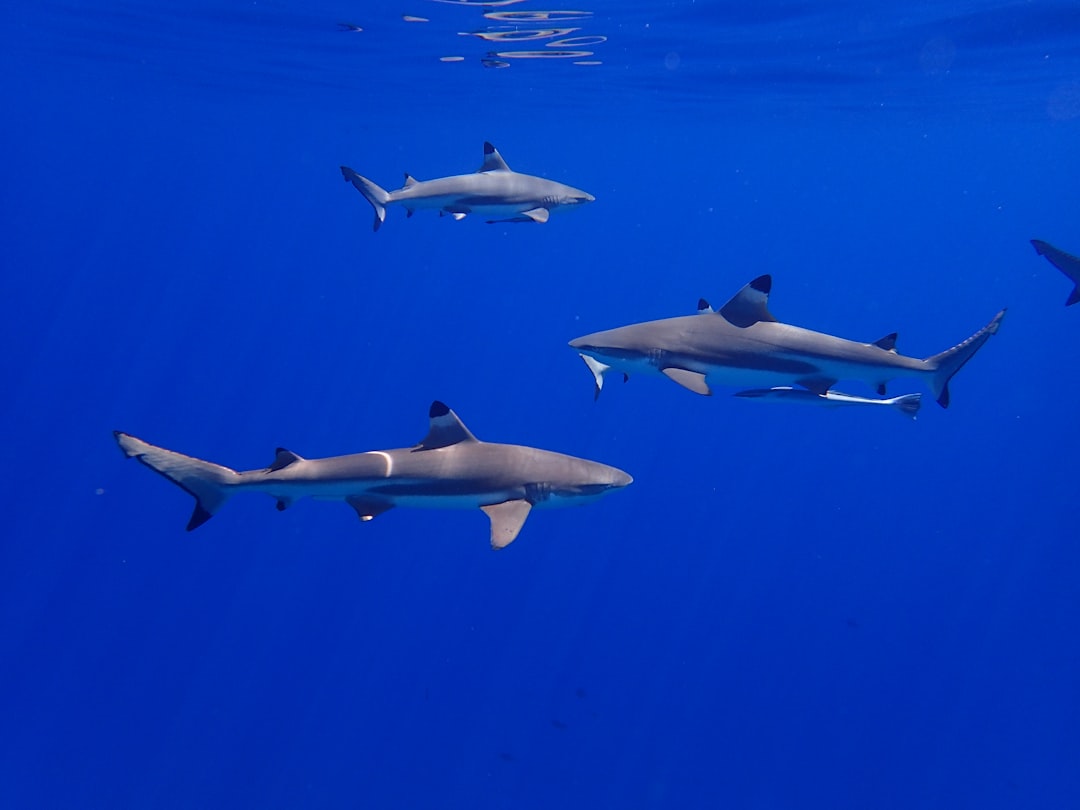
Although historically seen as solitary animals, new research shows sharks may have a more complex social structure than previously thought. Using tracking devices to trace movements in the open ocean, researchers found that Sand Tiger sharks form complex social networks typically seen in mammals but rarely observed in fish.
White Tip Reef Sharks often exhibit social behaviors, hunting cooperatively at night in small groups. Then after a long night of activity, they will go back to either a communally-shared reef or a cave and rest together until they do it all again the next night. White Tip Reef Sharks spend most of their lives hanging out together and are one of the most social species of sharks on the planet. This revelation challenges everything we thought we knew about solitary shark behavior.
Maternal Protection Systems
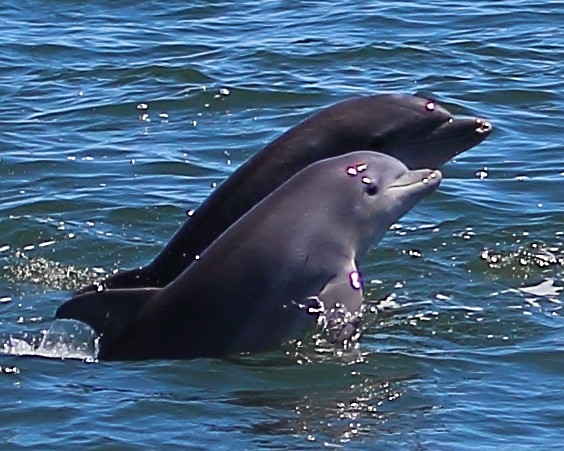
Dolphin pods also provide safety for mothers and calves, as mother dolphins raise their young without the help of the father, and the pod offers protection for the vulnerable calf. A calf stays with its mother from birth up to a few years after weaning, with the mother’s bond typically continuing for 3-6 years, though this varies by species. Since offspring are vulnerable, females with calves join and form groups where they help each other to feed and protect their offspring.
There is no parental investment after offspring (pups) are born in great white sharks, with pre-fertilization and pre-hatching and birth provisioning and protecting done by the female. This stark difference in child-rearing approaches reveals how fundamentally different these species’ protection strategies really are.
Combat Tactics and Defense Mechanisms
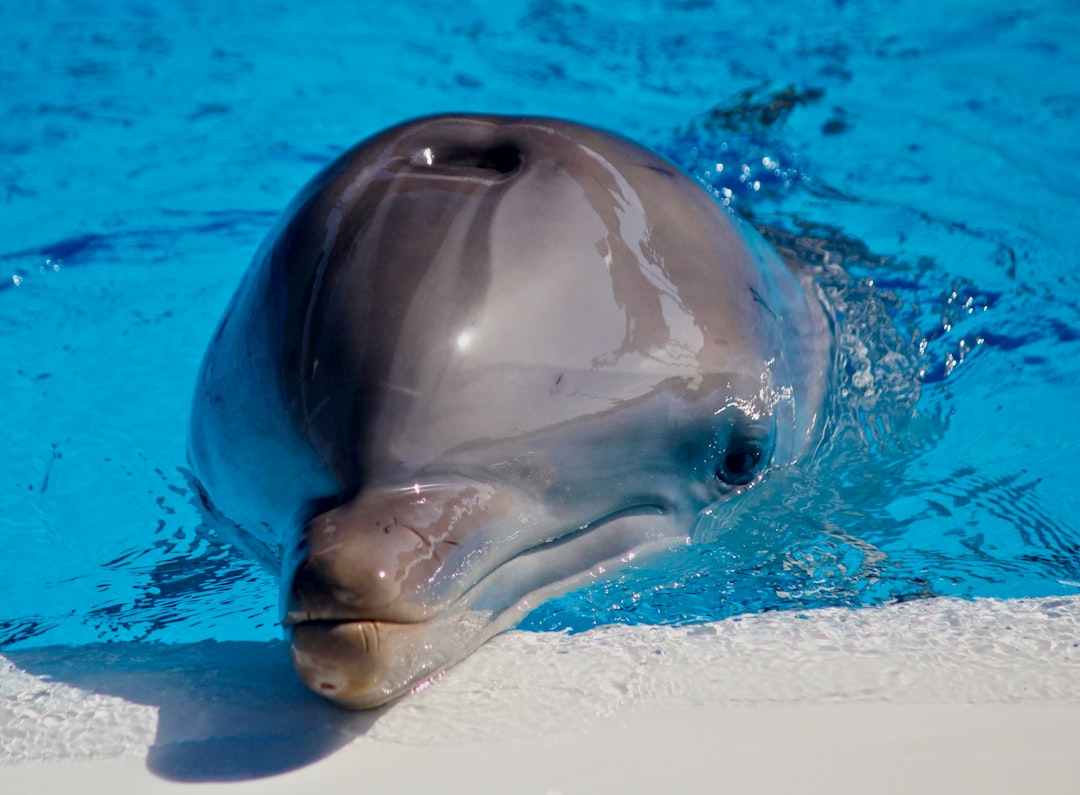
The main advantage dolphins have against shark attacks is safety in numbers; they stick together in pods and defend one another from a shark’s attack by chasing and ramming it. When a member of a pod is in danger from a shark, the rest of the pod springs to the defense. They will surround the shark, swimming around it in all directions and slapping it with their fins to confuse it. Most sharks end up fleeing, and the technique is so effective that the shark probably won’t threaten a dolphin pod again.
An individual dolphin can take advantage of its speed and rostrum, which is its long, bony snout, to deal a lethal blow to a threatening shark. The dolphin swims underneath the shark and attacks it from below, ramming the soft underbelly of the marauding predator. The blow usually stuns the shark, but it can be strong enough to render it unconscious or even kill it. The precision of these attacks demonstrates remarkable intelligence and coordination.
Intelligence and Decision-Making
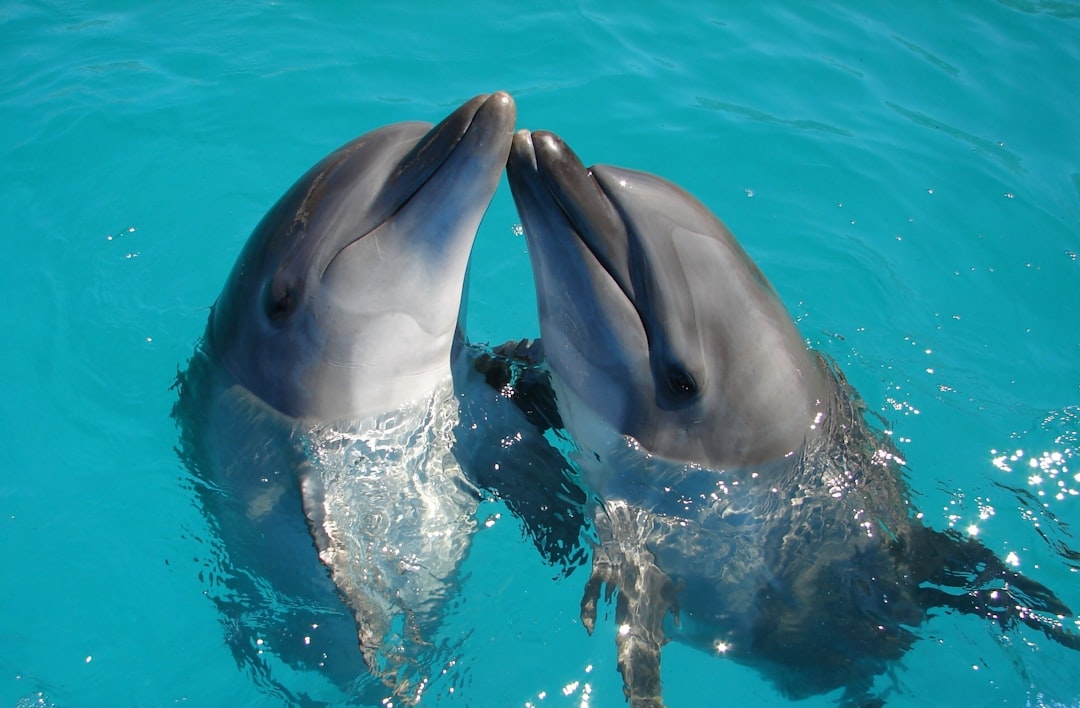
Dolphins participate in learning and communication behaviors inside their pods that are essential to their growth. They impart information on navigation, hunting tactics, and other survival skills. Their mutual learning guarantees that important knowledge is passed along through the generations, which adds to the pod’s overall success and flexibility. To sum up, dolphins travel in pods to fortify their social ties, shield one another from predators, and engage in behaviors essential to their survival such as communication and learning.
This suggests that sharks, long characterized as mindless machines, may be performing a social cost-benefit analysis, weighing the protection or mating opportunities that come with group living against the intensified competition for food. Recent research reveals that sharks are far more intelligent than previously believed, making calculated decisions about when to stay with groups and when to venture alone.
Hierarchical Structures and Leadership
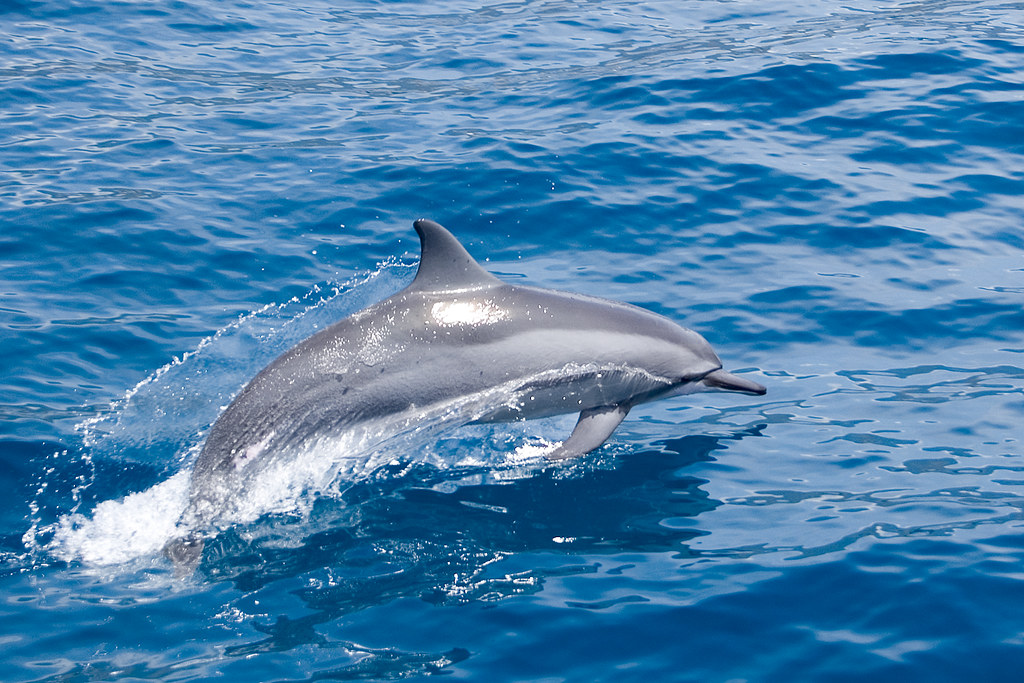
Dolphin groups display a sophisticated social structure with distinct responsibilities for leaders, with prominent dolphins who are usually larger and older taking on leadership roles in the pod and directing and shaping the behavior of the others. The pod’s decision-making process is influenced by the dominant members of the pod. These leaders are frequently quite important in directing the movements, hunting tactics, and defense mechanisms of the pod. In order to ensure the success and well-being of the group, dominant individuals use their social influence and experience to guide the collective actions of the pod during the joint decision-making procedure.
Great white sharks are sometimes seen in pairs or small groups feeding on a carcass with the largest individuals feeding first. Individuals can swim in a variety of patterns in order to establish their hierarchy. At feeding aggregations, such as at whale carcasses, this generally solitary species often establishes temporary social hierarchies which are based largely on size. These temporary hierarchies show that even traditionally solitary sharks can organize when the situation demands it.
Adaptive Communication Systems
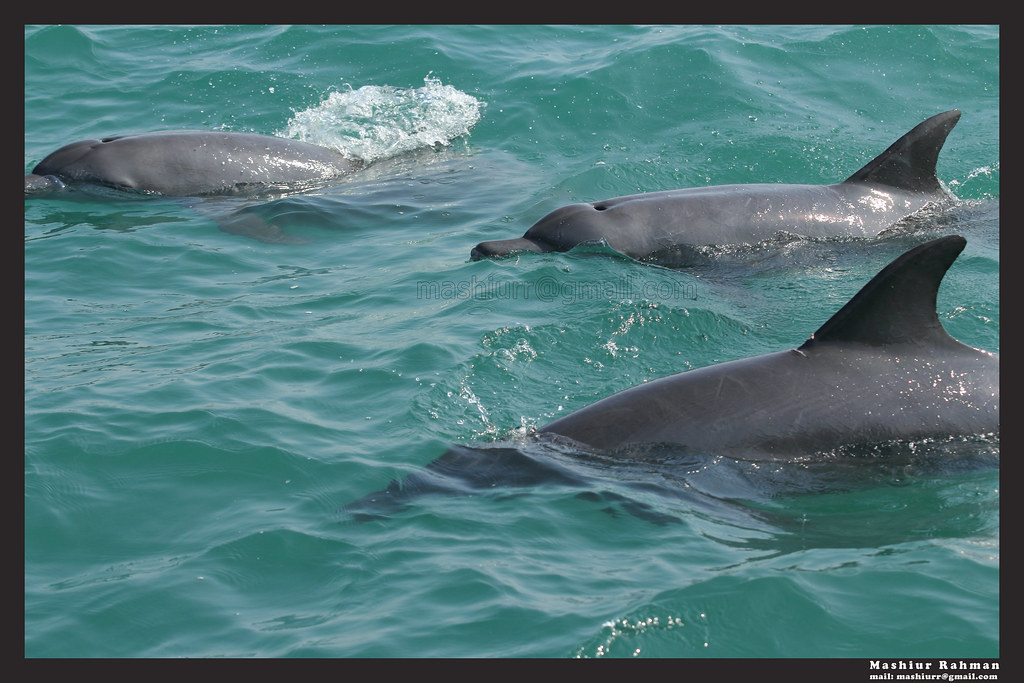
While travelling in pods, dolphins do not necessarily swim right next to each other but maintain a general vicinity. They utilise whistling and leaping above the water surface for communication and orientation. This sophisticated communication network allows dolphins to coordinate protection efforts even across significant distances.
Bonnethead Sharks have been observed communicating through complex body language and exerting cerebrospinal fluid. Bonnethead sharks always offer a helping hand to their fellow bonnethead sharks. Through body language and chemical cues, they can coordinate feeding behavior with other bonnethead sharks. This chemical communication system demonstrates that sharks have their own sophisticated ways of sharing critical survival information.
The Verdict: Cooperation Wins
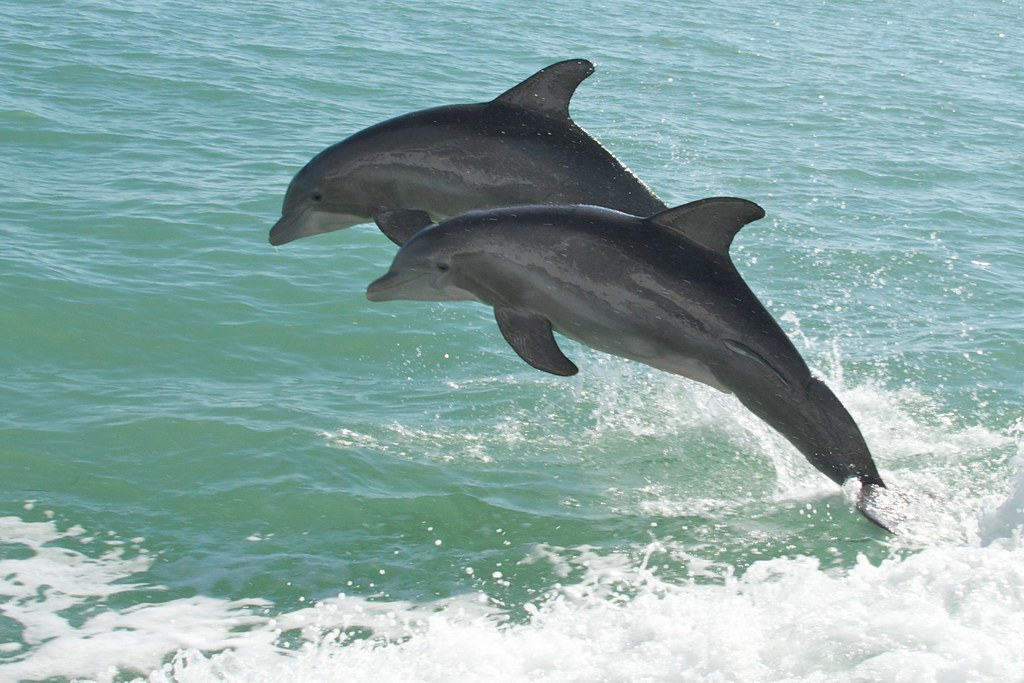
When examining the evidence, dolphins emerge as the superior protectors of their pod members. Their highly coordinated group tactics, sophisticated communication systems, and willingness to risk individual safety for the collective good create an almost impenetrable defense network. While sharks have evolved impressive individual survival skills and surprising social behaviors, their protection strategies remain more individualistic and temporary.
The key difference lies in commitment. Dolphins are extremely social creatures and greatly depend on this interaction to survive and perform activities like hunting, mating and defending themselves, with most experts believing that the social relationships formed by dolphins are long lasting. This lifelong dedication to pod welfare creates protection systems that sharks simply cannot match with their more flexible, situation-dependent social structures.
The ocean’s ultimate protection system belongs to the dolphins, whose collective intelligence and unwavering loyalty to their pod makes them nature’s most effective marine guardians. What do you think about this underwater battle of protection strategies? Tell us in the comments.
