
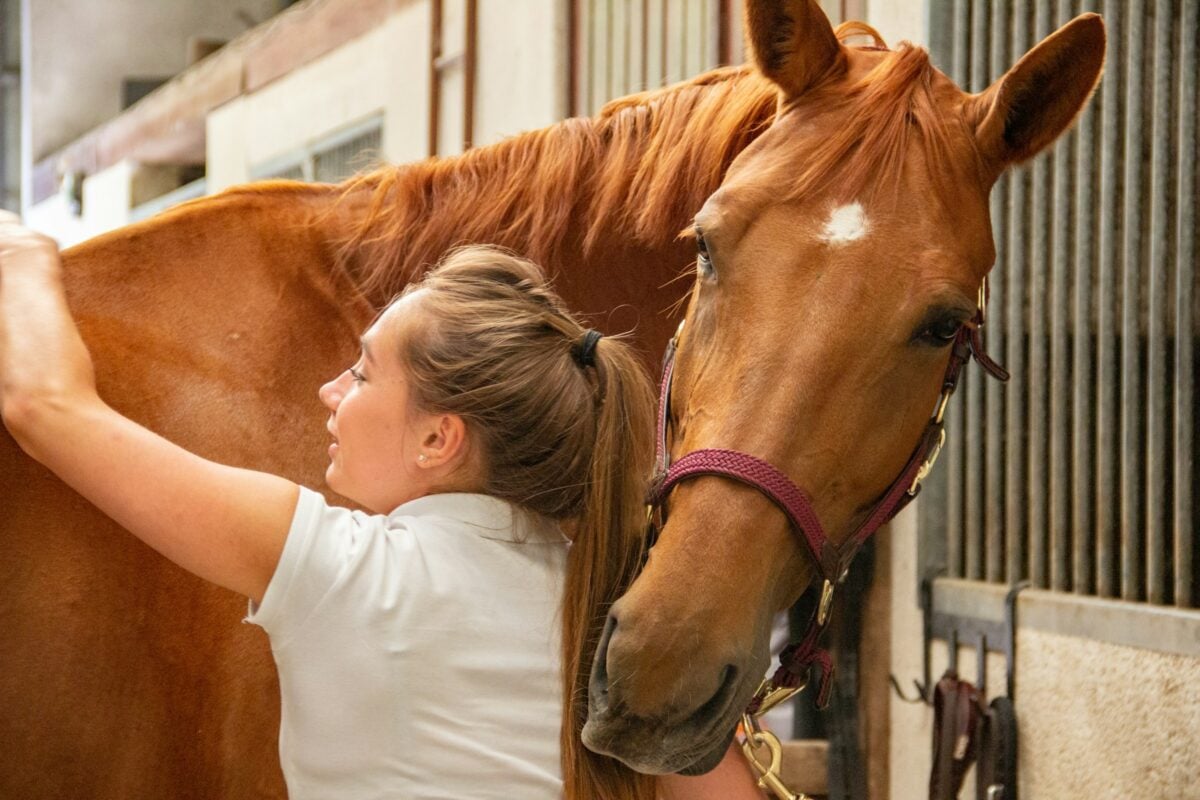
Ask any lesson barn how horses feel about people, and you’ll get the same tired line: horses are food-motivated animals that don’t play favorites. Then you watch a horse blow off three capable riders and melt the second one particular person walks in, and that theory falls apart in real time.
Behaviorists don’t call it magic. They call it attachment, and it almost never shows up the way movies promise. Not the dramatic nuzzle for the camera, but a change in breathing, a stride that quietly matches yours, a soft eye that only appears when you’re the one standing there. These are the 17 signs that slip past even the most experienced hands.
#17 – The Way They Break Their Own Routine For You
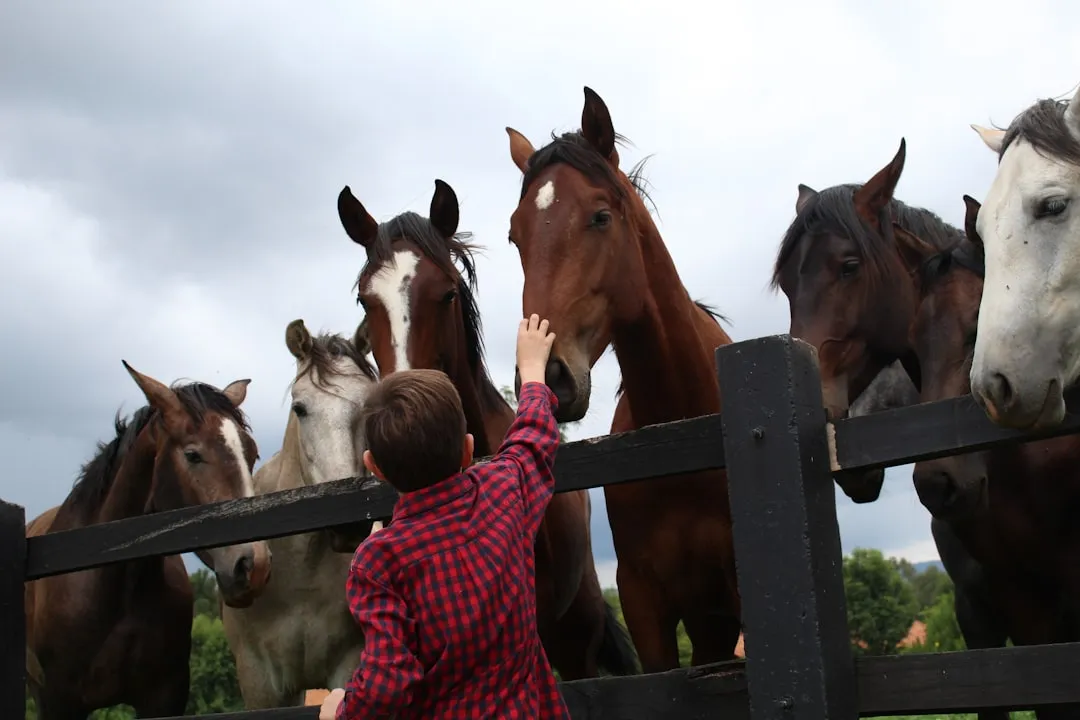
A bold sign that a horse has picked you is when it quietly abandons its usual patterns the second you show up. Many horses are creatures of habit: same corner of the paddock, same hay pile, same napping spot. When a horse chooses to leave a full hay net or a favorite buddy just to stand near you, that’s not random. That’s attachment.
It’s especially telling in horses that are normally food-obsessed or herd-bound. They may pretend to ignore everyone else, then clock your footstep or voice and reposition themselves closer without making a big scene. Watch when you’re not trying to catch them – if they peel away from routine just to be in your area, that’s quiet loyalty talking.
Fast Facts
- Horses are deeply routine-driven animals, often keeping the same grazing spot, buddy, and rest schedule day after day.
- Breaking that routine costs a horse both energy and a small safety margin, so voluntary changes are rarely random.
- Familiar humans are recognized by horses through a mix of voice, scent, and visual silhouette, not sight alone.
- In herd settings, horses reserve unprompted repositioning almost exclusively for individuals they consider safe.
#16 – They Relax Faster Around You Than Anyone Else
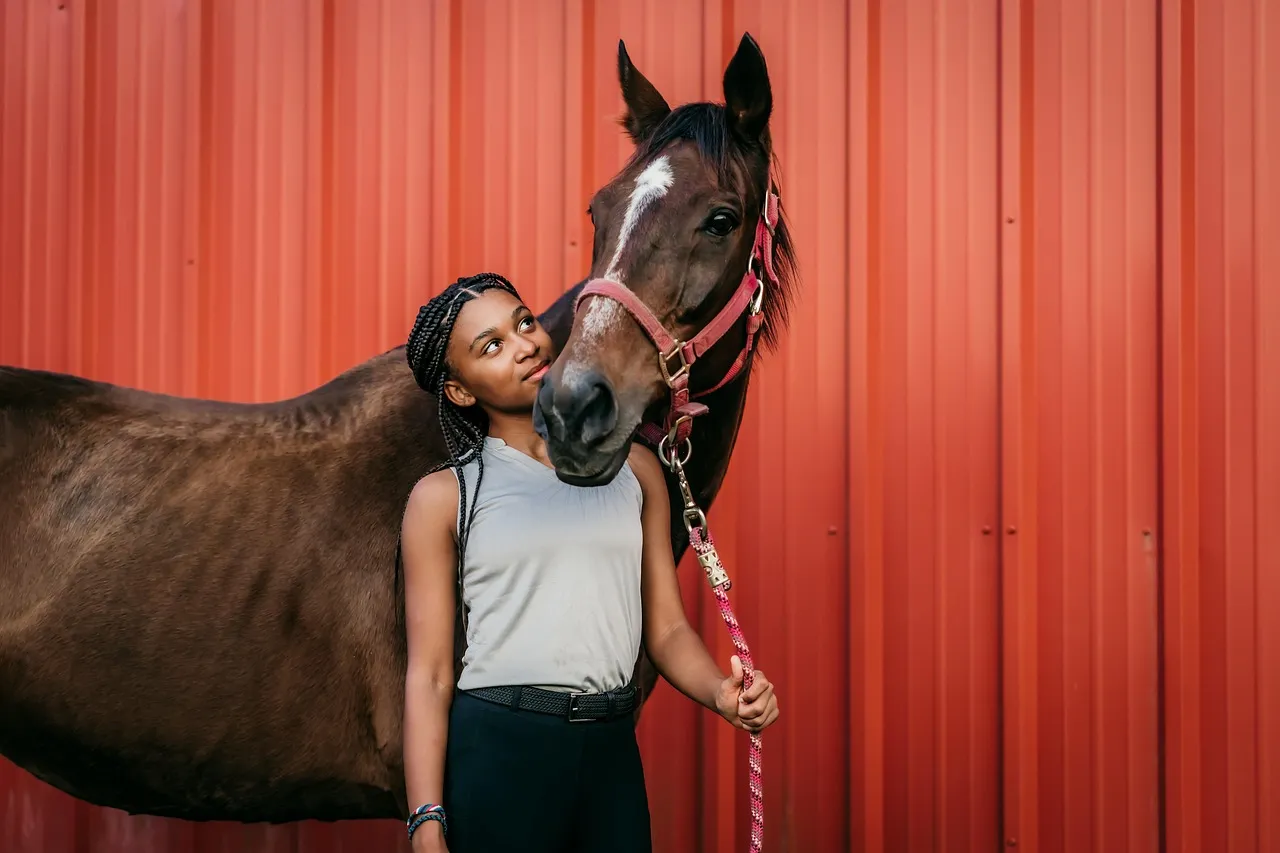
The clearest insiders-only tell is that their nervous system drops a gear the moment you’re nearby. You’ll see it in the micro-details: breathing slows, the tightness around the eyes softens, and that rigid, braced back suddenly loosens when you pick up the lead. A horse that’s been dancing in the cross-ties may exhale and lick and chew the second it realizes it’s you touching the halter.
This isn’t magic – it’s conditioned safety. Your presence predicts good outcomes so strongly that their whole body responds. Even experienced riders misread this as “he’s finally calming down today.” No, he’s calming down with you. Compare it honestly: does he fidget more for the farrier, the trainer, or the barn staff than he does for you?
#15 – They “Lose” Their Manners Only When You Leave
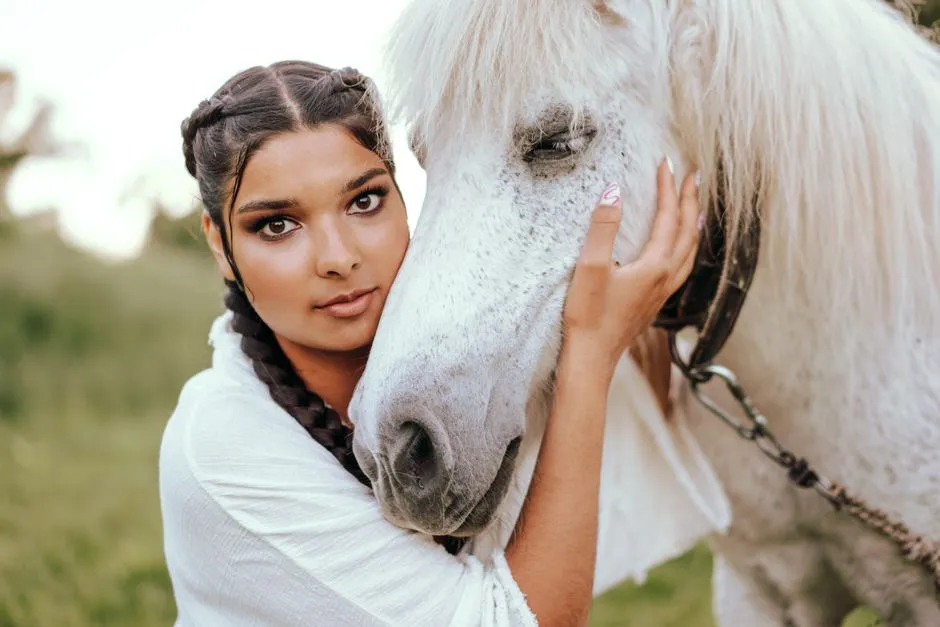
This one sparks arguments in every barn aisle: the horse that’s perfect for “their person” and a handful for everyone else. Most people call it spoiled. Sometimes it is. But often, the contrast in behavior is actually a sign of secure attachment – the horse has learned your cues, your boundaries, your micro-signals.
With you, the world is predictable. Hand the lead to someone new and their anxiety spikes; they rush, test, or shut down. It looks like disrespect, but it’s often confusion and separation stress. If your horse loads perfectly for you and plants their feet for everyone else, that’s not an accident – it’s a relationship problem, just not the one people usually think.
#14 – Their Ears “Track” You Constantly
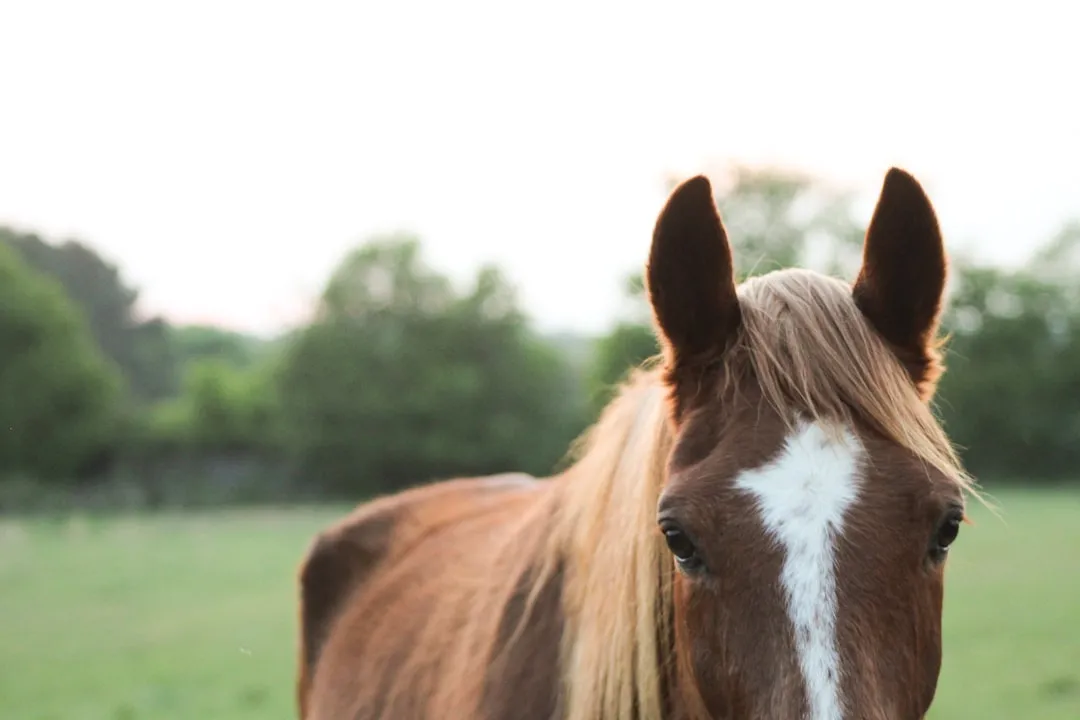
Experienced riders obsess over frame, impulsion, and contact – and blow right past the biggest tell: the ears. A horse that has picked you will often keep one ear on you like a satellite dish, even when it’s “ignoring” you. Notice in the arena when others are riding – does your horse, turned out or tied, swing an ear or an eye toward the sound of your voice more than anyone else’s?
Under saddle, do they keep flicking an ear back to you when something worries them, as if checking your opinion? That’s social referencing – using you as a safety barometer. Many riders mislabel it as “eariness” or distraction, but in a prey animal, that kind of selective attention is never given lightly.
#13 – They Bring You Their Curiosity, Not Just Their Fear
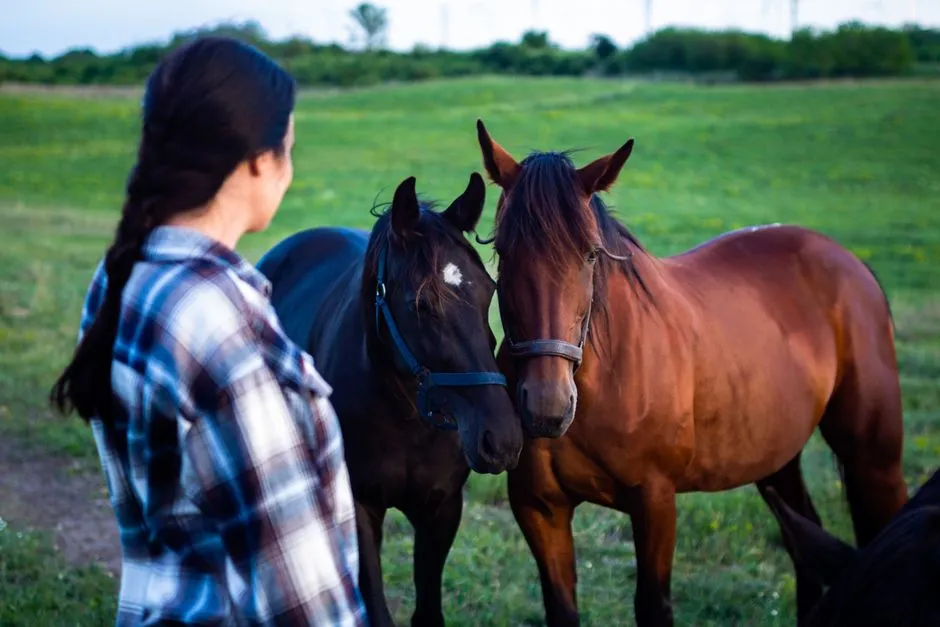
Most people think a bonded horse comes running only when scared. In reality, a chosen person becomes the outlet for curiosity first. Watch how they approach new objects – a horse that trusts you will often step halfway toward the scary tarp, then pause and look back at you for input, ears flicking, nostrils quivering.
If you step up and show interest, they’ll follow. If you ignore it, they often abandon investigating too. On the ground, they may nudge a cone toward you or sniff your pockets, then immediately check your face, as if asking, “Did you see that?” It’s subtle, and many riders write it off as fussiness, but when a prey animal chooses to share curiosity over fear with you, that’s rare.
#12 – They Adjust Their Movement To Match Yours
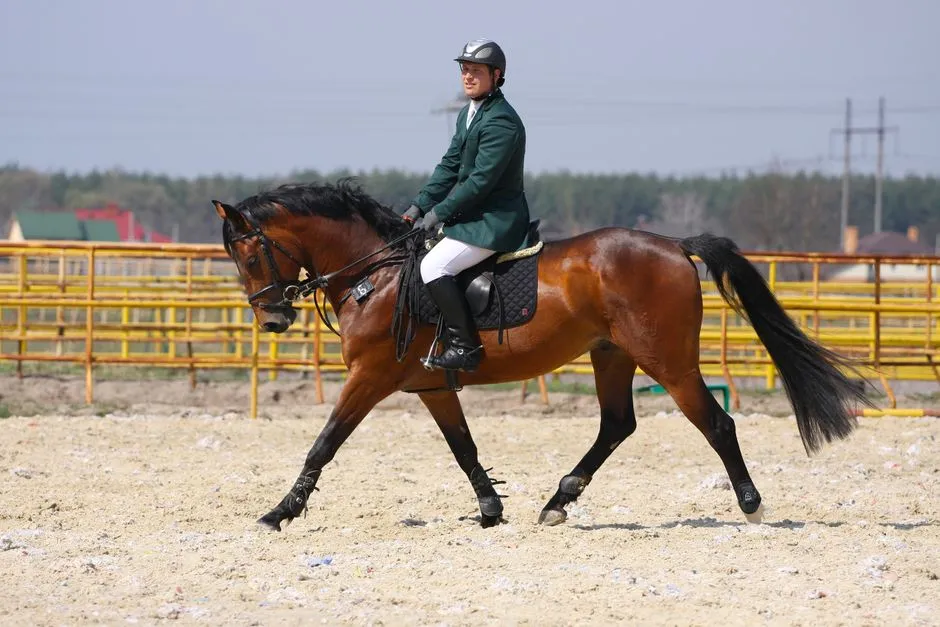
Here’s one even pros underestimate: your horse unconsciously syncing its stride and tempo to your body. In the herd, bonded horses mirror each other, and a horse that has picked you often does the same without being made to. Leading in hand, they don’t just follow the rope – they shorten or lengthen their walk to stay aligned with your shoulder, even if you change tempo mid-aisle.
At liberty, you slow your walk and, without a halter, they downshift to stay parallel instead of barging ahead or lagging behind. Yes, you can train this. But when it happens before you’ve drilled it, or sticks even after time off, that’s relational, not rehearsed.
Worth Knowing
- Herd horses often synchronize walking pace and head position with companions they trust, a pattern called “entrainment.”
- Foals begin mirroring a dam’s stride within days of birth, and the instinct carries into adult bonding behavior.
- Horses can shift stride length in a fraction of a second to match a trusted handler’s pace.
- Unprompted mirroring at liberty, without cues or training, is considered a strong non-verbal marker of social trust.
#11 – Micro “Check-Ins” While Pretending To Ignore You
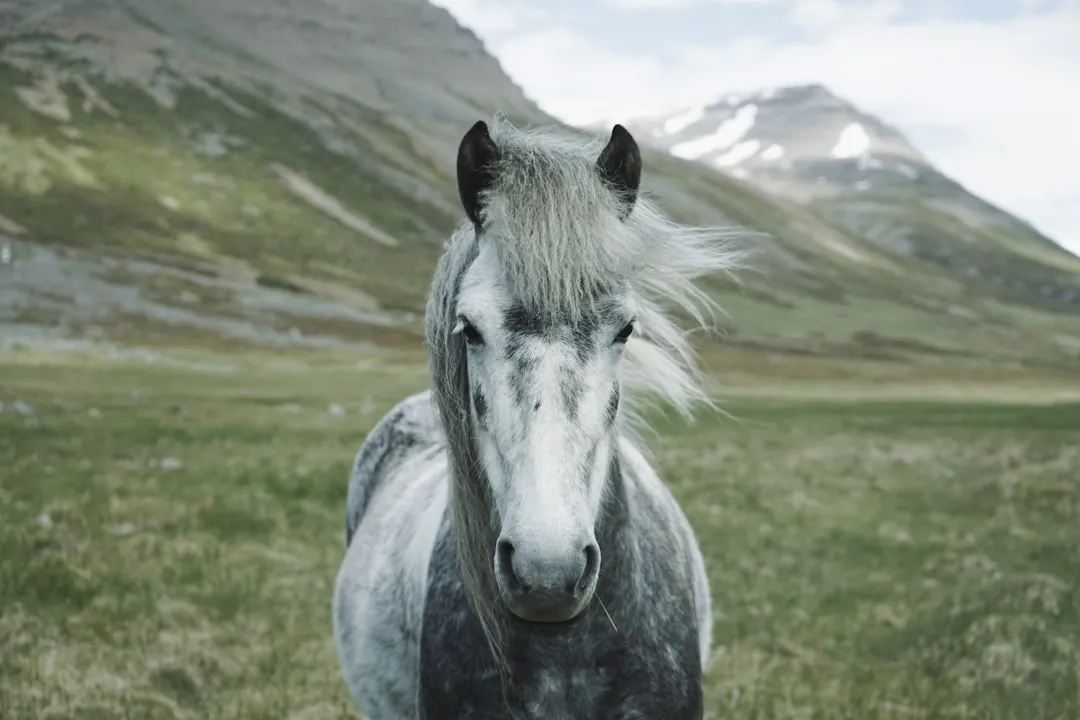
Some of the strongest attachments look like indifference at first glance. The horse looks aloof, but the details say otherwise. A horse that’s picked you may graze or stand with its rear toward you – classic horse rudeness, right? Except the tail quietly relaxes when you speak, one ear flicks back with every footstep you take, and the chewing pauses when you stop walking.
They know exactly where you are. Horses don’t waste vigilance on herd members they trust. Compare this to their behavior with strangers – do they lift their head higher or keep both ears roving? If the only time they truly switch off is when you’re in their space, your presence has become the default safety setting.
#10 – They Tolerate Your Mistakes But Not Others’
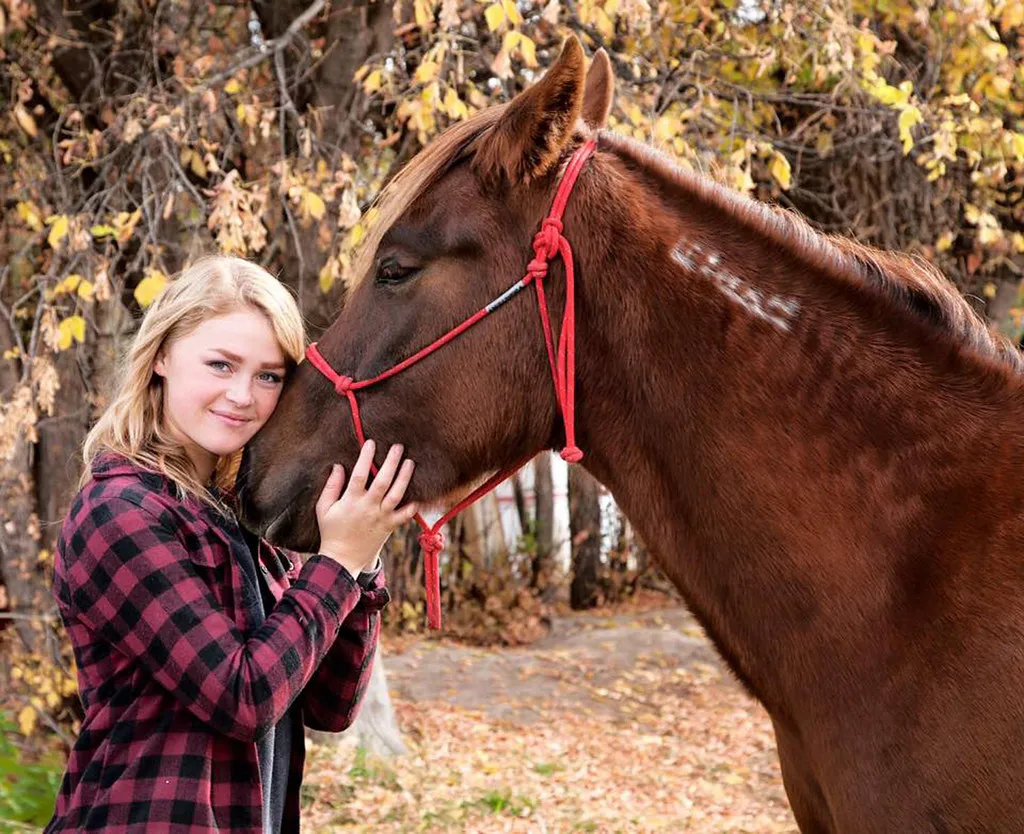
This is the one that embarrasses people in clinics: the horse who forgives you but nails the trainer. Bonded horses often give their person a huge margin of error. You grab the wrong rein, your timing’s late, your leg is sloppy – yet the horse tries. Someone else makes the same mistake and gets a head toss, a tail swish, maybe even a threat.
It’s not that they hate the other rider; it’s that your inconsistency has been normalized inside a safe relationship. Pros hate this sign because it complicates the “horse should go the same for anyone” narrative. In the real world, though, relationship matters more than technique.
#9 – They Use You As a Physical Shield
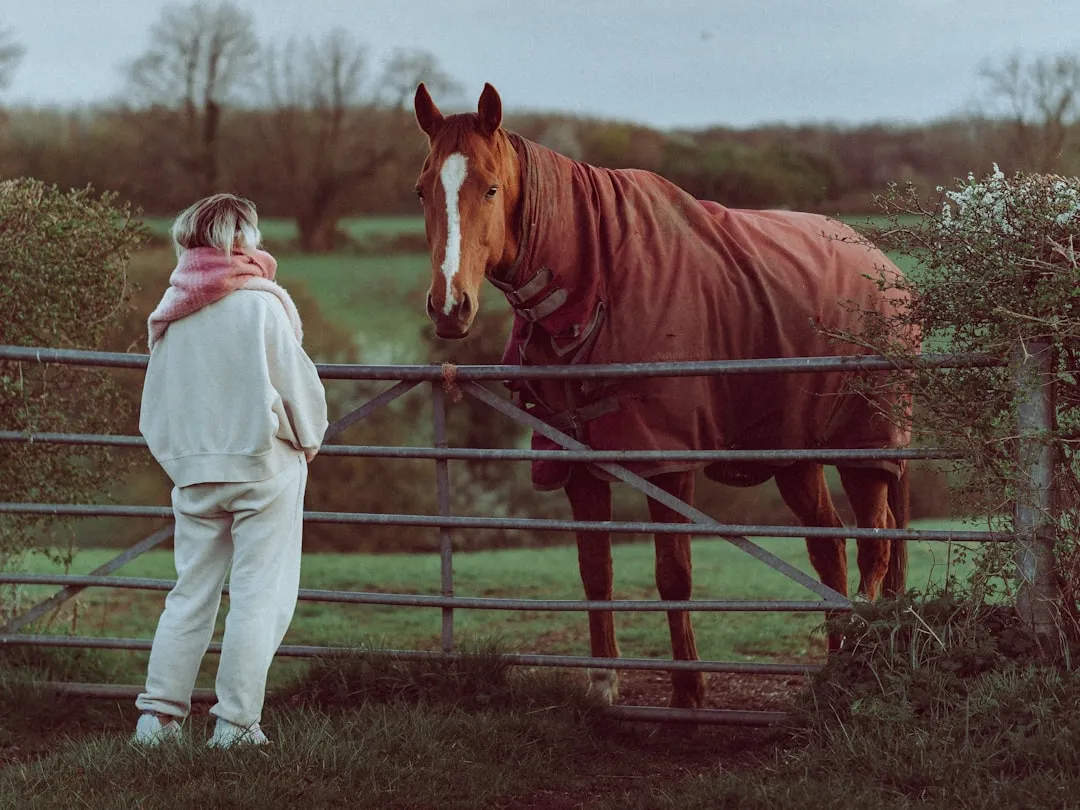
This one is primal, and most people misread it as disrespecting personal space. In the wild, lower-status horses often sidle behind a confident herd member when unsure. If a horse has picked you, they might edge their body so that you stand between them and the scary thing, even if they technically “should” yield.
They’re not pushing you into danger – they’re assigning you the role of protector. It can look like crowding at the mounting block during wind, or stepping closer on the trail when a bike appears. You still need boundaries, but be honest about the subtext: they’re choosing your body as their buffer, and that’s trust talking, even when it’s inconvenient.
#8 – Their “Bad” Behavior Peaks When You Disappear
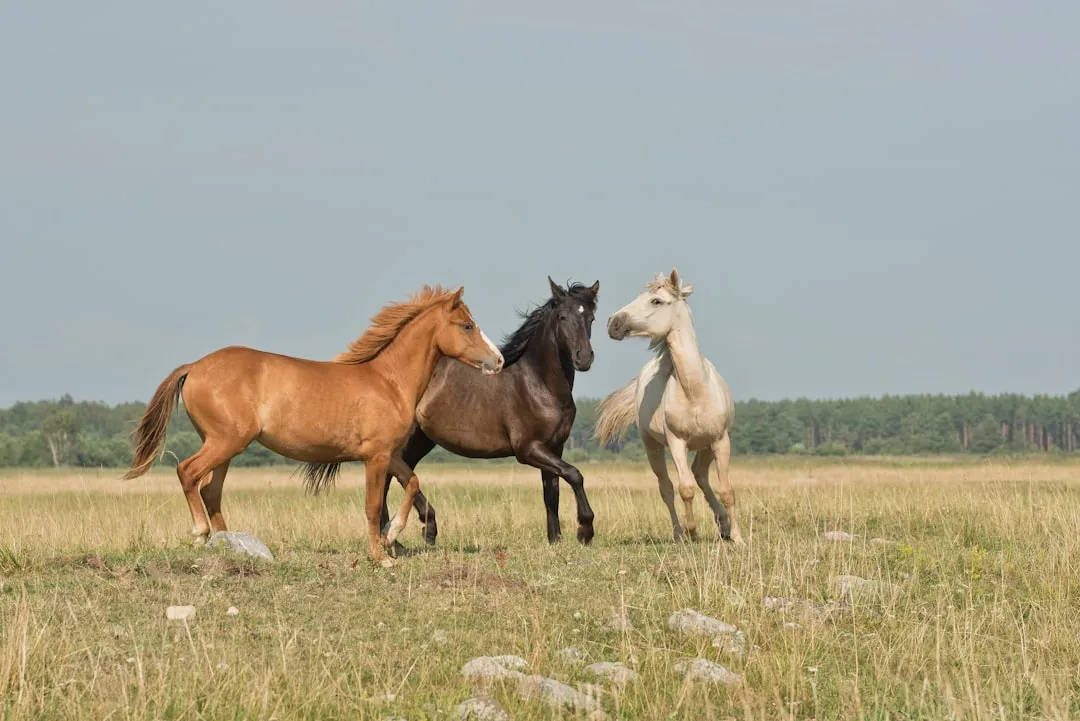
Separation anxiety is often blamed on poor training. Sometimes that’s true. Sometimes it’s a brutal sign you’re the chosen one. Horses with a strong person-bond may scream, pace, or even refuse to load if they can see you walking away, yet settle more quickly if you were never there to begin with.
It’s not rational – it’s attachment. You’re their anchor point, and removing it suddenly tilts their whole world. Watch the pattern: do they whinny when your car pulls in, then escalate if you leave without visiting? That’s not generic buddy sourness. That’s person-specific, and it needs management, but it also tells you exactly how much you matter.
#7 – They Offer “Grooming” Back To You
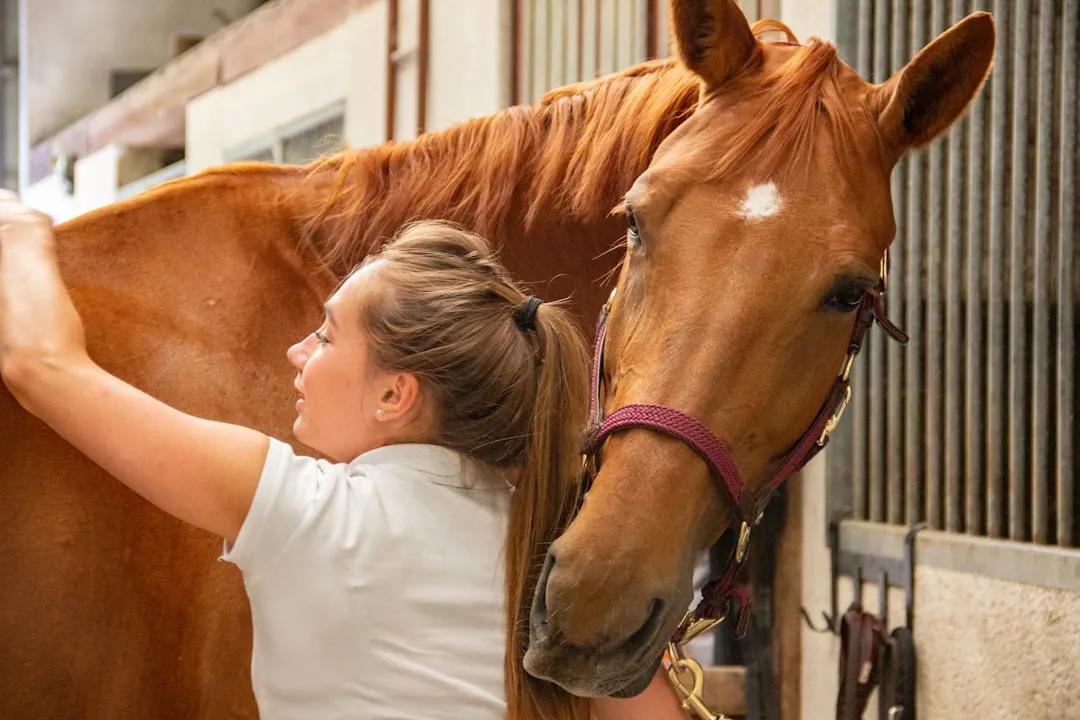
Mutual grooming is how horses say, “you’re my inner circle,” and some quietly try to include you in it. You curry their itchy spots, and they angle their head toward your shoulder, lipping gently at your sleeve, hair, or the air near your arm. Many people snap at them for it, and yes, teeth on skin is a real boundary issue – but the instinct behind it comes straight from herd bonding.
Notice if they do this only with you and not with others who groom them just as often. You might also catch “air-grooming”: a rhythmic jaw movement or a nuzzle near your back without full contact. These gestures expose the face and neck, which is risky for a prey animal. Offering them isn’t casual – it’s trust, sometimes clumsily expressed.
#6 – They Follow You At Liberty… Even When Food Is an Option
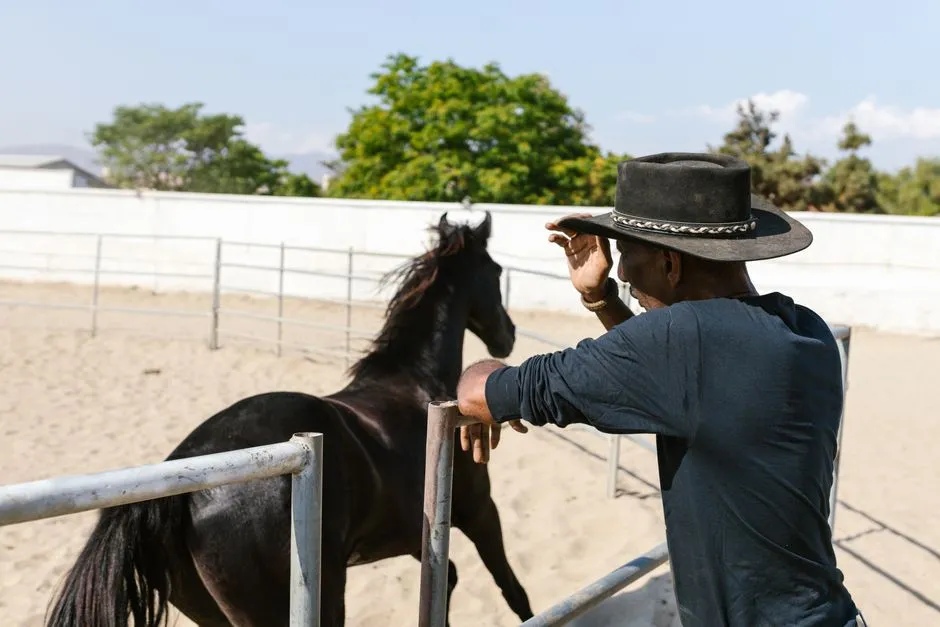
Everyone loves liberty videos, but here’s the real filter: does your horse still choose you when food is available? Plenty of horses will track a person in an empty arena. Now dump a hay net in the corner or turn them out with buddies – if they leave food or social play to trail behind you, mirroring your turns and stops with no halter, that’s attachment, not bribery.
Most riders never test this honestly because they don’t want to see the answer. It’s easier to assume “he loves me” while rattling the grain scoop. You don’t need circus-level liberty work to check – just notice if they lift their head and walk over when you wander the fence line, then drift off again when you stop. That intermittent, self-initiated following is the real tell.
Quick Compare
- Food-driven following: Fast and direct, and it stops the moment the treats run out.
- Bond-driven following: Intermittent, mirrors your stops and turns, and continues even with no food involved.
- Food-driven horses tend to nose-check your pockets and hands repeatedly.
- Bond-driven horses check your face and body language instead of searching your hands.
#5 – They Save Their Softest Expressions For You
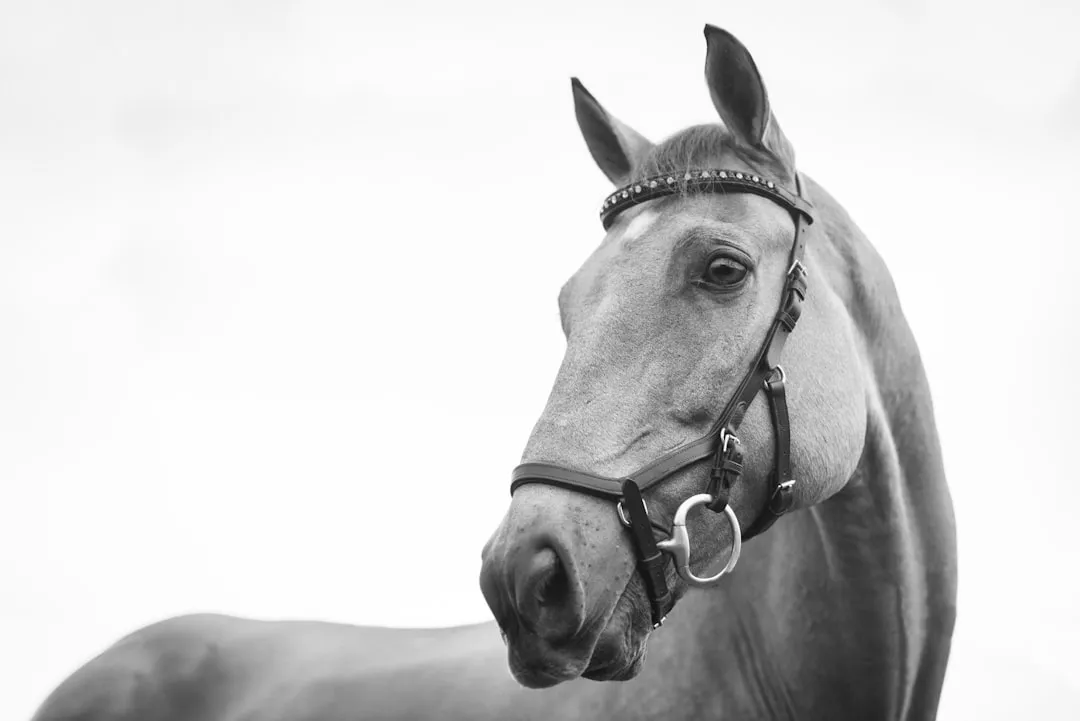
Horses absolutely have different “faces” for different people, and it’s not just anthropomorphic wishful thinking. Watch the eyes and mouth. With you, do they half-close their eyes, drop the lower lip, and let their whole head hang during scratches or while just standing together? That deep melt state is hard-wired rest-and-digest, not performance.
With others, do they stay a bit tighter – eyes rounder, lips firmer, nostrils pinched? They might be polite, even obedient, but they’re not truly off-duty. We love to brag about the flashy things – collection, jumps, trail obstacles – but this quiet, soft expression is the real gold. It says, “I feel safe enough to turn off all my alarms around you.”
#4 – They “Nag” You For Connection, Not Just Treats
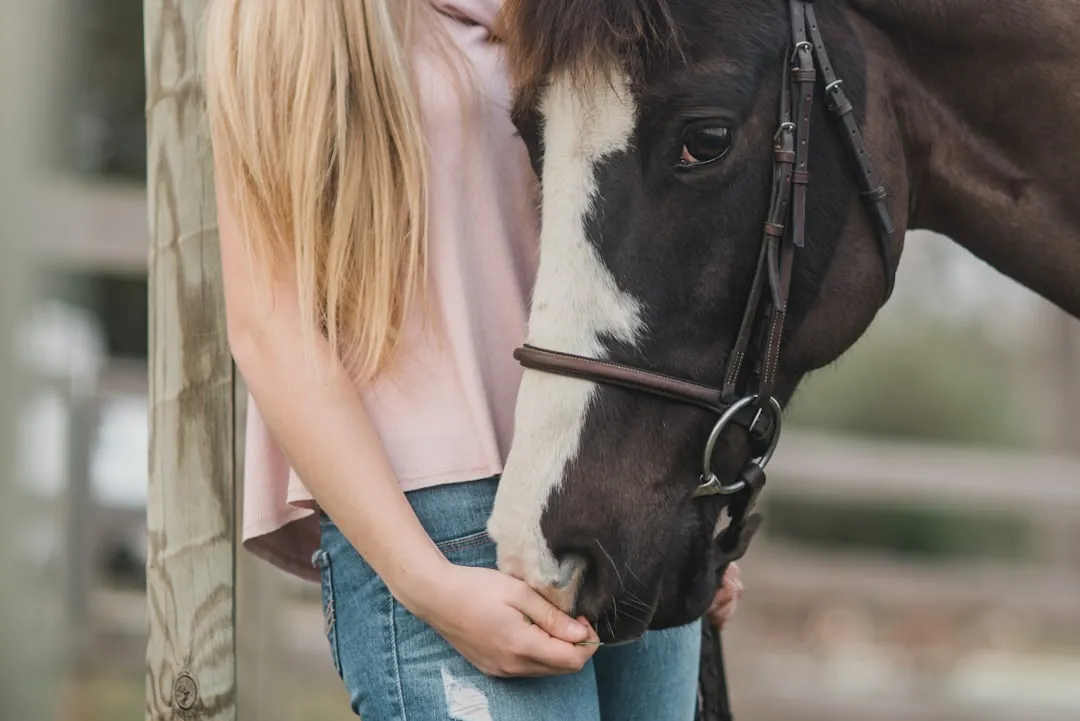
Some horses turn into pocket pests, and most barns blame the cookie jar. Often, that misses the deeper pattern. Yes, food-seeking is real, but a horse that has picked its person often seeks tactile and social contact even when no food is present. You’re mucking, and they keep placing their nose near your shoulder, breathing softly. You stop to answer your phone and they edge closer, only relaxing once you rest a hand on them.
This isn’t pushy dominance – it’s contact-seeking, like a dog resting its head on your knee. Ask yourself: when others enter the stall, do they get the same persistent requests, or does the horse go neutral until it hears your voice? If you’re the only one they nag for scratches, you’re not the food dispenser. You’re the emotional resource.
#3 – They Trust You In Their Most Vulnerable Moments
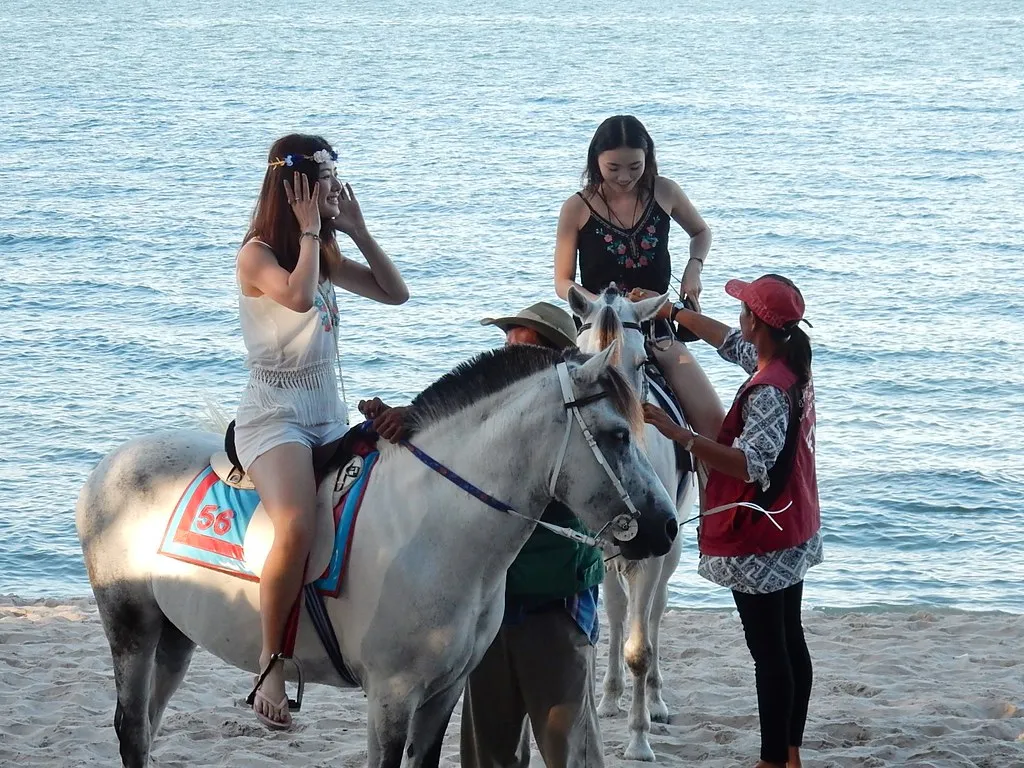
Bond doesn’t show up in the pretty rides. It shows up in the ugliest, scariest ten minutes of their year – vet visits, injections, sheath cleaning, colic checks, first trailer rides. A horse that has picked you may still be scared, but they orient to you in the middle of panic – swinging an ear to your voice, stepping toward your hand, or releasing tension only when you touch them.
They might plant their feet for everyone, then take one hesitant step forward the second you pick up the lead. Some horses even refuse sedation from one handler but cooperate the moment their person holds the rope. It’s not that the drug works differently; it’s that their nervous system does. If they hunt for you first in every high-stress moment, you’re more than “the one who feeds them.” You’re home base.
#2 – They Remember You After Long Gaps… And Show It
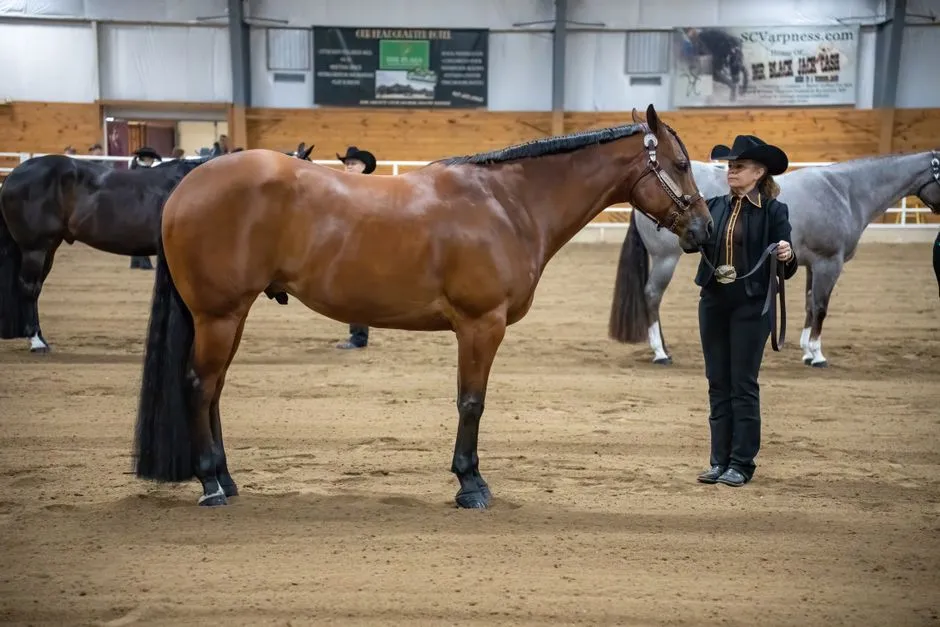
Everyone says, “he remembered me!” after a break. The truth is harsher: many horses don’t, not really. The real test is how fast your old “language” comes back after weeks or months off. Does your horse spot you across a strange barn, call once, then immediately offer the same relaxed behaviors you worked hard to build, while treating everyone else like strangers?
That’s memory plus preference. They remember lots of people – they just don’t light up the same way for all of them. Some riders move barns, come back a year later, and watch the horse thread through a group of humans to stand quietly at their chest like no time passed. That’s not generic friendliness. That’s a stored attachment profile reactivating on sight, smell, and sound.
At a Glance
- Horses are known for strong long-term memory and can recall familiar handlers even after long absences.
- Recognition of a trusted person often relies on combined cues: voice, scent, and visual silhouette together.
- A horse’s memory of positive, low-stress interactions can be just as durable as memory of frightening ones.
- Recognition responses in a horse that remembers you typically appear within seconds of contact, not minutes.
#1 – They Change Who They Are Under Saddle Just For You
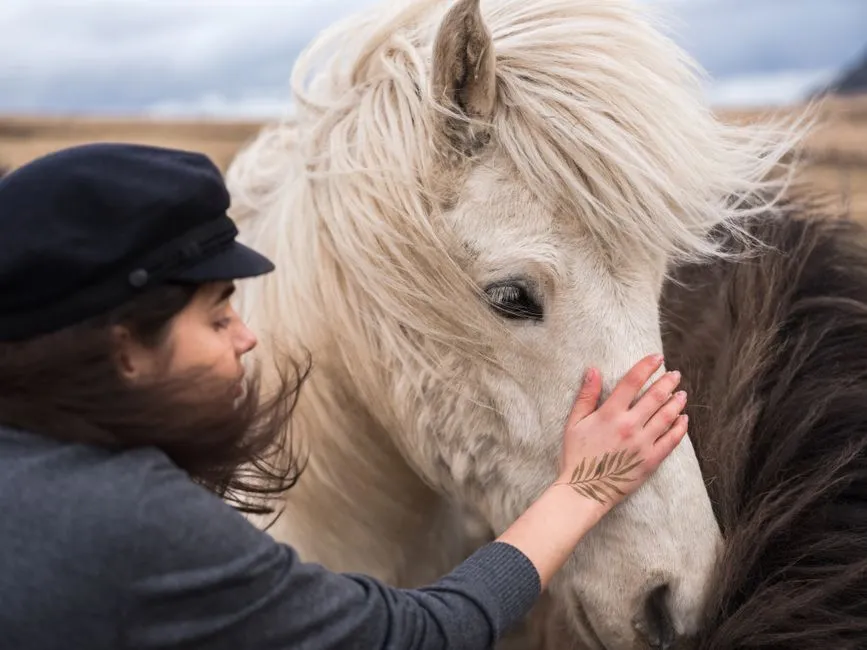
Here’s the most controversial sign, and the one experts quietly admit is real: some horses become different athletes for their person. We’re told a well-trained horse should go the same for everyone. On paper, sure. In lived reality, a horse that has truly picked its person may offer efforts for you they don’t unlock for anyone else – a bigger jump, a braver water crossing, a softer canter transition, a willingness to try that they flatly refuse with other riders of equal or better skill.
It’s not fair, but it’s honest. They’re not machines – they’re social animals whose motivation is relational. If your horse feels forward, game, and expressive with you but dull or downright stubborn with others, people will call it “you’re the problem” or “he’s spoiled.” Sometimes that’s right. But sometimes that discrepancy is the purest proof of all: your horse has decided who it wants to carry.
Horses are so honest that they can’t help but tell you the truth about how they feel.
Buck Brannaman
The Bottom Line
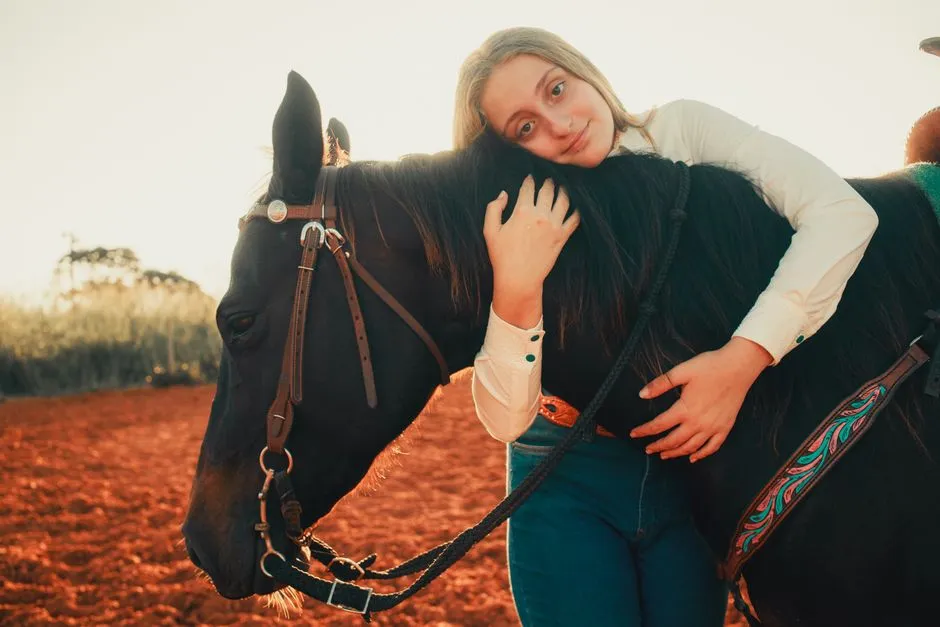
A horse “picking its person” isn’t a fairy tale. It’s a messy, biologically normal attachment that shows up in tiny, often inconvenient behaviors most riders brush off or punish. The real tells aren’t Instagram moments – they’re the soft eye that appears only for you, the way they bend their routine around your presence, or the frustrating fact that they’ll try harder for you than for the professional you just paid good money to ride them.
That emotional bias is both a gift and a responsibility. While some trainers still insist a horse should be a neutral tool, the reality in most barns says otherwise. The deeper question isn’t “does my horse love me?” It’s “what am I doing with the fact that it might?” Did we miss a sign you’ve seen in your own horse? Drop it in the comments and argue it out.

- 17 Ways a Horse Shows It Has Picked Its Person That Even Experienced Riders Completely Miss - August 8, 2026
- 18 Quiet Signals a Horse Sends the One Person It Has Completely Claimed as Its Own - August 8, 2026
- 18 Signs an Old Cat Has Quietly Chosen One Person to Be Beside It at the End - August 8, 2026