
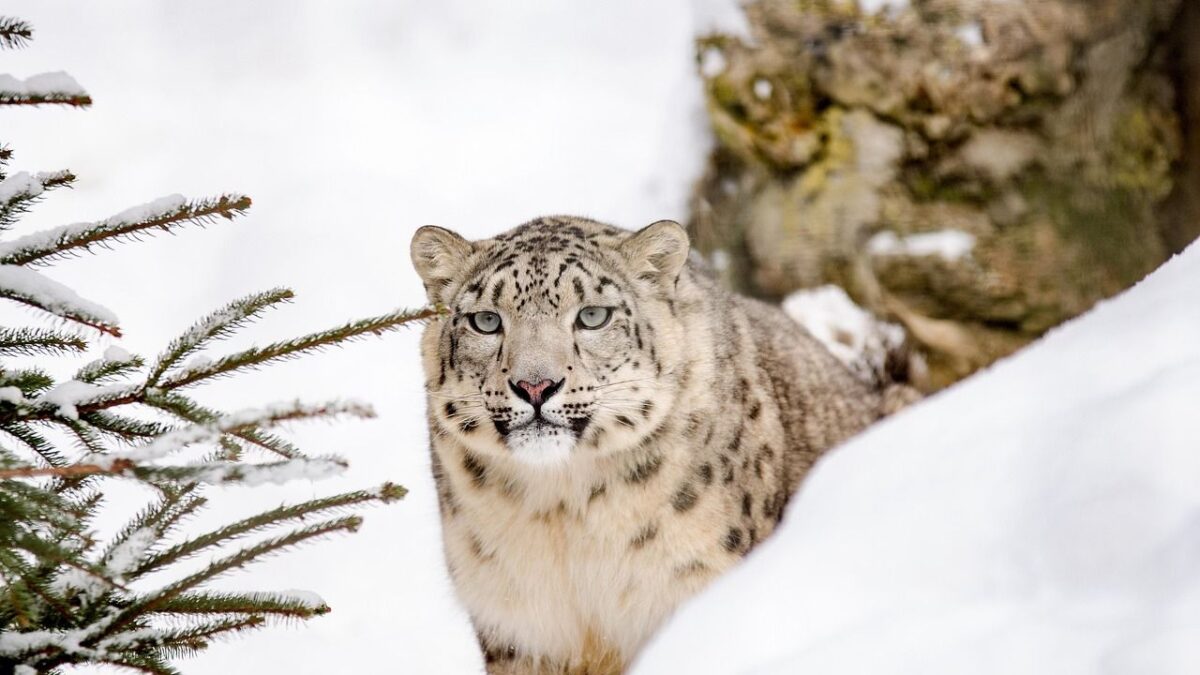
Deep in the African rainforests, two of nature’s most powerful predators occasionally cross paths in encounters that would leave most observers speechless. Predation by leopards has often been reported as a possible cause of wounds observed in western gorillas, or even death, mainly because of records of traces of gorilla’s body parts and DNA found in leopard feces. These rare but documented confrontations challenge everything we think we know about dominance in the wild.
The reality of these encounters is far more complex and shocking than any nature documentary could capture. What unfolds when a cunning, agile predator meets one of the strongest primates on Earth reveals survival strategies that have evolved over millennia.
The Night Hunter’s Silent Approach
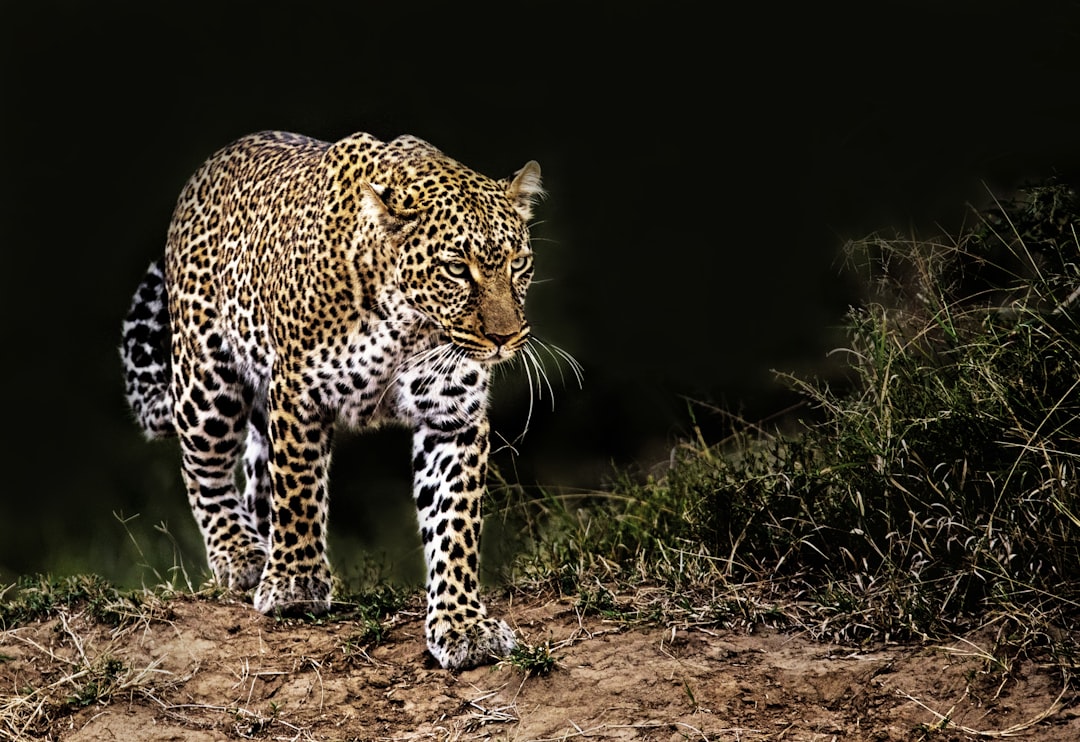
Because gorillas are more susceptible at night, these large cats are cunning hunters who use their agility and stealth to ambush their target. Leopards have perfected the art of the nocturnal attack, transforming darkness into their greatest weapon.
Leopards have far far better night-time vision than gorillas so the gorillas are at a disadvantage at night-time. Leopards rarely target healthy adult silverback gorillas, focusing instead on juveniles, females, or weakened individuals. This tactical advantage cannot be overstated when considering the outcome of these deadly encounters.
Ambush From Above: The Tree Drop Strategy
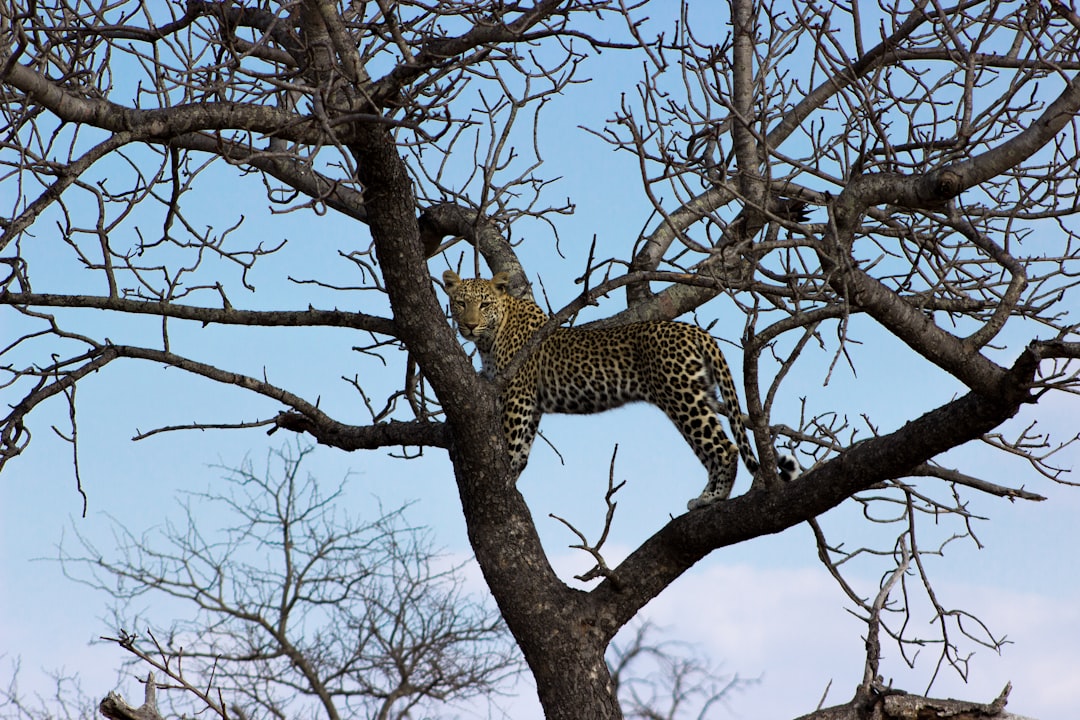
Additionally, leopards are well-known for climbing trees, which allows them to attack gorillas from above and makes it harder for the latter to protect themselves. The three-dimensional battlefield of the forest canopy becomes a leopard’s strategic playground.
But most of the time, the leopard catches the gorilla by ambushes: mostly jumping from trees. They take the gorilla distracted and from behind. This aerial assault technique catches even the most vigilant silverbacks completely off guard, turning their massive strength into a disadvantage when they cannot see the attack coming.
Precision Targeting: The Killing Blow
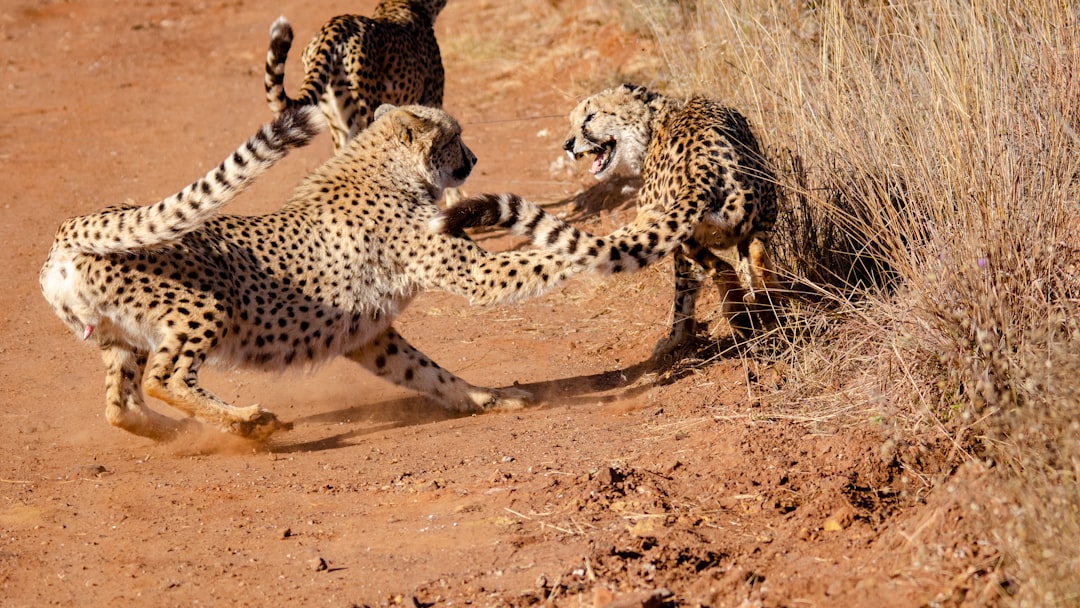
Leopard caused mainly punctures, often clustered on the victim head, mainly the neck. We also predict that, as expert predators attacking with the intention to kill and consume, leopards will inflict lethal wounds on vital parts of the victim’s body, such as the neck, as in typical effective felid hunting. This surgical precision separates leopards from other predators.
When leopards get close to their prey, they usually jump onto them, dig in with their claws, and deliver a powerful bite to the head or neck of the prey, killing it. The leopard’s strategy focuses on ending the fight quickly before the gorilla’s overwhelming strength can come into play.
The Silverback’s Desperate Defense
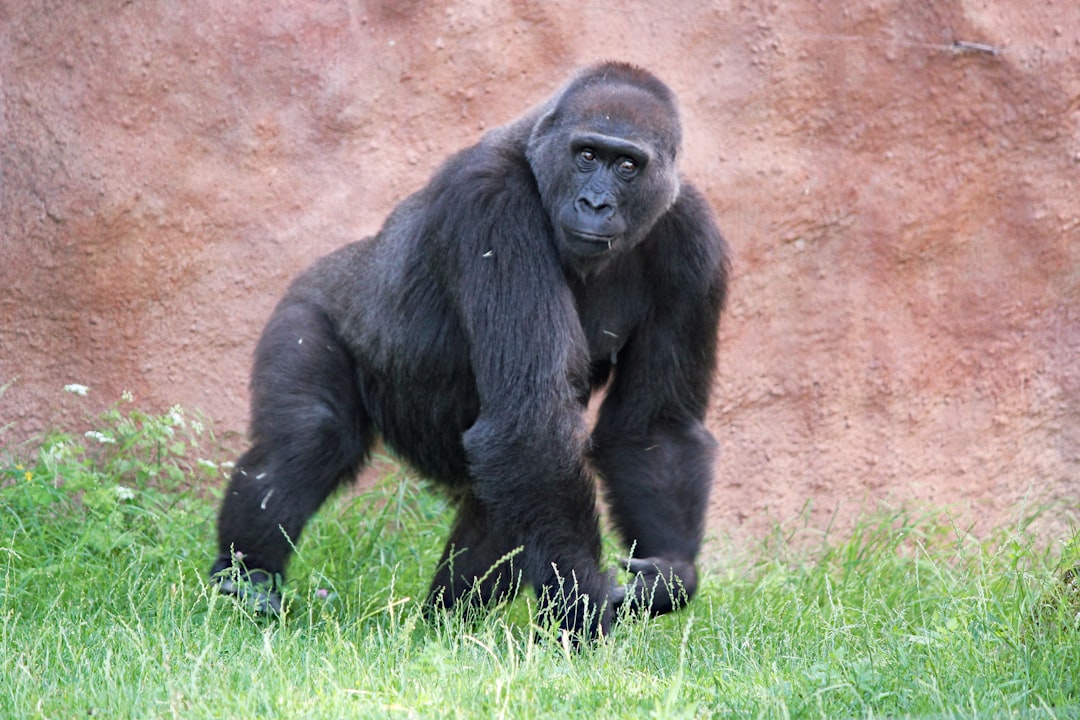
The gorilla’s sheer size and power, coupled with their muscular build and long arms, make them formidable opponents. They have large canine teeth and powerful jaws, capable of inflicting serious harm. When a gorilla realizes it’s under attack, the forest erupts with raw power.
Gorillas will charge their foe, use their amazing strength to grab hold of them, beat them, bite them, and potentially break and tear their limbs. Their attacks are fast and brutal. However, this defensive response often comes too late in a successful leopard ambush.
Size Versus Speed: The Physical Mismatch
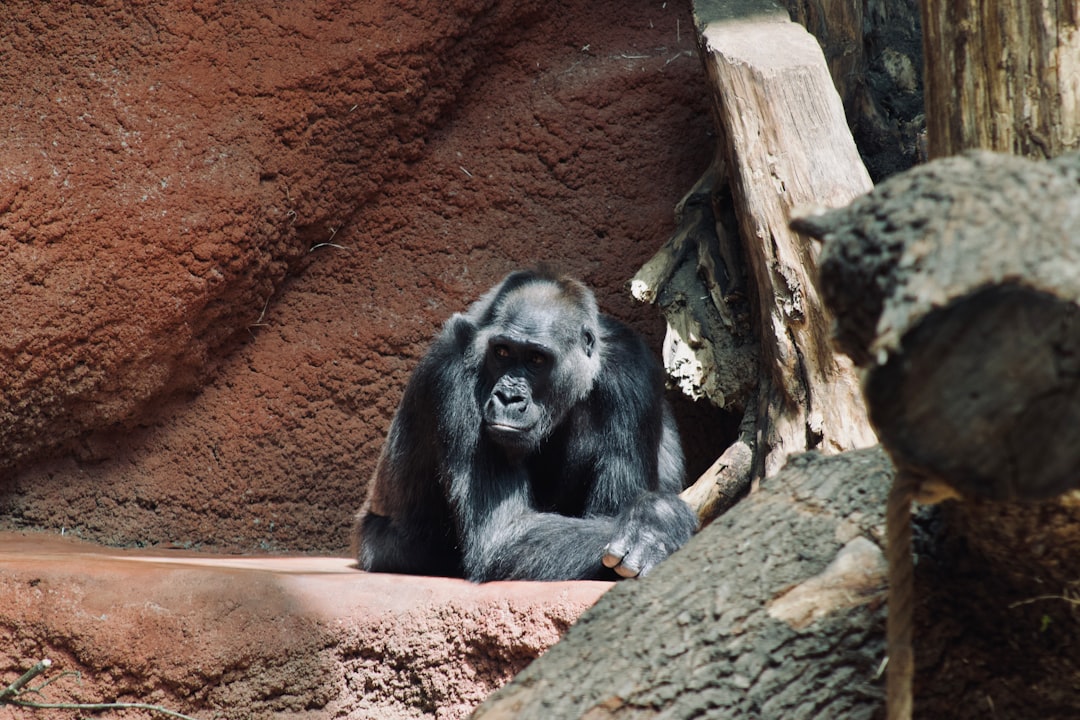
Gorillas can grow up to 5.9 feet high, about 5 feet long, and weigh up to 500 pounds. Leopards use a galloping sprint that helps them move at speeds up to 45 mph. This creates a fascinating paradox where brute force meets lightning-quick agility.
Leopards typically weigh between 80 and 200 pounds, while gorillas can weigh anywhere from 300 to 500 pounds or more. This significant size difference gives gorillas a considerable advantage in a direct confrontation. Yet documented cases prove that size alone doesn’t guarantee survival in these encounters.
The Rare Reversal: When Giants Fight Back
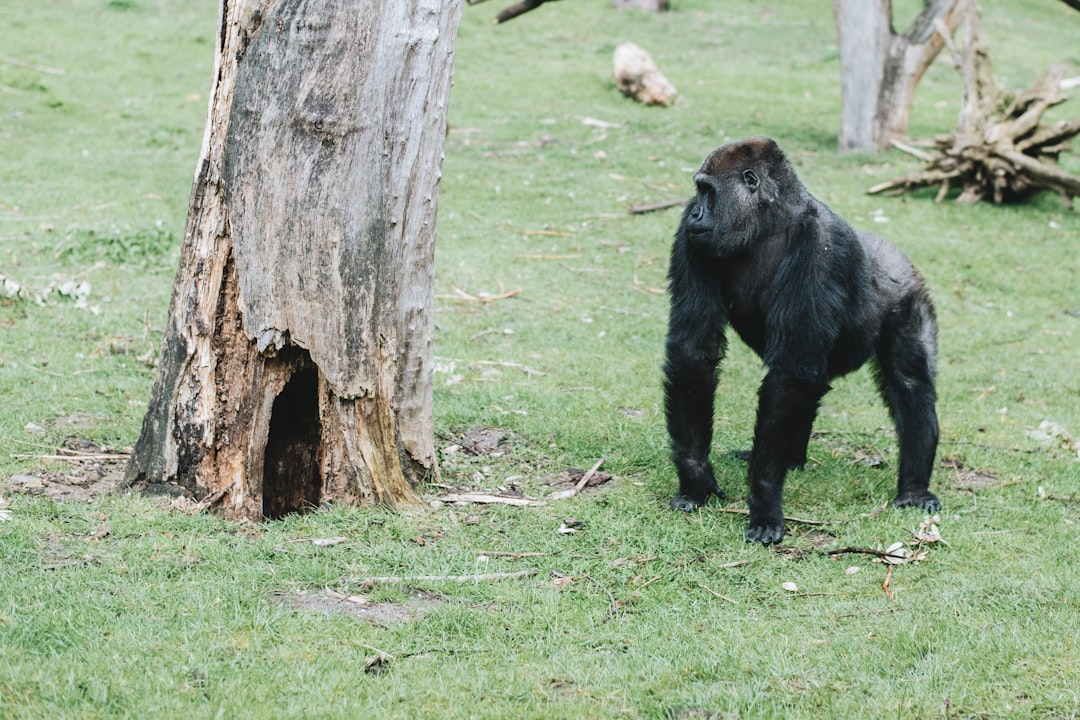
It’s worth noting that while the leopard attacked at night, its ambush quite clearly failed since the pair of them tumbled down a hill before the gorilla’s carcass came to a rest. This is the only account of a silverback killing a leopard, and it dies in the process of doing so. These mutual destruction scenarios reveal the true stakes of these encounters.
Documented leopard predation on gorillas primarily involves young or vulnerable individuals, with attacks on healthy adult silverbacks being extremely rare. The statistics paint a clear picture of which predator typically emerges victorious, despite the gorilla’s apparent physical advantages.
Vulnerability Patterns: The Leopard’s Target Selection
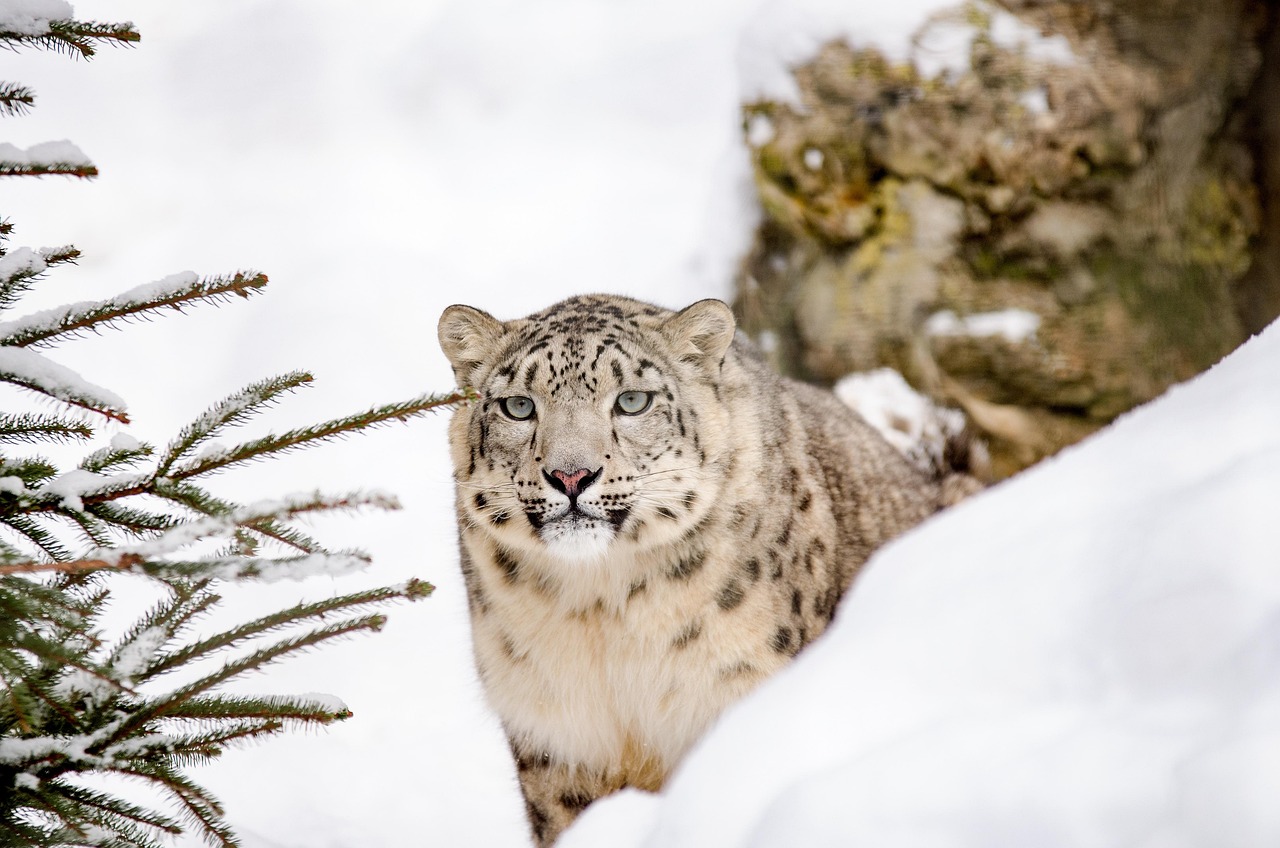
Leopards typically target the most vulnerable members of gorilla populations: the young, sick, or isolated individuals. This strategic prey selection maximizes the leopard’s chances of success while minimizing risk.
Although leopards constitute a threat, older male gorillas, especially silverbacks, are less likely to become their targets because of their size and power. Although leopards constitute a threat, older male gorillas, especially silverbacks, are less likely to become their targets because of their size and power. However, when desperation drives a leopard to attack a prime silverback, the results can be explosive.
The Aftermath: Survivors and Casualties
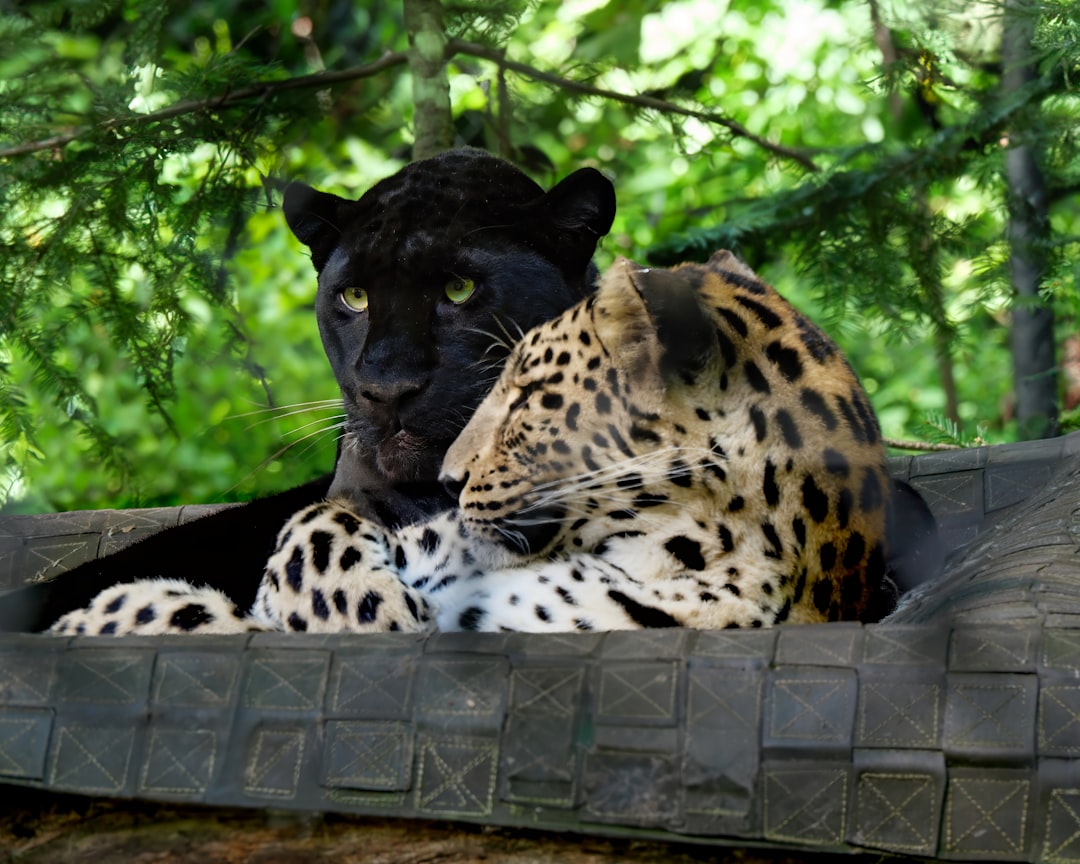
In documented cases involving healthy adult gorillas, leopard attacks are typically unsuccessful, with leopards generally avoiding direct confrontations with silverbacks – but would avoid a silverback gorilla head-on. The evidence suggests that tactical brilliance often trumps raw power in nature’s most dangerous game.
At the end of the clash, though, the leopard would still be standing, but it would probably be hurt. Even successful leopard attacks don’t come without cost, as these encounters push both predators to their absolute limits.
These shocking encounters between gorillas and leopards reveal nature’s most brutal truth: in the wild, intelligence and strategy often defeat size and strength. Being expert predators, this difference may highlight that leopards are more efficient in their attacking techniques (or at least in the successful cases analyzed here), when compared with gorillas. The rarity of these confrontations only makes them more fascinating to study, offering glimpses into predator-prey relationships that challenge our understanding of who truly rules the African forest.
What do you think about these surprising dynamics between two of Africa’s most powerful animals? Tell us in the comments.

- 8 US States With the Most Horseshoe Crab Spawning Beaches - August 6, 2026
- The 10 Worst US Cities For Seniors To Retire In - August 6, 2026
- 7 Incredible U.S. National Parks You Haven’t Heard Of (But Should Visit) - August 6, 2026