

Picture this: you’re walking through a forest when a deer looks up from grazing, makes direct eye contact, and instead of bolting away immediately, it pauses for several seconds. Its ears perk forward with what appears to be recognition. That spine-tingling moment when you sense a wild animal truly “sees” you as an individual isn’t just your imagination playing tricks.
Recent research reveals that countless wild species possess remarkably sophisticated abilities to recognize, remember, and differentiate between individual humans. This phenomenon stretches far beyond simple habituation and touches something much deeper in the animal psyche.
The Neural Network Behind Animal Recognition
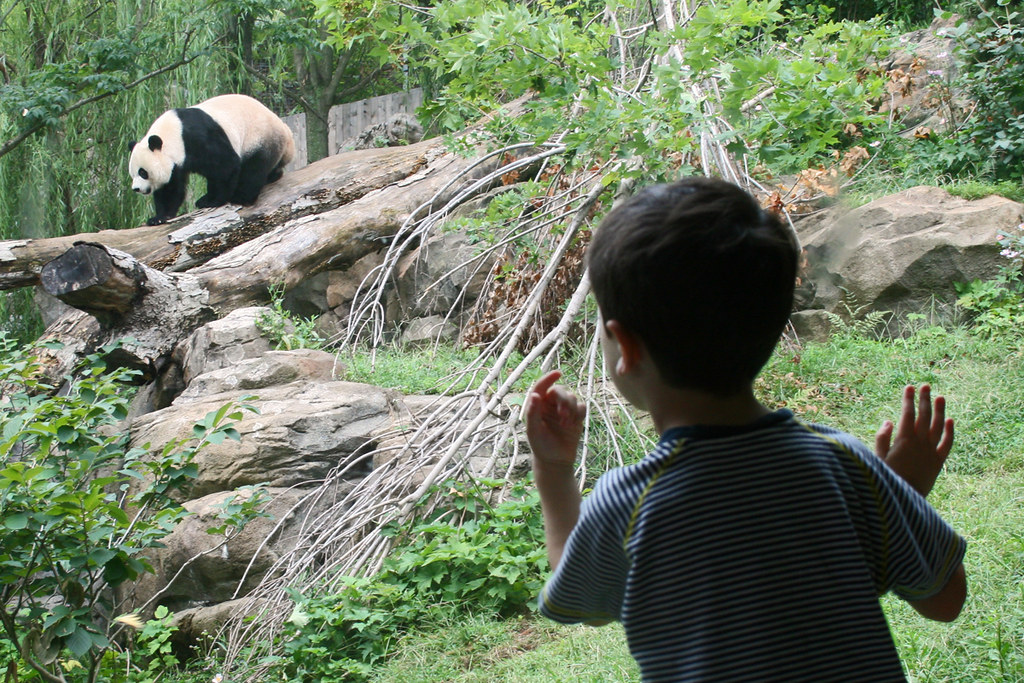
The degree to which wild animals generalize from their previous encounters, and their ability to discriminate between classes and individuals, depends on the cues that are attended to. Scientists have discovered that animal cognition works through complex neural pathways that process human faces, voices, and behaviors much like our own recognition systems.
Researchers found that giant Pacific octopuses could recognize individuals using their large optic lobes, an area of the brain used for vision, with each octopus showing a strong preference for the keeper who fed it. This demonstrates that recognition isn’t limited to mammals with complex social structures.
The fascinating reality is that many animals have evolved specialized brain regions for individual recognition that mirror our own facial processing abilities. These neural networks allow them to create detailed mental maps of the humans they encounter.
Cross-Modal Recognition: When Animals Remember Your Voice AND Face
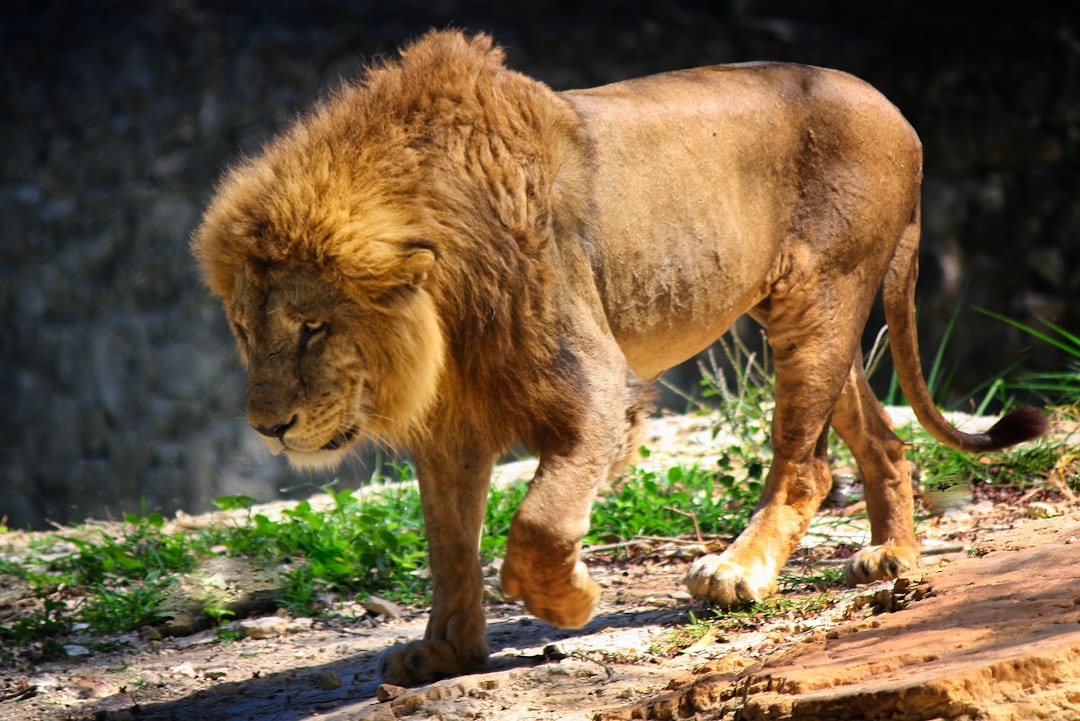
Individual recognition is considered to have been fundamental in the evolution of complex social systems, and researchers address this by testing audio–visual cross-modal individual recognition, with studies on wild African lions showing they can recognize pride mates using an expectancy-violation paradigm. The most compelling evidence shows that animals don’t just recognize single traits about us.
Some researchers have recommended testing whether animals integrate cues from different sensory modalities, such as visual and auditory cues. Wild lions, for instance, can match a specific human’s voice with their appearance, creating a complete sensory profile in their memory.
Scientists have found that big cats can recognize human voices and distinguish them from those of strangers, with wild cheetahs also appearing to recognize human voices, potentially because they lived in close proximity to humans. This cross-modal ability suggests an incredibly sophisticated cognitive process at work.
Memory That Transcends Time: How Long Animals Remember

Short-term exposure to the facial expression was enough to generate clear differences in subsequent responses to that individual, providing clear evidence that some non-human animals can effectively eavesdrop on the emotional state cues that humans reveal, using their memory of these to guide future interactions. The persistence of animal memory often surprises researchers.
Studies with domestic horses reveal they can remember a human’s facial expression for hours after a brief encounter, adjusting their behavior accordingly when they meet that person again. This suggests that wild animals may carry memories of specific humans for extended periods.
Female Northern mockingbirds can distinguish familiar humans and judge which individual poses the greatest threat, and wild mockingbirds don’t forget people and have been found to chase away familiar humans they perceive as threatening. Some species demonstrate recognition abilities that span seasons or even years.
The Facial Feature Detective: What Animals Actually Notice
Subsequent studies on other bird species have used masks to test for discrimination of facial features, as humans heavily rely on facial features to recognize each other, and experiments indicated that facial features are important cues in identifying dangerous humans. Animals pay attention to details we might never imagine matter.
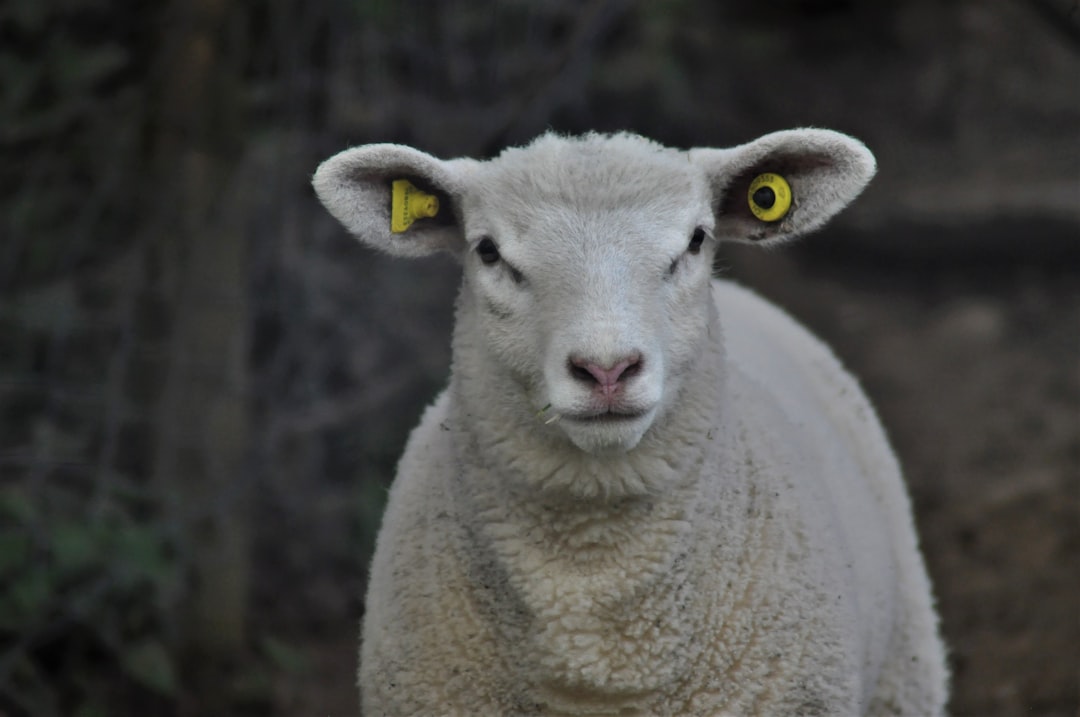
Humans recognize familiar faces easily, sheep are social animals that can recognize other sheep as well as familiar humans, and sheep identified both familiar and unfamiliar human faces with relatively little training. Research shows that even farm animals possess sophisticated facial recognition abilities.
Interestingly, animals often focus on features that remain consistent despite changes in clothing or hairstyle. They’ve learned to look past superficial variations to identify the core characteristics that make each human unique.
Emotional Intelligence in the Wild: Reading Human Moods

For humans, facial expressions are important social signals, and a wide range of animal species are also capable of discriminating the emotions of others through facial expressions. The depth of emotional recognition in wild animals reveals startling parallels to human empathy.
Animals can detect subtle changes in human body language, facial expressions, and even vocal tones that indicate mood or intent. They’ve evolved to be remarkably perceptive emotional detectives, often picking up on cues we’re not even conscious of displaying.
This emotional awareness goes beyond simple threat assessment. Many species seem to recognize when a human is sad, excited, or peaceful, adjusting their own behavior to match the emotional context of the encounter.
Individual Recognition vs. Class Recognition: The Spectrum of Animal Awareness
A wild animal may distinguish between a choice of two humans, but not from a wider selection of humans. Not all animal recognition operates at the same level of sophistication, creating a fascinating spectrum of awareness.
Some wild animal species can discriminate among individual humans and respond differently to different people in subsequent encounters, indicating that they are capable of individual recognition of humans. While some animals recognize specific individuals, others only differentiate between broad categories of humans.
This creates varying levels of personal connection. Some animals may recognize you as “the quiet hiking human,” while others might specifically remember you as “the individual who sat by the lake for thirty minutes last Tuesday.”
The Survival Strategy: Why Recognition Matters to Wild Animals
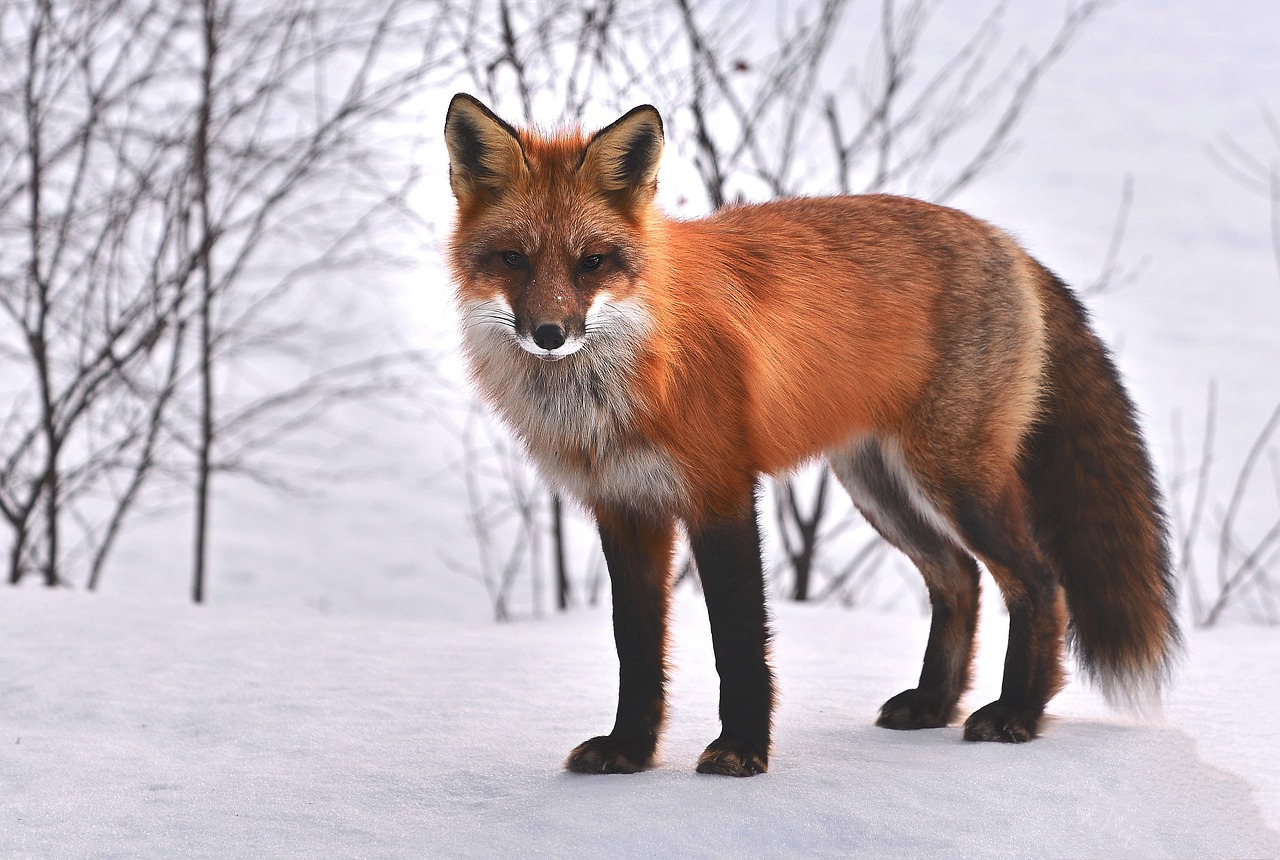
Risk-sensitive foraging theory predicts that the cost of failing to respond appropriately to humans in dangerous roles would outweigh the benefits of being attracted to humans in a rewarding role, and examples exemplify why some wild animals benefit from being attracted to human cues. Recognition serves as a crucial survival tool in an increasingly human-dominated world.
Wild animals must avoid being hunted and persecuted, make foraging decisions in the presence of humans and select breeding sites in a human-dominated landscape, where competition for food and space often leads to conflict. The ability to distinguish between threatening and benign humans becomes a matter of life and death.
Animals that successfully recognize individual humans can make more nuanced decisions about when to flee, when to approach, and when to simply observe. This cognitive flexibility provides significant evolutionary advantages in our shared landscapes.
The Mutual Recognition Phenomenon: When the Connection Goes Both Ways
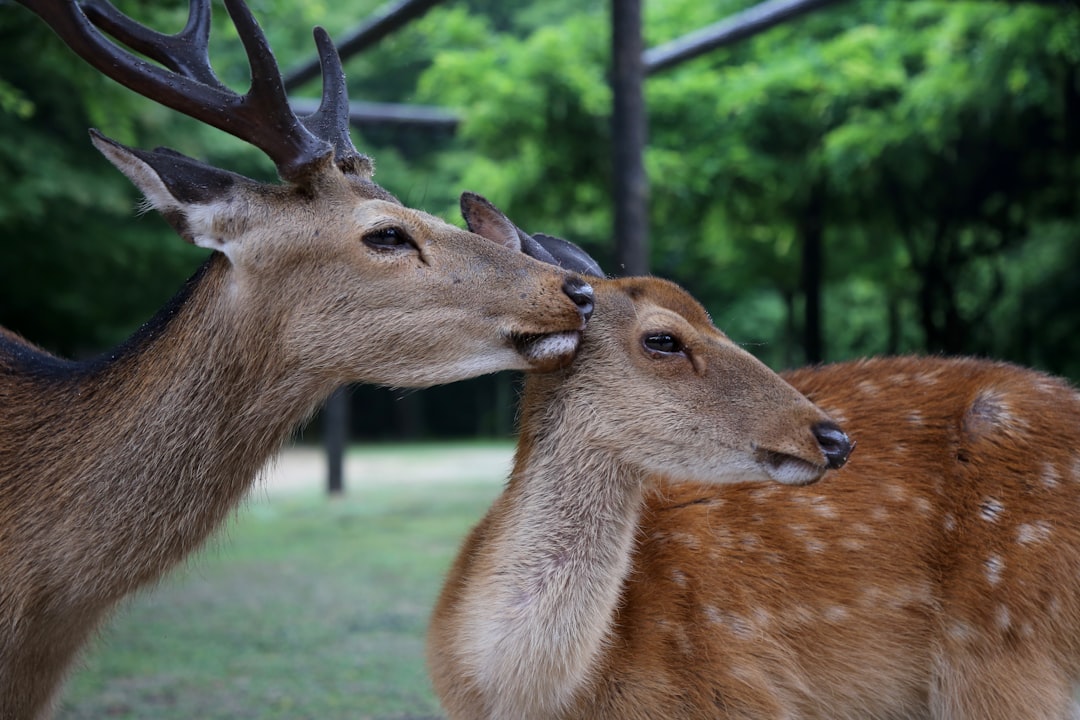
Participants described being deeply or spiritually fulfilled by animal encounters, especially when they felt acknowledged by an animal, including an unexpected beach encounter with a single dolphin that helped during a period of deep depression. The most profound wildlife encounters occur when recognition becomes genuinely mutual.
These moments of connection transcend simple behavioral responses. When a wild animal not only recognizes you but chooses to engage despite having easy escape routes, something remarkable happens in that shared space between species.
It is possible for humans to have a mutualistic relationship with wild animals, where both parties gain measurably from the interaction, such as humans foraging for honey alongside greater honeyguides in parts of Africa, where these brood-parasitic birds actively solicit human cooperation and honey hunters can attract a honeyguide by making a specific call. Some relationships even develop into genuine partnerships built on mutual recognition and benefit.
The Psychology of Being Recognized: What It Means for Both Species
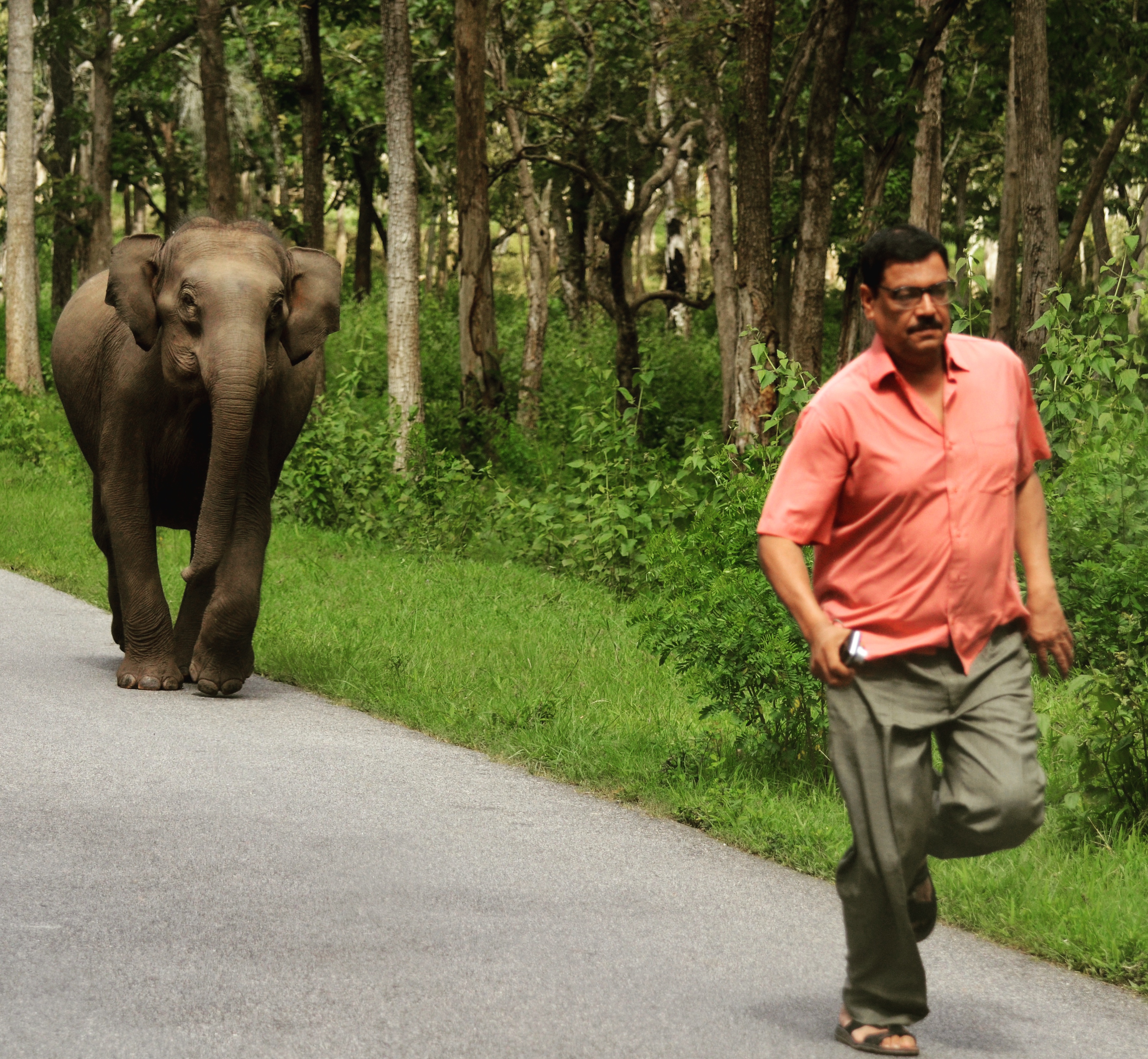
When a wild animal recognizes you as an individual, it fundamentally changes the nature of the encounter. You’re no longer just another member of the human species passing through their territory. You become a specific entity in their mental landscape, complete with associated memories and behavioral predictions.
This recognition triggers different neural pathways in the animal’s brain, activating areas associated with memory recall, emotional processing, and decision-making. The animal must weigh their past experiences with you against their current circumstances and needs.
For humans, being recognized by a wild animal often evokes profound emotional responses. It challenges our sense of separation from nature and reminds us that we exist as individuals within the broader web of life. These encounters can fundamentally shift how we see our place in the natural world.
The next time you find yourself face-to-face with a wild animal that seems to truly see you, remember that you’re witnessing one of nature’s most sophisticated cognitive processes in action. That moment of recognition represents millions of years of evolutionary refinement, creating a bridge of understanding between two entirely different forms of consciousness. What stories might the animals in your area remember about you?

- The Wild Animal Each Zodiac Sign Would Become Under Pressure - August 5, 2026
- The Desert Town in Nevada Slowly Being Buried by Moving Sand - August 5, 2026
- Do Animals Feel Emotions Like Humans? New Studies Reveal Surprising Truths - August 5, 2026