

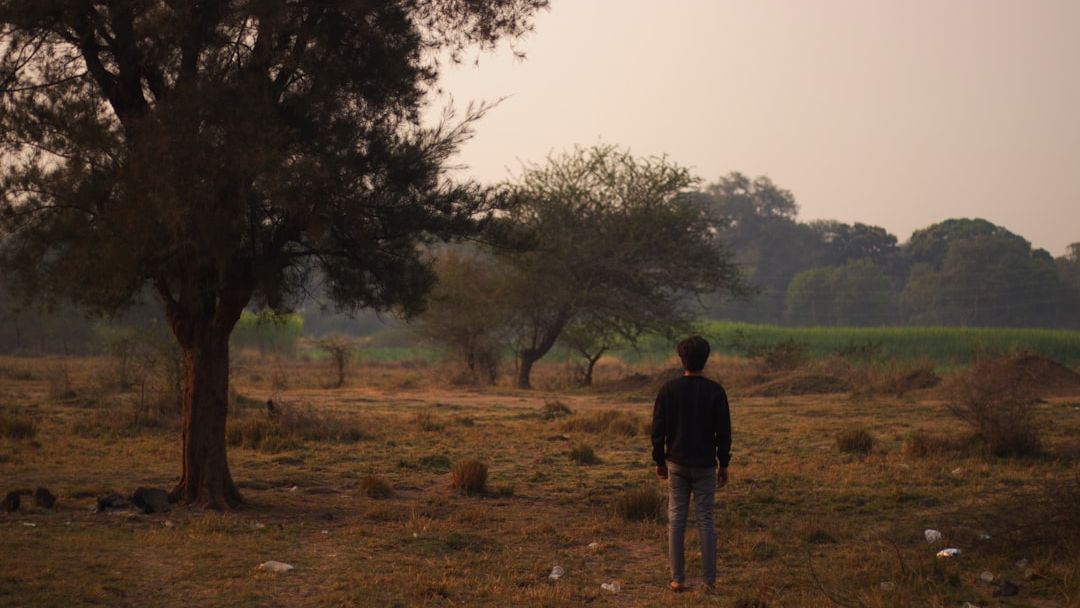
Picture this: the sun sets over endless golden grasslands, painting the African savanna in breathtaking hues. The temperature begins to drop from a scorching daytime high, and suddenly you’re completely alone in one of Earth’s most challenging environments. Would you make it through the night?
Most people imagine lions prowling in the darkness as their biggest worry. However, survival experts know the real threats are far more complex and immediate than Hollywood would have you believe. From extreme temperature swings to deadly reptiles you can’t see coming, the savanna tests human endurance in ways that might surprise you.
The Temperature Trap That Claims Lives
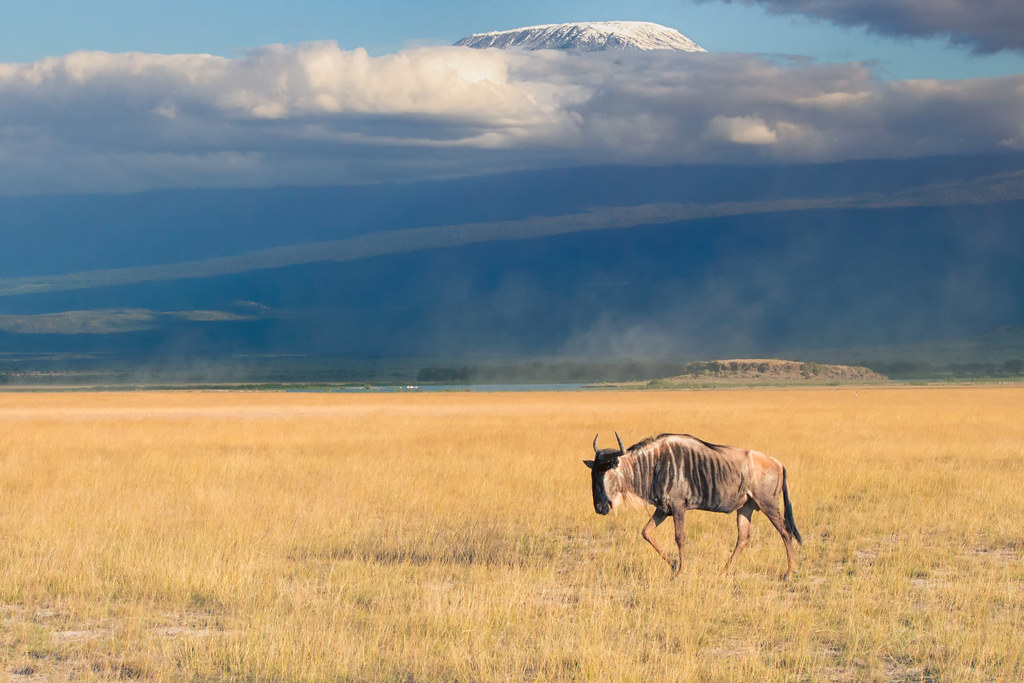
Daytime temperatures on the grasslands can become as high as 104°F (40°C) or higher, while nighttime temperatures can drop to around 15°C (59°F). This dramatic swing creates a double-edged survival challenge that catches many off guard.
High daytime temperatures can cause you to lose body fluids rapidly and become dehydrated. High temperatures can cause a rise in core body temperature and heart rate and lead to heat stress, heat stroke and, in extreme cases, death. What starts as mild discomfort quickly escalates into a life-threatening emergency when your body can no longer regulate its temperature effectively.
As darkness falls, the temperature plummets by as much as 45 degrees Fahrenheit within hours. Without proper shelter or clothing, hypothermia becomes a real possibility. The dry/hot season exhibits excess mortality due to extreme heat, increasing the time spent outdoors to try and cool down, yet this same strategy that helps during the day becomes dangerous at night.
The Water Crisis You Can’t Escape
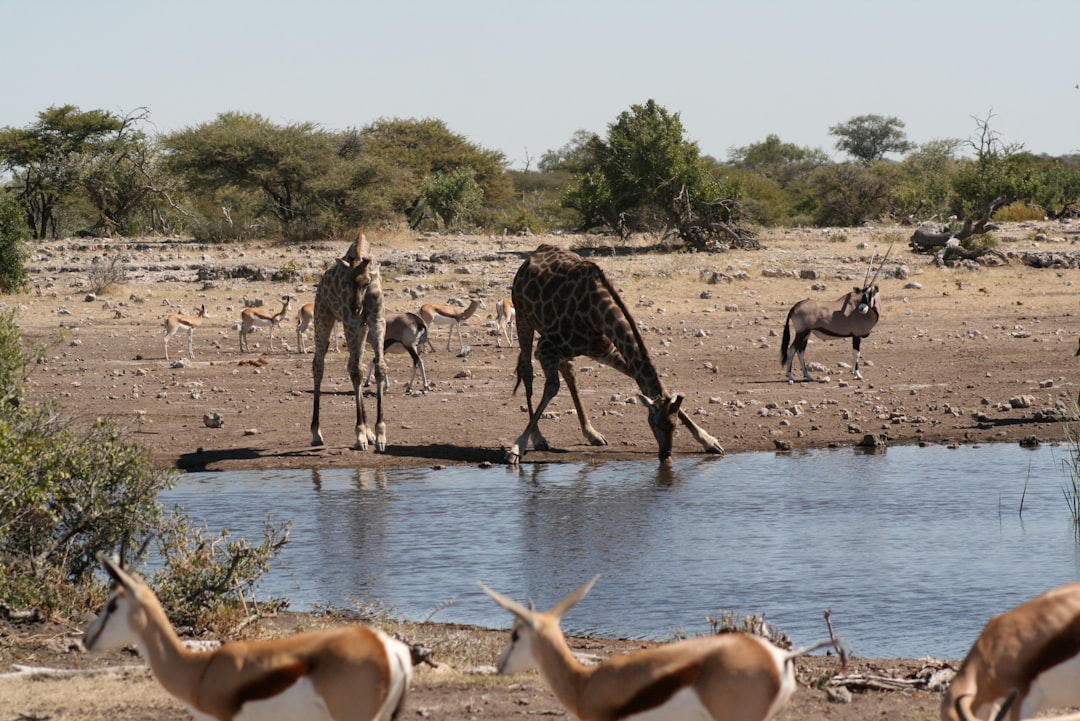
Lack of water and heat are likely to be your biggest threats to overcome. In the savanna’s harsh environment, finding clean, drinkable water becomes a race against time that determines whether you’ll see another sunrise.
For savanna herbivores, reliance on surface water can increase exposure to predators and competitors, and thus strategies that reduce the need to drink are advantageous. Humans face the same deadly dilemma, but without the evolutionary adaptations that help animals survive water scarcity.
Even if you locate a water source, drinking untreated water introduces new dangers. Contaminated water can cause severe diarrhea and vomiting, accelerating dehydration and creating a vicious cycle. As a precaution, you should always travel with more drinking water than you think you need, but alone in the savanna, you’re working with whatever water you can find.
Predators That Hunt in Complete Darkness
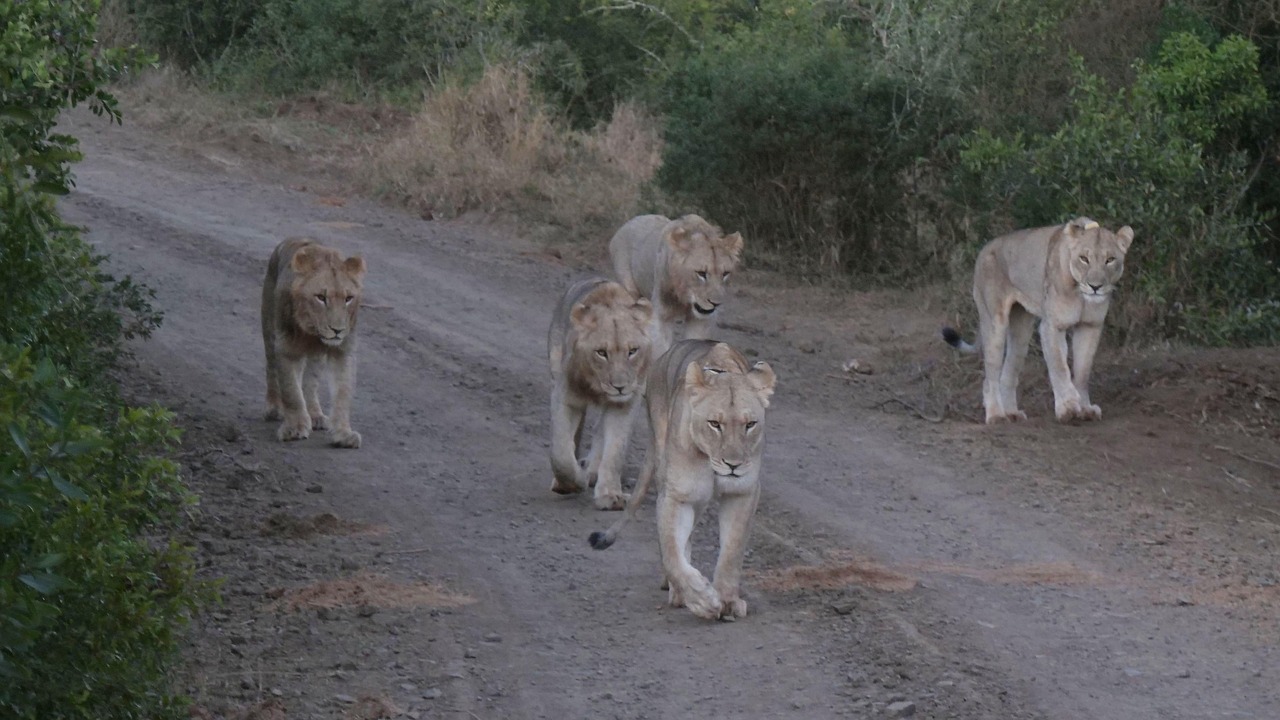
Ungulates run away from lions most often, followed by African wild dogs, and then cheetahs. Ecologists have documented a hierarchy of fear in the South African grassland, and the king of beasts is at the top. Lions aren’t just dangerous because of their size and strength – they’re strategic nighttime hunters.
Nocturnal animals, like the African elephant and lion, take advantage of the cooler night temperatures to hunt and forage. While you’re struggling with darkness and cold, lions are in their element. Their night vision gives them an overwhelming advantage over any human trying to survive alone.
Lions live in groups called prides on the African savanna. It wouldn’t be fitting to start our list of predators on the African Savanna with any other than the mighty lion. These animals are apex predators in their environment, meaning that they are at the top of the food chain. A lone human represents easy prey to animals that have evolved specifically to hunt and kill in this environment.
Venomous Snakes That Strike Without Warning
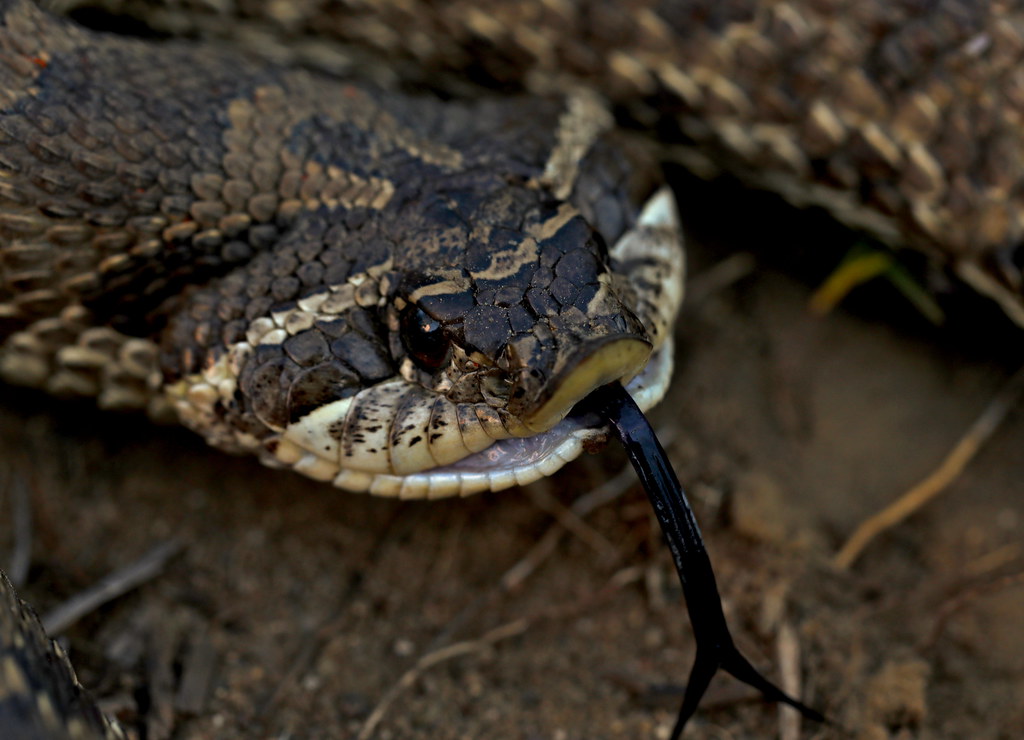
In rural Africa, at night, it is never a good idea to walk around, even near your home without a torch, lamp or any other source of light, as many nocturnal and venomous snakes are often attracted to human settlements because of the higher populations of prey. Without any light source, you’re essentially walking blind through a minefield of deadly serpents.
Since the snakes are nocturnal in nature, most of the snakebites occur after dark, and in remote areas where medical facilities are not immediately accessible, fatalities are almost always inevitable. Puff adder venom can be lethal to humans, with death potentially occurring within 24-48 hours if untreated. The snakes are responsible for the greatest number of snakebite fatalities in Africa.
The black mamba represents perhaps the most terrifying threat. In Africa, the bite of the black mamba is locally known as “the kiss of death” and it is regarded as the most dangerous species of snake in the continent. Without anti-venom administered within minutes of being bitten, death is a certainty. The Black Mamba can deliver multiple rapid strikes in quick succession when threatened.
Disease-Carrying Insects That Attack at Night
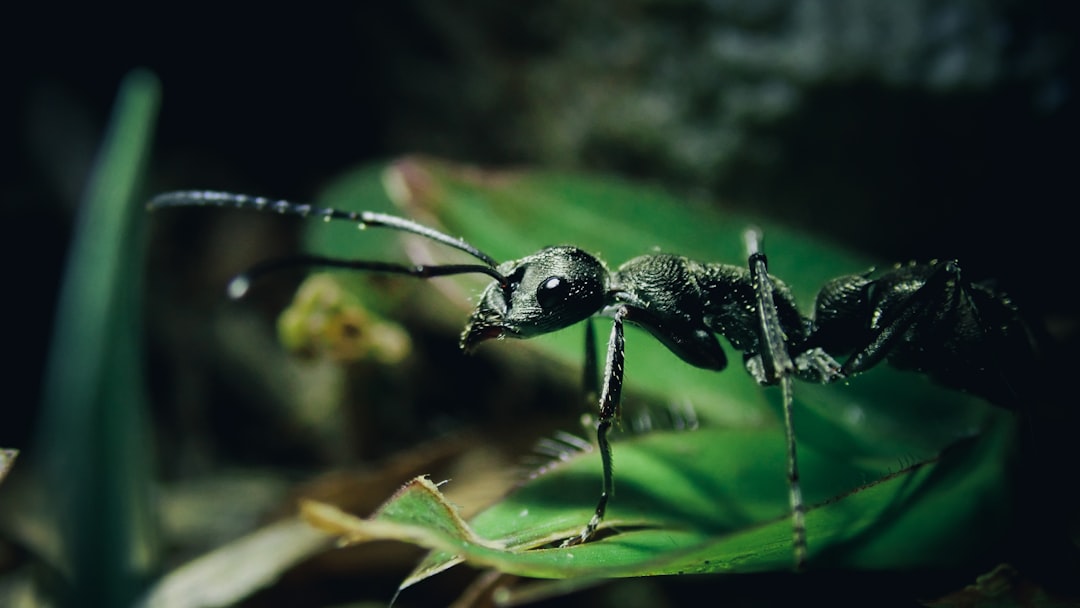
Other insects such as mosquitoes can be lethal due to the transmission of serious diseases such as yellow fever and malaria. When you’re alone and exhausted, fighting off swarms of disease-carrying insects becomes nearly impossible.
Finally, the famous tsetse fly is one of the most dangerous on the continent, known for spreading sleeping sickness. These flies are active during daylight hours, but their bites can leave you weakened and disoriented just when you need all your strength for nighttime survival.
Killer Bees, also known as Africanized Bees, are very similar to the European bees, only with much more aggression based behaviour problems. These Africanized Bees can now be found in parts of the southwestern United States, Mexico, Brazil and many other tropical and subtropical countries. They will usually be found in large swarms and are very defensive creatures, if they feel threatened, they will swarm and attack. Disturbing a hive while seeking shelter could prove fatal within minutes.
The Psychological Battle Against Isolation
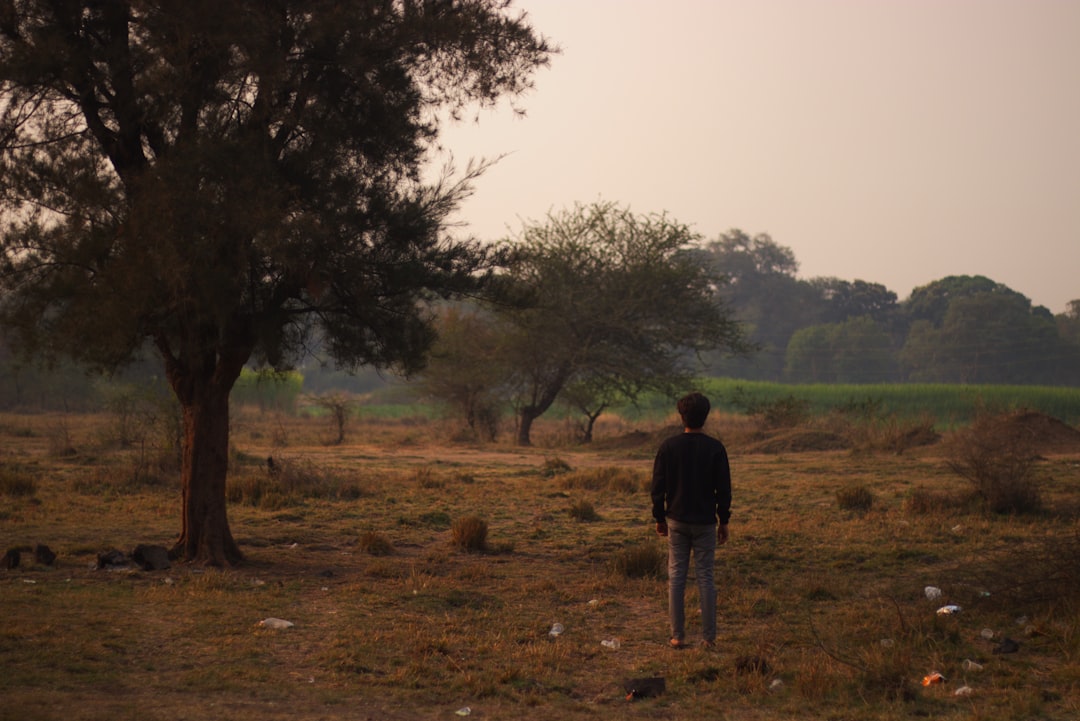
One of the overwhelming feelings most people experience out on the savanna is how vast the continent is and how small they are in comparison. This feeling can be a little intimidating to some but exhilarating to others. However, when facing survival alone, this vastness becomes psychologically crushing.
Unlike lions and other natural predators that generally follow predictable hunting patterns, humans are perceived as erratic and inconsistent. Animals may struggle to anticipate how a human presence will impact them, as human actions can vary widely from one encounter to the next. This unpredictability increases perceived risk. Ironically, your own unpredictable behavior might make you more threatening to wildlife, potentially triggering defensive attacks.
The constant awareness that every sound could signal danger creates exhausting hypervigilance. Sleep becomes nearly impossible, yet exhaustion makes you more vulnerable to mistakes that could prove fatal. Your mind begins playing tricks on you as stress hormones flood your system.
Finding Shelter: A Life-or-Death Decision
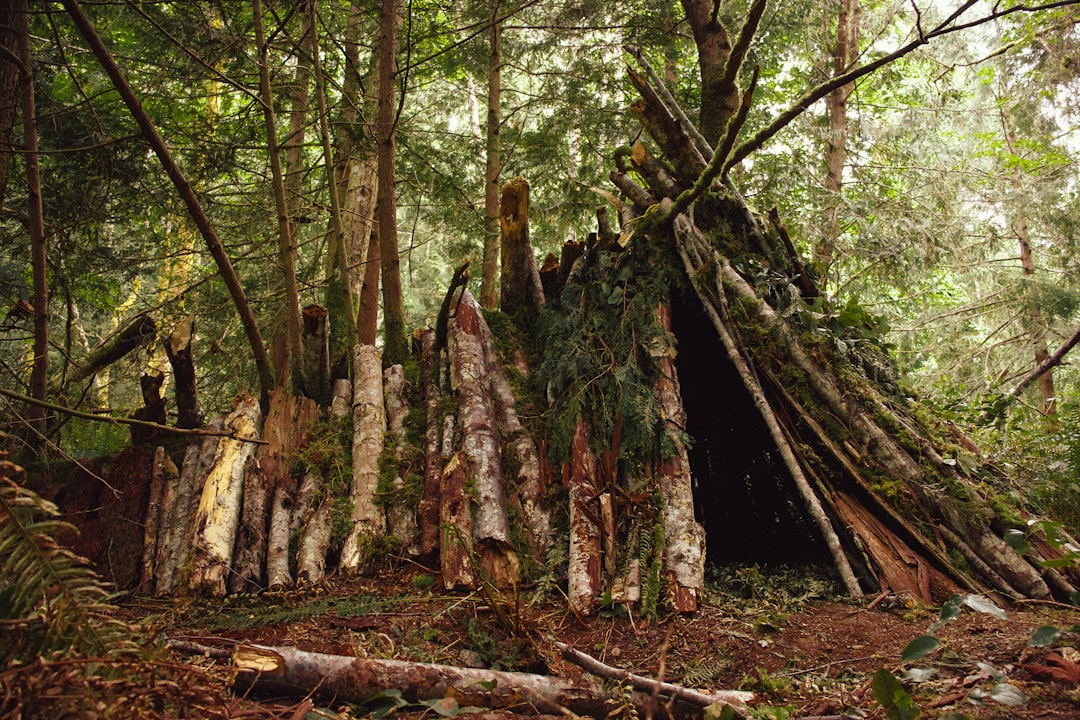
For shelter you should build your shelter up high in trees and logs. You want to stay near a source of water! However, climbing trees in darkness while avoiding venomous snakes and aggressive insects requires skills most people simply don’t possess.
Many animals do this by building holes in the ground, called burrows, where they can rest during the heat of the day, or provide shelter for their young. Ground-level shelters might protect against temperature extremes, but they leave you vulnerable to ground-dwelling predators and venomous creatures.
Actually your chances would be pretty good, if you were to simply be nice and quiet and STAY PUT. Predators find their prey because they see movement, or sniff out the tracks prey leaves behind walking or running. This expert advice suggests that building shelter and remaining stationary might be your best strategy, but it requires overcoming powerful psychological urges to keep moving when afraid.
The Harsh Reality: What Experts Say About Your Chances
Most people think that the biggest danger to worry about in Africa is the wildlife, but this is not necessarily true. The African environment on the savanna poses a more immediate threat to the survival of anyone stranded on the plains. Environmental factors will likely incapacitate you before predators even become a factor.
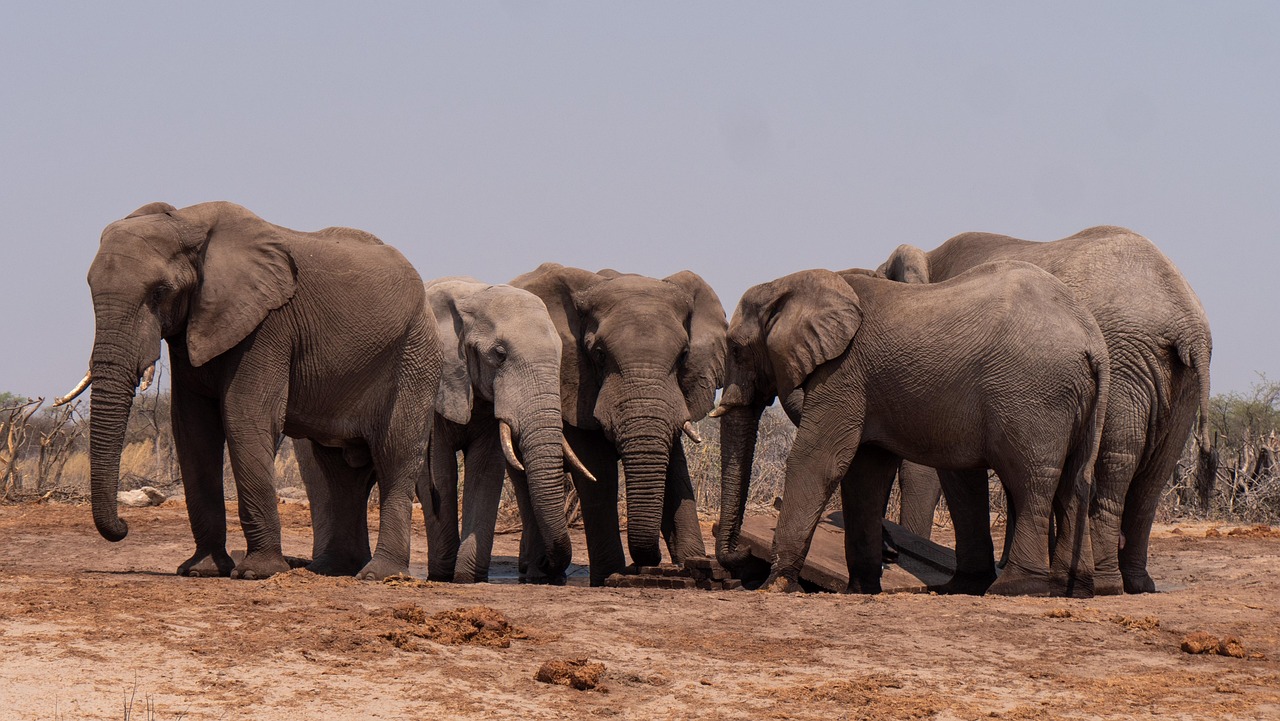
The African Savanna is not that dangerous at night. In fact, you’re more likely to inadvertently stumble into trouble if you wander around during daytime e.g. walking into the middle of a herd of elephants or buffaloes, a pride of lions, step on a snake. This perspective offers some hope – staying still and avoiding movement during both day and night significantly improves survival odds.
While some of these scenarios may paint a grim picture when you are lost or isolated on the African savanna, it is not as bad as it sounds. Use your common sense, treat all wildlife as potential danger, and you will likely survive your adventure. Experts emphasize that preparation, knowledge, and smart decision-making can dramatically improve your chances of surviving until rescue arrives.
The African savanna tests every aspect of human survival instinct, from physical endurance to mental resilience. While the challenges are formidable, understanding these dangers gives you the best chance of making it through that crucial first night. The question isn’t whether you’re tough enough – it’s whether you’re smart enough to respect the environment and make the right choices when your life depends on it.
What do you think your biggest challenge would be? Tell us in the comments.

- Marine Biologists Shed Light on Fish Living in Manta Ray Butt - August 7, 2026
- The Pet That Fits Your Travel Bucket List Style - August 6, 2026
- Dog Lost in Woods is Found By Person Whom She Trusted the Most - August 6, 2026