

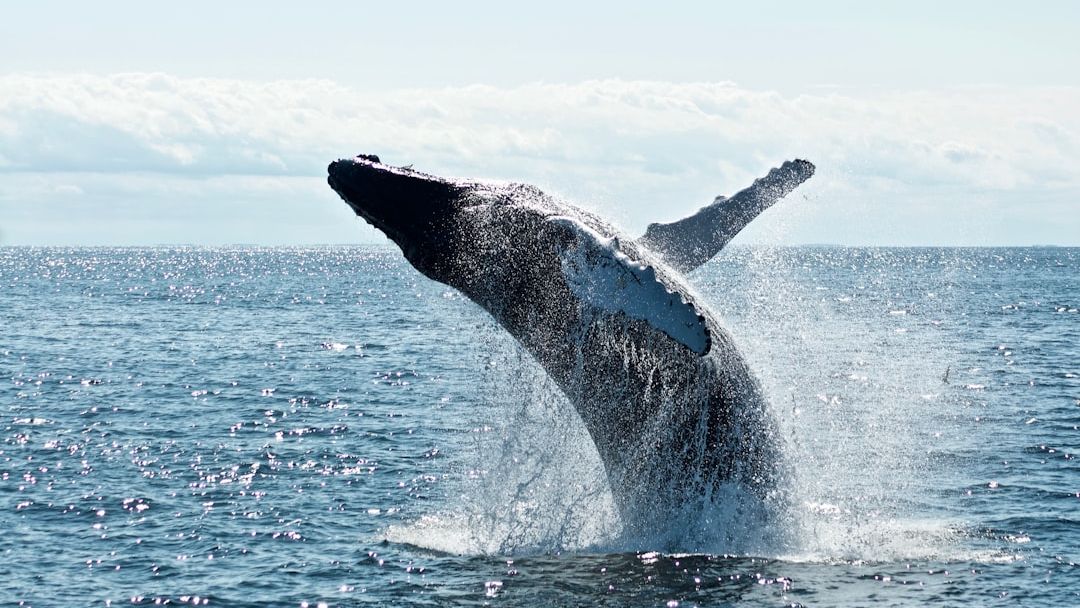
Picture this: you’re on a research vessel watching a pod of humpback whales breach the surface during a summer storm. Suddenly, the sky lights up with electrical fury, and nature delivers one of its most spectacular yet dangerous displays. This scenario, though rare, has captivated marine scientists and sparked countless questions about what really happens when lightning encounters these massive ocean dwellers.
The intersection of atmospheric electricity and marine biology creates one of nature’s most intriguing puzzles. While researchers have searched for direct evidence of lightning strikes on whales, biologists agree that it is entirely possible that marine mammals do get killed by lightning. Yet the physics of this phenomenon reveals a surprisingly complex story that challenges our assumptions about electrical conductivity in seawater.
The Skin Effect: Nature’s Electrical Safety Net
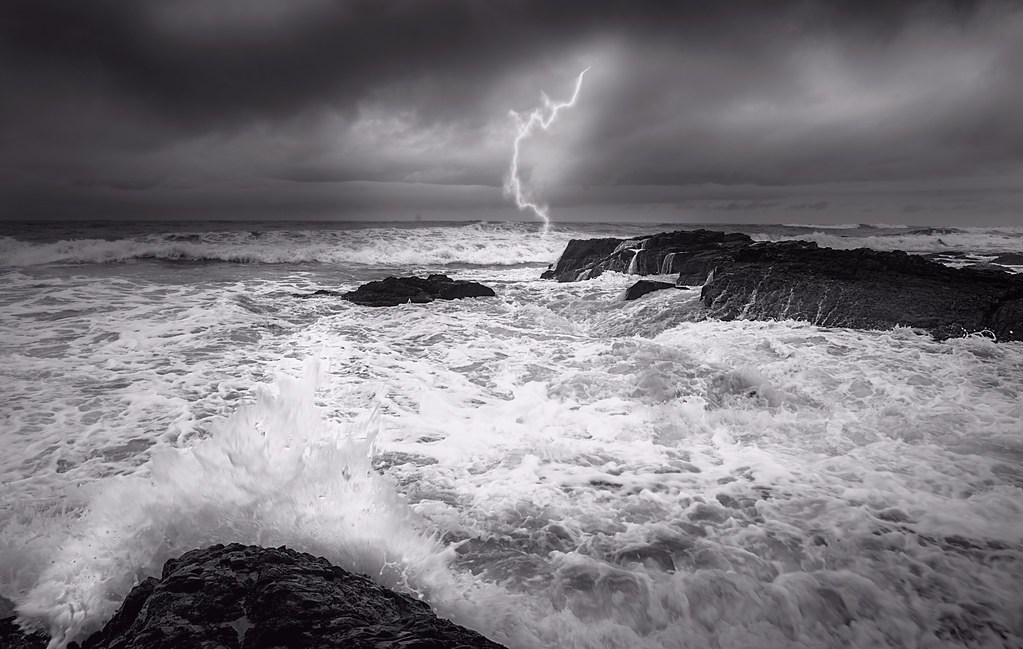
When lightning strikes the ocean, something remarkable happens that few people expect. The primary reason for this protection is the skin effect, which causes electrical current to travel primarily along the surface of a conductor, in this case, the saltwater. This phenomenon acts like nature’s built-in circuit breaker for marine life.
Think of it like a river flowing over a frozen lake. The current doesn’t penetrate deeply but instead spreads outward across the surface. According to physicist Don MacGorman from the National Severe Storms Laboratory, lightning stays more on the surface of the water rather than penetrating it because water is a reasonably good conductor, and a good conductor keeps most of the current on the surface.
Statistical Probability vs. Reality
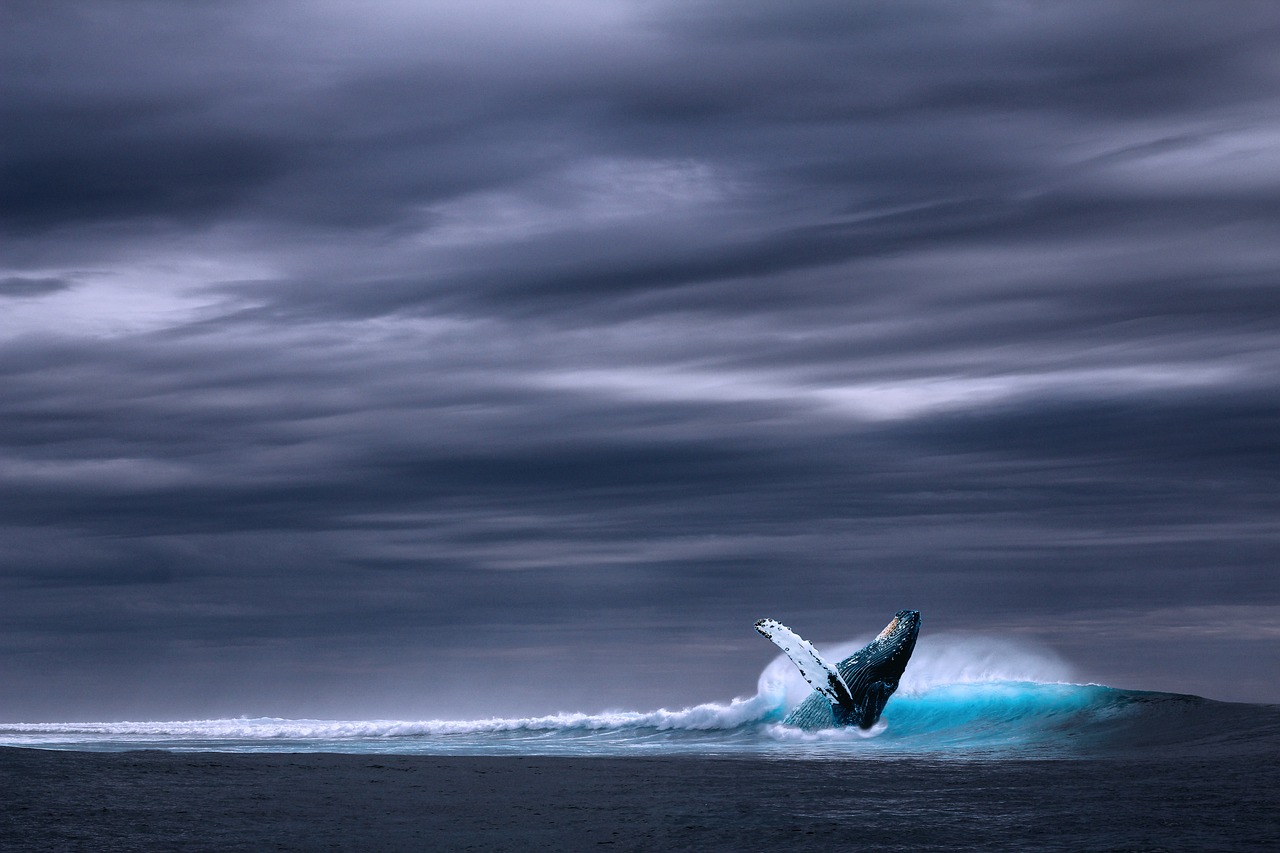
Here’s where things get fascinating from a numbers perspective. Some researchers have calculated the average strikes across the world’s oceans, compared it to the surface area of the oceans, the number of whales estimated in the ocean, and the time they spend at the surface, concluding that statistically whales must have been killed by lightning many times in the past few thousand years.
However, there’s a crucial gap between mathematical probability and documented reality. This remains just statistical probability, with not much hard evidence out there for actual occurrences. The ocean is vast, and witnessing such an event would require being in exactly the right place at precisely the right time.
The Protective Layer of Salt Water
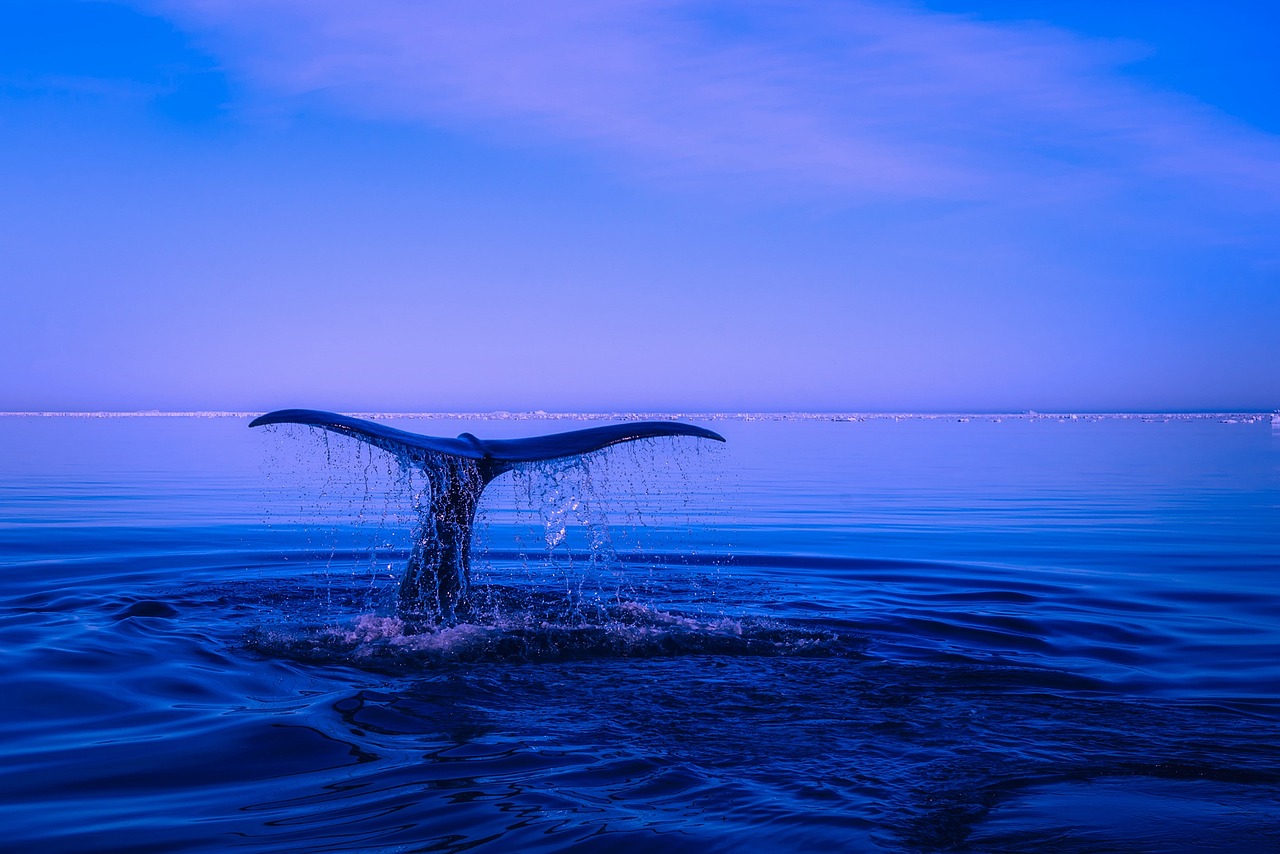
Whales have an unexpected advantage when it comes to lightning strikes. A whale is covered in a layer of conductive salt water, so the lightning current will spread out over a large area and not burn their skin. This natural protection system works similarly to how a Faraday cage protects objects inside it.
The salt water coating acts as a conductor that disperses the electrical energy across the whale’s surface rather than allowing it to penetrate deeply into vital organs. This doesn’t guarantee survival, but it significantly improves the odds compared to what might happen to a land animal of similar size.
The Sound Wave Threat
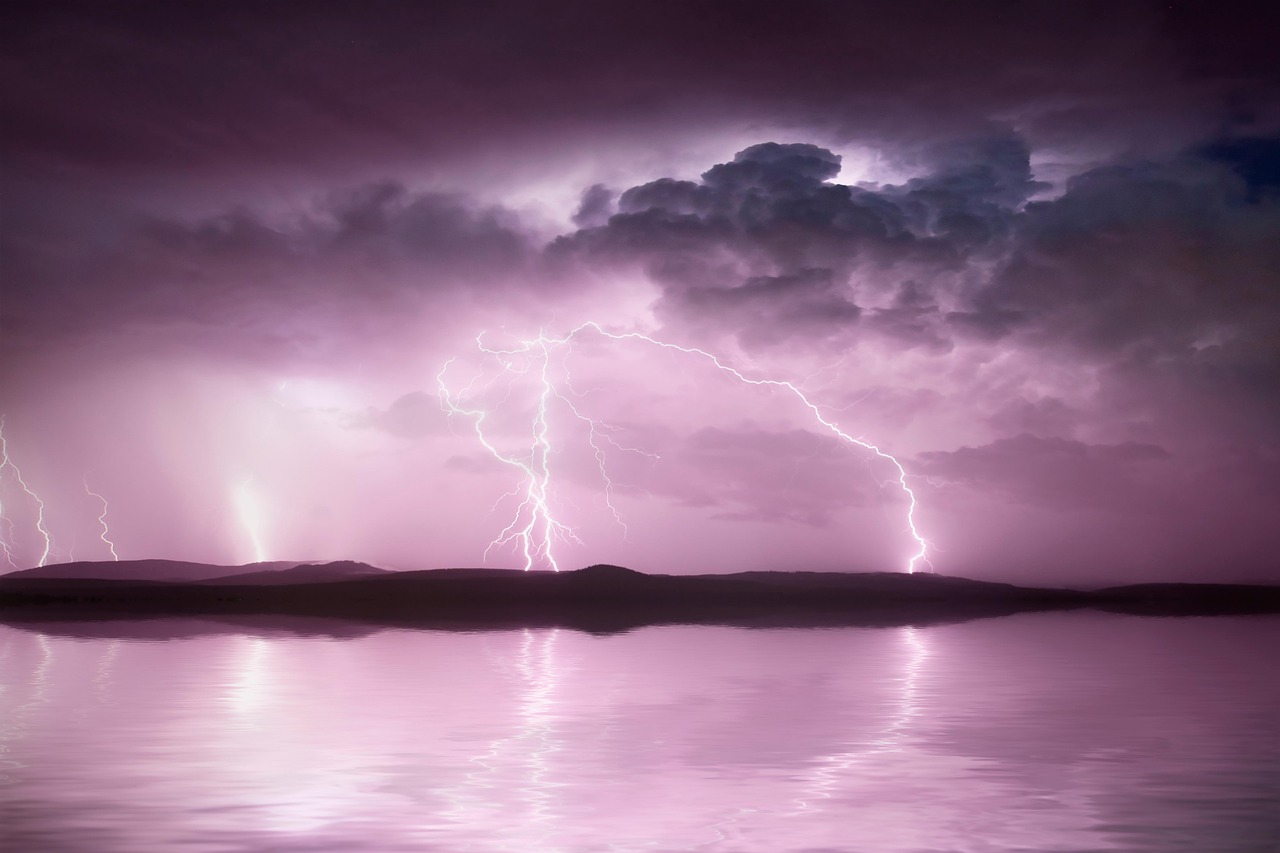
While the electrical component of lightning might be manageable, there’s another danger lurking beneath the surface. A lightning strike at the surface generates extremely loud sound waves, potentially reaching over 120 decibels at close range. That’s an incredibly powerful acoustic shock wave that travels efficiently through water.
There is some evidence that hearing loss can occur in cod at 180 decibels, with some other species closer to 220 decibels. For whales, whose entire world revolves around acoustic communication and echolocation, this sound blast could potentially cause more harm than the electrical discharge itself.
Depth Matters: The Safety Zone
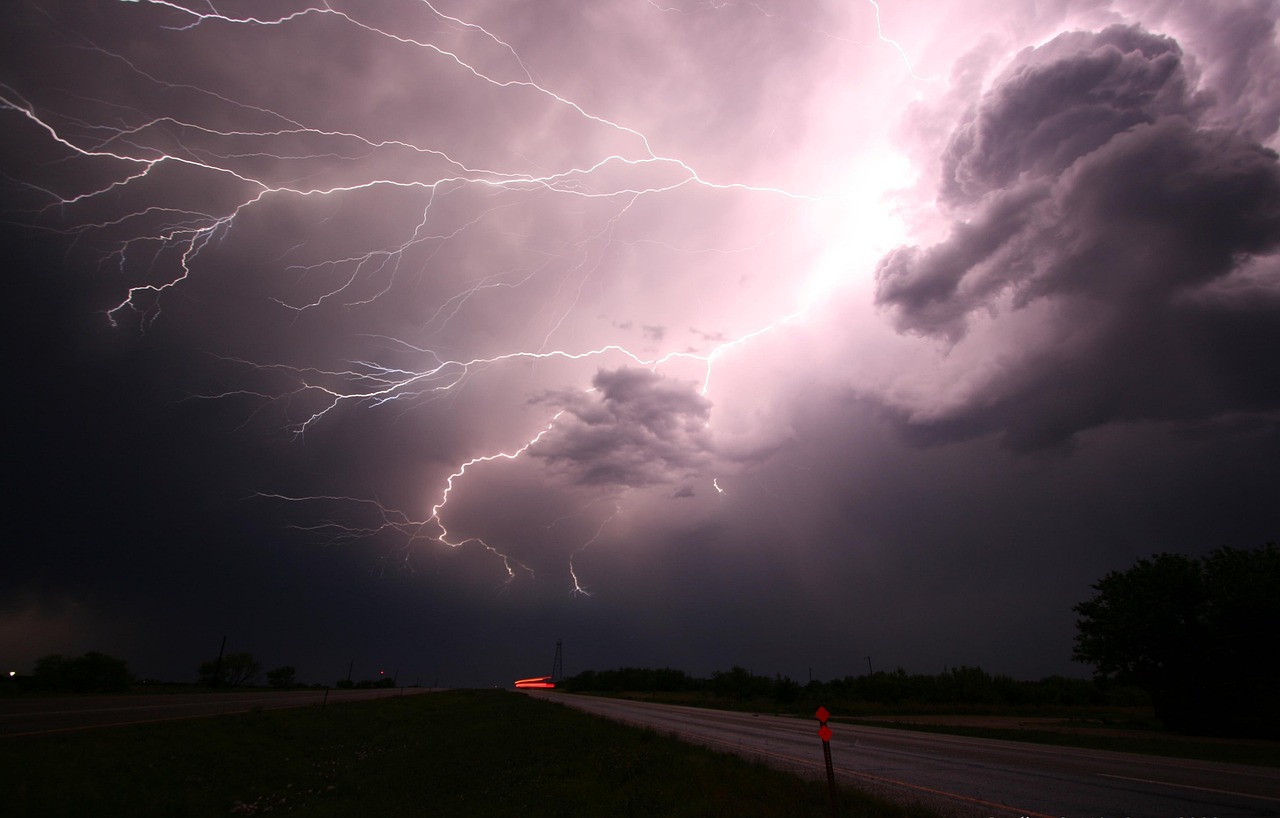
The key to survival lies in depth and timing. Most marine life resides at depths where the lightning’s electrical field is significantly reduced, if not entirely absent. Even a few meters below the surface can mean the difference between life and death.
The charge from a lightning strike spreads out sideways and downwards in an expanding half sphere from the surface. Any fish within a few meters of the strike area would probably be killed, but beyond that they would probably just feel a tingle. This rapid dissipation of energy provides a natural buffer zone.
Electromagnetic Pulse Effects
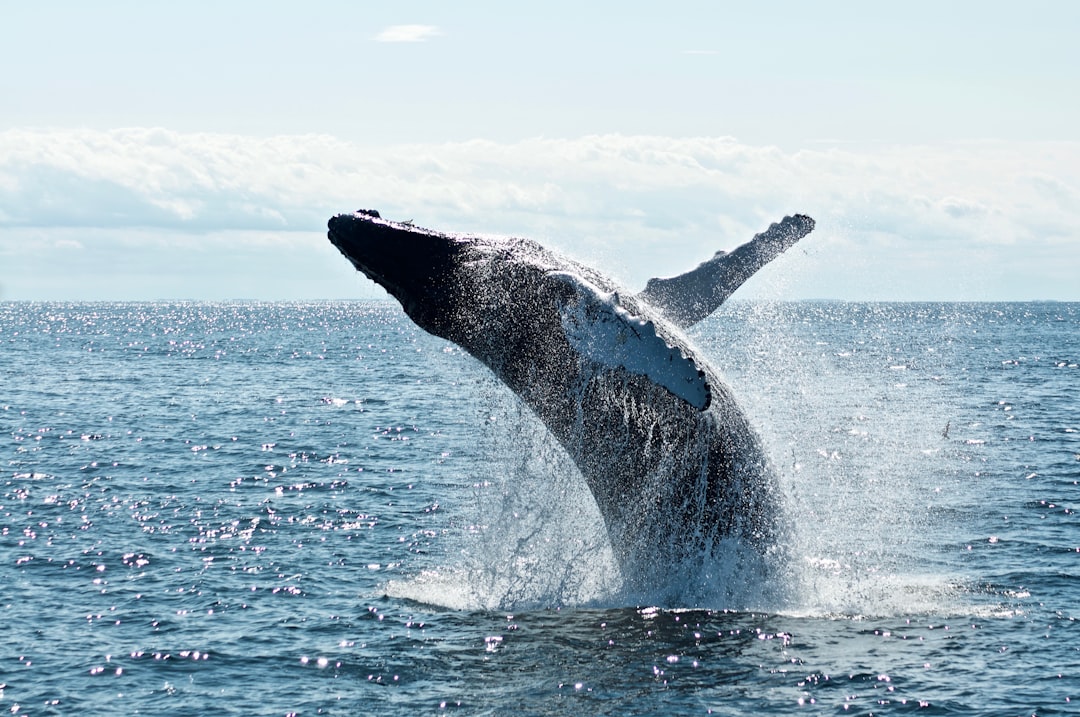
Beyond the immediate electrical and acoustic impacts, lightning creates another phenomenon that affects marine life. The discharge generates a strong electromagnetic pulse that propagates through the water and into the atmosphere. This EMP can potentially interfere with the navigation systems of magnetically sensitive marine animals.
Many whales rely on the Earth’s magnetic field for navigation during their long migrations. A powerful electromagnetic pulse could temporarily disrupt their internal compass, though the effects would likely be short-lived compared to the more immediate dangers of the strike itself.
When Lightning Actually Meets a Whale
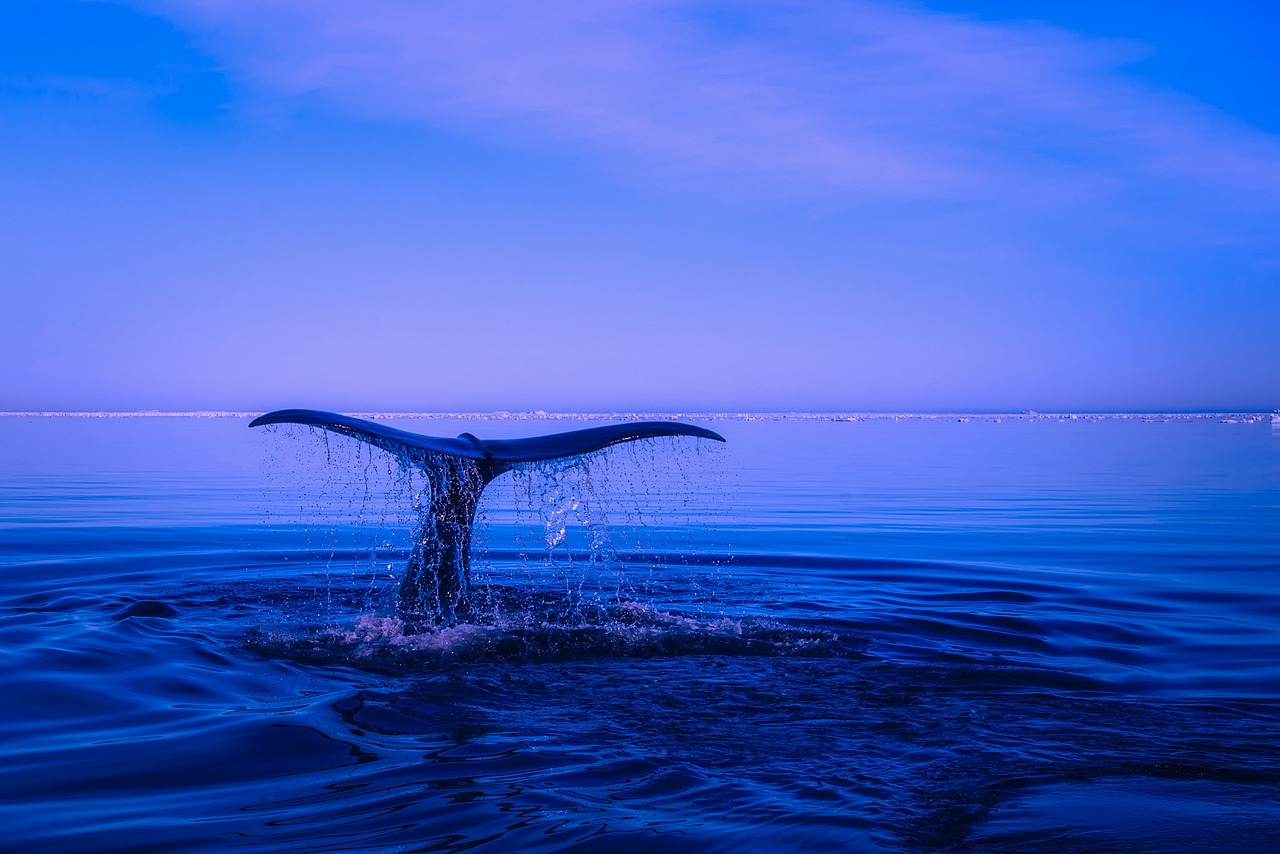
Despite the statistical improbability, marine biologists acknowledge the possibility. There have been observations, including fisherman’s tales of witnessing a whale being struck by lightning. While these accounts lack scientific verification, they’re not dismissed entirely by the research community.
Whales and seals will be struck sometimes, and it is possible that some will be killed. The outcome would depend on multiple factors: the whale’s size, its depth in the water, the intensity of the lightning, and whether it was surfacing to breathe at the moment of impact.
The Bigger Picture: Climate Change and Lightning Frequency
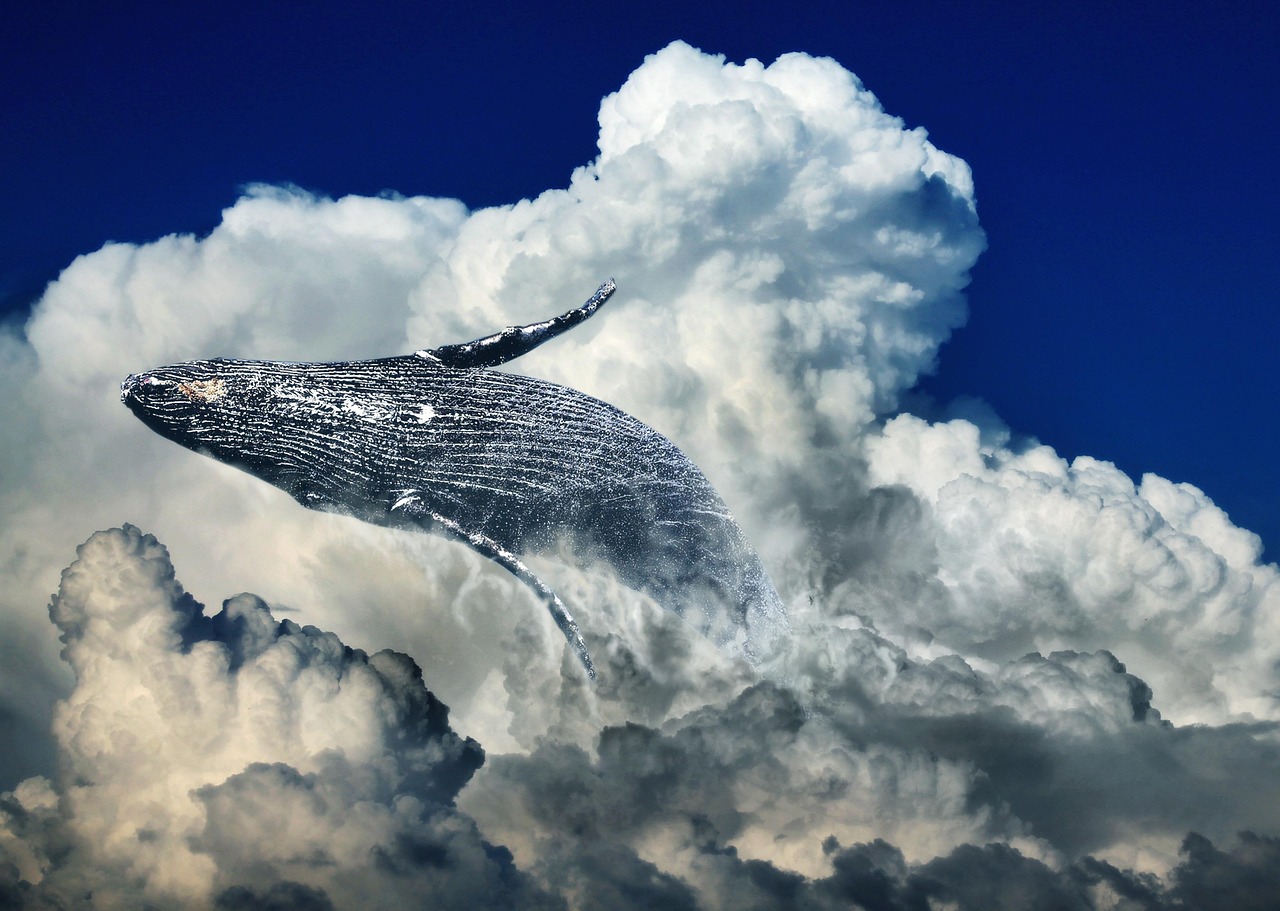
This phenomenon may become more relevant as our climate changes. Some studies suggest that lightning activity may increase with global warming, though the exact relationship varies by region. More lightning means higher statistical chances of whale strikes.
Combined with changing whale migration patterns due to shifting ocean temperatures and food sources, we might see an increase in these rare encounters. Though still extremely uncommon, the intersection of more frequent storms and altered whale behavior could make lightning strikes a slightly more pressing concern for marine mammal populations.
The physics of lightning striking whales reveals nature’s elegant balance between danger and protection. While the electrical discharge spreads across the surface and the whale’s salt water coating provides some defense, the acoustic shock wave and electromagnetic pulse create additional threats that scientists are still working to understand. The rarity of documented cases doesn’t mean these encounters never happen, it just means we’re still learning about one of the ocean’s most electrifying mysteries.
What do you think about the ocean’s natural protection systems? Tell us in the comments.

From exploring the marine wonders in the Azores and witnessing the vast savannas of Kenya, to delving deep into the rich biodiversity of South Africa and traversing iconic landscapes in Australia and the US like Yellowstone, Chris's experiences are vast.
With a penchant for diving alongside sharks, the ocean holds a special place in his heart.
Through his academic insights, he champions wildlife conservation, striving with 'Animals Around The Globe' to cultivate a profound connection between humans and animals, enhancing our mutual appreciation.
Connect with him at Feedback@animalsaroundtheglobe.com.
- 20 Breathtaking Animals Lurking Off the US Coast - August 7, 2026
- 5 Regeneration Masters: Animals That Can Regrow Limbs - August 7, 2026
- This Bird Has the Longest Migration—and It Doesn’t Stop for Sleep - August 7, 2026