
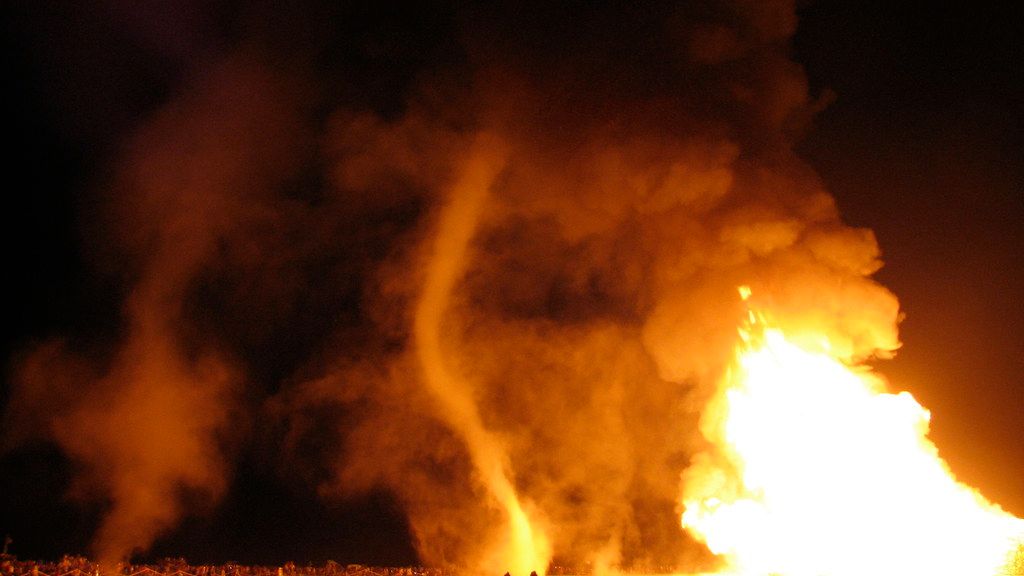
Picture a towering column of flames spinning like a demonic dancer, reaching hundreds of feet into the sky while consuming everything in its path. These terrifying natural phenomena aren’t just the stuff of disaster movies. They’re real, scientifically fascinating, and becoming increasingly relevant as wildfires intensify across the globe. While regular tornadoes already command our respect and fear, represent something entirely different yet equally destructive.
Unlike their traditional counterparts, these spinning infernos don’t rely on storm systems high in the atmosphere. Instead, they’re born from the very fires that ravage our landscapes, creating their own weather systems in the process. The combination of extreme heat, atmospheric conditions, and physics creates some of nature’s most spectacular yet dangerous displays. Let’s dive into the fascinating world of and discover what makes these fiery phenomena tick.
The Science Behind Fire Tornado Formation
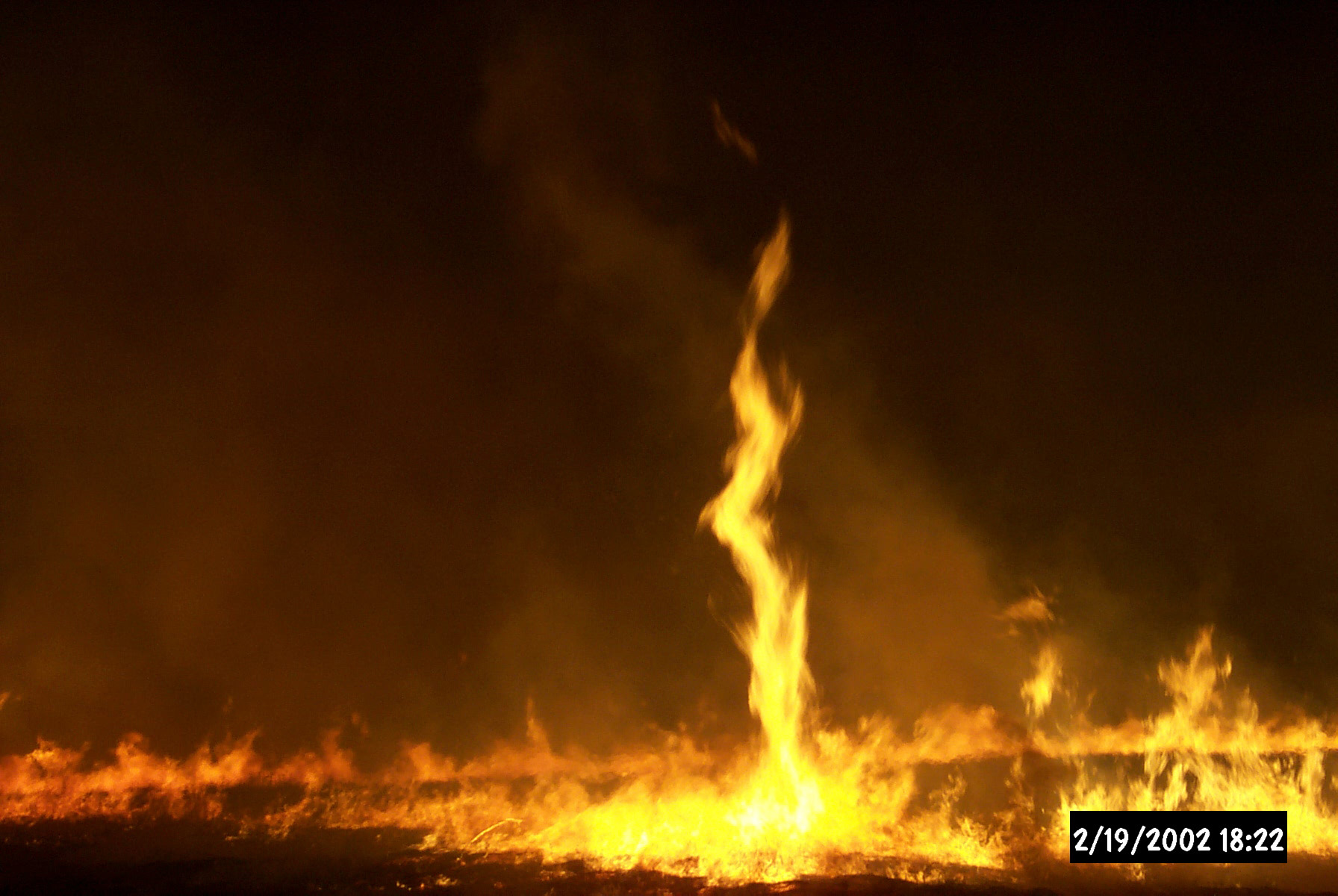
Fire tornadoes aren’t formed by conditions high in the atmosphere like traditional tornadoes, but are created by hot, dry air rising rapidly from the ground when a blaze heats air above the surface of the Earth. Think of it like a massive invisible chimney where superheated air races upward, creating a low-pressure zone that sucks in cooler air from all directions.
As warm air rises, it creates a low-pressure zone that draws in cooler air from the surroundings, and high ambient temperatures increase the likelihood of intense heat rising, contributing to the formation of rapidly rotating columns of air. The process resembles a giant atmospheric engine powered entirely by the fire itself. In that sense, fire tornadoes have more in common with whirlwinds or dust devils, which typically form on hot, sunny days when the ground heats up the air nearby.
What Makes Fire Tornadoes Different from Regular Tornadoes
A fire tornado isn’t really a tornado at all, as true tornadoes are formed when three key elements collide: warm, moist air close to the ground; atmospheric instability that promotes vertical air movement; and clashing air fronts that propel moist air upward. Regular tornadoes depend on complex interactions between different air masses and storm systems high above us.
Fire tornadoes are not really tornadoes at all, but a special type of whirlwind, which makes sense why they’re known as fire whirls or fire devils in many parts of the world. However, they can be just as dangerous. Fire tornadoes are rare atmospheric tornado events, also referred to as pyrogenetic tornadoes, which refers to the way they are formed with a tornado-strength vortex much like a traditional tornado.
The Terrifying Physical Characteristics
Fire tornadoes can reach 300 to 400 feet tall and 20 to 50 feet wide, with temperatures inside the column reaching 2,000 degrees Fahrenheit. Imagine standing next to something hotter than most industrial furnaces, spinning with the fury of nature’s most powerful forces. Temperatures can reach 2,000 degrees Fahrenheit in a fire tornado, and because they move quickly, they can cut a swath of destruction for a considerable distance in just seconds and spread fires across a wide area.
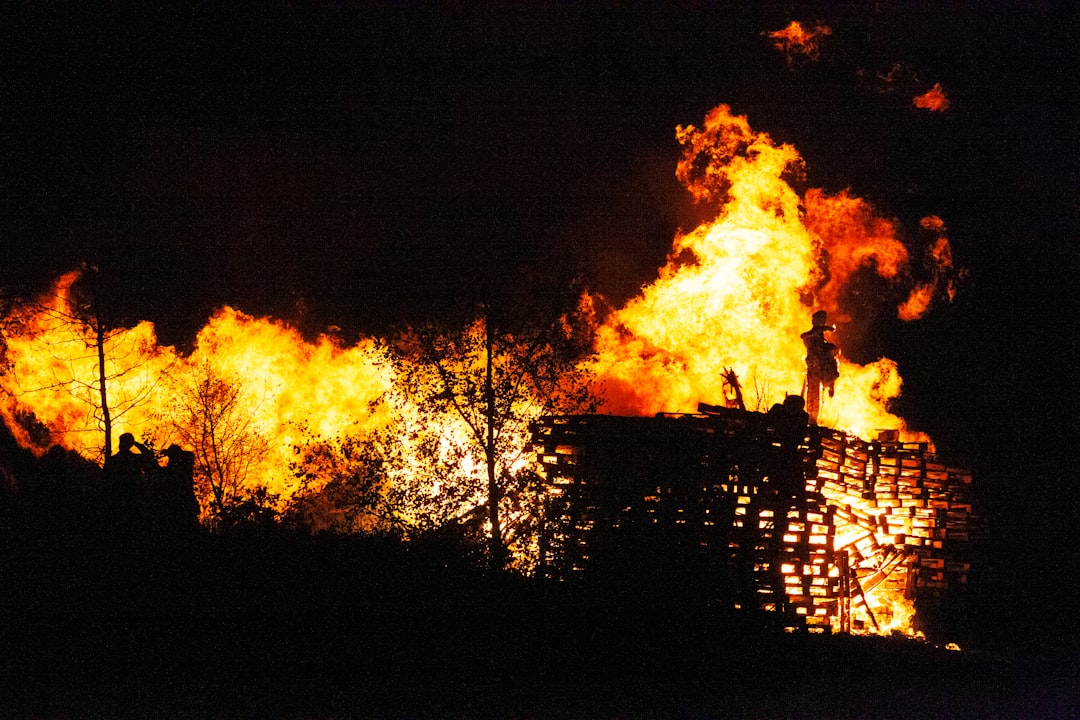
These fiery whirls tend to last only a few minutes and reach no more than 150 feet tall, but with wind speeds of up to 140 miles per hour, they can do serious damage to anything in their path. A fire tornado picks up burning embers, ash, flaming-hot gases and flammable debris, creating a terrifying tower of flame that can extend hundreds of feet into the air.
Historical Examples That Changed Our Understanding
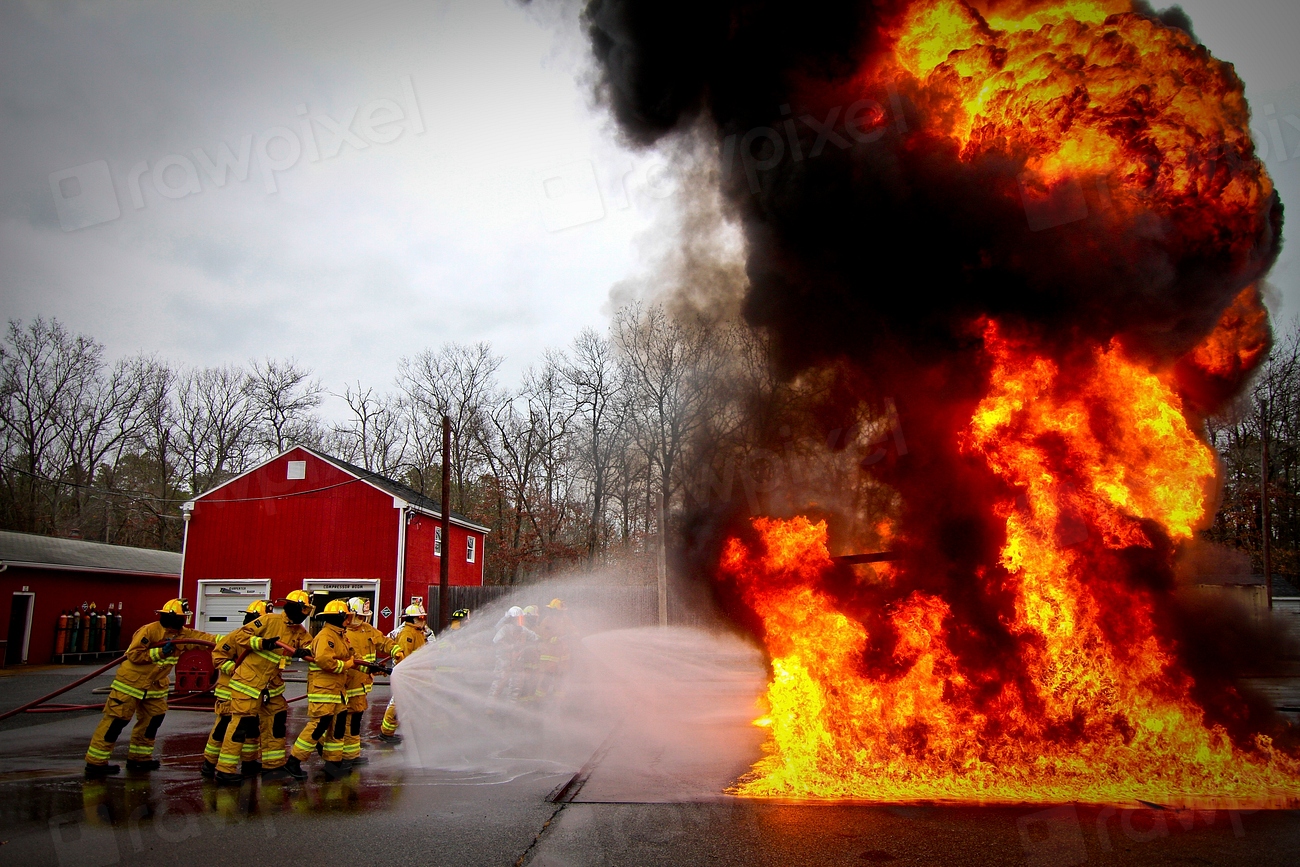
On April 7, 1926, during a thunderstorm in San Luis Obispo, California, lightning struck oil reservoirs leading to a five-day fire that consumed approximately 6 million barrels of petroleum, with eyewitnesses observing hundreds of tornadoes erupting as a result of the blaze. This event marked a turning point in our scientific understanding of these phenomena.
J.E. Hissong wrote about it in the April 1926 issue of Monthly Weather Review, marking the first scholarly treatment of fire whirls and their formation. More recently, the Carr Fire in California in 2018 produced one of the most powerful fire tornadoes ever recorded, with winds exceeding 143 mph, equivalent to an EF3 tornado. During the Carr fire near Redding in July 2018, a fire tornado spinning at speeds of up to 143 miles per hour was responsible for three of the eight deaths associated with the fire.
The Role of Weather Conditions and Terrain
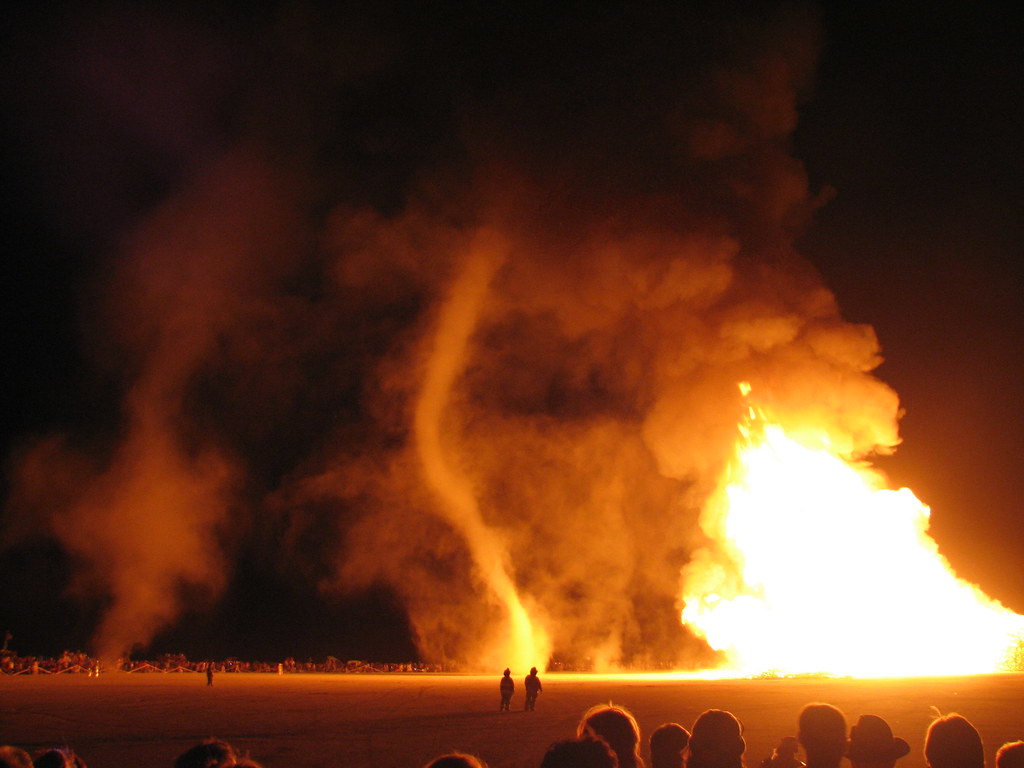
Fire tornadoes usually occur where there is atmospheric instability, which may arise during wildfires or urban conflagrations where heat from the fire warms the air above it. Specific weather patterns can dramatically increase the likelihood of fire tornado formation. Cool, dense air from the Pacific Ocean pushed eastward over mountain ranges can create conditions where gravity causes air to accelerate down slopes toward valleys, especially when valley temperatures reach extreme levels like 113 degrees Fahrenheit.
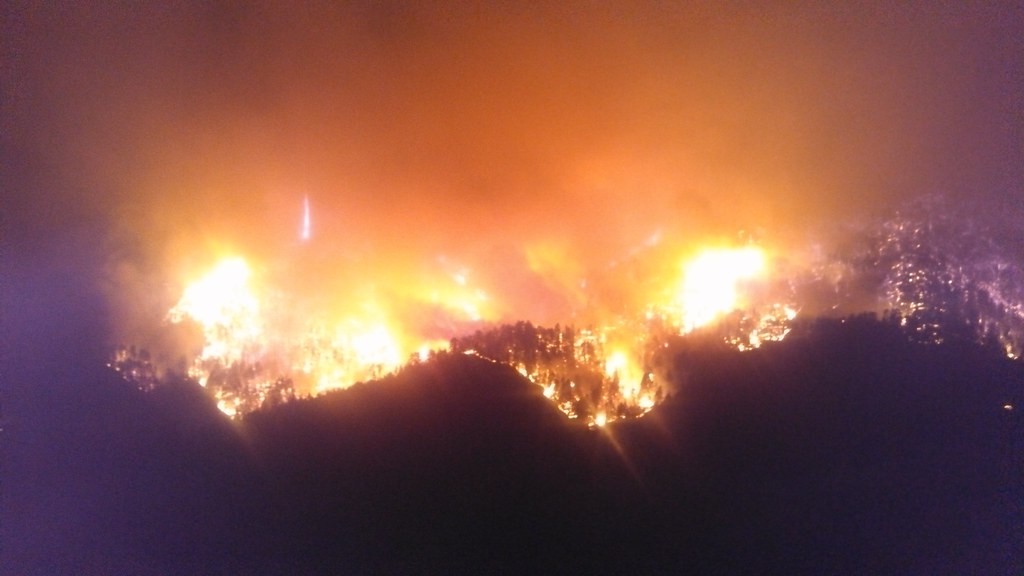
The terrain plays a crucial role too. Burning at hundreds if not thousands of degrees, wildfires dramatically alter meteorology, and wildfire heat can induce billowing clouds capable of producing lightning on days where skies would otherwise be clear. Mountains, valleys, and other geographical features can channel and intensify these atmospheric effects.
How Fire Tornadoes Spread Destruction
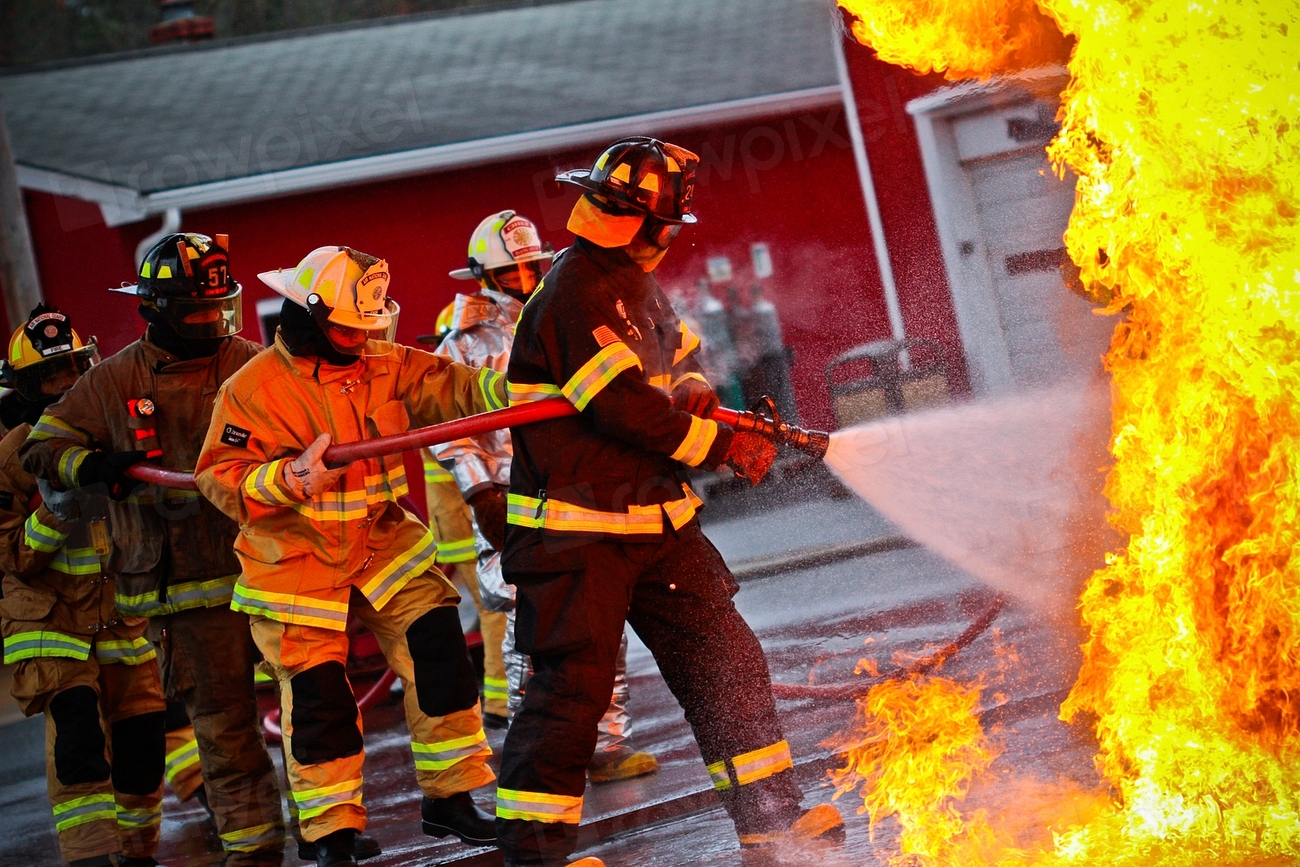
Fire tornadoes amplify wildfire destruction by spreading flames rapidly as they lift burning embers far beyond the main fire, creating extreme heat through spinning vortex that increases temperatures inside the whirl, and generating high wind speeds with some reaching over 100 mph. They essentially become mobile fire-starting machines, unpredictable and incredibly efficient at destruction.
The Canberra fire tornado was so powerful it ignited an area of roughly three hundred acres in less than a tenth of a second. This demonstrates how quickly these phenomena can escalate a manageable fire into a catastrophic event. Firefighters must retreat when a fire whirl forms, as these tornadoes can unpredictably shift directions, endangering both firefighters and residents.
The Connection to Climate Change and Future Risks
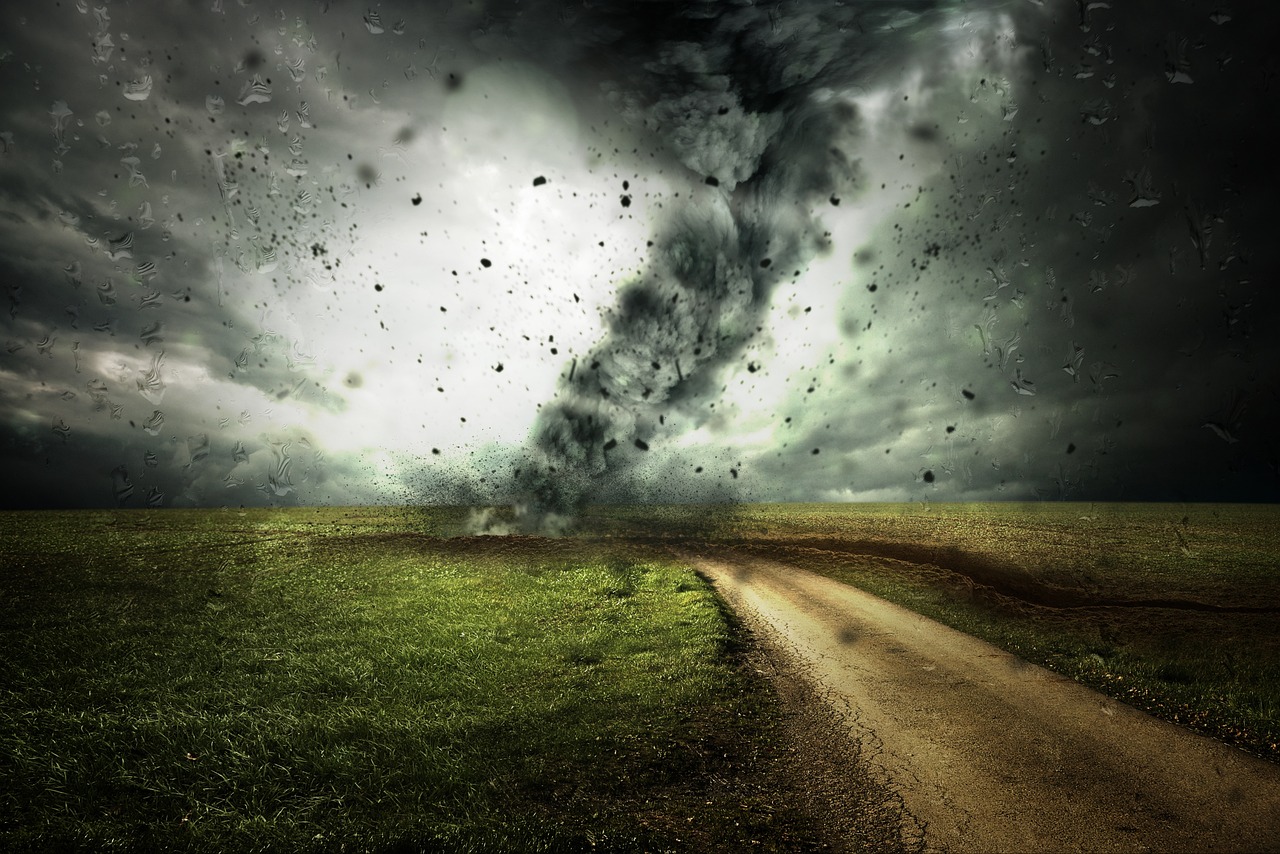
Fire tornadoes are rare, but as wildfires become bigger and more frequent, they may grow more common. The relationship between our changing climate and these extreme fire behaviors is becoming increasingly clear. Each Celsius degree of warming produces a 12% increase in lightning, which is a major cause of wildfires, and the increasing frequency and severity of wildfires and their collateral weather effects result in elevated risk to the built environment.
As climate change stokes larger and more intense wildfires, firestorms are likely to become more common. If wildfires continue to become more extensive, we may encounter such lethal objects more frequently, though lessons learned from studying them carefully might help prevent future tragedies.
Predicting and Preparing for Fire Tornadoes
The formation of fire vortex requires a source of rotation and a mechanism to intensify it. Scientists are ing to understand these mechanisms better to improve prediction capabilities. Research into fire tornadoes, combined with advances in weather prediction and computing power, may in the near future give us the ability to issue fire tornado warnings, possibly saving lives.
Understanding the factors leading to their development can enhance predictive models, improving response strategies and potentially saving lives. Civil engineers must take leadership roles in making infrastructure more resilient and future ready by considering new types of hazards emerging from climate change, researching the nature of these hazards and deciding if and how they should be considered in design.
The study of fire tornadoes represents more than just scientific curiosity. It’s about understanding one of nature’s most dangerous phenomena so we can better protect lives and property in an increasingly fire-prone world. Most fire tornadoes last only a few minutes, and as the hot air rises and cools, its strength diminishes while whatever fuel creates the fire tornado will eventually burn out. Yet in those brief minutes, they can cause devastating damage that lasts for generations.
As wildfires continue to intensify and our climate continues to change, understanding these fiery phenomena becomes increasingly critical. The next time you see footage of a fire tornado, you’ll know you’re witnessing one of nature’s most complex and dangerous atmospheric events. What do you think about these terrifying natural phenomena? Tell us in the comments.

- 8 Ways Bobcats Move Through Suburbs Without Being Seen - August 9, 2026
- 7 Reasons Black Bears Return to the Same Food Source - August 9, 2026
- Animal Cognition Says Horses Remember People Who Treated Them Well and Those Who Did Not - August 9, 2026