
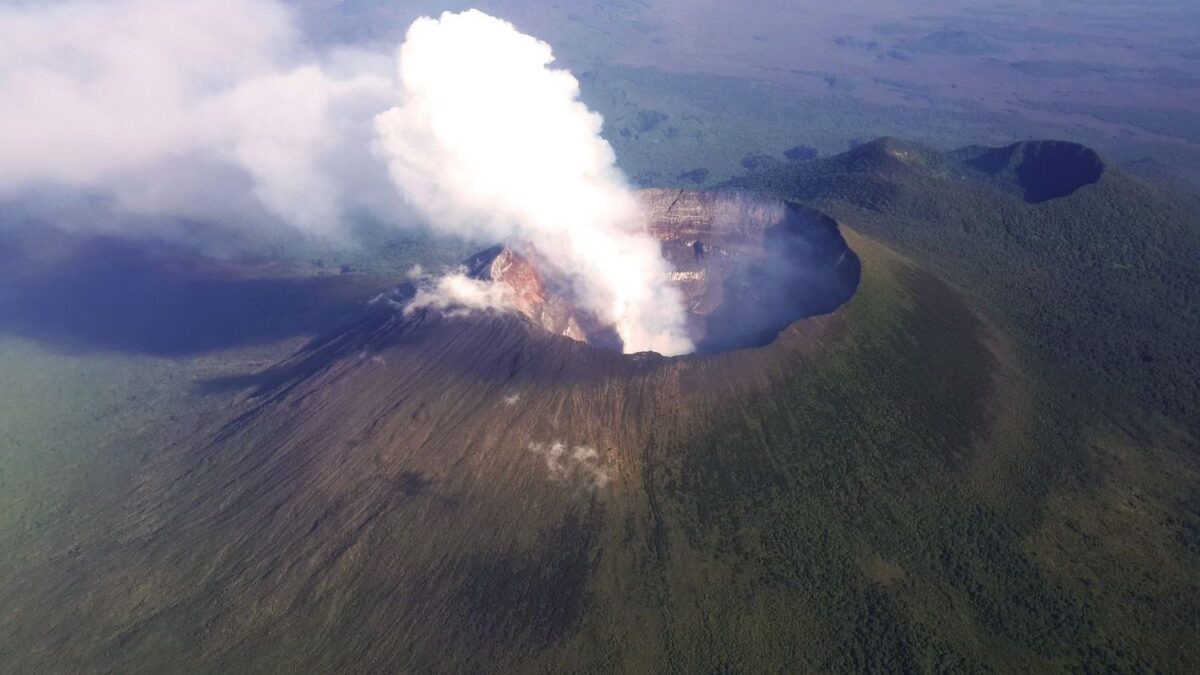
Beneath our seemingly stable planet lies a restless force capable of altering civilizations in moments. While many natural disasters give some warning, volcanoes can awaken from centuries of slumber to unleash devastation that reaches far beyond their immediate vicinity. Today, millions of people unknowingly live in the shadow of these geological time bombs, their daily lives unfolding just miles from molten chambers that could reshape their world forever.
The question of which volcano poses the greatest threat isn’t just academic curiosity. It’s a matter of life and death for countless communities. Scientists consider factors like population density, eruption history, and the explosive potential of magma to determine these rankings. What emerges is a sobering picture of our planet’s most dangerous geological features, each carrying its own unique brand of devastation.
Mount Vesuvius: The Ultimate Urban Threat
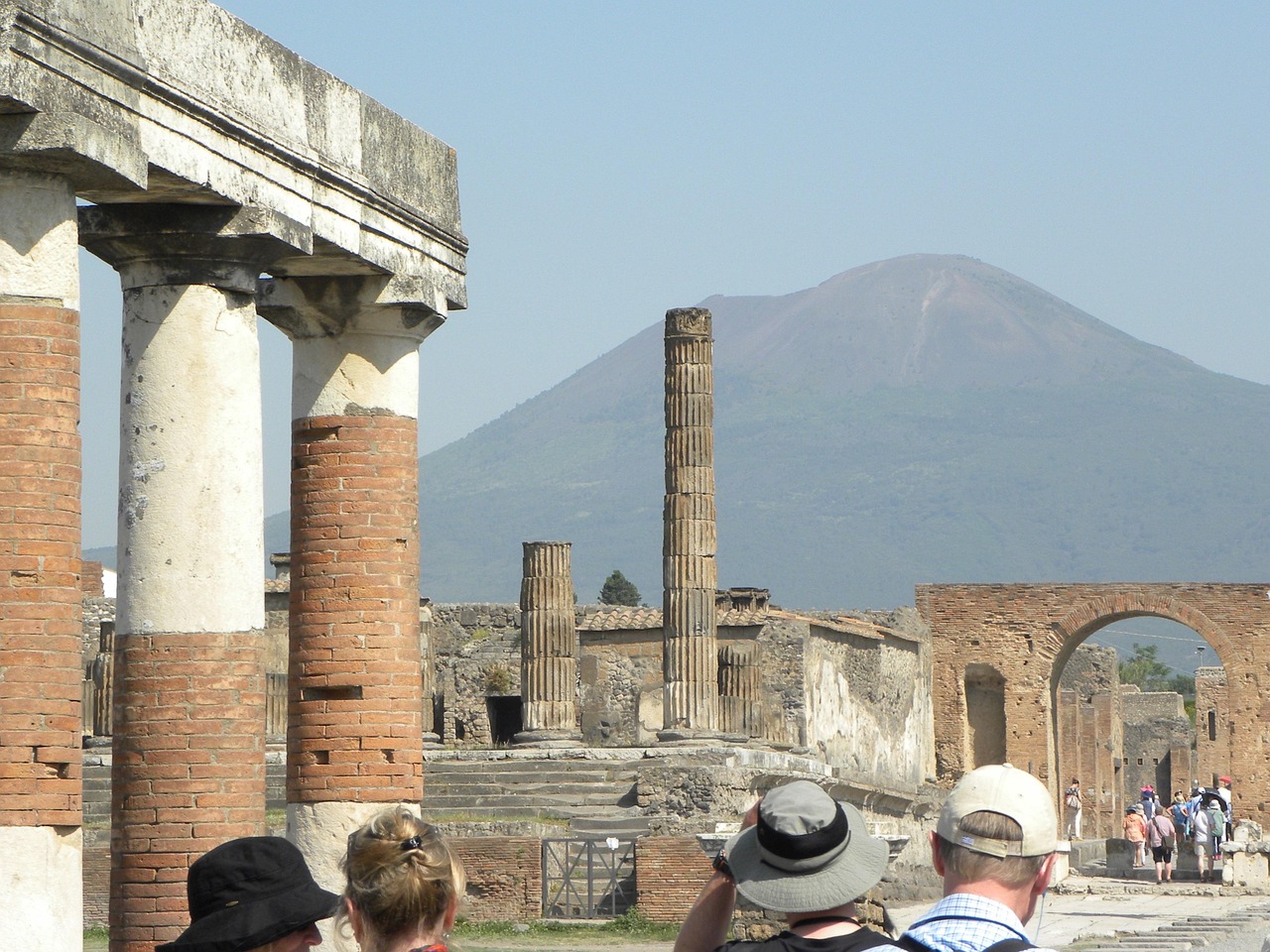
Mount Vesuvius in the Gulf of Naples, Italy, claims the title of the world’s most dangerous volcano due to its extremely explosive eruptions and the densely populated slopes surrounding it. The city of Naples sits only about 9 kilometers away from this sleeping giant, while more than 3 million people could be at risk in case of a major Plinian eruption.
Every time Vesuvius has erupted after a long interval, it has been highly destructive and killed thousands of people. The infamous 79 CE eruption that buried Pompeii wasn’t an isolated incident. Vesuvius has been silent since 1944 now, and might remain so for quite a time to come, but it is quite certain that it will wake up again, sooner or later. This extended dormancy actually increases the danger, as pressure builds beneath the surface.
Mount Nyiragongo: Africa’s Liquid Fire
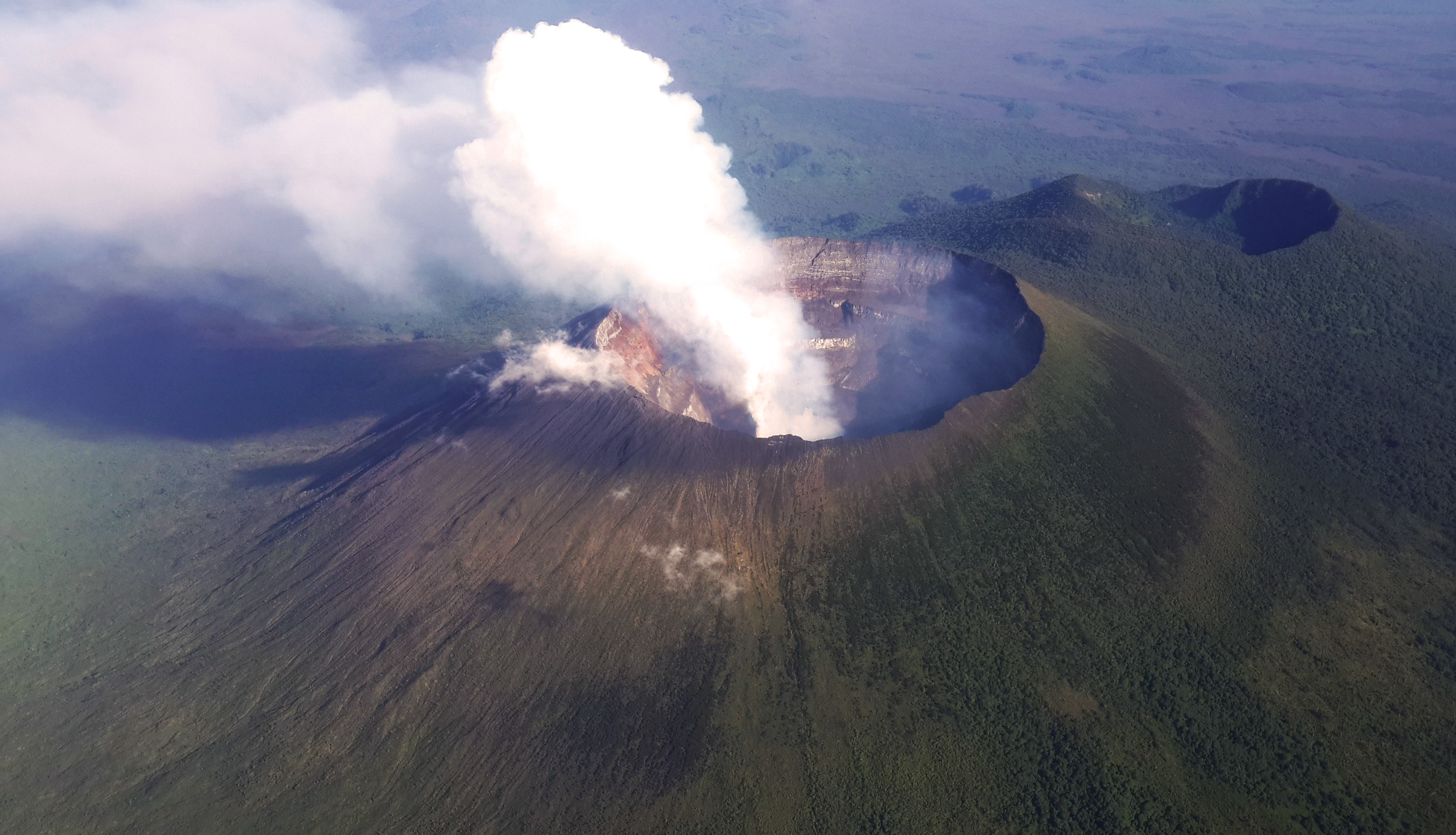
Mount Nyiragongo is one of the most dangerous volcanoes in Africa, possessing a deadly combination of characteristics that make it uniquely terrifying. Its lava is remarkably fluid, able to move at up to 60 kilometers per hour (about 37 miles per hour). This isn’t your typical volcanic threat.
Situated just 18 kilometers from Goma, Nyiragongo caused devastation in its 2002 eruption by spewing lava into the city, killing people and destroying 14,000 homes. The volcano’s threat extends beyond lava flows. Locals refer to the carbon dioxide emissions as “mazuku” or “evil wind,” and dangerous volumes of this gas may gush out of fissures during eruptions. Around 147 people died in the 2002 eruption from carbon dioxide asphyxiation and building collapses, with nearly 120,000 people left homeless.
Campi Flegrei: The Hidden Supervolcano
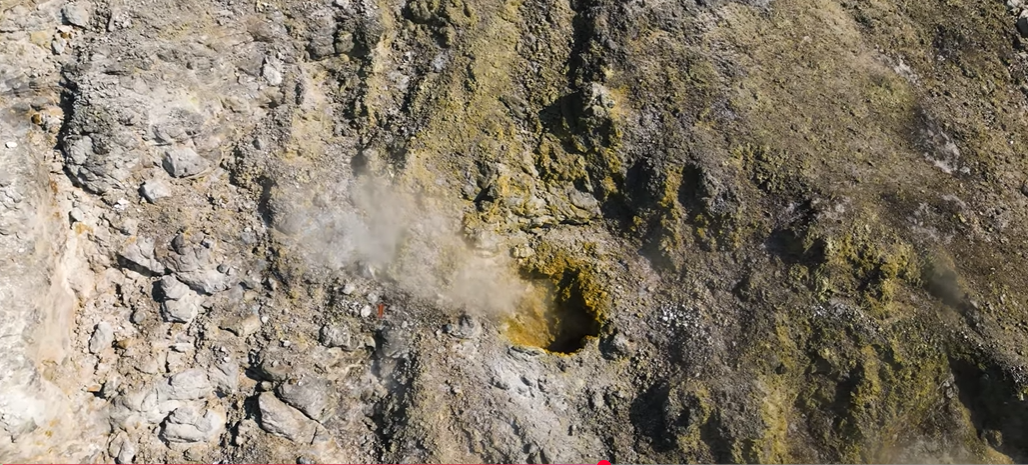
Campi Flegrei is an 18-mile-wide volcanic area, earning the title of “supervolcano,” located partially beneath the Bay of Naples and extremely close to more than six million people. This isn’t just another volcano; it’s a massive volcanic system that poses even more of a threat to Naples than Vesuvius, erupting less frequently but much closer to the city with potential for much larger eruptions, with Naples’ western suburbs built inside its caldera.
Recent studies indicate it’s entering a “critical state” where it could be ready for an eruption, though no one can say for sure when it will super-erupt again. Scientists estimate it could produce an eruption 100 to 1,000 times greater than Mount St. Helens. The ground itself tells the story of unrest beneath, constantly rising and falling in patterns that scientists struggle to fully understand.
Popocatépetl: Mexico City’s Looming Shadow
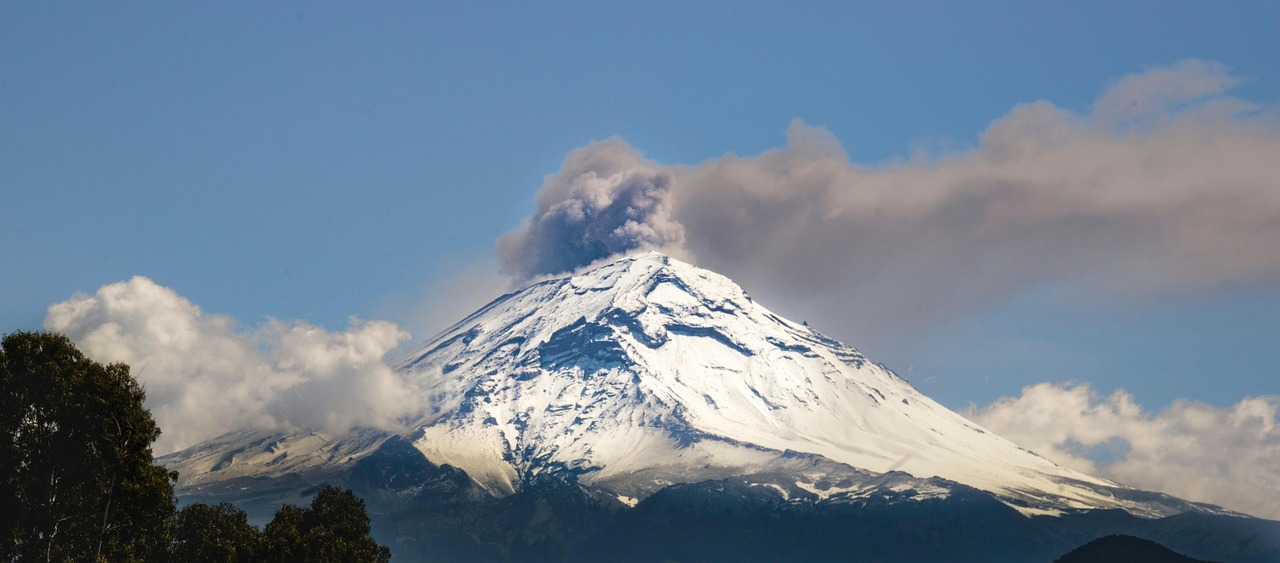
Popocatépetl stands only 40 miles west of Mexico City, whose metropolitan area houses an estimated 22 million inhabitants, and just 30 miles east of Puebla, a city of around six million. This proximity makes it one of the most potentially catastrophic volcanic threats on Earth. A large eruption could send a city-sized cloud of ash 20 centimeters thick to descend upon Mexico City, clogging drainage lines, poisoning water supplies, and ceasing electricity transmission while unleashing 1,000-degree lahars and pyroclastic flows.
After an 80-year dormant period, Popocatépetl has shown recurring seismic activity for years, with 13 eruptions occurring as recently as February 2024. The volcano’s recent awakening suggests that the sleeping giant may be preparing for something much larger. Rising just 44 miles from Mexico City, this active volcano has had frequent eruptions in recent decades, and a large eruption could endanger millions and blanket the city in ash, making it one of the most dangerous volcanoes in North America.
Mount Merapi: Indonesia’s Relentless Killer
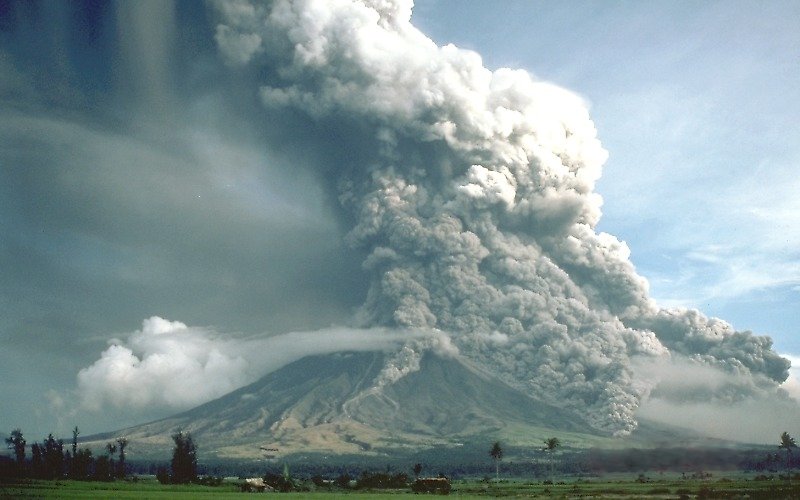
Mount Merapi is one of the most active volcanoes , regularly threatening surrounding villages in Indonesia with eruptions known for large pyroclastic flows and lava flows, with its last major eruption in 2010 killing hundreds, amplified by Indonesia’s high population density. This volcano doesn’t rest; it maintains a constant state of threat that keeps entire communities on edge.
Mount Merapi has been continuously erupting for centuries, with its biggest risk being pyroclastic flows that can spread over wide areas and threaten people. What makes Merapi particularly dangerous isn’t just its activity level, but its location in one of the world’s most densely populated regions. Merapi volcano poses a realistic threat near the city of Yogyakarta, with hundreds of villages and tens of thousands of people living less than 8 kilometers away from the summit lava dome.
Mount Rainier: Seattle’s Sleeping Giant
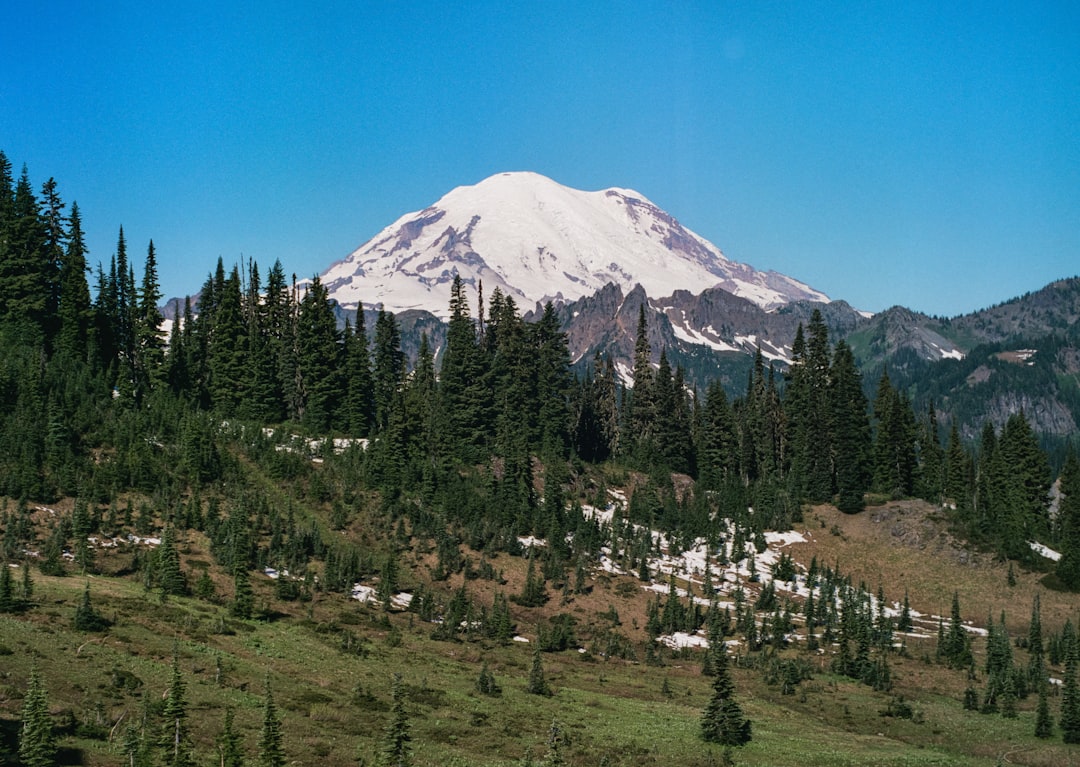
Mount Rainier towers over Seattle and its suburbs at 14,410 feet above sea level, with its close proximity to the city and snowy cap making it one of the most dangerous volcanoes in the continental United States, posing a risk to nearly two million people living in its shadow despite not erupting since 1894. This massive stratovolcano represents a different kind of threat than explosive eruptions alone.
Researchers fear an eruption could generate deadly pyroclastic flows racing down its flanks, and as the most glaciated peak in the continental United States, volcanologists worry it could melt ice and send deadly mudflows into nearby communities. The combination of ice, altitude, and proximity to major population centers creates a recipe for disaster that extends far beyond the immediate blast zone.
Looking at these geological monsters, one thing becomes clear: we’re living in an age where millions of people have chosen to build their lives next to some of the planet’s most dangerous features. Each of these volcanoes represents not just a scientific curiosity, but a ticking clock that reminds us how quickly our modern world could change. The question isn’t whether these volcanoes will erupt again, but when and whether we’ll be prepared for what comes next.
What do you think about living so close to such powerful natural forces? Tell us in the comments.

- Why Near-Death Experiences Often Follow Similar Patterns Across Cultures - August 11, 2026
- What Happens If You Never Brush Your Dog’s Teeth? - August 11, 2026
- Why Some Animals Possess a Sixth Sense We Can Only Imagine - August 11, 2026