

Imagine a world where you could tell your friends exactly where to find the best restaurant in town, how far away it is, and whether it’s worth the trip, all without saying a single word. Just by moving your body in a precise, choreographed routine. That is, remarkably, the reality for honeybees. They have developed one of the most sophisticated non-human communication systems ever documented in the animal kingdom, and scientists are still uncovering just how breathtakingly complex it really is.
What makes this story even more astonishing is that this isn’t just instinct. There’s learning involved. There’s culture. There might even be something resembling a performance. Let’s dive in.
The Waggle Dance: Nature’s Living GPS
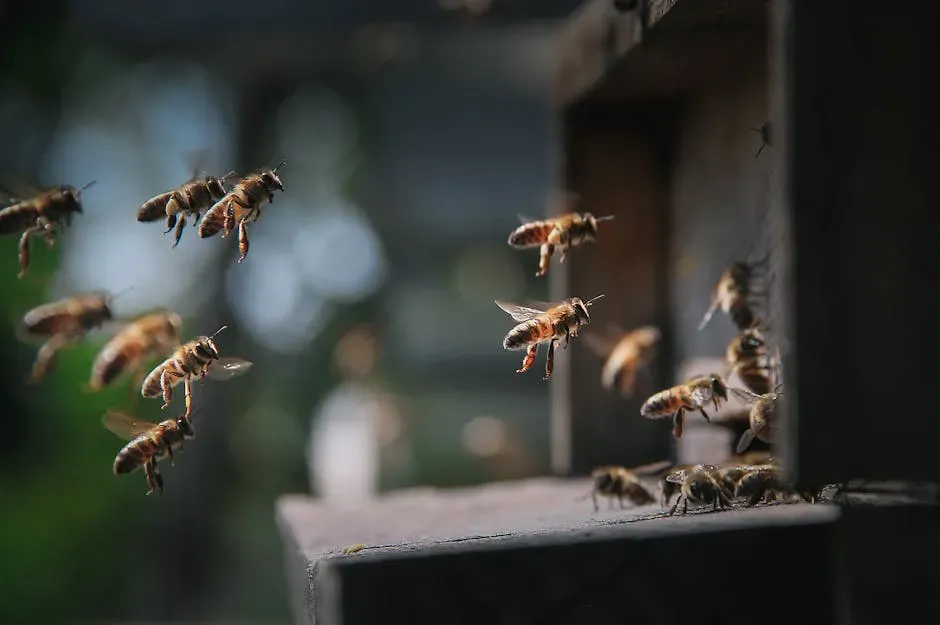
Honeybees, as highly organized social insects, ensure the survival of their colonies by communicating the location of food sources to one another through a waggle dance, in which bees circle around in figure-eight patterns while waggling their bodies during the central part of the dance. Think of it as a living GPS system, drawn not on a screen but on the very walls of the hive.
The dance helps bees communicate the distance, direction, and quality of a resource to nestmates. Performed at breakneck speed, with each bee moving a body length in less than one second, the motions within the dance translate visual information from the environment and the location of the sun into precise navigational data.
Usually, the bee is dancing on a vertical surface in a completely dark nest surrounded by hundreds of bees. When the bee is dancing straight up inside the nest, waggling straight upward, she is telling other bees to go in the direction of the sun to find food. It’s a bit like using a compass made entirely out of movement. Honestly, the elegance of it is almost hard to believe.
The dancing bee encodes a vector defined by the distance and direction of its outbound flight, and the dance follower, the recruited bee, then translates that message into search behavior. All of this happens in pitch darkness, on an uneven honeycomb surface, among hundreds of buzzing hive mates.
More Than Instinct: The Social Learning Behind the Dance
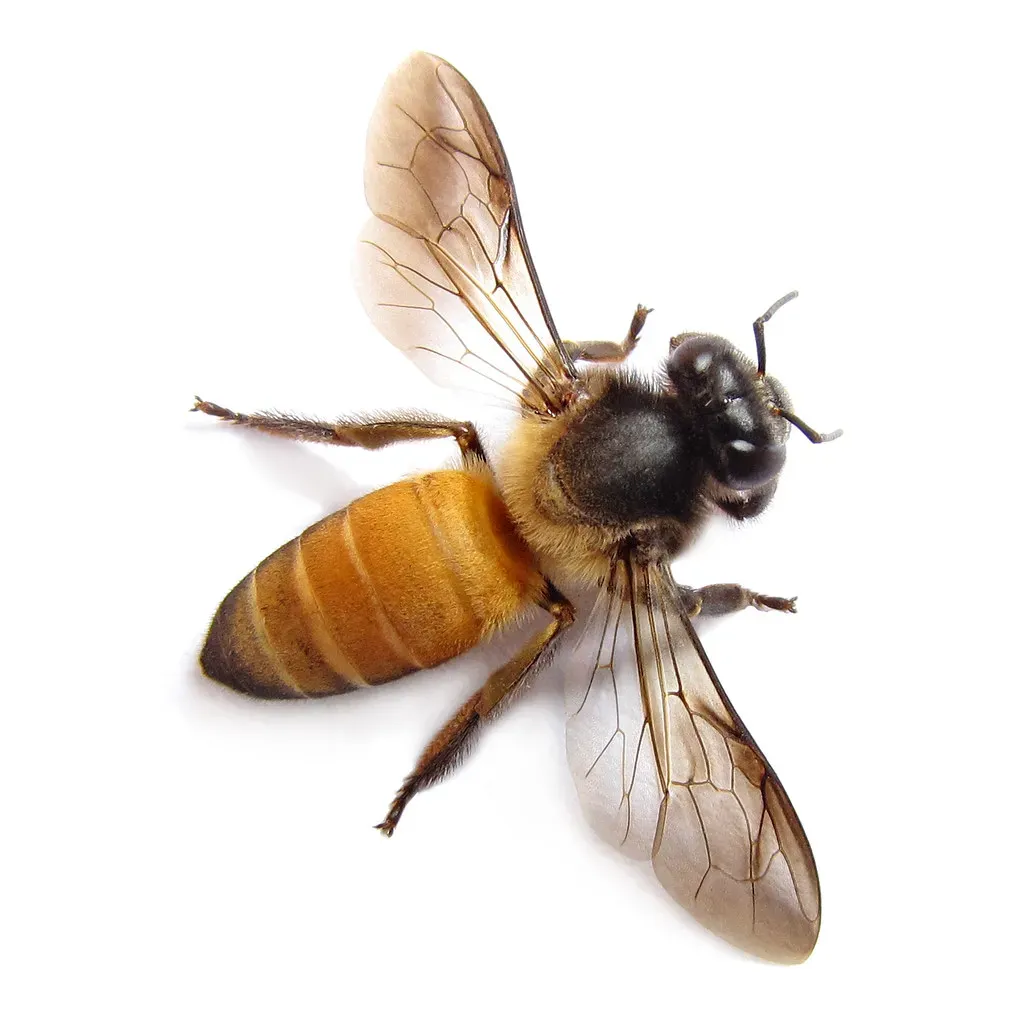
Here’s where things get truly surprising. For a long time, scientists assumed the waggle dance was purely hardwired, an innate behavior bees are simply born knowing. That assumption turned out to be wrong.
Researchers have discovered early social learning in insects. The signaling communicated by honeybees about food sources, transmitted through the waggle dance, is an intricate form of social learning and one of the most complex known examples of non-human spatial referential communication.
Honey bees are born with the innate ability to produce a waggle dance from very early in life, but they also need to learn in order to improve their signaling. Through social learning from more experienced adult bees, their communication skills become more precise. It’s honestly a lot like how a toddler babbles before learning to form real words.
Honey bees, like humans, many songbirds, and naked mole rats, appear to have a critical period for language acquisition. Miss that window and the consequences are lasting. Those that did not learn the correct waggle dance early on were able to improve by subsequently watching other dancers and by practicing, but they were never able to correctly encode distance. That single finding rewrote what we thought we knew about insect communication.
Dialects, Individuality, and a Dance Floor Full of Personalities
Let’s be real, when you first hear that bees have “dialects,” it sounds almost too extraordinary to be true. Yet the science is clear on this.
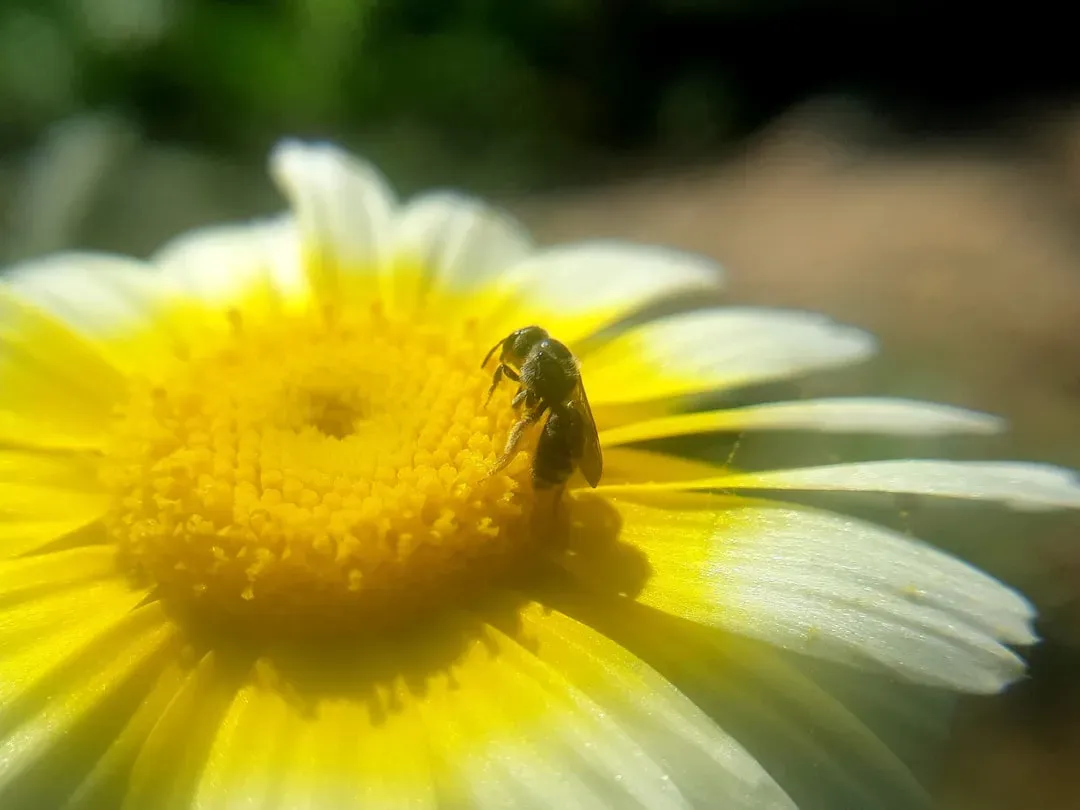
Out of the nine different species of honey bees that are recognized, the waggle dance is seen in all, however they each have different dance dialects dependent on the habitats in which they live. The dance, in other words, adapts to the local environment, just as human accents do across regions.
This distance encoding creates the distinct dialects of different honey bee species. Bees that could never observe other dancers during their critical early stage of learning developed a new dialect that they maintained for the rest of their lives. That’s culture, right there, passed from generation to generation through observation and imitation.
There is also significant individual variation in how honey bees perform the waggle dance. Each bee has its own calibration for the duration and distance of the dance, which can lead to misunderstandings between the dancer and the recruits. This variation highlights the complexity and adaptability of the dance communication system, as bees must constantly fine-tune their dances to ensure accurate information transfer. Imagine each person giving you directions slightly differently every time. The fact that the colony functions as well as it does is remarkable.
An Audience Changes Everything: The Bee That Performs Better When Watched
This is the finding that stunned the scientific community as recently as March 2026. It shakes everything we assumed about how bees communicate.
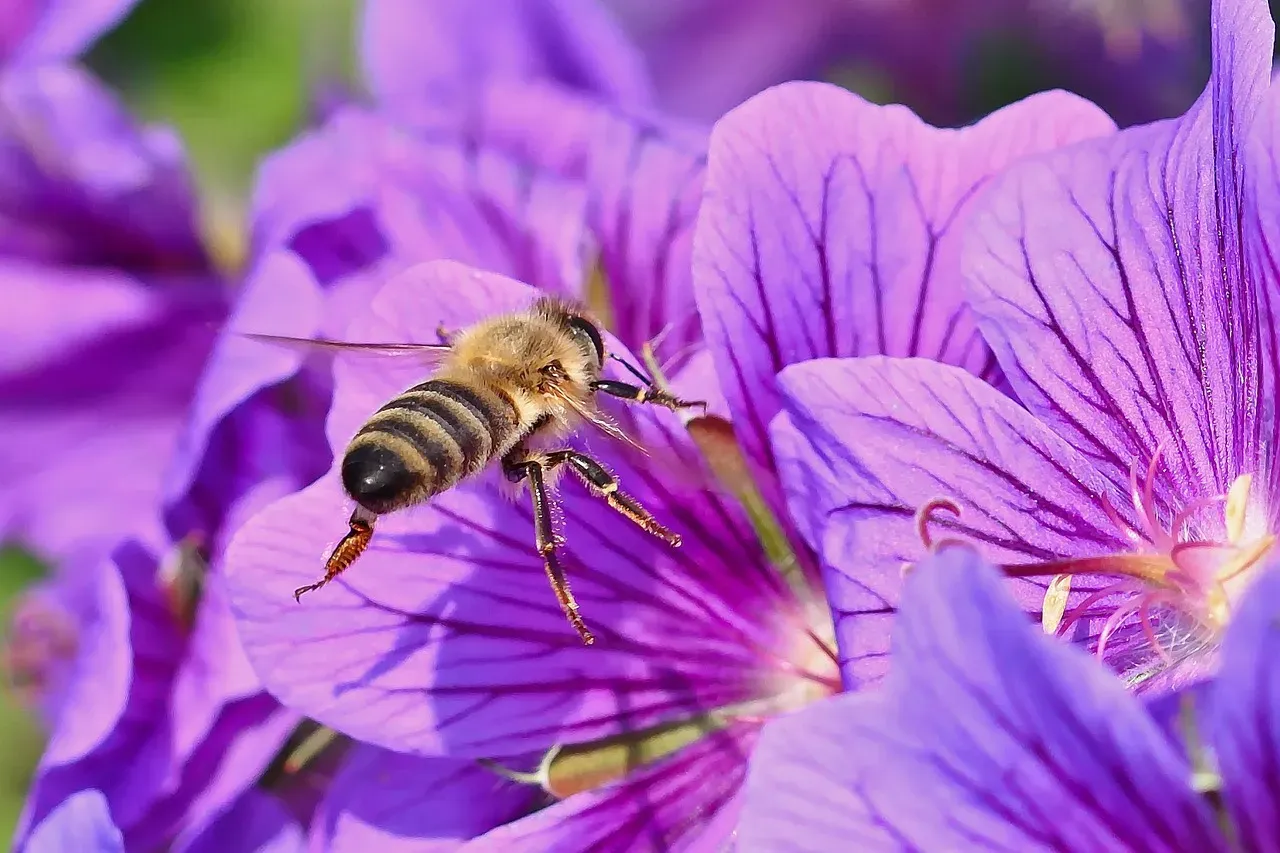
Honey bees don’t just perform their famous waggle dance to share directions. They actually adjust how well they dance depending on who’s watching. Researchers found that when fewer bees pay attention, the dancer becomes less precise as it moves around trying to attract an audience, meaning the dance is not simply a fixed message about food location, but a flexible performance shaped by social feedback.
The study also sheds light on how bees detect their audience. Other bees frequently touch the dancer with their antennae and bodies. These physical interactions likely help the performer sense how many bees are nearby and how engaged they are. It’s almost like reading the room, something we usually associate with humans at a dinner party, not insects.
Researchers from Xishuangbanna Tropical Botanical Garden of the Chinese Academy of Sciences and Freie Universität Berlin showed that dance-following bees combine the dance vector with their cognitive memory of landmarks, and the follower bees form an expectation of the landscape features after learning the information of waggle dances. So not only are bees listening to the dance, they are actively building an internal mental map from it. Cognitive mapping. In an insect.
The Science Beneath the Dance: Neurons, Senses, and Electrostatic Fields
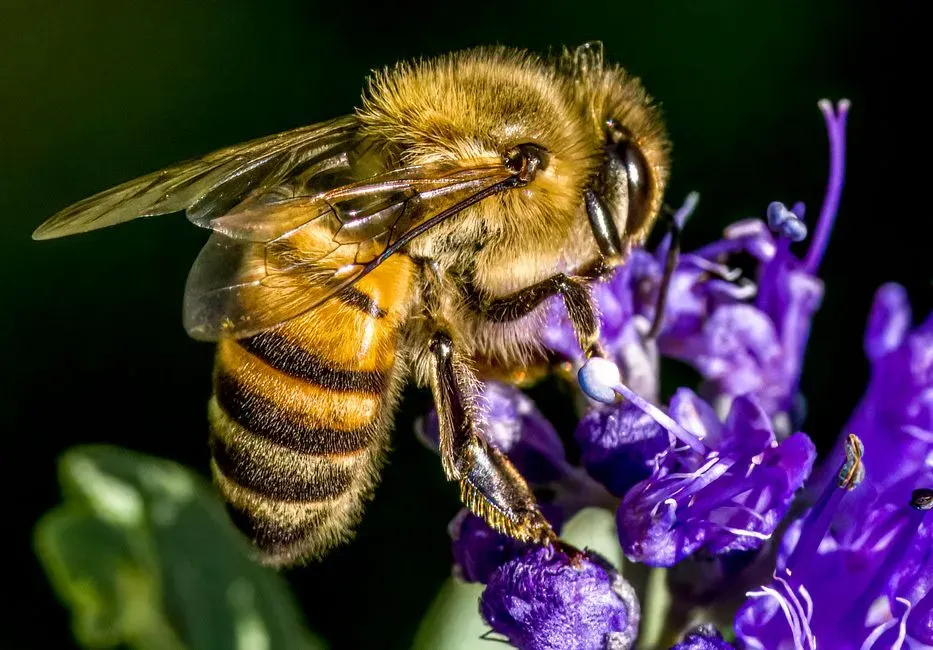
The biological machinery behind all of this is just as jaw-dropping as the behavior itself. It’s hard to say for sure exactly how evolution stumbled onto something this intricate, but the neuroscience is beginning to paint a vivid picture.
Five different sensory systems have been implicated in acquiring and communicating the information necessary for dance language communication. Sensory neurons of the dorsal rim area of the compound eyes, involved in acquiring sun-compass based information, project to specific brain regions. Sensory neurons of the neck hair plates are required to transpose sun-compass information to gravity-based information in the dark hive.
Honeybees accumulate an electric charge during flying and when their body parts are moved or rubbed together. They emit constant and modulated electric fields during the waggle dance. Both low and high-frequency components emitted by dancing bees induce passive antennal movements in stationary bees. In other words, the bees around a dancer are being physically moved by electrical fields. The hive is buzzing with invisible forces.
The neurological basis of the waggle dance involves advanced sensory and cognitive processes. Studies have identified specific brain regions, such as the central complex, that are crucial for orientation and spatial processing during the dance. These neural mechanisms help bees interpret and produce the dance movements accurately, ensuring effective communication within the hive.
Honeybees have spatial, embodied language, and we now recognize some of the subtle differences in their body movements and vibrations, which include waggling, knocking, stridulating, stroking, jerking, grasping, piping, trembling, and antennation, to name just a few. The dance, it turns out, is just the most visible layer of something far richer.
Conclusion: What a Tiny Creature Teaches Us About Communication Itself
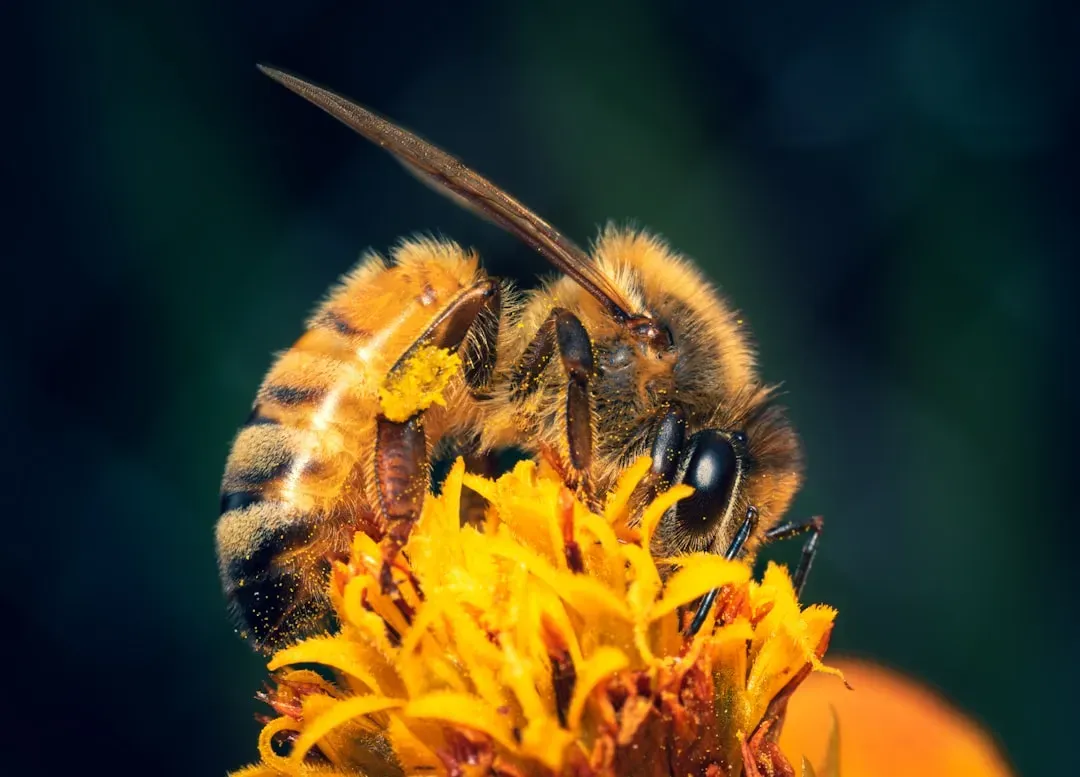
There’s something genuinely humbling about all of this. A creature with a brain smaller than a sesame seed has developed a communication system so layered and nuanced that scientists with advanced degrees are still unpacking it decades after its initial discovery. The waggle dance isn’t just a cool animal behavior. It’s a window into the deep origins of language, learning, and collective intelligence.
Honey bees are the only animals other than humans to relay information about distance through symbolic communication. Let that sink in for a moment. Out of all the creatures on Earth, only we and the honeybee have found a way to tell each other how far away something is in abstract terms.
The implications stretch far beyond entomology. Understanding how bees learn, adapt, and even perform for their audiences could reshape how we think about the evolution of language, the neuroscience of communication, and even the fragility of collective knowledge in a changing world. If something as small and seemingly simple as a honeybee can carry the weight of cultural transmission, of dialect, of social performance, what else are we missing in the natural world?
What would you have guessed a bee was capable of?

- The Real Reason Cats Disappear for Days and Always Come Back - August 11, 2026
- Virgo Cat Owners: 5 Breeds That Respect Order – and 5 That Will Drive You Quietly Insane - August 11, 2026
- 12 Signs Your Dog Trusts You Completely - August 11, 2026