

Polar bears have earned their reputation as one of nature’s most formidable predators. These Arctic giants command respect with their massive size, razor-sharp claws, and bone-crushing bite force. Yet despite their intimidating presence, even these apex predators aren’t invincible.
The frozen tundra might belong to polar bears, yet the animal kingdom holds surprises that would shock most people. From ocean depths to distant continents, certain creatures possess the raw power, cunning intelligence, or deadly weapons needed to challenge these white-furred titans. These confrontations might seem impossible in nature, yet the physical capabilities tell a compelling story.
Orcas – The Ocean’s Ultimate Assassin
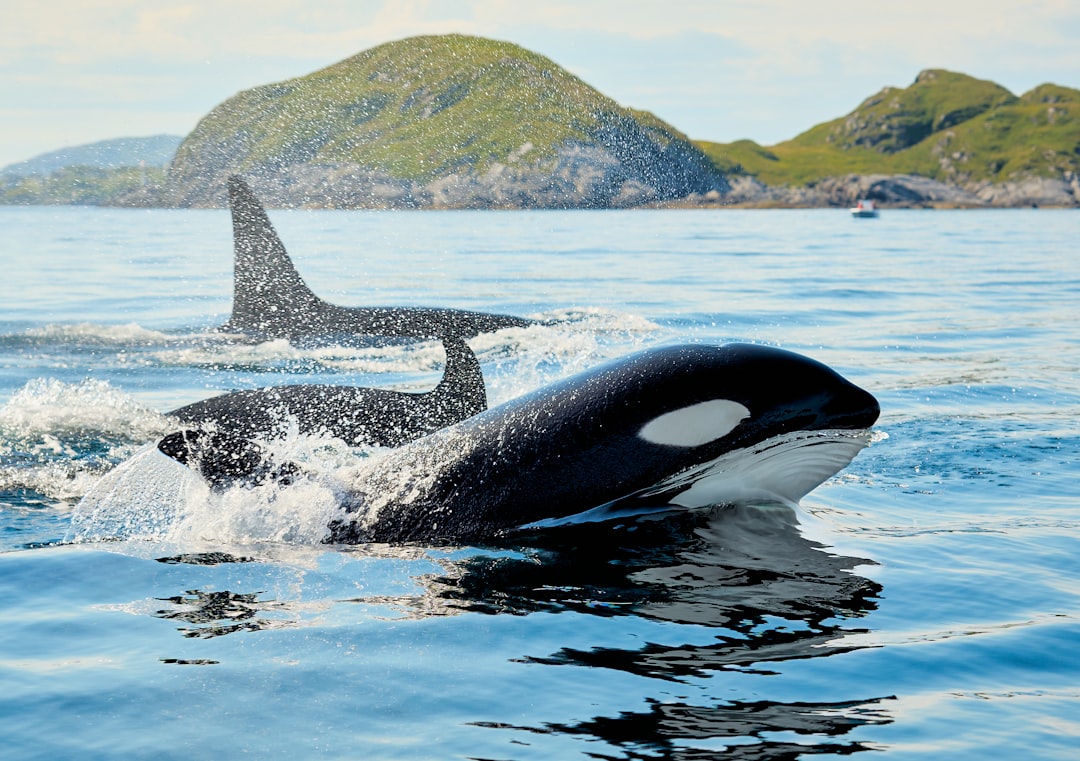
Orcas, also called killer whales, would certainly be able to kill a polar bear. These massive creatures can weigh anywhere from 3,000 to 12,000 pounds, so they would come into the fight with a major weight advantage. Obviously, orcas swim better than polar bears, so they would have no trouble catching the smaller mammals.
An orca would probably kill a polar bear by biting its underside with 3-inch-long teeth while it was swimming. Otherwise, it could smash the bear with its powerful tail, ending the fight in short order. There is not much a polar bear could do to survive such an onslaught. These intelligent marine mammals hunt in coordinated pods, making them even more dangerous than their individual strength suggests.
African Elephants – Unstoppable Land Giants
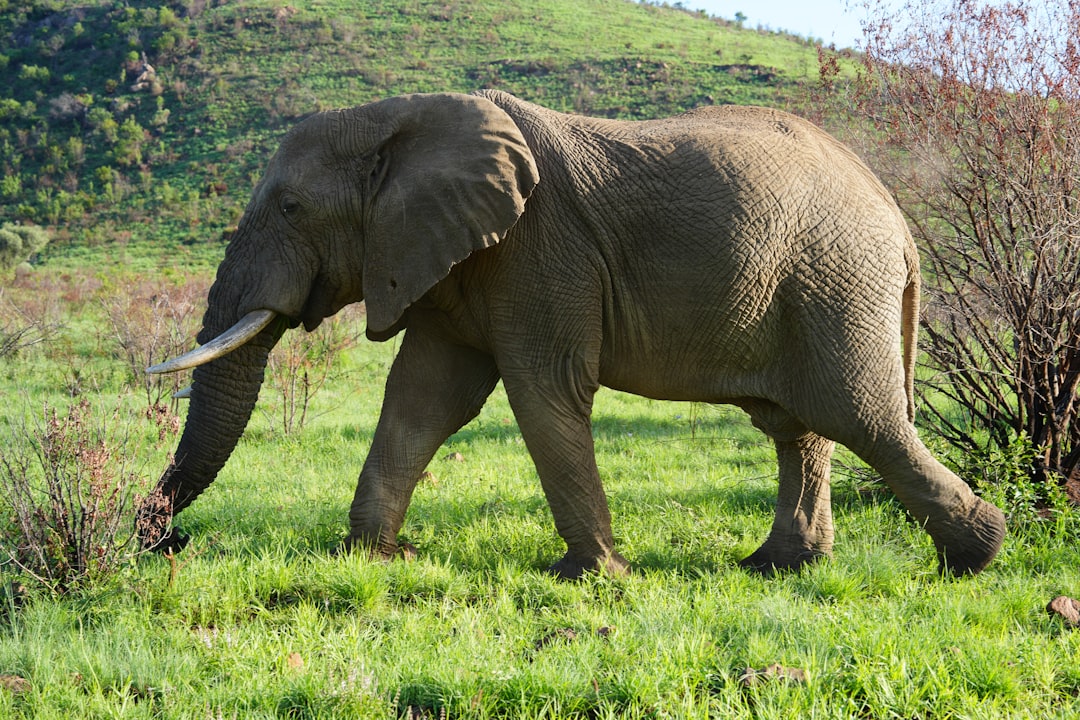
Elephants can grow up to 12 feet tall and weigh between 6,000 and 12,000 pounds. They are several times larger than the largest polar bear. Moreover, the polar bear would not have any real means of landing a killing blow on an elephant.
Just about everything an elephant would do to attack a polar bear would be fatal, either by goring or stomping it to death. Either way, the elephant wins. A male African elephant can weigh up to 6,000 kg (13,000 lbs), while a male polar bear typically weighs between 350-700 kg (770-1540 lbs). That’s a staggering difference in mass. Their massive tusks and trunk strength make them nearly impossible for any predator to overcome.
Hippopotamus – Africa’s Deadliest Beast
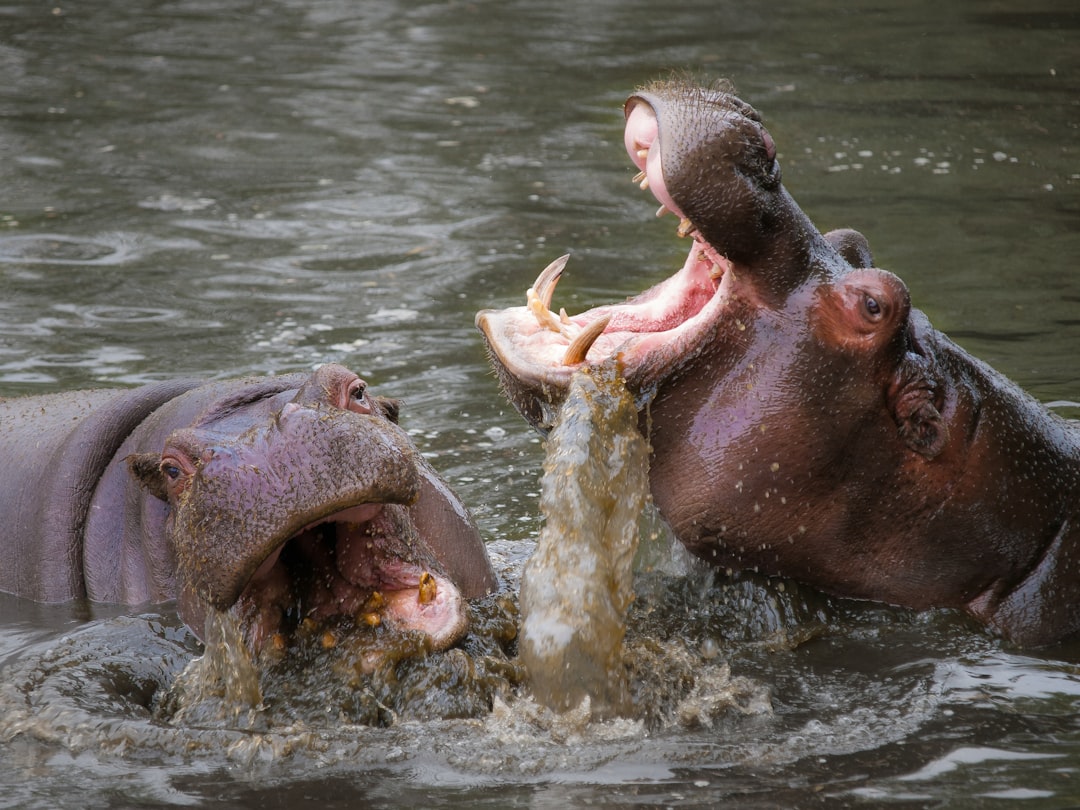
An enraged hippo is a danger to many animals on land and in the water. Hippos kill roughly 500 humans per year. They’ll attack humans on watercraft, crocodiles, and most other creatures that vex them. Their thick bodies, long teeth, and power ensure that few animals can take them down.
A hippo would win a fight against a polar bear. The hippo is larger, stronger, has better offensive capabilities, and a defense that would allow it to last longer in a battle. Hippos have an even more powerful bite, estimated to be between 1,800 and 2,000 PSI. Their semi-aquatic lifestyle gives them versatility that polar bears simply cannot match.
Great White Sharks – Silent Water Hunters
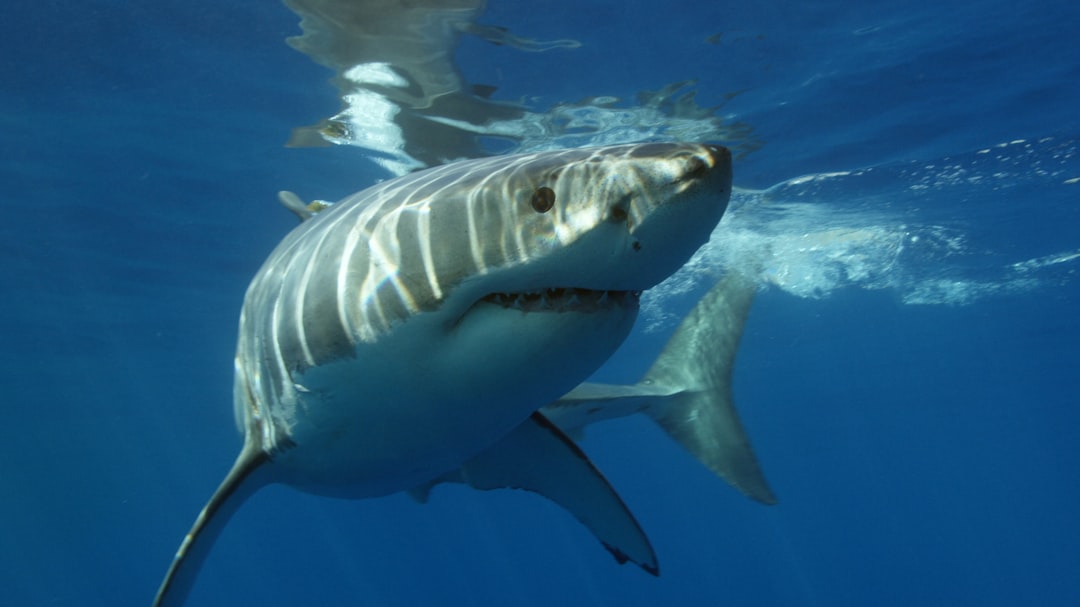
Great white sharks are deadly predators, and they would make a meal out of bear. While great white sharks do not swim into the polar bear’s range, they could make a meal of a polar bear in the water. These sharks can get quite large, growing upwards of 20 feet long and weighing over 2,500 pounds. They are equipped with everything they need to take down large prey.
In the water, the shark would attack from below, delivering a powerful, potentially fatal chomp to start the fight. Polar bears spend considerable time swimming between ice floes, making them vulnerable to these apex ocean predators. The shark’s ambush tactics and serrated teeth create a lethal combination underwater.
Siberian Tigers – Stealth Masters
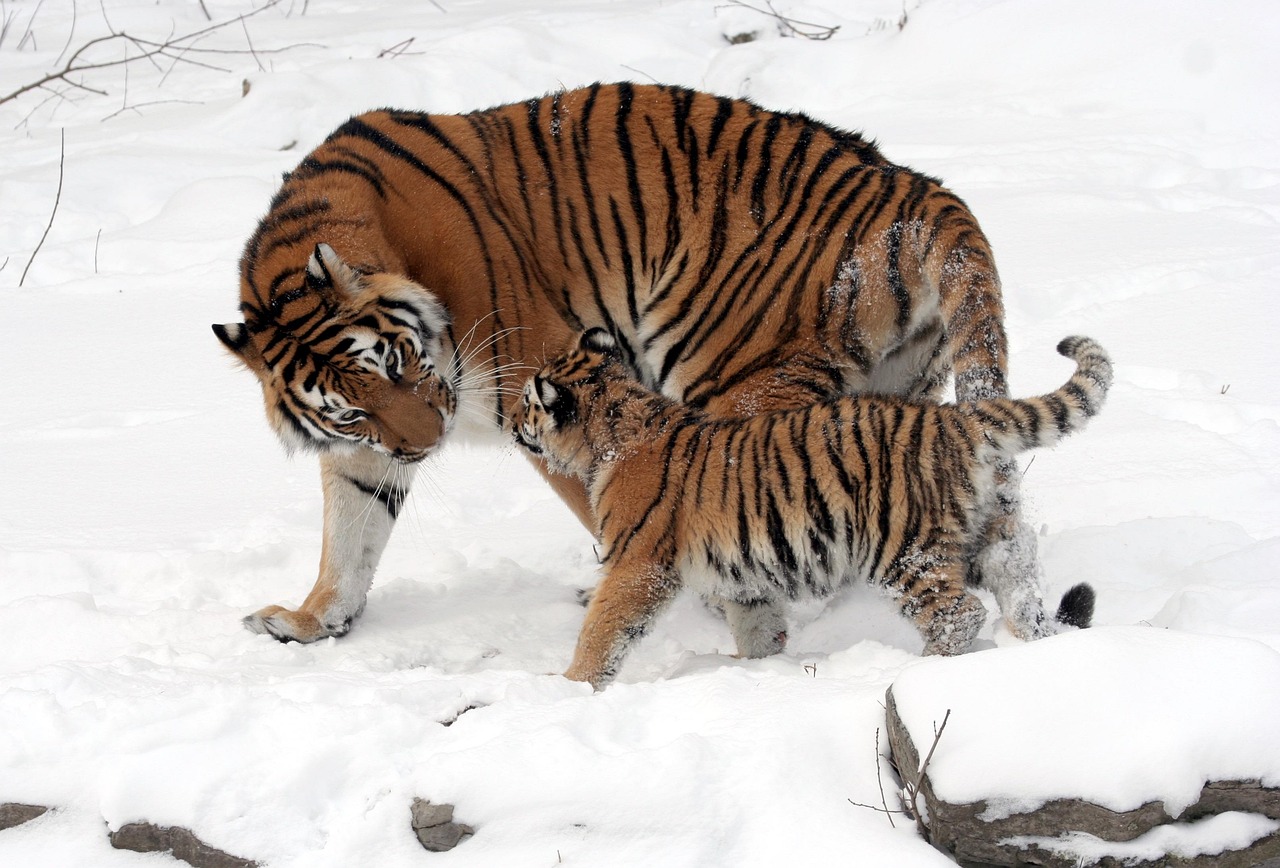
In the woods of the Russian Far East, Amur tigers have been documented preying on Asiatic black bears and even juvenile brown bears. In one instance, scientists were shocked to discover that a Siberian tiger had killed and partially eaten a large brown bear in a ravine.
This tiger is the strongest and largest of all the great cats, weighing on average 660 pounds and a height of 4 feet. Because of their immense power, tigers have the greatest chance of bringing down a polar bear. They know where to bite to bring down their prey. Their stealth, agility, and precision killing techniques give them advantages that raw strength alone cannot overcome.
Bull Walruses – Arctic Armor Plated Warriors
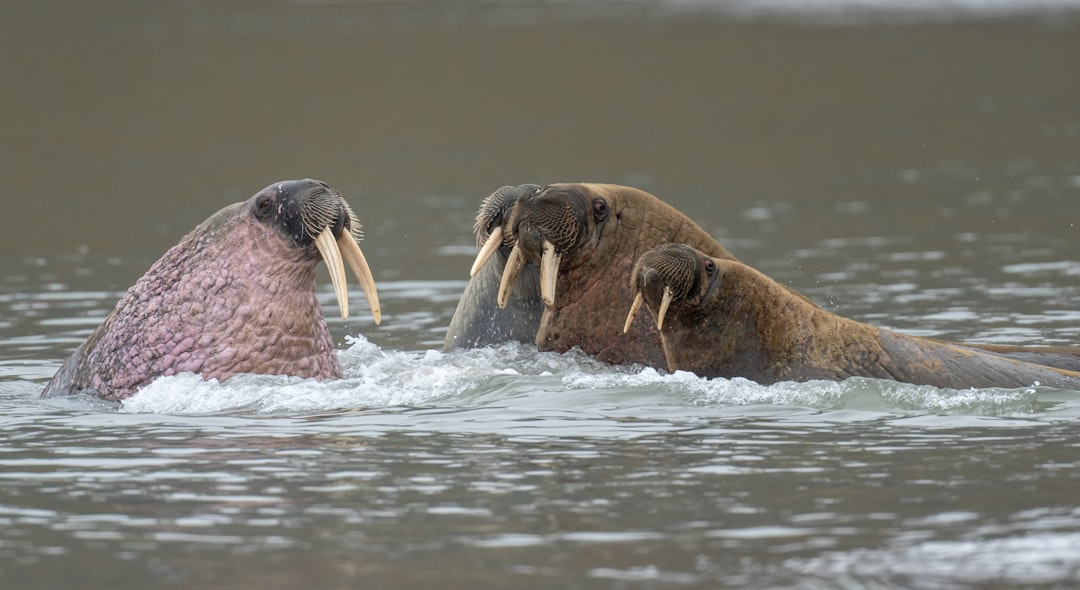
Walruses have incredible defenses in the form of tough and thick skin, even thicker blubber below that, and a body so large that most predators simply can’t kill them. Moreover, walruses live in large packs of dozens of hundreds. Walruses have better defenses than polar bears, so they get the advantage here.
But walruses are much heavier. An adult male walrus (Odobenus rosmarus) can weigh more than 2,000 kg (4,400 lb), about three times as much as a polar bear. However, if a walrus is somehow cornered, or if it is defending a pup, it will fight vigorously and inflict maximum damage to any attacker. Polar bears who misjudge their attack can receive terrible and often fatal wounds.
Grizzly Bears – The Ultimate Land Fighters
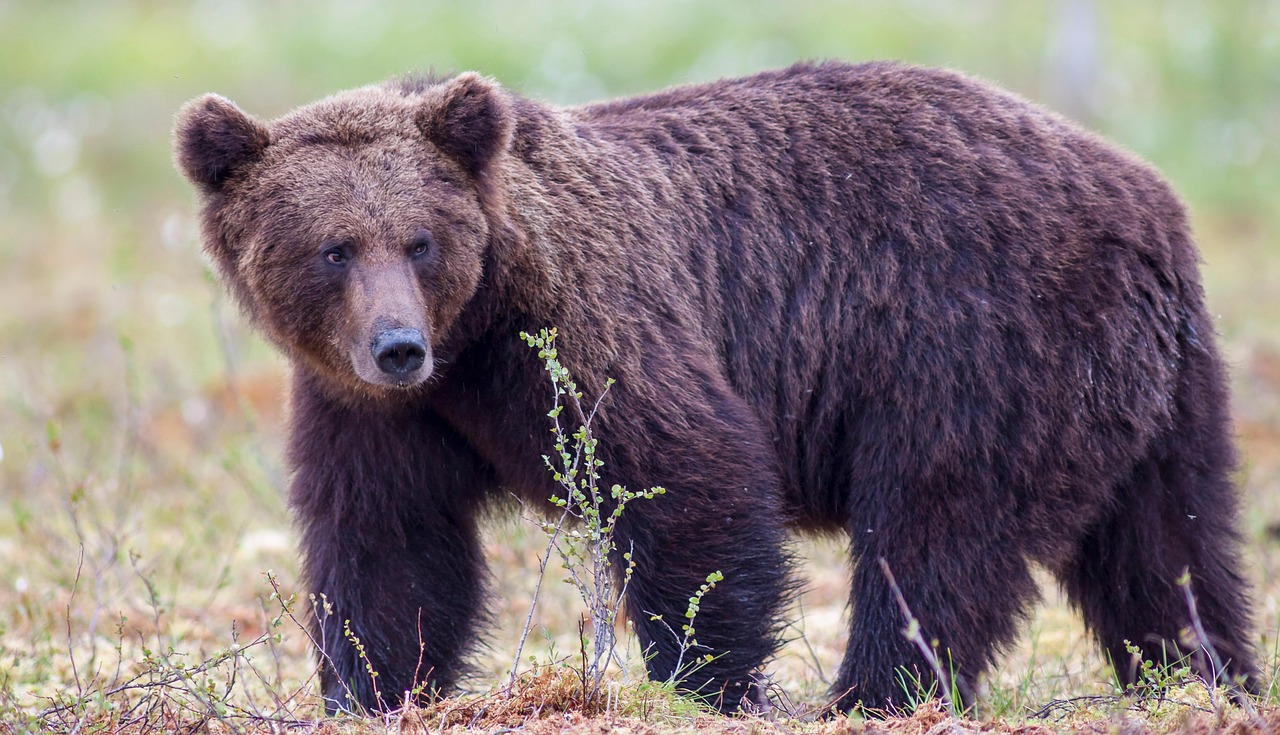
The Grizzly Bear. This would be a powerful fight. Both have impressive traits but the grizzly possesses stronger and longer claws than the polar bear and has longer canines, used for separating flesh from bone.
While the polar bear is larger, with a slightly stronger bite, the grizzly has longer and stronger claws that are more effective for killing prey. Polar bears aren’t territorial like grizzlies. They also tend to avoid conflicts, while grizzlies are aggressive and will fight fiercely. These bears can lift more than 500 kg (1,100 pounds) and swipe with enough force to break a moose’s spine. They dig massive dens, flip boulders, and take down large prey with a combination of strength and aggression.
Conclusion
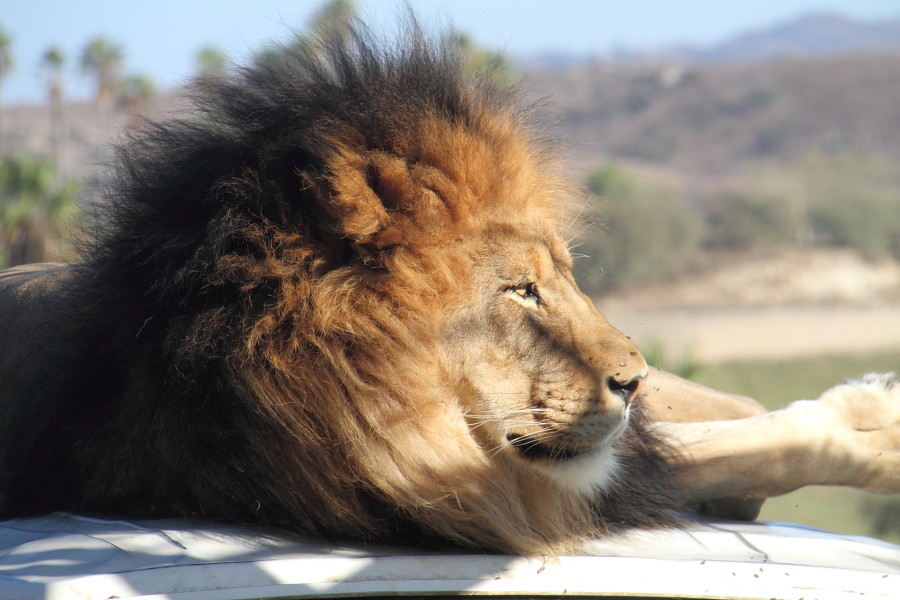
The Arctic may be polar bear territory, yet these seven incredible animals prove that nature’s power extends far beyond the frozen tundra. Each creature brings unique advantages that could potentially overwhelm even the most formidable polar bear. From the ocean’s depths to distant savannas, the animal kingdom continues to surprise us with displays of raw power, tactical intelligence, and evolutionary brilliance.
These matchups remind us that survival isn’t just about size or strength alone. Speed, weaponry, defensive capabilities, and environmental advantages all play crucial roles in determining nature’s ultimate winners. What do you think about these incredible animal showdowns? Tell us in the comments.

- 8 Scents That Cockroaches Hate - August 10, 2026
- 8 Ways Glaciers Carved New York's Finger Lakes - August 10, 2026
- 8 Ways Bobcats Move Through Suburbs Without Being Seen - August 9, 2026