
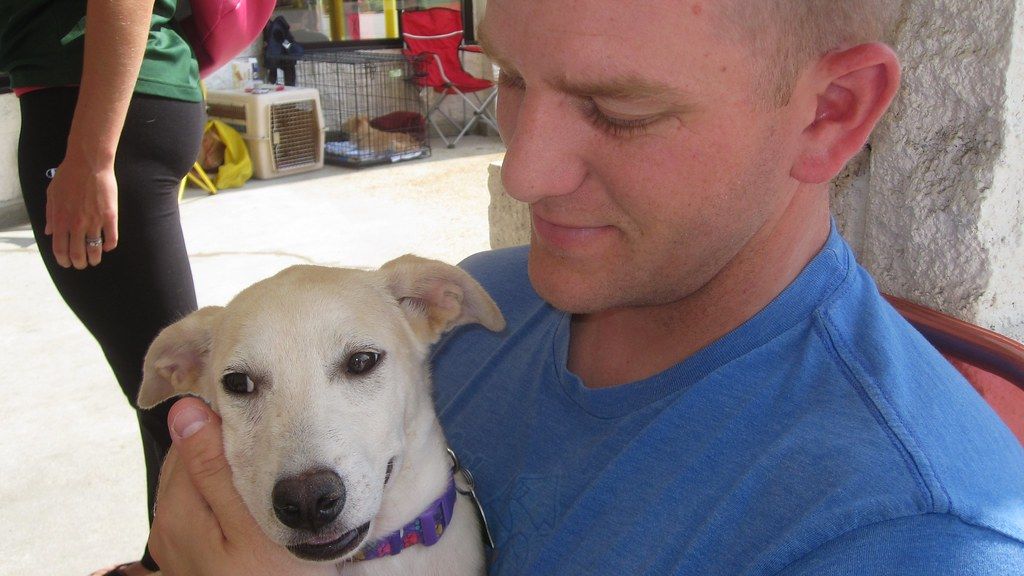
Every year, millions of dogs wait in shelters and rescues across the country, hoping for their second chance at happiness. Yet many people hesitate to get involved, unsure of how they can make a meaningful difference. The truth is that helping rescue dogs doesn’t always require a lifetime commitment.
Whether you’re considering opening your home to a new furry family member or simply want to help in other ways, there are countless opportunities to transform lives. From spending an afternoon walking dogs to providing foster care, every contribution matters. Let’s explore how you can become part of this incredible mission to save lives.
Start Small with Shelter Volunteering

Volunteering at your local rescue organization offers the perfect introduction to the world of dog rescue. Most organizations depend heavily on volunteers, and their ability to save lives is directly tied to the number of volunteers available at any given moment. You don’t need experience to get started.
The time commitment can be as little as an hour a month, and volunteer teams mainly work in support of weekend adoption events and transports. These opportunities let you interact with dogs while helping them find their forever homes. You can spend time with dogs outside, help with adoption appointments as a greeter or counselor, or assist with administrative projects.
Consider Fostering Before Committing to Adoption
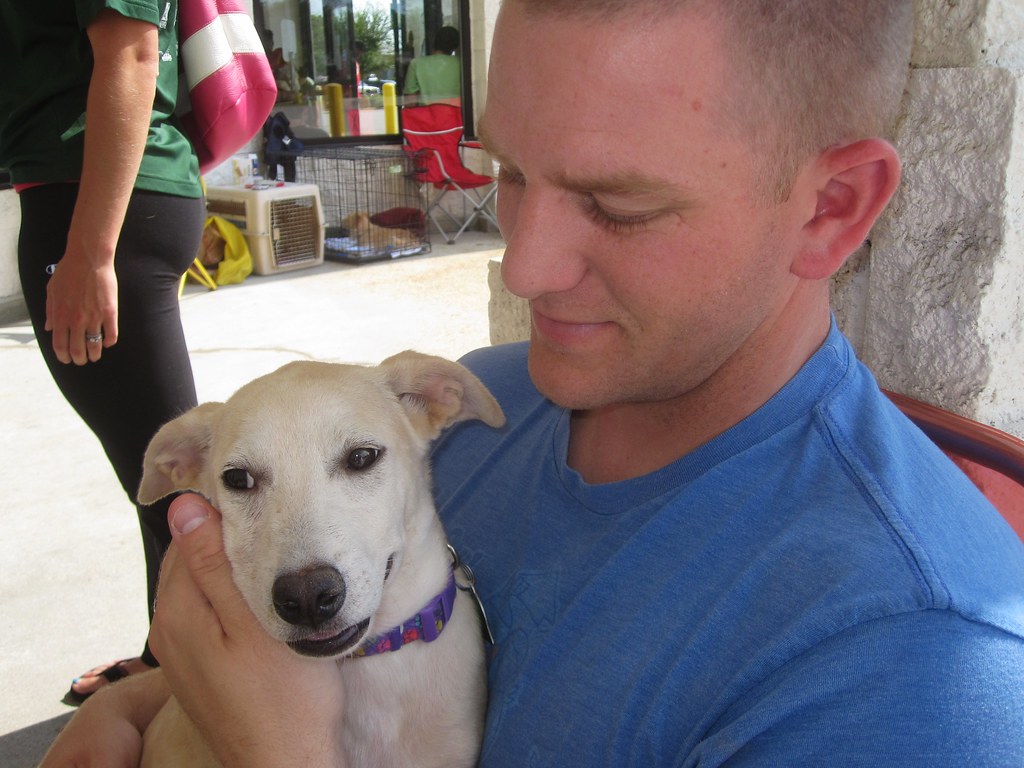
Fostering provides a temporary home for dogs who aren’t quite ready for adoption or need a break from shelter life. Fostering saves two lives: the dog you’re fostering and the one that can now be taken into rescue because a slot becomes available. This arrangement benefits everyone involved.
Foster programs give animals who aren’t yet ready for adoption a chance to live and be loved in foster homes. Many dogs simply need time to decompress, recover from medical procedures, or learn basic house manners. Even fostering for just a few nights helps pets while freeing up space in the shelter to save more lives.
Research and Prepare Before Adopting
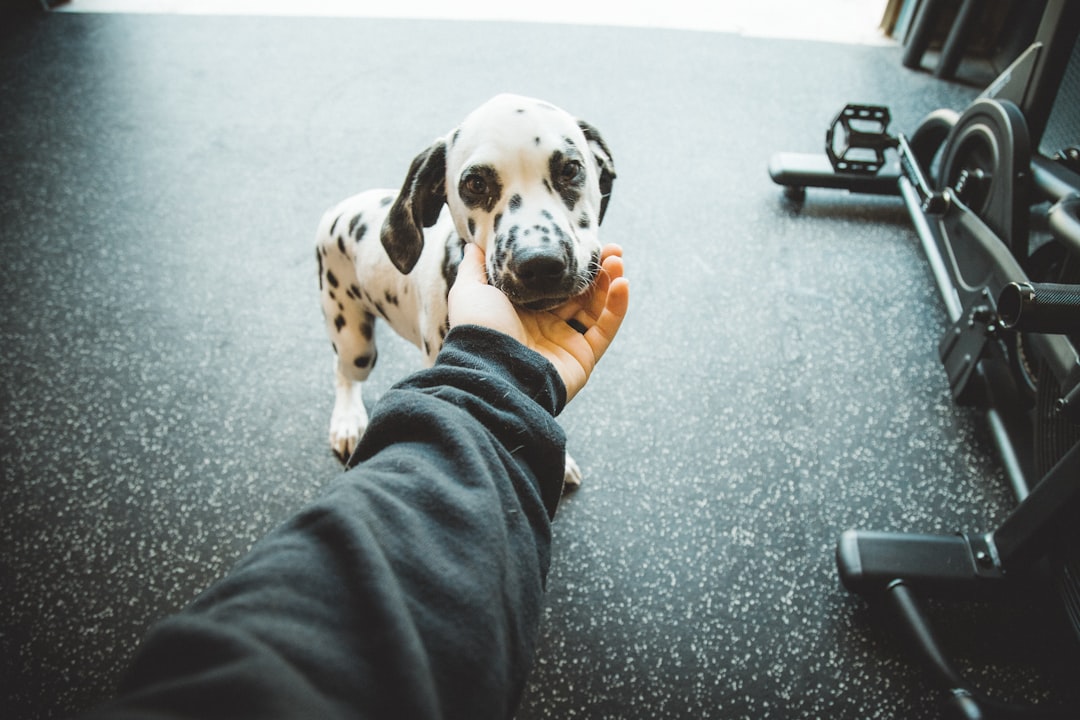
Just as if you were picking out a puppy, research different dog breeds to find out which one will most fit into your lifestyle, keeping in mind that most dogs from shelters will be a combination of breeds. Always ask lots of questions about breed, temperament, known history, and health, and be wary of rescues who try to guilt you into adopting a certain dog.
Have realistic expectations and be prepared to end up with a canine companion that doesn’t look exactly how you imagined, as there are so many dogs that need help. Keep expectations low to set your rescue up for success, as your dog will need training just like a puppy, and avoid comparing your new dog to previous pets.
Master the Critical First Week at Home

The first few days in your home are special and critical for a pet, as your new dog will be confused about where he is and what to expect, making clear structure paramount for a smooth transition. When you pick up your new dog, go straight home rather than stopping to visit friends or shop for supplies, allowing them to explore their new surroundings before additional interactions.
You should be prepared and have a quiet space set up that’s not in the central living area but not too far away from family. Many family and friends will want to meet your new pet, but try to minimize visitors during the first week or two, as adapting to a new household is difficult and becomes harder with the excitement of meeting lots of new people.
Build Long-term Bonds Through Training and Routine
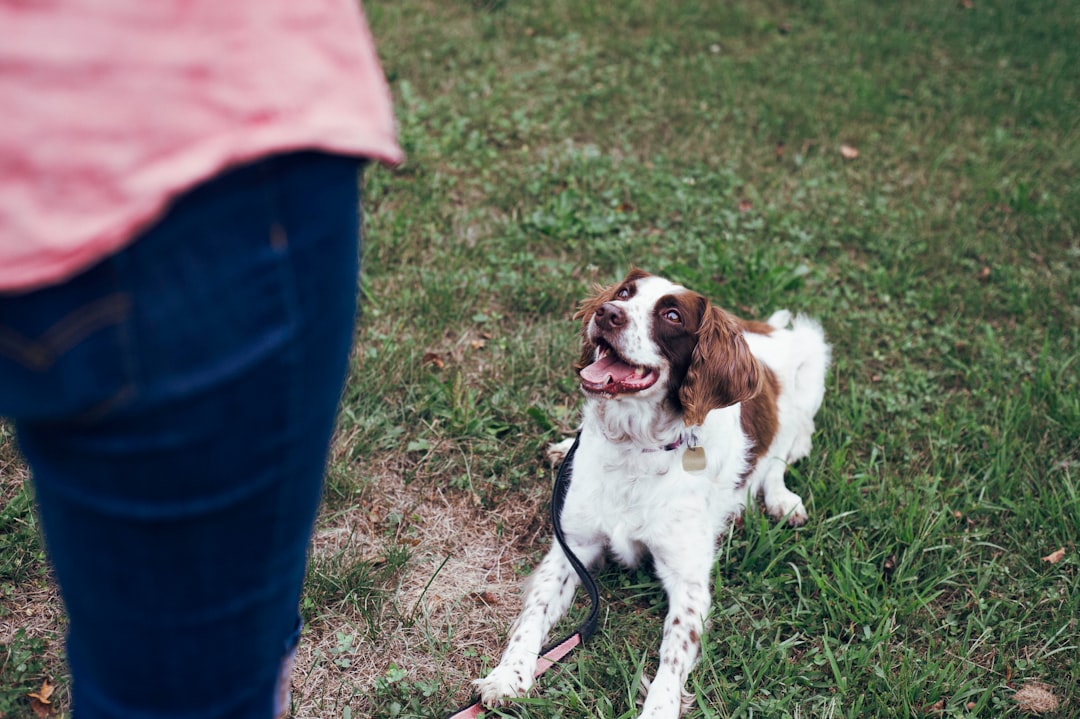
Training is a great way to establish a bond and set expectations, as dogs thrive with structure and clear boundaries, and early training can prevent behavioral problems while helping dogs feel secure in their new environment. Treat training using basic commands like sit, stay, and come works most effectively when you’re consistent with verbal cues, reward immediately, and keep sessions short and frequent.
The 3-3-3 rule helps gauge adjustment: expect anxiety and nervousness in the first 3 days, focus on building bonds through training in the next 3 weeks, and aim to solidify your long-term relationship within 3 months. Include playtime and training in your rescue’s daily routine, as showing reliability gives them comfort and lets them know they can depend on you.
Support Their Physical and Emotional Health
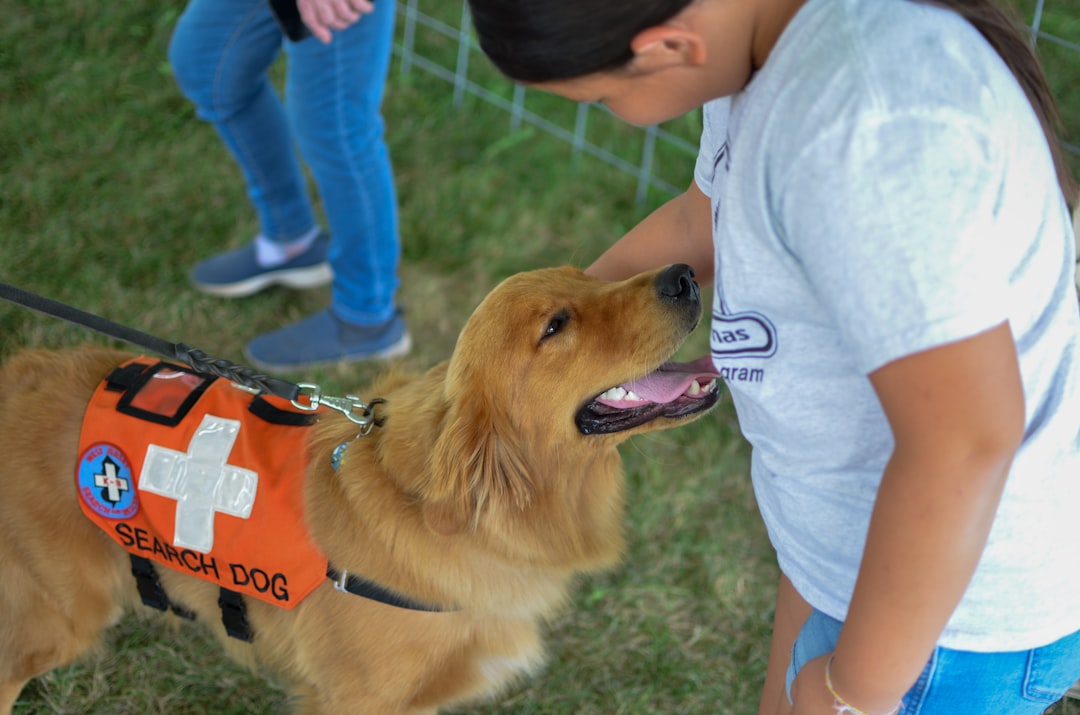
Take your dog for a veterinary checkup during the first week to get an up-to-date overview of their health and ensure they have all relevant vaccinations. Rescue dogs often come with histories that may include neglect, abuse, or abandonment, leading to significant emotional needs that require understanding and patience for their overall well-being.
Routine activities like grooming, walking, and playing strengthen your relationship while prioritizing reward-based interactions creates a safe and supportive environment. If you’re struggling to bond with your rescue dog or encountering behavioral issues, seek guidance from your vet or a professional dog trainer. Remember that every rescue dog deserves patience as they learn to trust again.
Working with rescue dogs requires dedication, but the rewards are immeasurable. Whether you choose to volunteer, foster, or adopt, you’re giving these deserving animals hope for a brighter future. The journey isn’t always easy, yet seeing a once-frightened dog transform into a confident, loving companion makes every challenge worthwhile. What’s your next step in helping rescue dogs find their happy endings?

- 12 Common Myths About Cats Debunked by Animal Experts - August 11, 2026
- The 15 Most Beautiful Cities in Europe - August 11, 2026
- 10 Fascinating Facts About The Secretary Bird You Never Knew - August 11, 2026