
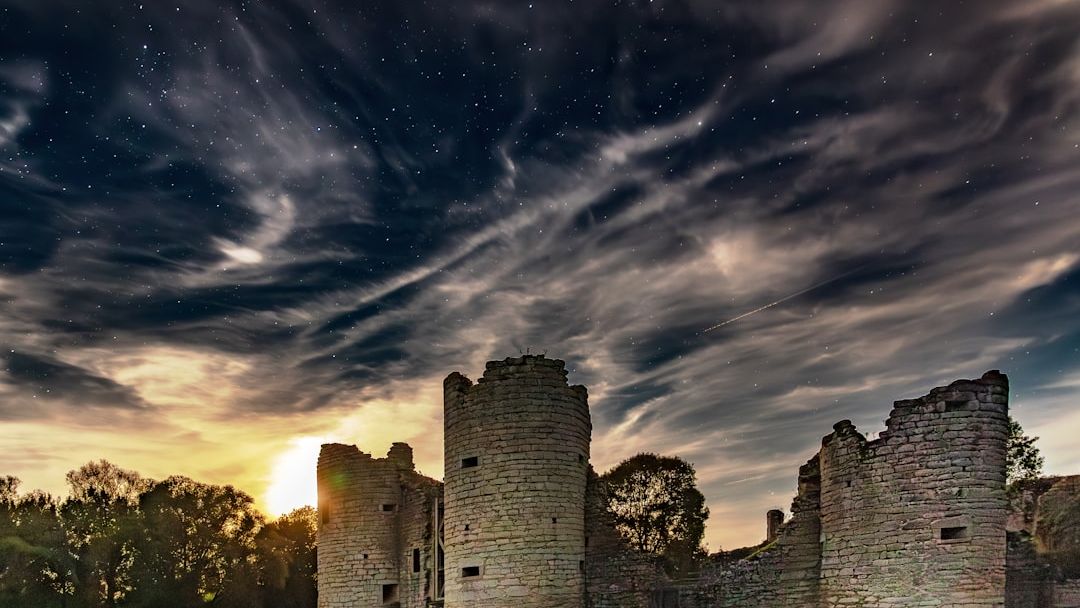
Picture this: ancient stone structures tucked into towering cliffs, mysterious empty dwellings that once buzzed with life, and stories that stretch back over a millennium. isn’t your typical wilderness destination. It’s a place where human ingenuity meets natural beauty, where archaeology comes alive, and where every stone tells a story.
This southwestern Colorado treasure holds secrets that archaeologists are still uncovering today. From its towering cliff dwellings to its mysterious abandonment, Mesa Verde offers far more than meets the eye. Let’s dive in and uncover eight fascinating facts that will completely change how you see this remarkable place.
It Was America’s First Cultural National Park
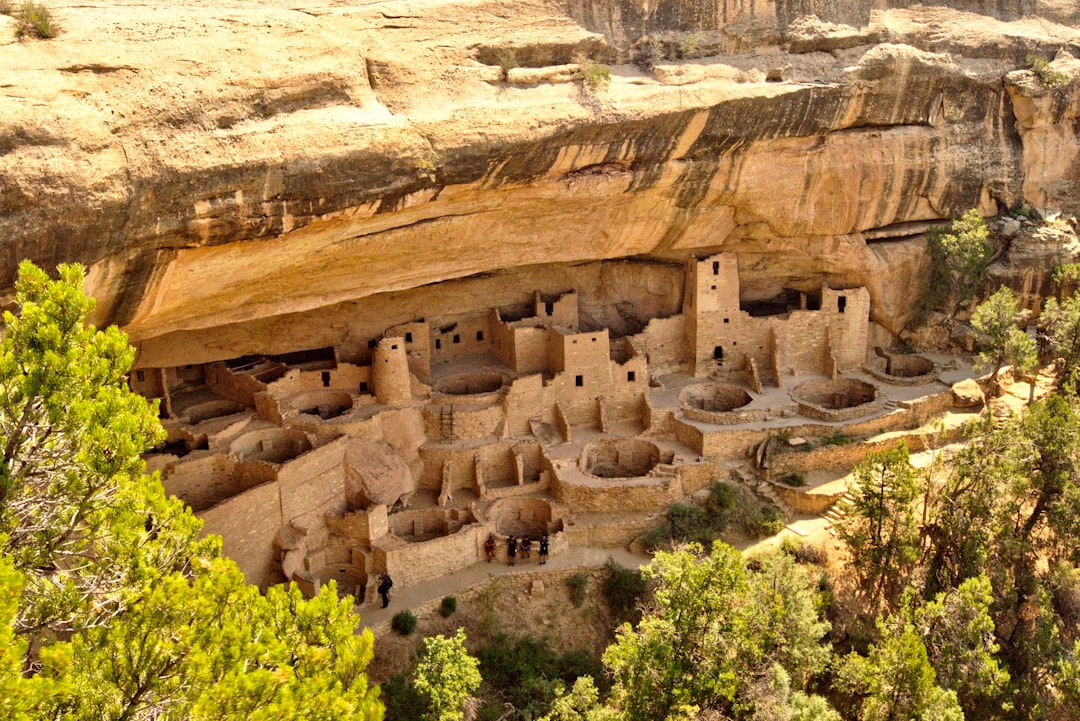
When President Theodore Roosevelt established Mesa Verde in 1906, he broke the mold completely. Mesa Verde became a national park in 1906. President Theodore Roosevelt created the park to preserve the iconic cliff dwellings. Unlike Yellowstone or Yosemite, which were set aside for their natural wonders, the park was an effort to “preserve the works of man” and was the first park created to protect a location of cultural significance.
This groundbreaking decision marked a shift in how America viewed preservation. Rather than just protecting pristine wilderness, the government recognized that human achievements deserved safeguarding too. It’s considered to be a cultural landscape, a historically significant property showing evidence of human interaction with the physical environment.
The Name Comes From Spanish Explorers, But It’s Actually Wrong
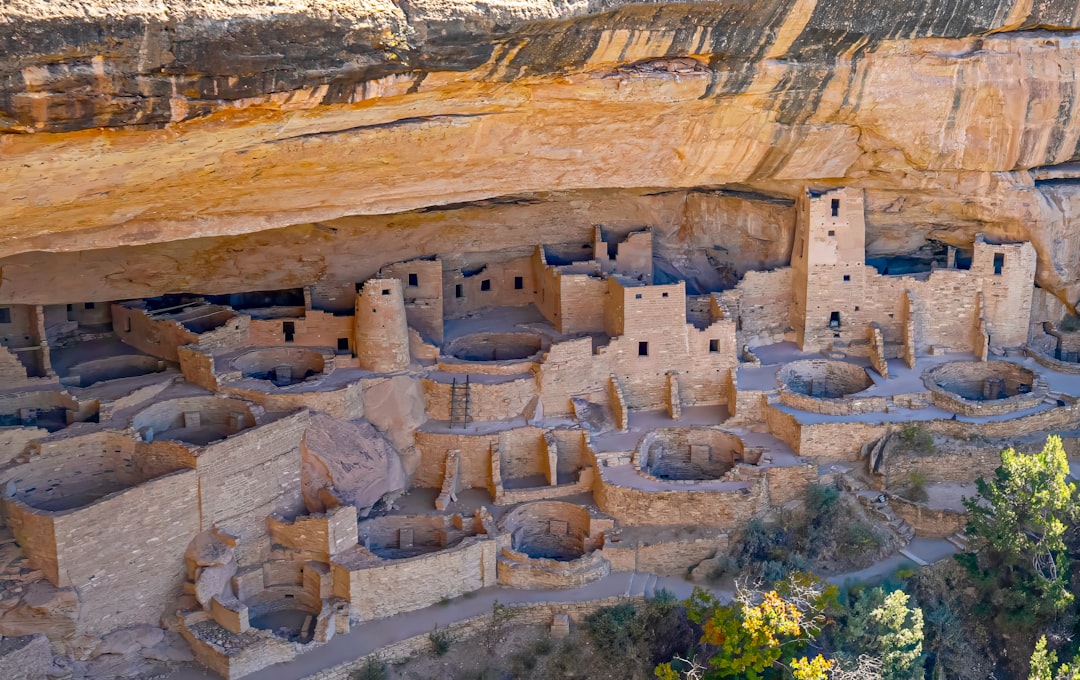
The park was named with the Spanish term for green table because of its forests of juniper and piñon trees. True to its name, Mesa Verde (“green table” in Spanish) offers sweeping plateaus and forested landscapes where early Pueblo people first settled on the mesa tops. However, there’s a geographical hiccup in this naming.
Although the area’s first Spanish explorers named the feature Mesa Verde, the term is a misnomer, as true mesas are almost perfectly flat. Because Mesa Verde is slanted to the south, the proper geological term is cuesta, not mesa. Still, the poetic name stuck, and honestly, “Cuesta Verde” just doesn’t have the same ring to it.
Cliff Palace Is North America’s Largest Cliff Dwelling
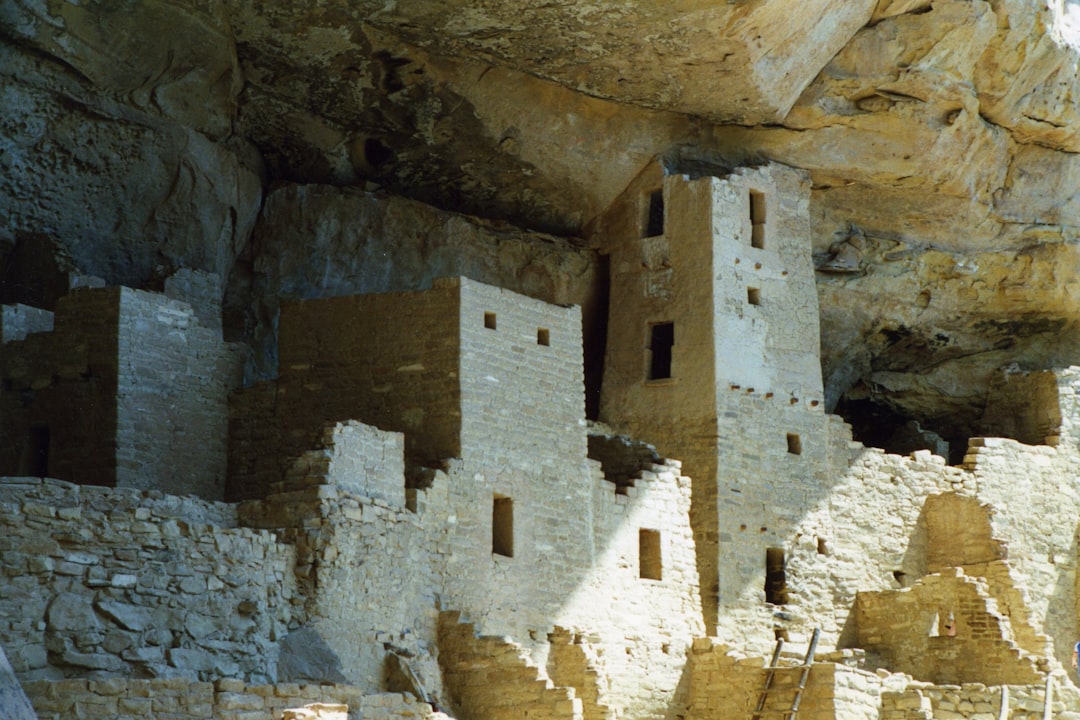
Cliff Palace is the largest cliff dwelling in North America. The structure built by the Ancestral Puebloans is located in in their former homeland region. This architectural marvel contains 150 rooms and 23 kivas, likely accommodating around 100 people.
What makes Cliff Palace truly exceptional isn’t just its size. Out of nearly 600 cliff dwellings in the park, most contain just 1–5 rooms, making Cliff Palace exceptional. Scholars believe it served not only as a residence but also as a social, administrative, and ceremonial center. The sheer scale suggests this wasn’t just a place to live but a community hub where important decisions were made and ceremonies held.
It’s Both a World Heritage Site and an International Dark Sky Park
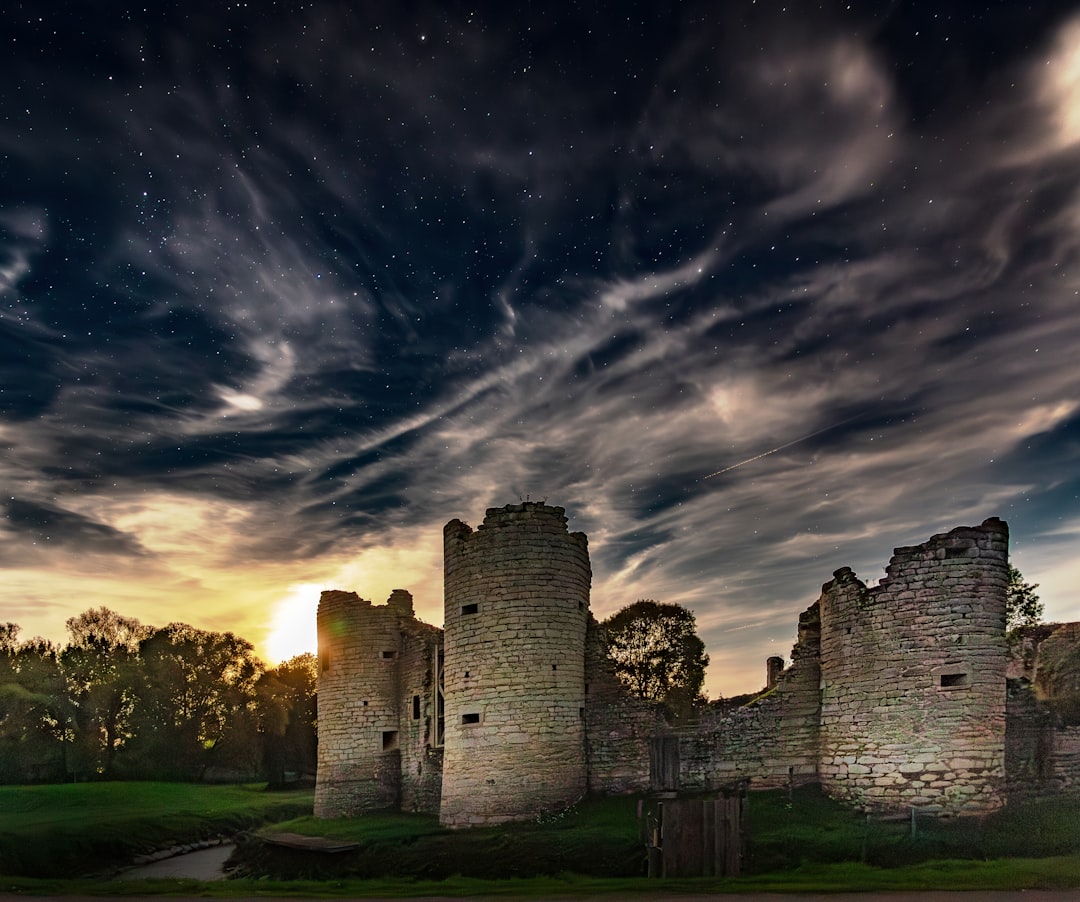
Mesa Verde became a United Nations Educational, Scientific and Cultural Organization (UNESCO) World Heritage Site in 1978. This prestigious designation places it alongside global treasures like the Pyramids of Egypt and Machu Picchu. A World Heritage site, Mesa Verde has been named “Number One Historic Monument in the World” by Condé Nast Traveler and “One of 50 Places to Visit in a Lifetime” by National Geographic.
More recently, In 2021, Mesa Verde was certified as an International Dark Sky Park, so you’re guaranteed to get gorgeous views of the heavens in this sacred place. This dual recognition means you can explore ancient ruins by day and gaze at pristine star-filled skies by night.
The Ancestral Puebloans Only Lived in the Cliff Dwellings for About 100 Years
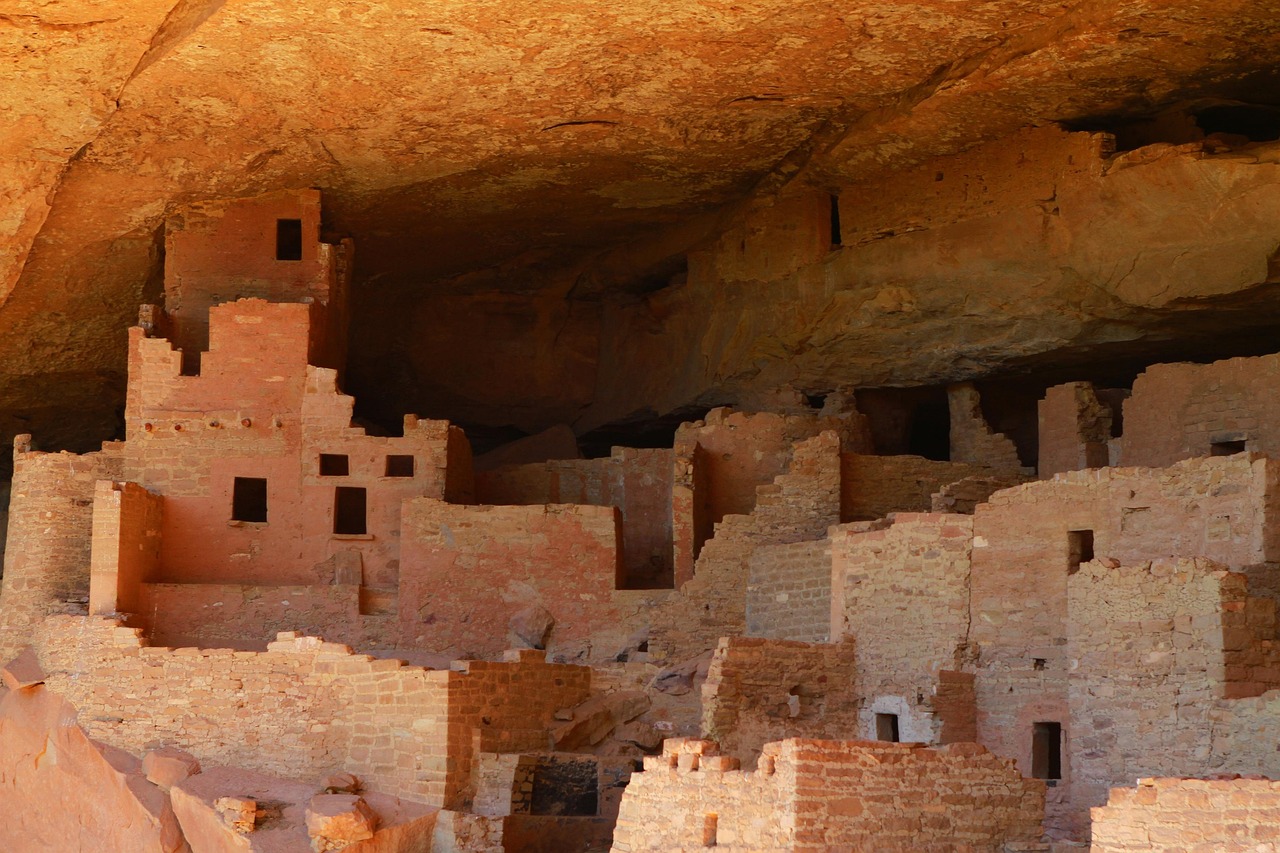
Here’s something that might surprise you: For over 700 years, the Ancestral Pueblo people built thriving communities on the mesas and in the cliffs of Mesa Verde. For over 700 years, the Ancestral Pueblo people thrived on this high desert mesa, building intricate stone dwellings and cultivating a life in harmony with the land. However, It wasn’t until the final century of their time here – between CE 1190 and CE 1300 – that they began building the cliff dwellings that define the park today.
By the late 1270s, change was on the horizon. Within a generation or two, the Ancestral Pueblo people began migrating south into present-day New Mexico and Arizona, leaving behind their remarkable homes. The magnificent structures we see today represent just a fraction of their time at Mesa Verde, yet they capture our imagination completely.
Two Determined Women Saved Mesa Verde From Destruction
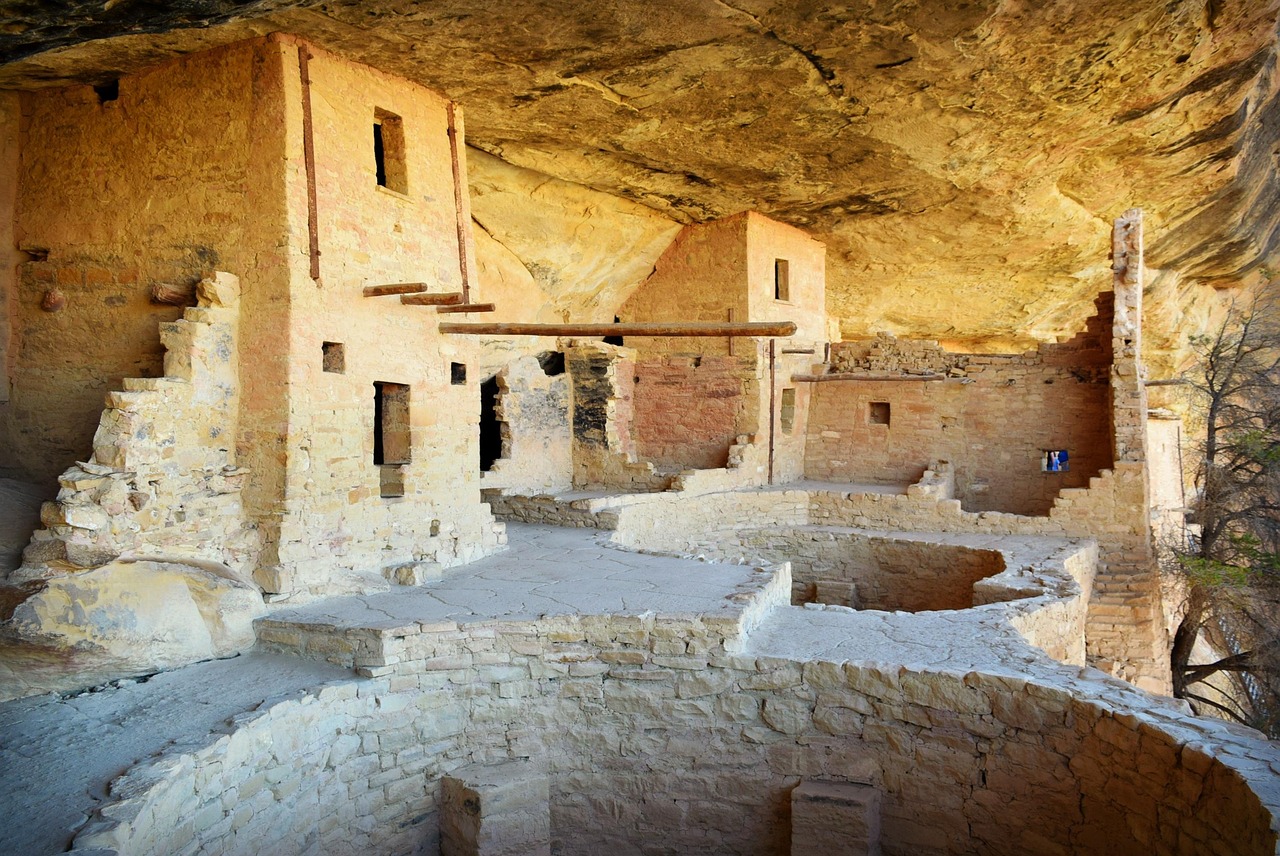
By the late 1800s, Mesa Verde was in serious trouble. In less than a decade after the discovery of the ruins by Charlie Mason and Richard Wetherell, Mesa Verde was in danger of being pillaged and destroyed by overzealous tourists and souvenir seekers. Artifacts were disappearing, walls were crumbling, and the site’s integrity was rapidly deteriorating.
Two women played an indispensable role in the protection of this important place. Their names were Virginia McClurg and Lucy Peabody. Virginia McClurg, in particular, became a fierce advocate. According to the National Park Service, the situation demanded a leader determined to stay the course in the face of setbacks and public apathy. Previous efforts to stem the destruction had failed. Without their relentless campaigning, we might have lost these treasures forever.
The Park Contains Over 4,700 Archaeological Sites
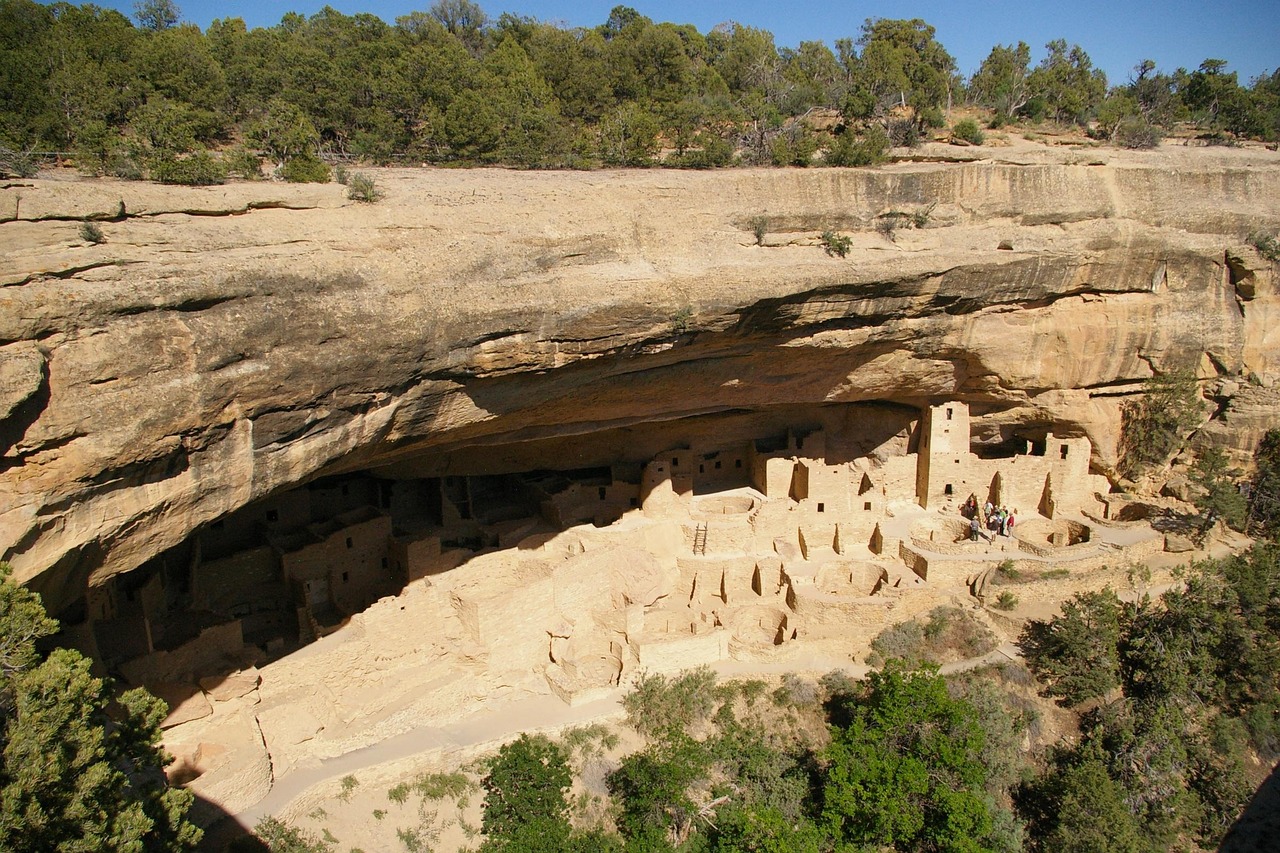
With more than 4,700 archaeological sites and 600 cliff dwellings, Mesa Verde is more than a national park – it’s a living story etched in stone. This staggering number makes it the largest archaeological preserve in North America and an integral part of the Southwest’s Grand Circle region.
These sites aren’t all cliff dwellings either. Including more than 4,000 known archeological sites dating back to A.D. 550, this national treasure protects the cliff dwellings and mesa top sites of pit houses, pueblos, masonry towers, and farming structures of the Ancestral Pueblo peoples who lived here for more than 700 years. Each site offers another piece of the puzzle about how these remarkable people lived and thrived.
The Mystery of Why They Left Remains Unsolved
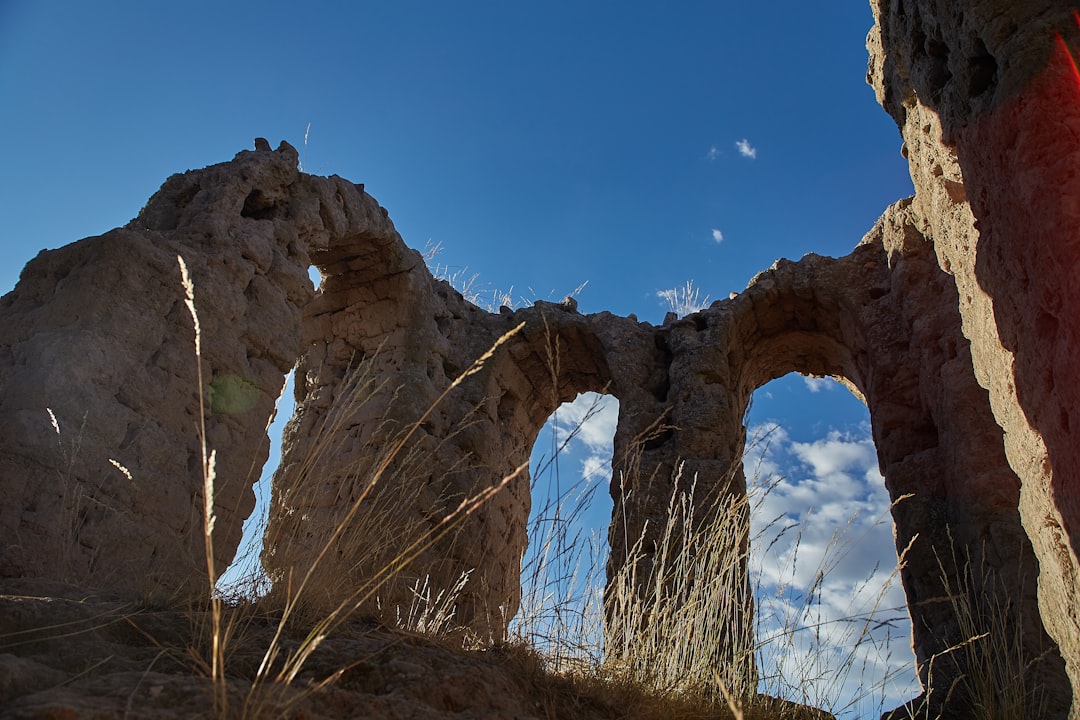
Mesa Verde was likely deserted by 1300. No one is quite sure why. Some researchers blame crop failures. This enduring mystery continues to fascinate archaeologists and visitors alike. The area experienced a great drought in the late 1200s. By the end of that century most of the people had left Mesa Verde. Experts think that they moved south, into what is now New Mexico and Arizona.
Though their departure remains a subject of study, what remains is a profound and enduring sense of place – one that continues to inspire awe in all who visit. Perhaps that’s part of Mesa Verde’s magic. Even without all the answers, the stones themselves tell a story of human resilience, creativity, and adaptation that speaks across the centuries.
Conclusion
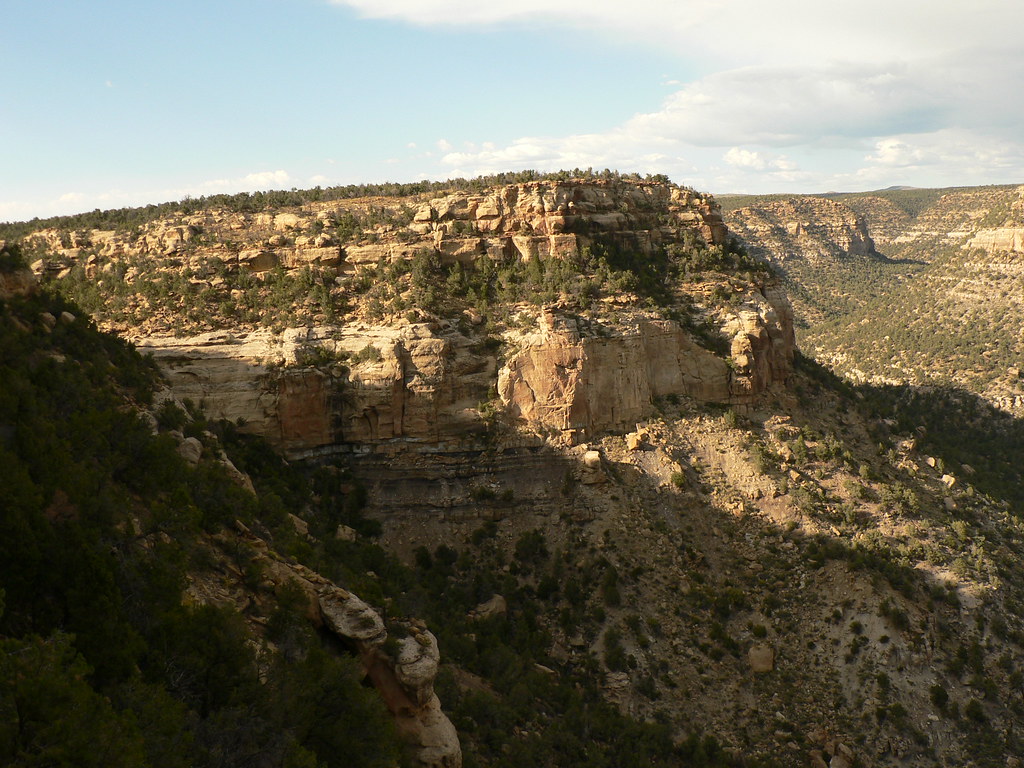
stands as a testament to human ingenuity and the importance of preserving our shared heritage. From its groundbreaking status as America’s first cultural park to its mysterious abandonment, these eight facts reveal just how extraordinary this place truly is.
Whether you’re drawn by the architectural marvels of Cliff Palace, intrigued by the unsolved mystery of the Ancestral Puebloans’ departure, or simply want to stargaze under some of the darkest skies in America, Mesa Verde offers something profound. What fascinates you most about these ancient dwellings? Share your thoughts in the comments below.

- 10 Ancient Ruins Hidden Deep Inside Dangerous Landscapes - August 12, 2026
- 15 Dog Breeds That Are Surprisingly Good with Cats (and 5 to Avoid) - August 12, 2026
- Why Some Dog Breeds Form Unbreakable Bonds with Their Human Families - August 12, 2026