
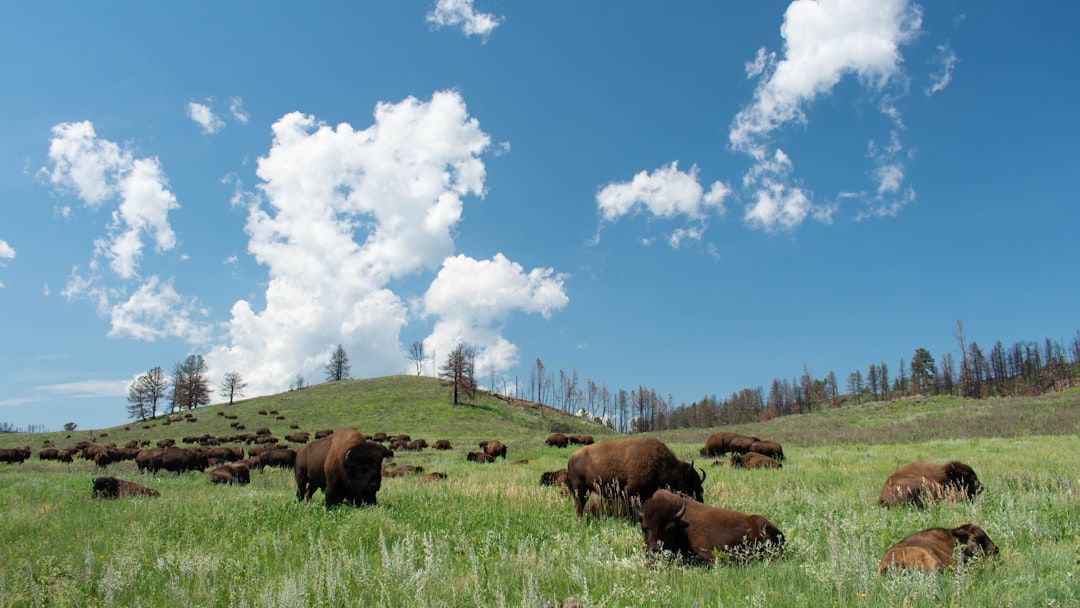
From towering mountain sculptures to mysterious underground wonders, holds some of America’s most captivating landmarks. This Great Plains state might surprise you with its dramatic landscapes, rich Native American heritage, and fascinating geological features that span millions of years of history. The stark badlands meet the sacred Black Hills, while ancient caves hide beneath rolling prairies dotted with massive bison herds.
Every corner of tells a unique story, from the dreams carved in granite to the fossil treasures buried deep underground. Let’s explore these remarkable destinations that make the Mount Rushmore State truly unforgettable.
Mount Rushmore National Memorial
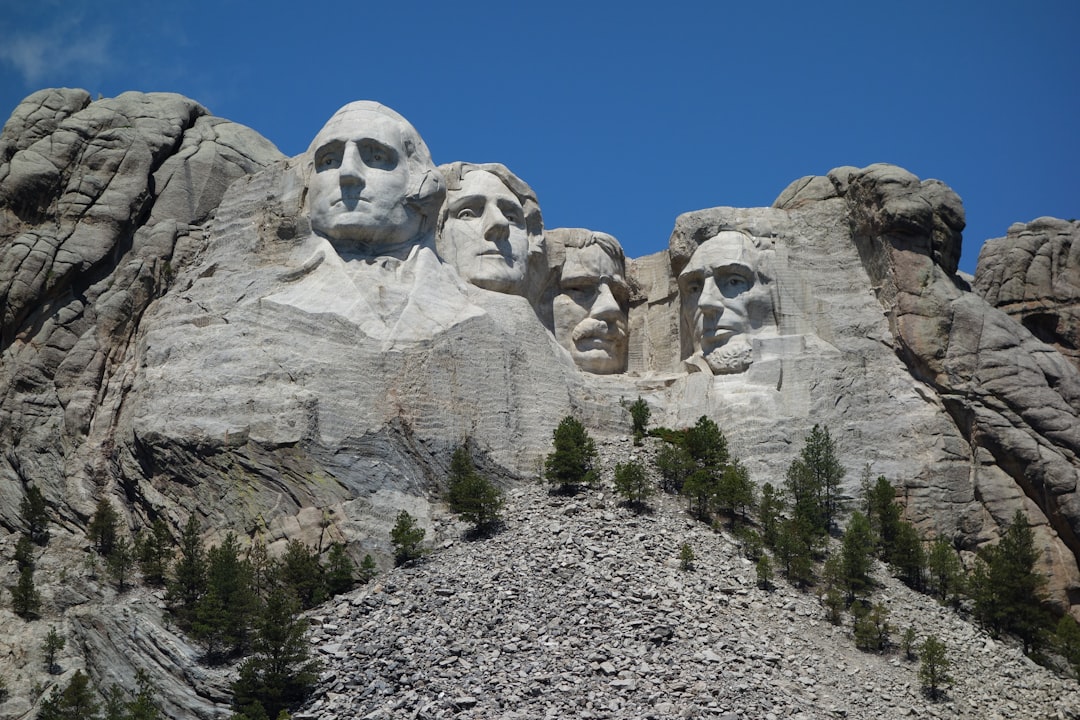
This colossal sculpture showcases the iconic faces of four former U.S. presidents intricately carved into a mountain ‘s Black Hills. The 60-foot-tall profiles of George Washington, Thomas Jefferson, Theodore Roosevelt and Abraham Lincoln were intended to represent the first 150 years of America’s history and cultural heritage. There’s something genuinely breathtaking about seeing these enormous faces emerge from the granite mountainside.
If you only have time to visit one of these wonderful places, I would suggest Mount Rushmore. Mount Rushmore is iconic. Everyone should visit at least once in their lifetime. The sheer scale becomes apparent when you realize each eye measures eleven feet across, making every detail a masterpiece of engineering and artistry.
Crazy Horse Memorial
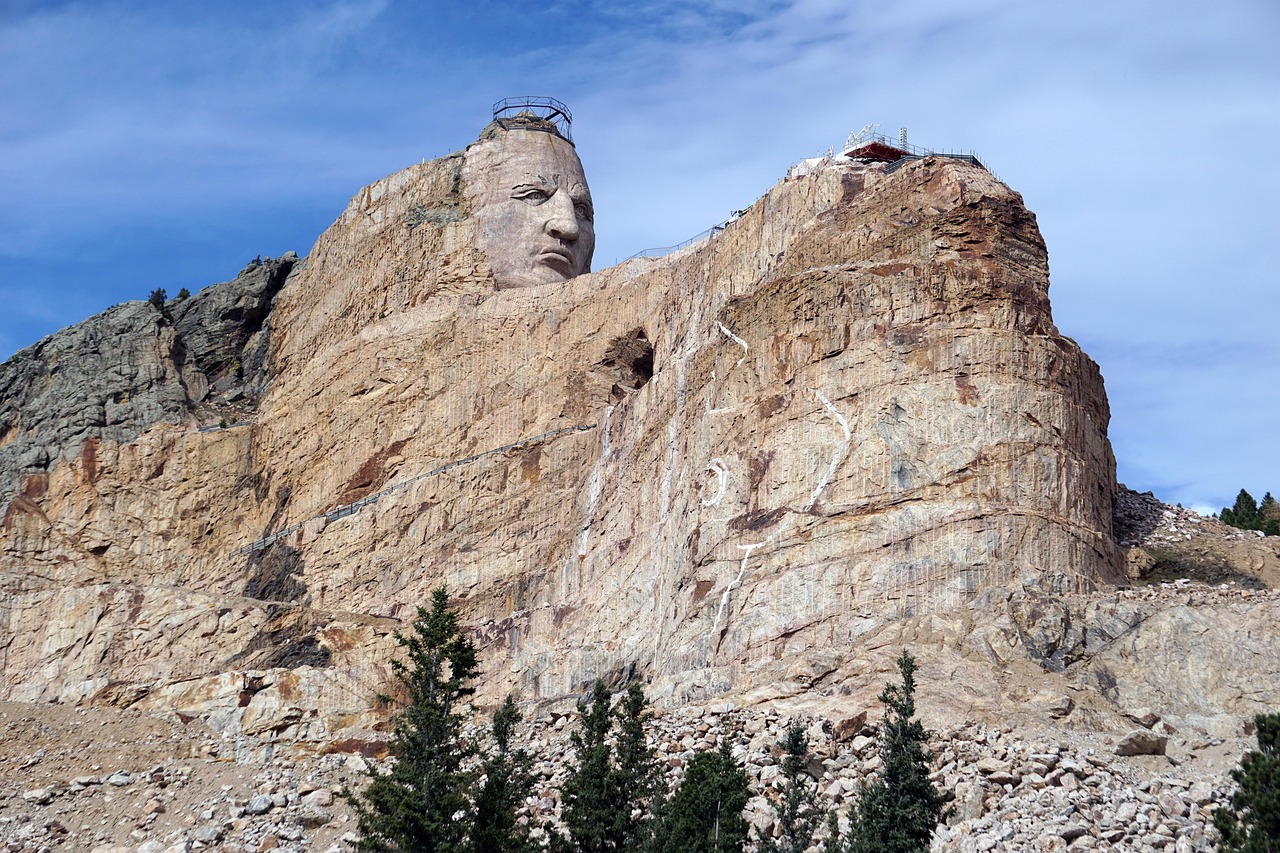
The Crazy Horse Memorial is a mountain monument under construction on privately held land in the Black Hills, in Custer County, South Dakota, United States. It will depict the Oglala Lakota warrior Crazy Horse, riding a horse and pointing to his tribal land. The sculpture’s final dimensions are planned to be 641 feet (195 m) long and 563 feet (172 m) high.
The monument has been in progress since 1948 and is far from completion. The Memorial Foundation finances the project by charging fees for its visitor centers, earning revenue from its gift shops, and receiving private contributions. This ambitious undertaking represents more than just stone carving; it stands as a tribute to Native American culture and resilience.
Badlands National Park
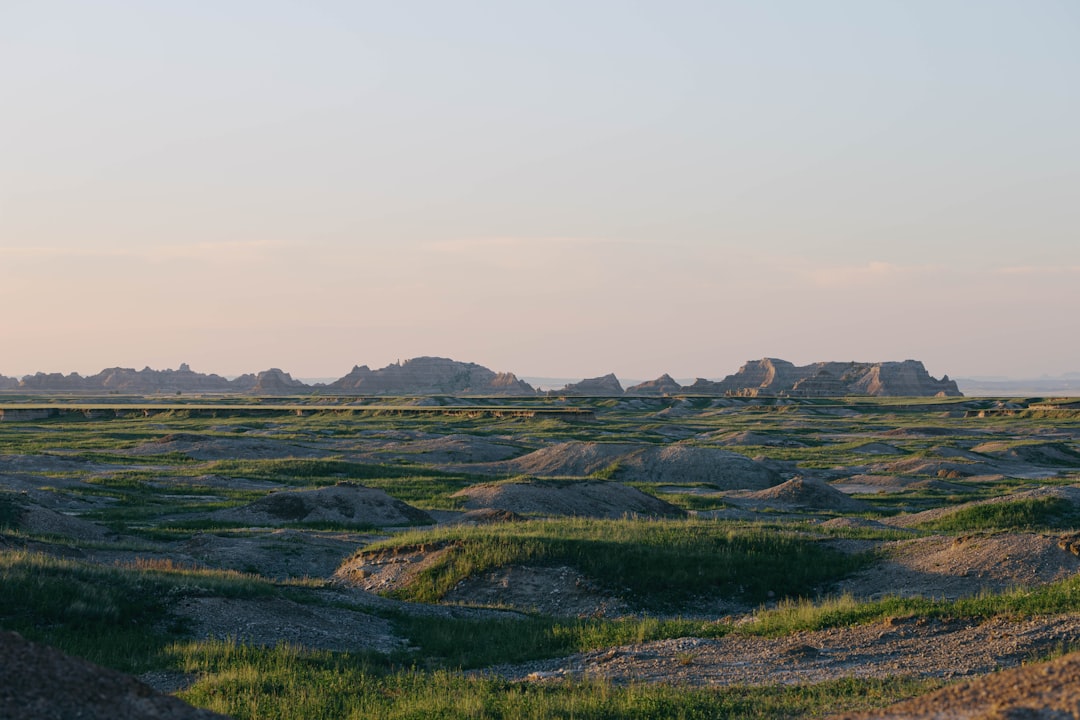
Badlands National Park is a vast wilderness of jagged buttes, spires and pinnacles, mixed-grass prairies, and the world’s richest trove of fossils from the Oligocene epoch, estimated at 23 to 35 million years old. Around a million visitors a year come to Badlands National Park to view its distinctive rock formations, teeming wildlife and wide-open skies.
The landscape at Badlands is otherworldly. It is incredible to be driving along what seems like an ordinary grassland, only to turn a corner and discover you are on a 500 foot cliff. The erosion carved cliff faces expose a rainbow of unexpected colors and patterns, which continue to erode “rapidly” at the pace of around an inch per year. Each layer tells a story spanning millions of years of geological history.
Wind Cave National Park
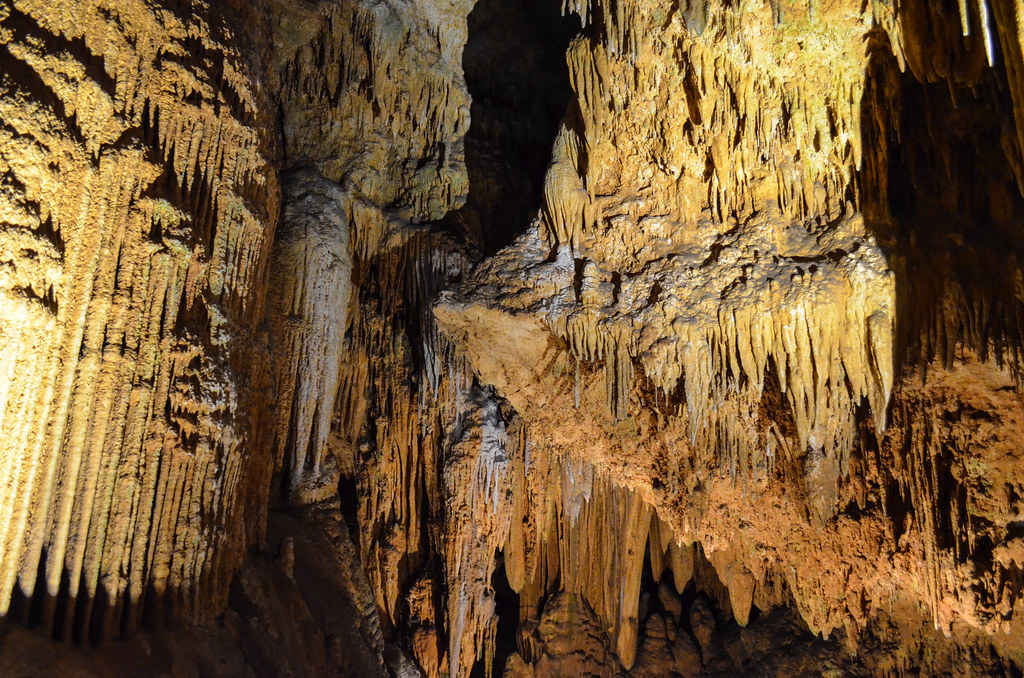
The first cave to be designated a national park, Wind Cave features the world’s largest concentration of rare boxwork formations below ground and a 33,970-acre wildlife sanctuary on the surface. While it does have some stalagmites and stalactites, Wind Cave’s star attraction is its boxwork, spectacular honeycomb-like calcite formations. The only way to see them up close and personal, though, is via a ranger-led tour.
One of the oldest national parks in the U.S., the park was established in 1903 to protect the caves, which were discovered in 1881 by two brothers, Tom and Jesse Bingham, who were drawn to the cave by a whistling sound. It was the world’s first national park to protect a cave. The underground wilderness continues to amaze visitors with its intricate passageways and unique mineral formations.
Custer State Park
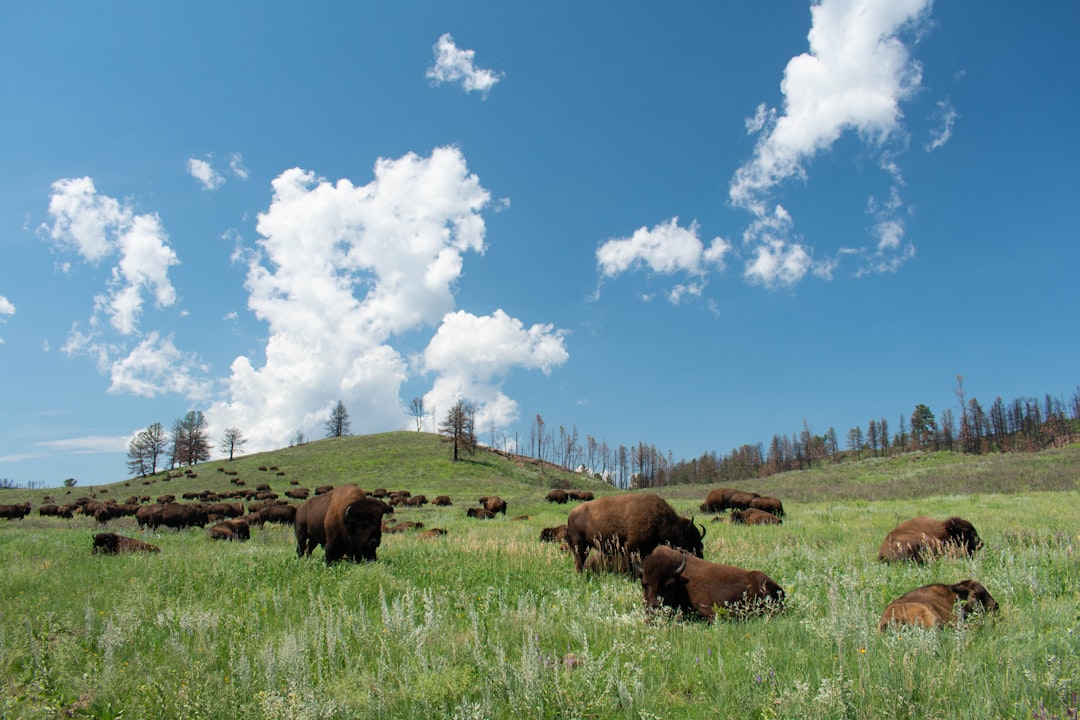
Custer State Park: A large and diverse natural area with wildlife, hiking, swimming and spectacular landscapes. Drive the park’s Wildlife Loop to see prairie dog towns, a large bison herd, burros that wander along the road, bighorn sheep, elk and other animals. This state park offers one of the best opportunities to see American bison in their natural habitat.
Finally, no visit to Custer State Park is complete without driving the Needles Highway. This 14-mile road through the Black Hills is nothing short of spectacular, winding through colorful forests, narrow tunnels, and namesake granite ‘needle’ rock formations. The park encompasses over 71,000 acres of pristine wilderness and serves as home to approximately 1,300 free-roaming bison.
The Mammoth Site
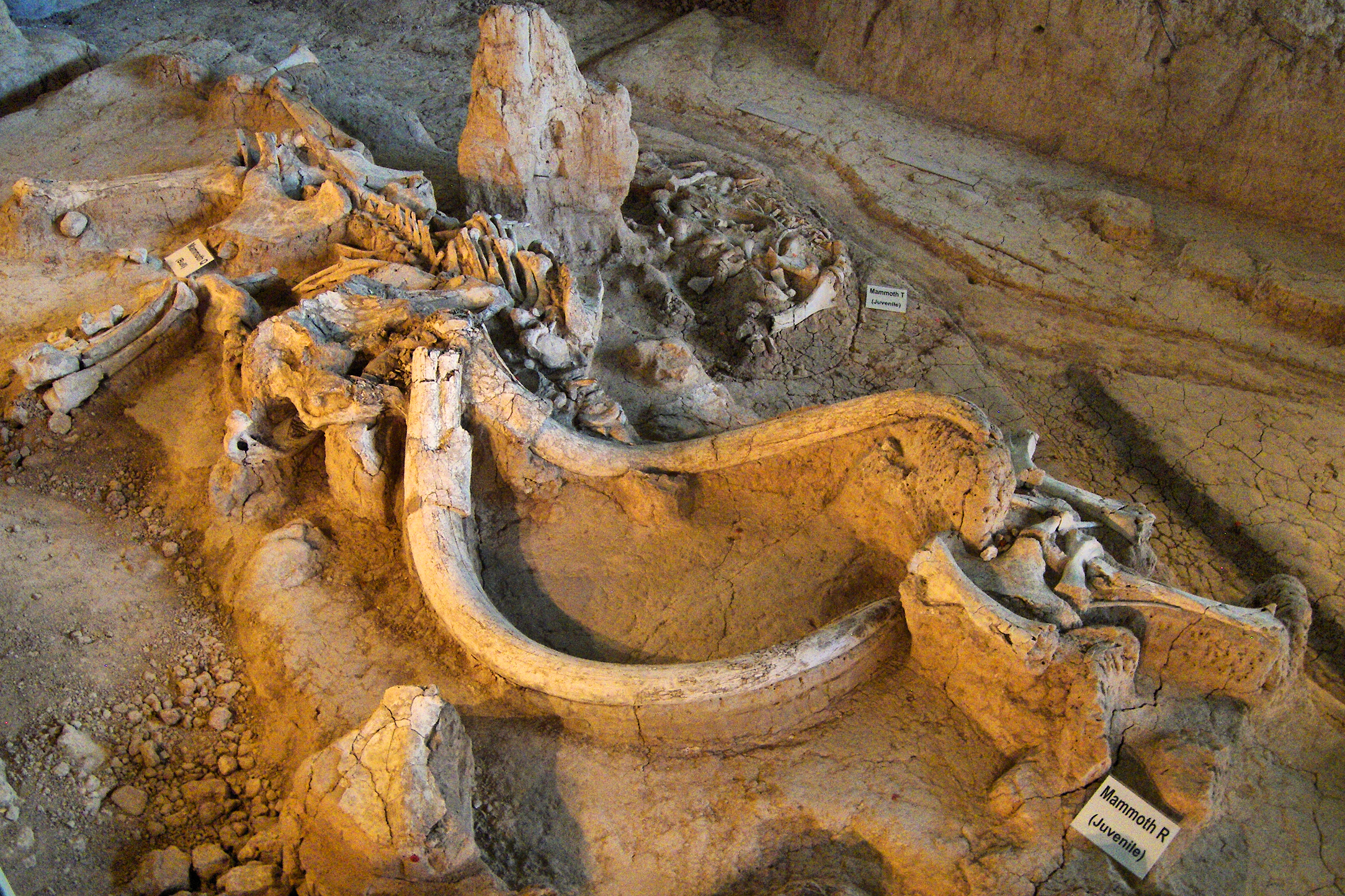
The Mammoth Site is an indoor active paleontological dig site and accredited museum in the southern Black Hills that’s fun for the whole family. Travel back in time as you walk the edges of the sinkhole where over 60 mammoths (58 Columbian, 3 woolly) and at least 87 other species became trapped more than 140,000 years ago and are now unearthed during the summer dig season by our team of paleontologists.
It’s the largest concentration of mammoth remains in the world. It’s the Mammoth Site, located in the Black Hills of South Dakota. The Mammoth Site was discovered in 1974 by George Hanson while bulldozing the hill for an apartment subdivision. Visitors can watch active excavation work and even participate in mock digs.
Deadwood Historic District
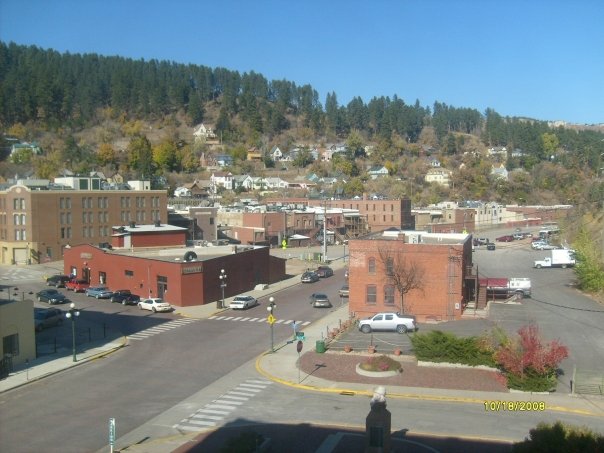
The town was founded in 1876 after discovering gold nearly and, for three years, was a popular site for digging and merchants involved with the trade. The entire town is a National Historic Landmark, known for preserving architecture and sites from the Gold Rush-era. This legendary frontier town maintains its wild west atmosphere through carefully preserved buildings and streets.
People often use the words ‘grit’ and ‘determination’ to describe Deadwood. This famous South Dakota landmark is exactly that: a gritty 1870s Gold Rush town that successfully plays up its – let’s call it colorful – history. The entire town is a National Historic Landmark, containing picturesque streets lined with century-plus-old buildings. Wild Bill Hickok and Calamity Jane both called this place home during their legendary days.
Jewel Cave National Monument
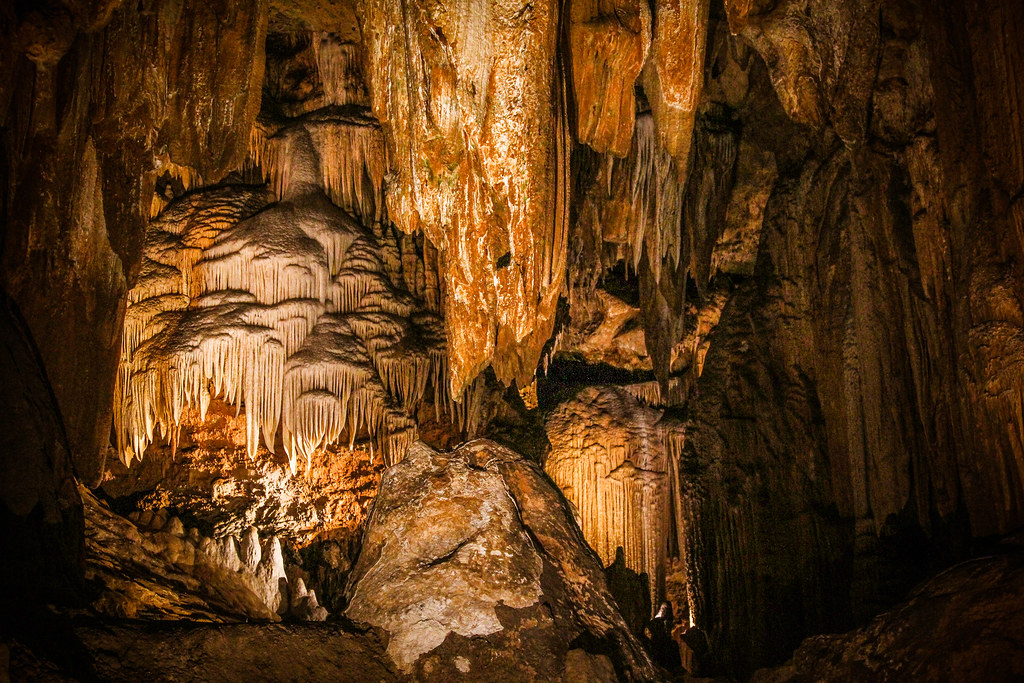
Immerse yourself in one of the longest caves in the world. With over 218 miles of mapped and surveyed passages, this underground wilderness appeals to human curiosity. Jewel Cave National Monument is the third-longest cave in the world with over 218 miles of explored passageways. The cave continues to be actively explored and extended. The name derives from the early discovery of calcite crystals forming within it, referred to as jewels.
Standard scenic tours take about 90 minutes and involve climbing more than 700 steps, so be prepared for moderate to strenuous exercise. Other, longer tours are also available, including a historic lantern tour and a multi-hour wild caving tour. The sparkling calcite formations create a magical underground environment that continues to reveal new passages each year.
Lewis & Clark Recreation Area
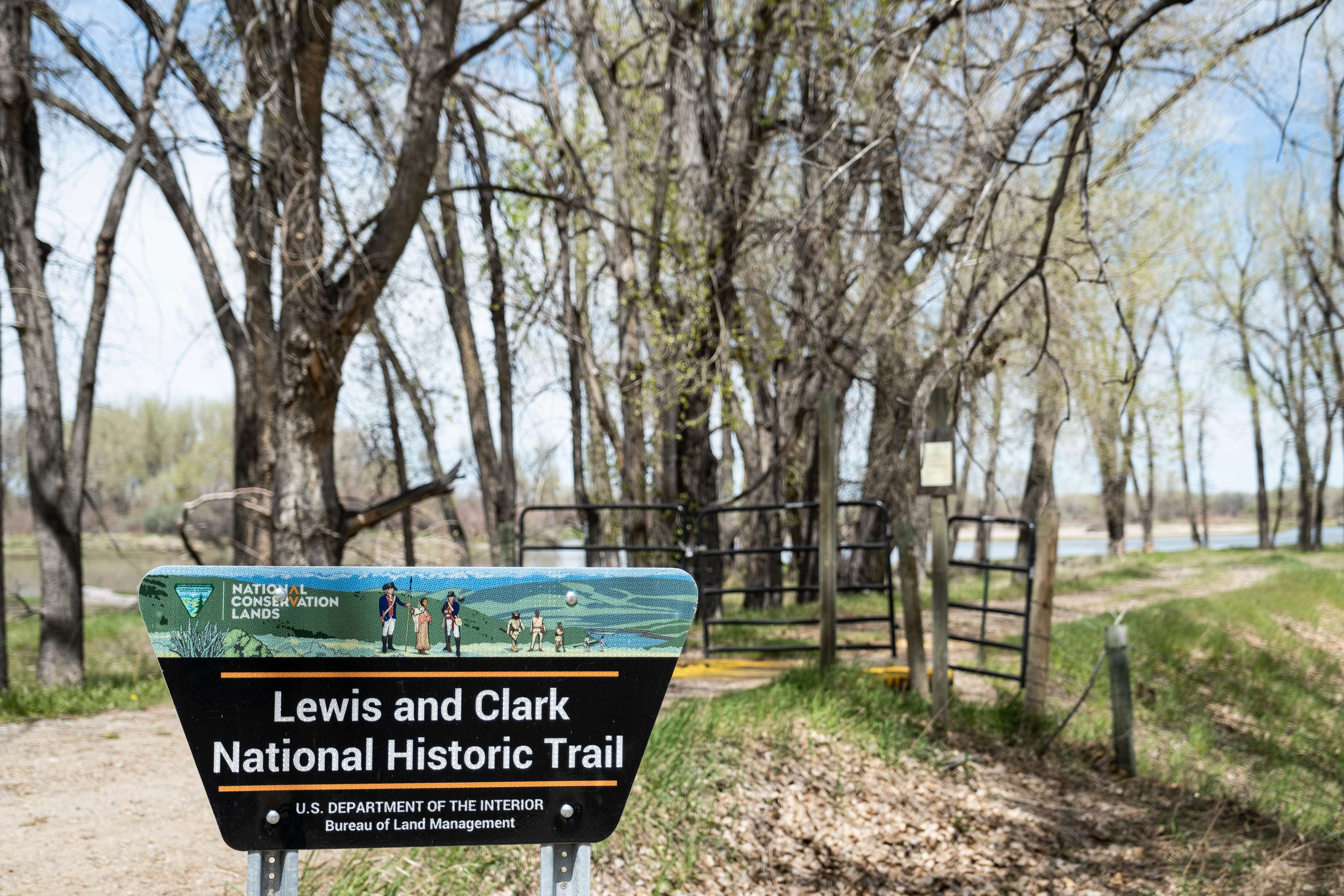
Lewis & Clark Recreation Area is a popular camping area located in the Southeast region of South Dakota. It’s a major Missouri River Reservoir formed from Gavins Point Dam, established in 1966 along the northern shore to the Lewis and Clark Lake. This massive recreation area commemorates the famous expedition that opened the American West.
The Lewis & Clark Recreation Area includes three designated campgrounds “” Gavins Point Section, Yankton Section, and Midway Section. The various sections combine to host over 400 campsites. The sites include waterfront locations to give great views of the lake and easy access to explore some of the region’s wildlife. The reservoir stretches for miles, offering excellent fishing, boating, and water sports opportunities along the historic Missouri River.
Spearfish Canyon
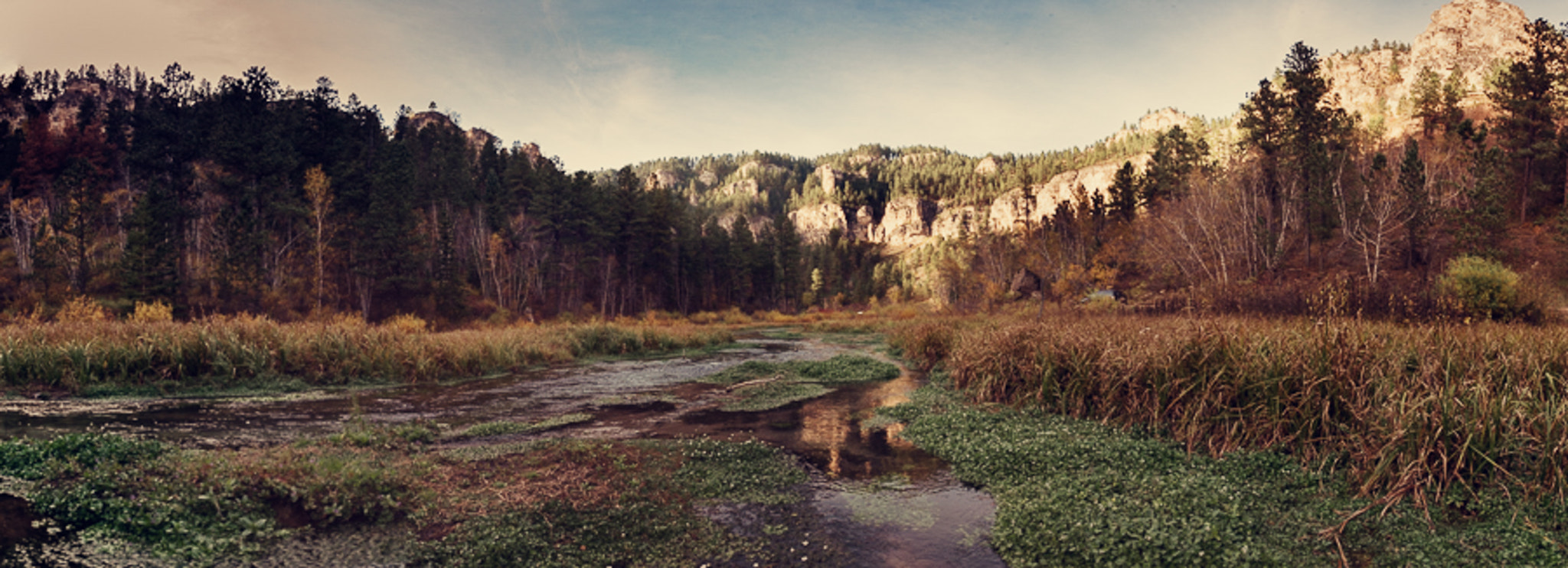
This dramatic limestone canyon stretches for nearly twenty miles through the northern Black Hills, creating one of South Dakota’s most scenic drives. The canyon walls rise several hundred feet on both sides, carved over millions of years by Spearfish Creek. Towering limestone cliffs, dense forests of aspen and birch, and cascading waterfalls create an almost mystical atmosphere that changes dramatically with the seasons.
During autumn, the canyon transforms into a spectacular display of golden yellows and brilliant reds as the deciduous trees change color. Bridal Veil and Roughlock Falls provide perfect photo opportunities and short hiking destinations. The winding canyon road offers numerous pullouts where visitors can stop to admire the soaring cliffs and listen to the peaceful sounds of the creek below.
South Dakota’s iconic landmarks reveal a state far more diverse and captivating than many people expect. From the monumental faces of Mount Rushmore to the mysterious depths of ancient caves, each destination offers its own unique perspective on American history, natural beauty, and cultural significance. These landmarks represent everything from geological wonders millions of years in the making to human achievements that required decades of dedication and vision.
Whether you’re drawn to the ongoing story of Crazy Horse Memorial, the fossil treasures of the Mammoth Site, or the wild beauty of the Badlands, South Dakota provides experiences that will leave lasting impressions. What surprised you most about these remarkable destinations?

- 10 Amazing Facts About Finches That Make Birdwatchers Love Them - August 13, 2026
- 10 Signs Your Dog Might Be Happier Than You Think They Are - August 13, 2026
- 5 Steps to Build a Wildlife Pond for Your Garden - August 13, 2026