
When most people think of intelligent animals, their minds immediately jump to primates swinging through trees or marine mammals performing acrobatic tricks in the ocean. Yet the natural world is filled with countless creatures whose remarkable cognitive abilities would leave you speechless. From master strategists who use deception to survive, to problem solvers that rival human children in their reasoning skills, these animals prove that intelligence comes in many fascinating forms.
The creatures on this list have all demonstrated extraordinary mental capabilities through rigorous scientific testing and careful observation in the wild. Each has evolved unique cognitive skills that help them navigate complex challenges, adapt to changing environments, and even outsmart other species including, occasionally, humans themselves. Let’s dive into the remarkable world of animal intelligence beyond the usual suspects.
Octopuses: The Alien Geniuses of the Ocean
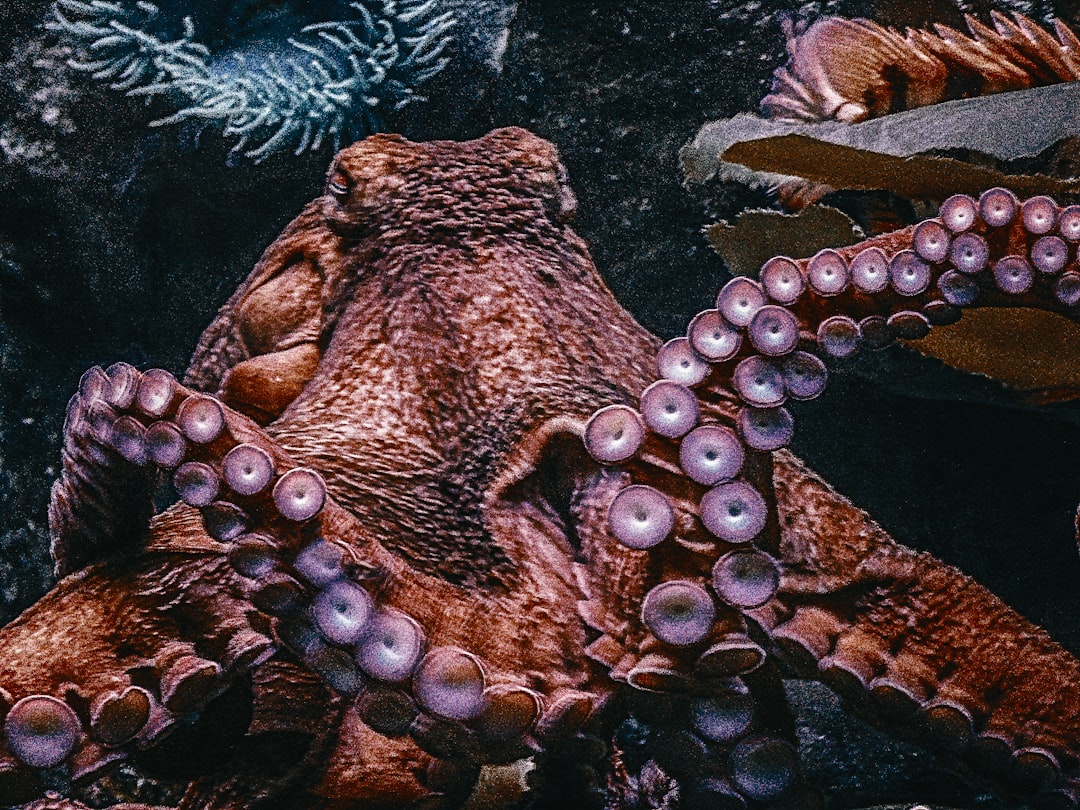
Not only does the octopus have the largest brain of any invertebrate and share complex human brain features such as folded lobes, but about two-thirds of their neurons are actually in their arms! These eight-armed marvels represent a completely different evolutionary path to intelligence, having evolved remarkable cognitive abilities entirely separately from vertebrates.
A video captured an octopus pulling two halves of a coconut shell, which it later uses as shelter. The intelligent animal knows the shells will come in handy at a future date. Octopi are known to use tools, such as one kept in an aquarium that threw rocks and sprays water at the overhead lights to break them, and another filmed scooping up halved coconut shells to use as protection. Other signs of intelligence include the smarts to screw the lid off a jar, and quickly navigate their way through mazes.
Ravens and Crows: The Feathered Einsteins
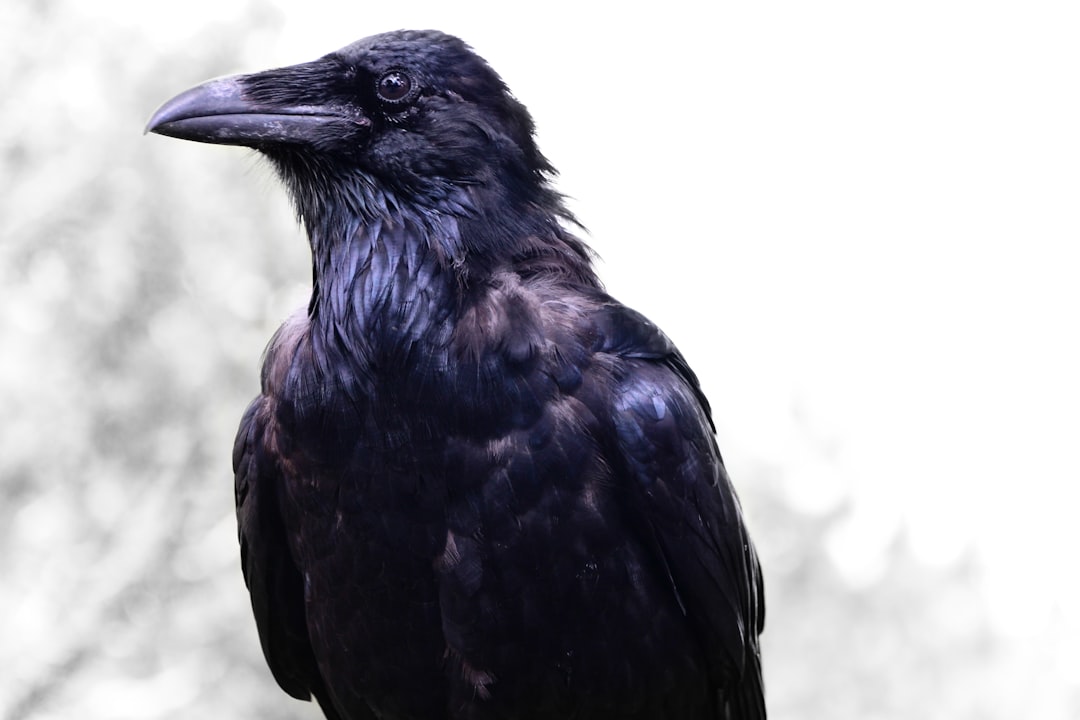
Crows have demonstrated abilities to create tools (like bending a piece of wire to create a hook to snag meat), identify people and animals who might pose threat and understand analogies. One study even compared their reasoning power to that of 7-year-old human children. These corvids possess problem-solving skills that challenge everything we thought we knew about bird intelligence.
Research from the University of Washington found that crows can remember human faces for years and will teach their offspring to recognize and distrust people who have wronged them. Ravens show advanced planning abilities. In laboratory tests, they can select and save tools for future use, even when the need for those tools is hours away. Their cognitive abilities rival those of great apes in many respects.
Elephants: The Gentle Giants with Enormous Minds
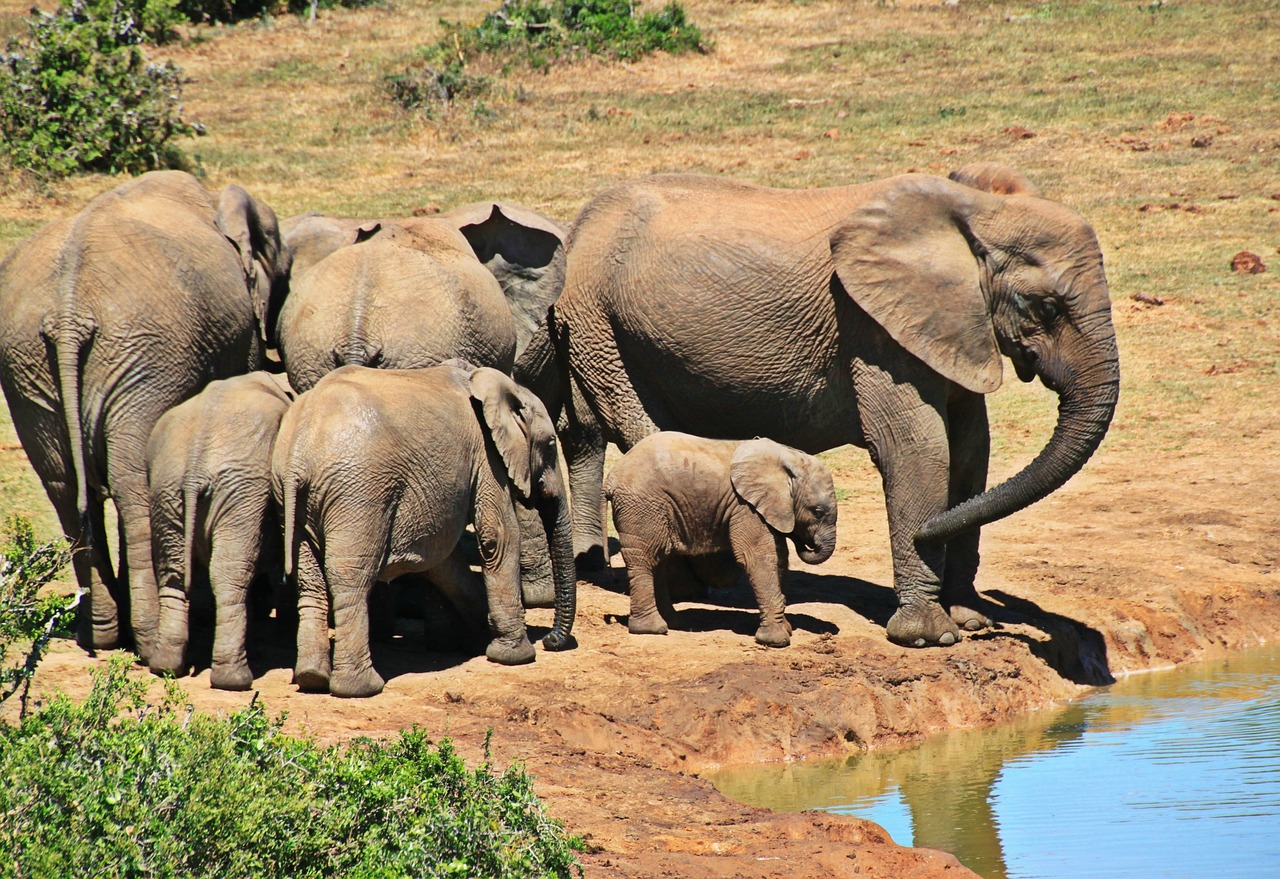
Elephants have the largest brain among land animals – three times larger than the human brain – weighing a hefty 10.5 pounds (4.7 kilograms) for an adult. Its brain contains 257 billion neurons, which is also three times more than the average human brain. These magnificent creatures demonstrate intelligence through their complex social structures and emotional depth.
Elephants are also extremely caring and empathetic to other members of their group and to other species, which is considered a highly advanced form of intelligence. Elephants, like many other animals, can learn a variety of complicated tasks, but it’s their self-awareness – the ability to recognize themselves in a mirror – that sets them apart on the intelligence scale. Elephants are also highly social and compassionate, often working together to solve problems within their herd.
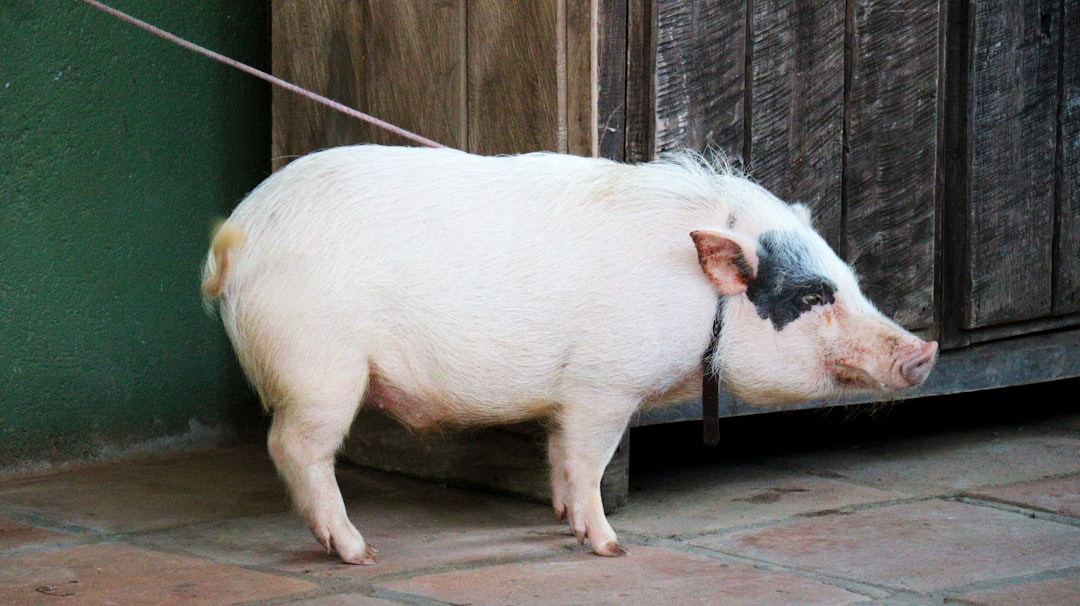
Pigs: The Underestimated Farm Geniuses
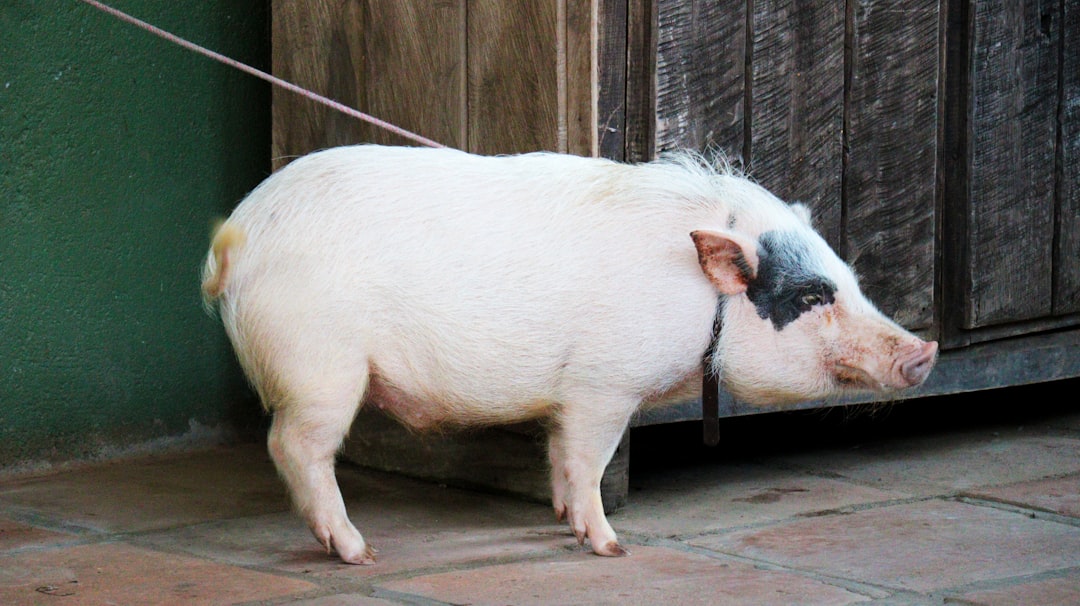
Despite a reputation for gluttony and poor hygiene, pigs are actually highly intelligent animals. Studies have found they’re smarter than dogs and 3-year-old children. They can learn complex tasks, recognize symbols, and even play simple video games. Their cognitive abilities consistently surprise researchers who test them.
While dogs have intelligence comparable to a toddler, pigs operate at a much higher IQ level. They are able to understand the concept of reflection at only six weeks old; that is something that takes human children several months to comprehend. In fact, in some tests using video screens pigs performed as quickly as chimpanzees.
African Grey Parrots: The Verbal Virtuosos
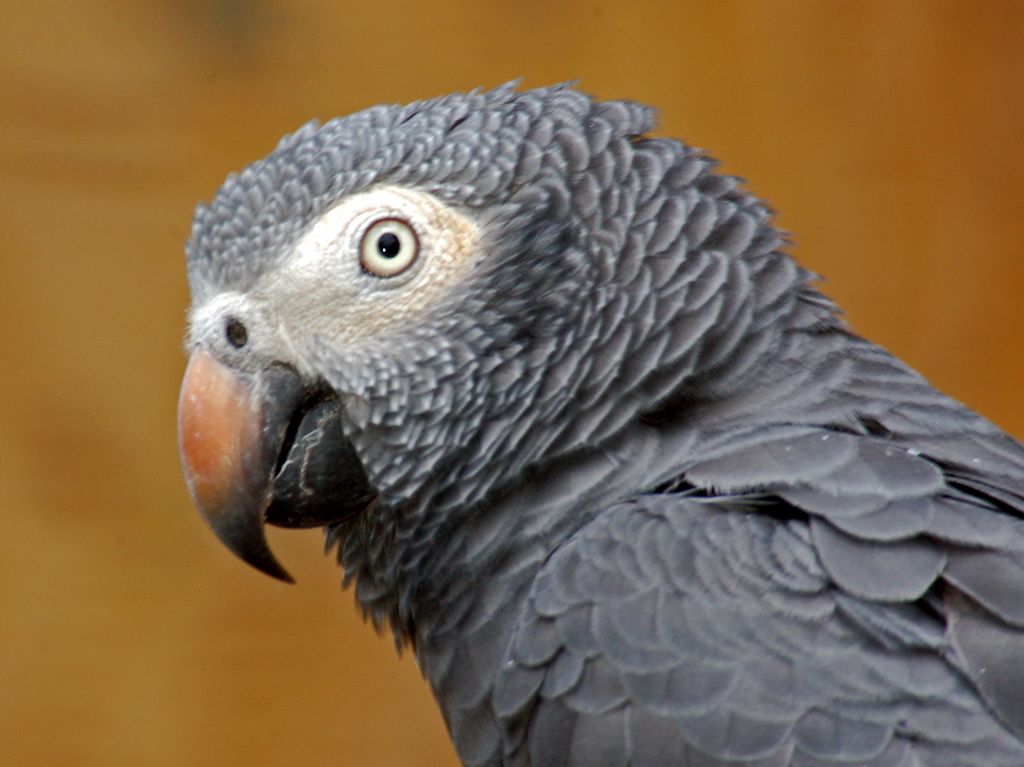
African Gray Parrots are thought to be one of the most intelligent species on the planet, rivaling even apes. In some areas, they surpass the abilities of five-year-old children. These remarkable birds demonstrate complex reasoning abilities that go far beyond simple mimicry of human speech.
One famous example is Alex the parrot, who could identify colors, shapes and even count up to six objects, demonstrating cognitive abilities similar to those of a young child. In an experiment at Harvard, Griffin, an African grey parrot, outperformed children and college students in a complex visual memory test. Griffin consistently outperformed 6- to 8-year-olds and matched or exceeded Harvard undergraduates in most trials.
Squirrels: The Scheming Strategists
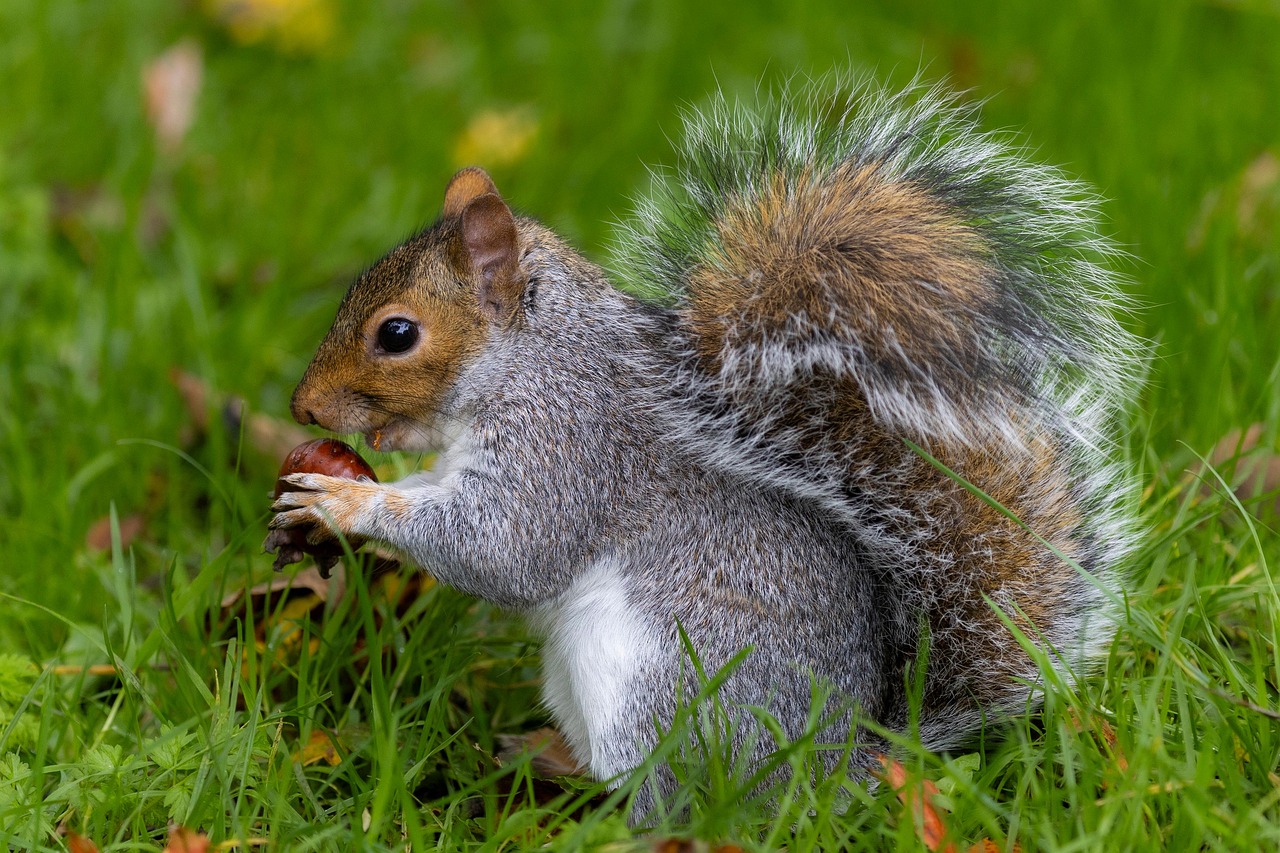
Tree squirrels, on the other hand, use “spatial chunking” to sort their nut pile by size, type, and perhaps nutritional value and taste. This helps them find what they want when they get hungry. They are also able to store and cache food for leaner times, and then find their hidden morsels many months later.
So much so that Eastern gray squirrels dig holes, pretend to hide their food in them and run off to other secret places to stash their food. This is deceptive caching, and they do this to confuse potential thieves. Furthermore, squirrels display cunning behaviors, such as creating fake caches to deceive potential thieves, indicating a level of strategic thinking and awareness of other animals’ behaviors. This deceptive tactic not only highlights their intelligence but also their adaptability in protecting their resources.
Rats: The Misunderstood Masterminds
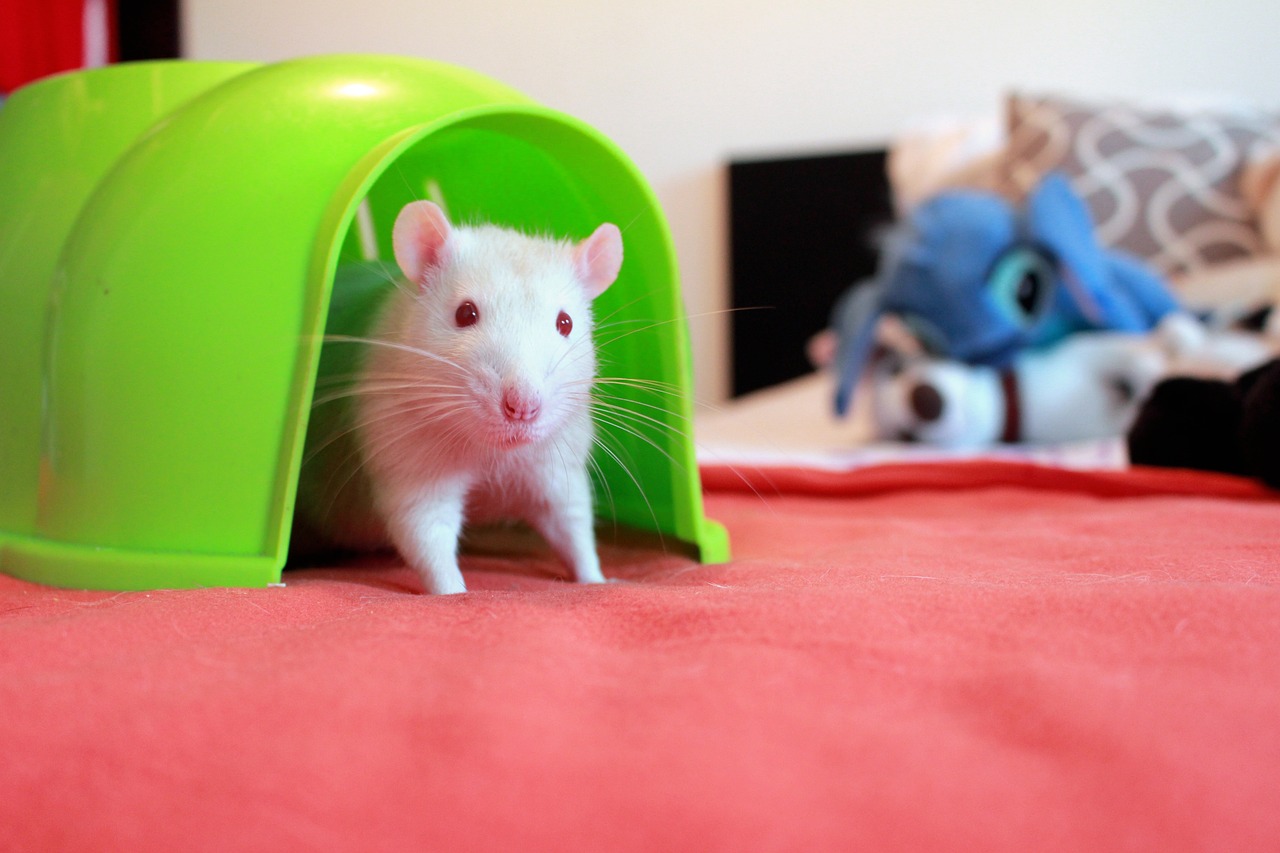
Equally impressive, researchers at Belgian university KU Leuven found that while a rat’s brain is smaller and less complex than a human one, the two are remarkably similar in structure and function. People used to think rats were practically blind; now we know that their visual abilities are pretty advanced. We’ve done research showing they can tell the difference between a movie that features a rat and one that doesn’t. David Cox and his colleagues at Harvard have reported that rats can recognize a 3D object even if its size changes or it’s been rotated.
Even though rats have poor eyesight, they excel at solving mazes, and once they learn a navigation route they never forget it. And as with many other intelligent animals, rats are highly empathetic. One study showed that the vast majority of rats tested chose to help another rat which was being forced to tread water, even when offered the opportunity of a treat instead.
Pigeons: The Surprising Urban Scholars
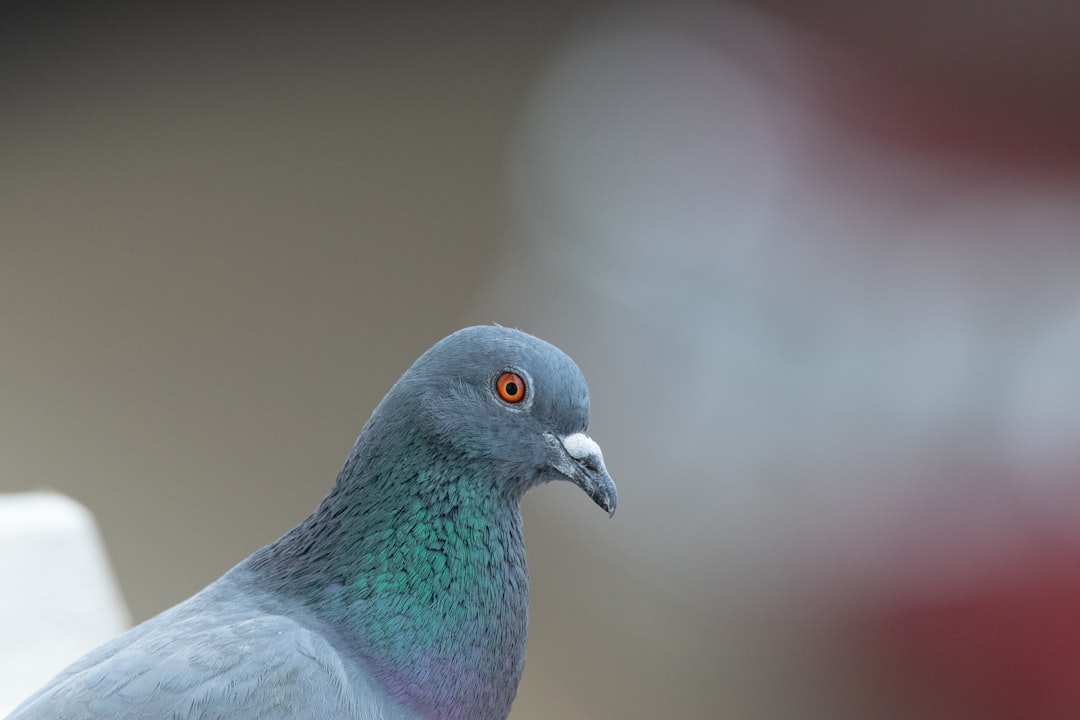
However, this ubiquitous bird is actually quite smart. Because pigeons have been the subjects of countless scientific experiments, there is a wealth of knowledge about their intellectual abilities. In an experiment, pigeons were trained to differentiate between Picasso and Monet paintings, something they had no problem learning. They were then able to apply what they learned to distinguish between works they had not previously been shown, telling the difference between other expressionist and cubist artists.
A study revealed that pigeons can hold over 1,200 images in their heads at a time! Pigeons can identify all of the letters of the English alphabet, and they can even recognize the difference between two people in pictures. Their memory capabilities surpass many animals considered far more intelligent.
Honey Bees: The Collective Calculators
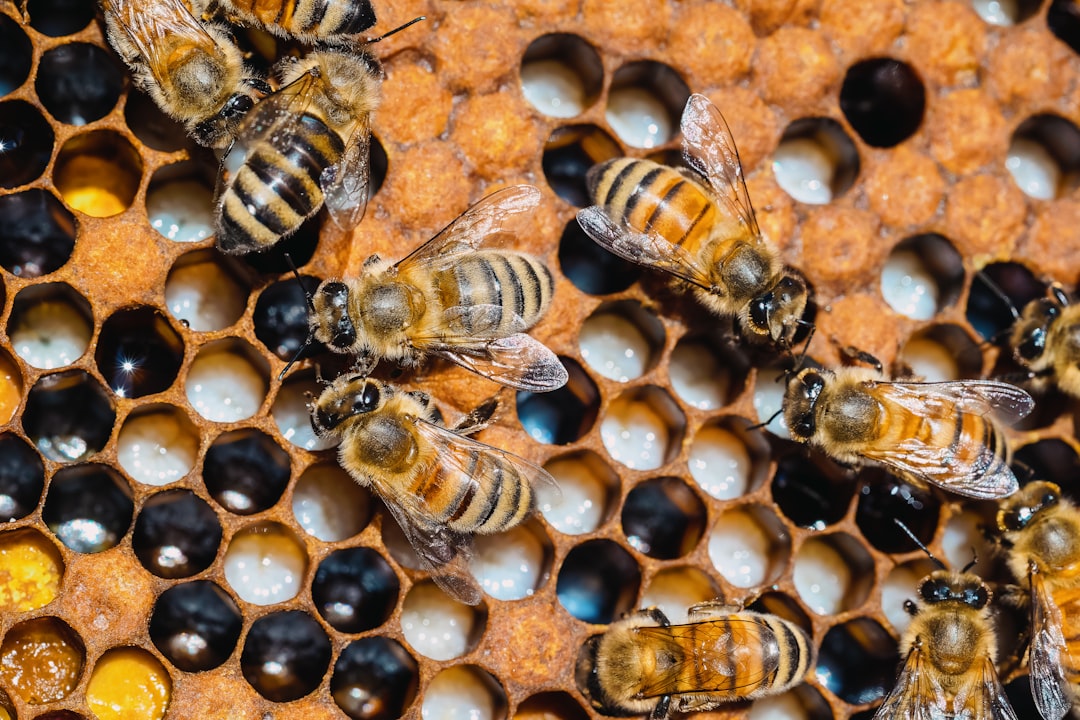
Bees can perform simple arithmetic, communicate in dance language, and have a rich emotional life. They exhibit complex behaviors and social structures, which are indicative of advanced cognitive abilities. When a team is comprised of 50,000 individuals working shoulder to shoulder, democratic decision-making and delegation are vital- and it’s those qualities that keep honey bees alive and thriving. The genius insects have perfected the art of cooperation, landing them on our smartest animals on Earth list.
They’re also non-violent, another intelligence indicator. For example, when scout bees disagree about new hive locations, they have a dance-off instead of fighting to the death! Their sophisticated communication system allows them to share precise information about food sources located miles away from the hive.
Goats: The Puzzle-Solving Climbers
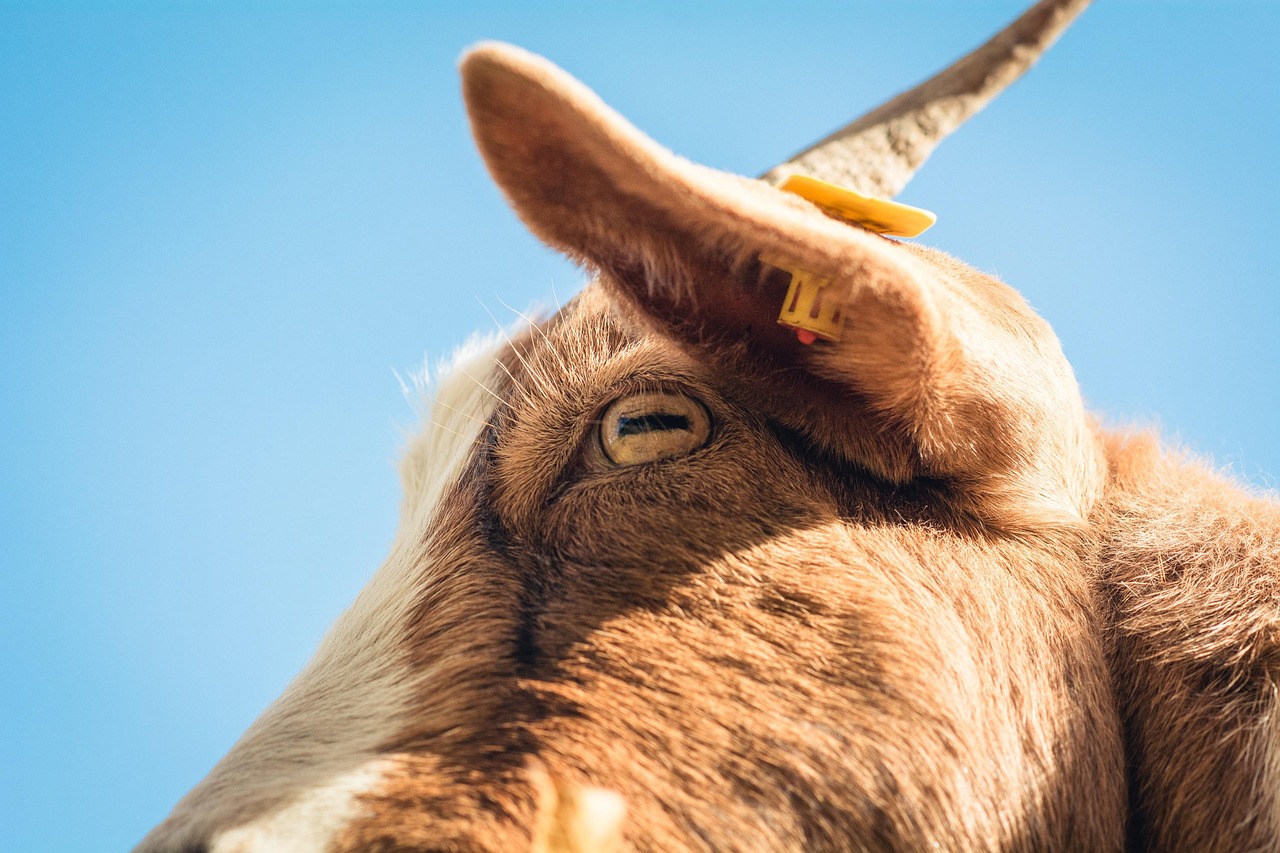
Goats, like octopuses, have proved to be adept at problem-solving, especially when food is their reward. In one test, goats had to use their teeth to pull a rope down, activating a lever they then had to lift with their mouths. A total of 9 out of 12 goats were able to figure out the contraption after four tries, and the majority still remembered how to work the device 10 months later.
Though the goat doesn’t appear to be the sharpest in the barn, they have a strong memory and possess a sophisticated social system. Research has proved that they can lift a lever with their noses, pull a rope with their teeth, to eat fruit from a plastic box. 9 of them were trained, and they picked up these actions in just four trials. On being tested 10 months later, 8 of them could recall the task and obtain the fruits in under a minute.
Sea Lions: The Aquatic Acrobats with Brains
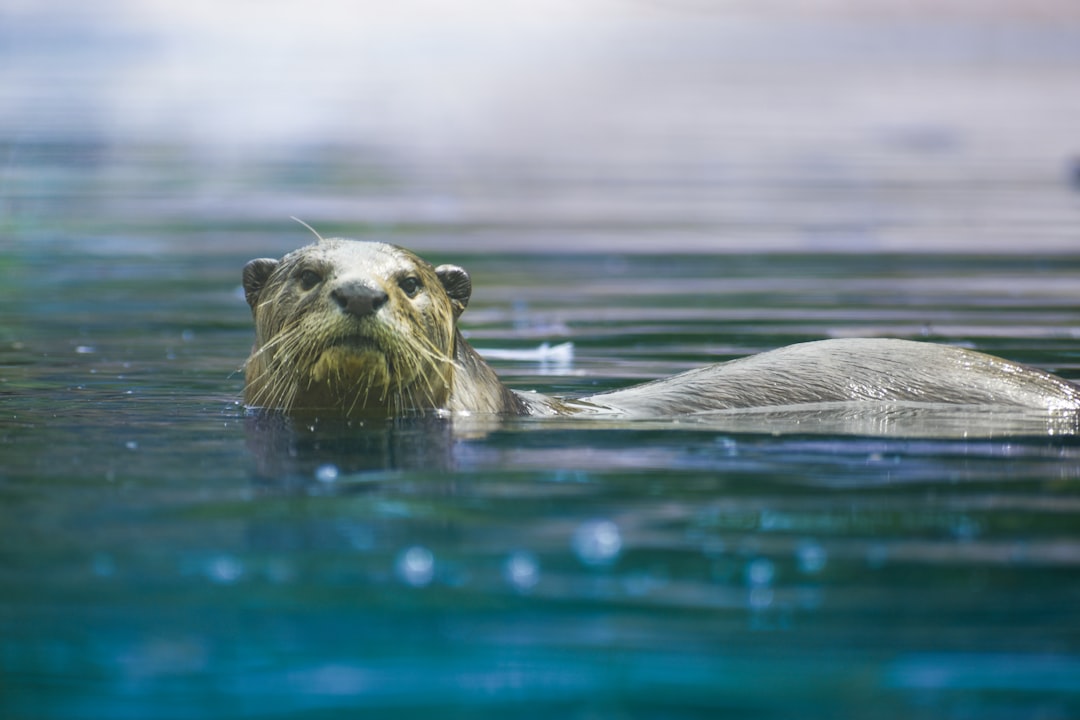
California sea lions have evolved to have extremely large brains, and according to Vanderbilt University, a California sea lion named Rio was able to solve IQ tests that many people cannot. These marine mammals demonstrate logical reasoning abilities that rival those of much larger-brained animals, proving that brain size isn’t everything when it comes to intelligence.
Sea lions can understand complex commands, follow multi-step instructions, and even learn to categorize objects based on abstract concepts. Their playful nature masks sophisticated cognitive abilities that allow them to adapt to both aquatic and terrestrial environments with remarkable success.
Raccoons: The Masked Problem-Solvers
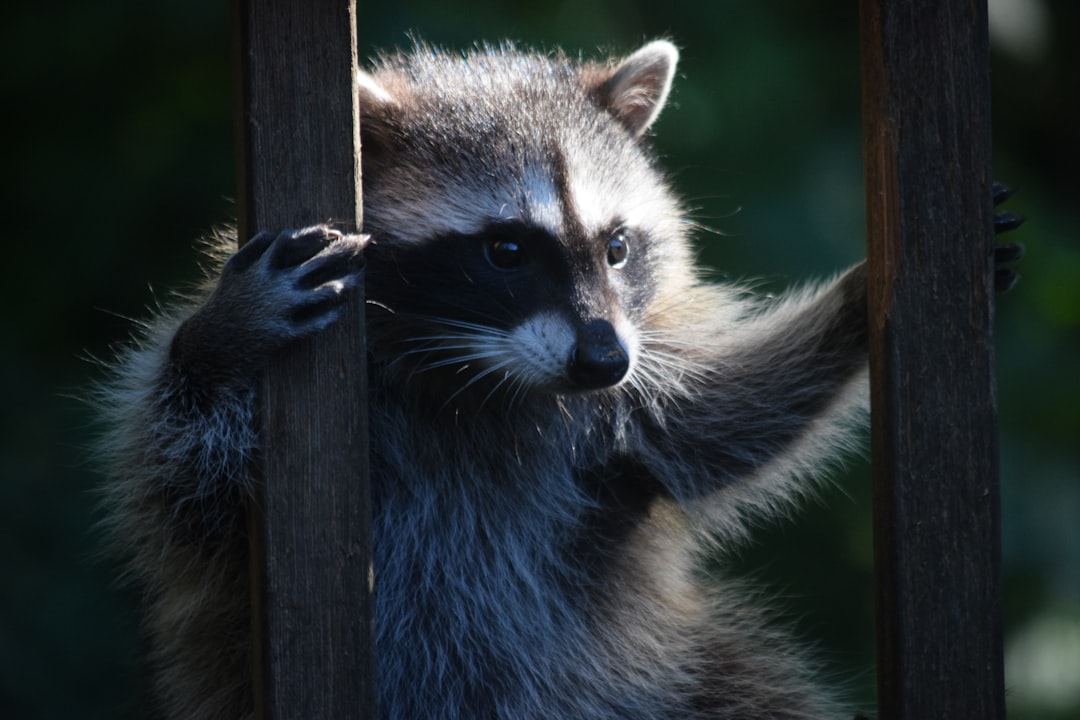
Raccoons may be known for hunting through trash cans in search of food – but this may be a sign of just how smart they are, as reported by National Geographic. When presented with the Aesop’s Fable experiment, a famous intelligence test, two raccoons mimicked human behavior that allowed them access to marshmallows by dropping stones into a tube and therefore raising the water until the treats were within reach. A third raccoon, however, displayed innovation and creative problem solving by simply knocking the tube over to reach the marshmallows.
Often overlooked when thinking about the smartest animals, raccoons are renowned for their lock picking skills, and are able to remember the solutions to problems for years. Their dexterous front paws, combined with their problem-solving abilities, make them formidable urban survivors who consistently outwit human attempts to raccoon-proof garbage cans and bird feeders.
The animal kingdom continues to surprise us with demonstrations of intelligence that challenge our assumptions about consciousness and cognitive ability. These twelve remarkable creatures prove that brilliance comes in countless forms, each perfectly adapted to the unique challenges of survival in our complex world. From the octopus using tools in the depths of the ocean to the humble pigeon navigating city streets with photographic memory, intelligence flourishes wherever life takes hold.
What fascinates me most about these discoveries is how they force us to reconsider our place in the natural world. We’re not the only thinking beings on this planet, just one species among many that have developed sophisticated ways of understanding and manipulating our environment. What do you think about these remarkable animal minds? Which one surprised you the most?

- Game of Thrones Houses as U.S. Animals – From Bison to Alligators? - August 12, 2026
- Which Creature Matches Your Zodiac Sign’s Reaction to Chaos - August 12, 2026
- 10 Fascinating Facts About Fireflies That Make Summer Nights Feel Magical - August 12, 2026