
Throughout history, animals have faced countless transformations in their environments, from ice ages to rising temperatures, habitat loss to resource scarcity. The natural world serves as one of our most profound teachers about adaptation and resilience.
While human societies often struggle with change, animals provide remarkable examples of how to not just survive transformation, but thrive through it. Their survival strategies offer timeless wisdom about flexibility, patience, and the art of embracing rather than fighting inevitable shifts. Let’s explore the fascinating ways creatures across the globe demonstrate that change isn’t something to fear, but rather an opportunity for evolution and growth.
The Art of Strategic Timing Through Migration
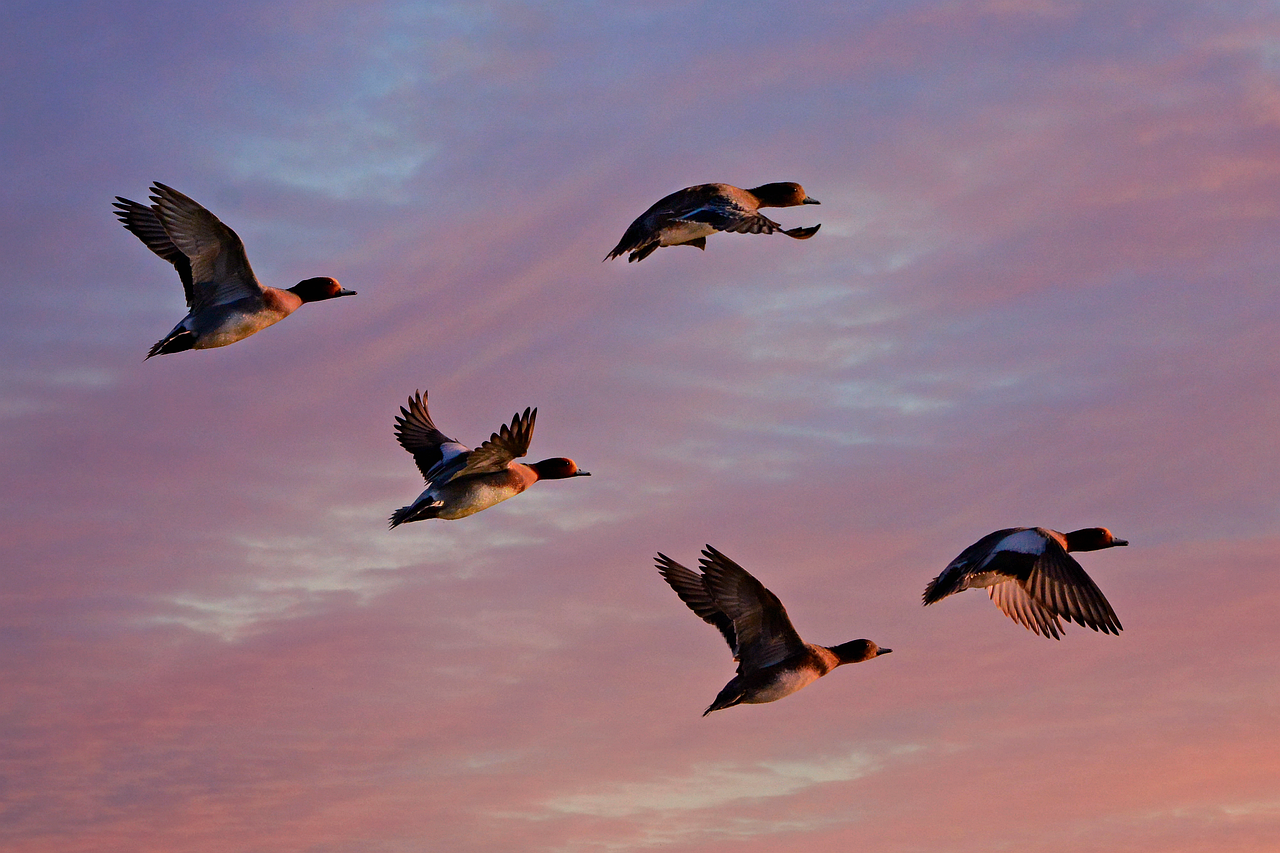
Seasonal migration represents one of nature’s most profound lessons about the power of timing and movement in response to changing conditions. Animals don’t wait until resources disappear entirely before making their move.
Many species, especially birds, migrate to warmer locations during the winter to escape poor environmental conditions. Most migrations allow a species to prosper, by leaving an area when there isn’t enough food there to support the population. They also prevent the long-term depletion of food sources in one area.
Think of the tiny hummingbird that travels thousands of miles based on instinct alone, or the monarch butterfly whose journey spans multiple generations. As temperatures rise, certain species are beginning their migrations earlier in the year to align with plant blooms and shifting food availability. Some animals are even taking new routes because their usual paths have become too hot, dry or fragmented.
Mastering the Pause Through Hibernation
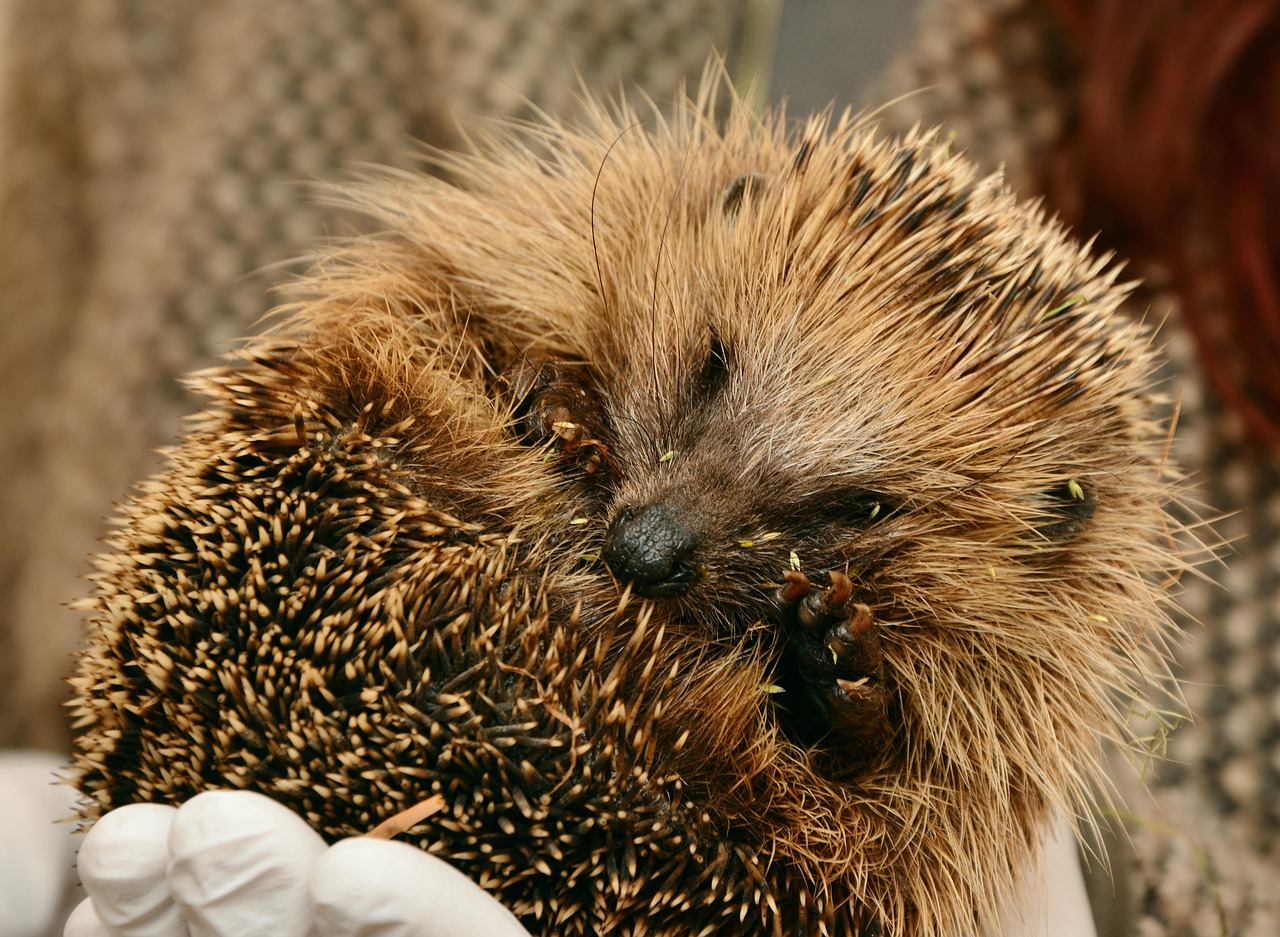
Sometimes the wisest response to change isn’t action, but strategic inaction. When temperatures drop and food becomes scarce, many animal species have a built-in survival trick: hibernation. Instead of braving the elements, animals that hibernate can enter a state of deep sleep, where their body temperature drops and they conserve energy for months at a time. This adaptation helps them survive cold temperatures and ensures they have enough body weight to make it through winter.
“True hibernators” enter a very deep state of dormancy that includes a dramatic drop in heart rate, breathing, and body temperature. For example, a hibernating woodchuck’s internal temperature may plummet to 37°F from a normal average of 99°F. This isn’t giving up or checking out, it’s strategic patience.
The groundhog teaches us that there’s profound wisdom in knowing when to withdraw and conserve energy for better times ahead. Rather than exhausting resources fighting an unchangeable situation, hibernation shows us the power of rest as a survival strategy.
The Power of Flexible Adaptation
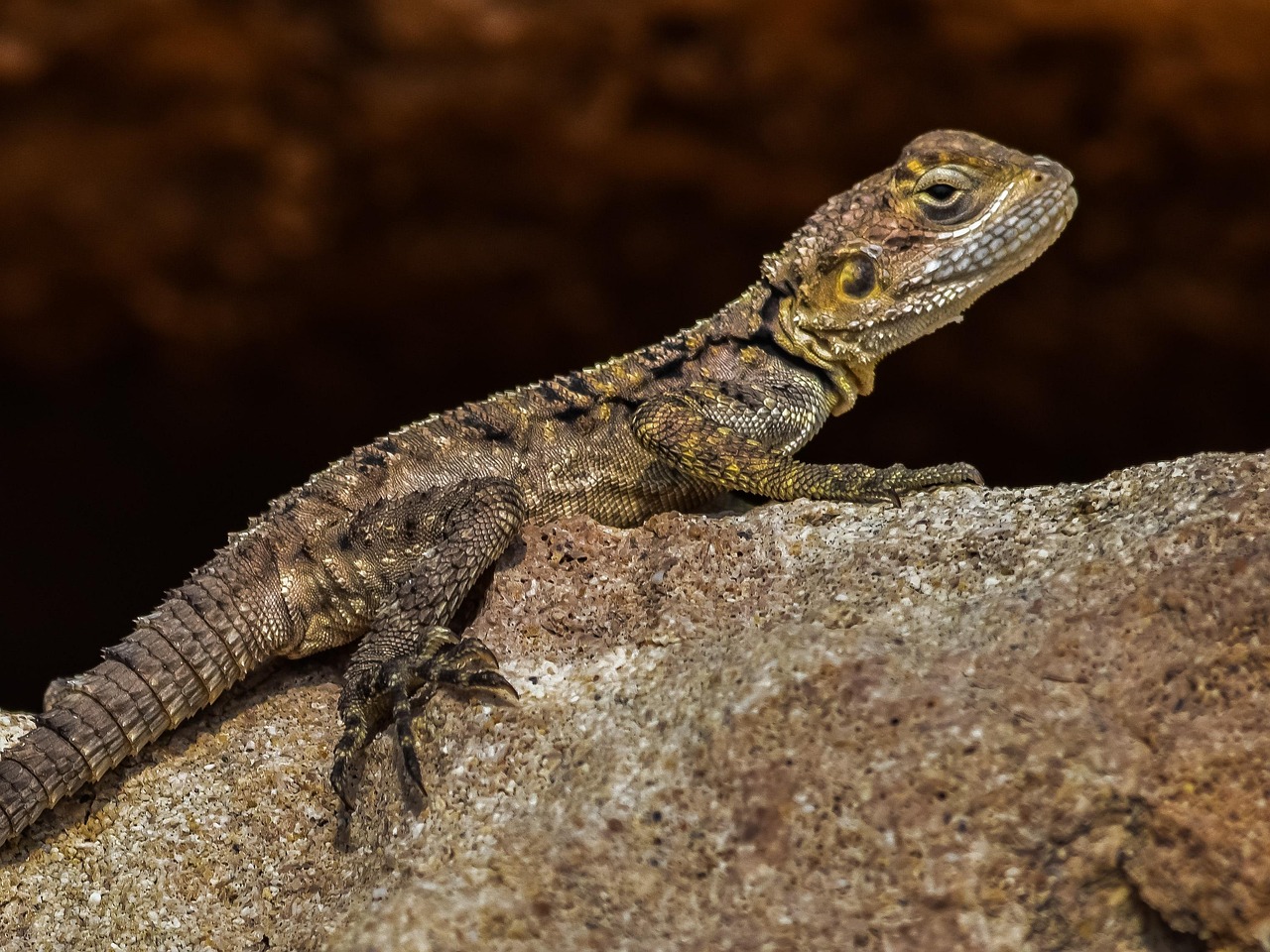
Animal adaptations are evolutionary changes that occur over generations, enabling species to better survive and reproduce in their environments. These adaptations can be physical, like the kangaroo’s strong hind legs for powerful hopping across vast Australian plains. They can also be behavioural, such as the migratory patterns of birds travelling to more hospitable climates during harsh seasons.
Consider the Arctic fox, which grows a thick white winter coat that transforms to brown in summer. This seasonal flexibility in coloration demonstrates how natural selection favors adaptability, allowing animals to maintain effective camouflage as environmental conditions change throughout the year. This flexibility extends beyond just physical changes.
She suggests that, rather than relying on a single survival tactic, many animals depend on two or three different strategies. The lesson here is clear: rigidity leads to extinction, while adaptability ensures survival.
Community Wisdom in Collective Survival
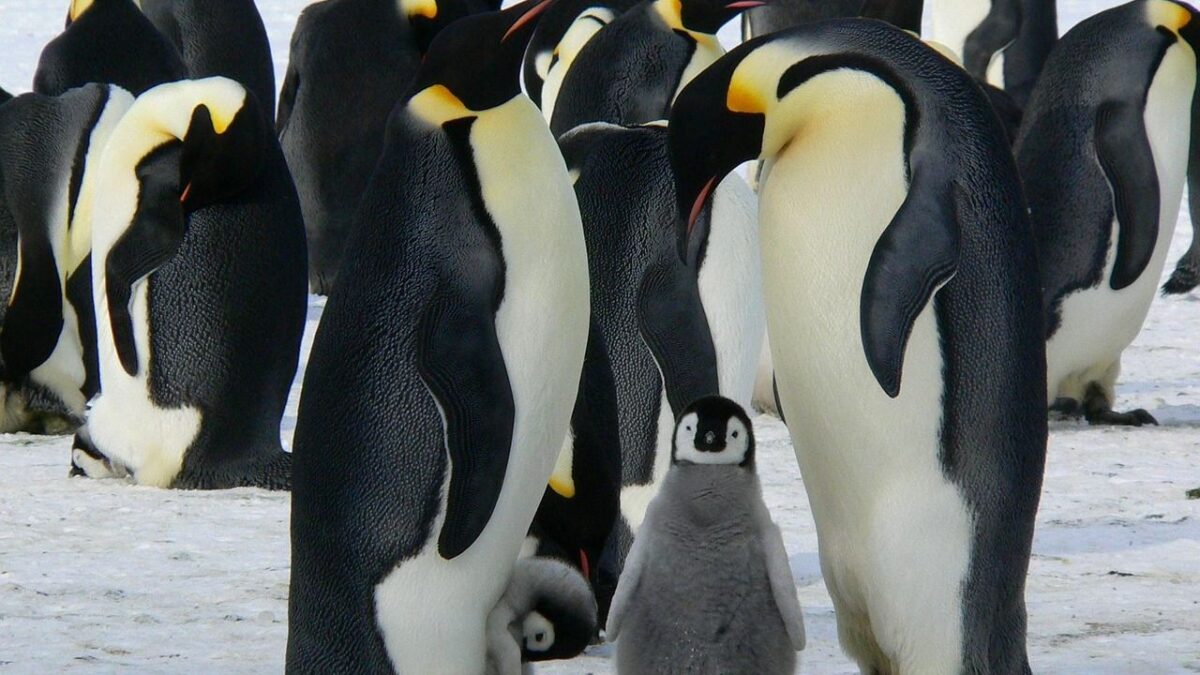
Organisms can also exhibit behavioral adaptation. One example of behavioral adaptation is how emperor penguins in Antarctica crowd together to share their warmth in the middle of winter. These remarkable birds take turns moving from the outside of the huddle to the protected center, ensuring no individual bears the brunt of harsh conditions alone.
The tiger snapping shrimp and the yellow shrimpgoby are an example of an animal pair with a mutualistic relationship. The tiger snapping shrimp is an excellent digger with poor eyesight that makes it vulnerable to predators, while the yellow shrimpgoby likes to live in burrows but is not as good at building them. In exchange for a burrow to call home, the yellow shrimpgoby uses its superior eyesight to spot predators, and its movement alerts the shrimp to danger.
Animals understand instinctively that survival often depends on cooperation rather than competition. When facing overwhelming change, the strongest strategy isn’t always individual resilience, but collective support and mutual aid.
The Genius of Gradual Transformation
Over many generations, through the process of natural selection, organisms’ physical and behavioral features adapt to function better in the face of environmental challenges. Adaptations are slow and incremental, and the result of successful adaptation is always beneficial to an organism. Nature doesn’t believe in overnight makeovers.
The giraffe’s long neck didn’t appear suddenly. One of the textbook examples of evolutionary adaptation is the long-necked giraffe. The evolution of the giraffe’s long neck occurred so that the animal could reach leaves in taller trees. This transformation happened over countless generations, each small change building upon the last.
Animals teach us that lasting change doesn’t require dramatic upheaval. Small, consistent adjustments often prove more sustainable than radical transformations. The key is persistence and patience with the process.
Reading Environmental Cues with Precision
Animals use predictable environmental cues for the timing and navigation of migration. They’re remarkably attuned to subtle signals that indicate when change is coming. Seasonal cues, such as warmer spring temperatures or cooler temperatures in the fall, tell animals when to migrate, when to mate, and when and where to find food. Predators and prey, birds and mammals alike follow this natural schedule, and an overall shift of just a few days or weeks could have unknown impacts on these animals and ecosystems.
Animals don’t wait for change to overwhelm them. They develop sophisticated early warning systems through their senses and instincts. The migrating salmon knows precisely when ocean conditions are optimal for their journey upstream, while deciduous trees signal to bears exactly when it’s time to begin preparing for winter.
Embracing Multiple Strategies for Resilience
To avoid suboptimal internal temperatures or freezing, wildlife rely on three categories of survival strategies: migration (getting away from the cold), dormancy (a state of lowered body temperature and energy expenditure, including hibernation, to wait out the cold) and resistance or tolerance (being able to stay active at low temperatures). The most successful species don’t put all their eggs in one basket.
“Bats are really cool because a lot of species use at least two strategies pretty heavily: hibernating and migrating,” she says. These creatures understand that diversity of response options creates the greatest chance of survival. Some bats migrate short distances to find suitable hibernation sites, combining movement with dormancy.
Rather than mastering just one approach to dealing with change, animals show us the wisdom of developing multiple coping mechanisms. This redundancy isn’t wasteful, it’s strategic insurance against an unpredictable future.
Conclusion
The animal kingdom offers us a masterclass in navigating uncertainty and transformation. From the strategic timing of migration to the patient wisdom of hibernation, from flexible adaptation to collective survival, animals demonstrate that enduring change isn’t about resistance, it’s about flow. They teach us that survival depends not on fighting inevitable shifts, but on developing the sensitivity to read environmental cues, the flexibility to adapt our strategies, and the wisdom to know when to act and when to rest.
Perhaps most importantly, animals show us that change itself isn’t the enemy, it’s simply the nature of existence. The species that thrive are those that have learned to dance with transformation rather than battle against it. What would your life look like if you approached change with the patient wisdom of a hibernating bear or the cooperative spirit of emperor penguins? The natural world is waiting to teach us, if we’re ready to learn.

- The 5 Best Birdwatching Spots in Arizona - August 14, 2026
- Wildlife Biology Says Bobcats Often Live Within Sight of Busy Neighborhoods - August 14, 2026
- Wildlife Biology Says River Otters Return Before Most Rivers Are Fully Restored - August 14, 2026