
Most Americans know the feel-good story of Thanksgiving: friendly Native Americans helping brave Pilgrims survive their first harsh winter, sharing a feast in gratitude. Yet for many Native Americans, particularly those from the Wampanoag Nation, this day holds an entirely different meaning.
Rather than celebration, November’s fourth Thursday represents centuries of trauma, genocide, and broken promises. This stark contrast between national mythology and historical reality explains why thousands of Native Americans gather each year for a National Day of Mourning, transforming what others see as gratitude into a day of remembrance and protest.
The Origin of the National Day of Mourning
The first National Day of Mourning demonstration was held in 1970 after Frank “Wamsutta” James’s speaking invitation was rescinded from a Massachusetts Thanksgiving Day celebration commemorating the 350th anniversary of the landing of the Mayflower. James, an Aquinnah Wampanoag tribal member, had been invited to speak at what organizers expected would be a glowing tribute to the Pilgrims and their supposed friendship with Native peoples.
The organizers of the banquet imagined that Wamsutta would give an appreciative and complimentary speech, singing the praises of the American settler colonial project and thanking the Pilgrims for bringing “civilization” to the Wampanoag. However, the speech that Wamsutta wrote, which was based on historical fact instead of the hollow fiction portray what he knew to be true. When officials read his prepared remarks in advance, they quickly disinvited him.
James instead delivered his speech on Cole’s Hill in Plymouth, Massachusetts next to a statue of Ousamequin, where he described Native American perspectives on the Thanksgiving celebrations. The event was attended by close to 500 Native Americans from throughout the United States and has been held annually on the fourth Thursday in November every year since.
What the Mourning Represents
Thanksgiving Day is a reminder of the genocide of millions of Native people, the theft of Native lands and the erasure of Native cultures. For participants in the National Day of Mourning, this holiday doesn’t represent gratitude or harmony. Instead, it serves as a stark reminder of what followed those early interactions between European settlers and Indigenous peoples.
Participants in National Day of Mourning honor Indigenous ancestors and Native resilience. It is a day of remembrance and spiritual connection, as well as a protest against the racism and oppression that Indigenous people continue to experience worldwide. The mourning extends beyond historical grievances to address ongoing struggles that Native communities face today.
An enrolled member of the Wampanoag Tribe of Gay Head (Aquinnah) and Oglala Lakota, and granddaughter of the founder of the National Day of Mourning, James said in an email, “We Native people have no reason to celebrate the arrival of the Pilgrims. We want to educate people so that they understand the stories we all learned in school about the first Thanksgiving are nothing but lies.”
The Reality Behind the Thanksgiving Myth

The Thanksgiving story deeply rooted in America’s school curriculum frames the Pilgrims as the main characters and reduces the Wampanoag Indians to supporting roles. It also erases a monumentally sad history. The sanitized version taught in schools conveniently omits what happened after that famous 1621 harvest celebration.
By one account, the Wampanoag nation lost an estimated two-thirds of its population, or as many as 45,000 people. This devastating loss occurred even before the Mayflower arrived, as European diseases decimated Native populations throughout New England. During his absence, the Wampanoags were nearly wiped out by a mysterious disease that some Wampanoags believe came from the feces of rats aboard European boats, while other historians think it was likely small pox or possibly yellow fever. Known as “The Great Dying,” the pandemic lasted three years. By the time Squanto returned home in 1619, two-thirds of his people had been killed by it.
The myth is that friendly Indians, unidentified by tribe, welcome the Pilgrims to America, teach them how to live in this new place, sit down to dinner with them and then disappear. They hand off America to white people so they can create a great nation dedicated to liberty, opportunity and Christianity for the rest of the world to profit.
The Strategic Alliance That Became Betrayal
The peace treaty between the Wampanoag and Plymouth colonists wasn’t born from friendship, but from desperation and strategic necessity. Ousamequin, often referred to as Massasoit, which is his title and means “great sachem,” faced a nearly impossible situation, historians and educators said. His nation’s population had been ravaged by disease, and he needed to keep peace with the neighboring Narragansetts. He probably reasoned that the better weapons of the English – guns versus his people’s bows and arrows – would make them better allies than enemies.
“It wasn’t that he was being kind or friendly, he was in dire straits and being strategic,” said Steven Peters, the son of Paula Peters and creative director at her agency. “We were desperately trying to not become extinct.” This alliance, while temporarily beneficial to both groups, ultimately set the stage for systematic colonization and displacement.
For 50 years, the alliance was tested by colonial land expansion, the spread of disease, and the exploitation of resources on Wampanoag land. Then, tensions ignited into war. Known as King Philip’s War (or the Great Narragansett War), the conflict devastated the Wampanoags and forever shifted the balance of power in favor of European arrivals.
The Escalation to Violence and Genocide
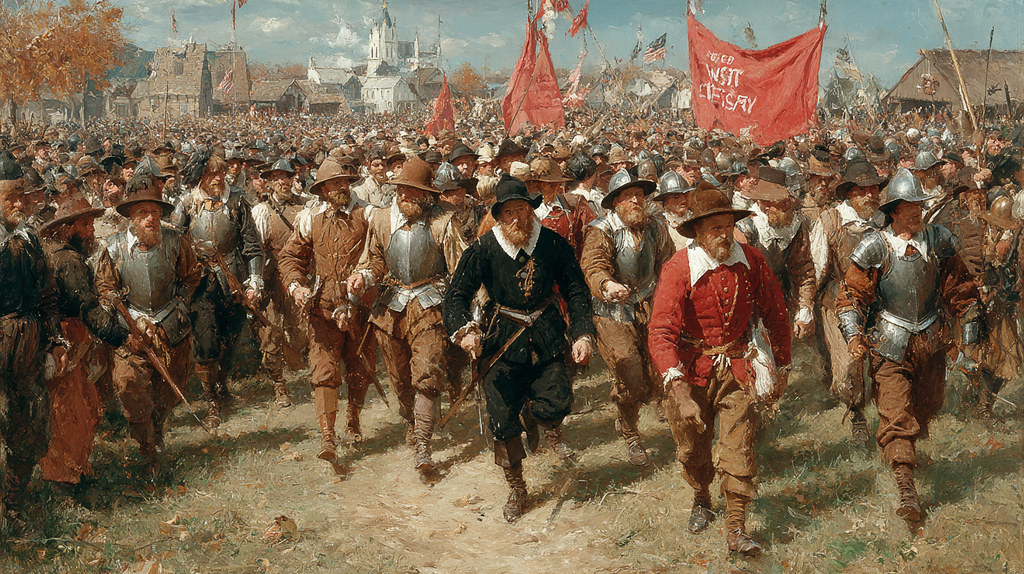
But the ensuing decades brought an influx of settlers, increasing tensions and leading to outbursts of violence between the native people and the Pilgrims. In 1637, the Pequot War saw English colonists attack the Pequot village at Mystic, killing 400-700 men, women and children. These acts of violence weren’t isolated incidents but part of a pattern that would define colonial-Indigenous relations for centuries.
King Philip’s War was one of the bloodiest and costliest wars in American history. How did the colonists and Wampanoags view land, nature, and life differently, and how could these differences lead to misunderstandings and conflict? The war, fought from 1675-1676, marked the beginning of the end for many New England Indigenous nations.
After English colonists settled in Massachusetts, epidemics continued to reduce the Wampanoag to 1,000 by 1675. Only 400 survived King Philip’s War. Today there are approximately 4,000-5,000 Wampanoag who are organized in five groups: Assonet, Gay Head, Herring Pond, Mashpee, and Chappaquiddick/Seaconke.
The Continuing Impact on Native Communities
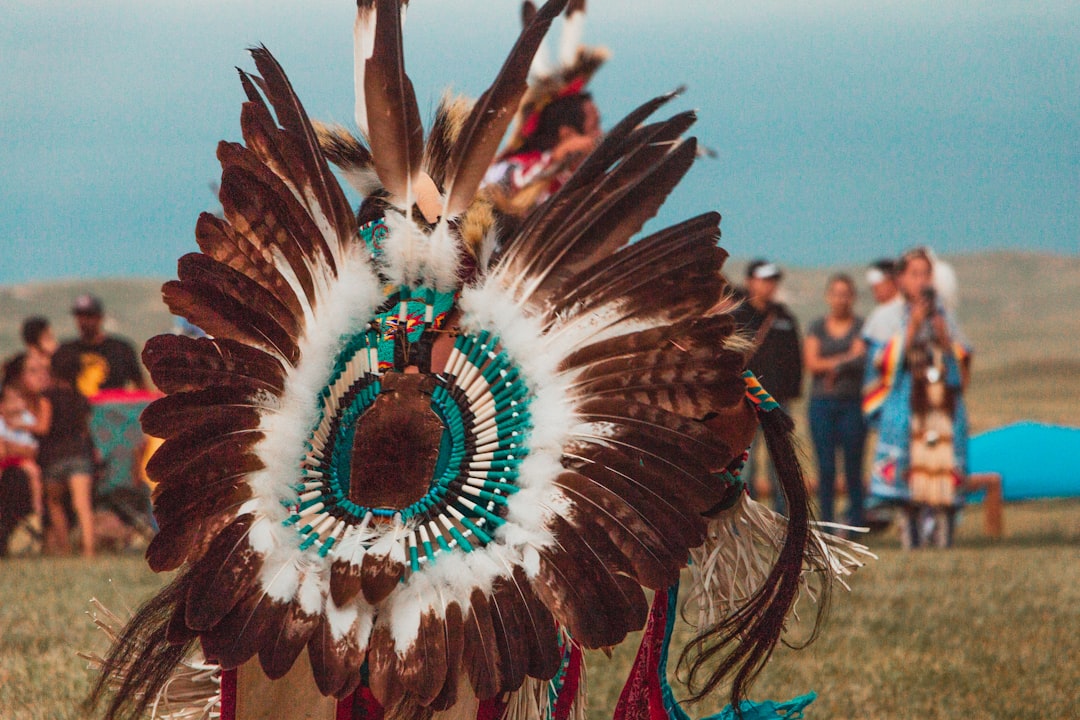
I’ve had a great many conversations with Wampanoag people, in which they talk about how burdensome Thanksgiving is for them, particularly for their kids. Wampanoag adults have memories of being a kid during Thanksgiving season, sitting in school, feeling invisible and having to wade through the nonsense that teachers were shoveling their way. They felt like their people’s history as they understood it was being misrepresented. They felt that not only their classes, but society in general was making light of historical trauma which weighs around their neck like a millstone.
“When the colonists came over in the 17th century, they had to get rid of us in one form or fashion or another whether it as converting us, moving us, annihilating us, or shipping us out of the country into slavery, and I just wish people knew that because this history is not yet well known, but that’s what it took for America to be what it is today and for people to sit down to have their Thanksgiving dinner,” Linda Coombs, 71, an Aquinnah Wampanoag museum educator, told Time.
The psychological burden extends beyond individual families to entire communities. Modern Wampanoag people navigate a society that annually celebrates what they see as the beginning of their ancestors’ destruction. It is a time to remember ancestral history as well as a day to acknowledge and protest the racism and oppression which they continue to experience today.
Modern Observance and Education
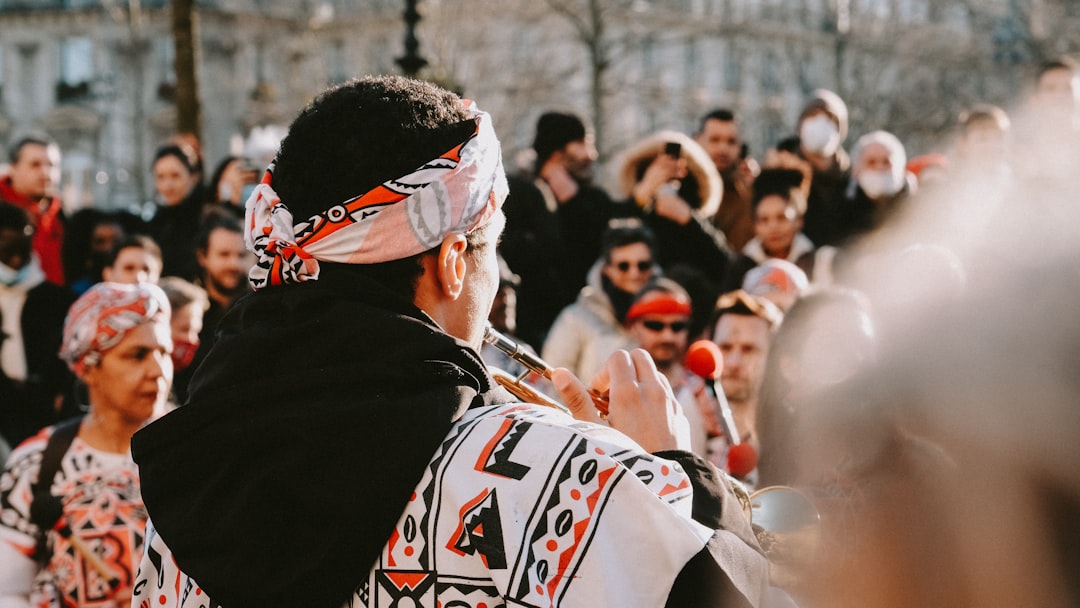
The United American Indians of New England (UAINE), founded by James in 1970, continues to organize the annual National Day of Mourning rally at Cole’s Hill. Each year, hundreds of Native Americans and allies gather in Plymouth to tell the truth about American history from an Indigenous perspective.
Over the years, UAINE and other native organizations have worked to highlight Indigenous struggles around the world. Now, the event has expanded over the years to stand in solidarity with other Indigenous struggles across the world. The observance has evolved from a local protest to an international day of Indigenous solidarity.
“In terms of what allies can do to acknowledge and learn more about this day, I have a few ideas: they can take a few minutes before sitting down to Thanksgiving dinner to educate themselves and their families, tune into the NDOM livestream, read my grandfather’s 1970 suppressed speech, or listen to this broadcast from NPR on NDOM,” she said. These efforts aim to provide alternative narratives to the sanitized version of history typically taught in American schools.
Conclusion
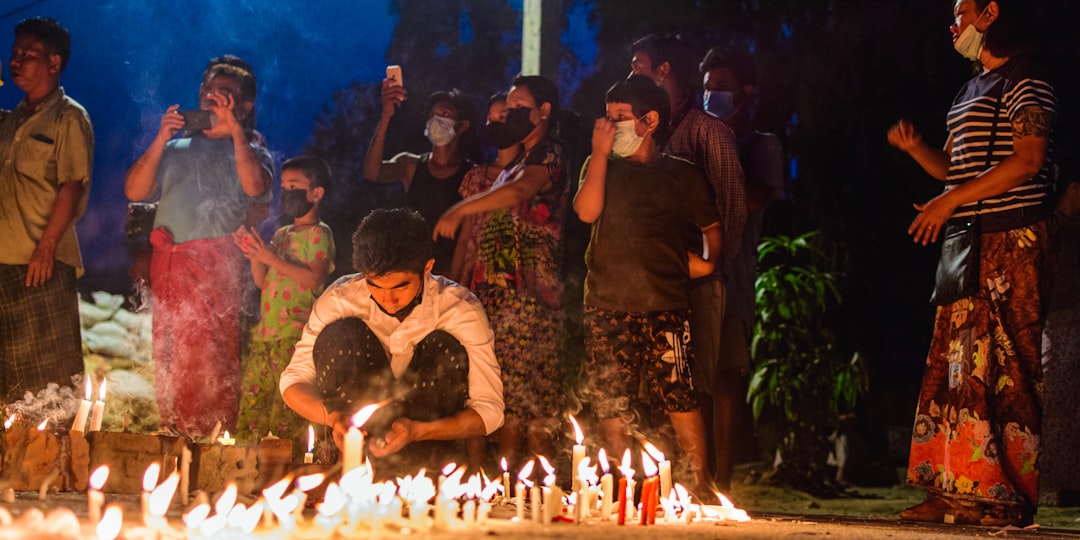
The National Day of Mourning reveals the profound disconnect between American mythology and historical reality. While most Americans gather around tables expressing gratitude for their blessings, Native Americans confront the painful truth that their ancestors’ generosity toward European settlers ultimately led to centuries of genocide, land theft, and cultural destruction.
Wampanoags today remember the Pilgrims’ entry to their homeland as a day of deep mourning, rather than a moment of giving thanks. This perspective doesn’t seek to eliminate gratitude or family gatherings, but rather to acknowledge the full cost of American prosperity. Understanding this history doesn’t diminish Thanksgiving for others but enriches it with honesty and respect for those who suffered so others could thrive.
What would change if more Americans knew this history? How might our national conversation shift if we acknowledged both the gratitude and the grief that November brings?

- 15 Things That Will Make You The Center of Your Cat’s World - July 29, 2026
- 5 Unexpected Places Where Wildlife Is Flourishing in Your Own State - July 29, 2026
- 12 Birds With Unbelievable Beaks - July 29, 2026