
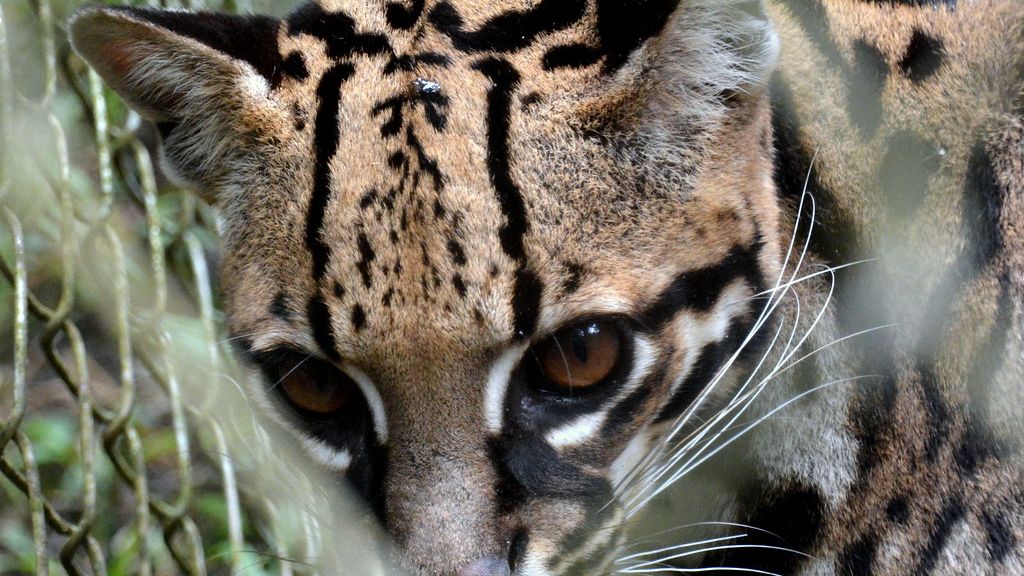
Imagine walking through a moonlit forest and catching a glimpse of golden eyes watching you from the shadows. North America hosts some of the most elusive creatures on Earth, animals so secretive that many people live their entire lives without knowing they exist right in their backyards.
These seven hidden wonders represent nature’s ultimate game of hide and seek. From the smallest turtle to the most powerful predator, each has mastered the art of staying invisible to human eyes. Yet their presence shapes entire ecosystems in ways we’re only beginning to understand.
The Ghost Dog of the Southeast
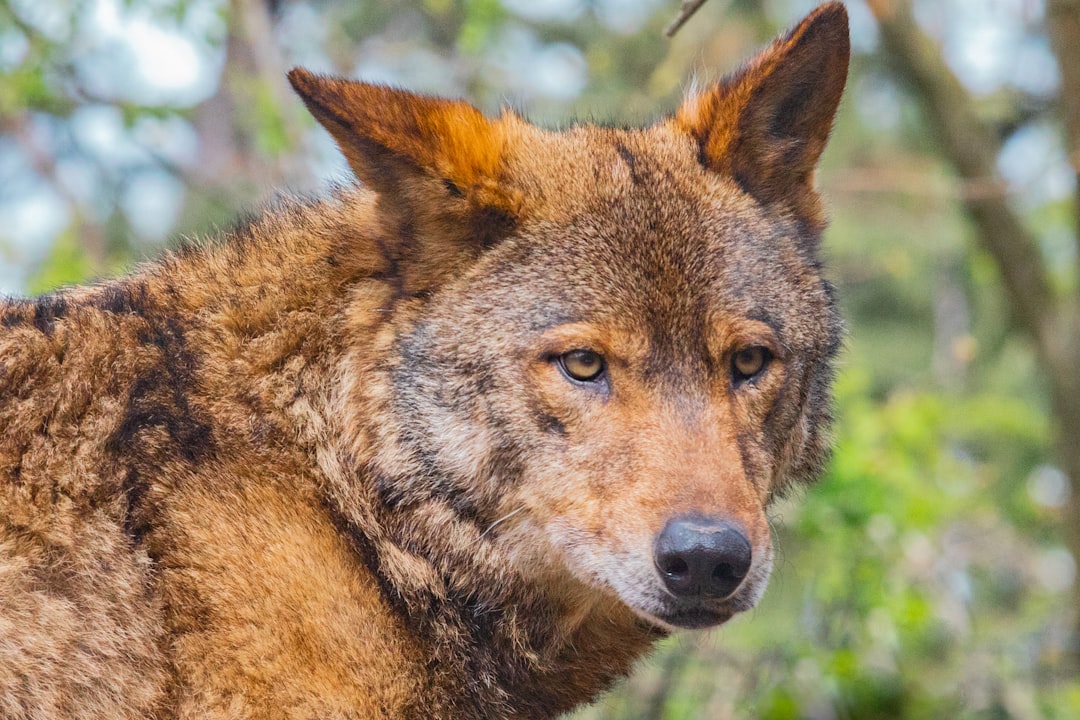
Nicknamed America’s ghost dog, the red wolf is down to fewer than 20 in the wild. These phantom canines have earned their supernatural moniker honestly, appearing and disappearing like spirits in the misty swamplands of North Carolina. They roam the Albemarle Peninsula of North Carolina, mostly in and around Alligator River and Pocosin Lakes National Wildlife Refuges.
You’re more likely to hear their dusk howls over swampland than see them. Their haunting calls echo through the darkness like voices from another world. Red wolves are smaller than gray wolves but larger than coyotes, with rust-colored fur, yellow eyes, and a white underbelly. They tend to avoid contact with humans and are nocturnal, emerging at dusk to hunt small mammals like rabbits, rodents, and deer.
America’s Rarest Mammal
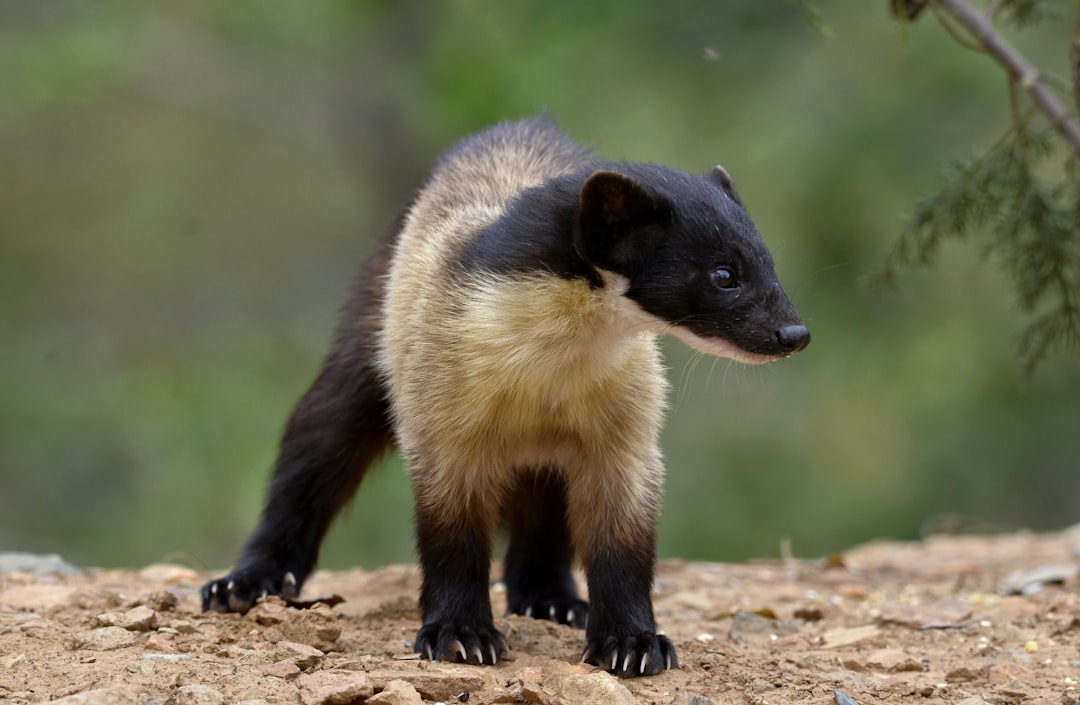
The black-footed ferret is North America’s rarest mammal and one of its most elusive, a small predator that feeds on animals nearly its own size. Once declared completely extinct in the wild, this cream-colored hunter with its distinctive black mask has clawed its way back from the brink of oblivion. Once thought to be extinct, the black-footed ferret is a remarkable conservation success story. These nocturnal predators rely almost entirely on prairie dog colonies for survival.
A black-footed ferret has a slender body covered in cream-colored fur with black on its back, legs, and the tip of its tail. A family of four can pack away an average of some 760 prairie dogs yearly. These underground assassins spend their days sleeping in abandoned burrows, only emerging under cover of darkness to hunt their prairie dog neighbors.
The Forest Phantom Cat
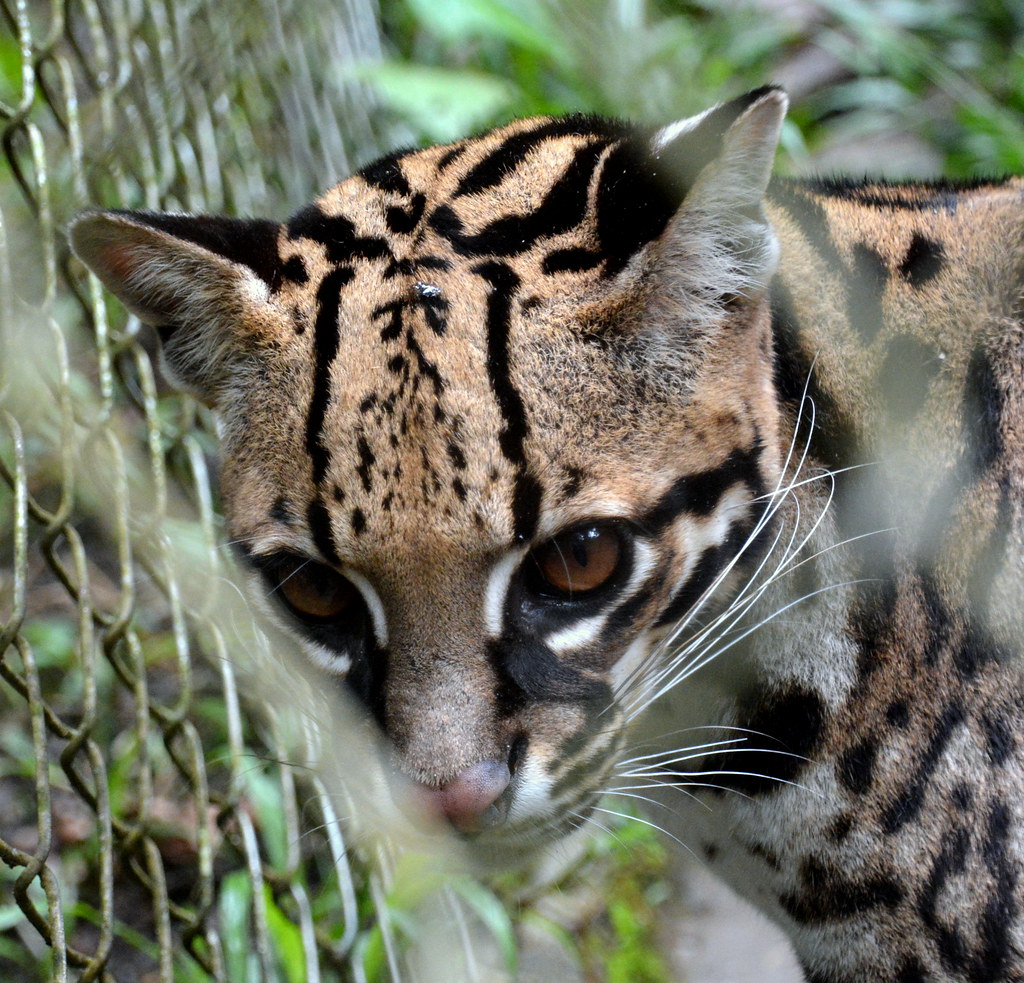
The ocelot is one of North America’s most elusive cats. In the US, fewer than 100 survive in South Texas, split between Laguna Atascosa National Wildlife Refuge and nearby private ranchlands. This spotted beauty moves through thornscrub with liquid grace, its golden coat decorated with dark rosettes that dissolve into perfect camouflage. The ocelot is one of the most elusive wild cats in America, primarily found in the dense brushlands and forests of southern Texas. Their nocturnal nature and incredible camouflage, marked by stunning golden coats with dark rosettes, make them nearly invisible in their habitat.
Scan thornscrub edges at dawn, but be prepared to settle for pawprints or an empty camera roll. These cats embody the very essence of mystery, slipping between shadows like living whispers. Even experienced wildlife photographers consider a single photograph of a wild ocelot to be the treasure of a lifetime.
The Tiny Desert Acrobat
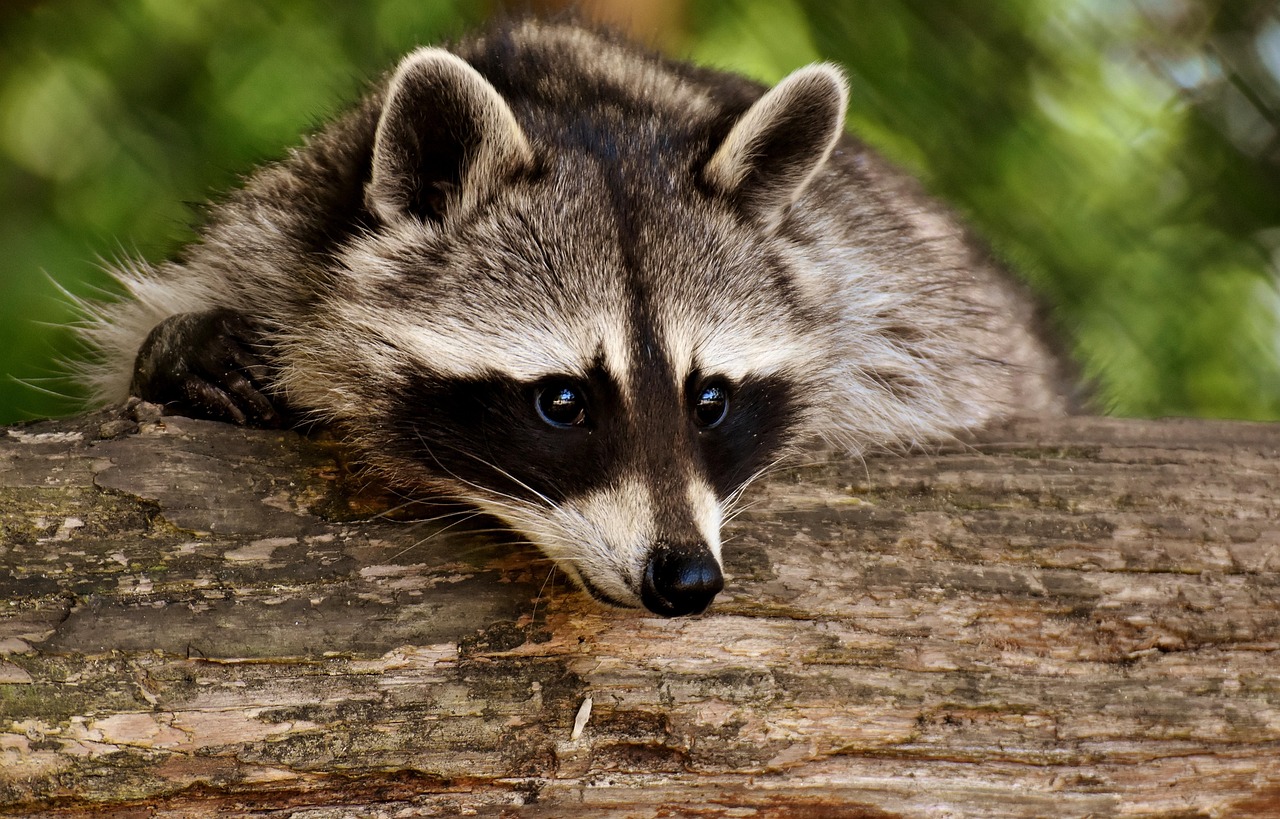
The ringtail, a raccoon relative, is one of the most elusive mammals in North America’s desert and canyon regions. With its long, striped tail and slender body, it squeezes into rock crevices and tree hollows with ease. This cat-sized creature performs nighttime acrobatics that would impress any circus performer, using its magnificent tail as a balancing pole while navigating cliff faces and narrow ledges.
This nocturnal animal is rarely seen, even by those who live in its range, as it prefers to forage silently under the cover of night. It was once nicknamed the “miner’s cat” because early prospectors kept them as pest controllers. Today, catching even a glimpse of a ringtail in the wild is like finding a hidden gem in the desert.
The Tree-Climbing Ninja
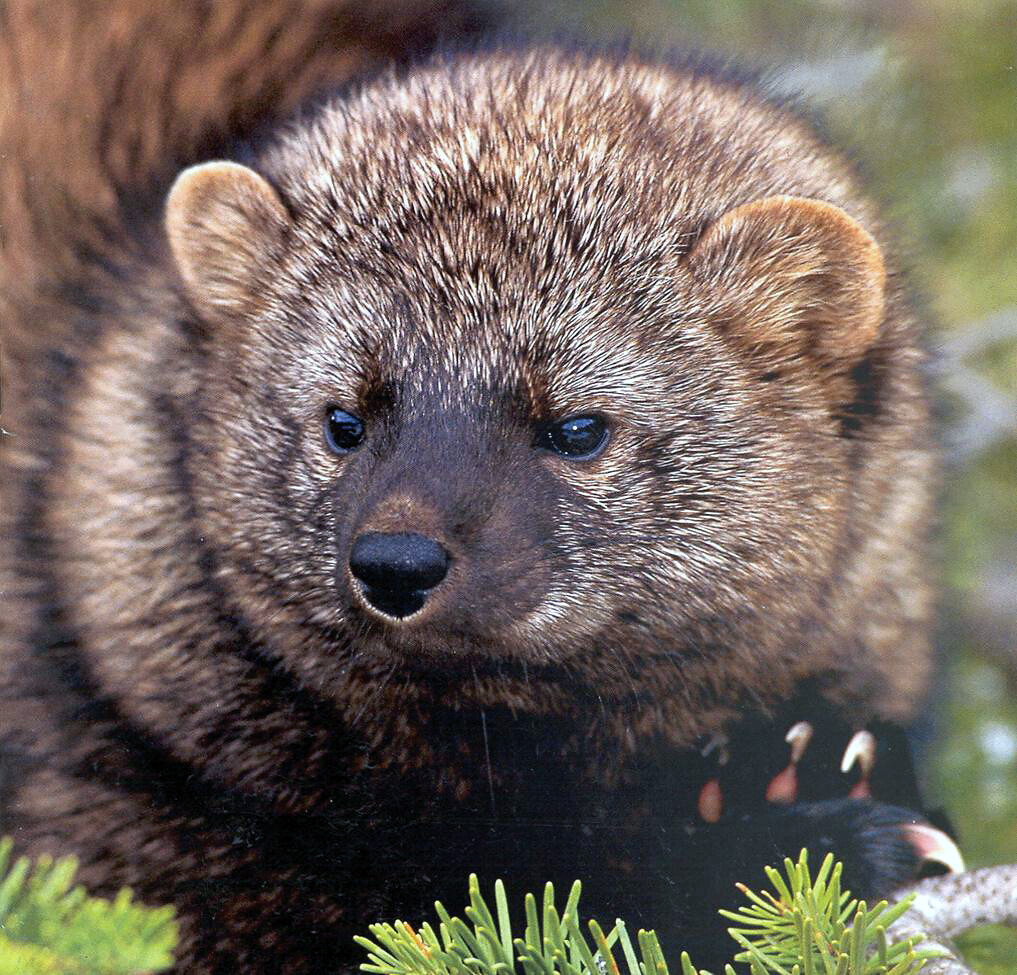
The Pacific fisher is a tree-dwelling predator – sleek, catlike, and built for climbing. In California, only two native populations survive: one in the Klamath-Siskiyou country near the Oregon border, and one in the southern Sierra Nevada. These coffee-colored acrobats possess an almost supernatural ability to navigate through the forest canopy, leaping between branches with the confidence of creatures born to fly.
Fishers have highly mobile ankle joints that can rotate their hind paws almost 180°, allowing them to maneuver well in trees and climb down head-first. The fisher is one of relatively few mammalian species with the ability to descend trees head-first. Think of them as the ninjas of the North American forest, silent predators that can chase prey both up and down trees with equal skill.
The World’s Most Endangered Porpoise
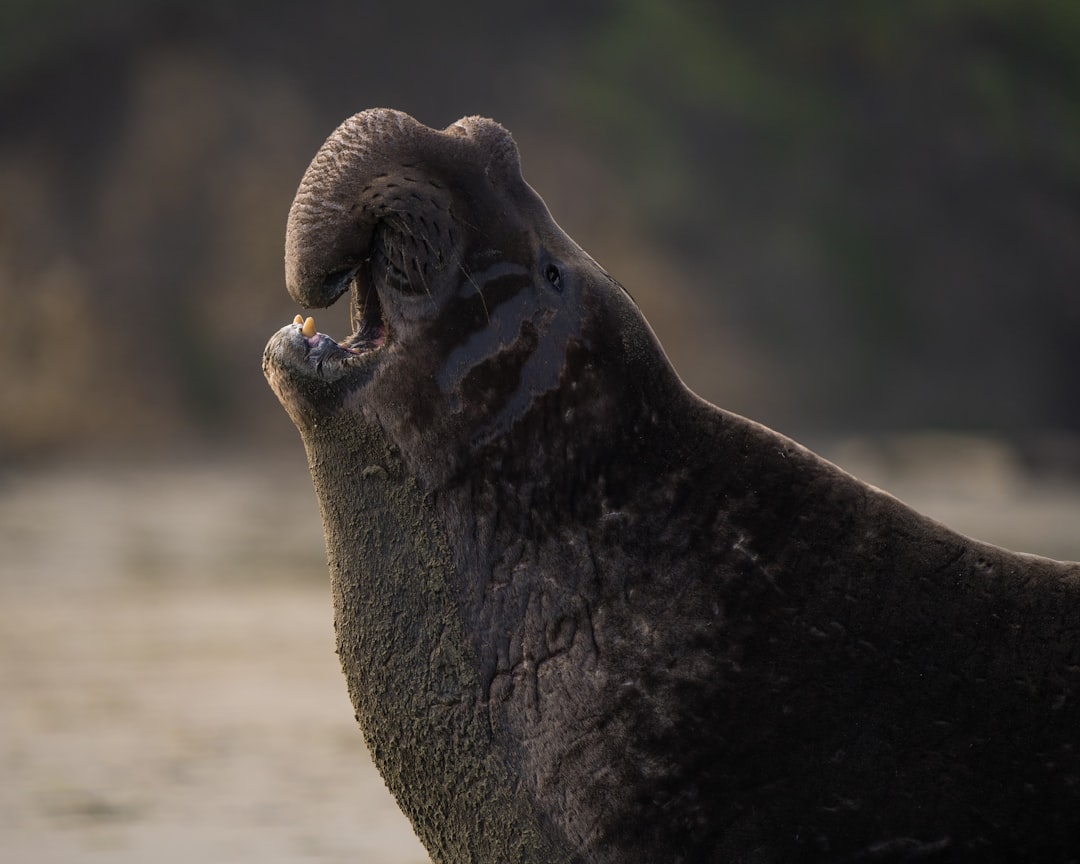
The vaquita, the world’s most endangered porpoise and rarest marine mammal, hovers on the brink of extinction with only around 10 individuals. According to the World Wildlife Foundation, the vaquita is the rarest marine mammal in the world. This petite porpoise, discovered only in the nineteen fifties, inhabits a single pocket of ocean no larger than some city limits.
The animal’s only habitat is the northern part of the Gulf of California. Recently, the International Whaling Commission released an extinction alert to warn the fishing community about the critical state of the animal. It’s the first alert of its kind. Every vaquita represents an irreplaceable piece of marine biodiversity hanging by the thinnest of threads.
The Legendary Mountain Wanderer
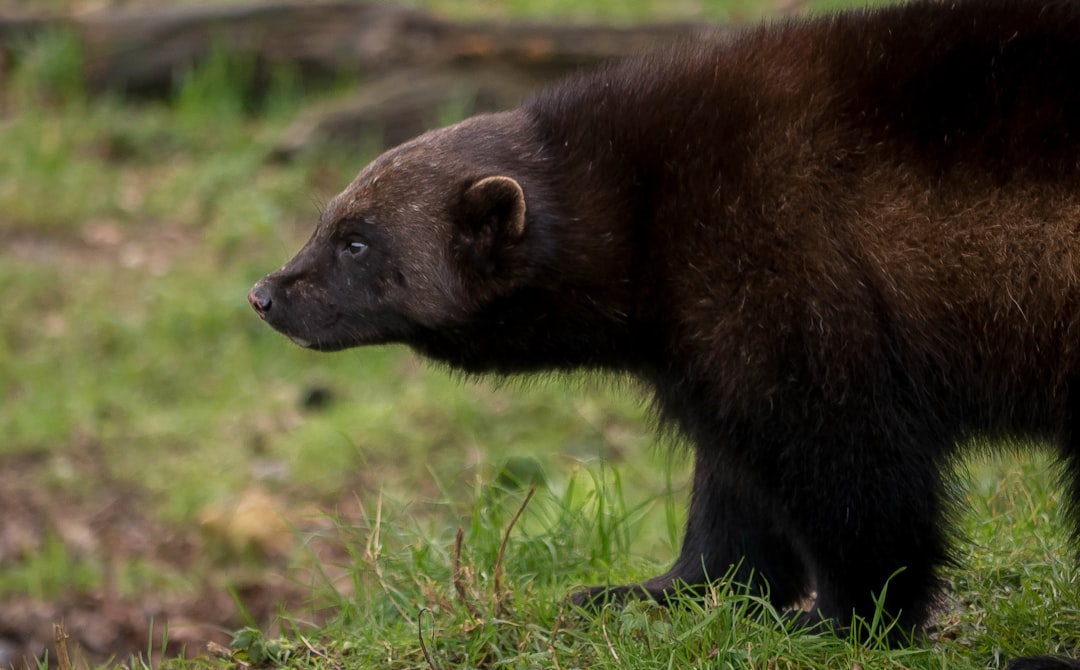
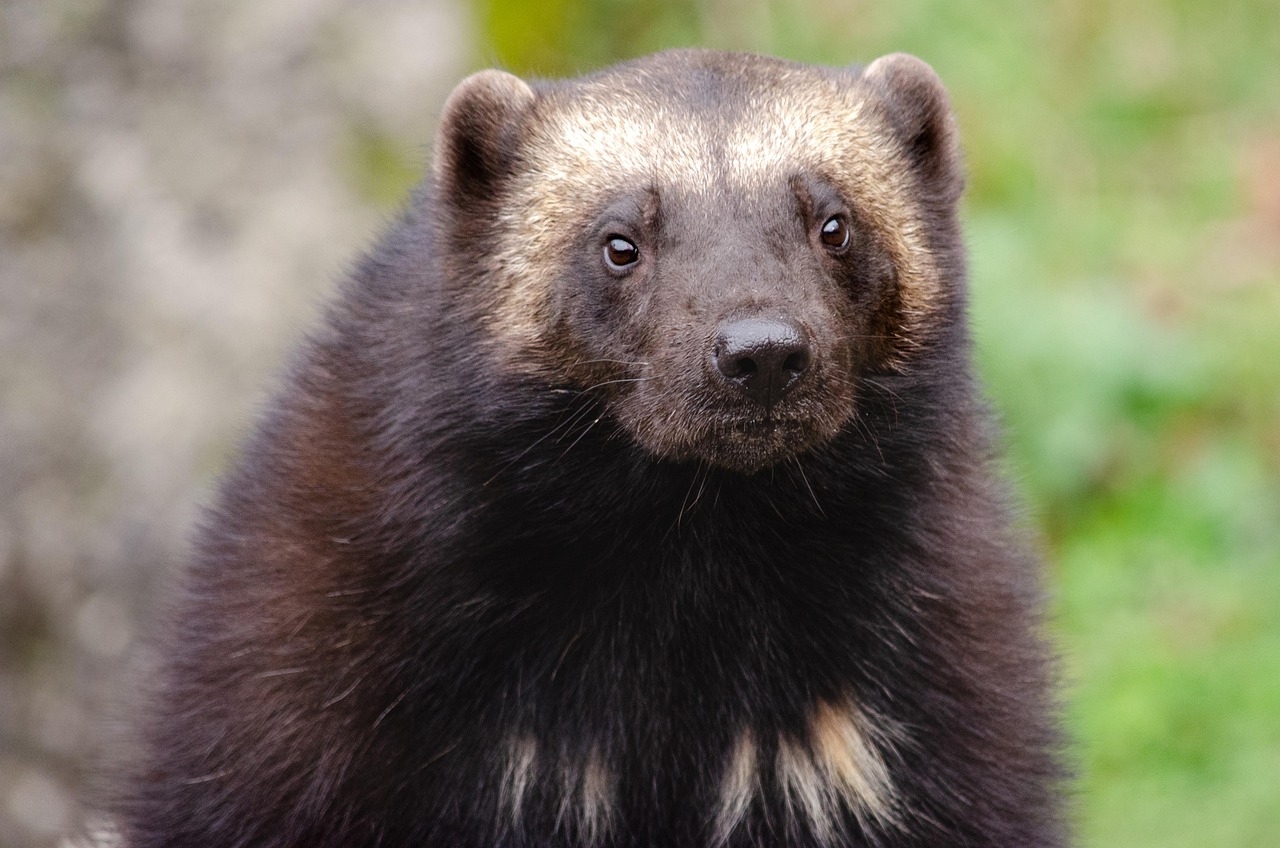
The wolverine is legendary for its ferocity, independence, and strength. But it’s also one of the rarest and least studied mammals in North America. The wolverine is one of the rarest and least-known mammals in North America. A lack of understanding regarding its historical distribution in the contiguous United States and its broad-scale habitat needs has hampered conservation efforts.
Where to look: Glacier National Park is one of the few strongholds for wolverines in the lower 48 states. These creatures inhabit remote alpine terrain and travel vast distances in search of food. What to know: Spotting a wolverine is a once-in-a-lifetime event. Look for their large, snowshoe-like prints and track patterns in the spring snowpack. Honestly, these animals seem almost mythical in their ability to survive in the harshest conditions imaginable.
The Smallest Turtle in North America
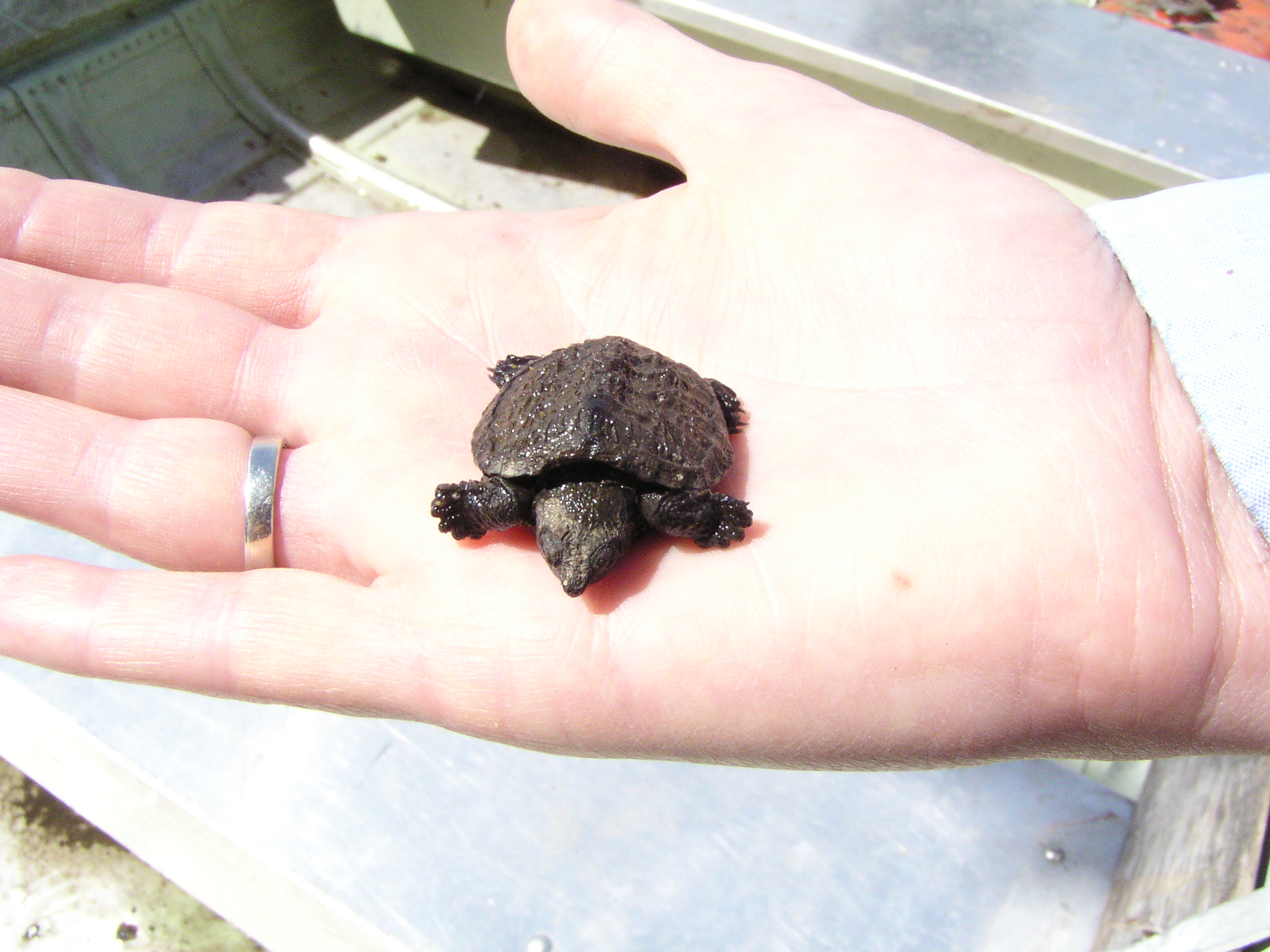
The southern bog turtle (Glyptemys muhlenbergii) is the smallest turtle in North America, and only grows to less than five inches in length, roughly the width of the human palm. This miniature wonder inhabits specialized wetland environments that most people would dismiss as unremarkable swampland.
Some hidden species are hard to spot due to their declining populations… and because they are just so very small. Finding one requires incredible patience and a keen eye for detail. These tiny turtles remind us that sometimes the most precious treasures come in the smallest packages.
The Southern Swamp Bear
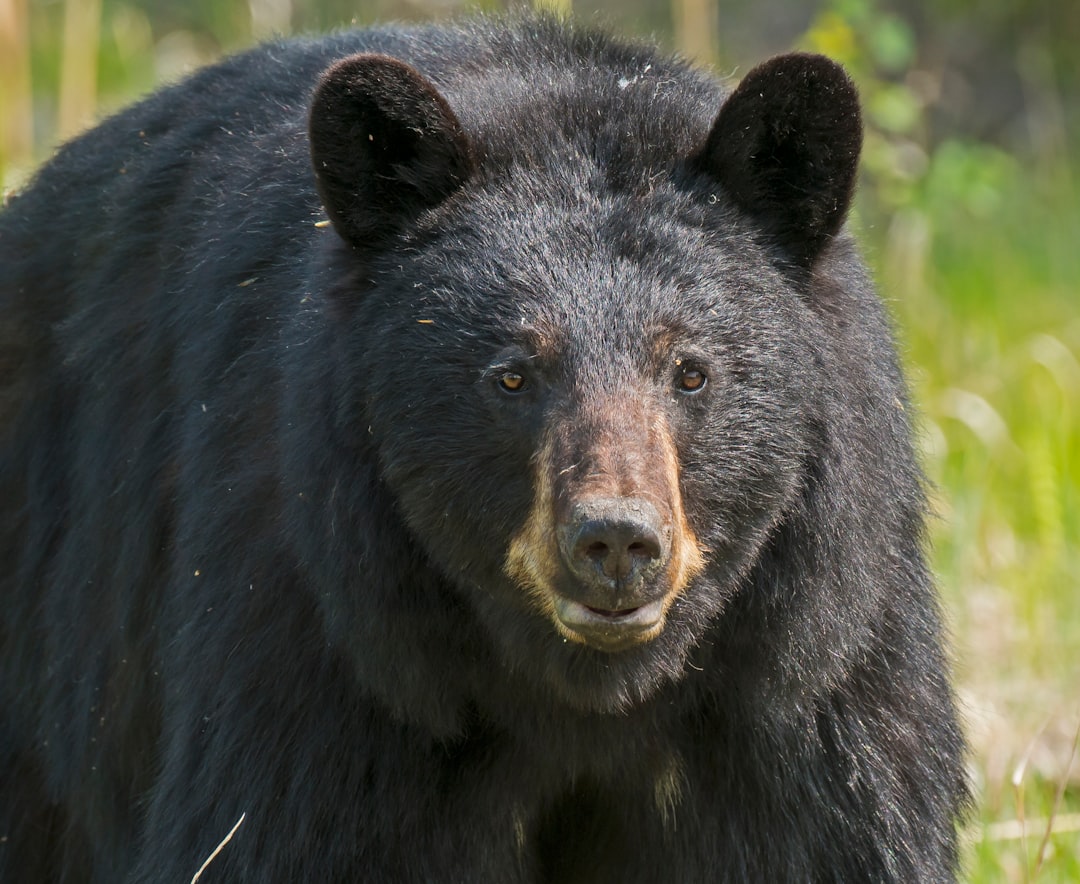
The Florida black bear is the only black bear subspecies found in the Sunshine State, adapted to subtropical forests and swamps rather than the mountains most of its cousins call home. Today, about 4,000 roam the state, with their range covering most of peninsular Florida and parts of the panhandle. These unique bears have learned to thrive in environments where their mountain cousins would struggle to survive.
Your best chance of seeing one is at dawn – just keep snacks sealed unless you want an uninvited taste-tester. Somewhere between 1,600 and 3,000 Florida black bears live in remote forests of Georgia, Florida and Alabama. The total population plummeted from over 10,000 historically to just 300 animals in 1974 as forests were cleared and bears shot.
The High-Mountain Sierra Fox
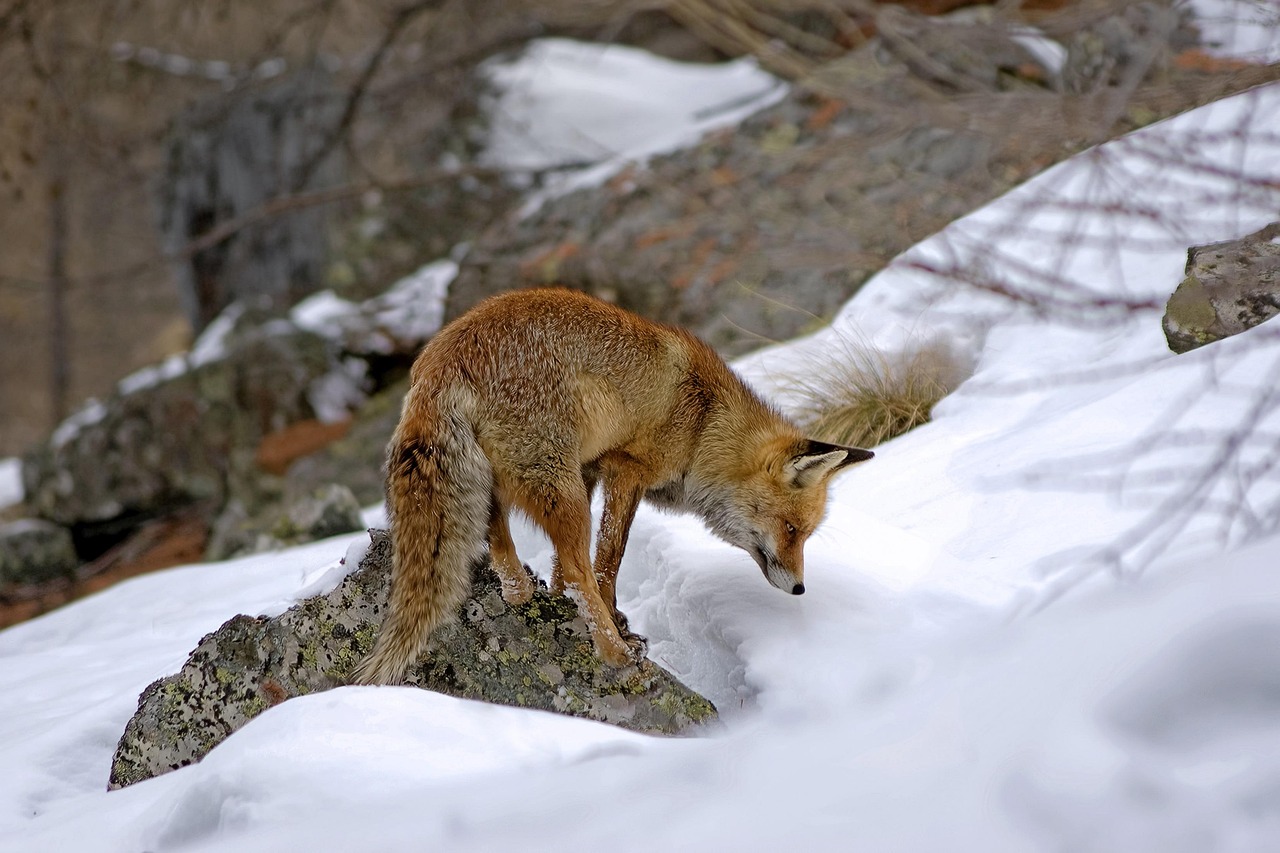
Among North America’s rarest mammals, this elusive fox has a population numbering somewhere between just 18 and 39 animals. If you want a chance of seeing one, head to the high, snowy backcountry of the central Sierra Nevada in California – think Sonora Pass and the remote northern edge of Yosemite National Park.
This fox represents one of the continent’s most endangered carnivores, surviving in isolated mountain pockets where few humans venture. A second, equally tiny group clings on further north, near Lassen Volcanic National Park. Their rarity makes each individual precious beyond measure, living symbols of wilderness resilience in an increasingly developed world.
The Silent Night Salamander
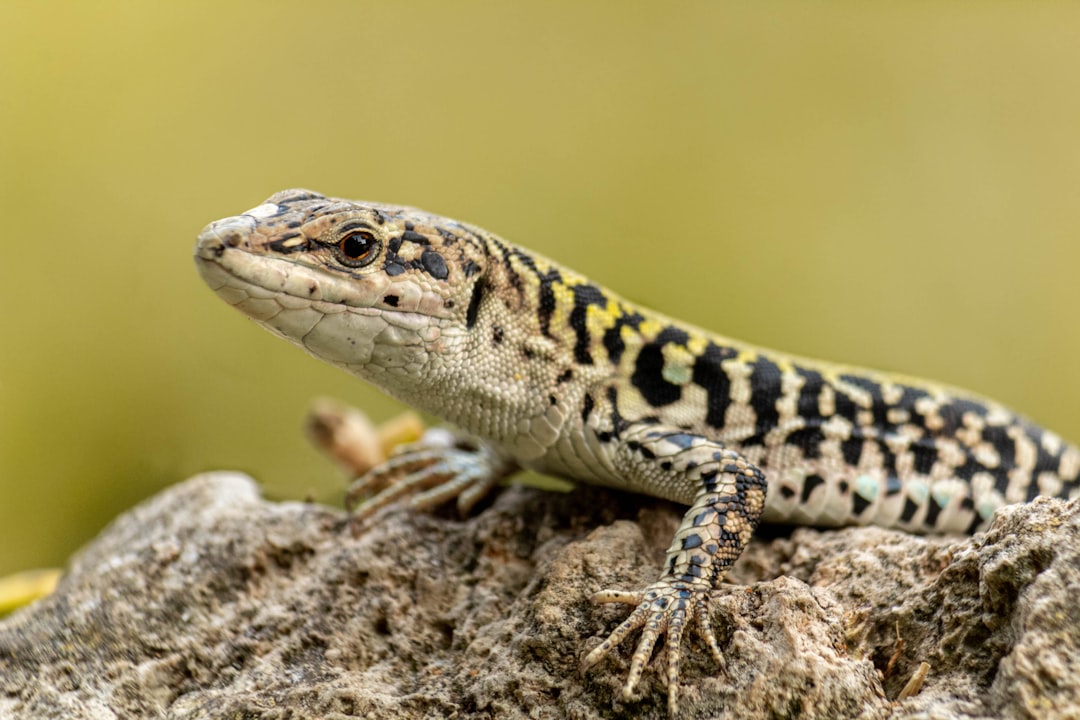
Some salamander species – such as the NC native green salamander – are incredibly difficult to find, as they live in inaccessible rock crevices and only emerge at night. As a result of their hidden existence, and due to a decline in sightings over the past few years, the green salamander is listed as threatened.
Salamanders are covered in a slimy mucus that protects their permeable skin, enables systemic function and – in some cases – provides defense against predators. As animals with permeable skin, salamanders are sensitive to toxins and pollution and are often great indicators of ecosystem health. These nocturnal amphibians serve as living barometers of environmental health, their presence indicating clean air and water.
The Mysterious Pine Forest Hunter
The American Marten is a small but agile predator found in the dense forests of North America. With a sleek body and pointed face, it effortlessly climbs trees in search of prey. Martens are elusive creatures, often hidden among the coniferous canopy, making them difficult to spot.
If there’s a tiny ninja of the forest, it’s the American marten. These sleek, agile creatures are known for their ability to dart through trees and vanish into the underbrush. They’re mostly active at dawn and dusk, and almost impossible to track. Their luxurious fur was once highly sought after, adding to their mystery and rarity in the wild. Picture a golden-brown streak flowing through the treetops like liquid lightning.
Conclusion
These seven hidden wonders prove that North America still holds countless mysteries, even in our modern world of satellite imagery and trail cameras. Each species represents thousands of years of evolution, perfectly adapted to their specific environments yet vulnerable to rapid changes in their habitats.
Their rarity makes every sighting a privilege, every photograph a treasure, and every conservation effort crucial. These animals remind us that the wild places we think we know still harbor secrets worth protecting. Next time you venture into North America’s forests, deserts, or wetlands, remember that you might be sharing the space with creatures whose very existence seems almost magical.
What do you think about these hidden wonders? Have you ever been lucky enough to spot one of these elusive creatures in the wild?

- The Ancient River System Hidden Beneath the Sahara of North America - June 22, 2026
- The one city in the US sinking under its own weight. - June 22, 2026
- 10 Fascinating Nocturnal Animals You Never Knew Existed - June 22, 2026