
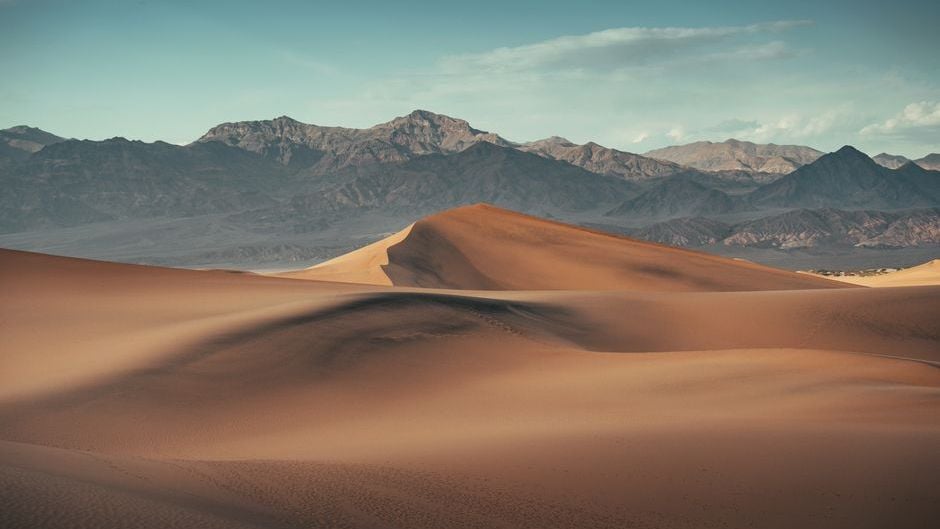
Deserts often hold surprises beneath their surfaces, and the arid stretches sometimes nicknamed the Sahara of North America are no exception. Layers of sand and rock can conceal traces of water that once shaped entire landscapes, sparking curiosity about what might still lie hidden there.
Stories of vanished rivers invite us to look closer at how climates shift over vast stretches of time. They remind us that even the driest places today once supported flowing water and richer ecosystems.
The Landscape Called the Sahara of North America
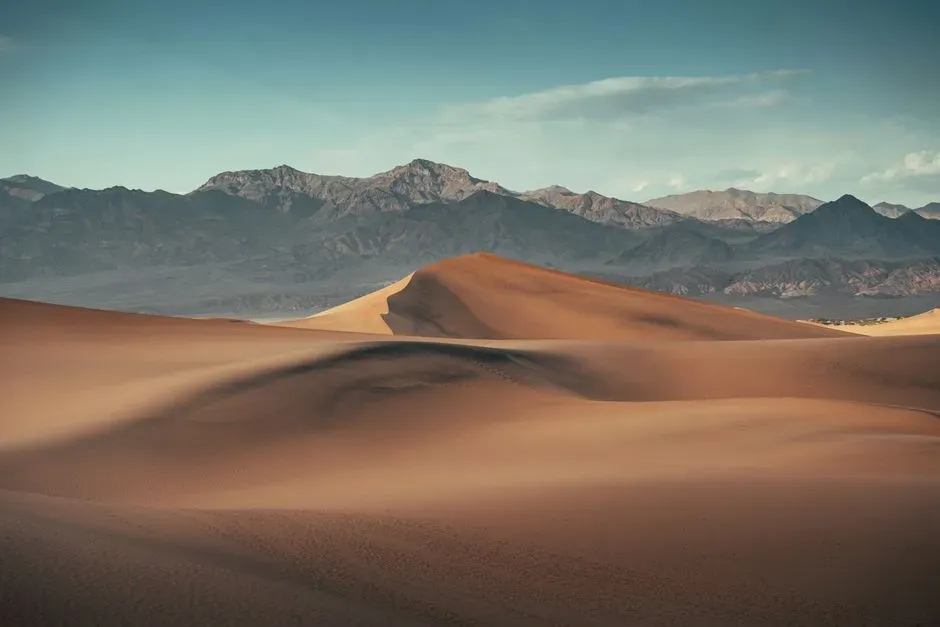
The term evokes the vast, sun baked expanses of the American Southwest, where dunes and dry basins stretch for hundreds of miles. These regions share traits with their African namesake, including extreme aridity and dramatic temperature swings that shape the surface we see today.
Yet beneath the familiar scenery lie sedimentary layers built over millennia. Wind and occasional flash floods continue to rearrange the topsoil, slowly burying or exposing older features without fanfare.
Clues from the Past Climate
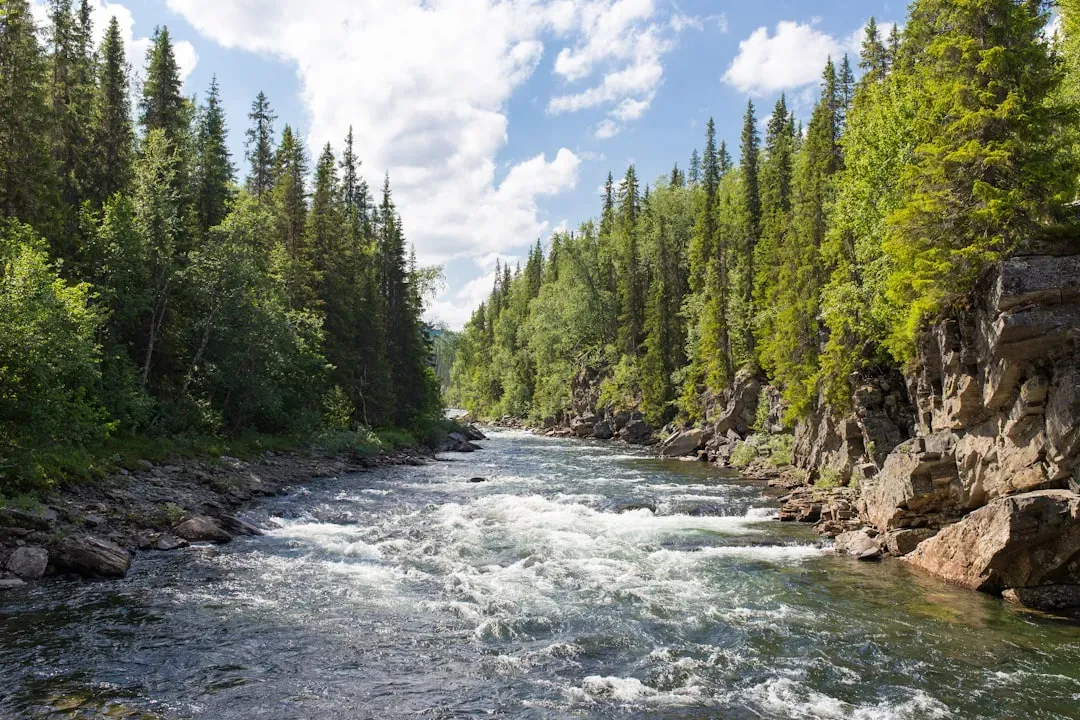
Earth’s orbit and tilt have driven repeated wet and dry cycles across continents for hundreds of thousands of years. During wetter intervals, increased rainfall would have fed rivers that carved channels through what are now desert floors.
Pollen records and sediment cores from nearby basins show shifts in vegetation that align with these changes. Such evidence points to periods when water flowed more freely, supporting plants and animals that could not survive in today’s conditions.
Tools That Reveal What Lies Below
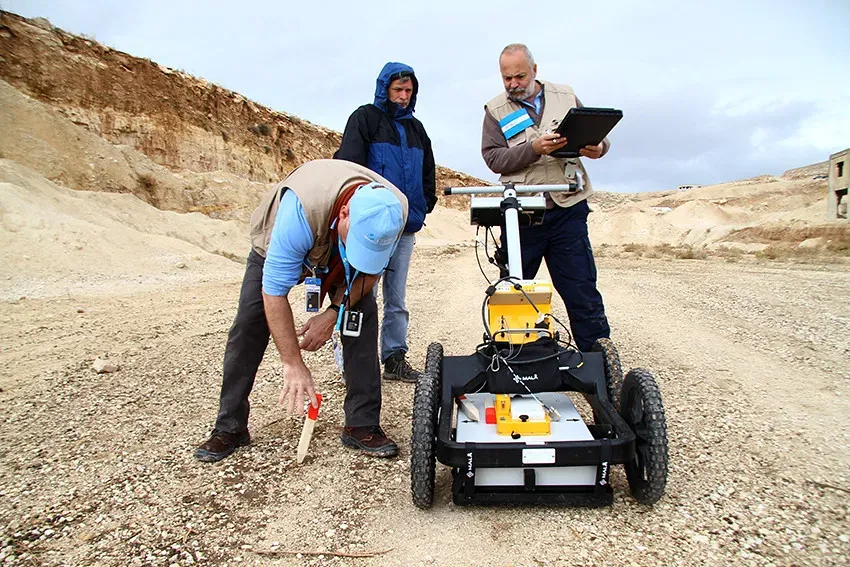
Modern imaging techniques allow researchers to peer through sand without digging. Radar and other remote sensing methods pick up differences in subsurface density that often trace old riverbeds.
Ground surveys and shallow drilling add detail where satellite data suggest promising spots. Together these methods build a picture of buried topography that surface observation alone cannot provide.
What the Channels Might Have Looked Like
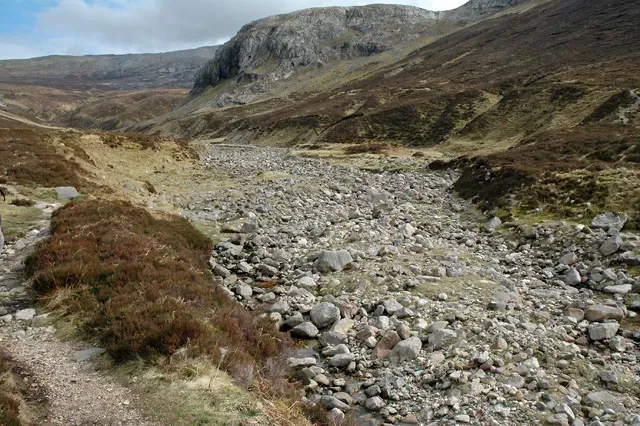
Ancient waterways in arid zones tended to form broad, meandering paths rather than steep canyons. They deposited layers of gravel and silt that later hardened into distinct strata.
Over time, wind filled the depressions with finer sand, preserving the outlines while hiding them from casual view. The resulting pattern resembles a fossilized drainage network waiting for the right conditions to be noticed.
Impact on Early Life and Migration
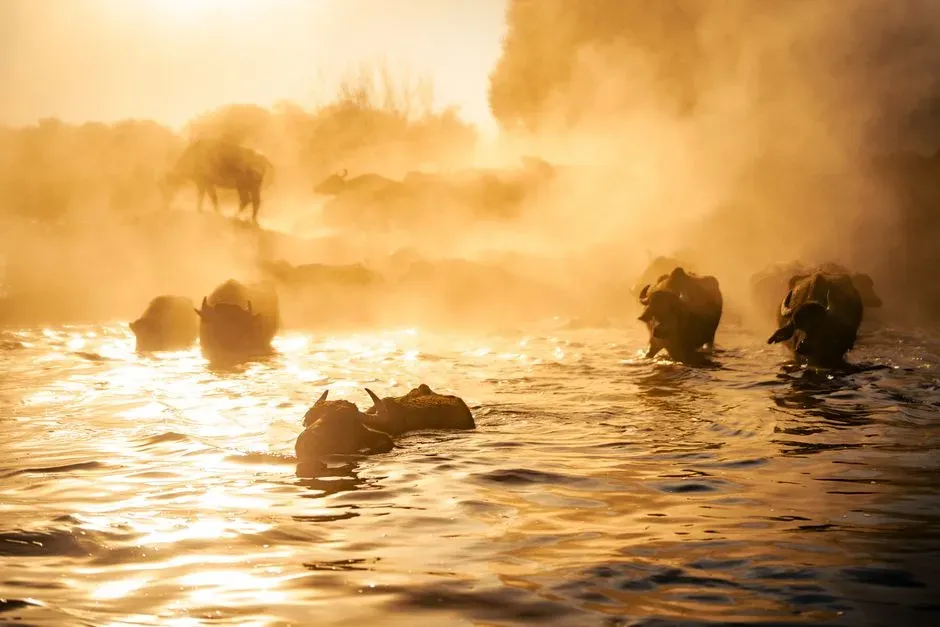
Where water once gathered, it would have created corridors for plants, insects, and larger animals. Early human groups moving through the region likely followed these routes during favorable seasons.
Over generations, such pathways could have influenced where settlements formed or where resources were gathered. The presence of reliable water sources would have made certain stretches more habitable than the surrounding dry land.
Why It Matters Today
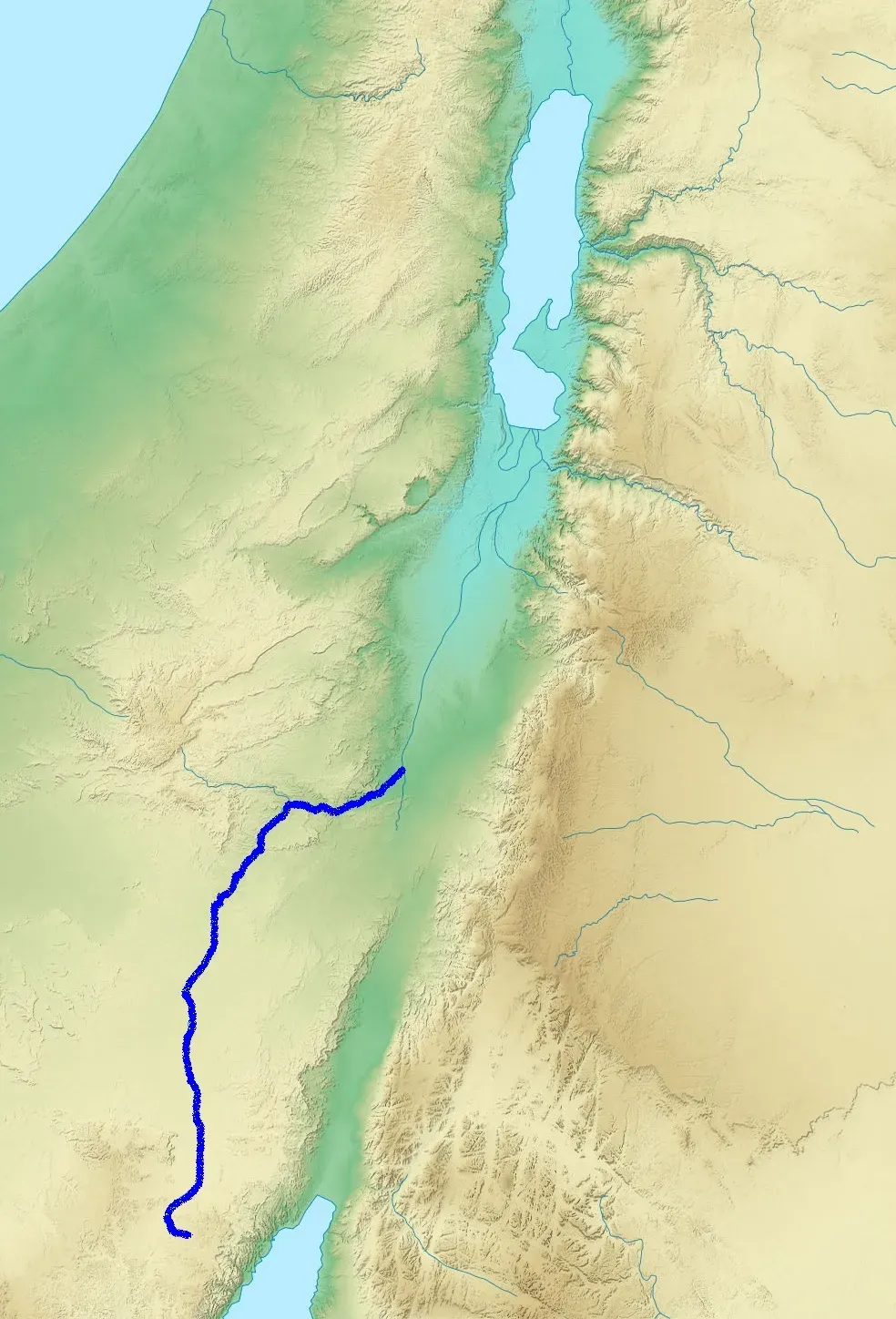
Understanding these hidden features helps explain how groundwater moves through desert aquifers. It also informs models of how landscapes respond to long term drying trends.
Knowledge of past water systems can guide careful management of the limited resources that remain. It underscores the value of preserving natural patterns even when they are no longer visible on the surface.
Future Discoveries and Questions
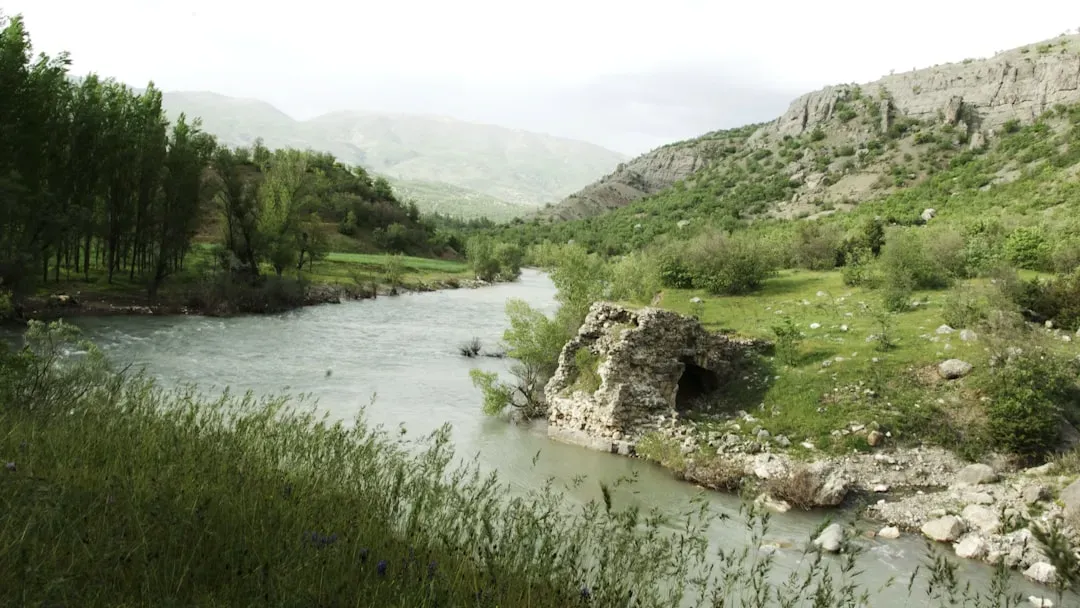
Continued advances in sensing technology may uncover more detail about these buried networks. Each new layer of data raises fresh questions about timing, extent, and the forces that eventually silenced the flow.
Whether similar systems exist in other North American deserts remains an open line of inquiry. The answers will come from patient fieldwork rather than dramatic announcements.
In the end, the idea of an ancient river system beneath these arid lands serves as a quiet reminder that landscapes are never static. What we see on the surface is only the latest chapter in a much longer story, one that rewards careful attention over quick conclusions.

- What Cats Really Do at Night Will Surprise You 19 Behaviours Researchers Still Cannot Explain - August 9, 2026
- 18 American Places Park Rangers Say Almost Nobody Visits That Genuinely Deserve Far More Attention - August 9, 2026
- 17 Dog Breeds Breeders Say Are Slipping Away So Quietly That Almost Nobody Has Noticed Yet - August 9, 2026