
Picture this: you’ve been planning that perfect wildlife photography trip for months. You’ve researched the famous parks, bookmarked countless Instagram shots from Yellowstone and Yosemite, and packed your telephoto lens with dreams of capturing that iconic grizzly bear or elk. However, you arrive only to discover crowds of photographers jostling for the same shot, tour buses blocking pristine vistas, and wildlife that’s become so accustomed to human presence that the magic feels lost.
What if there was another way? Hidden across America are national parks that offer equally spectacular wildlife encounters without the overwhelming crowds and circus atmosphere. These underrated gems provide intimate moments with nature, unique species you won’t find elsewhere, and photography opportunities that feel genuinely wild. So let’s get started and discover nine incredible national parks where your camera can capture the raw beauty of American wildlife in peaceful solitude.
Theodore Roosevelt National Park – North Dakota’s Prairie Wildlife Theater
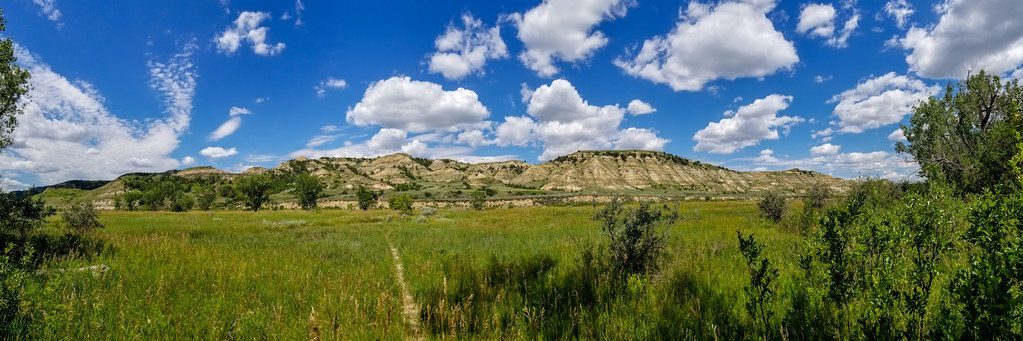
The park’s landscapes of rolling hills, eroded buttes, and colorful canyons are stunning and offer excellent wildlife viewing opportunities, with bison, wild horses, and prairie dogs all visible if you get lucky. If you want Yellowstone vibes without Yellowstone crowds, head to Theodore Roosevelt National Park. The park’s rolling badlands are full of wild bison, rugged hiking trails, and some of the most underrated sunsets in the country.
This North Dakota treasure transforms into a wildlife photographer’s dreamscape during golden hour. Widely known for large mammals, such as bison, elk, and white-tailed deer, North Dakota’s Theodore Roosevelt National Park, boasts much broader biodiversity. The park offers something truly special – Black-tailed prairie dogs pop out of holes in “towns,” howling as they alert their mates of predators – such as coyotes, which can be found everywhere on the landscape. American bison, deer and pronghorn are easy to spot.
Congaree National Park – South Carolina’s Ancient Forest Cathedral
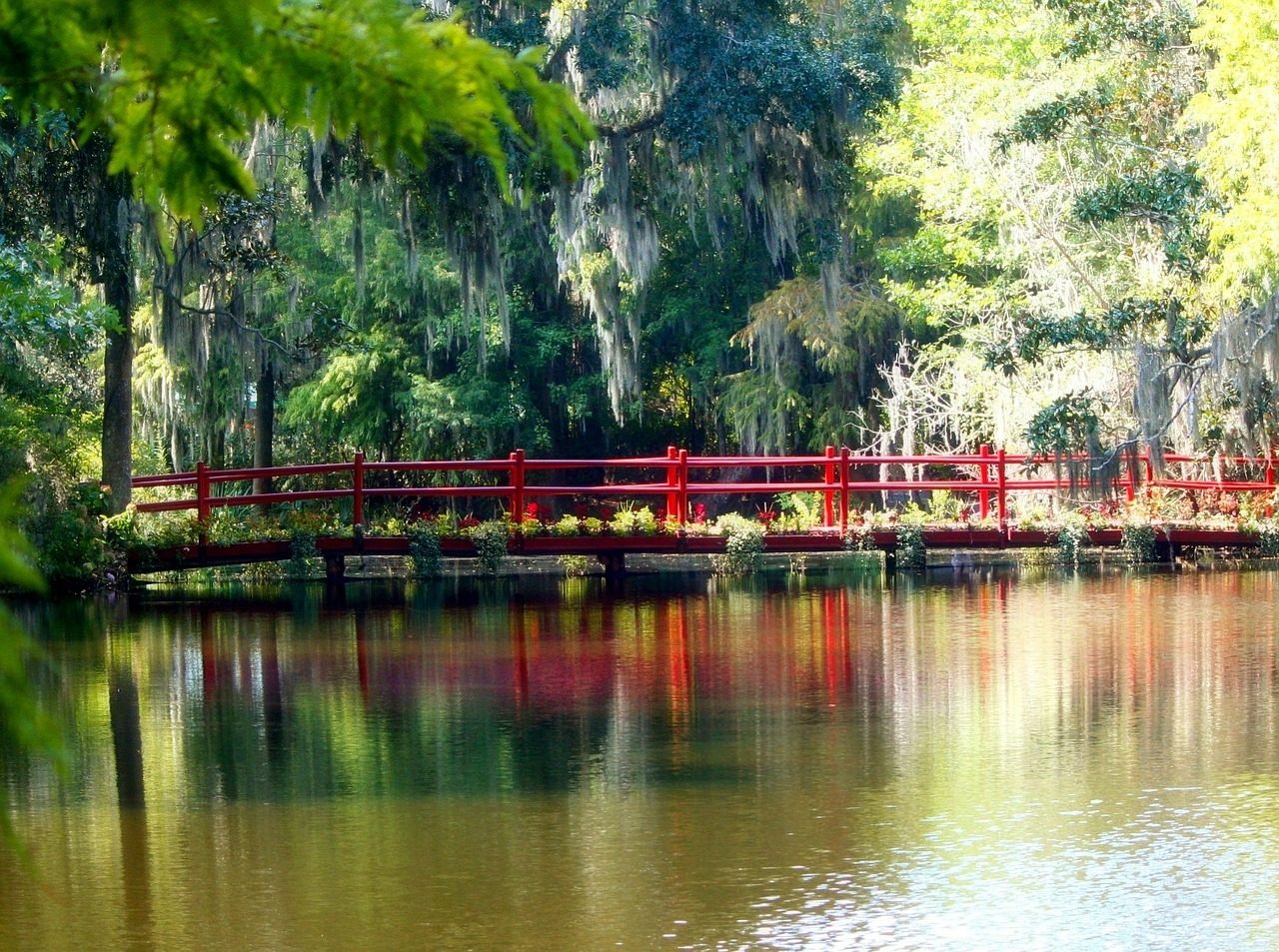
Congaree National Park in South Carolina is best known for its large collection of old-growth, bottomland hardwood trees. The park is a cathedral of colossal trees draped in Spanish moss, where sunlight filters through a dense green canopy and the air hums with cicadas. This mystical landscape creates photography opportunities unlike anywhere else in the Southeast.
It’s one of the best places in the Southeast to spot barred owls, river otters, and, in late spring, the surreal synchronous fireflies that light up the woods between mid-May and mid-June. The park’s seasonal flooding creates reflective pools that mirror the towering trees, offering magical compositions for wildlife photographers willing to venture into this swampy wonderland.
Great Basin National Park – Nevada’s High-Altitude Wildlife Haven
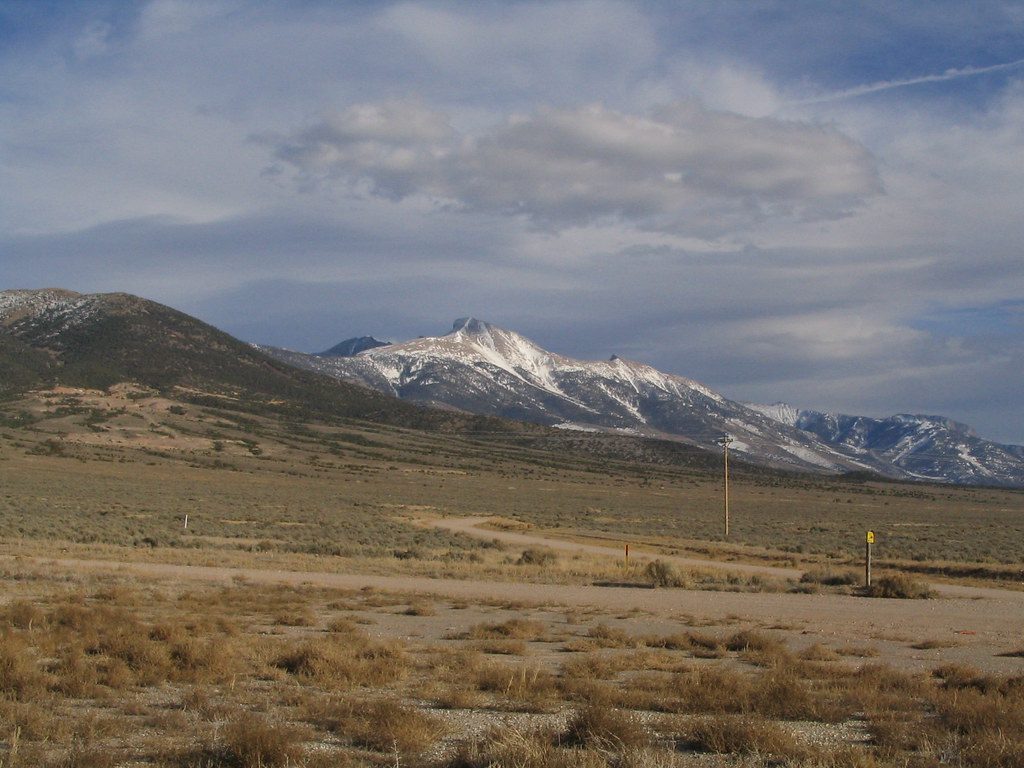
Most people imagine Nevada as endless desert, yet Great Basin National Park might just challenge your conception of the state of Nevada: It’s not all desert. The park offers ancient bristlecone pine forests, incredible night skies, scenic foothills covered in sagebrush, the stunning 13,065-foot Wheeler Peak and the mysterious Lehman Caves.
Here you can walk among some of the oldest living organisms on Earth – the bristlecone pines – and stargaze at one of the darkest skies in the country. This elevation diversity creates unique microclimates that support surprisingly varied wildlife, from mountain goats scaling rocky peaks to elusive desert species in the lower elevations. The stark contrasts make for compelling photographic compositions.
Big Bend National Park – Texas Desert’s Wildlife Oasis
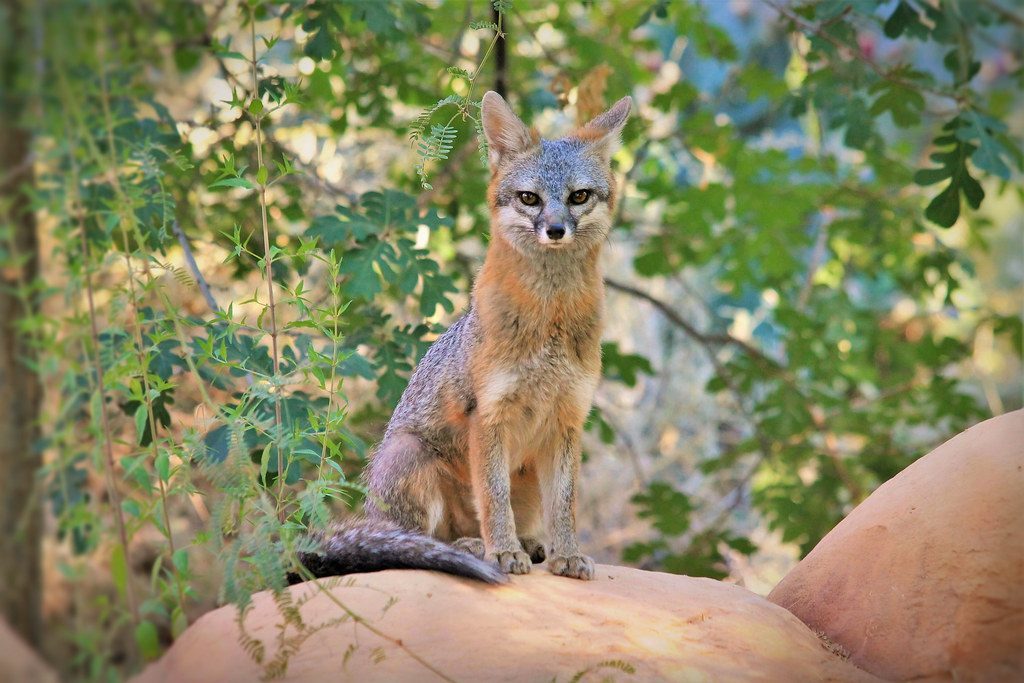
Covering over 800,000 acres of desert and mountains, Big Bend is not for the faint of heart. Here, the landscape is as rugged as it is breathtaking, with sharp, spiny flora and potentially venomous wildlife. This harsh beauty creates one of America’s most authentic wilderness experiences for wildlife photography.
If you want to get to know the rugged American west, Big Bend National Park in Texas is your jam. The park’s remote location along the Rio Grande provides habitat for over 450 bird species, including roadrunners, golden eagles, and the rare Colima warbler. Desert creatures like javelinas, mountain lions, and an incredible variety of reptiles thrive in this seemingly hostile environment, rewarding patient photographers with unique shots.
Channel Islands National Park – California’s Marine Wildlife Paradise
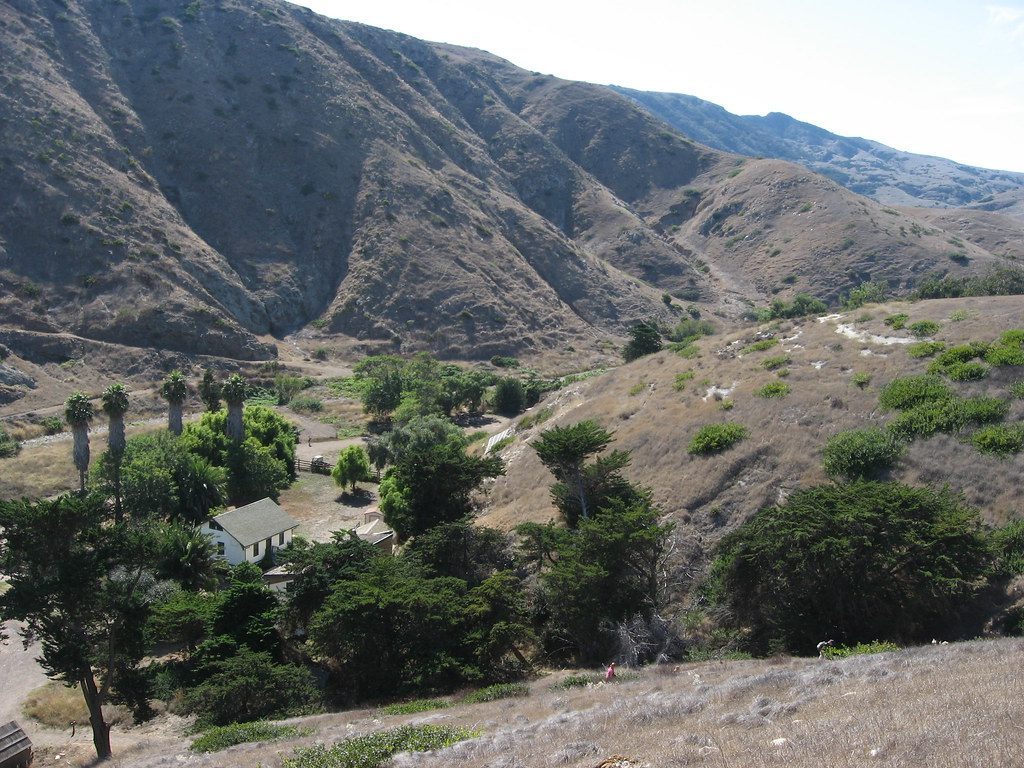
Just off the coast of Southern California, Channel Islands National Park comprises five islands that are a haven for marine life and seabirds – the islands are rich in unique flora and fauna, many of which are found nowhere else on Earth. Kayaking through sea caves, snorkeling in kelp forests, and hiking along coastal bluffs – all are possible in this little-known CA gem. The park’s isolation ensures its natural beauty remains pristine and uncrowded, which definitely can’t be said of some better-known Californian destinations!
These islands serve as breeding grounds for six seal and sea lion species, creating incredible opportunities for marine mammal photography. The crystal-clear waters surrounding the islands reveal underwater wildlife that can be captured through snorkeling or from kayaks floating above kelp forests teeming with life.
Katmai National Park – Alaska’s Brown Bear Capital
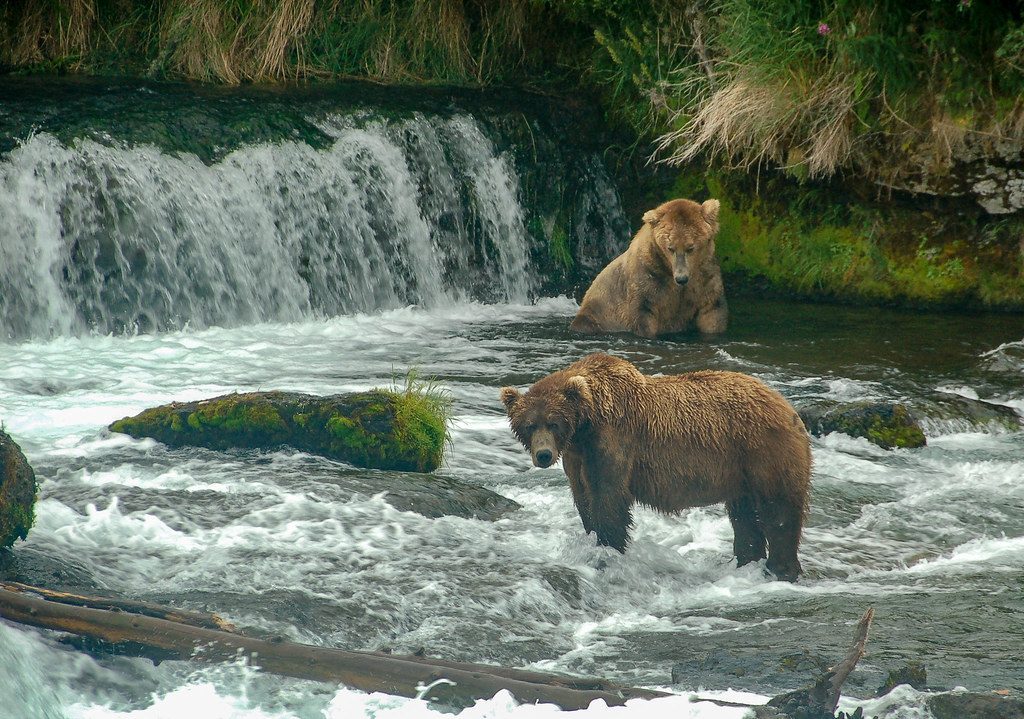
This is, after all, one of the best vacations. In addition to watching some of the world’s biggest brown bears at Brooks Falls, Katmai also offers amazing canoeing and kayaking, hiking and wilderness camping. While technically well-known among wildlife photographers, This is one of the wildest and remotest regions on earth, offering a phenomenal national parks experience without the crowds.
Katmai National Park is a wildlife photographer’s paradise, especially for those interested in capturing images of brown bears and other iconic Alaskan wildlife. With an estimated population of over 2,200 brown bears, photographers have the opportunity to capture images of these magnificent mammals in large groups, from cubs to adult males. In addition to brown bears, Katmai is also home to a variety of other wildlife species, including moose, caribou, and wolves, making it a versatile destination for wildlife photographers.
Olympic National Park – Washington’s Diverse Ecosystem Showcase
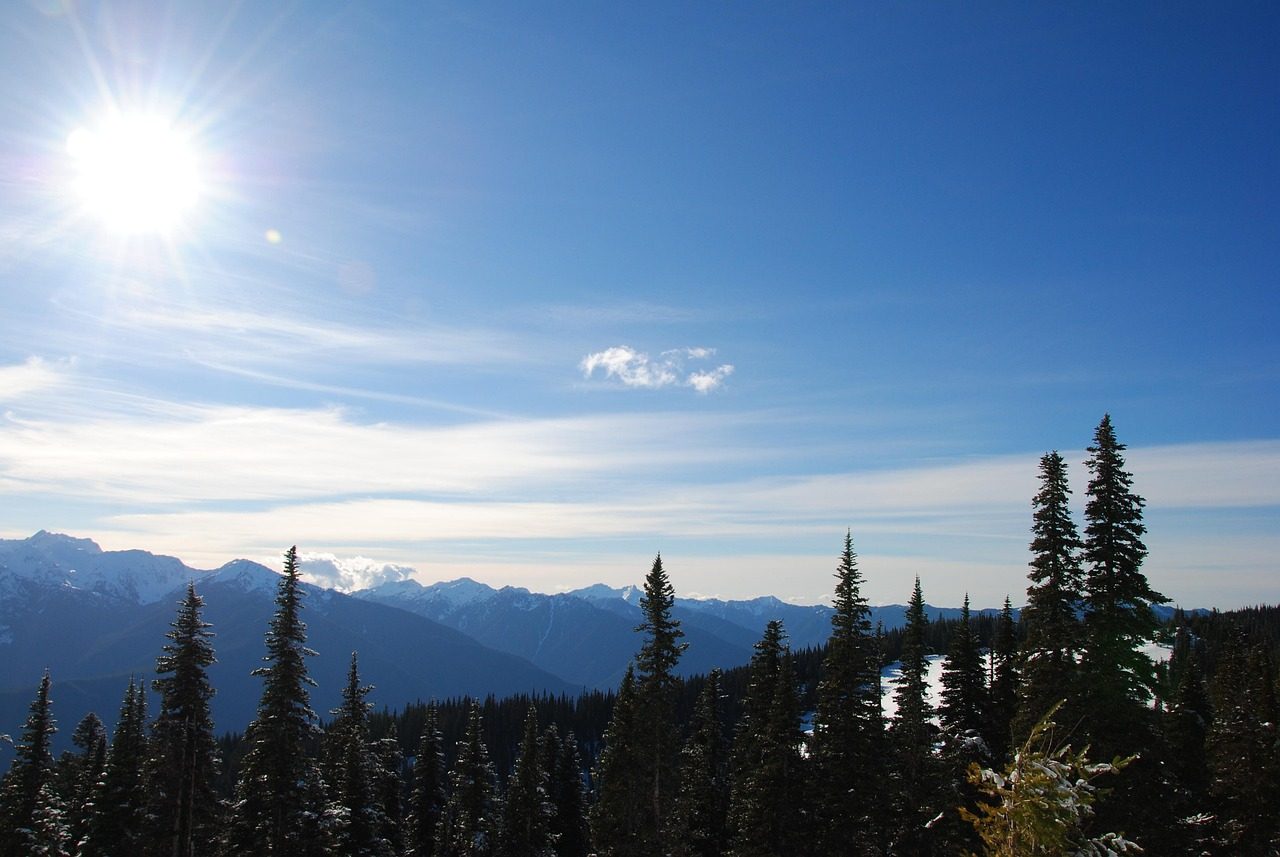
Olympic’s diverse ecosystems include glacier-topped mountains, rainforests, and 73 linear miles of Pacific coast. The park protects the largest population of Roosevelt elk in the Pacific Northwest, plus snowshoe hares, Columbia black-tailed deer, Olympic marmots (found nowhere else in the world), newly reintroduced fishers (cat-size members of the weasel family), and underrated bright-yellow banana slugs.
The park’s incredible ecosystem diversity means wildlife photographers can capture temperate rainforest species, alpine wildlife, and marine mammals all within the same park. Near the shore, you can spot seals, sea otters, sea lions, and – between March and May – migrating gray whales. Columbia black-tailed deer congregate in Hurricane Ridge; elk are common on Upper Hoh Road.
Virgin Islands National Park – Tropical Marine Life Paradise
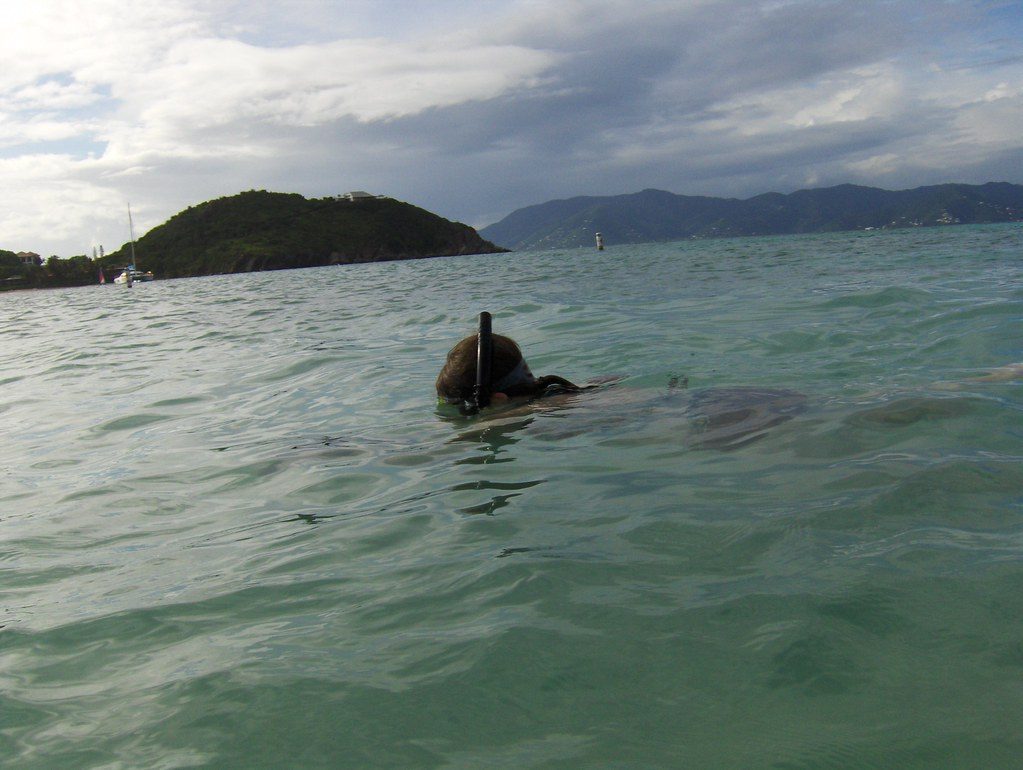
The allure of the Virgin Islands as a tropical paradise comes from the clear, blue ocean – where giant sea turtles glide through the turquoise Caribbean sea and sting rays skate the sandy ocean bottom. The coral reefs in the area are home to more than 300 species of tropical fish that dance in front of the GoPro strapped to your PFD. The park has even preserved an underwater trail complete with markers that help guide snorkelers to important oceanic wildlife locations.
On land, butterflies flutter, lizards scale ancient sugar cane plantations’ walls and 144 species of birds watch over from above. This U.S. territory in the Caribbean offers one of the best samplings of marine and terrestrial wildlife, born into the nutrient rich waters where the Atlantic and Caribbean converge. The crystal-clear waters create perfect conditions for underwater photography, while the tropical terrestrial wildlife provides vibrant subjects against lush green backdrops.
Great Smoky Mountains National Park – Southeastern Wildlife Diversity
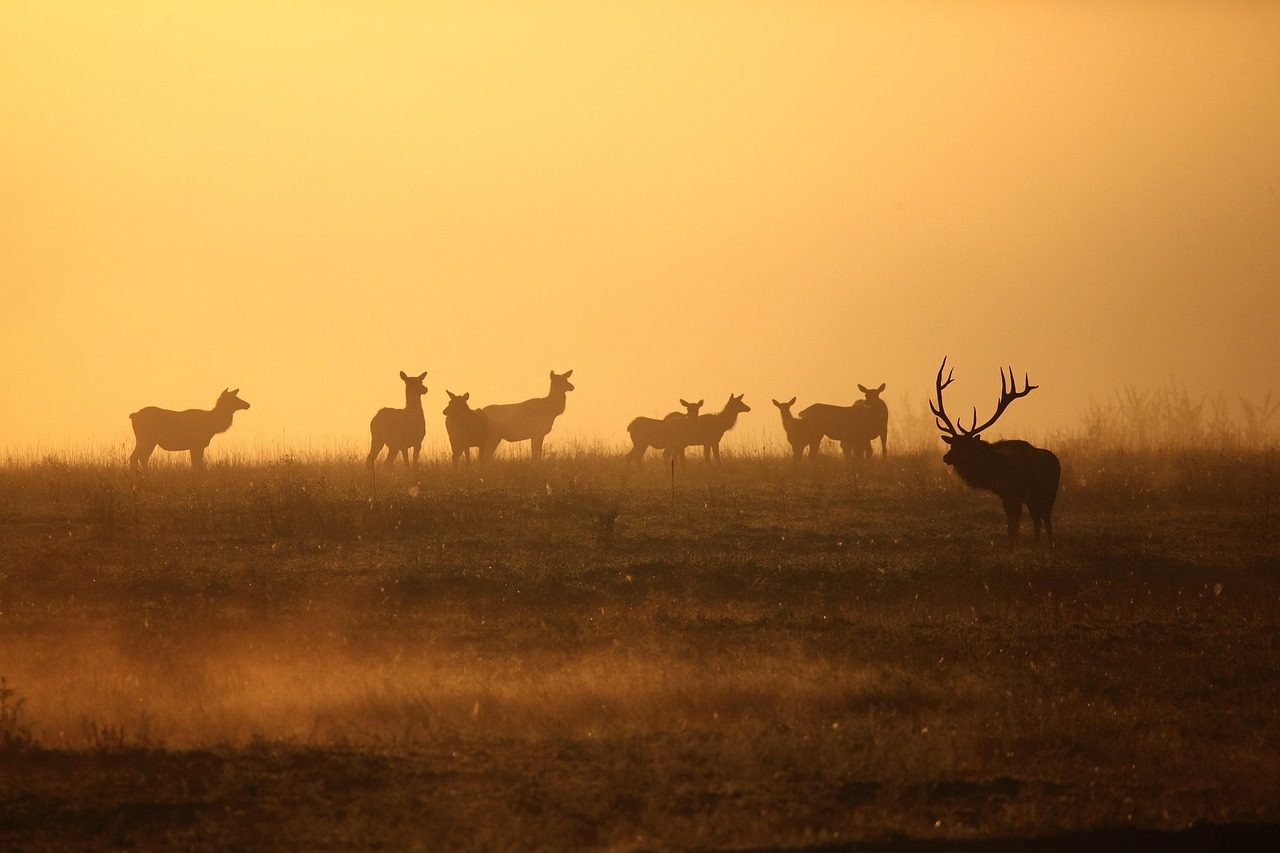
Though popular overall, Most famous for its 1,500 resident black bears, this 522,400-acre park is also one of the few refuges for elk and white-tailed deer east of the Mississippi River. Plenty of smaller animals, though, are also worth looking for here – like the park’s 30 varieties of salamander. The park’s incredible biodiversity makes it a wildlife photographer’s treasure trove.
Elk: Reintroduced to the park in recent years, elk can be found in the Cataloochee Valley and offer excellent photography opportunities. Elk: Reintroduced to the park in recent years, elk can be found in the Cataloochee Valley and offer excellent photography opportunities. Salamanders: The park is known as the “Salamander Capital of the World” and is home to over 30 species of these amphibians. Early morning mist in the valleys creates atmospheric conditions perfect for capturing wildlife in their natural mountain habitat.
These nine underrated national parks prove that America’s best wildlife photography doesn’t always happen where the crowds gather. From the badlands of North Dakota to the tropical waters of the Virgin Islands, these hidden gems offer intimate encounters with diverse wildlife in pristine settings. Each park presents unique challenges and rewards, whether you’re tracking desert bighorn sheep through Big Bend’s rugged terrain or waiting patiently for synchronous fireflies to illuminate Congaree’s ancient forest.
What makes these parks truly special isn’t just their incredible wildlife – it’s the opportunity to photograph these creatures in peace, without the pressure of competing photographers or tour groups disrupting the natural behavior of your subjects. The next time you’re planning a wildlife photography adventure, consider stepping off the beaten path. What unexpected wildlife encounters might be waiting for you in these overlooked treasures?
