
Picture this: you’re standing in the vast American West, watching a herd of mustangs thunder across the horizon, their manes flowing like ancient banners. These magnificent creatures seem so perfectly at home in this landscape, as if they’ve always belonged here. Yet their story is one of the most remarkable journeys in natural history, spanning millions of years, continental drift, and human intervention.
The truth about is far more complex and fascinating than most people realize. These animals didn’t just arrive with Spanish conquistadors. They actually originated here, vanished completely, and then returned as strangers to their ancestral homeland. It’s a tale that weaves together prehistoric evolution, extinction mysteries, cultural transformation, and modern conservation challenges. Let’s explore this incredible journey through time.
The Ancient Birthplace of Horses
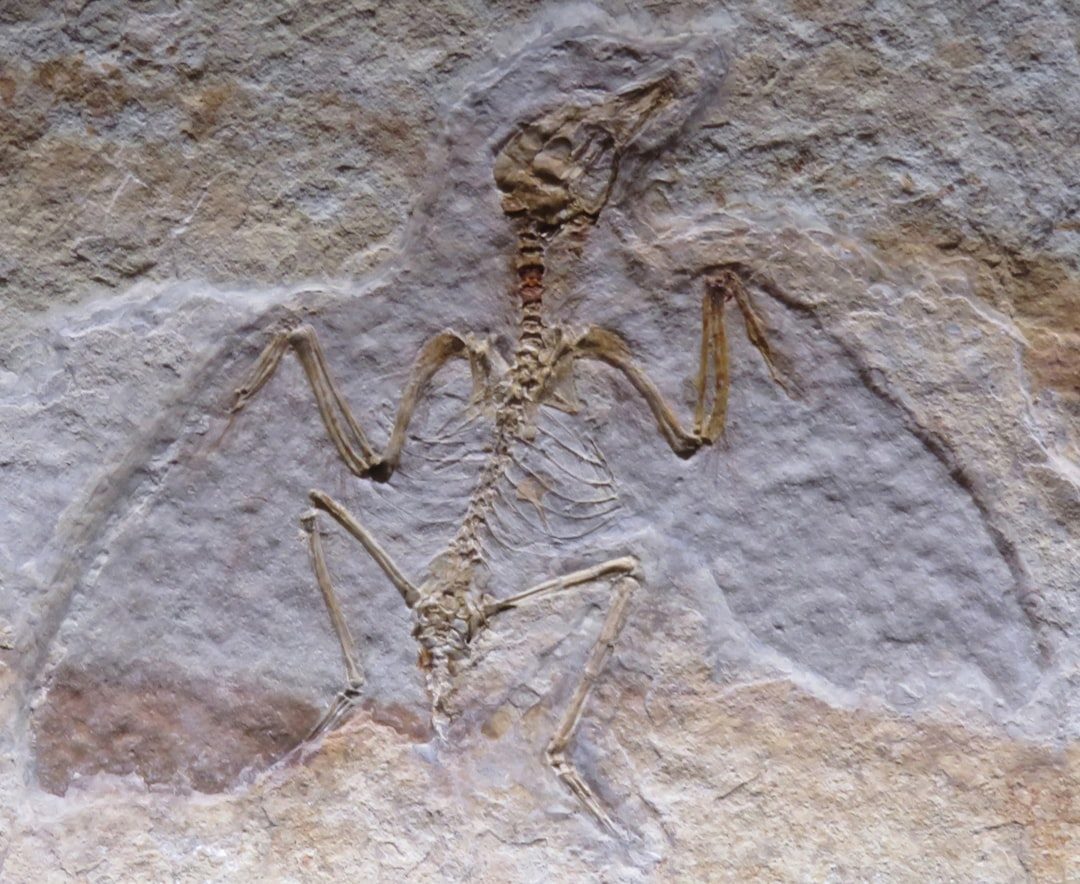
North America was the original cradle of horse evolution, beginning about 50 million years ago during the Eocene epoch. The first horse ancestor, called Eohippus (also known as Hyracotherium), was a small creature about the size of a dog that roamed the forests of what is now the western United States.
This tiny ancestor had three distinct toes and looked nothing like the horses we know today. Thousands of complete fossilized skeletons of these early horses have been discovered in Eocene rock layers, particularly in Wyoming’s Wind River basin. Scientists have been able to piece together a more complete evolutionary lineage for horses than for almost any other animal.
Millions of Years of Transformation
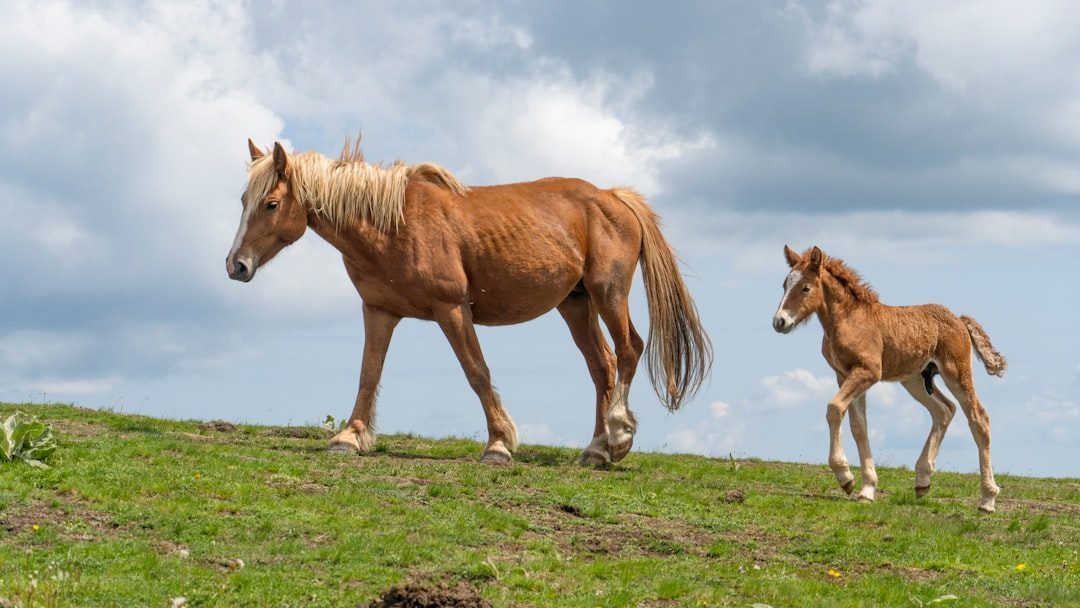
During the early evolutionary period, horses developed teeth better suited for grinding as they began spending more time grazing on flatter lands and eating tougher vegetation. About 38 million years ago, North America’s climate gradually became drier, and vast grasslands replaced the forests, which became a critical element in horse evolution as they were among the first animals to take advantage of this new habitat.
As horses specialized in eating grasses, several important changes occurred: their teeth became better suited for chewing harsh, abrasive grass, with small crests enlarging to become ridges for grinding, and tooth crowns gradually increased in height so they could grow continuously as the tops wore down. One of the most successful early species was Merychippus, which lived during the Miocene era and is believed to be the ancestor of at least 19 species that lived in grasslands.
The Great Migration and Disappearance
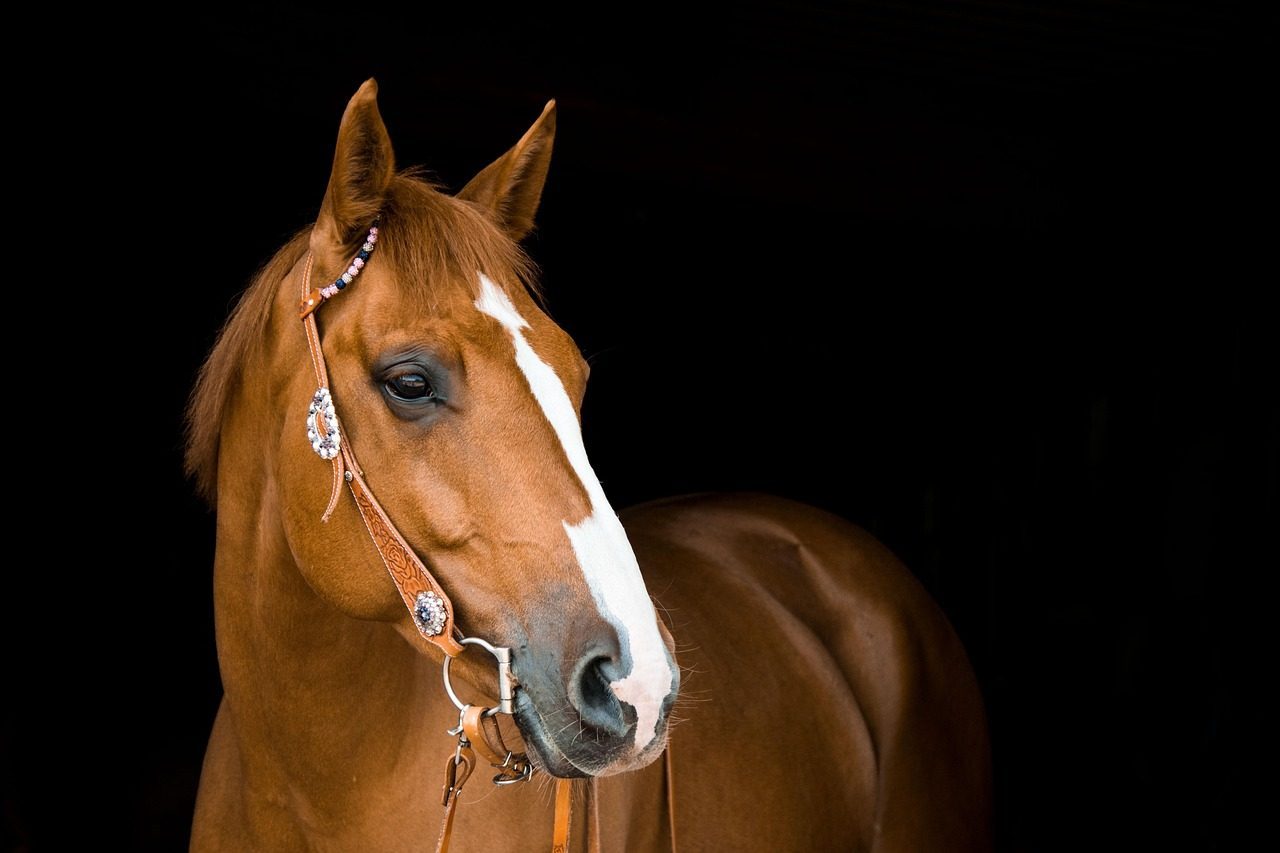
The modern horse genus Equus appeared in North America about 4 million years ago and spread to Eurasia by crossing the Bering land bridge 2 to 3 million years ago. Horses resembling those we know today evolved in North America and spread to Asia and Europe between one million and 800,000 years ago.
Much of horse evolution took place in North America, where they originated but became extinct about 10,000 years ago, though by then horses had already spread to Asia, Europe, and Africa. Around 8000 BCE, succumbing to climate change and human hunters, horses completely vanished from North America. If these ancient horses hadn’t migrated to Eurasia, there might not be any horses today, as they disappeared from North America where they had thrived for over 50 million years.
The Spanish Reintroduction
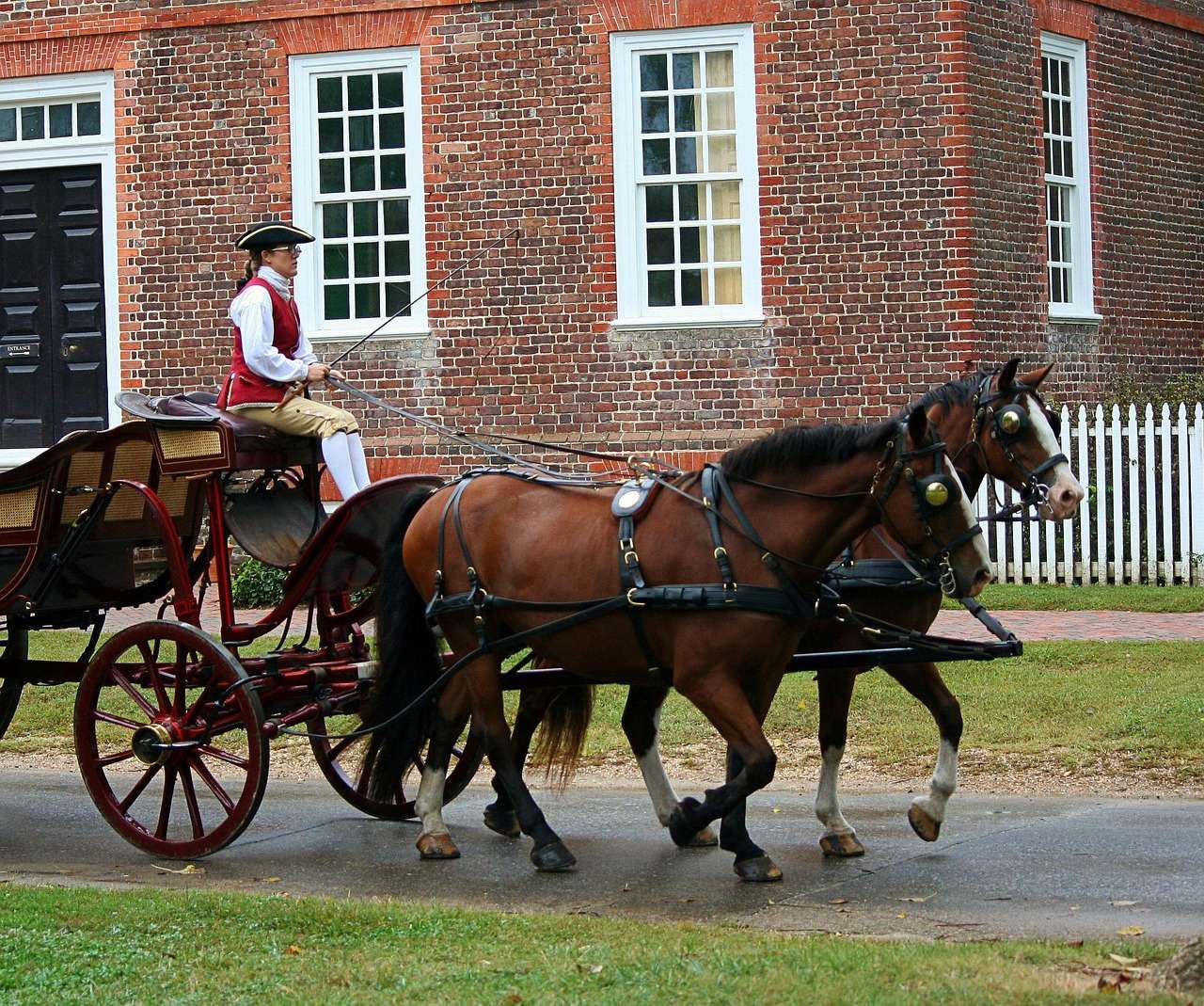
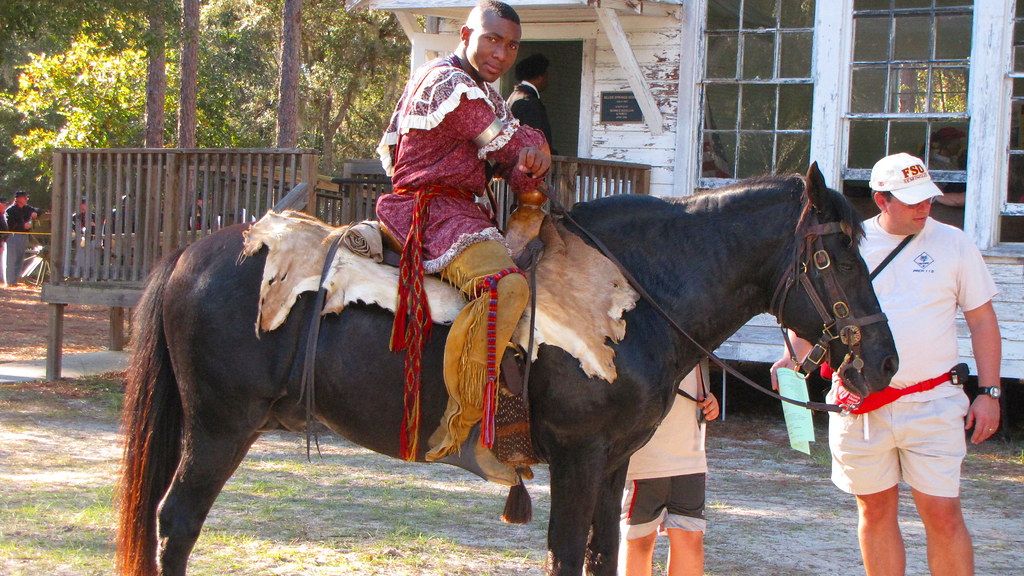
Horses first returned to the Americas with Christopher Columbus, who imported horses from Spain to the West Indies on his second voyage in 1493. Domesticated horses came to the mainland with Hernán Cortés in 1519. By the time Spanish soldiers invaded in the 1500s, horses had been extinct in the Americas for thousands of years, so to native peoples, the Spaniards’ horses must have seemed like frightening monsters.
Hernán Cortés, who led the conquest of Mexico, reportedly claimed that “Next to God, we owed our victory to the horses.” By 1525, Cortés had imported enough horses to create a nucleus of horse breeding in Mexico. By one estimate, there were at least 10,000 free-roaming horses in Mexico by 1553.
Native American Horse Cultures Emerge Earlier Than Expected
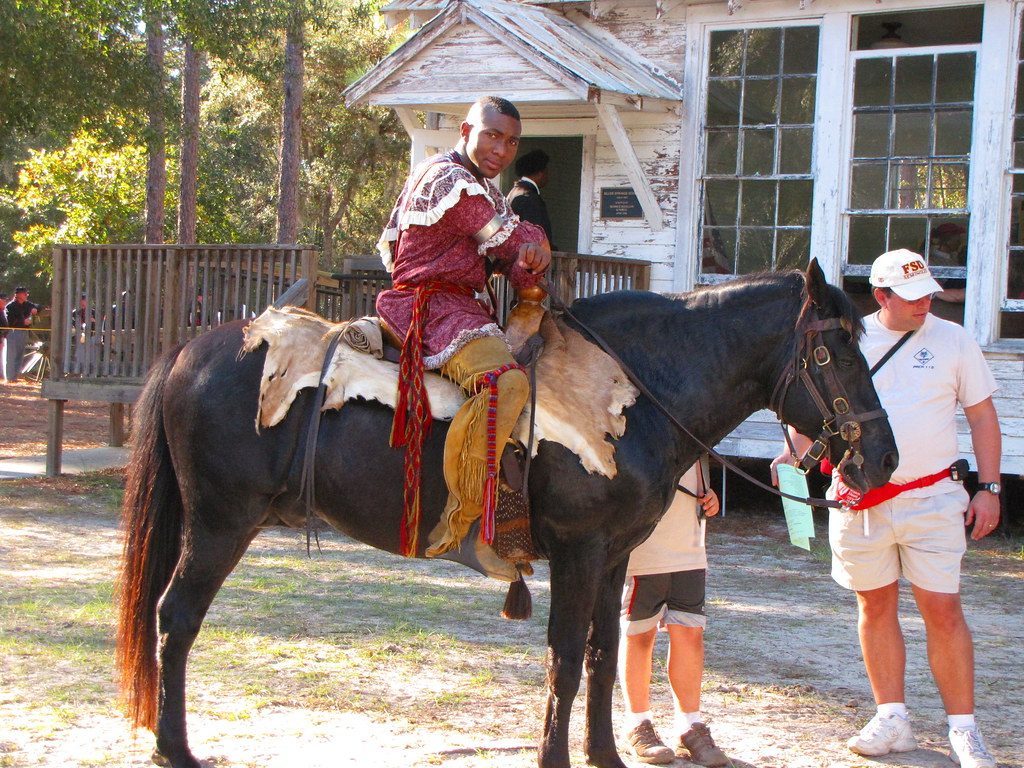
Recent scientific discoveries have revealed that three North American horses dated to the second half of the 1500s, well before the previously assumed 1680 Pueblo Revolt, with specimens found in Kansas, New Mexico, and Wyoming. Many Native American populations across the Great Plains and the Rockies had incorporated horses into their ways of life by the early 1600s, decades before encountering any Europeans.
The earliest North American horse remains show evidence of Native American care, including bony growths consistent with halter or bridle use, dental damage from metal bits, and horses found among ritual artifacts indicating ceremonial meaning. Chemical analysis of teeth showed that one early horse had grown up locally, while another was raised farther north and fed maize as part of a managed herd.
From Wild Herds to Modern Mustangs
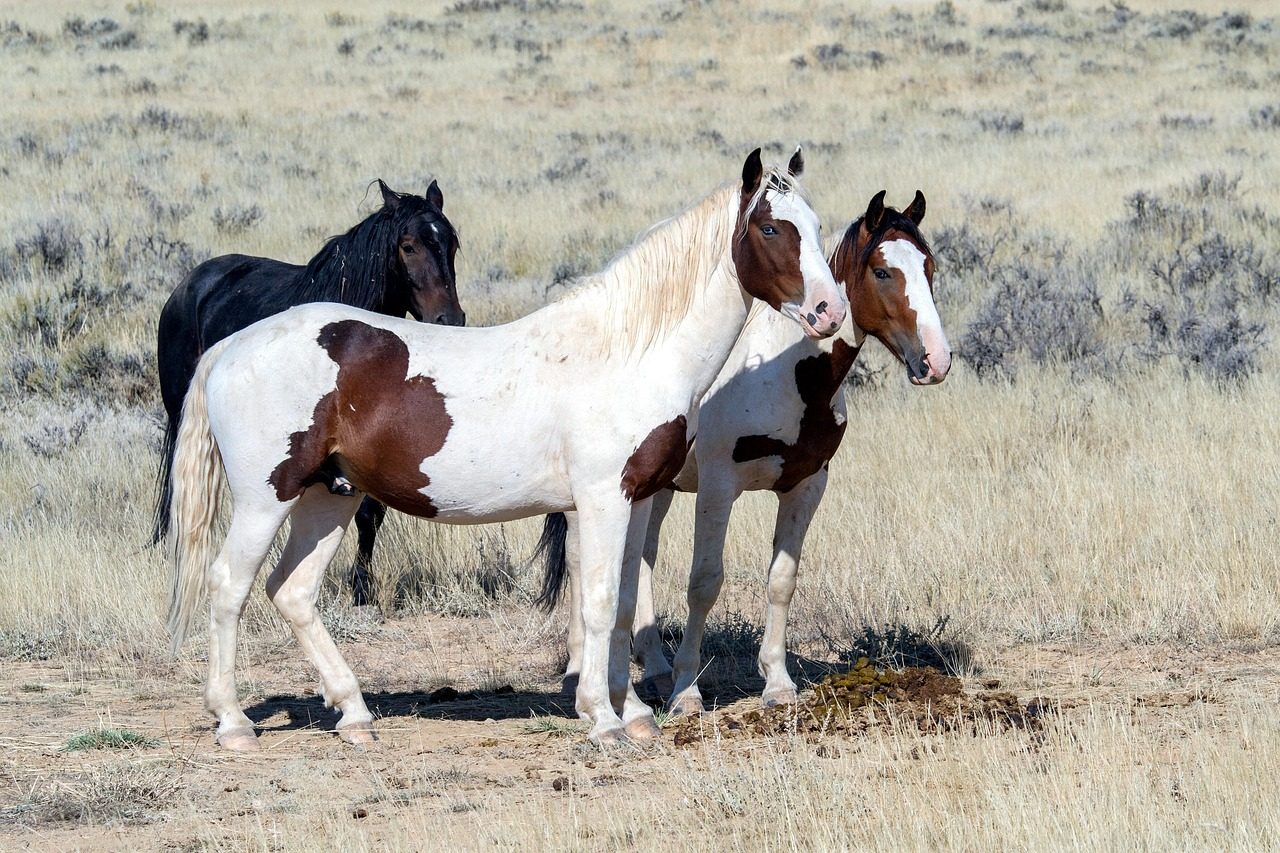
The mustang is a free-roaming horse of the western United States, descended from horses brought by Spanish conquistadors, though many other breeds contributed to the modern mustang, resulting in varying appearances. According to Western writer J. Frank Dobie, mustang numbers in the 19th century reached more than 2 million, but by 1971 when they received federal protection, only about 17,000 roamed America’s plains.
In 1971, the United States Congress recognized that “wild free-roaming horses and burros are living symbols of the historic and pioneer spirit of the West, which continue to contribute to the diversity of life forms within the Nation and enrich the lives of the American people.” The Bureau of Land Management created the Wild Horse and Burro Program to implement the Wild Free-Roaming Horses and Burros Act, with the law stipulating that the BLM and Forest Service have responsibility to manage and protect herds.
Modern Challenges and Conservation Efforts
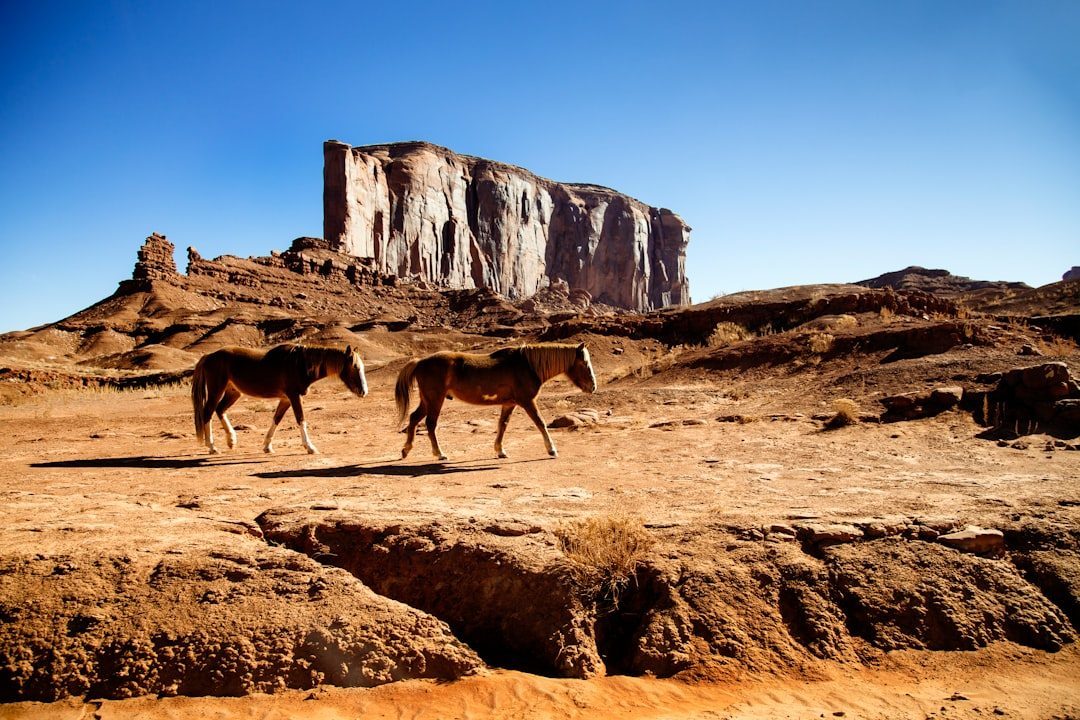
The Bureau of Land Management manages and protects wild horses and burros on 25.5 million acres of public lands across 10 western states, with the goal of managing healthy wild horses and burros on healthy public rangelands. As of spring 2020, the BLM estimated more than 95,000 wild horses and burros on public lands, while the total appropriate management level was set at just under 27,000, meaning 68,000 excess animals were on public lands.
An additional 47,845 wild horses and burros are being held in long-term off-range holding facilities. The BLM works to achieve population targets through various management processes, including limiting reproduction through birth control and gathers that remove excess animals from the range. The BLM works to place excess animals into private care through adoption and sales programs, with many finding it personally challenging and rewarding to adopt a wild horse or burro.
The story is ultimately one of resilience, adaptation, and the unbreakable bond between humans and these magnificent animals. From their humble beginnings as dog-sized forest dwellers to their role as symbols of the American West, horses have shaped our continent’s history in ways both profound and unexpected. Today’s wild mustangs carry within their DNA the memory of millions of years spent on this land, making them not just survivors, but living links to an ancient past that continues to gallop toward an uncertain future.
What do you think about this incredible journey through time? Tell us in the comments.

- The Ancient Secrets of Yellowstone’s Wild Animals Revealed - August 6, 2026
- Are Some Common Pet Behaviors Actually Signs of Undiagnosed Stress? - August 6, 2026
- 8 US States With the Most Horseshoe Crab Spawning Beaches - August 6, 2026