
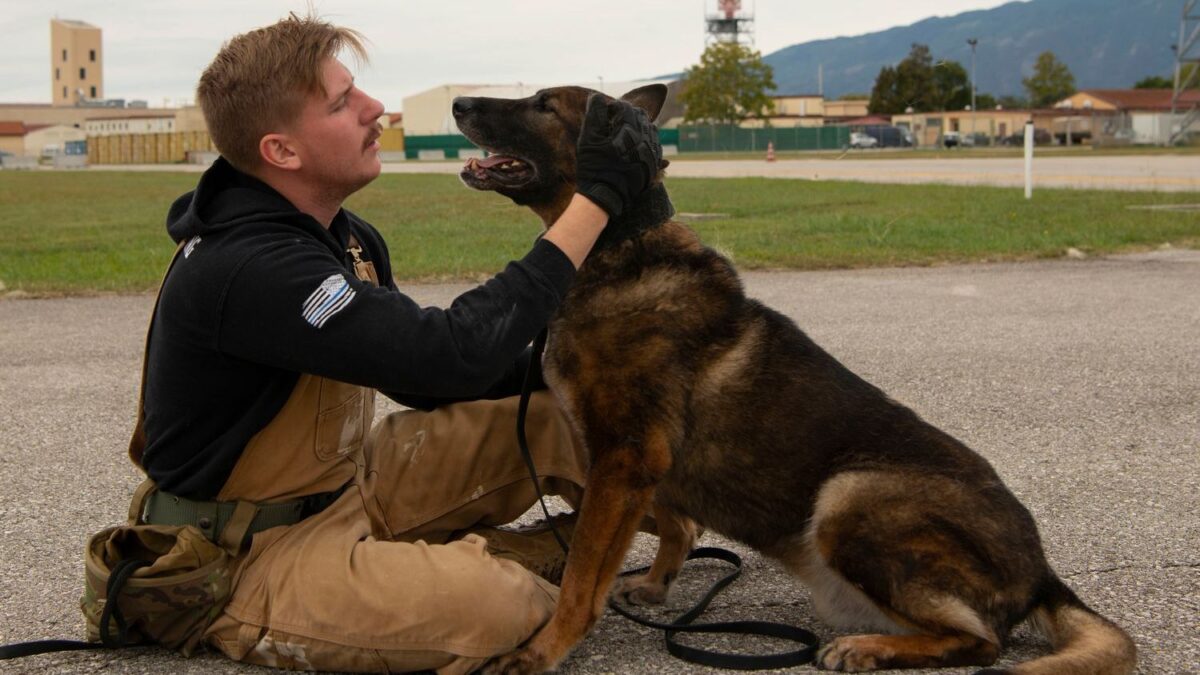
The moment a tiny, squirming puppy takes its first breath, an extraordinary journey begins. One that might lead to life-altering partnerships and profound bonds between human and canine. Though not every puppy will make this journey to full service dog status, the ones that do will transform lives in ways most people can hardly imagine.
The complete training process for a service dog typically takes 18 to 24 months from start to finish. Yet the story starts much earlier than formal training. Puppies stimulated and handled from birth to five weeks of age are more confident, social, exploratory, faster-maturing, and able to handle stress better as they develop. For these special pups, every single day matters in shaping who they’ll become.
The Magic Window: Early Puppy Development (Birth to 16 Weeks)
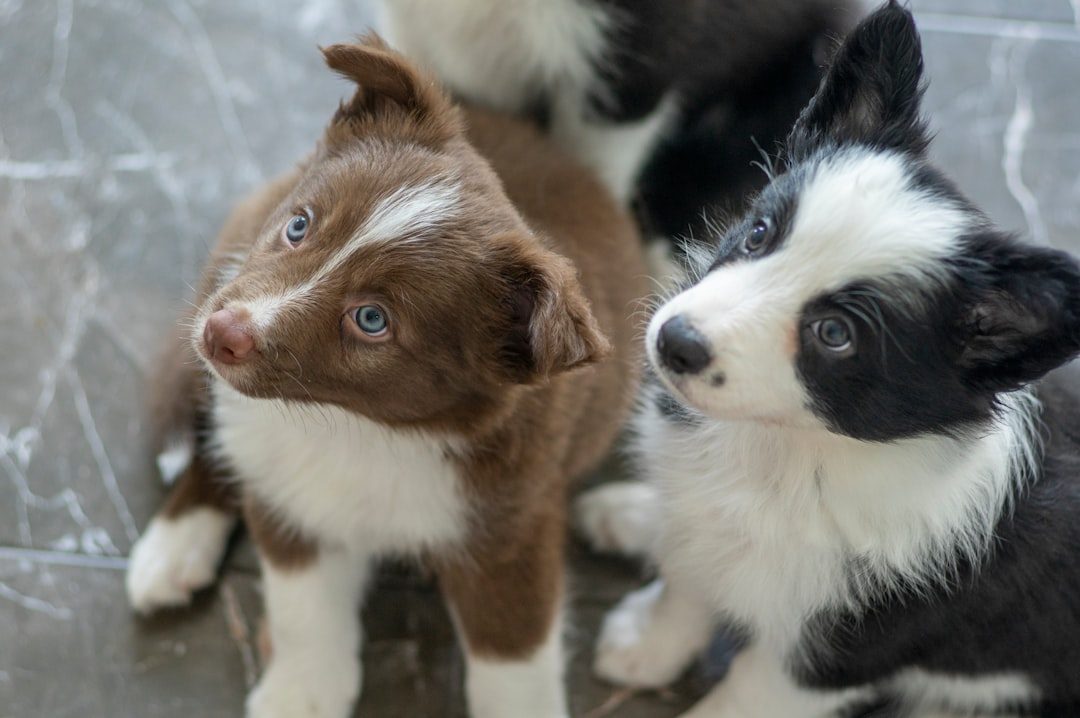
Those first few weeks of a puppy’s life are pure magic when it comes to development. While dogs can and do experience social learning throughout their lifetimes, puppies are maximally primed for socialization between the ages of 3-14 weeks of age. This critical period shapes everything about who they’ll become as adult dogs.
Picture tiny puppies barely opening their eyes, yet already absorbing information about their world. These traits can be enhanced, beginning in the first weeks of life, with massage, early training, auditory stimulation, and opportunities to explore and discover the world around them. The early handling isn’t just gentle petting – it’s purposeful preparation for the challenging life ahead.
During your puppy’s first three months of life, they’ll experience a socialization period that will permanently shape their future personality and how they’ll react to their environment as an adult dog. Gently exposing them to a wide variety of people, places, and situations can make a huge, permanent difference in their temperament. Every positive experience builds the foundation for their future success.
The dedicated volunteers and breeders working with these young pups understand something crucial: “That’s a red flag because puppies don’t magically become social or resilient at eight weeks. It starts here, choosing the right breed. Or rescue Foster means choosing someone who understands that even newborn puppies are learning. They’re not just raising dogs, they are raising your future family member.”
The Art and Science of Puppy Selection

Not every adorable puppy has what it takes to become a service dog. This is not a job for all dogs – it’s a job for the very few who come with the right temperament. Professional trainers and organizations have developed sophisticated ways to identify these special candidates early on.
Temperament testing helps determine if a puppy has the potential to thrive as a service dog. Even the best training methods won’t succeed if a dog lacks the right temperament. Puppies with confidence, resilience, and eagerness to learn are better suited for service dog tasks and adapt more easily to new environments.
The goal of temperament testing is to find that happy medium between aggressive and fearful, between independent and hypersocial, between driven and unmotivated. It’s like finding that perfect balance where a dog is confident enough to handle stress but calm enough to work in crowds.
The most widely used evaluation is the Volhard test. The Volhard Puppy Aptitude Test consists of 10 tests that must be completed in order and consecutively. The purpose of these tests are to select the right puppy for your family. These tests look at everything from how a puppy responds to being restrained to how they react when startled by sudden sounds.
Foundation Training: Building Blocks for Success
Individuals who wish to train their own service dogs should first work with their candidate dog on foundation skills. Start with house training, which should include eliminating waste on command in different locations. Socialize the dog with the objective of having them remain on task in the presence of unfamiliar people, places, sights, sounds, scents, and other animals. Teach the dog to focus on the handler and ignore distractions.
Think of this phase like teaching a child to walk before they can run marathons. Every basic command learned now becomes the building block for complex tasks later. All service dogs start with basic obedience training. This includes basic commands like sit, stay, heel, come, and station. These skills serve as the foundation for more advanced training.
The training approach focuses heavily on positive experiences. It is achieved through clicker training and positive reinforcement (e.g., treats). This isn’t just about making training fun – it’s about creating dogs who genuinely want to work and please their handlers.
Your training sessions should never be too long. This will take the fun out of it and bore your puppy. You will see better results from more short training sessions than less boring long sessions. Smart trainers know that a tired, overwhelmed puppy learns nothing useful.
Socialization: Preparing for the Real World
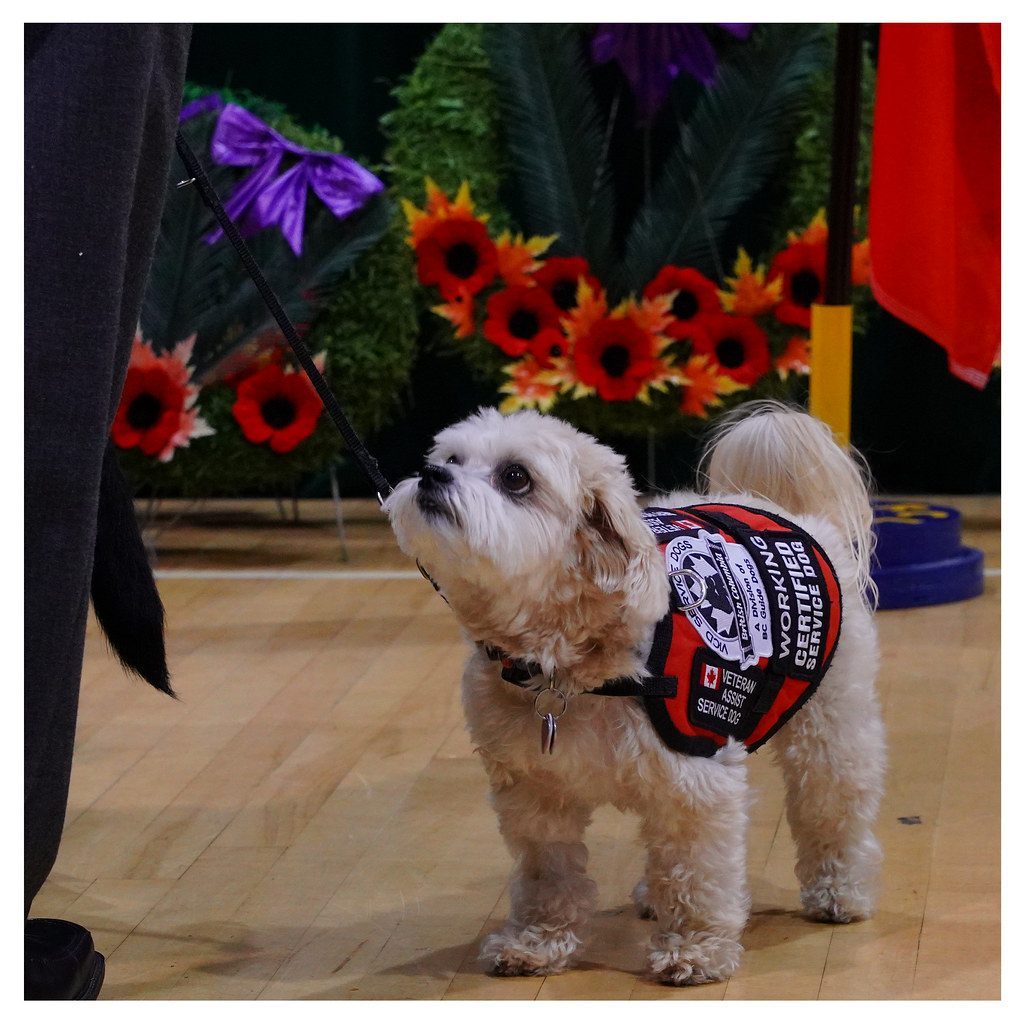
While basic obedience training teaches a dog what to do, socialization teaches them how to feel comfortable doing it anywhere. Public access training is crucial for service dogs as it prepares them for real-world environments. This phase involves acclimating dogs to various public settings, such as grocery stores, airports, and schools. Focus on maintaining obedience while navigating distractions.
Examples of positive experiences include taking puppies on short car rides; introducing them to more toys and new objects, such as leashes and brushes; meeting new dogs and people; and exposing them to new environments. Every elevator ride, every crowded sidewalk, every unexpected loud noise becomes a learning opportunity.
The vaccination challenge creates an interesting dilemma for puppy socialization. There is a misconception that puppies must complete their full set of vaccinations before being socialized. Unfortunately, by the time your puppy finishes the vaccination series, the sensitive period for socialization will be almost over. However, the benefits gained from these early public experiences usually outweigh the risk of illness; without these experiences, the risk of developing permanent fears or anxiety is a serious concern.
Creative solutions help bridge this gap safely. You can minimize your puppy’s health risks by having healthy people or pets visit him in his home or meeting in a neutral place where other dogs are not often walked. Puppy strollers, carrying cases, and controlled indoor environments become valuable tools during this critical period.
Professional Training: Where Dreams Meet Reality
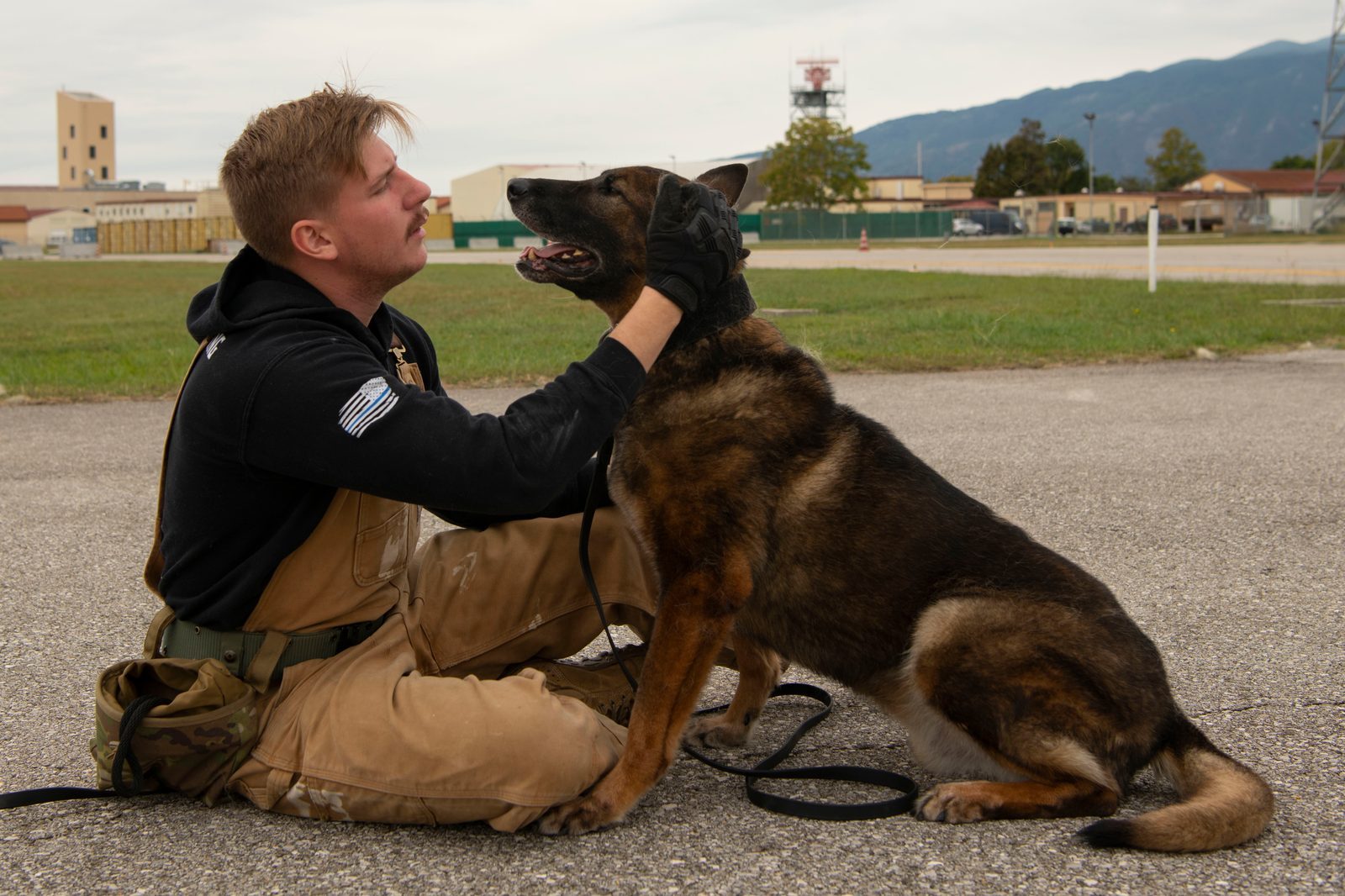
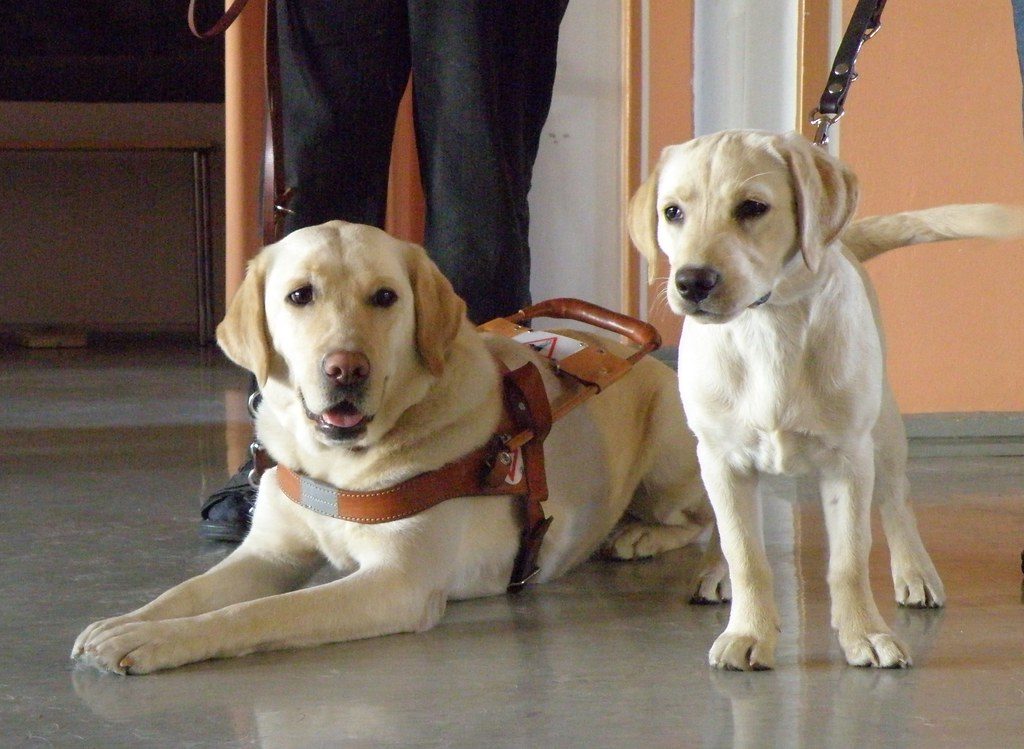
When a promising puppy reaches roughly twelve to eighteen months old, they enter formal professional training. Formal guide dog training begins at the puppy age, between 12 and 18 months. This is where potential becomes reality – or where some dogs discover this path isn’t right for them.
Professional trainers work with precision and patience that comes from years of experience. IFT scores are determined by a much smaller pool of trained evaluators who record behavior under experimental conditions using a clearly defined rubric. Every response is carefully documented and analyzed.
Trainers not only train dogs to perform specific tasks but also expose them to a variety of situations their owners might experience, such as taking public transportation, shopping, riding in elevators, and crossing busy streets. The training isn’t just about learning commands – it’s about learning to navigate an incredibly complex human world.
The investment in each dog is substantial. Guide dogs are matched specifically with their handler, and it can cost over $40,000 to train. This cost reflects not just the months of intensive training, but also the expertise, facilities, and ongoing support that goes into creating these remarkable partnerships.
Specialized Tasks: Beyond Basic Obedience
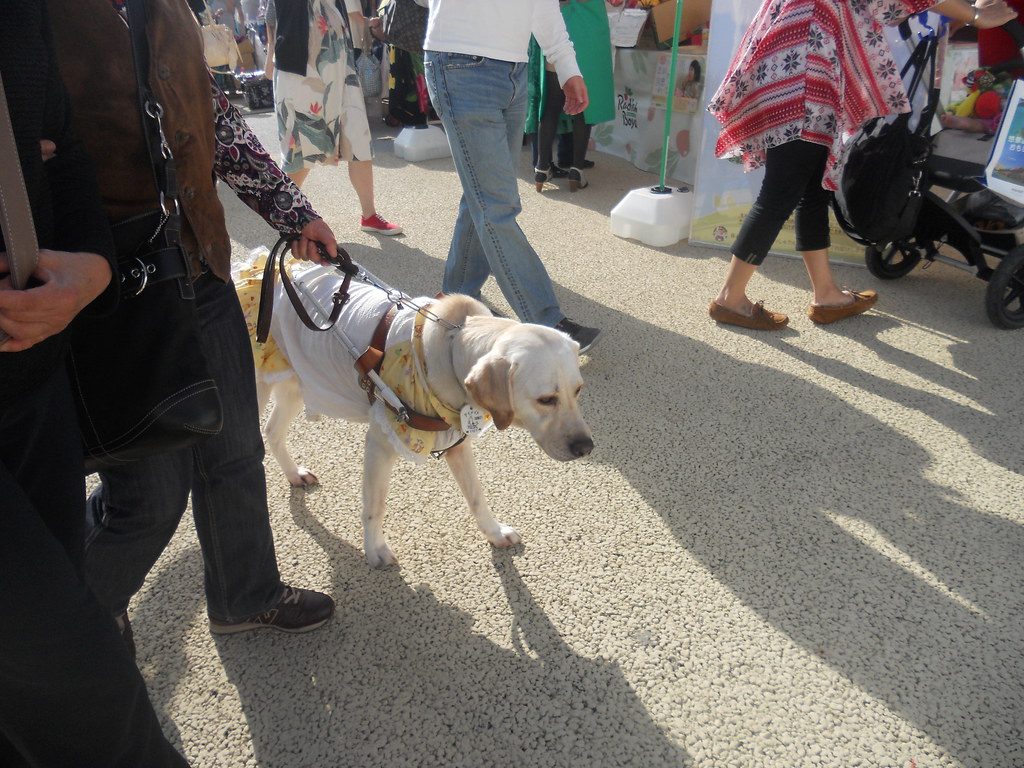
Service dogs learn to perform tasks that seem almost magical to observers. With their ability to detect when their handler is in advance of high or low blood sugar, a diabetic dog can save lives. The condition displays no symptoms, so the dogs detect the onset by smell. Diabetic alert dog handlers train them with samples of sweat.
Guide dogs develop an entirely different skill set focused on safe navigation. Guide Dogs: These dogs assist individuals with visual impairments. They navigate obstacles and ensure the safety of their partners. For example, guide dogs lead visually impaired individuals through their environment. They learn intelligent disobedience – the crucial ability to refuse a command if it would put their handler in danger.
Psychiatric service dogs master yet another specialty. Psychiatric Service Dogs: They provide support for individuals with mental health conditions, helping to manage anxiety or PTSD episodes. They might interrupt nightmares, create physical barriers in crowded spaces, or retrieve medications during a crisis.
The precision required for these tasks is extraordinary. Dogs must distinguish between normal stress and a medical episode, between routine sounds and genuine alerts. Instructers build the training around positive reinforcements and reward the dog every time they correctly detect the low sugar sample. Every correct response is celebrated because lives depend on this accuracy.
The Partnership: When Training Becomes Life
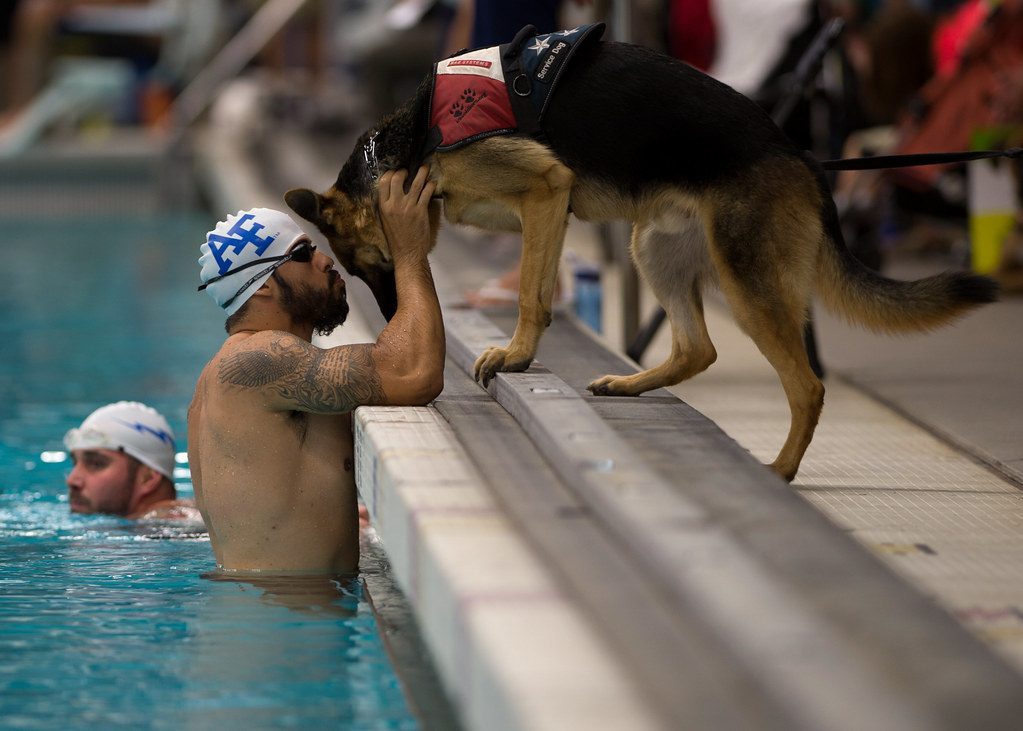
On average, it takes around two years to train a service dog fully; however, this can depend on the dog and the training. Training also doesn’t end when the dog graduates and passes all the exams and instead lasts throughout the dog’s life. Graduation isn’t an ending – it’s the beginning of a working partnership that will span years.
The matching process between dog and handler is incredibly thoughtful. The dogs that do the best love to go everywhere with their person. For them, being a service dog is the best life they could ever wish for. It’s not about forcing a dog to work – it’s about finding dogs who genuinely thrive in this role.
Once matched, the real learning begins for both partners. Handler training becomes crucial as both dog and human learn to work as a seamless team. They practice together, problem-solve together, and develop the deep trust that makes these partnerships so remarkable.
The bond that develops goes far beyond a working relationship. Emotional support is a key component of a service dog’s role. They provide comfort simply by their presence. Through gentle encouragement and positive reinforcement techniques, you can strengthen this bond. These aren’t just highly trained animals – they become true companions and lifelines.
Every service dog represents an incredible investment of time, expertise, and love from countless people. From the breeder who carefully selects for temperament, to the puppy raisers who provide early socialization, to the professional trainers who polish skills, to the handlers who form lifelong partnerships – each dog’s journey involves an entire community working toward one goal.
The transformation from squirming puppy to confident service dog isn’t just remarkable – it’s genuinely life-changing for the humans these animals serve. However, without them, many people would not be able to function and would lead a severely disadvantaged life. That tiny puppy who once fit in your palm might one day guide someone safely across a busy street, alert to a medical emergency, or provide comfort during a PTSD episode.
What strikes me most about this journey is how it represents the very best of the human-animal bond. What do you think about these incredible partnerships? Tell us in the comments.

- Your Dog Doesn't Love You for the Food – 14 Signs You're Its Whole World - July 21, 2026
- 10 Myths About Horses That Owners Keep Falling For - July 21, 2026
- 13 Ways a Shelter Dog Shows It Has Decided to Trust You for Good - July 21, 2026