
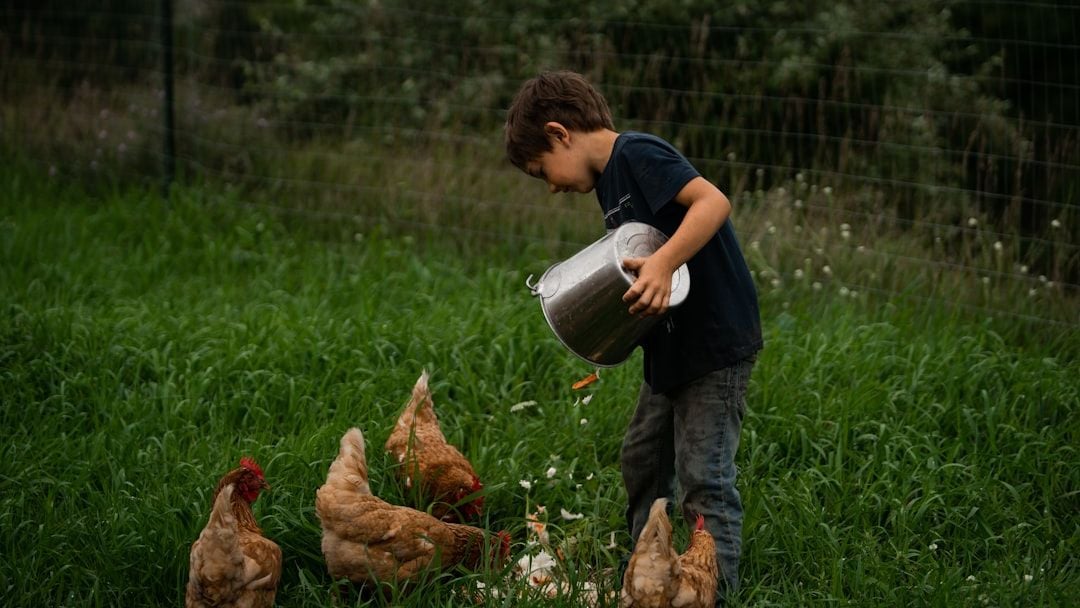
Picture this: You step outside your door each morning to the gentle clucking of feathered friends, then gather eggs still warm from the nest. No rushing to the store, no wondering about the freshness or origin of your breakfast. This dream of backyard self-sufficiency is closer than you think.
There’s a lot to like about raising chickens in your backyard. The eggs are a real temptation – tastier and fresher than any store-bought eggs, and better for baking, too. The shells, along with the chicken poop, can be tossed right into the compost pile. Most of the day, the birds entertain themselves, picking at grass, worms, beetles, and all the good things that go into making those yummy farm eggs. Honestly, watching chickens explore their world feels like having a personal nature documentary playing in your own yard.
Whether you’re seeking fresh breakfast ingredients or simply want delightful pets that earn their keep, chickens offer something magical that store-bought eggs simply can’t match. Let’s explore how you can transform your backyard into an egg-producing paradise.
Know Before You Go: Legal and Practical Considerations
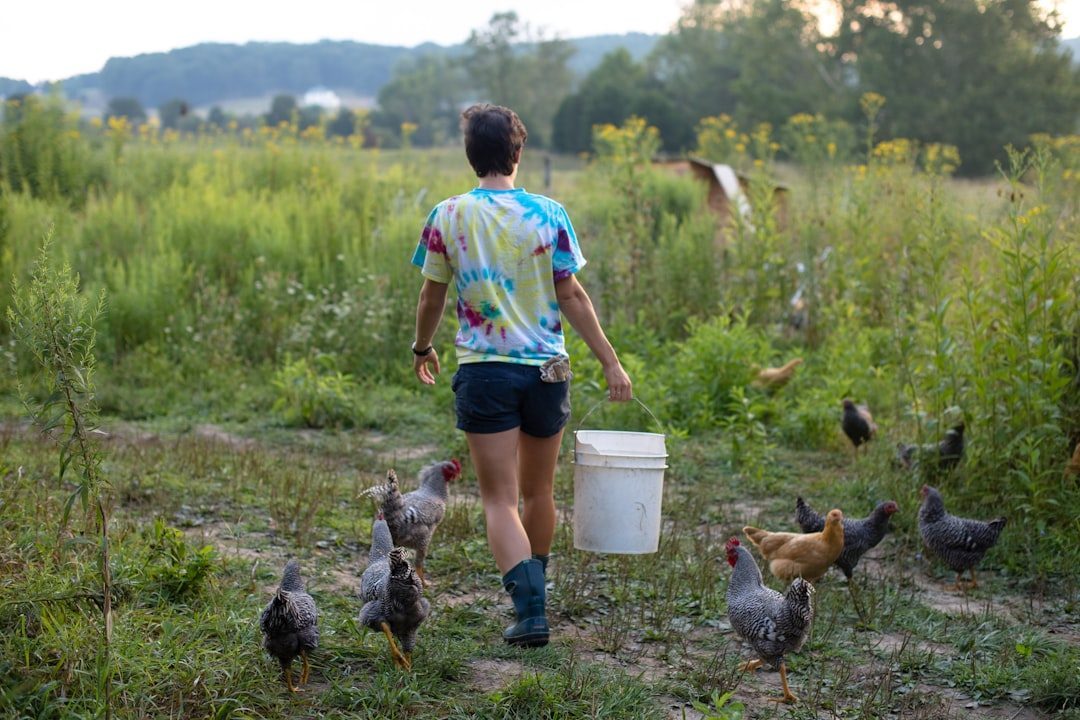
First, check local town ordinances to ensure that keeping chickens is even allowed in your neighborhood or if there is a limit to the number of chickens you can keep at once. The last thing you want is to invest time and money into preparing for chickens and then find out that you can’t even keep them! Many urban areas have embraced backyard chickens, yet restrictions vary wildly from place to place.
Before getting chickens, be sure to check local ordinances and regulations. Many towns and HOAs have rules against raising backyard chickens. Some may outright prohibit it, or if allowed, include restrictions for property line setbacks or a maximum number of birds. For example, the town we used to live in allowed up to 14 chickens, but no roosters, and all of their confined habitat (run and coop) had to be at least 15 feet from any neighboring structures.
Searching for your local poultry ordinances can feel like detective work. Try searching online for your city’s name plus “chicken ordinance” or “backyard poultry.” Still, preparation extends beyond legalities. Consider your commitment level, as chickens require daily care, rain or shine, vacation or holiday.
Choosing Your Feathered Family Members
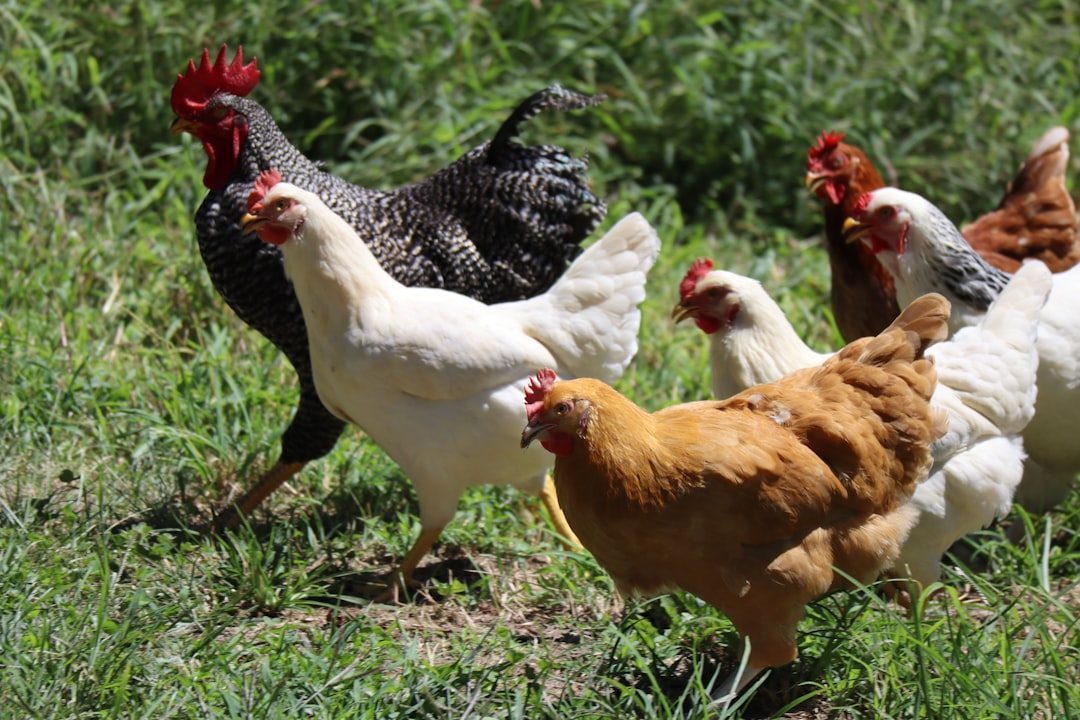
Some breeds are perfect for beginners thanks to their friendly personalities and reliable egg-laying, while others are better suited to more experienced keepers. Starting with the right breeds makes your chicken journey significantly smoother and more enjoyable.
Chickens are flock birds, so they prefer to be in a group. Get no fewer than three chickens, and if you have the space, five or six is an ideal flock size for a beginner chicken parent. Think of chickens like a friend group – they need companions to feel secure and happy.
Some top egg-laying breeds include: Rhode Island Reds – Hardy and excellent egg producers. Leghorns – Lay large white eggs and are very efficient. These breeds typically handle various weather conditions well and forgive beginner mistakes gracefully.
When selecting your flock, consider your family’s egg consumption habits. It’s a good rule of thumb to have one chicken per person in your household to ensure a steady supply. For instance, if you are a family of 4, then 4 chickens should be sufficient.
Creating a Safe and Comfortable Home
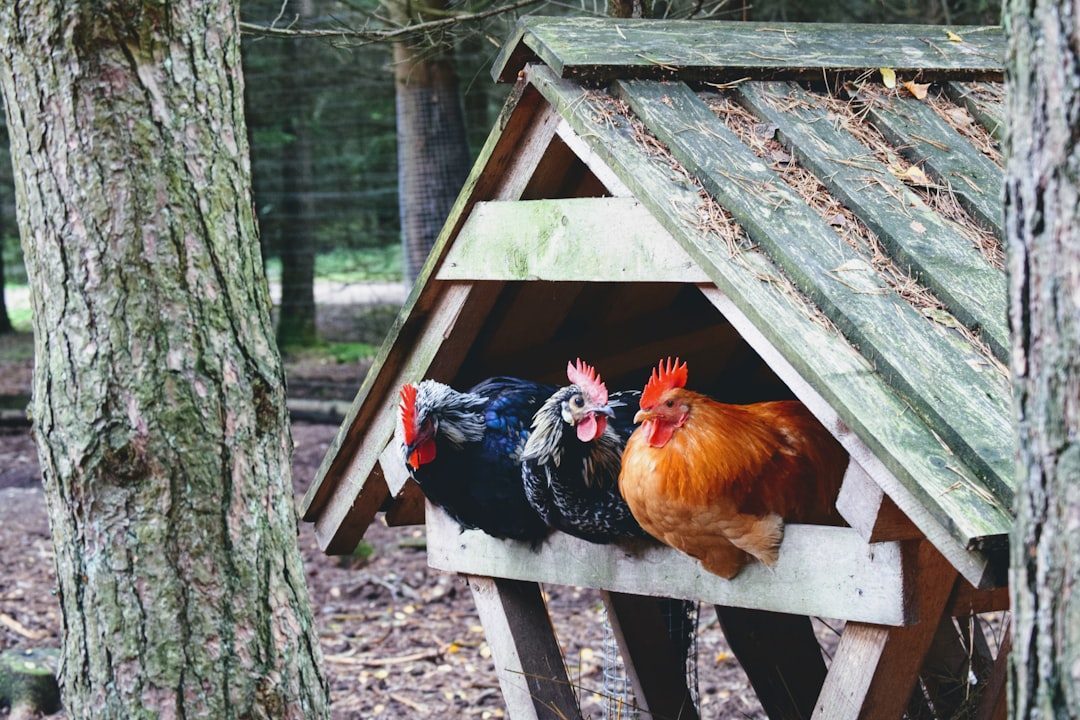
A quality coop is essential to backyard chicken production. Coops must provide protection from the weather and predators. Your coop serves as bedroom, dining room, and nursery all rolled into one, so getting the basics right matters enormously.
Each chicken needs at least 3 square feet of space in their coop and an additional 10 square feet of space in their pen. For example, if you have 4 chickens, your coop should ideally have a minimum of 8 to 16 square feet of floor space. Additionally, ensure there is sufficient headroom for chickens to stand upright comfortably, a place to roost at night, and that nesting boxes are provided for egg-laying.
Not all coops are built the same. Look for these features: Strong locks – simple latches aren’t enough. Use predator-resistant metal locks. Metal mesh, not chicken wire – real protection comes from hardware cloth. Investing in quality materials upfront saves heartbreak later.
Keeping your coop well ventilated means that it should have enough cross-breeze to prevent respiratory diseases, to which chickens are especially prone, but not so drafty during winter that they freeze their tushes off.
Predator-Proofing Your Paradise
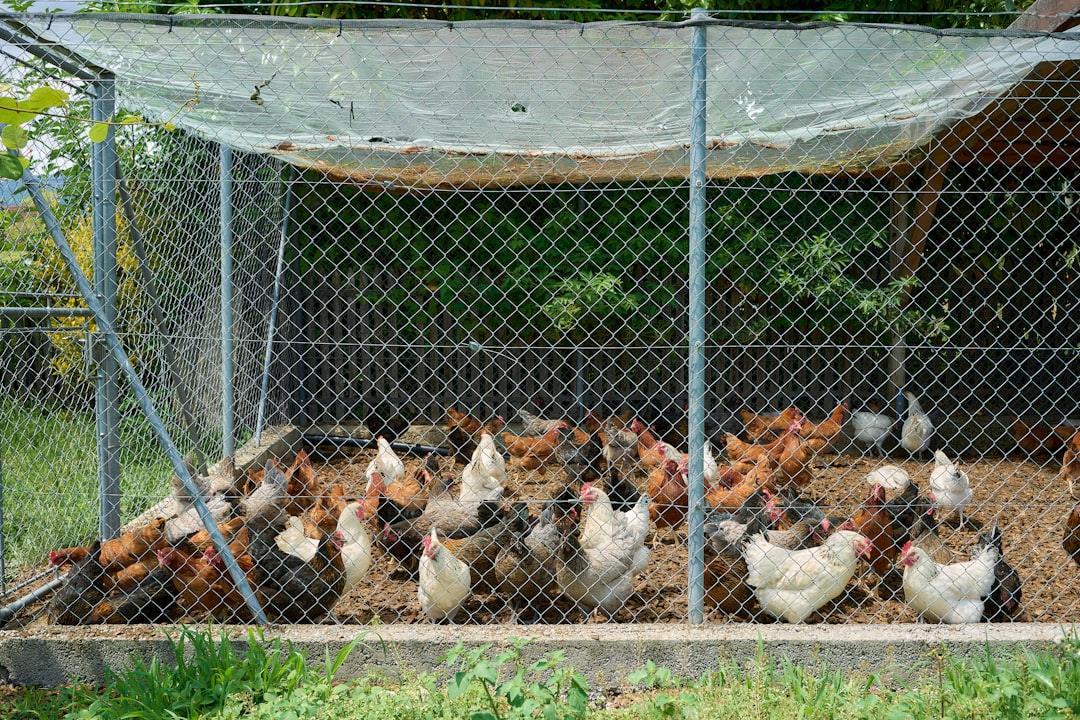
The reality of backyard chicken keeping is that predators come with the territory. It’s not a matter of IF, but WHEN. So, there are some must-do steps to make a predator proof chicken coop that every chicken keeper NEEDS to know and implement. This sobering reality shouldn’t scare you away, but it demands respect and preparation.
Their main predators are raccoons, rats, owls, hawks and cats. An enclosed space for chickens to stay at night is essential to their protection. Urban areas might surprise you with the variety of wildlife lurking nearby, from opportunistic raccoons to soaring hawks.
A more durable option for a chicken run than chicken wire, hardware cloth is sturdy and can be purchased in smaller gauge than other wires. Some predators can squeeze through remarkably small holes, so this will not only keep your chickens in but also keep the predators out. Research the predators common in your area in order to determine what size you should use (1/4″ or smaller is ideal).
Going off of that, any time there is a door or access point in the coop, it’s important you install the right type of latch. Animals are smart – and motivated. Raccoons, for instance, have been known to open up simple hook, pin, or throw latches. A 2-step lockable latch is most secure.
Feeding for Health and Happiness
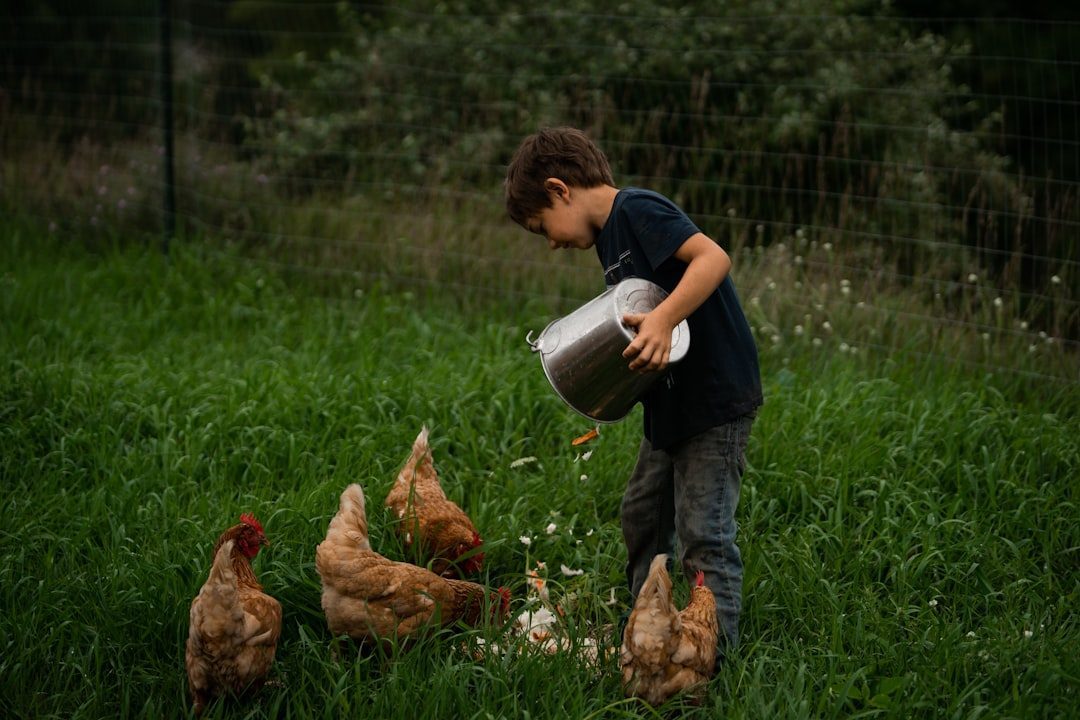
A critical part of a chicken’s diet is continual access to clean, fresh water. This is especially true in the summer as they cool themselves by panting. Water serves multiple purposes beyond hydration, helping chickens regulate their body temperature and digest food properly.
Healthy chickens need a well-rounded diet to lay high-quality eggs. Feed them: … Calcium supplements like crushed oyster shells for strong eggshells (only for chickens 18-weeks and older) Ensure that your chickens always have access to their feed and water. Quality nutrition directly translates to better eggs and healthier birds.
Chickens need food (and water) daily. Feed is about $20 per 50-pound bag at my co-op, but prices vary depending on your location and the quality of the feed. How long a bag lasts depends on the number of chickens that you have. Budget approximately twenty to thirty dollars monthly for feed costs for a small flock.
Pale yolks are a sign that hens may not be getting enough xanthophylls in their diet, which can be caused by too many treats or scraps. Limit treats to less than 10% of their overall diet or provide a healthy treat.
Reading the Signs: Health Monitoring Through Eggs
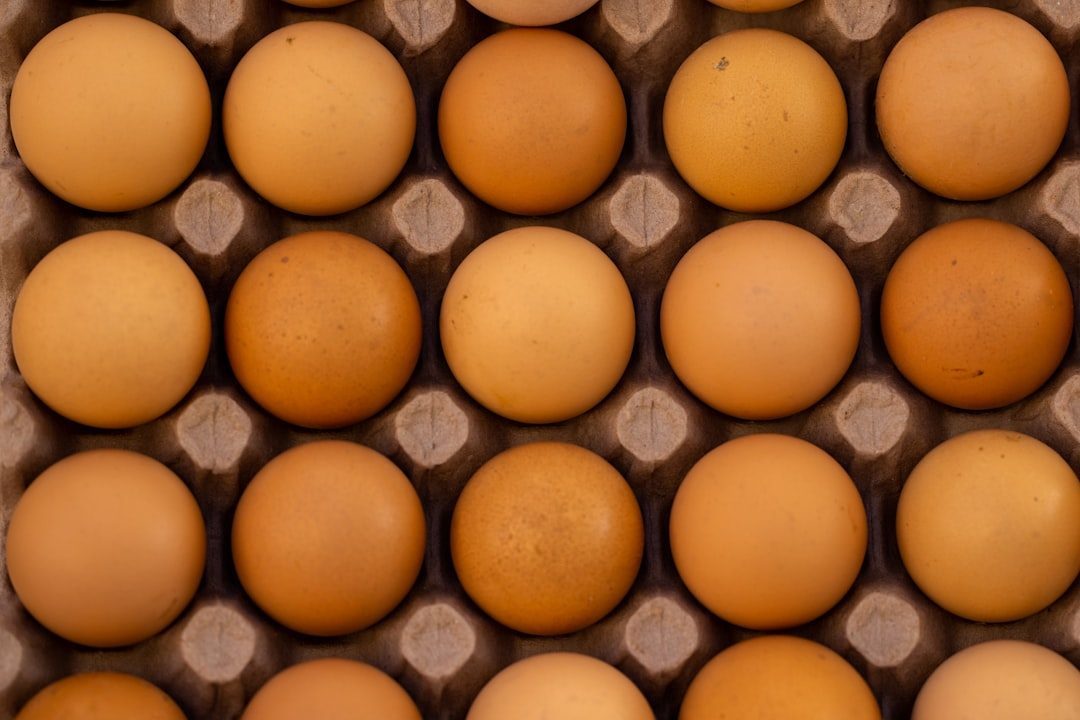
The texture of eggs is an excellent sign of potential nutritional deficiencies or stress in your flock. Any hens’ consistently laying eggs that do not have a round, smooth shell, are experiencing either stress or malnutrition. Your daily egg collection becomes a health monitoring system that reveals the invisible aspects of your flock’s wellbeing.
A healthy chicken also consistently produces farm fresh eggs with strong shells. Strong shells are about 0.3 millimeters thick and serve to protect the inside of the egg, keeping bacteria out. They often break in a crisp, clean line. Strong shells are an indicator of healthy birds and good nutrition, showing hens are receiving the calcium they need.
The other most common reason for eggs having thin or missing shells is inadequate calcium in their diet. Warning signs leading up to shell-less eggs can be thinner shells, so take note if your hens’ eggs are suddenly much easier to crack, or if you find broken eggs in the nesting box. A lot of calcium is required to “fully clothe” a yolk, so be sure to feed quality layer pellets that contain added calcium.
A healthy egg yolk will have a vibrant color ranging from deep yellow to bright orange. It should also be firm (able to hold its shape) and rounded. The color of the egg yolk is primarily determined by a hen’s diet. Rich, golden yolks often indicate hens with access to varied foraging opportunities and quality nutrition.
The Incredible Rewards: Why Fresh Eggs Matter
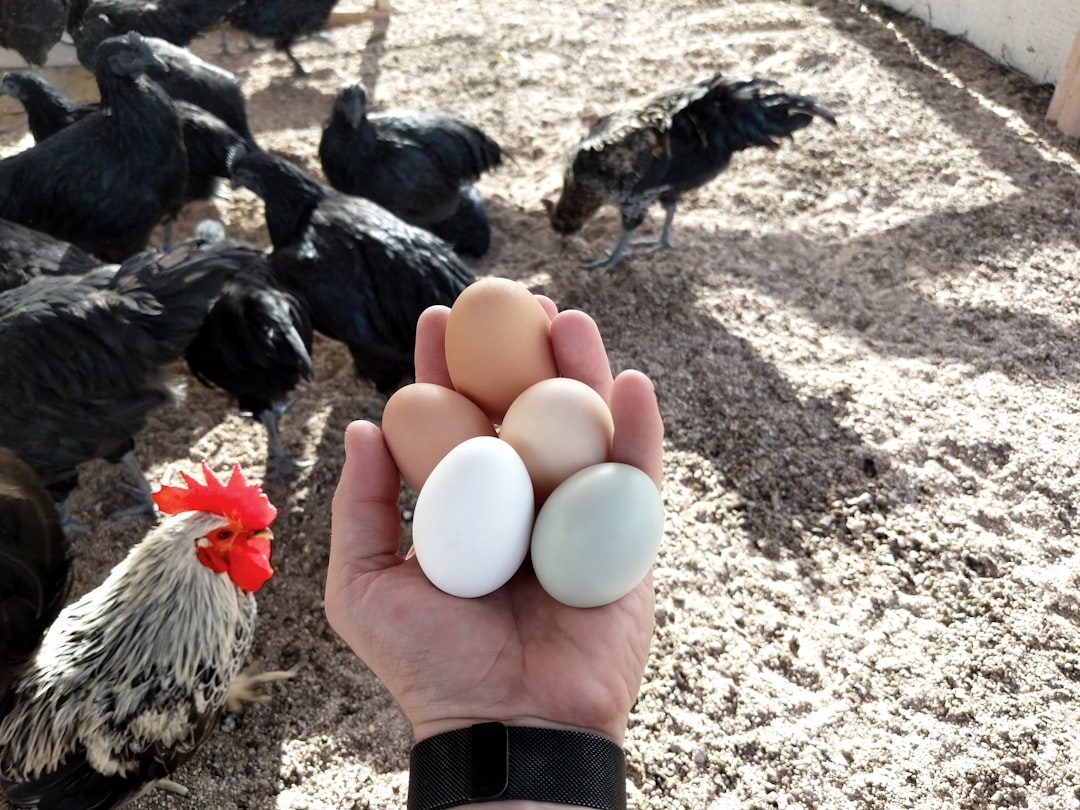
Farm fresh eggs can be collected within minutes of being laid, providing convenient, homegrown food – the ultimate goal of backyard self-sufficiency. Backyard chicken raisers enjoy visits to the backyard each morning to greet their pets and gather freshly laid eggs. This simple morning ritual connects you to your food in ways grocery shopping never could.
Eggs from chickens raised in small backyard flocks or on family farms are by far stronger, healthier and so much better for us than those produced by their overcrowded factory cage-raised counterparts. Backyard chicken eggs have more of the good stuff such as Omega-3s and bright colorful yolks and much less of the bad stuff such as the infamous cholesterol and saturated fat!
Each large 2-ounce (57 gram) egg provides 6 grams of digestible protein. With 18 of the 20 amino acids and all 10 essential amino acids in abundance, farm fresh eggs have an excellent amino acid profile. These nutritional powerhouses support everything from muscle development to brain function.
In conclusion, the balance of evidence points to eggs being a nutritious food suggesting there are broad health benefits from including eggs in the diet at intakes higher than that currently consumed by European populations. However, from a nutritional perspective, 7–14 eggs/week within a varied and balanced diet could be beneficial for most of the population in terms of increasing nutrient density and providing high-quality protein which can protect lean body mass and improve the satiating quality of meals.
Raising backyard chickens transforms from hobby to lifestyle once you experience the satisfaction of gathering warm eggs each morning. The connection between caring for living creatures and nourishing your family creates a cycle that enriches daily life in unexpected ways. Those first fresh eggs will taste like victory, and the gentle sounds of contented hens will become the soundtrack to your mornings.
What aspects of chicken keeping excite you most? Tell us in the comments.
