

Worried about unexpected vet bills?
Pet insurance can cover thousands in unexpected vet costs. Get a free quote from Lemonade in under 2 minutes.
Get My Free Quote →Sponsored · Opens Lemonade.com
The natural world holds mysteries that even our most brilliant scientists struggle to explain. From animals that seem to predict earthquakes hours before they happen to creatures that navigate thousands of miles using invisible magnetic highways, our planet is filled with phenomena that challenge everything we think we know about how life works. These aren’t just random quirks of nature – they’re sophisticated systems that have evolved over millions of years, yet remain largely beyond our understanding.
What’s truly fascinating is how these mysteries connect to the animals we share our homes with. Your beloved dog or cat might possess sensory abilities that far exceed anything we can comprehend. Let’s explore ten of the most captivating unexplained phenomena in the animal kingdom that continue to baffle researchers and inspire wonder.
Animals That Predict Earthquakes Hours Before They Strike
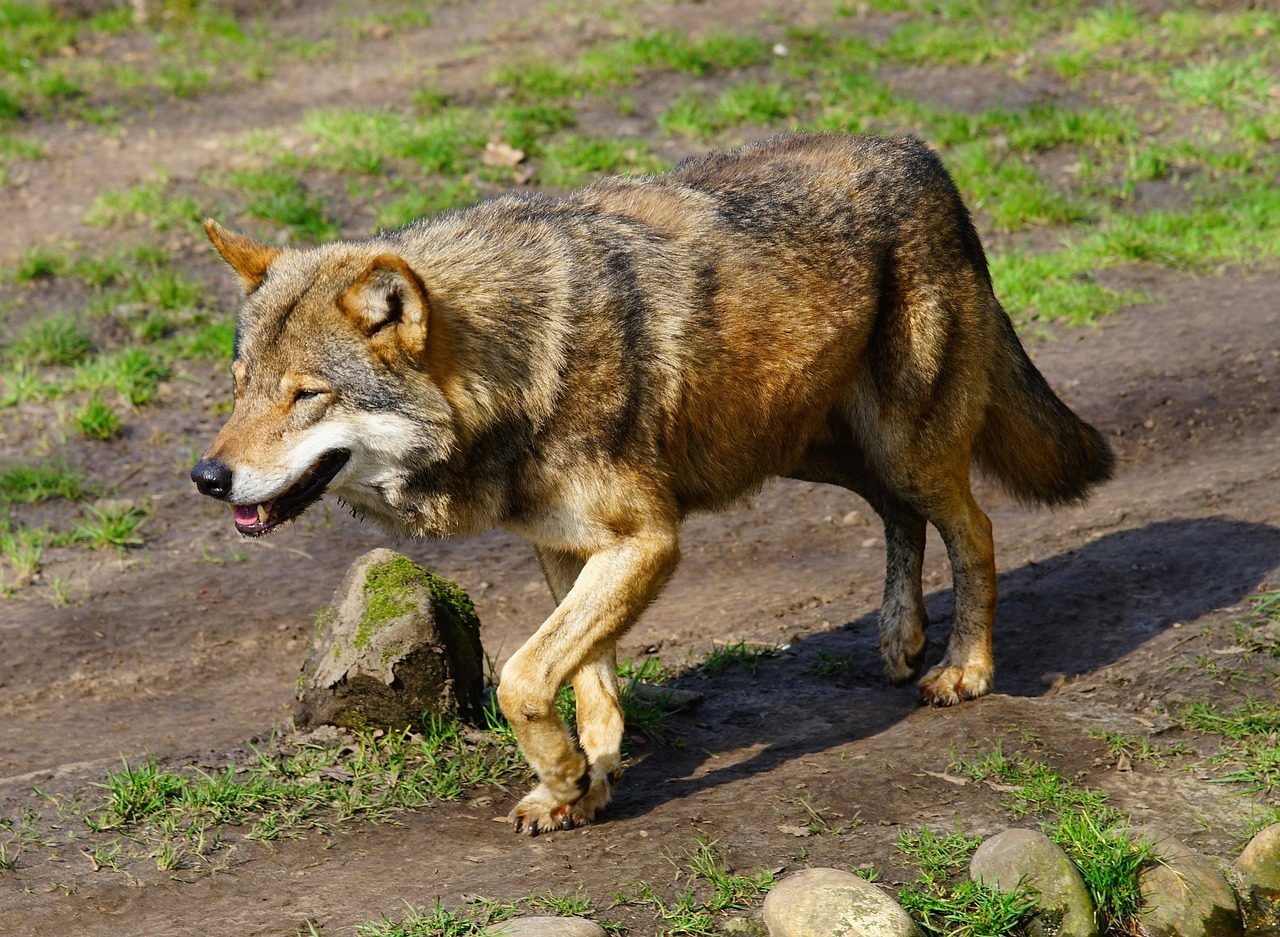
Picture this: The movement data show that the animals were unusually restless in the hours before the earthquakes. The closer the animals were to the epicentre of the impending quake, the earlier they started behaving unusually. This isn’t folklore or wishful thinking – it’s hard science from researchers who attached motion sensors to farm animals in earthquake-prone regions of Italy.
However, eyewitnesses have repeatedly reported that animals behave unusually before an earthquake. In an international cooperation project, researchers from the Max Planck Institute of Animal Behavior in Konstanz/Radolfzell and the Cluster of Excellence Centre for the Advanced Study of Collective Behaviour at the University of Konstanz, have investigated whether cows, sheep, and dogs can actually detect early signs of earthquakes. The results were stunning – animals showed measurable behavioral changes up to twenty hours before seismic events.
Scientists theorize several mechanisms behind this phenomenon. Animals may sense the ionization of the air caused by the large rock pressures in earthquake zones with their fur. It is also conceivable that animals can smell gases released from quartz crystals before an earthquake. While we can’t predict earthquakes reliably, our four-legged friends might be nature’s best early warning system.
The researchers have once received such a warning. “Three hours later, a small quake shook the region,” says Wikelski. “The epicentre was directly below the stables of the animals.”
Magnetic Navigation: Nature’s Invisible GPS System
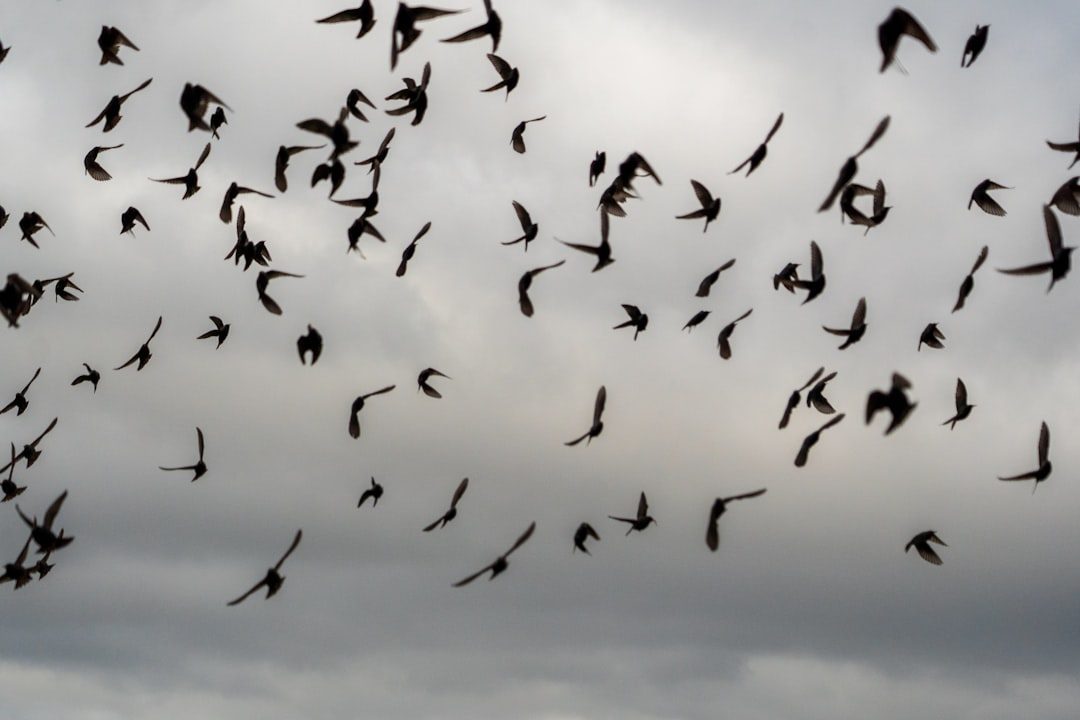
Imagine having an internal compass so precise it could guide you across continents without ever looking at a map. Magnetoreception is a sense which allows an organism to detect the Earth’s magnetic field. Animals with this sense include some arthropods, molluscs, and vertebrates (fish, amphibians, reptiles, birds, and mammals). The sense is mainly used for orientation and navigation, but it may help some animals to form regional maps.
This phenomenon is far more sophisticated than a simple compass. In less than a generation, the idea that animals use Earth’s magnetic field as a kind of map has gone from a contentious hypothesis to a well-established tenet of animal navigation. Diverse animals ranging from lobsters to birds are now known to use magnetic positional information for a variety of purposes, including staying on track along migratory pathways, adjusting food intake at appropriate points in a migration, remaining within a suitable oceanic region, and navigating toward specific goals.
What makes this even more remarkable is how animals develop this ability. Recent findings also indicate that sea turtles, salmon, and at least some birds imprint on the magnetic field of their natal area when young and use this information to facilitate return as adults, a process that may underlie long-distance natal homing (a.k.a. natal philopatry) in many species. They essentially memorize the magnetic signature of their birthplace and use it like a postal address to find their way home decades later.
The Mystery of Spontaneously Exploding Toads
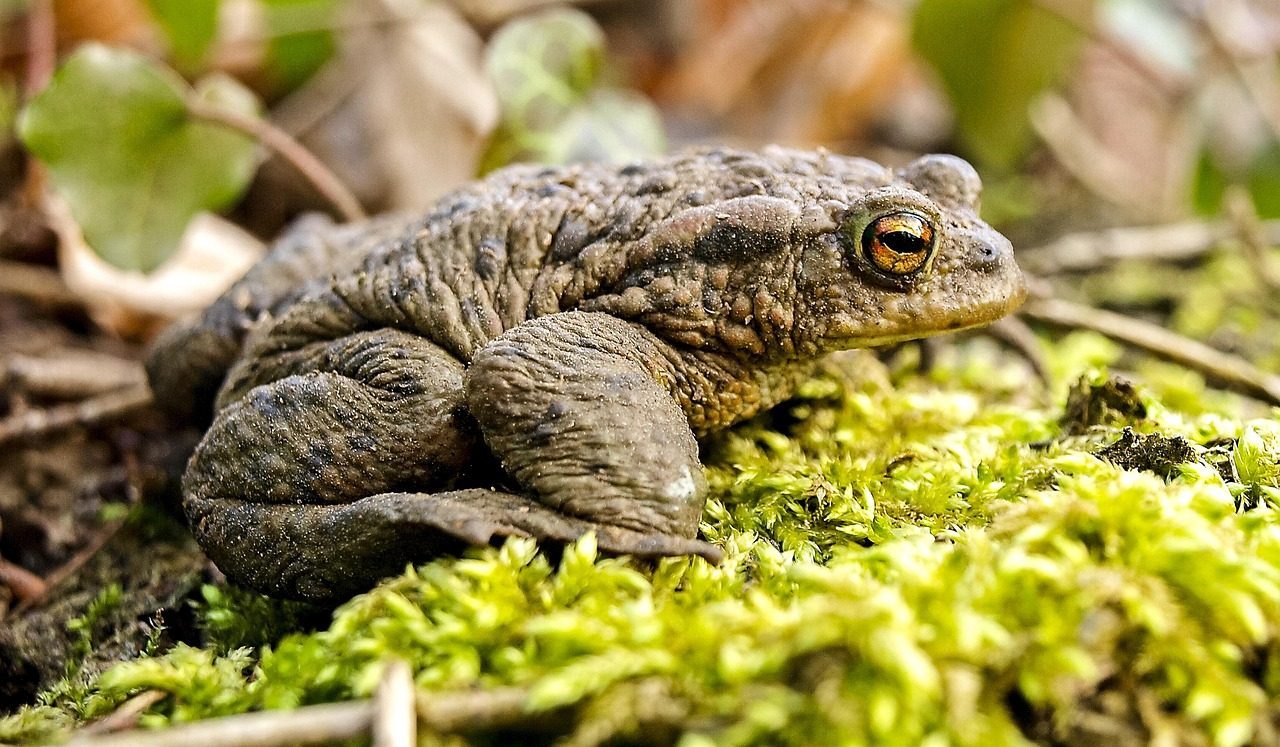
In Hamburg, Germany, something utterly bizarre happened that sounds more like science fiction than reality. Except, that is, in April 2005 in Hamburg, Germany when thousands of frogs blew apart over a period of a few days, sometimes strewing little toad parts up to a meter around. This wasn’t a one-time incident – it happened repeatedly, leaving scientists scrambling for explanations.
Dr. Franz Mutchsmann, a veterinarian from Berlin, came up with a theory for the toads’ apparently spontaneous explosions: A flock of crows had recently taken up residence in parts of Hamburg, and they had developed a taste for toad liver. The crows would swoop down, thrust their beaks inside the toads, and steal their livers before the toads even knew what had happened. The toads would instinctively puff themselves up to scare the crows away, but with the holes the crows left in their skin, the pressure would push their insides to the outside, bursting the toad into pieces.
This gruesome phenomenon highlights how even the most basic survival instincts can backfire in unexpected ways. The toads’ natural defense mechanism – inflating themselves to appear larger and more threatening – became their doom when combined with surgical precision of hungry crows. It’s a reminder that nature’s strategies aren’t always foolproof, especially when faced with novel challenges.
Crows That Never Forget a Human Face
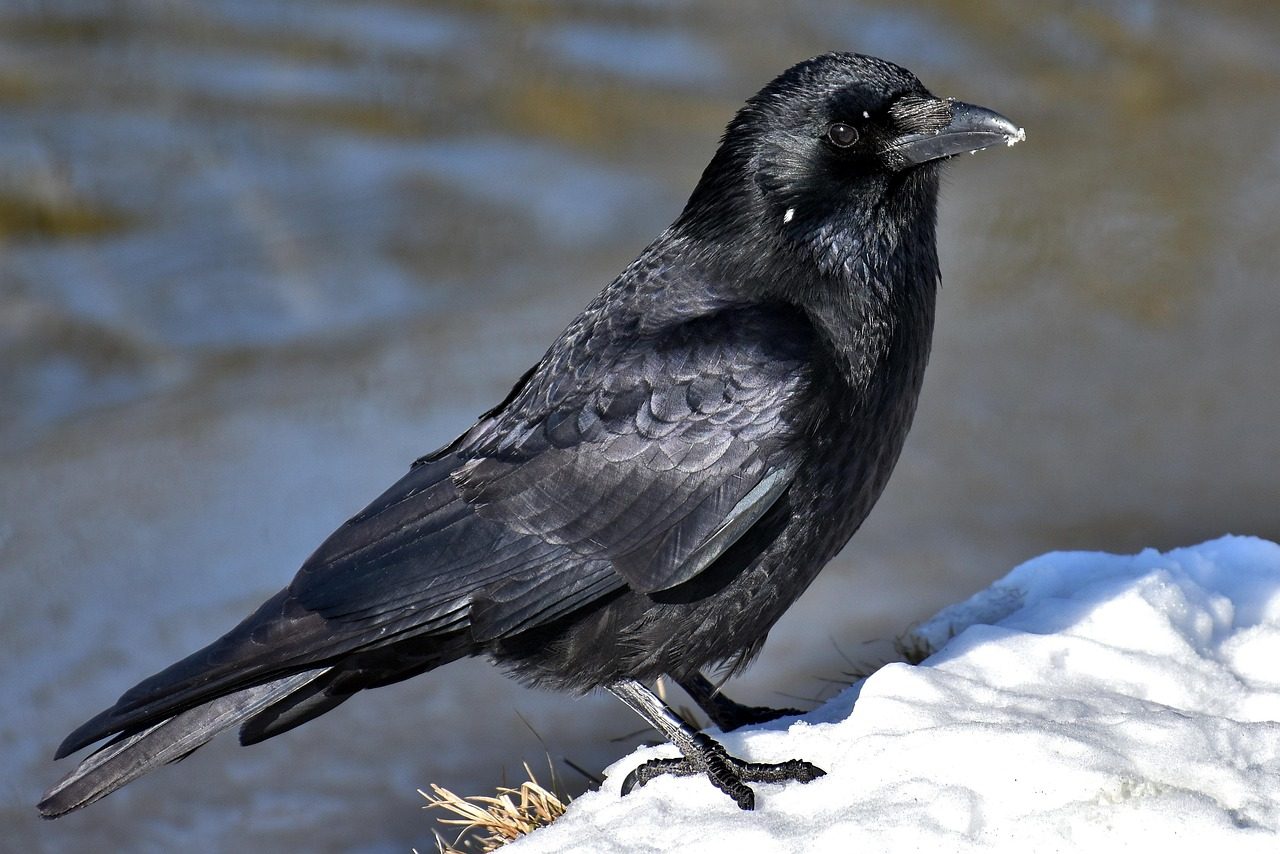
Your dog might love you unconditionally, but crows? They hold grudges like nothing else in the animal kingdom. Science cannot explain the crow’s ability to recognize and remember human faces. This isn’t just impressive memory – it’s something that defies our understanding of animal cognition.
Crows have always been at the forefront of intelligent species across our world. They have been known to make and use tools; they can communicate in ways many birds do not, including the adoption of dialects within their speech. They have even shown the ability to solve puzzles on the level of a human child. Their facial recognition abilities go beyond simple memory – they can distinguish between hundreds of different human faces and remember whether each person treated them kindly or threatened them.
What’s truly remarkable is that crows can pass this information to their offspring and community members. A crow that has never personally encountered a particular human can still react with hostility if that person has been marked as dangerous by other crows. This suggests a level of social communication and cultural memory that we’re only beginning to understand.
Same-Sex Partnerships Across Almost Every Species

Here’s a phenomenon that challenges basic evolutionary assumptions. In the animal kingdom, wasting time or energy on anything but producing a litter is a death sentence for most any animal category. So, why do we see same-sex partnerships in nearly every significant species on the planet, if it means the doom of their class if they don’t produce offspring? The answer: we don’t know.
This behavior appears across the entire spectrum of life – from penguins to primates, from dolphins to dragonflies. What makes it even more puzzling is that it persists despite the evolutionary pressure to reproduce. The leading theory is that most animals evolved from a common ancestor. This ancestor, both male and female, would have grown in very similar ways; size, shape, smell, etc. Due to this, the common ancestor mated with both males and females because they couldn’t recognize the difference. This theory could be why same-sex relationship actions are witnessed in most major species, simply because the ancient ancestor couldn’t tell male from female.
Yet this explanation feels incomplete. The behavior is too widespread and too persistent to be merely evolutionary baggage. There might be social, psychological, or survival benefits we haven’t discovered yet.
The Turtle That Urinates Through Its Mouth
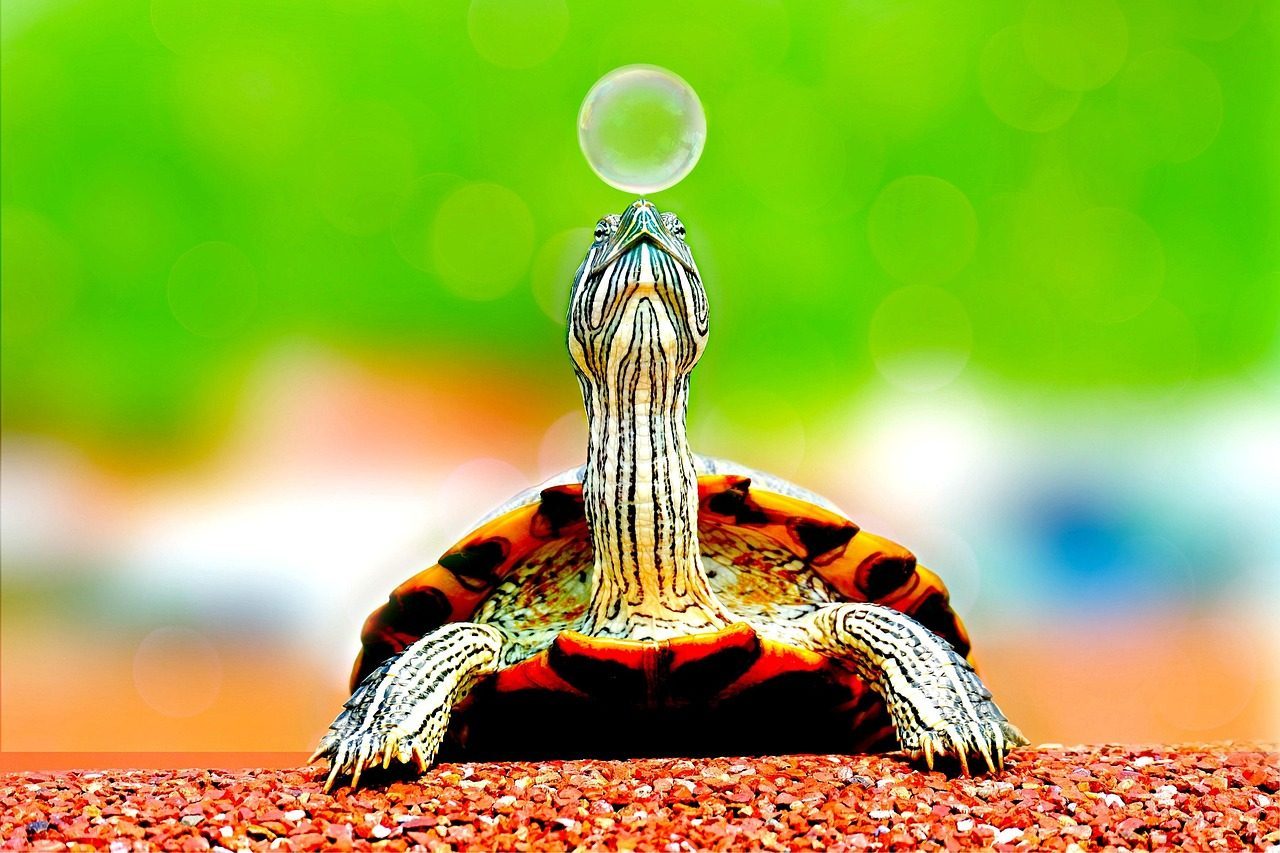
Sometimes nature comes up with solutions so bizarre they seem like evolutionary pranks. A sharp-snouted turtle found in China often submerges its head in puddles on dry land, a mystery given that these animals breathe air. Now, scientists say they’ve figured out why: The Chinese soft-shelled turtle (Pelodiscus sinensis) can essentially pee from its mouth. The turtles excrete urea, the main component of urine, through the gills in their mouths, a talent previously seen only in fish, scientists reported in the Journal of Experimental Biology.
This may be an adaption to the turtles’ salty environment. Because they can’t get enough freshwater to wash urea out through their urine, they transport it through their gills and then rinse their urea-filled mouths out with saltwater. This remarkable adaptation allows these turtles to thrive in environments where other reptiles would quickly become poisoned by their own waste products.
The discovery highlights how evolution finds unexpected solutions to environmental challenges. When traditional kidney function isn’t enough, these turtles essentially repurposed their respiratory system to handle waste removal. It’s a reminder that animal physiology can be far more flexible and innovative than we imagine.
Baby Frogs That Disguise Themselves as Feces
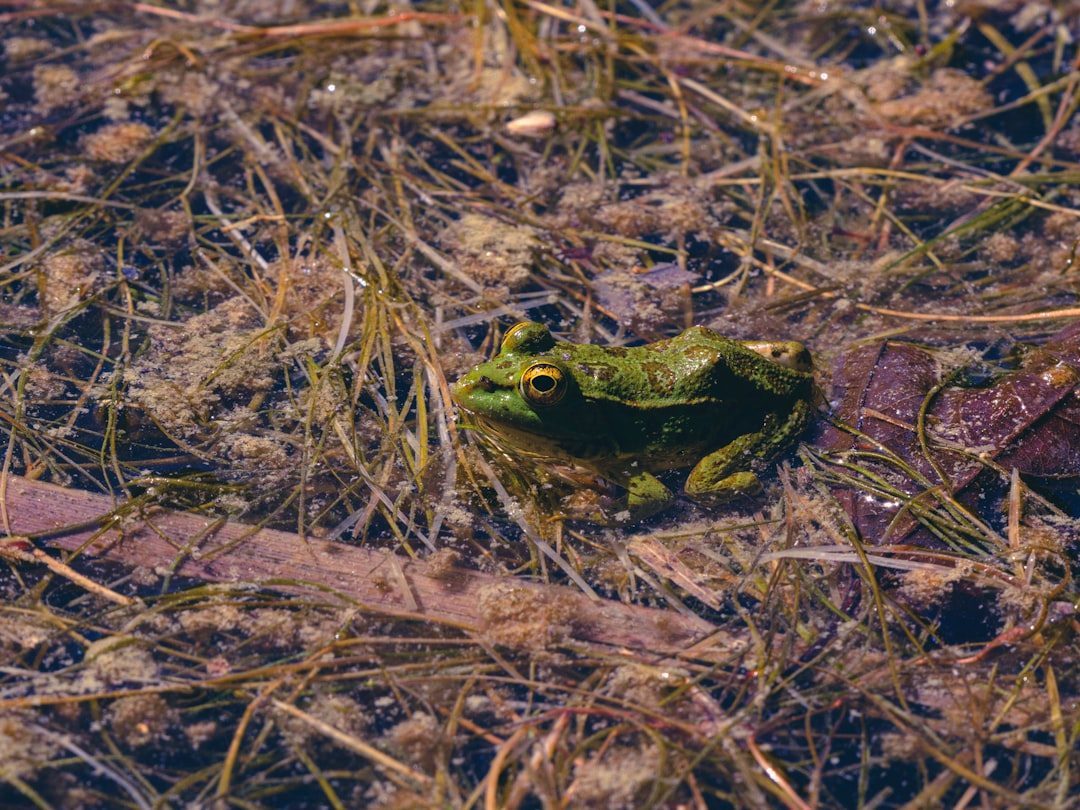
In the animal kingdom, looking unappetizing can be a matter of life and death. Adult Wallace’s flying frogs, which spring from branch to branch in tropical forests, are an appropriately jungle-green hue. But young froglets (their life stage after metamorphosizing from tadpoles but before fully maturing) are a standout reddish orange with white flecks. Why would an animal in such a vulnerable life stage take on such an outrageous appearance? Scientists think they’re masquerading as poop to gross out would-be predators.
This isn’t just theory – researchers tested it with controlled experiments. And according to the more than 150 birds in the Vienna Zoo’s Southeast Asian rainforest house that were exposed to wax froglet models of different colors, it works. The birds consistently avoided the feces-colored models while readily investigating other color variations.
This survival strategy represents one of nature’s most ingenious disguises. While adult frogs can rely on camouflage and mobility, these young froglets are slow and vulnerable. By mimicking something universally avoided, they turn their biggest weakness – being small and defenseless – into their greatest protection. It’s biological genius disguised as something decidedly unglamorous.
Mass Animal Deaths Without Clear Explanations
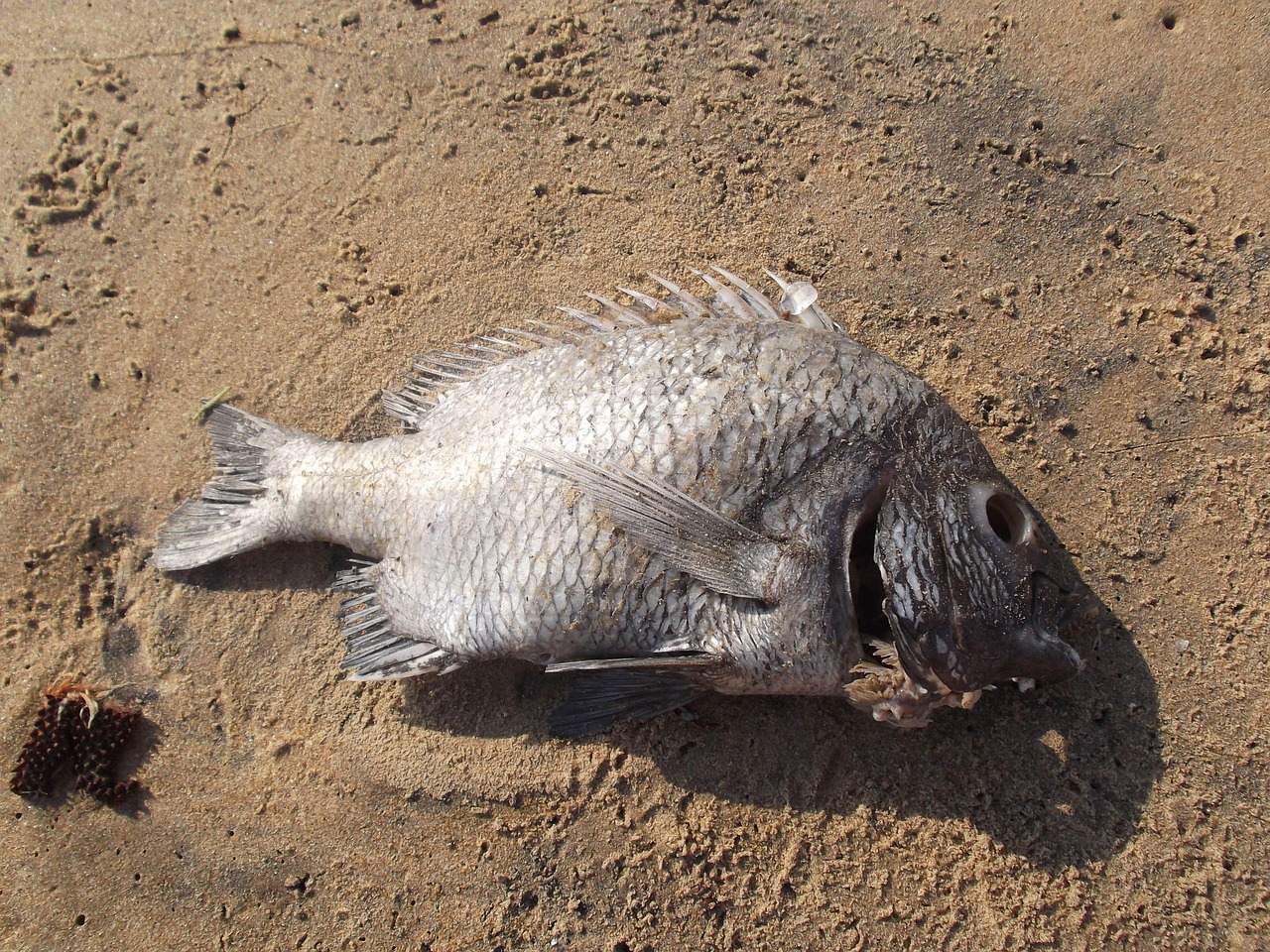
Imagine walking along a beach and finding thousands of fish with no eyes washing up on shore – not once, but repeatedly in the same location. On the Coromandel Peninsula in New Zealand, thousands of dead snapper washed up overnight in early 2011, many of them with no eyes. Although wildlife authorities looked into the event, no official explanation was ever announced. An early statement indicated that it may have been “deliberate.” Almost two years later to the day, the same thing happened again, at the same beach.
A few years back, the news was rife with stories about mass animal deaths, especially ones involving birds. Almost all had completely normal explanations (like fireworks scaring birds into flying into trees and buildings), but a few ended up going more or less unexplained. These mysterious mass mortality events continue to baffle scientists and spark intense speculation.
What makes these events particularly unsettling is their precision and timing. The fact that similar events occurred at the exact same location nearly two years apart suggests something systematic rather than random. Whether it’s environmental toxins, disease outbreaks, or human interference, these mysteries remind us how much we still don’t understand about the delicate balance of marine ecosystems.
Whales That Use Seaweed as Body Scrub
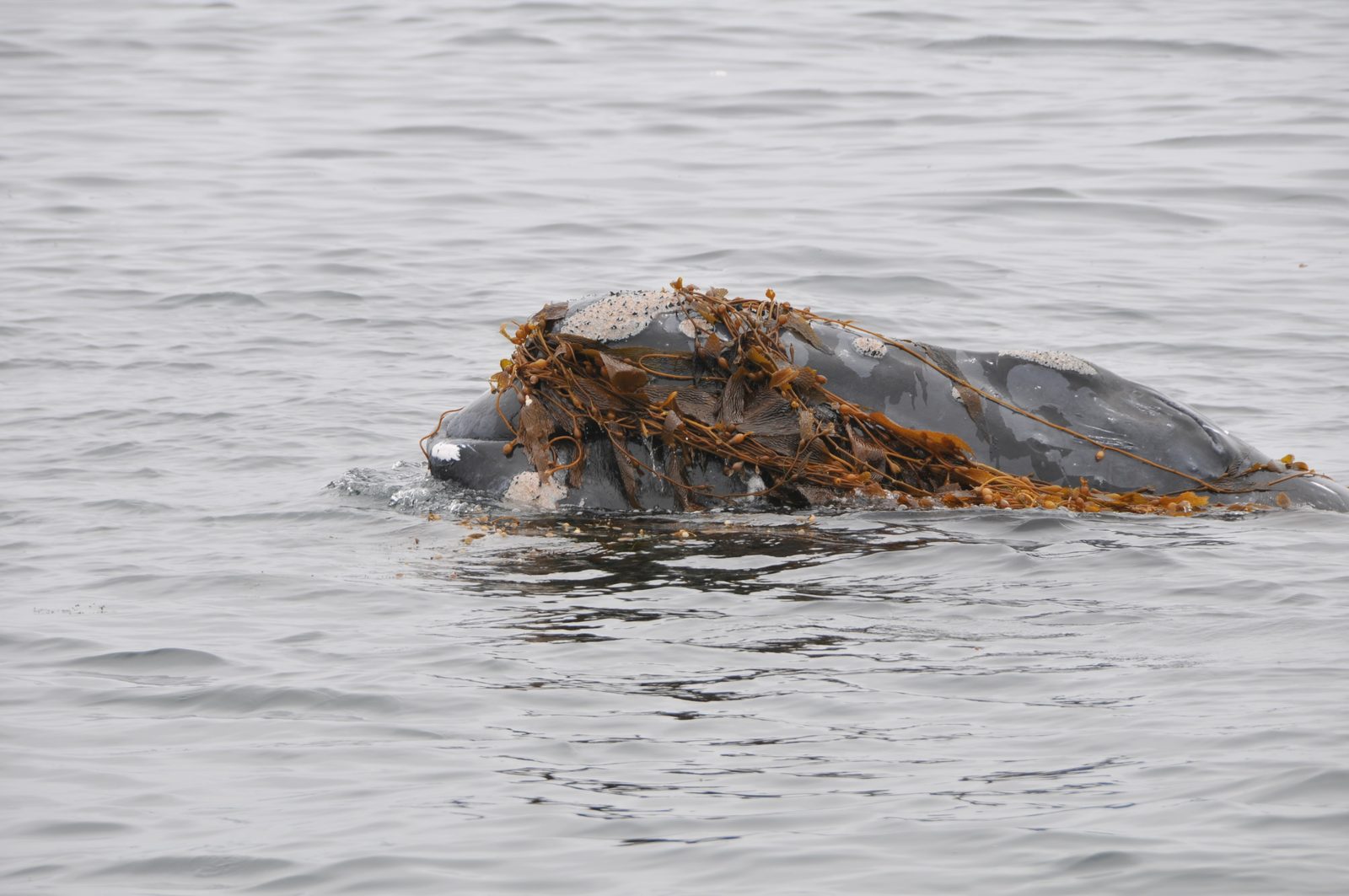
Sometimes the most sophisticated creatures develop the most surprisingly simple behaviors. Humpback whales (Megaptera novaeangliae) playing with seaweed is a behavior known as kelping. known as “kelping,” is now so widespread, it’s become a global phenomenon. Seaweed potentially acts as a body scrub for the whales, and they may use it to remove parasites, treat their skin or just play with it. “It’s something they do together as a social event or by themselves,” Olaf Meynecke, a researcher at Griffith University’s Coastal and Marine Research Centre in Queensland, Australia, told Live Science in September.
What makes this behavior fascinating isn’t just its practicality, but its social dimension. These massive marine mammals, some of the largest creatures ever to exist, engage in what can only be described as playful grooming behavior. They pass seaweed back and forth, roll in kelp forests, and seem to genuinely enjoy the sensation of the plants against their skin.
This behavior has only recently been documented as widespread, suggesting either that whales are developing new cultural practices or that we’ve simply overlooked this aspect of their behavior for decades. Either possibility raises intriguing questions about whale intelligence, social learning, and the complexity of marine mammal cultures.
The Perpetual Mystery of Animal Consciousness
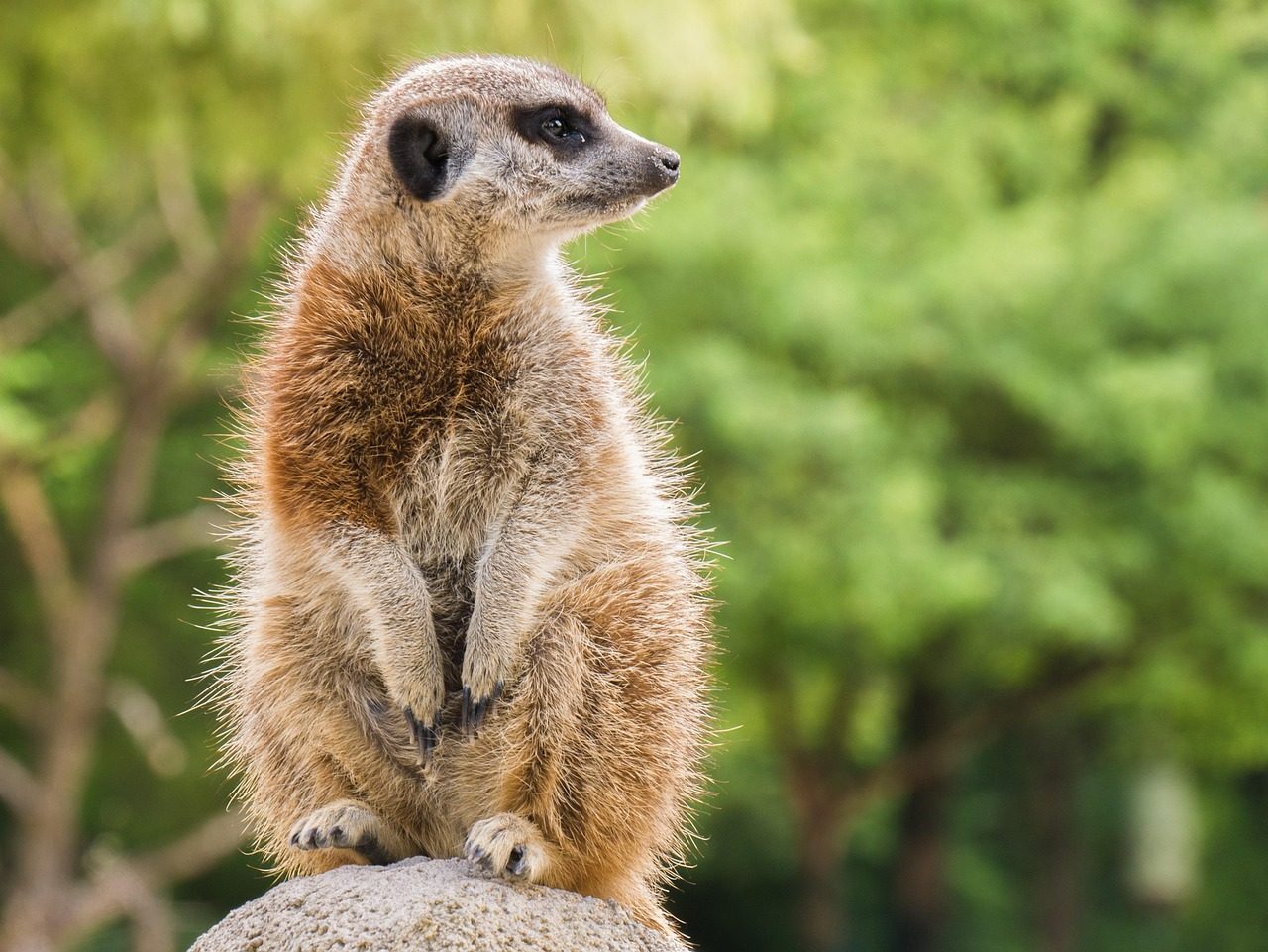
Perhaps the most profound unexplained phenomenon isn’t a specific behavior, but the question of what it’s like to be another species. There are relatively few animals outside humans that appear to mourn in a humanesque manner. Yet this statement itself reveals our bias – we measure animal experience against human standards, potentially missing entirely different forms of consciousness and emotional complexity.
Consider the remarkable cognitive abilities we’ve discovered: However, the youngsters of meerkat families are actually “taught.” The meerkats of Africa are kind and patient tutors to their young, teaching them to be cautious around venomous scorpions, one of their primary food sources. Researchers observed that wild meerkats teach pups prey-handling skills by allowing them to interact with the actual prey. They do this by capturing the scorpions themselves and feeding the pups the scorpions’ corpses. To assist the pups in refining their hunting techniques, parents start exposing the pups to live scorpions as they get older and more experienced.
This isn’t instinctual behavior – it’s deliberate education, complete with curriculum progression and safety measures. The implications are staggering: if meerkats can teach and develop pedagogical strategies, what other forms of animal intelligence and consciousness remain hidden from us? Every day, new research reveals cognitive abilities in species we previously dismissed as purely instinctual.
The mystery of animal consciousness forces us to confront the limitations of human perception and scientific methodology. We may never fully understand what it means to navigate by magnetic fields, to remember faces for decades, or to communicate across vast ocean distances. These phenomena remind us that the natural world operates on levels of complexity and sophistication that continue to humble our understanding.
What fascinates me most is how these mysteries connect us more deeply to the animals in our lives. The next time you watch your pet react to something you can’t perceive, remember – they might be detecting earthquake precursors, sensing magnetic field fluctuations, or processing sensory information in ways we can’t even imagine. What do you think about these incredible phenomena? Tell us in the comments.
Worried about unexpected vet bills?
Pet insurance can cover thousands in unexpected vet costs. Get a free quote from Lemonade in under 2 minutes.
Get My Free Quote →Sponsored · Opens Lemonade.com
