

While cats make wonderful companions, not every feline breed is ideally suited for households bustling with children’s energy and unpredictable behavior. Veterinarians often see the consequences of mismatched pet-family dynamics, witnessing stressed cats and frustrated families who didn’t fully understand what they were signing up for.
The truth is, some cat breeds require specific care, have particular temperaments, or possess physical characteristics that make them challenging pets for busy families. These insights come from years of veterinary experience, countless consultations, and the honest observations of professionals who’ve seen which combinations work and which ones don’t.
#15 Siamese Cats
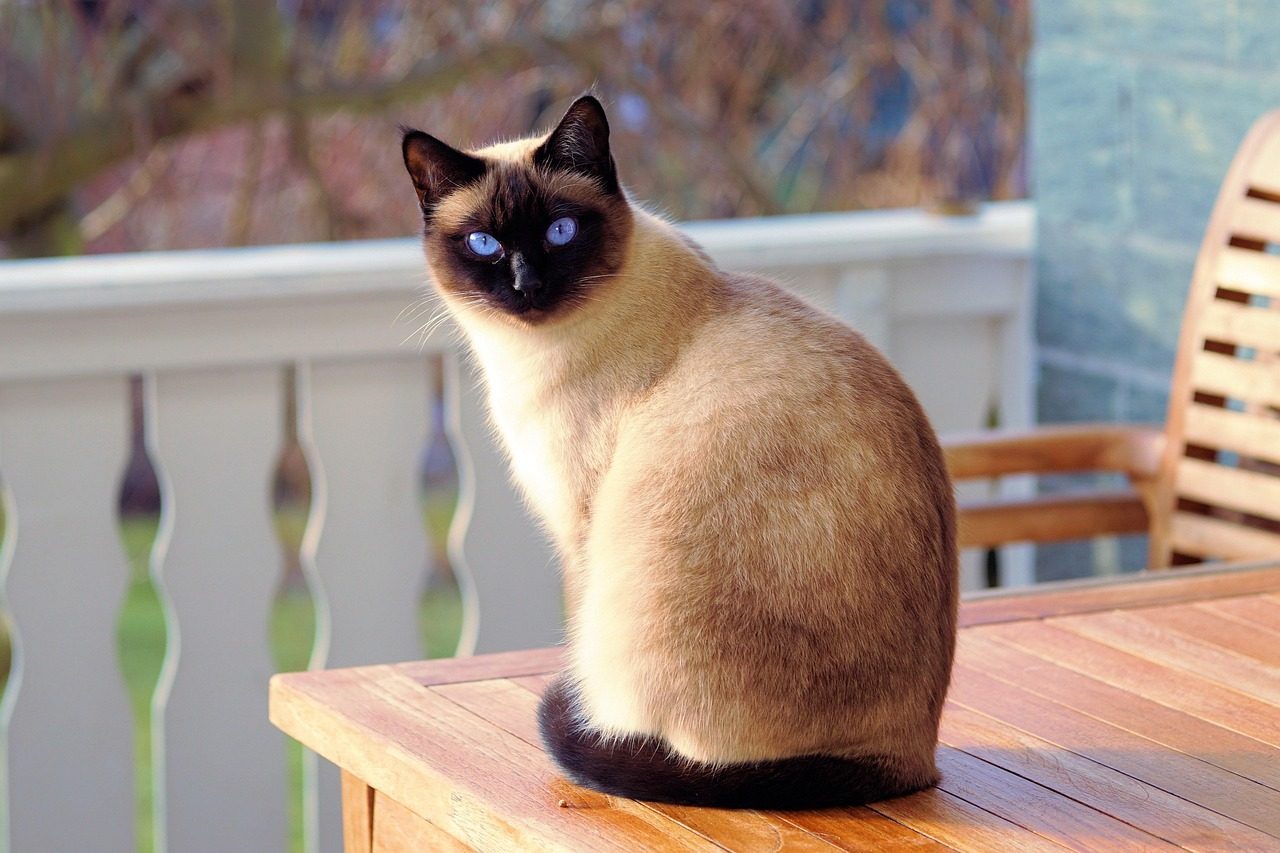
Siamese cats are incredibly vocal and demand constant attention, often becoming destructive when they feel ignored. Their piercing yowls can wake sleeping babies and their need for interaction conflicts with the chaotic schedule most families maintain. These cats form intense bonds with one person, often becoming jealous of children who compete for their chosen human’s attention.
Their high intelligence means they require significant mental stimulation, something that’s challenging to provide consistently in a household focused on child-rearing. Without proper engagement, Siamese cats can develop behavioral issues like excessive scratching, inappropriate elimination, or aggressive tendencies toward smaller family members.
#14 Bengal Cats
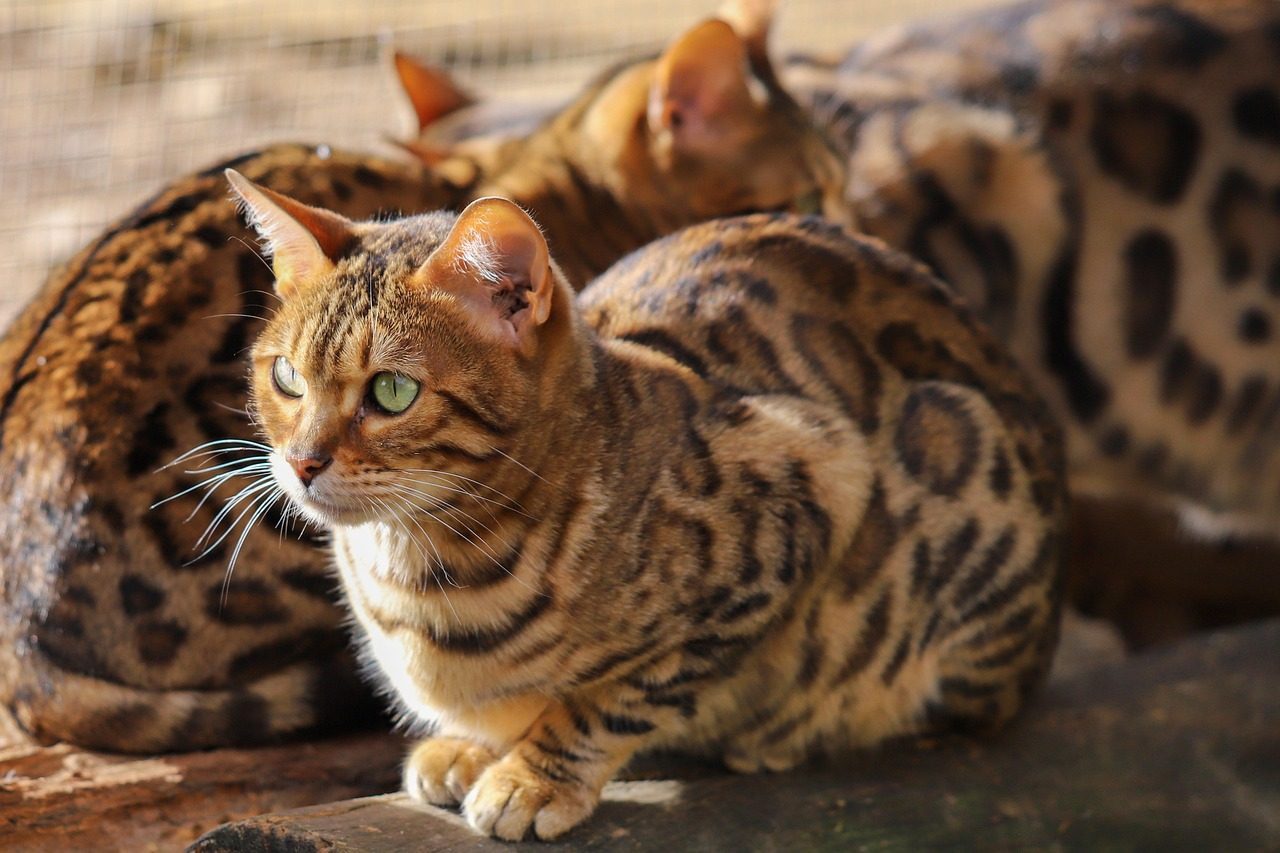
Bengal cats possess an almost dog-like energy level that can overwhelm households already managing active children. These cats need extensive exercise and mental challenges, often climbing curtains, knocking over furniture, or engaging in destructive play that can endanger small children. Their wild ancestry makes them unpredictable, with some individuals showing aggressive tendencies that surface unexpectedly.
The breed’s high maintenance grooming needs and expensive dietary requirements add financial strain to families already budgeting for children’s needs. Many Bengal owners underestimate the commitment required, leading to surrendered pets and disappointed children who lose their promised companion.
#13 Scottish Fold Cats
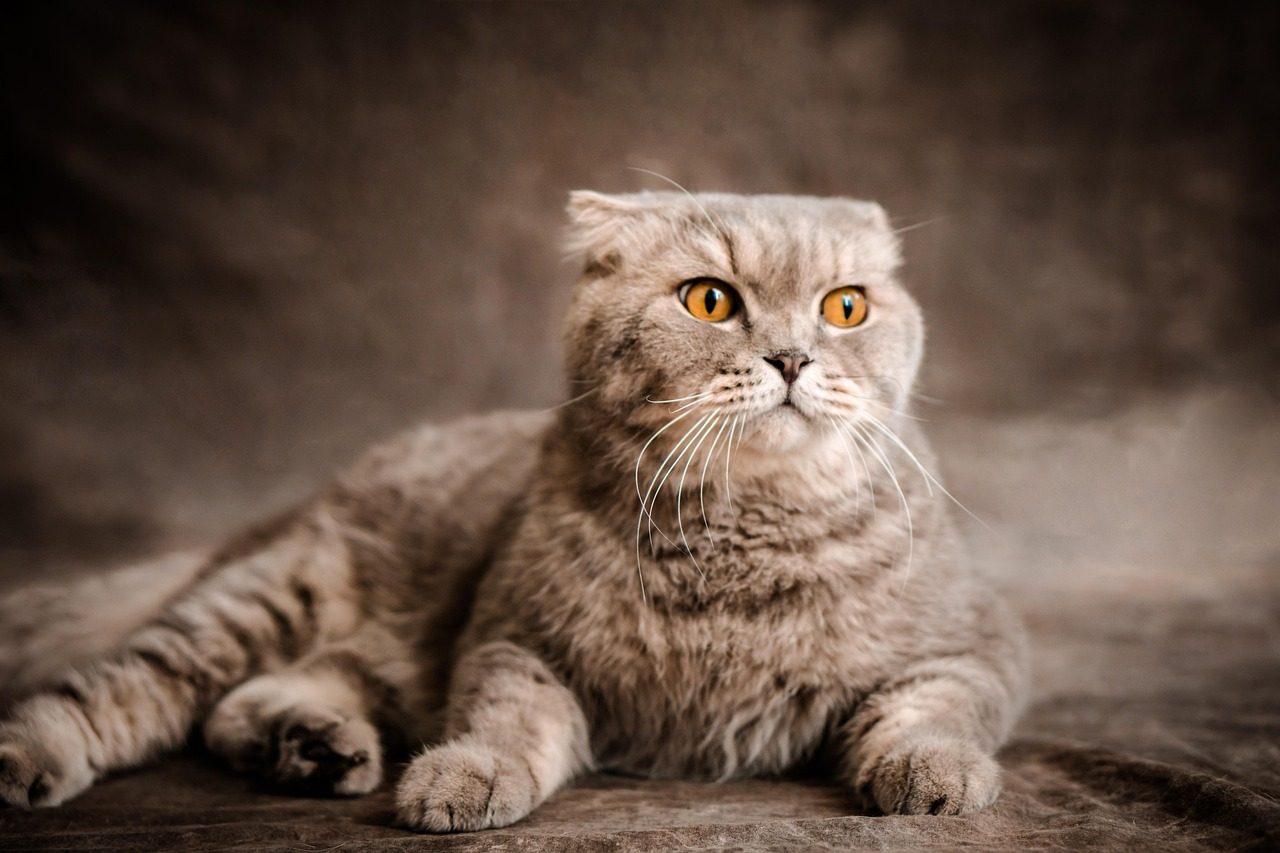
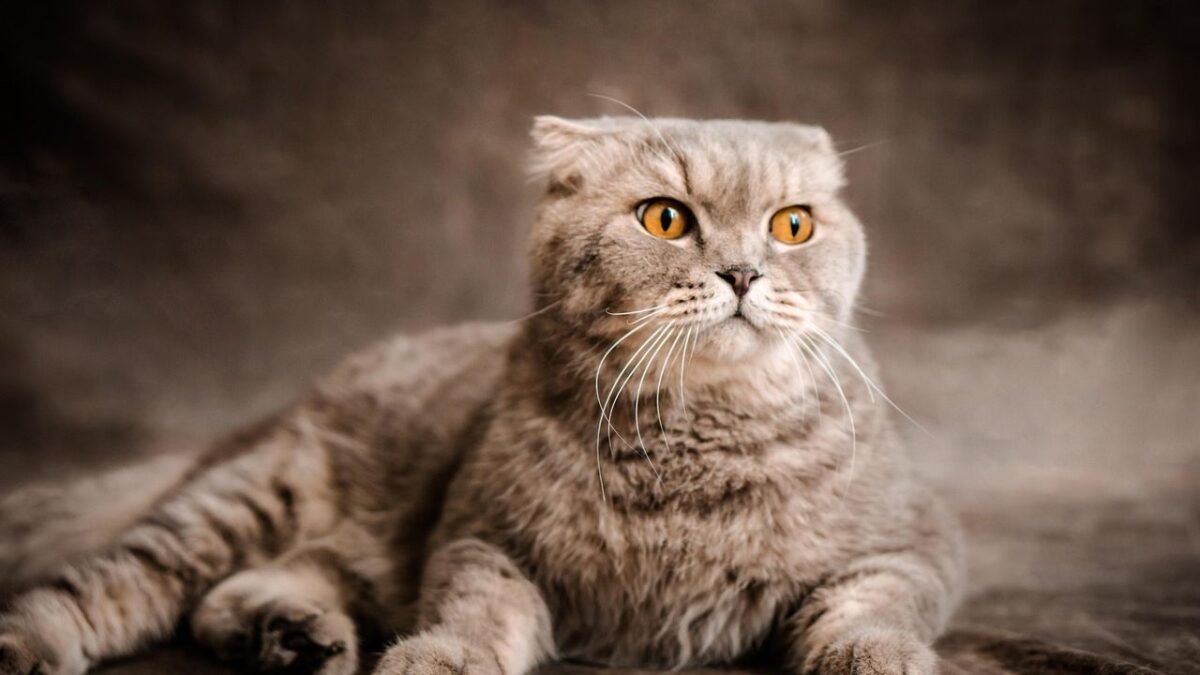
Scottish Folds suffer from a genetic condition that affects cartilage throughout their body, leading to painful arthritis and joint problems that worsen with age. Children naturally want to play with their pets, yet these cats often experience discomfort that makes handling painful, creating a difficult situation for families. The breed’s health issues result in expensive veterinary bills that can strain family budgets.
Their folded ears, while adorable, trap debris and moisture more easily than normal ears, requiring frequent cleaning that many busy parents struggle to maintain. The combination of health problems and high maintenance needs makes Scottish Folds challenging pets for households focused on raising children.
#12 Hairless Sphynx Cats
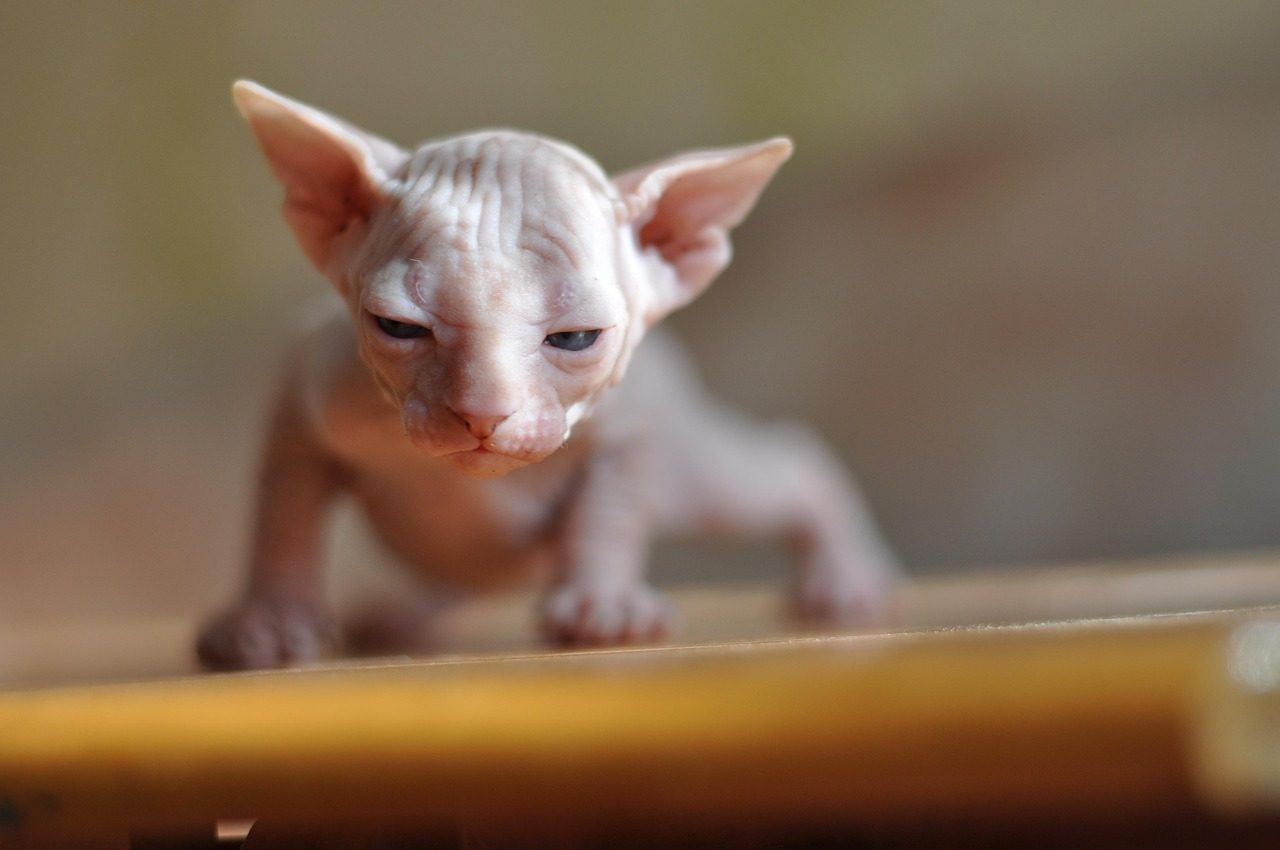
Sphynx cats require daily skin care including regular bathing, sunscreen application, and temperature regulation that’s impractical for most busy families. Their lack of fur means they’re prone to skin injuries from children’s rough play and require heated environments that increase utility costs significantly. These cats also produce more dander than expected, contrary to popular belief about hairless breeds being hypoallergenic.
Their extroverted personality means they constantly seek attention, often interrupting family activities or becoming destructive when ignored. The breed’s high maintenance needs and expensive care requirements make them unsuitable for families already juggling multiple responsibilities and tight budgets.
#11 Savannah Cats
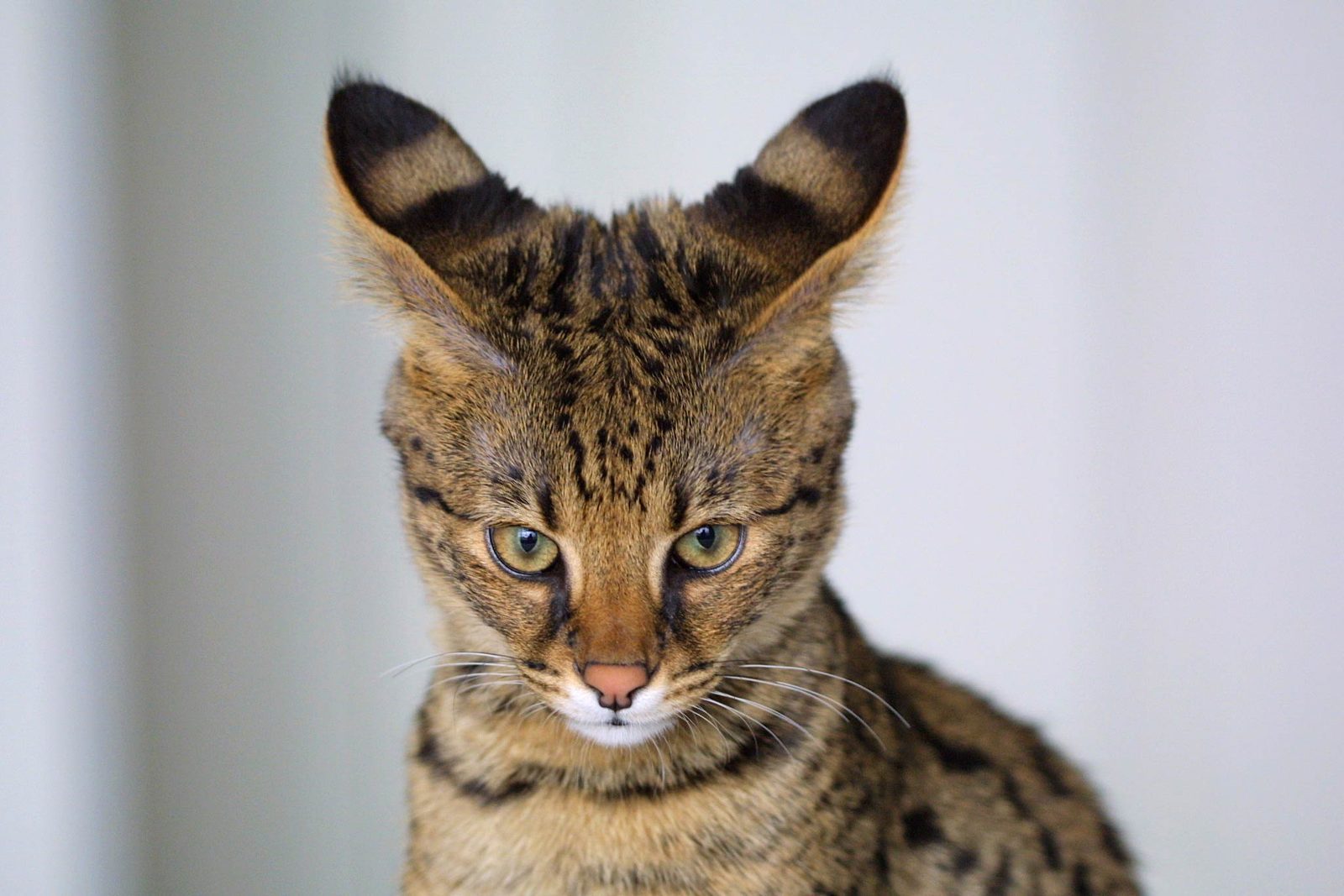
Savannah cats are large, athletic animals with wild serval ancestry that makes them unpredictable around children. These cats can weigh up to 25 pounds and possess incredible jumping abilities, easily reaching high shelves where they might knock over dangerous items onto children below. Their size and strength make them capable of accidentally injuring small children during normal play.
Many municipalities have restrictions or bans on Savannah cats, potentially forcing families to relocate or surrender their pet. The breed requires specialized veterinary care that’s expensive and difficult to find, creating additional stress for families already managing children’s healthcare needs.
#10 Persian Cats
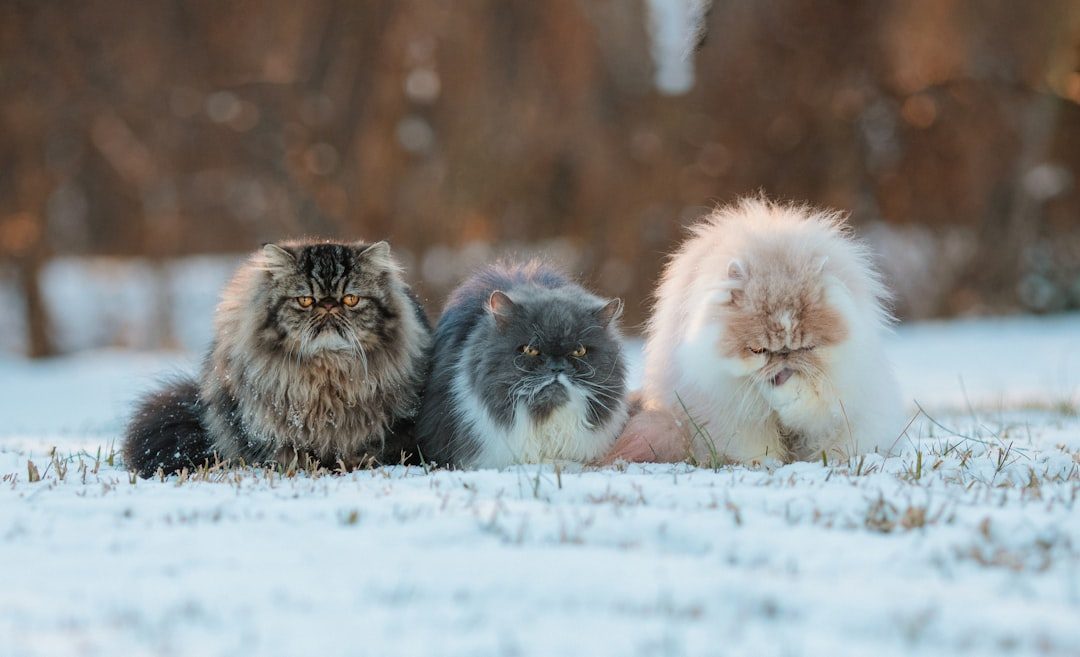
Persian cats require daily brushing and professional grooming every few months, creating a significant time commitment that’s challenging for parents juggling children’s schedules. Their long fur easily becomes matted, creating painful conditions that require veterinary intervention if proper grooming is neglected. Children often want to pet these beautiful cats, yet Persian fur quickly becomes tangled from enthusiastic young hands.
The breed’s flat face structure causes breathing problems, tear staining, and eye infections that require constant monitoring and cleaning. Persian cats also tend to be sedentary and easily stressed, making them poor companions for active children who want interactive playmates.
#9 Russian Blue Cats
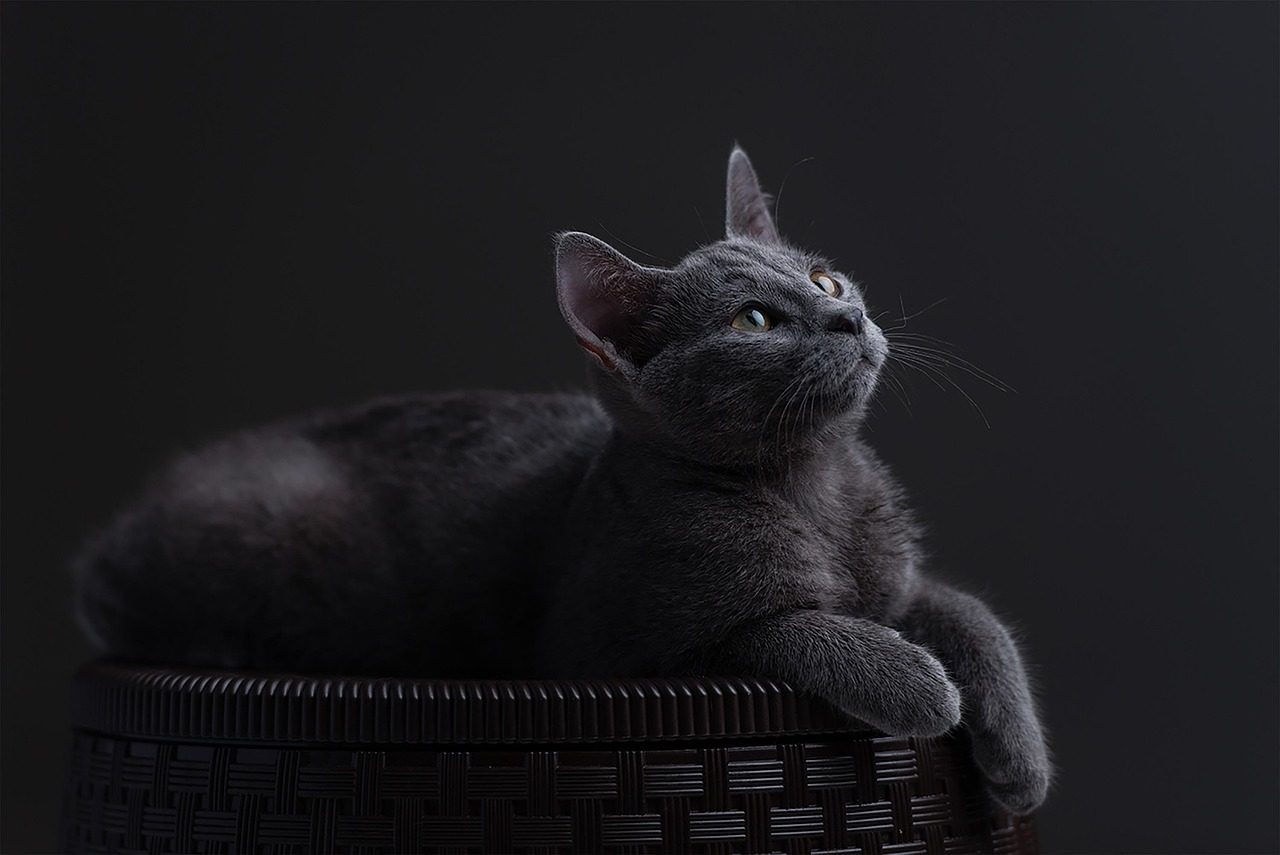
Russian Blues are extremely shy and skittish around strangers, making them poor choices for households with children who frequently have friends over. These cats often hide for hours when faced with loud noises or sudden movements, behaviors that are inevitable in homes with active kids. Their nervous disposition means they’re prone to stress-related health issues when exposed to the chaos of family life.
The breed forms strong attachments to one person and often rejects other family members, creating hurt feelings among children who expected a loving pet relationship. Russian Blues require quiet, predictable environments that conflict with the natural energy and unpredictability of households with children.
#8 Munchkin Cats
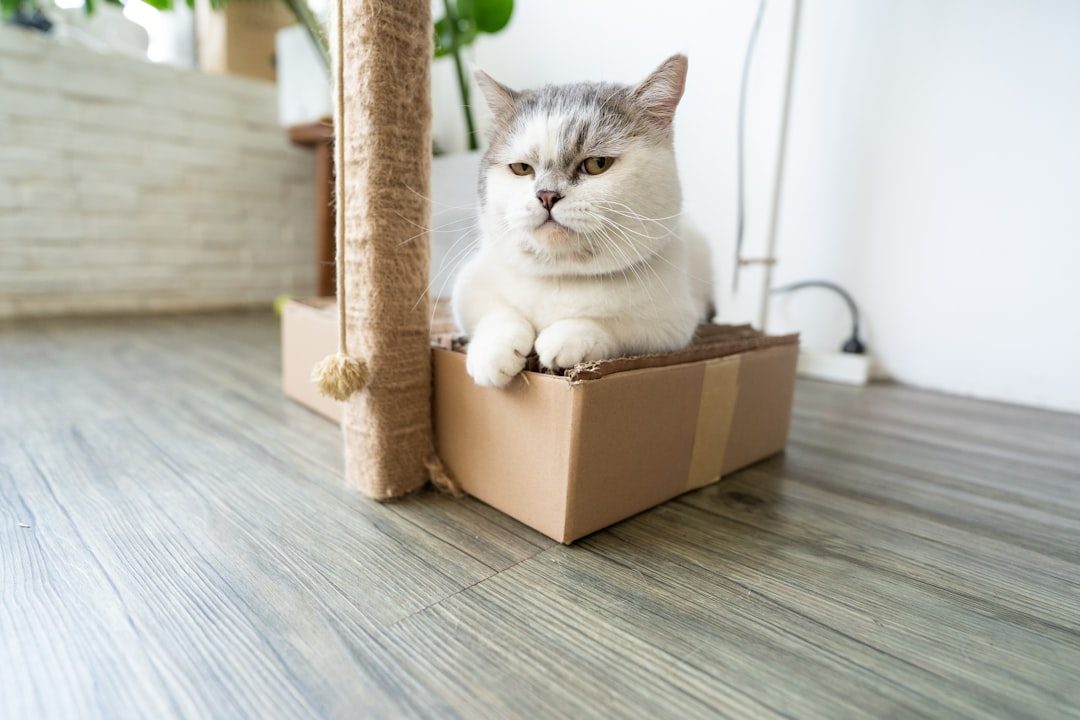
Munchkin cats suffer from genetic skeletal abnormalities that cause spinal problems, arthritis, and mobility issues throughout their lives. Their short legs make them vulnerable to injuries from falls or rough play, situations that occur frequently in homes with active children. The breed’s health problems result in expensive veterinary bills and emotional distress for children who watch their pet struggle with pain.
Despite their cute appearance, Munchkin cats often develop behavioral issues related to their physical limitations, including litter box problems and aggression toward family members. Veterinary opinions on Munchkins vary, with some expressing concerns about potential health issues while others work with well-bred cats from reputable breeders.
#7 Abyssinian Cats
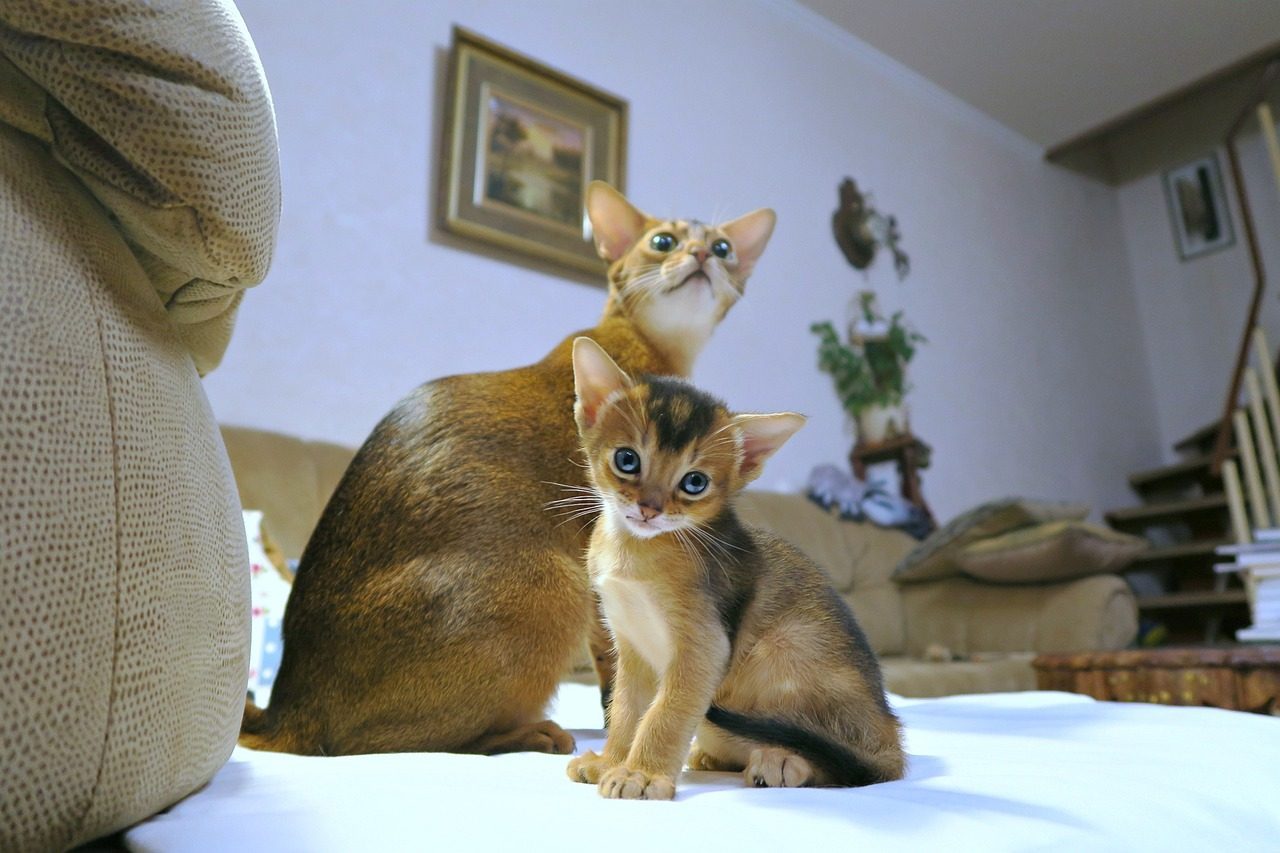
Abyssinian cats are hyperactive animals that require constant stimulation and exercise, often becoming destructive when their needs aren’t met. These cats climb everything, knock over fragile items, and engage in behaviors that can be dangerous around small children. Their high energy level conflicts with naptime routines and quiet activities that families with young children need.
The breed is prone to developing obsessive behaviors like excessive grooming or repetitive actions when stressed, conditions that worsen in chaotic household environments. Abyssinian cats also tend to be territorial and may not accept new family members, including babies or adopted children.
#6 Turkish Angora Cats
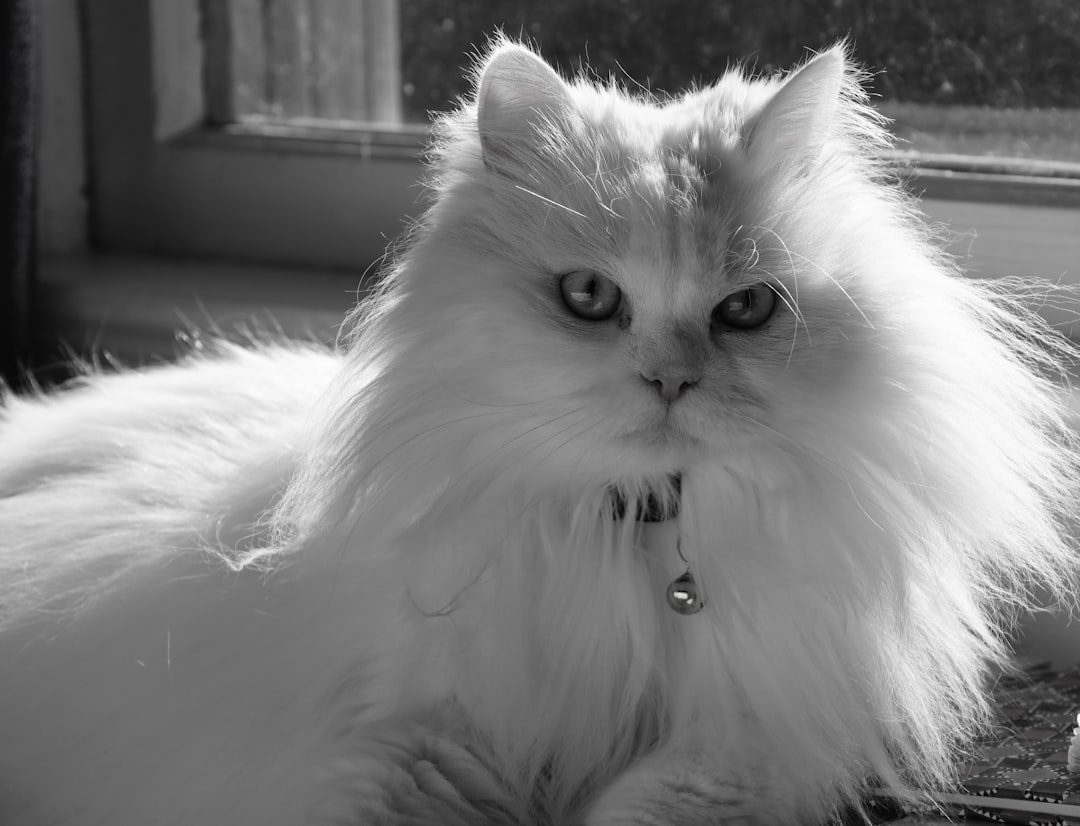
Turkish Angora cats are known for their dominant personalities and tendency to become aggressive when challenged or stressed. These cats often try to establish themselves as the household leader, creating conflicts with children who don’t understand feline hierarchy. Their beautiful white coat requires extensive grooming and shows dirt easily, making them impractical for families dealing with the messes that children inevitably create.
The breed is prone to deafness, particularly in white cats with blue eyes, creating communication difficulties that can lead to startling reactions and defensive aggression. Turkish Angoras also tend to be one-person cats, often rejecting other family members and causing disappointment among children who want a friendly pet.
#5 Burmese Cats
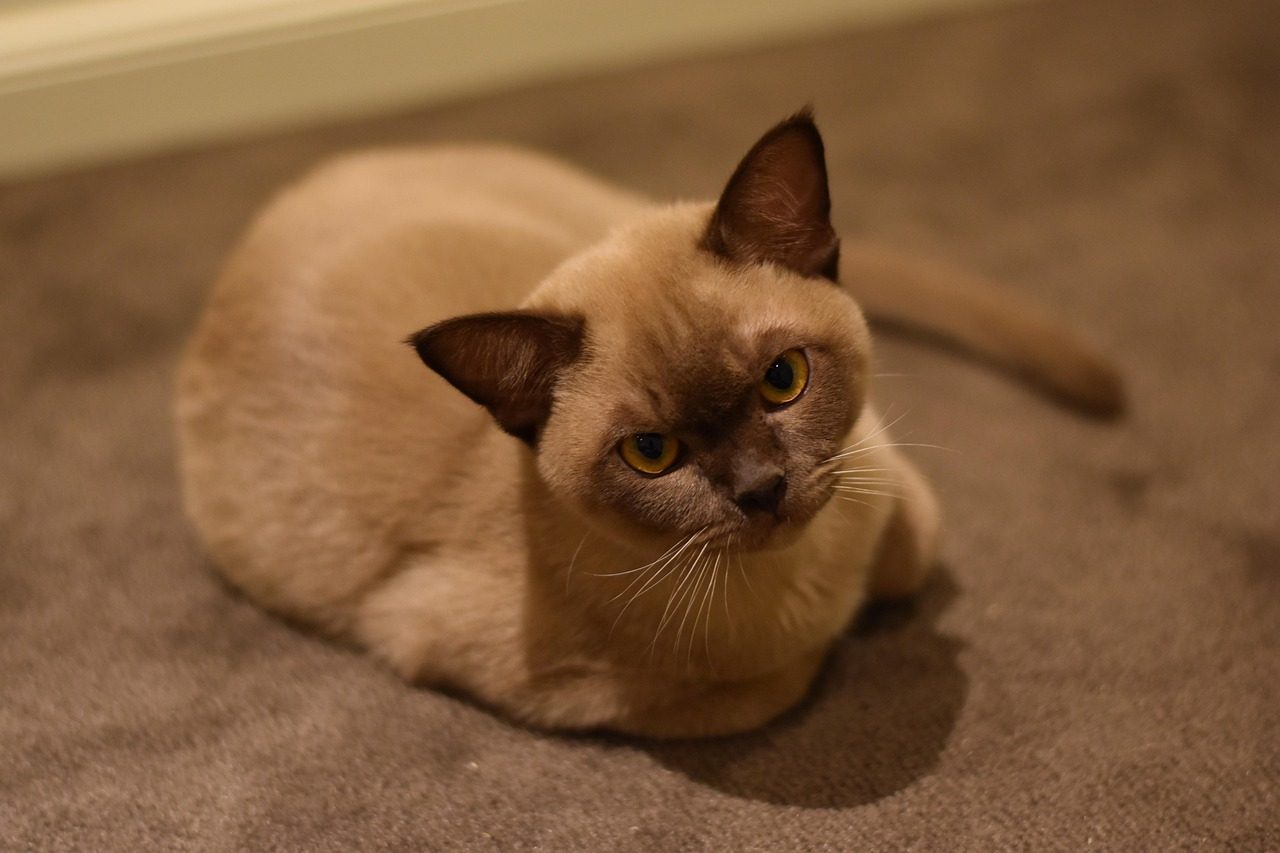
Burmese cats are extremely demanding and vocal, requiring constant attention that’s difficult to provide in busy family households. These cats become depressed and destructive when left alone, making them unsuitable for families with school-age children and working parents. Their need for interaction often conflicts with children’s activities and parents’ responsibilities.
The breed tends to develop separation anxiety and may engage in inappropriate elimination or destructive scratching when their emotional needs aren’t met. Burmese cats also have a tendency to become overweight, leading to health problems that require expensive veterinary care and dietary management.
#4 Egyptian Mau Cats
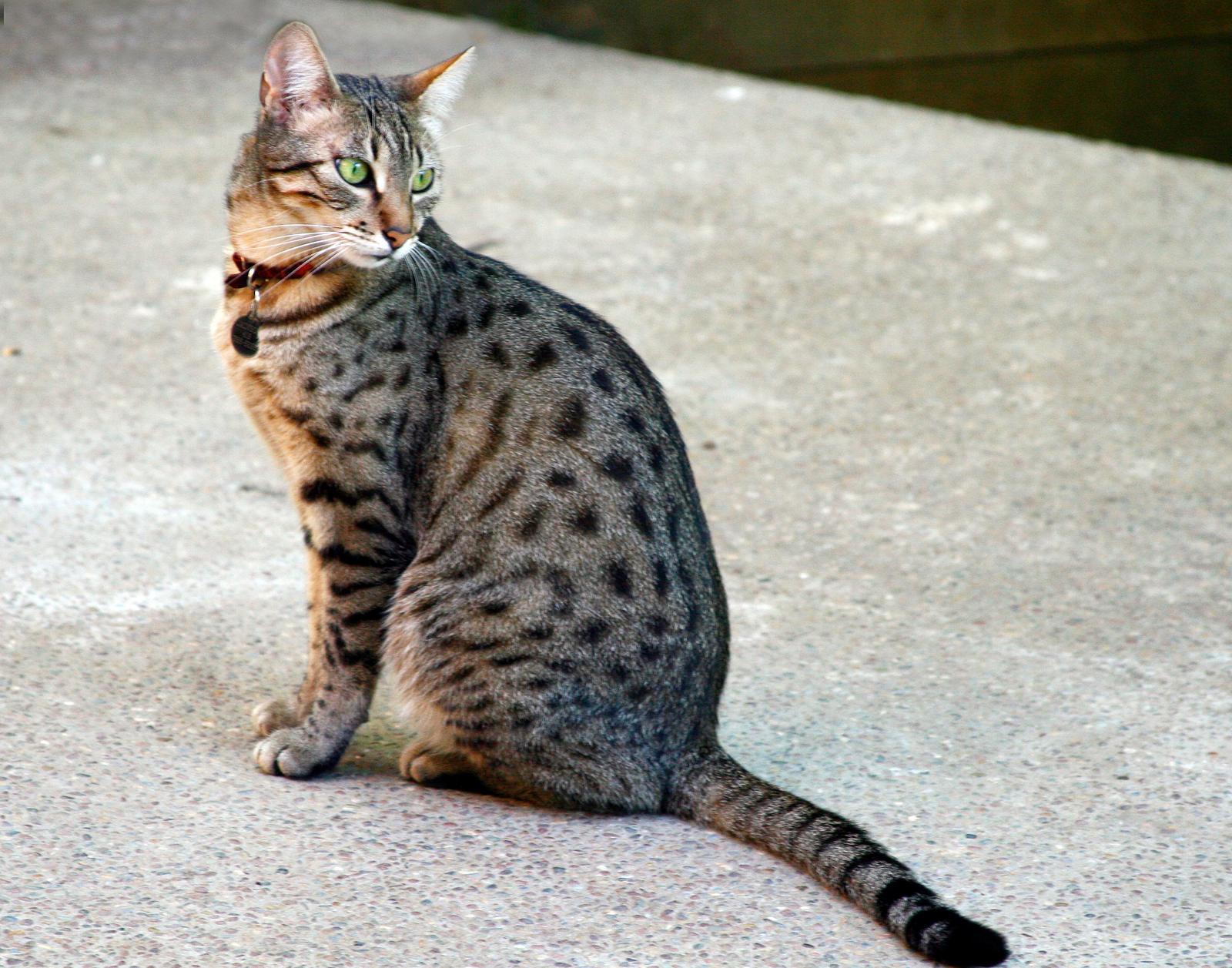
Egyptian Maus are naturally skittish cats that take years to warm up to new people, making them poor choices for families who want an immediately social pet. These cats often remain fearful of children throughout their lives, hiding whenever young people are present and never developing the close bonds families hope for. Their nervous temperament makes them prone to stress-related illnesses when exposed to typical household activity levels.
The breed requires a very quiet, predictable environment that’s impossible to maintain in homes with active children. Egyptian Maus may occasionally develop heart conditions like other cat breeds, though they are generally considered a healthy breed and emotional trauma for families watching their pet struggle with illness.
#3 Korat Cats
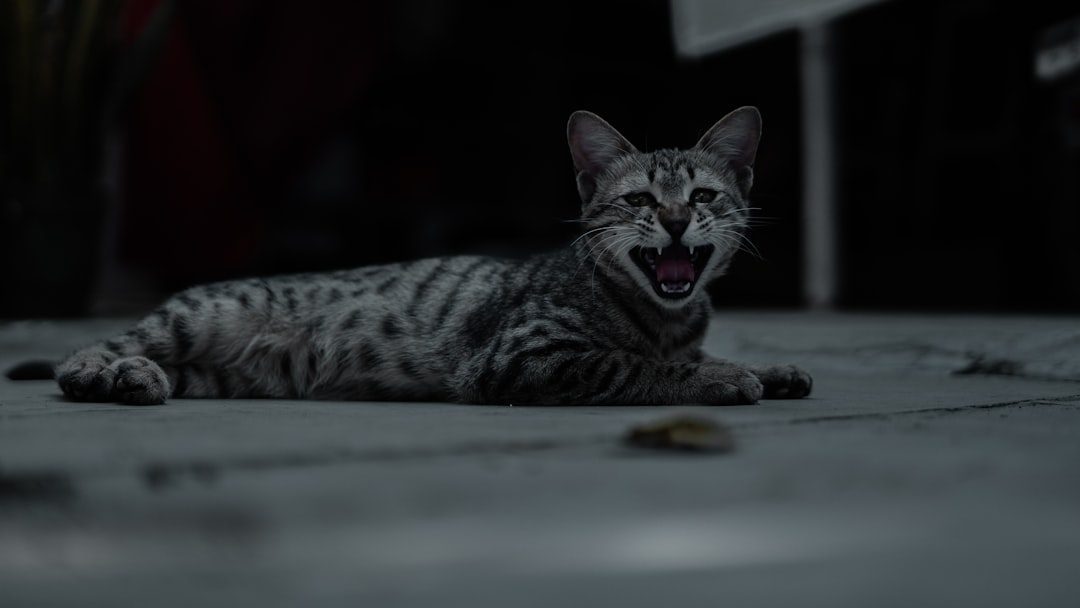
Korat cats are possessive and jealous animals that don’t tolerate sharing their owner’s attention with children. These cats often become aggressive toward family members they perceive as competition, creating dangerous situations for young children who don’t understand feline warning signals. Their territorial nature makes them unsuitable for households where children’s friends frequently visit.
The breed is known for being destructive when upset, often knocking over items or scratching furniture in response to household stress. Korat cats also tend to be very vocal, particularly at night, disrupting sleep schedules that families with children work hard to maintain.
#2 Oriental Shorthair Cats
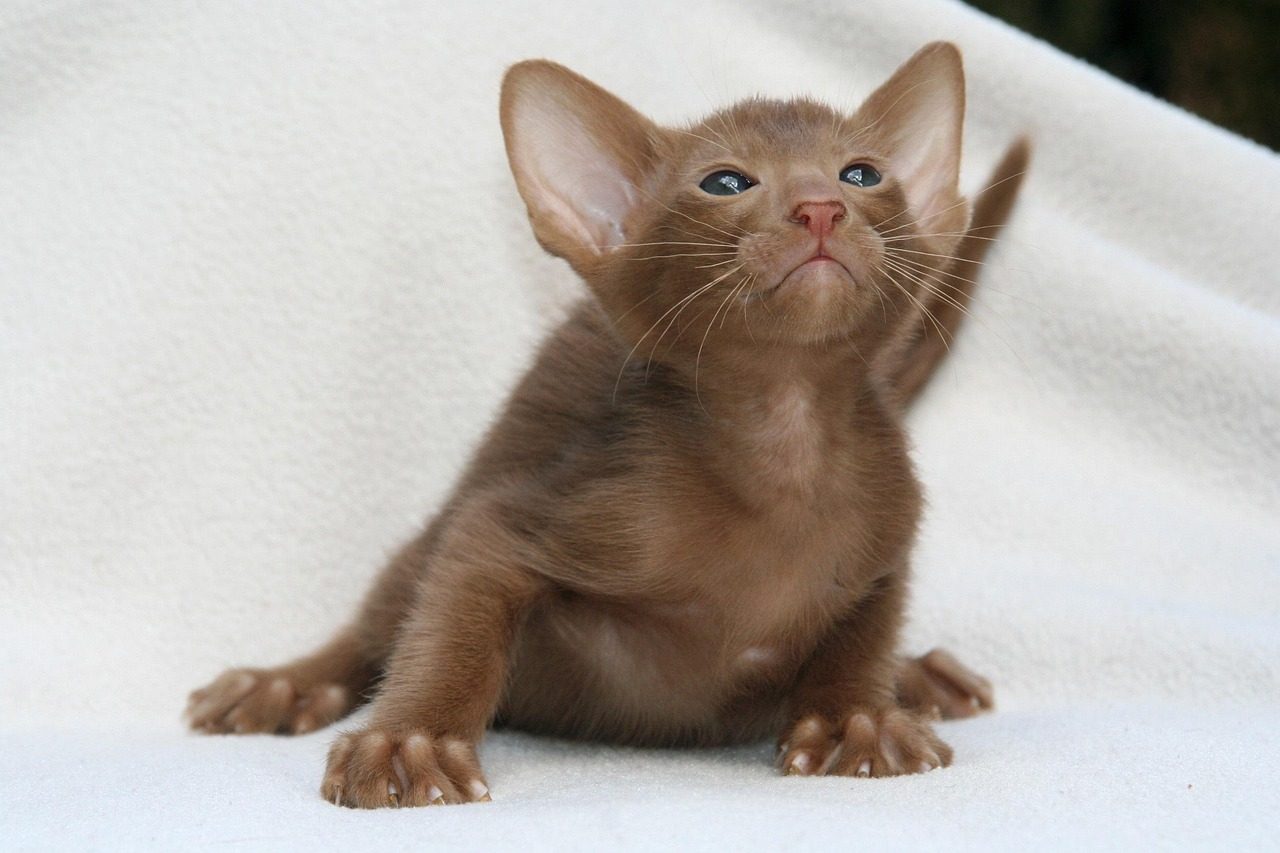
Oriental Shorthairs are extremely vocal cats with penetrating voices that can be overwhelming in busy households. These cats demand constant attention and become destructive when ignored, behaviors that conflict with the time constraints parents face while caring for children. Their Siamese ancestry makes them prone to the same attention-seeking and jealous behaviors that create problems in family settings.
The breed requires significant mental stimulation and interactive play that’s difficult to provide consistently when juggling children’s needs. Oriental Shorthairs also tend to bond with one person exclusively, often rejecting other family members and creating hurt feelings among children who want a loving relationship with their pet.
#1 Cornish Rex Cats
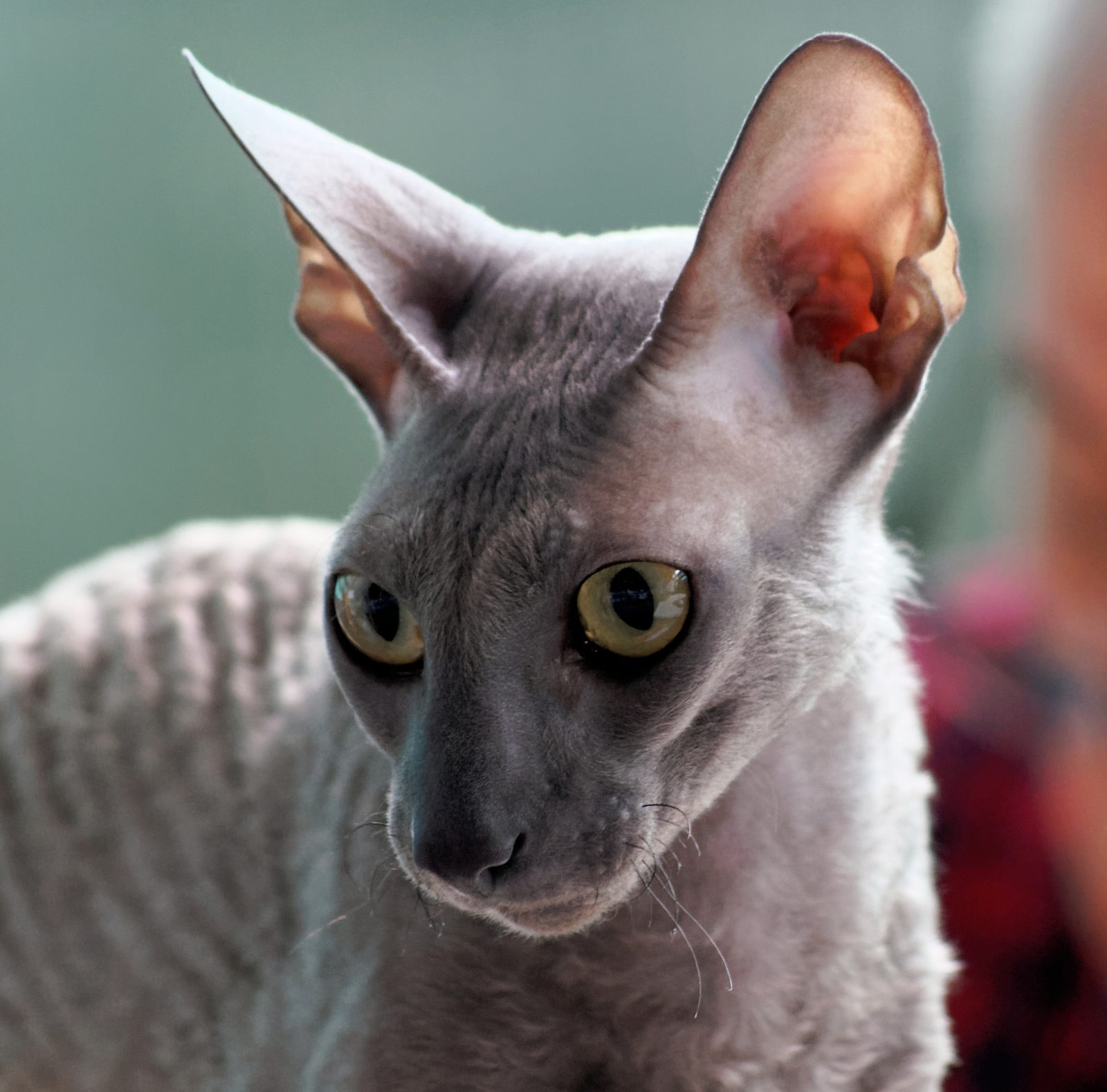
Cornish Rex cats have extremely fragile, curly coats that are easily damaged by children’s enthusiastic petting and play. Their thin fur provides little protection from temperature extremes, requiring heated environments and special care that’s expensive and time-consuming for busy families. These cats are also prone to skin problems that require veterinary attention and careful monitoring.
The breed’s high energy level and climbing abilities make them destructive in typical family homes, often knocking over items or getting into dangerous situations. Cornish Rex cats also tend to be very vocal and demanding, requiring more attention than most families with children can realistically provide while managing other responsibilities.
Conclusion
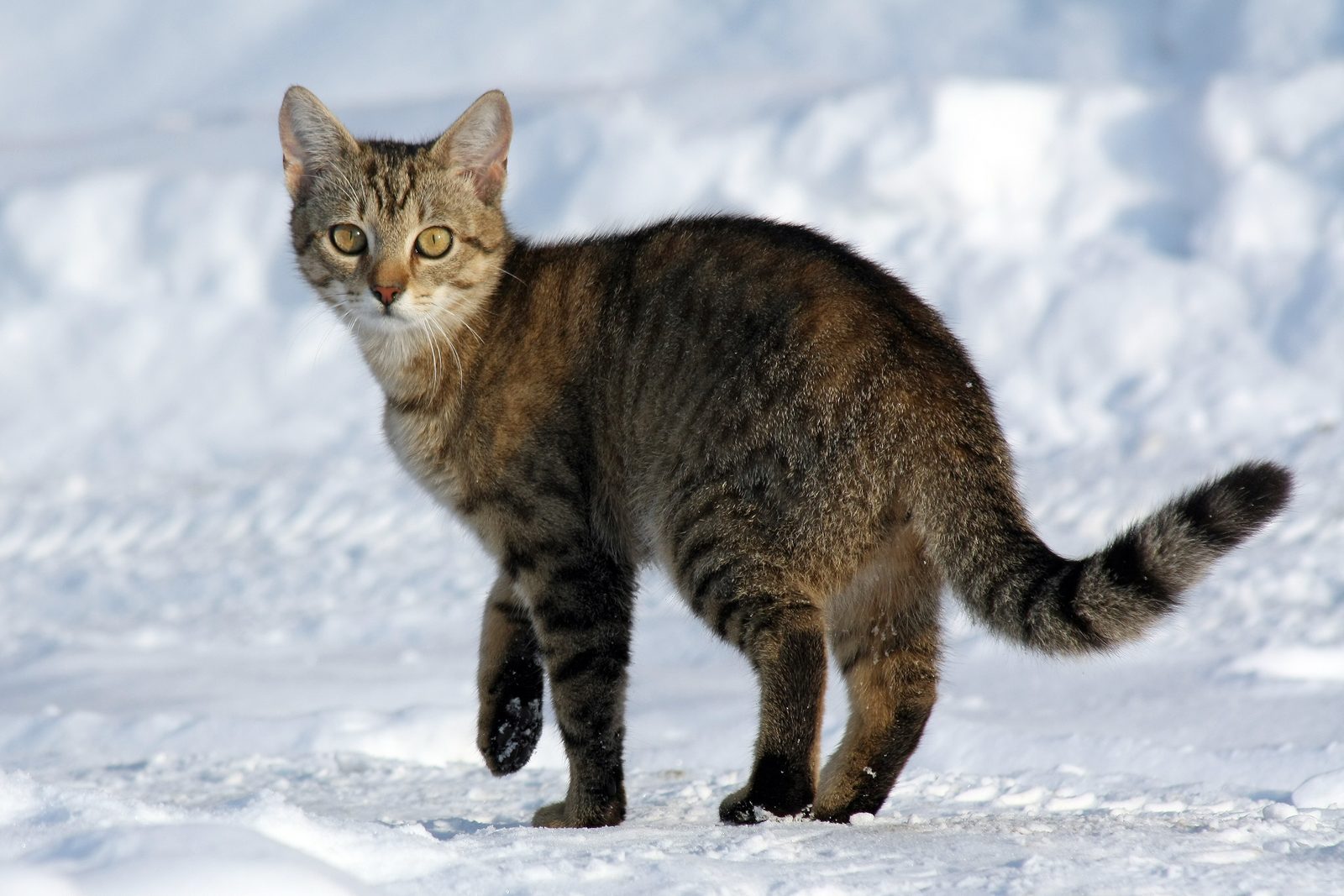
While every cat deserves a loving home, the reality is that some breeds simply aren’t compatible with the demands and dynamics of family life with children. Veterinarians see firsthand the stress that occurs when families choose cats based on appearance rather than temperament and care requirements.
The goal isn’t to discourage cat ownership, though rather to encourage thoughtful decision-making that benefits both families and their potential feline companions. What do you think about these breed considerations? Tell us in the comments.
